About Nippo Maru
The Nippo Maru offers a unique and eerie dive experience within the world-renowned Truk Lagoon, a significant historical site from World War II. This Japanese army cargo ship, resting upright on the seabed, forms a central part of the underwater memorial created by Operation Hailstone in 1944. It is widely regarded as one of the most compelling wreck dives globally, blending military history with thriving marine ecosystems. Sitting at depths accessible to advanced recreational divers, the Nippo Maru's structure provides numerous points of interest. Its holds still house a remarkable collection of war artifacts, including light tanks, artillery pieces, trucks, and gas masks, preserved almost exactly as they were when the ship sank. The wreck's kingpost, particularly, is a major highlight, serving as both a navigational aid and a bustling micro-habitat. Over the decades, the Nippo Maru has transformed from a sunken vessel into a vibrant artificial reef. Its metal surfaces are now covered in soft corals, sponges, and sea fans, attracting a diverse range of marine life from schooling fish to various macro creatures. Visibility here is generally excellent, especially during the dry season, allowing for clear views of both the historical cargo and the colorful biological growth. Diving the Nippo Maru is an immersive journey through history, offering both a somber reflection on conflict and a celebration of marine resilience.
Highlights
WWII army cargo ship wreckIntact tanks and artilleryEerie gas masks in holdsProlific soft coral growthBustling kingpost ecosystemHistorical artifact explorationExcellent underwater visibility
Season calendar
Best months to dive here
Jan
Feb
Mar
Apr
May
Jun
Jul
Aug
Sep
Oct
Nov
Dec
Excellent
Good
Dive site facts: Nippo Maru
- Depth
- 42 m (max)
- Typical dive
- 12–42 m, 50–60 min
- Current
- Mild
- Visibility
- 15–40 m
- Water temperature
- 27–30°C
- Entry
- Liveaboard tender / negative entry
- Level
- Advanced Open Water, Wreck Diver
- Dive type
- Wreck, historical, deep, technical
- Night dive
- Possible at select sites in the lagoon
- Region / port
- Chuuk Lagoon, Federated States of Micronesia
- Coordinates
- 7.365, 151.832
Conditions & Currents
Currents within Truk Lagoon, and specifically around the Nippo Maru, are generally mild, making for a more comfortable wreck diving experience. While the lagoon's sheltered nature protects most sites from strong oceanic flows, occasional moderate currents can be present, especially near passages. Divers should anticipate water temperatures ranging between 27-30°C year-round. Visibility is typically good, often exceeding 30 meters, though it can vary with rainfall. Entry and exit are usually boat-based, often via tender from a liveaboard, allowing for precise positioning over the wreck. Buoyancy control is crucial to avoid disturbing historical artifacts and sediment.
Marine life & sighting chances

Grey Reef Shark
occasional
Hawksbill Turtle
occasional
Barracuda
common
Trevally
common
Coral Grouper
common
Napoleon Wrasse
occasional
Bumphead Parrotfish
occasional
Triggerfish
common
Whitetip Reef Shark
occasional
Nudibranch
common
Shrimp
common
Crab
common
Juvenile Angelfish
common
Eels
commonDive profile & how the dive runs
Your dive on the Nippo Maru typically begins with a descent along the mooring line directly to the wreck's superstructure. The ship sits upright, allowing for easy orientation. Divers often explore the deck first, noting the guns and the prominent kingpost, which is teeming with macro life. From there, you can descend into the holds to observe the tanks, trucks, and artillery pieces. The gas masks found in one of the cargo holds offer a particularly poignant sight. The dive typically progresses through various deck levels and accessible internal areas, maintaining an awareness of depth and no-decompression limits. The return ascent allows for further exploration of the coral-encrusted upper sections before commencing a safety stop, often enjoyed near the vibrant kingpost, which provides ample photographic opportunities in the shallow sunlit waters.
Underwater photography
The Nippo Maru offers fantastic opportunities for both wide-angle and macro photography. For capturing the immense scale of the wreck, including its military cargo and the surrounding reef growth, a wide-angle lens is essential. Consider using external strobes to illuminate the darker sections of the holds and bring out the vibrant colors of soft corals on the exterior. When focusing on macro subjects, such as nudibranchs and small reef fish found on the kingpost and deck, a macro lens with a focus light will yield excellent results. Maintain impeccable buoyancy to avoid stirring up sediment within the holds, which can quickly reduce visibility for both you and subsequent divers, and always respect the historical integrity of the artifacts; do not touch or move them for a shot.
Combine with nearby dive sites
- Fujikawa Maru
Famous for its Zero fighter planes and soft coral coverage.
- Shinkoku Maru
Tanker with intact medical supplies and prolific coral growth.
- Yamagiri Maru
Wreck holding large artillery shells and a steamroller.
- San Francisco Maru
Known as the 'Million Dollar Wreck' with tanks, trucks, and bombs.
- Heian Maru
Large submarine tender with periscopes and torpedoes.
Getting there & logistics
Access to Chuuk Lagoon is primarily via Chuuk International Airport (TKK), with flights typically connecting through Guam or other Micronesian hubs. Upon arrival, dive operators, particularly liveaboards like the M/V Odyssey, arrange transfers to their vessels. Liveaboards are the preferred method for diving the Nippo Maru and other Truk Lagoon wrecks, offering unparalleled access and convenience. Trip lengths vary, but itineraries often span 6-10 days to allow for multiple dives on various sites, including the deeper wrecks. Marine park fees may apply and are often included in liveaboard packages. Combining Truk with other Micronesian destinations like Palau is common for extended dive holidays, though logistics between islands require careful planning.
Safety & environment
Diving the Nippo Maru requires advanced dive training, including wreck diving and potentially deep diving certifications, given its depth of up to 42 meters. The nearest recompression chamber is located within Chuuk Lagoon, offering critical medical support. Divers should ensure they have comprehensive dive insurance that covers emergency medical evacuation and hyperbaric treatment. Prudent conduct includes strict adherence to dive plans, conservative gas management, and maintaining excellent buoyancy control, especially when penetrating the wreck, to avoid disturbing sediment or damaging artifacts. Always dive with a reputable operator and a knowledgeable guide, as some areas of the wreck may have sharp edges or overhead environments.
Who it suits — and who it doesn't
Suited for
- Advanced wreck divers
- WWII history enthusiasts
- Underwater photographers
- Technical divers
- Divers seeking unique artifacts
Less suited for
- Beginner divers
- Divers without wreck experience
- Those prone to claustrophobia
- Divers unfamiliar with deep diving protocols
FAQ
Nippo Maru FAQ
What kind of artifacts can be seen on the Nippo Maru?
The Nippo Maru is famous for its preserved military cargo. Divers can expect to see light tanks, artillery pieces, trucks, and eerily intact gas masks within its cargo holds. These artifacts provide a somber glimpse into its role as a supply ship during World War II.
Is the Nippo Maru suitable for all levels of divers?
No, the Nippo Maru is recommended for advanced divers, ideally those with wreck diving or deep diving specialities. Its maximum depth of 42 meters and the potential for penetration into holds require experience, proper training, and excellent buoyancy control to explore safely.
What is the best way to dive the Nippo Maru and other Truk Lagoon wrecks?
The most effective and popular way to dive the Nippo Maru and the many other wrecks in Truk Lagoon is via a liveaboard. Liveaboards offer daily access to multiple dive sites, maximizing your time underwater and providing logistical ease for reaching remote locations within the vast lagoon.
What marine life can I expect to see on the Nippo Maru?
Beyond its historical significance, the Nippo Maru is a thriving artificial reef. You will encounter various soft corals, sponges, and sea fans covering its surfaces. Marine life includes schooling barracuda and trevally, groupers, and abundant macro life like nudibranchs, crabs, and eels.
Are there any hazards to be aware of when diving the Nippo Maru?
Potential hazards include sharp metal edges on the wreck, possible entanglements, and overhead environments during penetration. Divers must also manage their nitrogen narcosis at depth and be mindful of silt-out conditions if buoyancy control is not maintained. Always follow your guide's instructions and dive within your training limits.
Why dive Nippo Maru from a liveaboard?
Nippo Maru is one of Micronesia's signature dive sites. A liveaboard sleeps you on the water and puts you in the water for three to four guided dives per day, including dawn and night dives that day-boat operators rarely offer. You skip the daily commute back to port and reach quieter, less-crowded sites in the same region on a single trip.
Below are the liveaboards that include Nippo Maru on their Micronesia itineraries.
Liveaboards diving Nippo Maru
These liveaboards may visit Nippo Maru on selected itineraries — the exact dive sites depend on departure, weather and conditions.
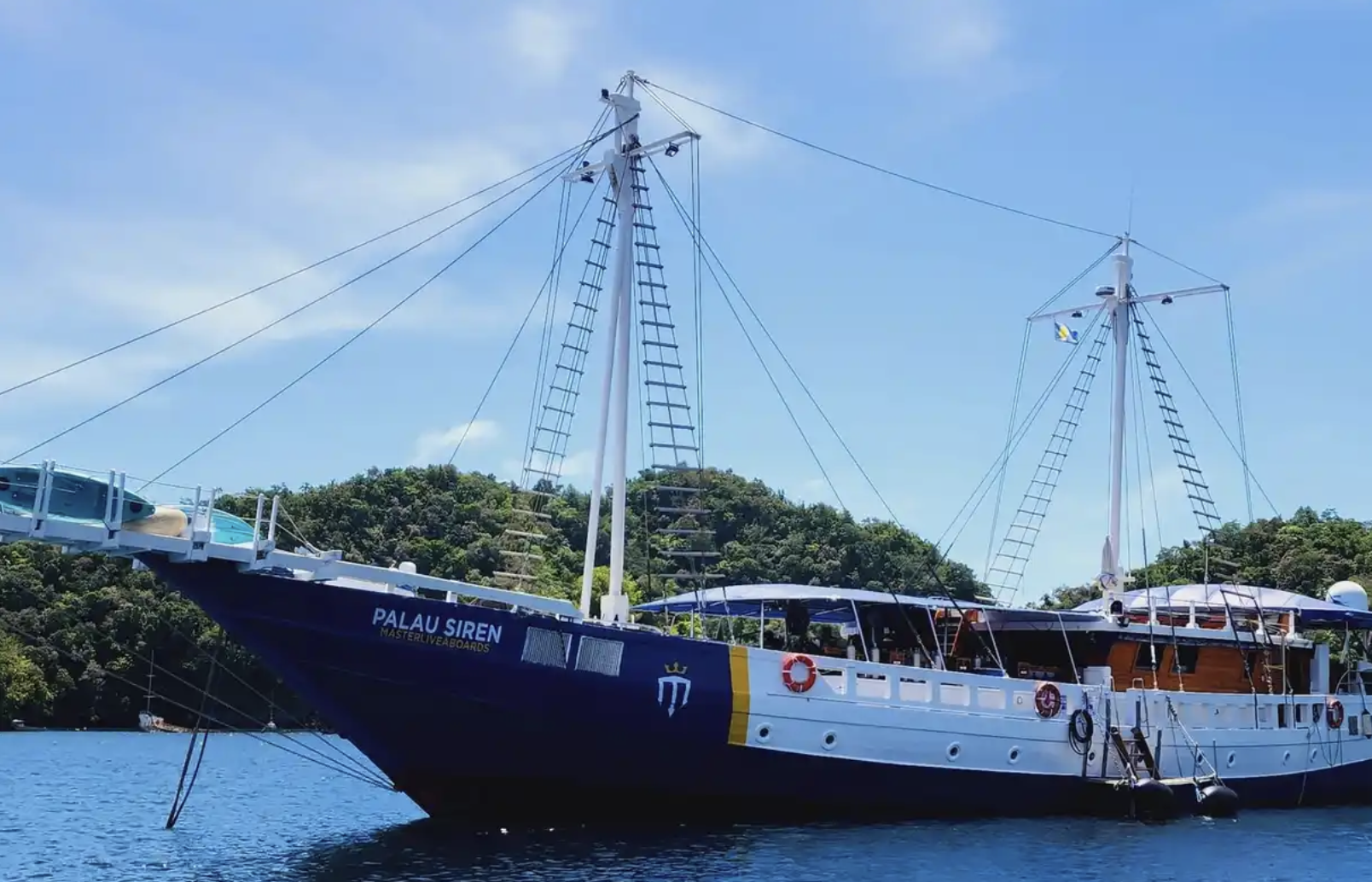
Palau Siren
Micronesia
16 guests
$501/day
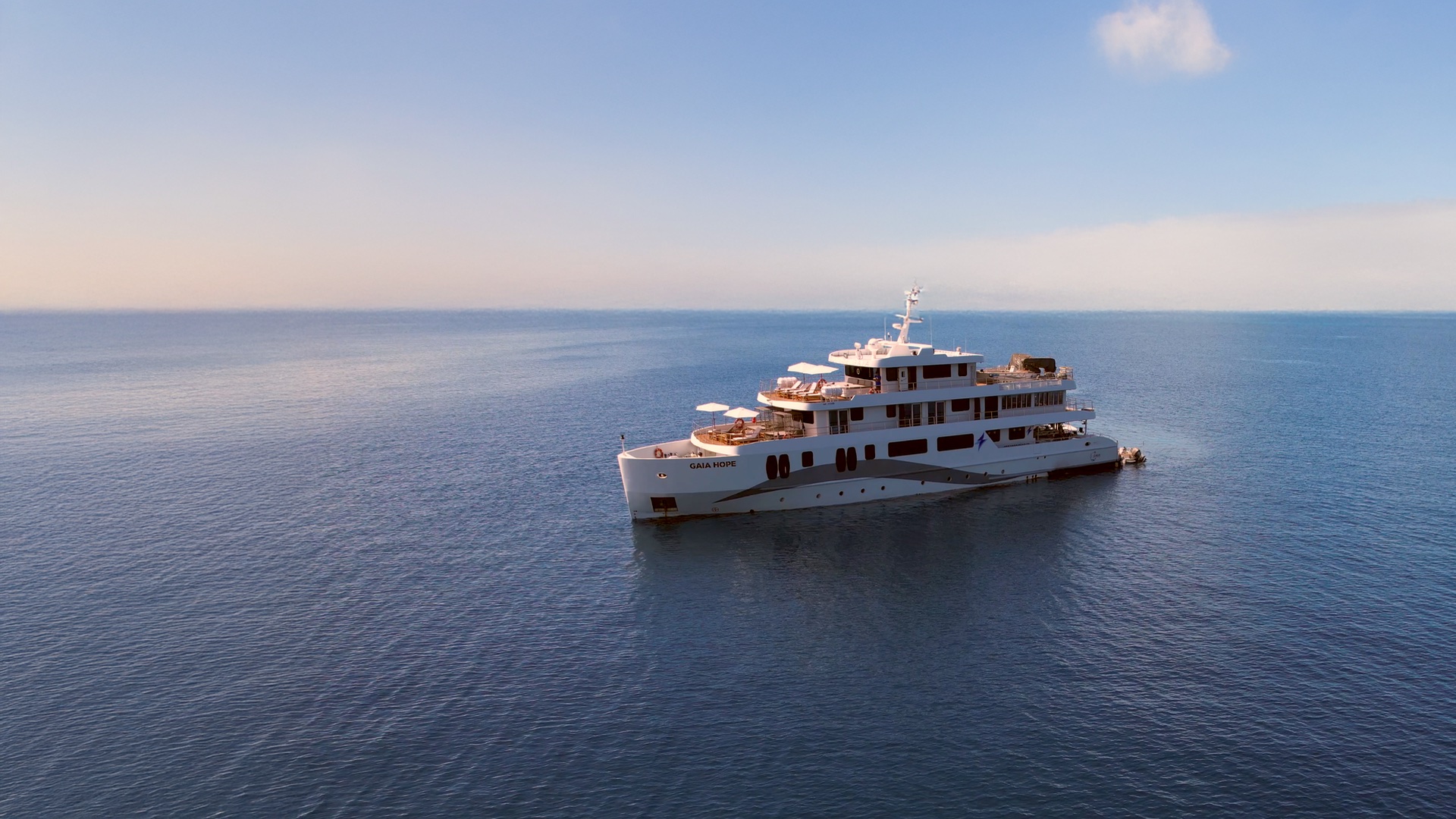
Solitude Gaia
Micronesia
18 guests40 m
$310/day
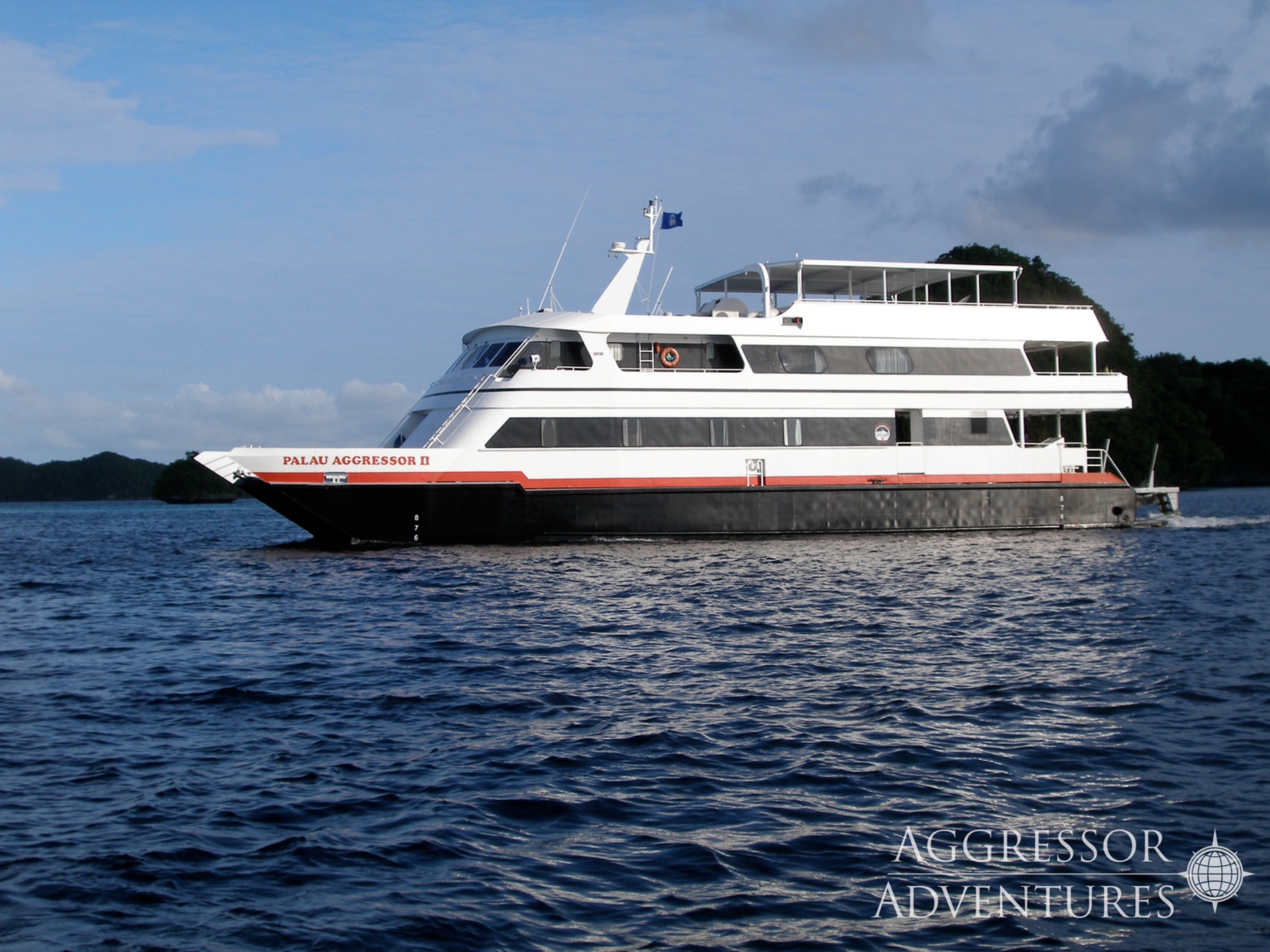
Palau Aggressor II
Micronesia
18 guests32 m
$360/day
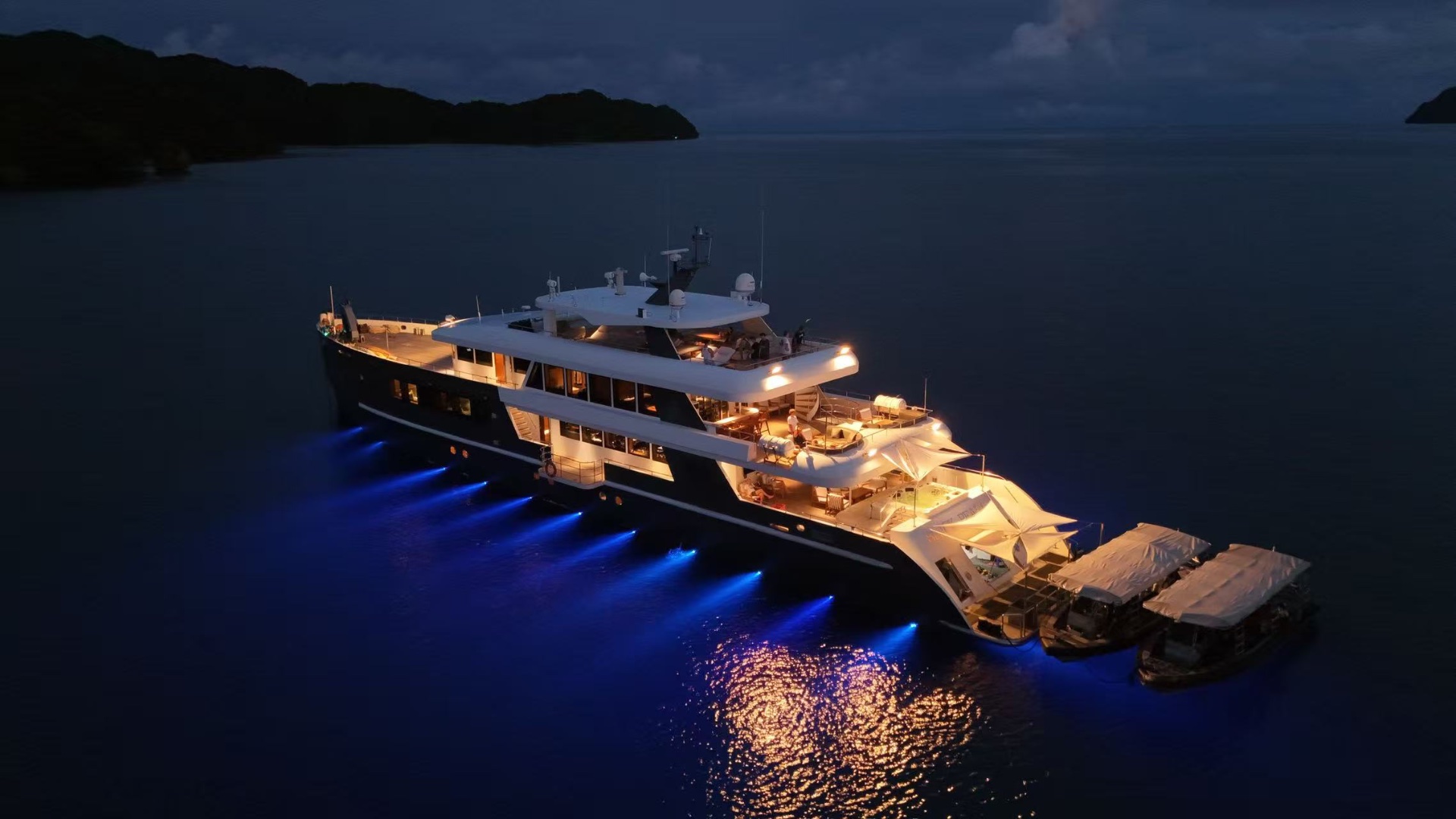
Black Pearl
Micronesia
24 guests
$390/day
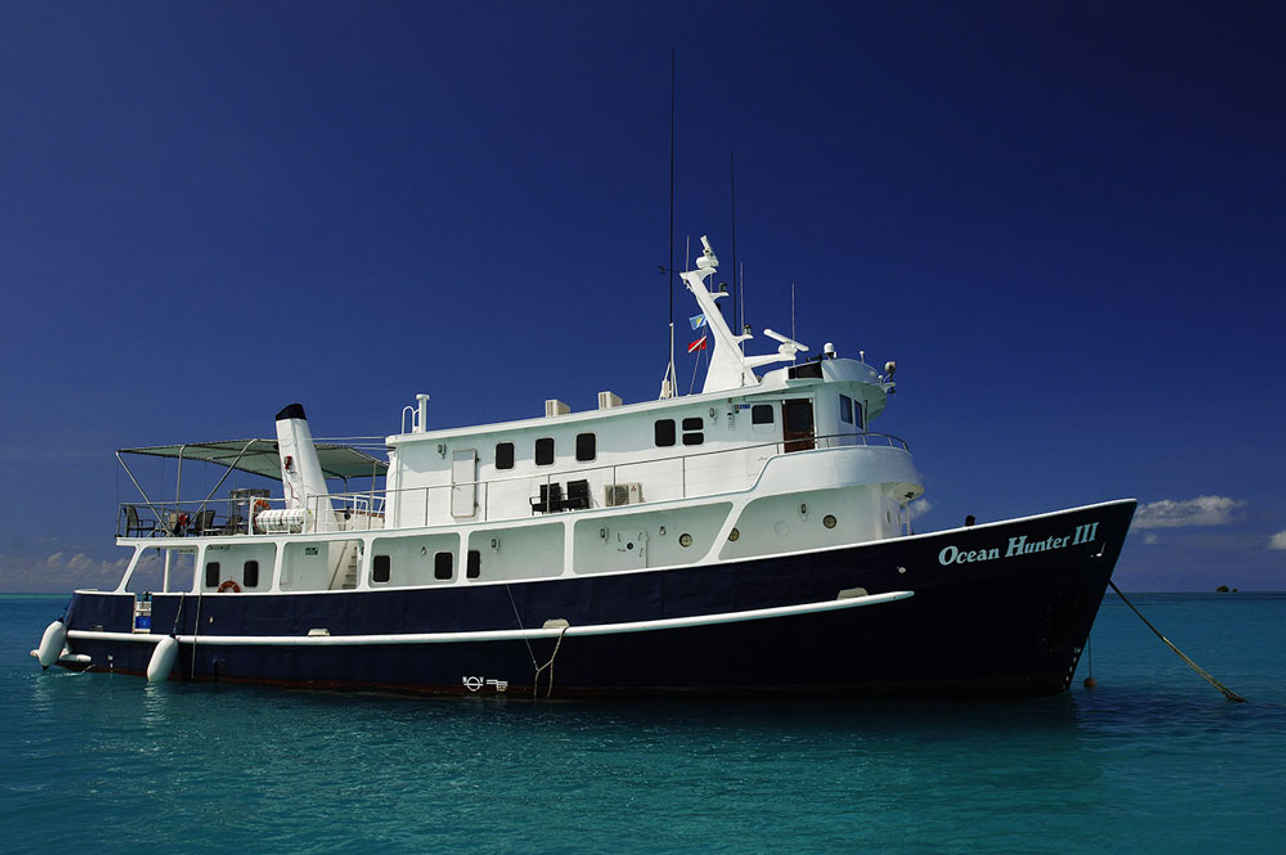
Ocean Hunter 3
Micronesia
16 guests29 m
$350/day
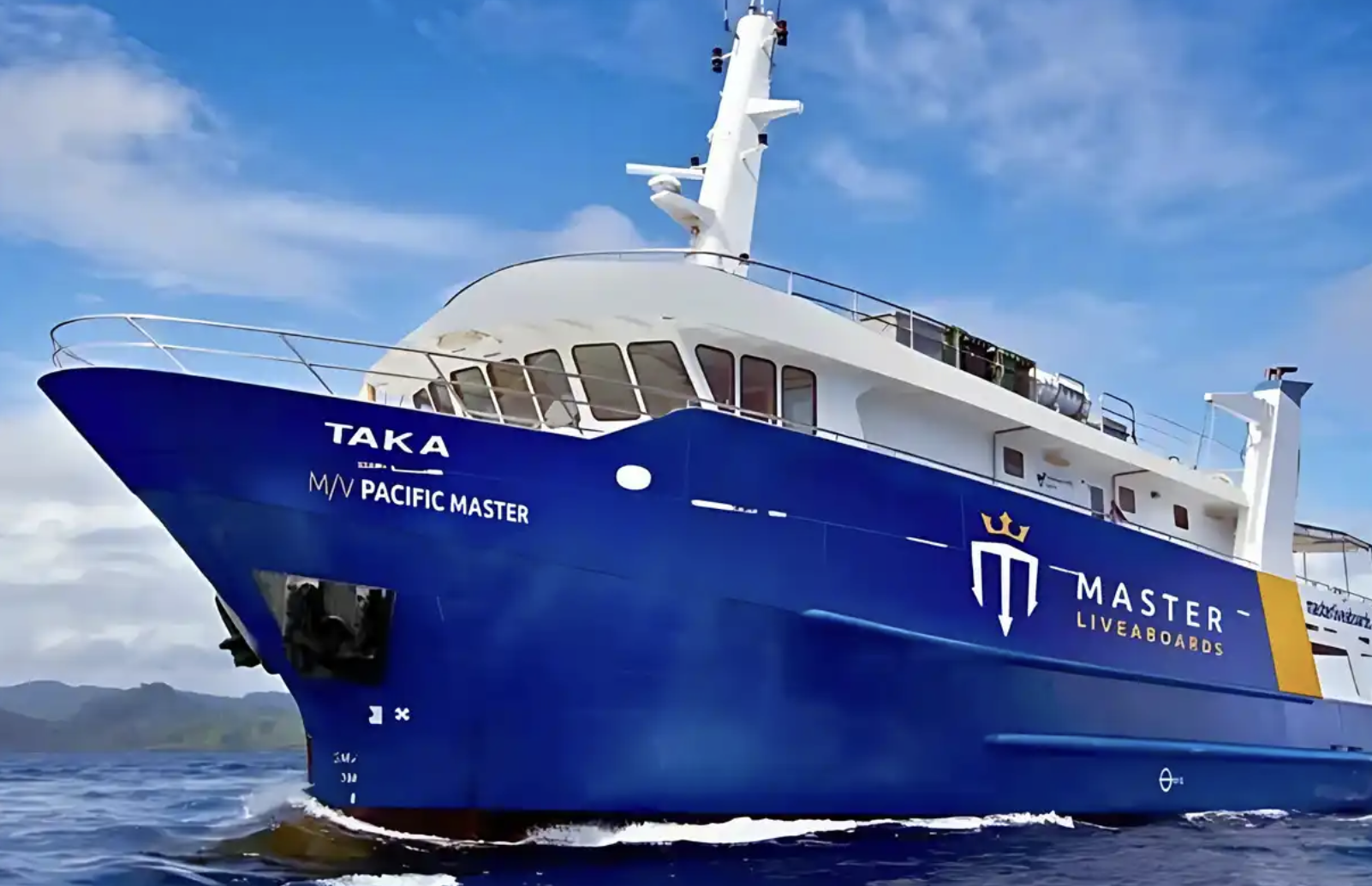
Pacific Master
Solomon Islands
20 guests30 m
$268/day
Dive sites similar to Nippo Maru
Same character, same waters — six more sites divers love for the exact same reasons.Compare seasons, access and liveaboard routes — then pick the site that fits your trip best.
© Esri — Maxar, Earthstar, GIS
Challenger Bay
Australia
Challenger Bay, nestled on Ribbon Reef #10, approximately 176 kilometers north of Port Douglas, is a renowned dive site on the remote northern Great Barrier Reef.
- Suitable for
- Advanced
- Current
- Moderate
- Access
- Liveaboard only
- Depth
- 5–30 m
- Theme
- Reef
© Esri — Maxar, Earthstar, GIS
Trochus Sanctuary
Micronesia
Trochus Sanctuary is a distinctive dive site located north of the mid-point of Kosrae, southwest of the island's airport.
- Suitable for
- Beginner
- Current
- Mild
- Access
- Dayboat
- Depth
- 5–13 m
- Theme
- Reef
© Esri — Maxar, Earthstar, GIS
Bare Island East
Australia
Bare Island East is a highly regarded shore dive in Sydney, celebrated for its diverse and colourful sponge gardens.
- Suitable for
- Intermediate
- Current
- Mild
- Access
- Shore / dayboat
- Depth
- 2–11 m
- Theme
- Reef
© Esri — Maxar, Earthstar, GIS
Raine Island
Australia
Raine Island is a pivotal dive site located in the Far Northern Great Barrier Reef, approximately 85 kilometers east-north-east of Cape Grenville and just over 4 nautical miles south of the island itself.
- Suitable for
- Advanced
- Current
- Strong
- Access
- Liveaboard only
- Depth
- 5–40 m
- Theme
- Reef / Wall
© Esri — Maxar, Earthstar, GIS
Neptune Islands
Australia
The Neptune Islands, nestled at the mouth of South Australia's Spencer Gulf, offer an unparalleled opportunity to encounter great white sharks.
- Suitable for
- Advanced
- Current
- Strong
- Access
- Liveaboard or dayboat
- Depth
- 5–15 m
- Theme
- Drift
© Esri — Maxar, Earthstar, GIS
Walung Drop-Off
Micronesia
Walung Drop-Off is a well-known dive site situated off the southwest coast of Kosrae in the Federated States of Micronesia.
- Suitable for
- Intermediate
- Current
- Moderate
- Access
- Dayboat
- Depth
- ≤ 30 m
- Theme
- Wall / Reef