About Yamagiri Maru
The Yamagiri Maru, a substantial Japanese cargo ship, offers an extraordinary dive into history within Truk Lagoon, Micronesia. As part of the famed "Ghost Fleet" resulting from Operation Hailstone in 1944, this wreck provides a unique blend of WWII relics and a thriving artificial reef. Its accessible depths make it suitable for a range of divers, from those exploring its exterior to experienced individuals keen on careful penetration. The wreck rests largely intact, presenting a fascinating structure for exploration. Corals have extensively colonized the ship's superstructure, transforming it into a vibrant habitat for diverse marine species. Artifacts such as shells and other wartime cargo are still evident, allowing a poignant glimpse into its past. Water conditions in Truk Lagoon are consistently warm, and currents around the Yamagiri Maru are generally mild, contributing to a comfortable and engaging dive experience. Visibility typically ranges from good to excellent, especially during the dry season, enhancing the appreciation of both the wreck's scale and its abundant marine inhabitants. Liveaboards are the preferred method for diving the Yamagiri Maru and other Truk Lagoon sites, enabling multiple dives over several days and efficient access to various wrecks. The combination of historical significance, marine biodiversity, and favorable diving conditions makes the Yamagiri Maru a compelling destination for wreck enthusiasts and underwater photographers alike.
Highlights
WWII cargo ship wreckLarge, intact structureHistorical artifacts insideCoral-encrusted superstructuresDiverse reef fish populationsAccessible for various diver levelsPart of Truk Lagoon's Ghost Fleet
Season calendar
Best months to dive here
Jan
Feb
Mar
Apr
May
Jun
Jul
Aug
Sep
Oct
Nov
Dec
Excellent
Good
Dive site facts: Yamagiri Maru
- Depth
- 15–34 m
- Typical dive
- 18–30 m, 50–60 min
- Current
- Mild
- Visibility
- 15–40 m
- Water temperature
- 28–30°C
- Entry
- Tender / stern lift
- Level
- Advanced Open Water Diver
- Dive type
- Wreck, historical, reef
- Night dive
- Possible
- Region / port
- Chuuk Lagoon, Micronesia
- Coordinates
- 7.362, 151.838
Conditions & Currents
Currents around the Yamagiri Maru within Truk Lagoon are generally mild, making for relatively calm diving conditions. This low current environment is ideal for wreck exploration, allowing divers to leisurely navigate the ship's exterior and interior. Entry and exit are typically straightforward, often assisted by liveaboard tenders. Visibility can range from 15 to 40 meters, with the best clarity experienced during the dry season. While thermoclines are uncommon in the consistently warm waters, occasional rainfall can slightly reduce visibility. The calm conditions are generally forgiving for divers, though prudent gas planning is always essential, particularly for longer wreck penetrations.
Marine life & sighting chances

Batfish
common
Barracuda
common
Dogtooth Tuna
occasional
Reef Fish
common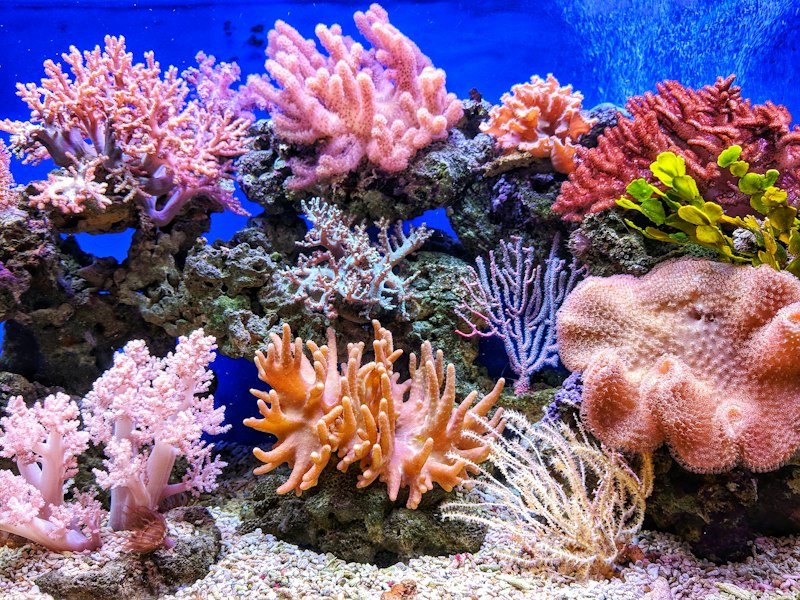
Soft Corals
common
Anemones
common
Hawksbill Turtle
occasional
Whitetip Reef Shark
occasional
Nudibranchs
common
Crustaceans
commonDive profile & how the dive runs
Diving the Yamagiri Maru typically begins with a descent along the mooring line to the ship's deck, which lies at around 15 to 18 meters. You can explore the forward cargo holds, where shells are often visible. Progressing along the wreck, divers can observe the extensive coral growth on the superstructure and the bridge area. Deeper sections, including the engine room and stern, reach approximately 34 meters, offering more advanced penetration opportunities. The turn point is often dictated by air consumption or bottom time, ensuring a safe ascent. Safety stops are usually conducted on the mooring line or along the ship's masts, which ascend towards shallower water, providing additional opportunities for observation of marine life.
Underwater photography
The Yamagiri Maru presents abundant opportunities for wreck and wide-angle photography. A wide-angle lens is ideal for capturing the immense scale of the ship and its cargo holds, as well as the dense coral growth. For interior shots and artifacts, dual strobes are essential to illuminate the often low-light environment and bring out colors, particularly for smaller details like sake bottles or machine parts. Maintaining excellent buoyancy control is crucial to avoid disturbing silt and to navigate confined spaces safely. When photographing marine life on the wreck, approach subjects slowly and avoid direct contact to preserve the delicate ecosystem. Patience often yields the best results for both historical artifacts and resident fish.
Combine with nearby dive sites
- Fujikawa Maru
Known for its intact aircraft and cargo holds.
- San Francisco Maru
A deeper, challenging wreck known as the 'Million Dollar Wreck' with tanks and trucks.
- Shinkoku Maru
One of the most beautiful wrecks, heavily encrusted with soft corals.
- Nippo Maru
Features an artillery gun, tanks, and other military equipment.
- Heian Maru
A large submarine tender with torpedoes and periscopes.
- Gosei Maru
A cargo ship with a variety of artifacts, including a bulldozer.
Getting there & logistics
Access to Truk Lagoon, including the Yamagiri Maru, is primarily via Chuuk International Airport (TKK). International flights typically connect through Guam, Palau, or other Micronesian hubs. Liveaboards are the most practical and popular way to experience the numerous wrecks in the lagoon, offering multi-day itineraries that maximize dive time and cover diverse sites. Transfers from the airport to liveaboard docks are usually arranged by the operators. Trip lengths typically range from 7 to 10 days. While there are no specific park fees for individual wrecks, some liveaboard packages may include general diving permits. Combining Truk Lagoon with other Micronesian destinations like Palau is common for extended dive trips.
Safety & environment
Diving the Yamagiri Maru, like other wrecks in Truk Lagoon, requires careful attention to safety protocols. The nearest recompression chamber is located in Chuuk itself, though emergency medical facilities are limited. Evacuation for serious medical incidents would likely involve transport to Guam or further, underscoring the critical need for comprehensive dive insurance that covers emergency medical treatment and evacuation. Divers should be proficient in buoyancy control and aware of entanglement hazards from lines and corroded structures. Wreck penetration should only be attempted by appropriately trained and experienced divers with proper equipment. Always dive with a guide familiar with the wreck, and adhere strictly to dive plans and depth limits.
Who it suits — and who it doesn't
Suited for
- Advanced Open Water divers
- Wreck diving enthusiasts
- Underwater photographers
- History buffs interested in WWII
- Divers seeking varied marine life on artificial reefs
Less suited for
- Beginner divers without wreck training
- Divers uncomfortable with overhead environments
- Those prone to claustrophobia in confined spaces
- Divers without proper dive insurance
- Individuals not comfortable with deeper dives
FAQ
Yamagiri Maru FAQ
What kind of artifacts can be seen on the Yamagiri Maru?
The Yamagiri Maru holds a significant amount of historical cargo, notably shells and other wartime materials, within its holds. These artifacts offer a poignant connection to the ship's role during World War II. Divers can observe these items, which remain largely untouched, providing a unique glimpse into the past.
Is the Yamagiri Maru suitable for all diver levels?
The Yamagiri Maru offers various depths, making parts of it accessible to Advanced Open Water divers. However, deeper sections and interior penetration require more experience and specialized training. Divers should assess their skill level and comfort with wreck diving before attempting more challenging areas.
What is the visibility like on the Yamagiri Maru?
Visibility around the Yamagiri Maru typically ranges from 15 to 40 meters, with the clearest conditions experienced during the dry season (December to April). This generally good visibility enhances the exploration of the wreck and its surrounding marine life. Occasional rainfall can cause slight reductions, but overall, it remains excellent for photography and general enjoyment.
What marine life inhabits the Yamagiri Maru?
The Yamagiri Maru has become a thriving artificial reef, attracting a variety of marine life. Divers commonly encounter schools of batfish, barracuda, and various reef fish. Soft corals and anemones extensively cover the wreck, providing habitats for nudibranchs and crustaceans. Occasional sightings of Hawksbill turtles and Whitetip reef sharks also occur.
How long is a typical dive on the Yamagiri Maru?
A typical dive on the Yamagiri Maru usually lasts between 50 to 60 minutes, depending on individual air consumption and depth. Given the size and intricacies of the wreck, this duration allows for thorough exploration of key areas. Divers should plan their gas and no-decompression limits accordingly, especially when considering multiple dives a day.
Why dive Yamagiri Maru from a liveaboard?
Yamagiri Maru is one of Micronesia's signature dive sites. A liveaboard sleeps you on the water and puts you in the water for three to four guided dives per day, including dawn and night dives that day-boat operators rarely offer. You skip the daily commute back to port and reach quieter, less-crowded sites in the same region on a single trip.
Below are the liveaboards that include Yamagiri Maru on their Micronesia itineraries.
Liveaboards diving Yamagiri Maru
These liveaboards may visit Yamagiri Maru on selected itineraries — the exact dive sites depend on departure, weather and conditions.
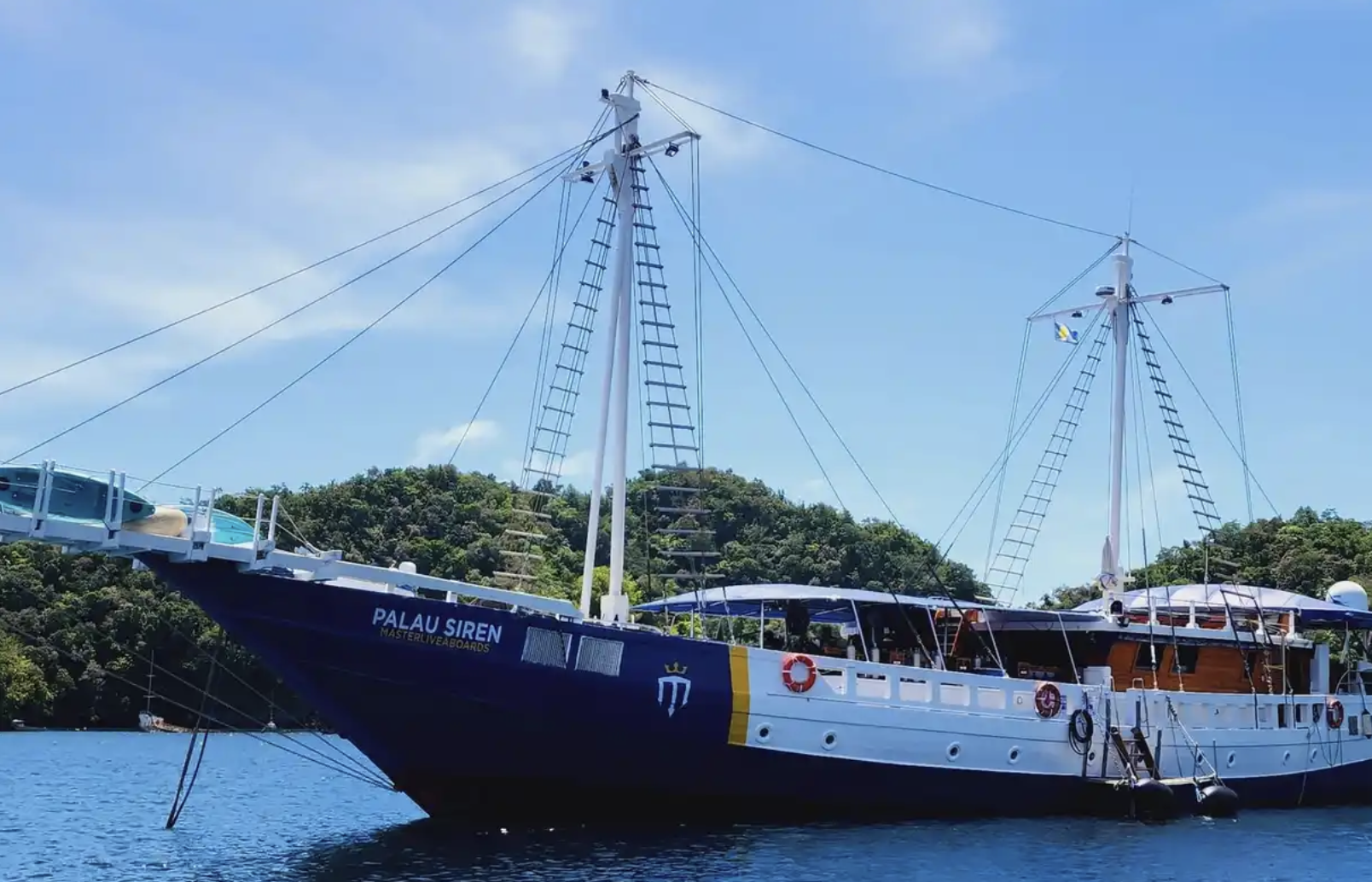
Palau Siren
Micronesia
16 guests
$501/day
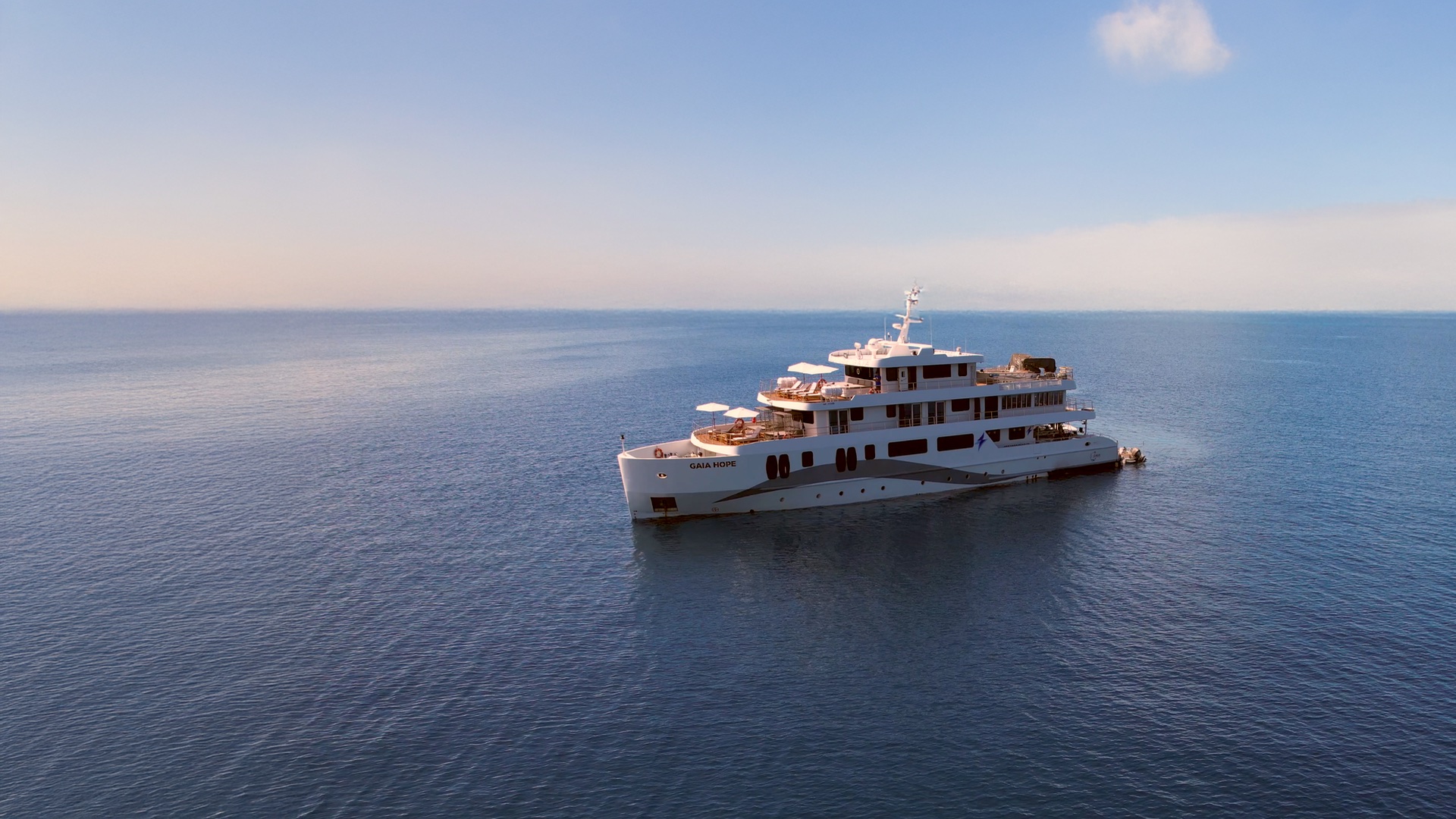
Solitude Gaia
Micronesia
18 guests40 m
$310/day
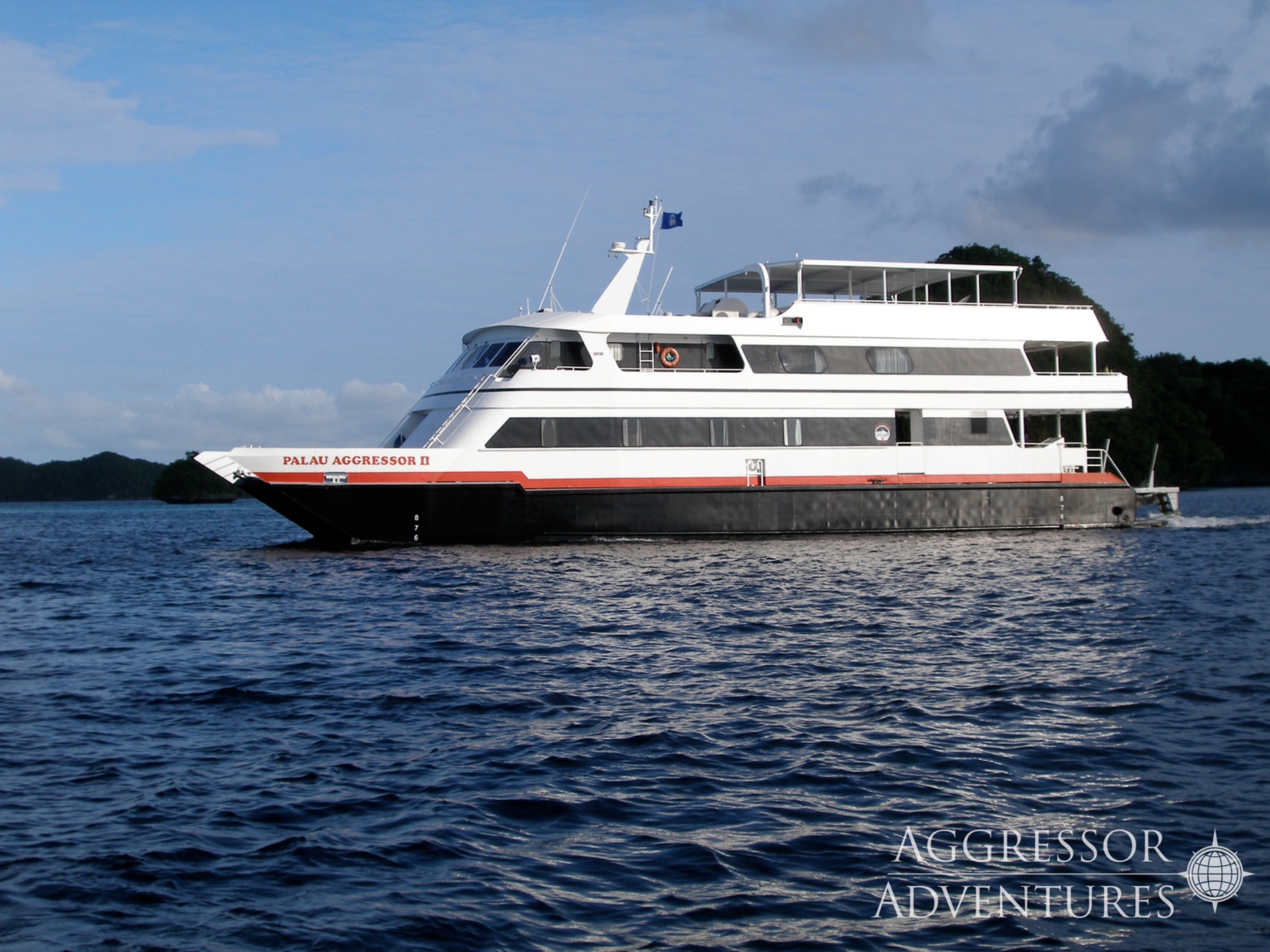
Palau Aggressor II
Micronesia
18 guests32 m
$292/day
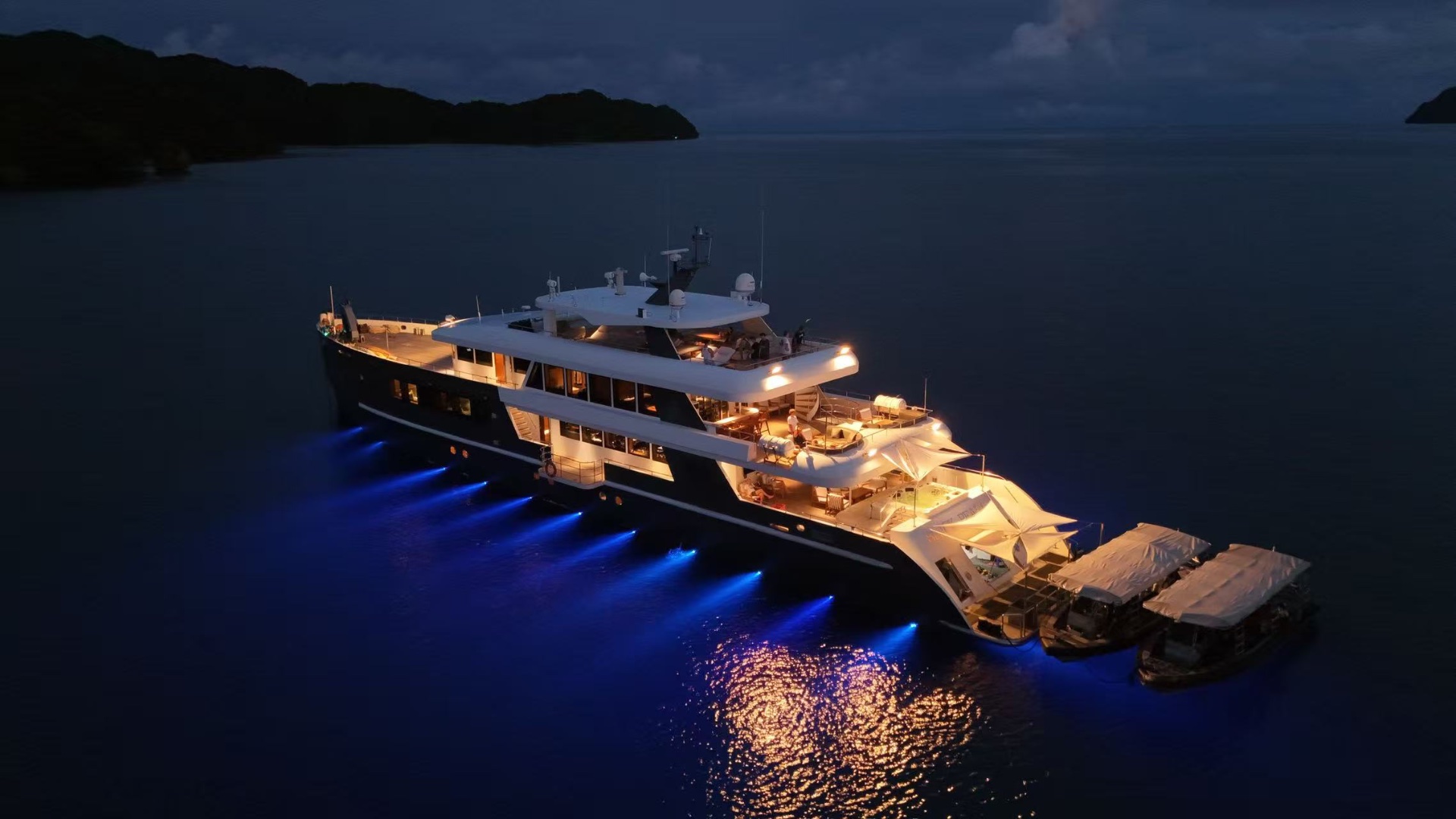
Black Pearl
Micronesia
24 guests
$390/day
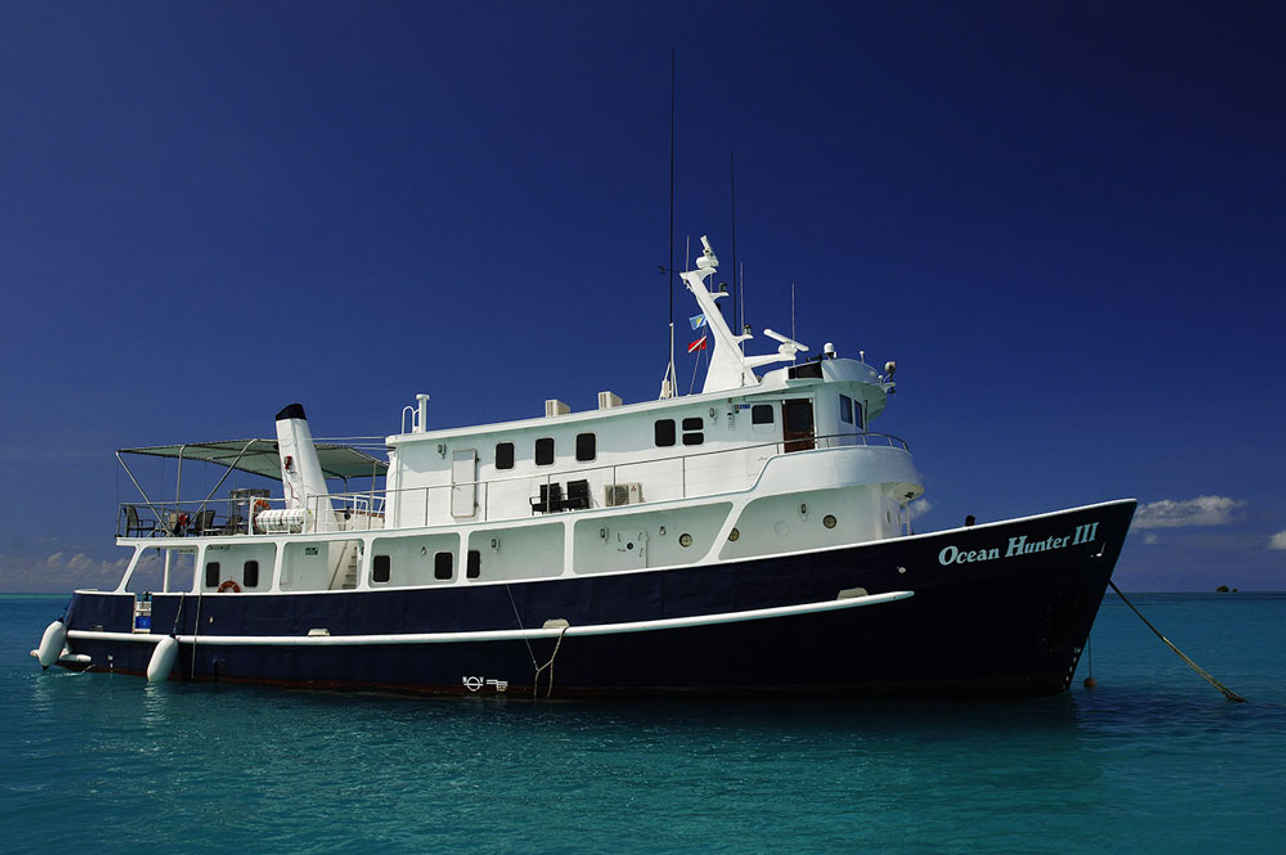
Ocean Hunter 3
Micronesia
16 guests29 m
$350/day
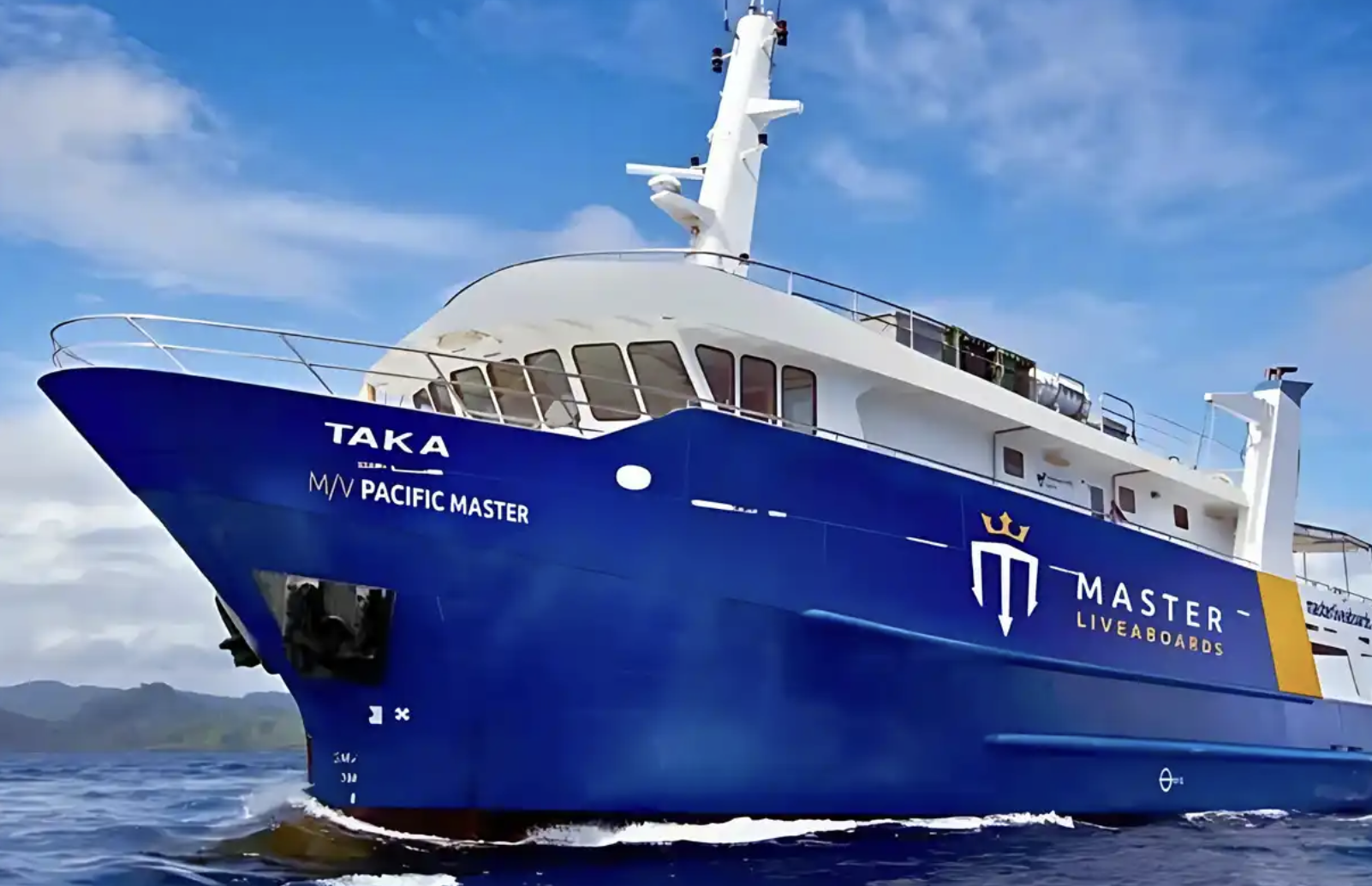
Pacific Master
Solomon Islands
20 guests30 m
$268/day
Dive sites similar to Yamagiri Maru
Same character, same waters — six more sites divers love for the exact same reasons.Compare seasons, access and liveaboard routes — then pick the site that fits your trip best.
© Esri — Maxar, Earthstar, GIS
Fujikawa Maru
Micronesia
The Fujikawa Maru, a 133-meter Japanese cargo and passenger vessel, rests upright in Chuuk Lagoon, offering one of the most celebrated wreck dives globally.
- Suitable for
- Beginner
- Current
- Moderate
- Access
- Liveaboard only
- Depth
- 5–37 m
- Theme
- Wreck
© Esri — Maxar, Earthstar, GIS
Rio de Janeiro Maru
Micronesia
The Rio de Janeiro Maru, a former luxury passenger-cargo liner, now rests as a prominent wreck in Truk Lagoon, an essential destination for wreck enthusiasts.
- Suitable for
- Intermediate
- Current
- Strong
- Access
- Liveaboard only
- Depth
- 18–40 m
- Theme
- Wreck
© Esri — Maxar, Earthstar, GIS
Heian Maru
Micronesia
The Heian Maru, a former Japanese passenger-cargo vessel, rests upright in Chuuk Lagoon, making it a pivotal dive site for those exploring the rich history of Operation Hailstone.
- Suitable for
- Intermediate
- Current
- Mild
- Access
- Liveaboard only
- Depth
- 10–34 m
- Theme
- Wreck
© Esri — Maxar, Earthstar, GIS
San Francisco Maru
Micronesia
The San Francisco Maru, often dubbed the "Million Dollar Wreck," is among the most celebrated dive sites in Micronesia's Chuuk Lagoon, a renowned graveyard of World War II vessels.
- Suitable for
- Advanced
- Current
- Mild
- Access
- Liveaboard only
- Depth
- 40–64 m
- Theme
- Wreck
© Esri — Maxar, Earthstar, GIS
Gosei Maru
Micronesia
The Gosei Maru is a compelling wreck dive in Truk Lagoon, Micronesia, offering a glimpse into World War II history beneath the waves.
- Suitable for
- Intermediate
- Current
- Mild
- Access
- Liveaboard only
- Depth
- 15–32 m
- Theme
- Wreck
© Esri — Maxar, Earthstar, GIS
Nippo Maru
Micronesia
The Nippo Maru offers a unique and eerie dive experience within the world-renowned Truk Lagoon, a significant historical site from World War II. This Japanese army cargo ship…
- Suitable for
- Advanced
- Current
- Strong
- Access
- Liveaboard only
- Depth
- 20–45 m
- Theme
- Wreck