About Heian Maru
The Heian Maru, a former Japanese passenger-cargo vessel, rests upright in Chuuk Lagoon, making it a pivotal dive site for those exploring the rich history of Operation Hailstone. Sunk during the intense aerial assault in February 1944, this 155-meter ship is the largest remaining wreck in the lagoon. Its immense scale and diverse internal structures, including a prominent bridge, spacious engine room, and cargo holds, offer an unparalleled exploration experience over multiple dives. The wreck's hull begins at a depth of 12 meters, extending down to its deepest point at 36 meters, allowing both recreational and more experienced wreck divers to explore its various sections. The Heian Maru lies in sheltered lagoon waters, characterized by minimal currents, which enhances the safety and enjoyment of penetration dives into its broad passageways. Visibility typically ranges around 20 meters, though it can fluctuate with weather conditions and specific locations within the lagoon. Despite its wartime origins, the Heian Maru is now a thriving artificial reef. Healthy coral growth, sponges, and sea fans have colonized its steel structure, creating a habitat for a variety of marine life. Divers frequently encounter grey reef sharks, groupers, jackfish, lionfish, and snappers navigating the wreck’s nooks and crannies. The transformation from a military transport to a vibrant ecosystem underscores the unique blend of history and natural beauty found in Chuuk Lagoon. Diving the Heian Maru is a deliberate experience, best approached with careful planning rather than a hurried tour. Its layered environment encourages divers to return repeatedly to uncover new details and discover its hidden marine inhabitants. As with all wrecks in Chuuk, it is considered a war grave, necessitating a respectful approach to its exploration.
Highlights
Largest wreck in Chuuk LagoonExpansive bridge and engine roomBroad, accessible cargo spacesSignificant coral growthWorld War II historical artifactsVariety of reef fish
Season calendar
Best months to dive here
Jan
Feb
Mar
Apr
May
Jun
Jul
Aug
Sep
Oct
Nov
Dec
Good
Dive site facts: Heian Maru
- Depth
- 10–36 m
- Current
- Very little
- Visibility
- 20 m
- Water temperature
- 28–30°C
- Entry
- Boat
- Level
- Intermediate
- Dive type
- Deep Wreck
- Region / port
- Chuuk Lagoon, Micronesia
- Coordinates
- 7.37, 151.828
Conditions & Currents
The Heian Maru is situated within the sheltered waters of Chuuk Lagoon, which typically experiences very little current, making it ideal for wreck penetration. While the lagoon generally offers calm conditions, visibility around 20 meters can vary depending on weather patterns and specific areas of the lagoon. Divers should expect minimal surge, enhancing the stability for exploring the wreck's many features. These mild conditions mean entry and exit are usually straightforward, but awareness of potential silt disruption inside the wreck and surrounding areas is crucial for maintaining good visibility, especially during longer penetrations.
Marine life & sighting chances

Grey Reef Shark
occasional
Grouper
common
Basslet
common
Jackfish
common
Lionfish
common
Snapper
common
Nudibranch
common
Crustacean
common
Anemone
commonDive profile & how the dive runs
Diving the Heian Maru typically begins with a boat drop directly onto the wreck, which lies in minimal current. You can descend to the hull at approximately 12 meters, allowing for a gradual exploration. The main route often involves exploring the expansive bridge, before moving into the broad passageways and cargo holds that house historical artifacts. Divers can navigate through various decks, observing the transformation of the vessel into an artificial reef. A popular path involves moving deeper towards the engine room, reaching depths of around 36 meters. Due to its size and numerous features, multiple dives are recommended to fully appreciate the wreck. The safety stop is generally conducted in the shallower sections of the wreck or near the mooring line, allowing for continued observation of marine life congregating on the upper decks.
Underwater photography
The Heian Maru presents excellent opportunities for both wide-angle and macro photography. For capturing the sheer scale of the wreck, its expansive decks, and the penetration opportunities into the bridge and cargo holds, a wide-angle lens is essential. Natural light penetrates well to the shallower sections, but for deeper areas and internal shots, external strobes or powerful video lights are highly recommended to illuminate details and bring out the vibrant colors of soft corals. Macro photographers will find a wealth of subjects among the intricate coral growth, nudibranchs, and crustaceans that have colonized the wreck. Pay close attention to your buoyancy, especially within the interior, to avoid silting and ensure clear shots.
Combine with nearby dive sites
- Fujikawa Maru
A Chuuk Lagoon wreck dive known for aircraft relics and extensive coral growth.
- San Francisco Maru
A deep cargo wreck in Chuuk, often considered a technical dive due to its depth.
- Shinkoku Maru
A coral-covered tanker wreck that rests upright in Chuuk Lagoon.
- Nippo Maru
A large supply vessel offering diverse cargo and marine life.
Getting there & logistics
Access to Chuuk Lagoon and the Heian Maru primarily involves international flights to Guam, followed by connecting flights to Weno, Chuuk. Liveaboards are the most practical way to experience the numerous wrecks in the lagoon, offering itineraries that typically range from 7 to 10 days. These vessels provide direct access to multiple dive sites, including the Heian Maru, within a single trip. Shore-based options are also available, with dive centers operating from Weno. There are generally no specific dive permits for the Heian Maru beyond the standard Chuuk Lagoon diving fees, which are usually included in liveaboard or dive package costs. Booking several months in advance is advisable due to the popularity of this destination.
Safety & environment
Diving the Heian Maru, like all wrecks in Chuuk Lagoon, requires a strong emphasis on safety. Divers should be aware of the overhead environment, especially during penetrations, and exercise caution to avoid sharp edges, entanglement hazards, and disturbing silt. Advanced Open Water and Wreck Diver certifications are strongly recommended for exploring deeper or interior sections. All wrecks in Chuuk are considered war graves, so divers must treat them with respect and adhere to local site rules and guide instructions. The nearest recompression chamber is located in Weno, though evacuation from remote dive sites to the chamber can take time. Comprehensive dive insurance, including coverage for medical emergencies and evacuation, is highly advisable for all divers.
Who it suits — and who it doesn't
Suited for
- Advanced Open Water divers
- Wreck diving enthusiasts
- Underwater photographers
- History buffs interested in WWII
- Divers seeking multi-day wreck exploration
Less suited for
- Beginner divers without wreck experience
- Divers uncomfortable with overhead environments
- Those prone to claustrophobia
- Divers seeking exclusively vibrant coral reef dives
- Individuals with poor buoyancy control
FAQ
Heian Maru FAQ
What is the history of the Heian Maru?
The Heian Maru was a Japanese passenger-cargo ship, built in 1930, that served as a submarine tender and transport vessel during World War II. It was sunk in February 1944 during Operation Hailstone, a major American aerial assault on the Japanese naval base in Truk Lagoon. Today, it is the largest ship wreck remaining in the lagoon.
What kind of marine life can I expect to see on the Heian Maru?
The Heian Maru has transformed into a vibrant artificial reef, attracting a variety of marine life. Divers can frequently spot grey reef sharks, groupers, jackfish, lionfish, and snappers. The wreck's surfaces are also home to abundant macro life, including various nudibranchs, crustaceans, and anemones, thriving among the coral growth.
How deep is the Heian Maru wreck?
The Heian Maru rests at depths suitable for both advanced recreational and technical divers. The shallower parts of the wreck's hull begin around 12 meters, while the deepest sections, such as the engine room and cargo holds, extend down to approximately 36 meters. This depth range allows for extensive exploration.
Are there any penetration opportunities on the Heian Maru?
Yes, the Heian Maru is renowned for its numerous penetration opportunities. Its broad passageways, expansive bridge, and accessible cargo holds offer a rewarding experience for certified wreck divers. These interior sections are large enough to explore with relative ease, showcasing historical artifacts and abundant marine life.
Is the Heian Maru suitable for all dive levels?
The Heian Maru is best suited for intermediate to advanced divers. While some shallower sections are accessible to Open Water divers, the full experience, particularly exploring the deeper areas and interior passageways, requires Advanced Open Water certification and specific wreck diving training. Excellent buoyancy control is essential to prevent silting.
What special considerations should I keep in mind when diving this wreck?
As with all wrecks in Chuuk Lagoon, the Heian Maru is considered a war grave, and divers should approach it with respect. Exercise caution around sharp edges, potential entanglement hazards, and be mindful of disturbing silt, especially inside the wreck. Always follow your dive guide's instructions and maintain proper buoyancy to preserve the site.
Why dive Heian Maru from a liveaboard?
Heian Maru is one of Micronesia's signature dive sites. A liveaboard sleeps you on the water and puts you in the water for three to four guided dives per day, including dawn and night dives that day-boat operators rarely offer. You skip the daily commute back to port and reach quieter, less-crowded sites in the same region on a single trip.
Below are the liveaboards that include Heian Maru on their Micronesia itineraries.
Liveaboards diving Heian Maru
These liveaboards may visit Heian Maru on selected itineraries — the exact dive sites depend on departure, weather and conditions.
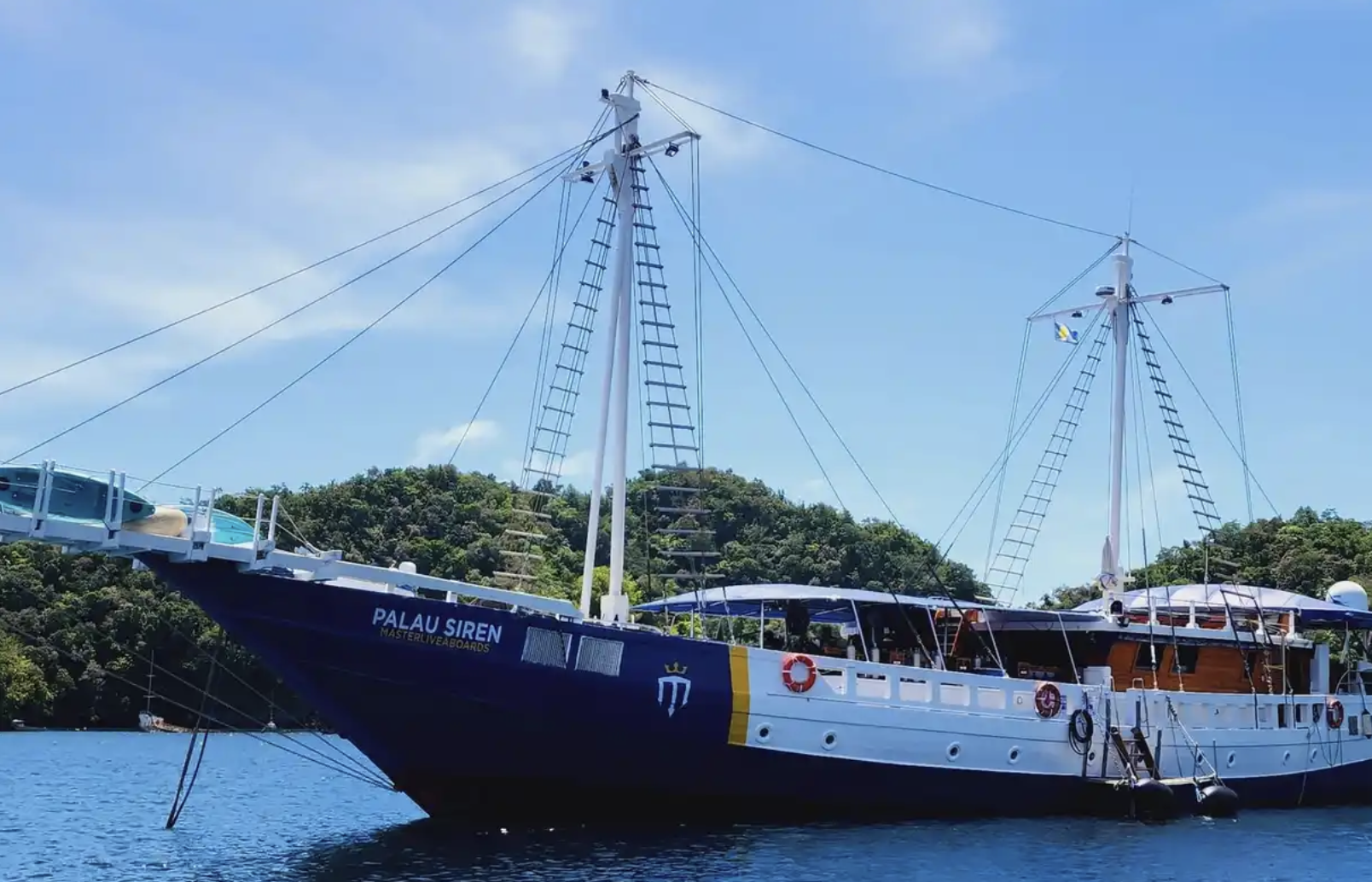
Palau Siren
Micronesia
16 guests
$501/day
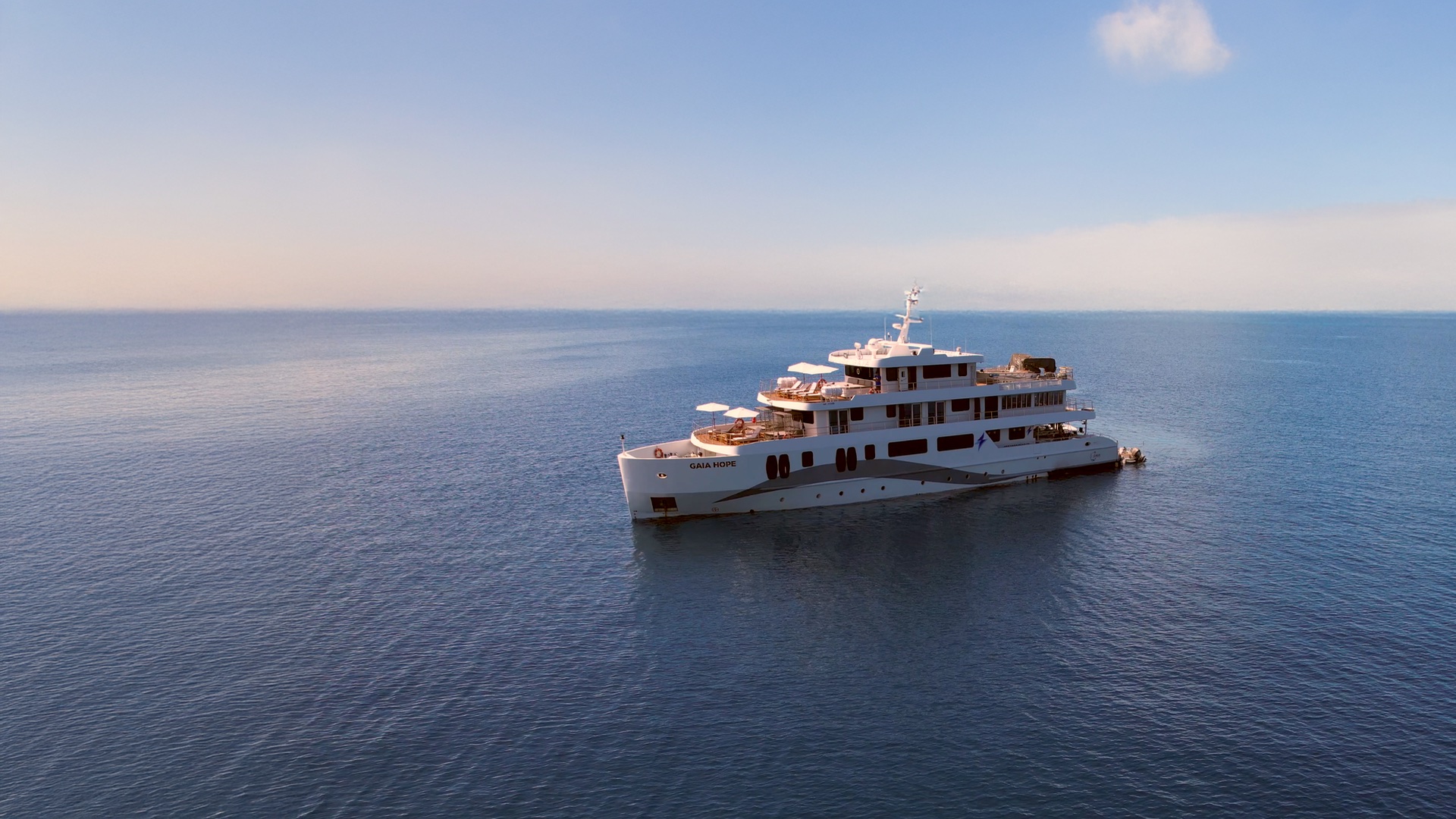
Solitude Gaia
Micronesia
18 guests40 m
$310/day
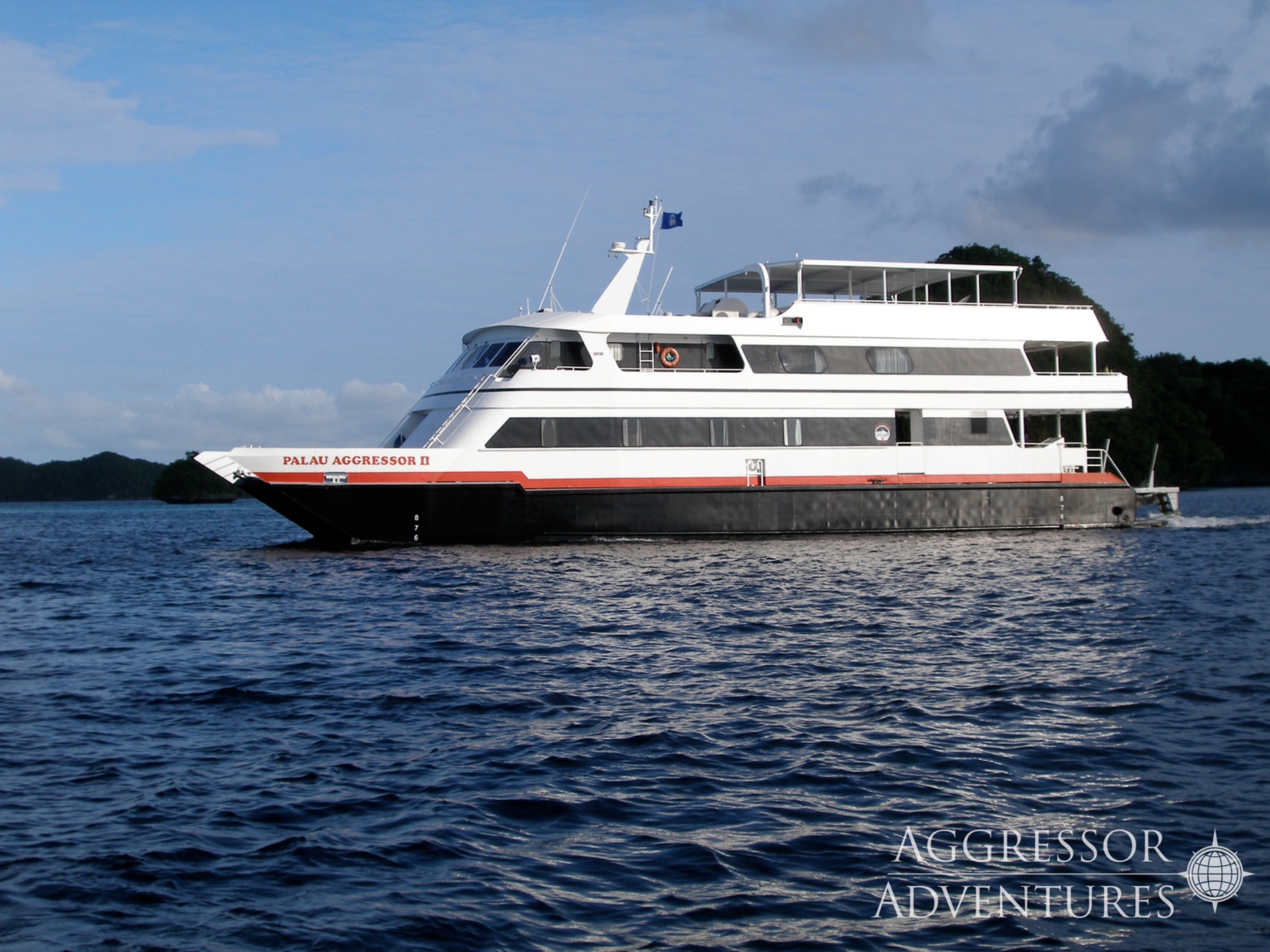
Palau Aggressor II
Micronesia
18 guests32 m
$360/day
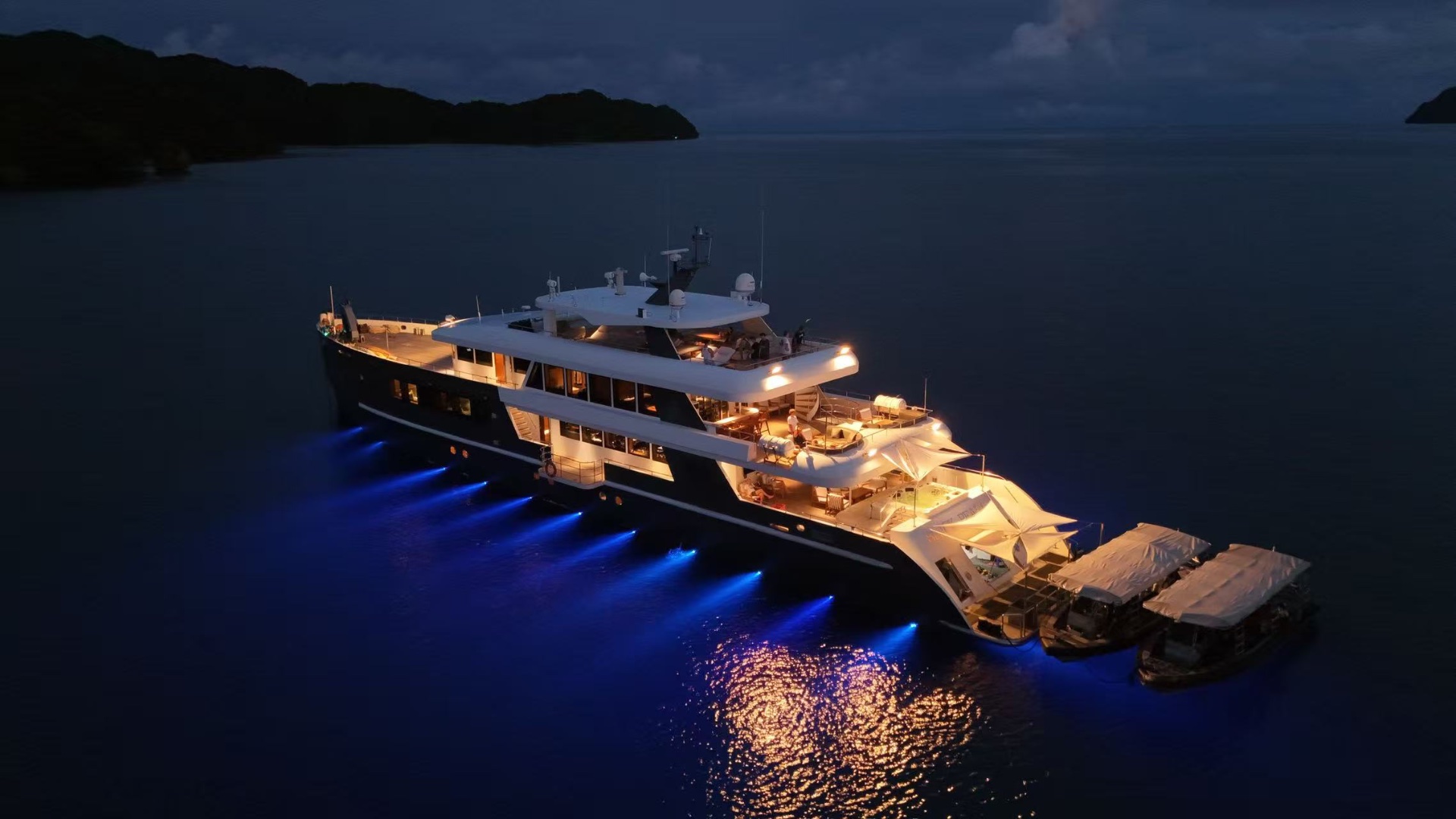
Black Pearl
Micronesia
24 guests
$390/day
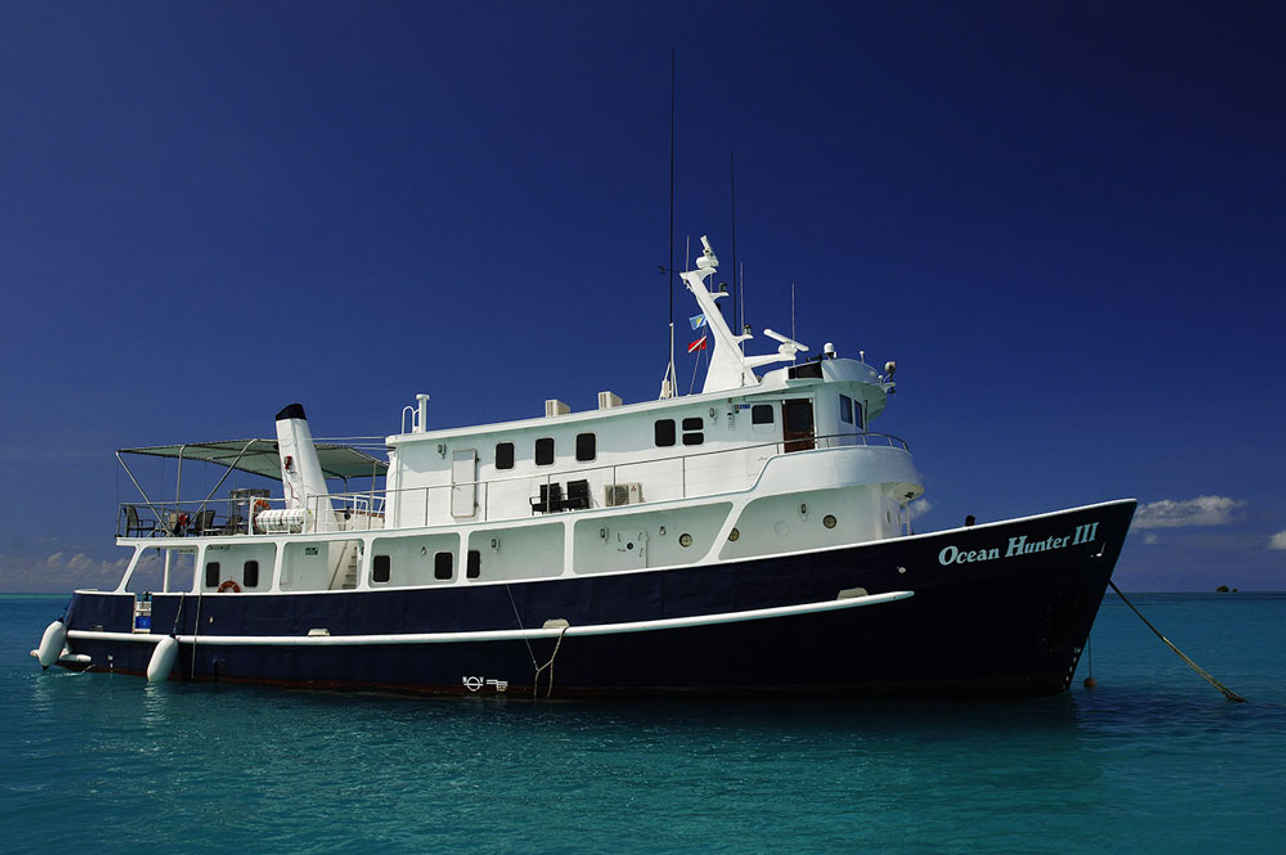
Ocean Hunter 3
Micronesia
16 guests29 m
$350/day
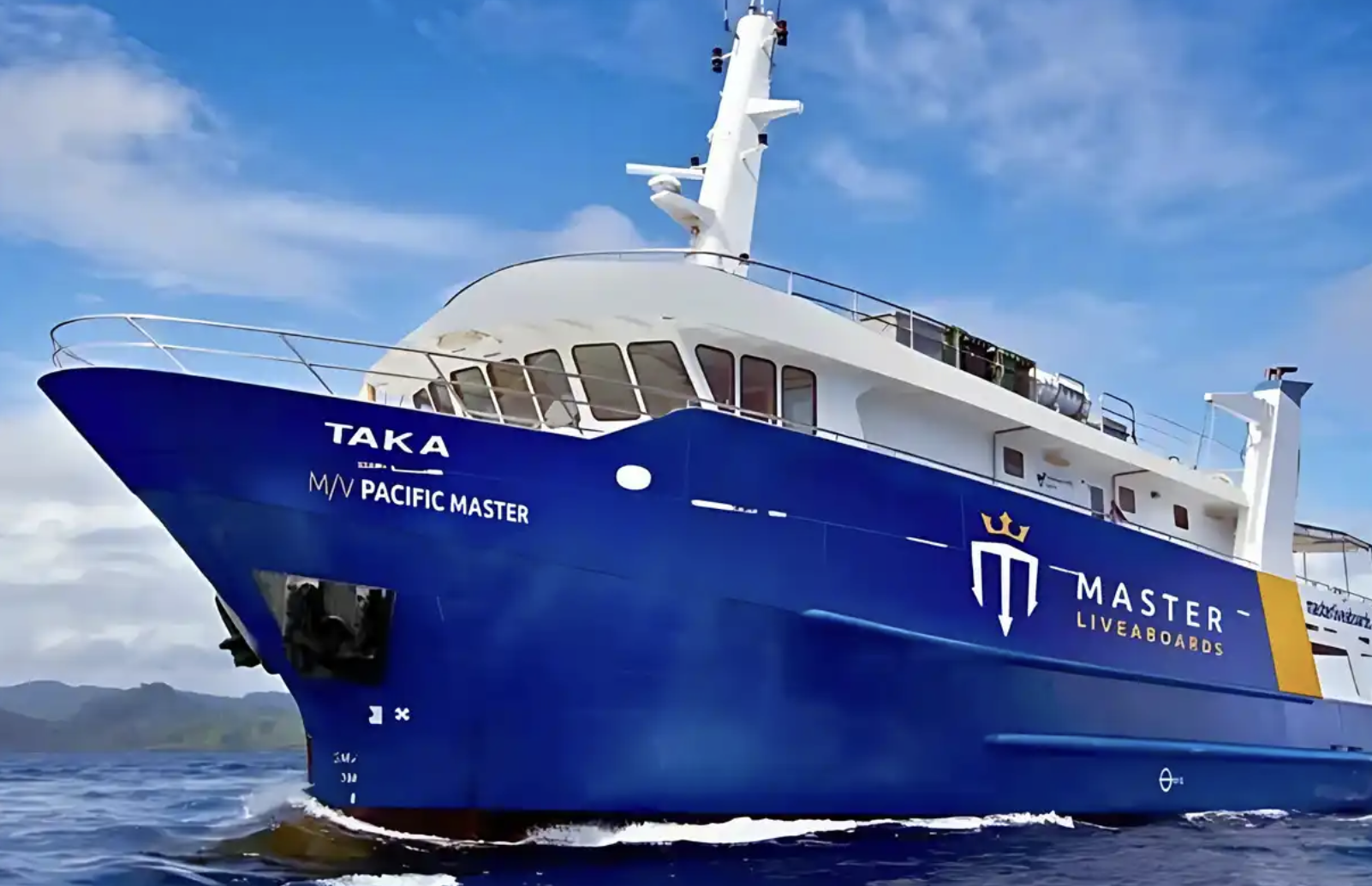
Pacific Master
Solomon Islands
20 guests30 m
$268/day
Dive sites similar to Heian Maru
Same character, same waters — six more sites divers love for the exact same reasons.Compare seasons, access and liveaboard routes — then pick the site that fits your trip best.
© Esri — Maxar, Earthstar, GIS
Fujikawa Maru
Micronesia
The Fujikawa Maru, a 133-meter Japanese cargo and passenger vessel, rests upright in Chuuk Lagoon, offering one of the most celebrated wreck dives globally.
- Suitable for
- Beginner
- Current
- Moderate
- Access
- Liveaboard only
- Depth
- 5–37 m
- Theme
- Wreck
© Esri — Maxar, Earthstar, GIS
Yamagiri Maru
Micronesia
The Yamagiri Maru, a substantial Japanese cargo ship, offers an extraordinary dive into history within Truk Lagoon, Micronesia.
- Suitable for
- Intermediate
- Current
- Mild
- Access
- Liveaboard only
- Depth
- 15–30 m
- Theme
- Wreck
© Esri — Maxar, Earthstar, GIS
Rio de Janeiro Maru
Micronesia
The Rio de Janeiro Maru, a former luxury passenger-cargo liner, now rests as a prominent wreck in Truk Lagoon, an essential destination for wreck enthusiasts.
- Suitable for
- Intermediate
- Current
- Strong
- Access
- Liveaboard only
- Depth
- 18–40 m
- Theme
- Wreck
© Esri — Maxar, Earthstar, GIS
San Francisco Maru
Micronesia
The San Francisco Maru, often dubbed the "Million Dollar Wreck," is among the most celebrated dive sites in Micronesia's Chuuk Lagoon, a renowned graveyard of World War II vessels.
- Suitable for
- Advanced
- Current
- Mild
- Access
- Liveaboard only
- Depth
- 40–64 m
- Theme
- Wreck
© Esri — Maxar, Earthstar, GIS
Gosei Maru
Micronesia
The Gosei Maru is a compelling wreck dive in Truk Lagoon, Micronesia, offering a glimpse into World War II history beneath the waves.
- Suitable for
- Intermediate
- Current
- Mild
- Access
- Liveaboard only
- Depth
- 15–32 m
- Theme
- Wreck
© Esri — Maxar, Earthstar, GIS
Nippo Maru
Micronesia
The Nippo Maru offers a unique and eerie dive experience within the world-renowned Truk Lagoon, a significant historical site from World War II. This Japanese army cargo ship…
- Suitable for
- Advanced
- Current
- Strong
- Access
- Liveaboard only
- Depth
- 20–45 m
- Theme
- Wreck