Truk Lagoon Liveaboard Diving
Divers Alert Network (DAN) logoFree dive insuranceincluded with every booking

Liveaboards in Truk Lagoon

from $268 / day

1 of 1 · Truk Lagoon liveaboard routes, seasons & prices

Pacific Master

Professional-grade voyages through the reefs and wrecks of Micronesia for up to 20 explorers.

  • Dedicated Camera Bench
  • Air-Conditioned Interior Salon
  • WiFi Connectivity

3.5(27 reviews)

20 guestsfrom $268/day

Diving in Truk Lagoon

Truk Lagoon, officially Chuuk Lagoon, is the wreck-diving centre of Micronesia. Operation Hailstone sank much of the Japanese fleet here in February 1944, leaving cargo ships, tankers and aircraft across a broad, protected lagoon.

Liveaboards make it possible to reach wrecks across the lagoon and schedule dawn, night and technical profiles efficiently. Many superstructures begin within recreational depth, while engine rooms and deeper holds require proper wreck and technical training.

Operation Hailstone struck the Japanese anchorage on 17–18 February 1944. The wreck field includes merchant ships, tankers, an aircraft ferry and submarine tender, spread across a lagoon enclosed by a vast barrier reef. Each vessel has a distinct role, cargo and depth profile rather than being an interchangeable wreck dive.

The lagoon protects many sites from ocean swell, but the diving remains serious. Superstructures may begin within recreational limits while holds, engine rooms and lower decks create overhead environments far deeper. A guide briefing, gas plan and strict separation between exterior touring and trained penetration are essential.

Regions & routes

Choose the route that fits your experience and dream encounters — each region has its own season, character and story.

Top reasons to dive Truk Lagoon

Chuuk's sheltered lagoon preserves an extraordinary concentration of WWII shipwrecks, aircraft and wartime artefacts.

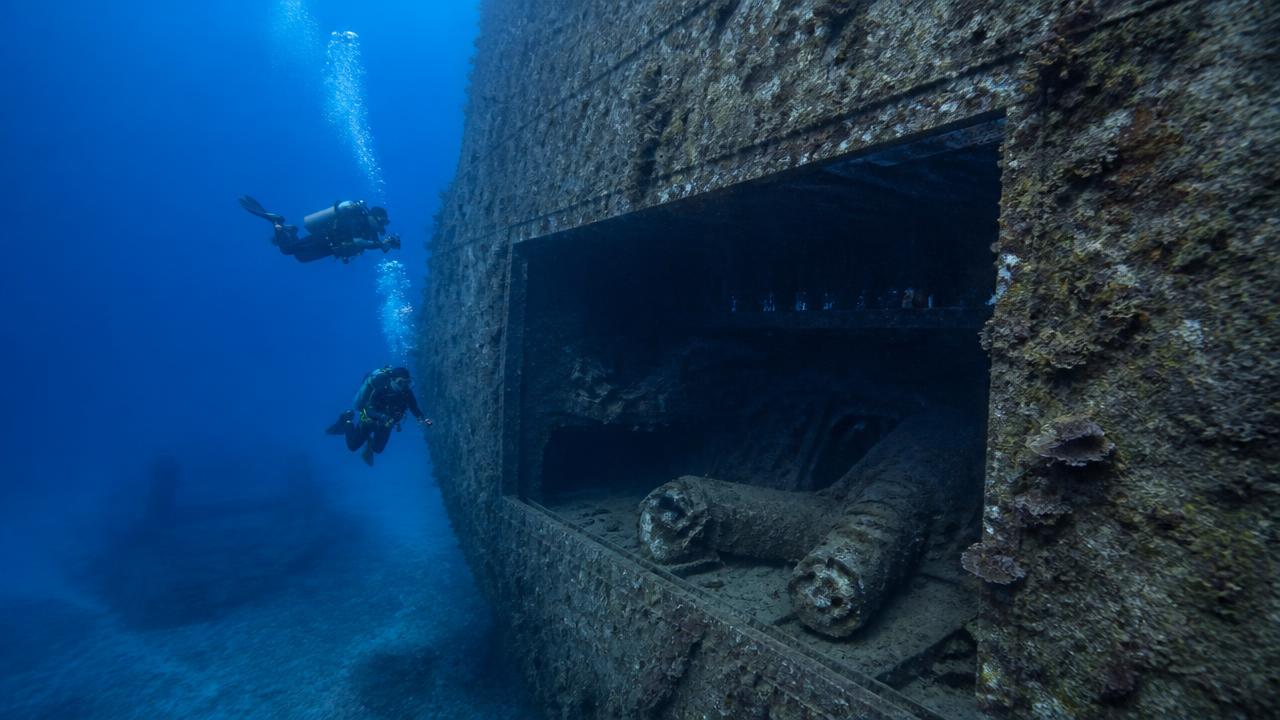
Fujikawa Maru in Truk Lagoon

Operation Hailstone history

The Japanese ships and aircraft sunk in February 1944 form one of diving's most significant underwater WWII collections. The ships are war graves and historic sites, so artefacts must remain untouched and divers should approach them with respect. Each wreck tells a different story: tankers, aircraft ferries, submarine tenders and naval auxiliaries each carried distinct cargoes.

Fujikawa Maru combines wartime history, accessible exterior structure and marine growth.

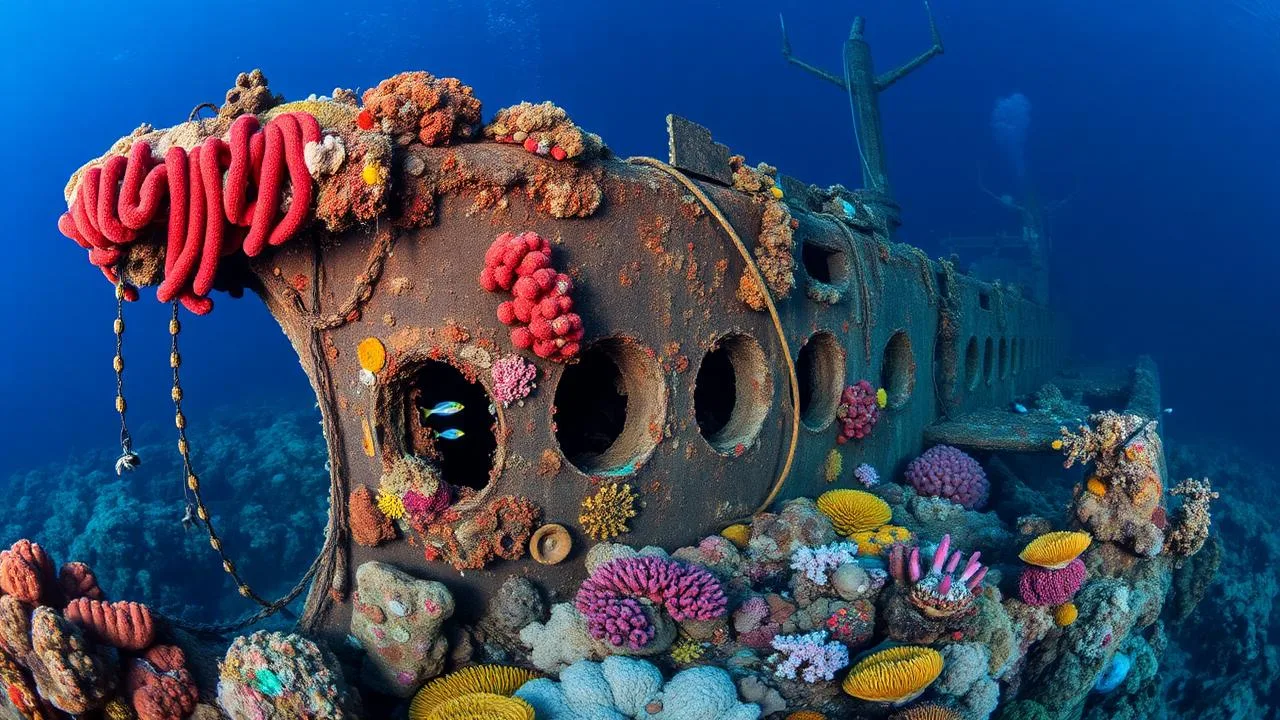
Coral-covered Shinkoku Maru

Exceptional wreck density

Liveaboards can reach several major wrecks in a day while adapting profiles to depth, conditions and team experience. Liveaboards can group nearby wrecks while still choosing profiles by depth, current and the experience of each buddy team. A typical week can cover ten or more major wrecks, with shallow afternoon and deeper morning profiles balanced for safety.

Shinkoku Maru demonstrates how the lagoon's wrecks have become living reefs.

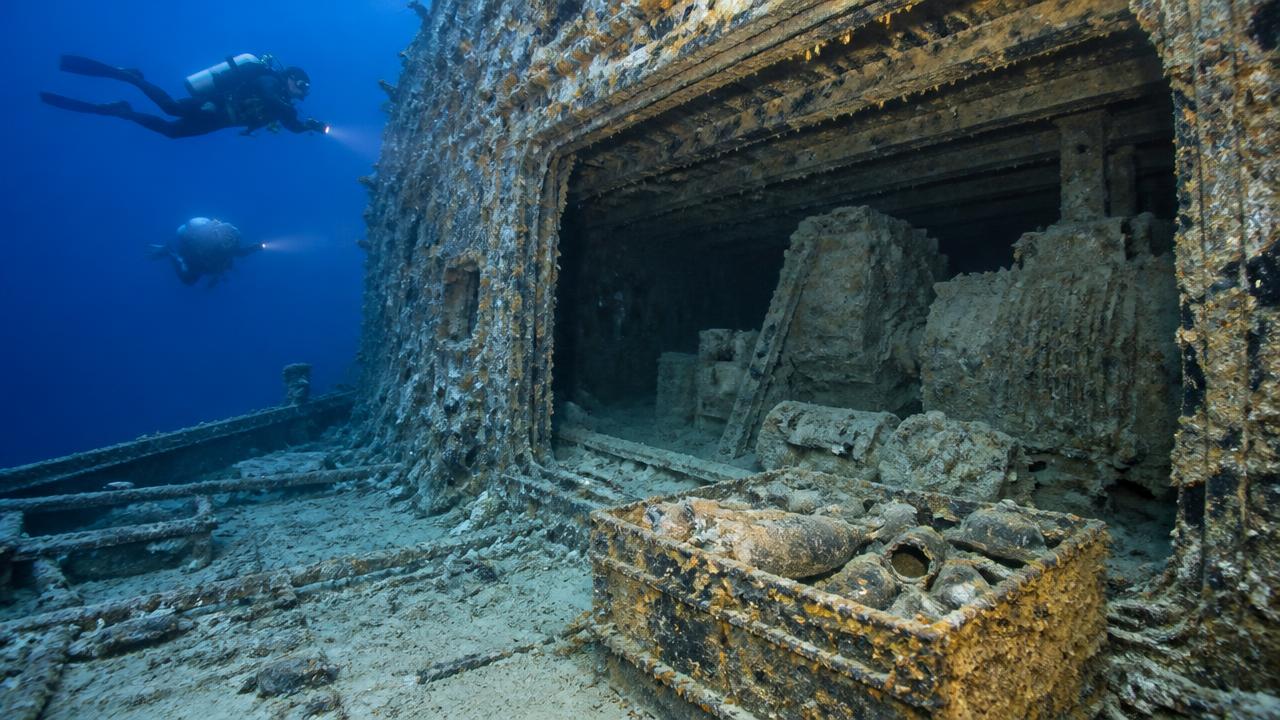
Historic artefacts inside a Truk Lagoon wreck

Artefacts preserved in context

Aircraft parts, vehicles, bottles and machinery remain where history left them and must never be moved or staged. Aircraft, vehicles and machinery help explain each vessel's wartime purpose, but nothing may be removed or rearranged. Photographers are asked to avoid moving objects for a better shot, preserving the site for future divers.

Protected artefacts are observed in place and never moved for photographs.

Recreational and technical wreck diving in Truk Lagoon

Recreational to technical depth

Shallow superstructures suit skilled recreational divers, while deeper holds and penetration demand the correct technical training. Shallow upper decks suit experienced recreational divers; deep cargo and penetration belong only to appropriately trained teams. Liveaboards with gas-blending facilities and experienced guides make technical profiles far more practical than from land.

Depth, overhead environment and decompression obligations determine which wreck areas are appropriate.

Truk Lagoon liveaboard routes compared

Choose the Truk Lagoon itinerary that matches your experience, season and wildlife priorities. Route names can look similar while covering different ports, sites and sea conditions, so compare the actual daily programme rather than the headline alone.

Historic Fleet

Classic Truk wreck week

Highlights

Fujikawa, Shinkoku, Nippo and Heian Maru with aircraft parts, machinery and coral growth

Difficulty
Advanced

wreck awareness, repetitive depth and excellent buoyancy around fragile artefacts

Best season

Year-round; December–April is generally drier with calmer travel conditions

Recreational wreck divingWWII historyunderwater photography
Technical Depth

Technical Truk expedition

Highlights

San Francisco Maru, deeper holds, engine rooms and planned penetration on selected wrecks

Difficulty
Technical

appropriate decompression and wreck-penetration certification, gases and redundancy

Best season

Year-round; specialist support and gases must be reserved before travel

Decompression profilestrained penetrationadvanced wreck teams
Beyond Penetration

Recreational highlights & outer reefs

Highlights

Shallow wreck exteriors, coral-covered decks, lagoon passes and reef dives between historic ships

Difficulty
Advanced

conservative exterior routes with no untrained overhead penetration

Best season

Year-round; drier conditions are common from December to April

First Truk visitmixed wreck groupshistory and marine life
Lagoon Variety

Wrecks, passes & outer reef

Highlights

Upper wreck structures, protected lagoon passes and coral reef beyond the main historic sites

Difficulty
Advanced

wreck hazards and repetitive profiles without mandatory penetration

Best season

Year-round; daily order changes with visibility, wind and team experience

Mixed groupsexterior wreck touringbroader Chuuk diving

Experience needed for Truk Lagoon

Operator rules vary, but the practical guidance below helps you choose a route you can enjoy safely.

Classic Truk wreck week

Certification:
Advanced Open Water recommended
Logged dives:
30+ recommended
Conditions:
Wrecks at 15–35 m in the sheltered lagoon, 10–20 m visibility, no current and minimal surge
Gear:
DSMB; nitrox recommended where available

Technical Truk expedition

Certification:
Technical certification for deep or penetration profiles
Logged dives:
30+ recommended
Conditions:
Deeper wrecks at 35–60 m with planned decompression, 10–20 m visibility, dark holds and silt risk
Gear:
DSMB; nitrox recommended where available

Recreational highlights & outer reefs

Certification:
Advanced Open Water recommended
Logged dives:
30+ recommended
Conditions:
Wreck exteriors at 12–30 m plus reef dives, 10–25 m visibility, calm lagoon with light current in passes
Gear:
DSMB; nitrox recommended where available

Wrecks, passes & outer reef

Certification:
Advanced Open Water recommended
Logged dives:
30+ recommended
Conditions:
Upper structures at 10–30 m, 10–25 m visibility, calm lagoon water with tidal flow at the passes
Gear:
DSMB; nitrox recommended where available

Depth is only one part of Truk risk. Rust, silt, sharp metal and overhead navigation make untrained penetration unsafe even when the entrance is shallow; stay outside unless your certification, equipment and guide plan explicitly support it. The operator's published minimum, check-dive assessment and safety rules always take precedence.

Truk Lagoon season & water conditions

Chuuk Lagoon supports diving throughout the year because its encircling barrier reef shelters the wrecks. Seasonal differences affect rain, wind and travel reliability more than underwater access, while depth and sediment create larger visibility changes from wreck to wreck.

Dec–Feb

27–28 °C
18 °C32 °C
15–30 m

Generally drier weather and comfortable surface conditions make this a popular period. Repetitive deep wreck dives still cause thermal loss, so most divers prefer a full 3 mm or 5 mm suit.

Mar–May

28–29 °C
18 °C32 °C
15–30 m

Warm water and often settled lagoon conditions support both recreational exteriors and technical schedules. Visibility depends strongly on tide, recent rain and sediment disturbance.

Jun–Sep

28–30 °C
18 °C32 °C
10–25 m

The wetter part of the year brings heavier showers, humidity and a higher tropical-storm risk. The protected lagoon remains diveable, but flight and boat schedules need extra margin.

Oct–Nov

28–29 °C
18 °C32 °C
15–30 m

Rain gradually eases toward the drier season. Warm water continues, while operators tailor wreck choice to team depth limits, visibility and required gases.

Inside the lagoon, current is usually modest compared with open-ocean destinations, but tides can affect passes and exposed wrecks. Visibility often drops inside holds or after a group disturbs silt; season never replaces proper wreck training, gas planning, redundancy and conservative no-fly intervals.

Truk Lagoon marine-life calendar

Plan a Truk Lagoon liveaboard around the encounters that matter most to you. The bars show stronger historical windows, not promises, and the location line explains where each animal is normally sought.

Grey Reef SharkJFMAMJJASONDOuter lagoon passesGrey Reef Shark encounters are associated with Outer lagoon passes in the indicated window; guides still rely on current conditions and recent sightings.
Eagle RayJFMAMJJASONDWrecks and sand channelsEagle Ray encounters are associated with Wrecks and sand channels in the indicated window; guides still rely on current conditions and recent sightings.
Sea TurtleJFMAMJJASONDCoral-covered wrecksSea Turtle encounters are associated with Coral-covered wrecks in the indicated window; guides still rely on current conditions and recent sightings.
Whitetip Reef SharkJFMAMJJASONDLagoon reefs and wreck edgesWhitetip Reef Shark encounters are associated with Lagoon reefs and wreck edges in the indicated window; guides still rely on current conditions and recent sightings.
Giant TrevallyJFMAMJJASONDLagoon passes and wreck edgesGiant Trevally encounters are associated with Lagoon passes and wreck edges in the indicated window; guides still rely on current conditions and recent sightings.
BarracudaJFMAMJJASONDOuter reef and larger wrecksBarracuda encounters are associated with Outer reef and larger wrecks in the indicated window; guides still rely on current conditions and recent sightings.

Peak bars show historically stronger encounter windows; shoulder months can still produce excellent dives, while wild-animal encounters are never guaranteed.

Getting to Truk Lagoon & departure ports

Truk Lagoon liveaboards embark around Weno, the main island of Chuuk. International access is by regional flights into Chuuk International Airport, followed by a short hotel or harbour transfer.

Weno Harbour

The principal embarkation area for lagoon liveaboards. Operators normally arrange collection from a designated Weno hotel or the airport on boarding day.

Chuuk International Airport (TKK)

The only practical air gateway to the lagoon, located on Weno. Flights are limited and often operate as multi-stop island services.

Guam (GUM)

The most common international connection for Chuuk. An overnight buffer is sensible when separate tickets or infrequent onward services are involved.

Honolulu island-hopper connection

Some travellers reach Chuuk on the multi-stop Pacific island route. Journey times are long, schedules are limited and checked baggage may not follow tight connections.

Arrive at least one day before embarkation because a missed regional flight can mean waiting several days for the next seat. Confirm airport pickup, technical-gas requests and equipment needs in advance, insure missed connections and keep the required no-fly interval after repetitive or decompression diving.

What does a Truk Lagoon liveaboard cost?

Descend into a submerged chapter of history where iconic wrecks have become living reefs beneath calm tropical water. Compare current departures and find the specialist voyage that matches your ambition and experience.

Truk Lagoon liveaboards

Truk Lagoon liveaboards

Specialist wreck logistics, gases and technical support can add materially to the base fare.

Included in the trip price

A cabin, meals, tanks, weights, guides and the scheduled dives are normally included; exact inclusions vary by boat.

Costs that come on top

Budget separately for flights, transfers, marine-park or port fees, nitrox, rental gear, gratuities and any required hotel nights.

Prices move with season, cabin type, trip length and remaining availability. Open a departure for the final operator breakdown.

Cost level

The calendar below shows how liveaboard prices shift month by month, so you can see exactly when your money goes furthest. We want every diver to get the best possible value, which is why we highlight the seasons that balance great conditions with the fairest rates.

$268–$268

per day liveaboard

Prices reflect typical costs for mid-range to premium options. Budget alternatives may be available.

Truk Lagoon liveaboard FAQ

When is the best time to dive in Truk Lagoon?
Diving conditions in Truk Lagoon change throughout the year. Check our month-by-month best-time-to-dive guides to plan around peak visibility, weather and marine life encounters.
Do I need a liveaboard to dive in Truk Lagoon?
A liveaboard gives you access to remote dive sites in Truk Lagoon that day boats cannot reach, plus 3–5 dives per day in maximum comfort. For the best dives in Truk Lagoon, a liveaboard is the recommended choice.
What certification do I need to dive in Truk Lagoon?
Most Truk Lagoon liveaboards require Open Water as a minimum, with Advanced Open Water and 30+ logged dives recommended for currents and deeper sites. Some expert routes require Tech or 100+ dives.
How much does a Truk Lagoon liveaboard cost?
Liveaboard prices in Truk Lagoon typically range from €1,500 to €6,000+ per week depending on vessel category, route length and season. Browse the boats below for live pricing.
Do I need a visa for Truk Lagoon?
Visa requirements vary by your nationality. Always check the latest entry rules with the destination's official government source before booking flights.
Is diving in Truk Lagoon safe for beginners?
Many Truk Lagoon sites are beginner-friendly, but some routes feature strong currents or deep walls suited only to experienced divers. Check each vessel's recommended experience level.
Are Truk and Chuuk the same place?
Yes. Chuuk is the official modern name; Truk Lagoon remains the widely searched diving name. A strong recreational diver can enjoy superstructures and external routes, while penetration beyond daylight zones requires dedicated wreck training, redundant equipment and an appropriate guide.
Can recreational divers enjoy Truk?
Yes, many wreck superstructures are within recreational limits, but Advanced and wreck experience are strongly advised. Nitrox extends useful no-decompression time on repetitive profiles, but it does not make deep holds or overhead penetration recreational; analyse every cylinder and follow the planned maximum depth.
Can I penetrate the wrecks?
Only within your training, equipment and guide rules. Deep or overhead penetration demands specialist certification. Many wrecks hold fuel, vehicles, aircraft parts and personal objects from Operation Hailstone, which makes careful buoyancy essential to protect both history and fragile marine growth.
When is the best time?
Diving is year-round; the drier months from roughly December to April are especially popular. February to April is often relatively dry, but the sheltered lagoon supports diving throughout the year; tropical rain and wind can still alter the daily wreck sequence.
Are the wrecks protected war graves?
The lagoon is both an historic battlefield and a resting place. Divers must not remove artefacts, enter restricted areas or treat human remains as attractions; follow the guide's cultural and legal briefing.
Do I need nitrox?
It is strongly useful for repetitive dives on wrecks whose upper structures sit around recreational depths. Technical gases and decompression support depend on the boat and must be arranged before travel, not assumed on arrival.
Which Truk wrecks suit recreational depths?
Several wrecks have upper decks and superstructures within recreational limits, but depth varies across each hull. Guides choose exterior routes around certification, gas, recent experience and the day's visibility.
Why must artefacts stay in place?
The wrecks are protected historic sites and many are war graves. Bottles, machinery, personal effects and military cargo belong to the site and must never be moved, staged for photographs or removed.

Where to go next

Compare Truk Lagoon with its country overview and other strong liveaboard regions.

Plan your trip

Ready to dive?

Explore our expedition vessels and find your perfect trip to Truk Lagoon