About Rio de Janeiro Maru
The Rio de Janeiro Maru, a former luxury passenger-cargo liner, now rests as a prominent wreck in Truk Lagoon, an essential destination for wreck enthusiasts. Originally launched in 1930, this impressive 140-meter vessel was converted for military use during WWII, eventually succumbing to Operation Hailstone in February 1944. Its presence here contributes to Truk Lagoon's status as the world's largest graveyard of ships, offering a unique window into naval history. Lying upright at depths ranging from 9 to 35 meters, the Rio de Janeiro Maru is accessible to a wide range of divers, from recreational to technical. Its structure, including its massive engine room, remains largely intact, allowing for extensive exploration. The wreck itself has transformed into a vibrant artificial reef, adorned with hard and soft corals and providing a habitat for diverse marine species. Visibility typically ranges from 10 to 30 meters, with water temperatures consistently warm, creating comfortable diving conditions year-round. While currents are generally mild within the lagoon, proper planning is always advisable. The site offers a profound experience, blending historical significance with rich marine biodiversity, making it a highlight for any diver visiting Chuuk Lagoon. Diving the Rio de Janeiro Maru allows you to witness the poignant beauty of history reclaimed by nature. The sheer size of the vessel and the array of life that has flourished on its structure provide a captivating underwater journey, suitable for both those new to wreck diving and seasoned explorers seeking deeper penetrations.
Highlights
Historic WWII Japanese wreckFormer luxury ocean linerAccessible engine room explorationVibrant coral encrustationsLarge, intact structureDepths for varied skill levels
Season calendar
Best months to dive here
Jan
Feb
Mar
Apr
May
Jun
Jul
Aug
Sep
Oct
Nov
Dec
Excellent
Good
Off-Season
Dec – Apr
Peak dry season with best visibility. Ideal for wreck diving in Chuuk and manta encounters in Yap.
Oct – Nov
Transition to dry season. Good conditions with fewer crowds and better value.
May – Sep
Wet season with afternoon rain. Still diveable with mantas present in Yap year-round.
Dive site facts: Rio de Janeiro Maru
- Depth
- 9–35 m
- Typical dive
- 23 m average, 50-60 min
- Current
- Mild to none
- Visibility
- 10–30 m
- Water temperature
- 26–30°C
- Entry
- Boat / negative entry possible
- Level
- All levels (Nitrox recommended)
- Dive type
- Wreck, historical
- Night dive
- Possible
- Region / port
- Chuuk Lagoon, Micronesia
- Coordinates
- 7.352, 151.842
Conditions & Currents
Currents within Truk Lagoon, and specifically around the Rio de Janeiro Maru, are generally mild, especially compared to outer reef sites. This sheltered environment makes for relaxed diving experiences, allowing divers ample time to explore the wreck's features and resident marine life without significant exertion. However, visibility can vary from 10 to 30 meters depending on recent weather patterns and sediment disturbance, so being prepared for different conditions is wise. Entry and exit are typically straightforward boat dives, often with negative entries employed to quickly reach the wreck. While strong currents are infrequent, divers should always monitor local conditions and follow guide instructions, especially if planning interior penetrations where unexpected movements could pose a challenge.
Marine life & sighting chances

Hard corals
Year-round · common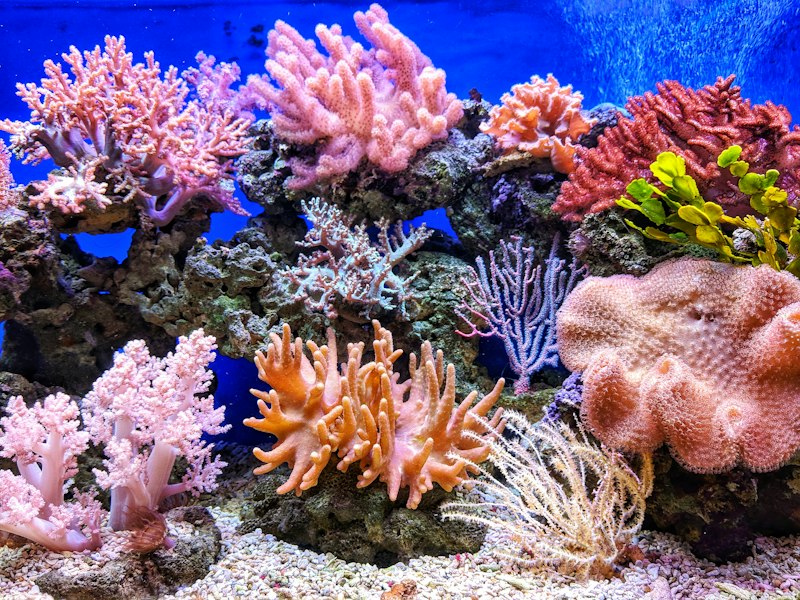
Soft corals
Year-round · common
Groupers
Year-round · common
Barracuda
Year-round · common
Reef fish
Year-round · common
Marine turtles
Year-round · occasional
Blacktip reef sharks
Year-round · occasional
Spotted Eagle ray
Year-round · rareDive profile & how the dive runs
Your dive on the Rio de Janeiro Maru typically begins with a boat drop directly over the wreck. Given its relatively shallow uppermost point of 9 meters, a controlled descent allows for a gradual acclimation. You will follow the wreck's structure downwards, observing the coral growth and marine life that now call it home. The average depth for exploration is around 23 meters, making it accessible for recreational divers. A key highlight is the exploration of the large engine room, a vast space that can be entered by appropriately certified divers. The dive usually continues along the deck, observing various features and cargo. Turnaround is typically based on air consumption and no-decompression limits, after which you'll slowly ascend, conducting your safety stop along the mast or superstructure before returning to the surface.
Underwater photography
The Rio de Janeiro Maru offers fantastic opportunities for both wide-angle and macro photography. For wide-angle shots, a fisheye or wide-angle rectilinear lens is ideal to capture the immense scale of the wreck, particularly its length and the expansive engine room. Given the varying visibility (10-30m), external strobes are highly recommended to bring out the vibrant colors of the corals and marine life encrusting the metal. For macro enthusiasts, there are numerous smaller inhabitants and intricate coral formations on the wreck. A macro lens will reveal the delicate beauty of nudibranchs, small crabs, and gobies. When photographing inside the wreck, careful buoyancy control is essential to avoid disturbing silt and impacting visibility for yourself and others. Always maintain a respectful distance from artifacts and marine life, and never touch the wreck.
Combine with nearby dive sites
- San Francisco Maru
A deeper wreck known for its military cargo including tanks and trucks.
- Fujikawa Maru
A cargo ship featuring incomplete Zero fighter planes in its holds.
- Nippo Maru
Known for its anti-aircraft gun, howitzers, and a Japanese battle tank.
- Shinkoku Maru
A tanker that has become a spectacular artificial reef.
Getting there & logistics
Access to Truk Lagoon, also known as Chuuk, is primarily via flights to Chuuk International Airport (TKK). International travelers typically connect through Guam (GUM) or Honolulu (HNL) with United Airlines, with the flight from Guam to Chuuk taking approximately two hours. Once in Chuuk, liveaboards offer the most comprehensive way to dive the many wrecks, including the Rio de Janeiro Maru, with trips typically lasting 7 nights. Land-based dive operations, often based at resorts like Blue Lagoon Resort, also provide daily boat dives to various sites within the lagoon. There are no specific entry fees for the dive sites themselves beyond what is covered by your dive operator. Planning for adequate layovers in Guam is advisable due to potential immigration processing times.
Safety & environment
Diving in Truk Lagoon, especially on wrecks like the Rio de Janeiro Maru, requires adherence to strict safety protocols. The nearest recompression chamber is located in Truk Lagoon itself, though its operational status should always be verified prior to travel. In the event of a serious medical emergency requiring advanced care, evacuation to Guam or beyond would be necessary, a process that can be both time-consuming and expensive. Therefore, comprehensive dive insurance covering emergency medical treatment and evacuation is absolutely essential. Divers should always dive within their certification limits, especially when considering wreck penetration, and only with experienced guides familiar with the site. Given the historical significance, touching or removing artifacts is strictly prohibited to preserve the integrity of the wrecks.
Who it suits, and who it doesn't
Suited for
- Certified wreck divers seeking historical exploration
- Photographers interested in large structures and marine life
- Advanced Open Water divers comfortable with depths to 30m
- Divers with an interest in WWII history
Less suited for
- Absolute beginner divers with no wreck experience
- Divers who are uncomfortable with enclosed spaces (for penetration)
- Those uninterested in historical sites
- Divers without adequate buoyancy control for wreck diving
FAQ
Rio de Janeiro Maru FAQ
What is the history of the Rio de Janeiro Maru?
The Rio de Janeiro Maru was originally a luxury Japanese passenger-cargo liner built in 1930. During World War II, it was repurposed for military transport. It met its fate in February 1944 during 'Operation Hailstone' when American forces attacked Truk Lagoon, sinking numerous Japanese vessels, including this one, transforming it into the significant wreck dive site it is today.
What can I expect to see inside the Rio de Janeiro Maru?
The Rio de Janeiro Maru offers extensive penetration opportunities for certified wreck divers. You can explore its vast engine room, which remains largely intact. The holds and other sections of the ship may contain various artifacts, though the wreck's transformation into an artificial reef means much of the interest now lies in the abundant marine life and coral growth on its structure.
Is the Rio de Janeiro Maru suitable for all dive levels?
The Rio de Janeiro Maru caters to a range of dive levels. Its shallowest point at 9 meters makes it accessible for less experienced divers to explore the superstructure, while the average depth of 23 meters is well within recreational limits. However, deeper sections reaching 35 meters and opportunities for wreck penetration are best suited for advanced and technical divers with appropriate training and experience.
What kind of marine life is found on the Rio de Janeiro Maru?
The Rio de Janeiro Maru has become a thriving artificial reef, boasting a rich diversity of marine life. You can expect to encounter extensive hard and soft coral growth covering its structure. Resident species often include groupers, barracuda, and various schooling reef fish. Occasionally, marine turtles, blacktip reef sharks, and even spotted eagle rays are sighted around the wreck.
How long is a typical dive on the Rio de Janeiro Maru?
A typical dive on the Rio de Janeiro Maru usually lasts between 50 to 60 minutes. This duration allows ample time to explore the wreck's main features, observe marine life, and, for qualified divers, conduct penetrations into areas like the engine room, all while managing air consumption and adhering to no-decompression limits.
Why dive Rio de Janeiro Maru from a liveaboard?
Rio de Janeiro Maru is one of Micronesia's signature dive sites. A liveaboard sleeps you on the water and puts you in the water for three to four guided dives per day, including dawn and night dives that day-boat operators rarely offer. You skip the daily commute back to port and reach quieter, less-crowded sites in the same region on a single trip.
Below are the liveaboards that include Rio de Janeiro Maru on their Micronesia itineraries.
Liveaboards diving Rio de Janeiro Maru
These liveaboards may visit Rio de Janeiro Maru on selected itineraries, the exact dive sites depend on departure, weather and conditions.
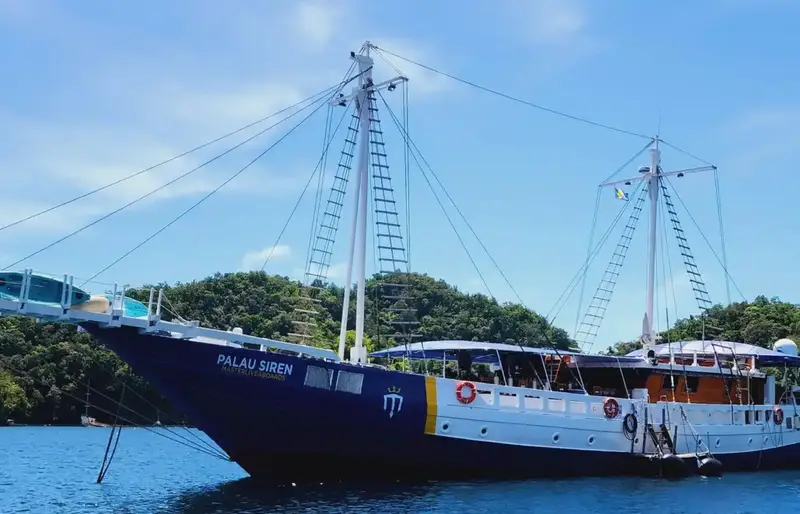
Palau Siren
Micronesia
16 guests
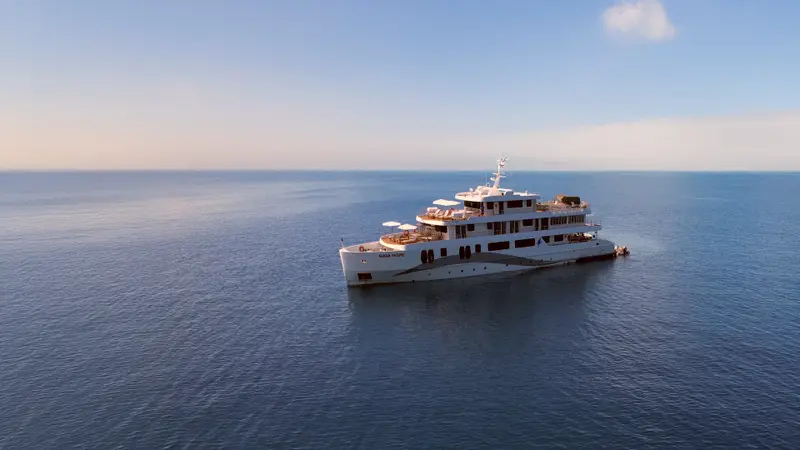
Solitude Gaia
Micronesia
18 guests40 m
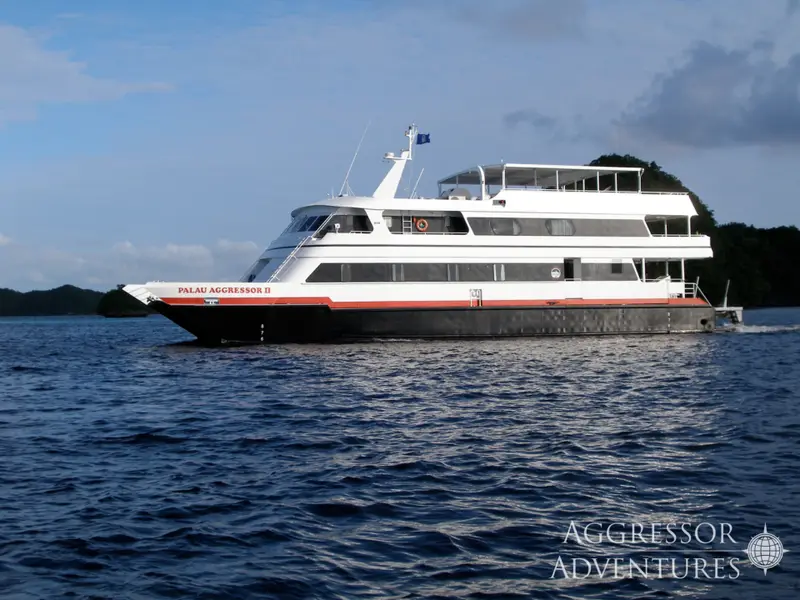
Palau Aggressor II
Micronesia
18 guests32 m
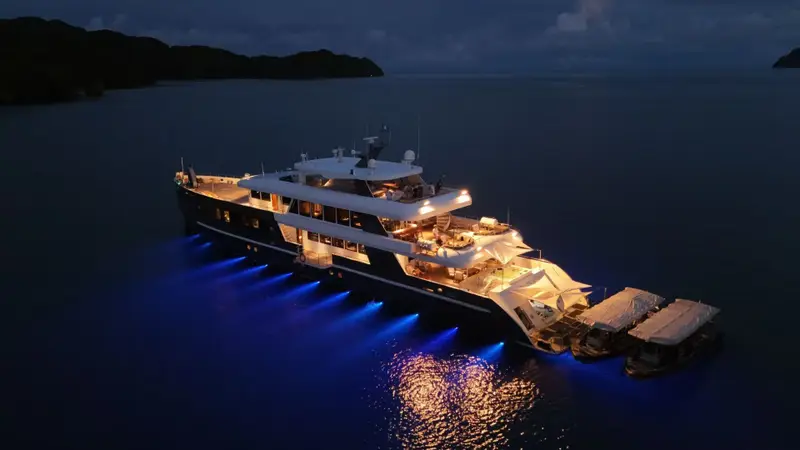
Black Pearl
Micronesia
24 guests
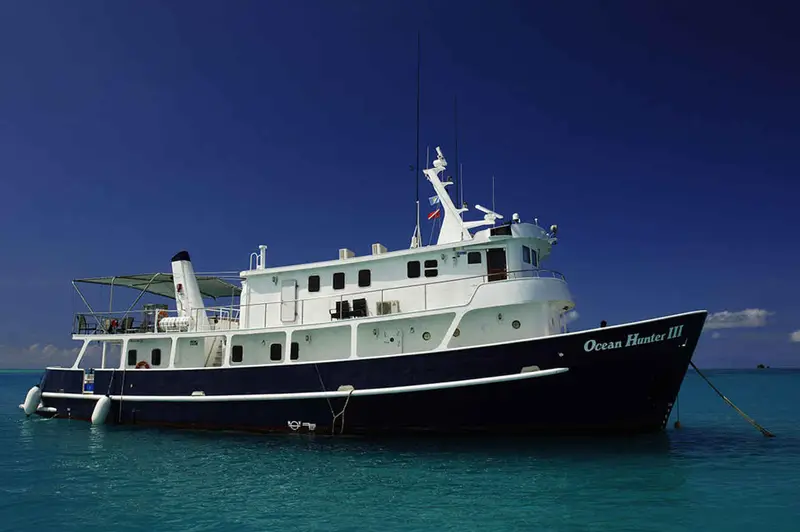
Ocean Hunter 3
Micronesia
16 guests29 m
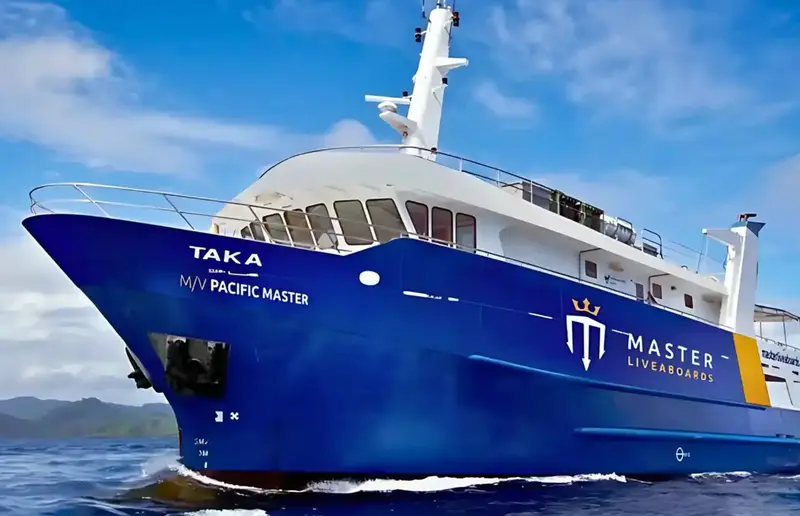
Pacific Master
Solomon Islands
20 guests30 m
Dive sites similar to Rio de Janeiro Maru
Same character, same waters, six more sites divers love for the exact same reasons.Compare seasons, access and liveaboard routes, then pick the site that fits your trip best.
© EsriMaxar, Earthstar, GIS
Agincourt Reef
Australia
Agincourt Reef sits on the outer edge of the Great Barrier Reef, roughly 60–72 km off Port Douglas in Far North Queensland, at the southern end of the true ribbon reefs that run…
- Suitable for
- Beginner
- Current
- Moderate
- Access
- Dayboat
- Depth
- 2–20 m
- Theme
- Reef / Wall
Ahe Atoll, a remote and authentic destination in French Polynesia, offers a dive experience deeply intertwined with its local pearl farming community.
- Suitable for
- Advanced
- Current
- Strong
- Access
- Liveaboard or dayboat
- Depth
- 5–22 m
- Theme
- Channel / Drift
© EsriMaxar, Earthstar, GIS
Alacrity Shoal
Fiji
Alacrity Shoal is a premier dive site in Fiji, renowned for its spectacular drift diving opportunities and rich marine biodiversity.
- Suitable for
- Advanced
- Current
- Strong
- Access
- Liveaboard or dayboat
- Depth
- 12–40 m
- Theme
- Drift / Seamount
Alibaba is a renowned drift dive located within the Garuae Pass in northern Fakarava, a UNESCO Biosphere Reserve in the Tuamotu Archipelago.
- Suitable for
- Intermediate
- Current
- Strong
- Access
- Liveaboard only
- Depth
- 5–30 m
- Theme
- Reef
© EsriMaxar, Earthstar, GIS
Aliko Reef
Micronesia
Aliko Reef is a prominent dive site within Yap, Micronesia, characterized by a captivating underwater topography that blends a mini-wall with an expansive coral plateau.
- Suitable for
- Intermediate
- Current
- Mild
- Access
- Dayboat
- Depth
- 6–15 m
- Theme
- Reef / Wall
© EsriMaxar, Earthstar, GIS
Amity Point
Australia
Amity Point is a popular shore diving destination located at the northwestern tip of North Stradbroke Island, within the protected waters of Moreton Bay.
- Suitable for
- Beginner
- Current
- Moderate
- Access
- Shore / dayboat
- Depth
- 5–15 m
- Theme
- Reef