About Ngemelis Channel
Ngemelis Channel, situated in Palau, Micronesia, near Ngemelis Island, is a significant marine thoroughfare primarily created in the early 1900s for guano transport. This roughly 1 km long channel now functions as a crucial access route to the rich dive sites of the southwestern outer reef, including the famous Blue Corner and New Drop Off. The main diving action unfolds at the channel's southwest mouth, where the seafloor gently slopes from 5 to 40 meters across a sandy bottom, offering prime locations for observing pelagic life. The site is world-renowned as a hotspot for manta rays, providing exceptional opportunities to witness these magnificent creatures, often with wing spans reaching up to 3 meters, as they frequent feeding and cleaning stations. Beyond mantas, the channel attracts a diverse array of marine life, including blacktip and grey reef sharks, barracuda, trevally, and large schools of snappers. Occasional sightings also include stingrays, turtles, and Napoleon wrasse, with leopard sharks sometimes resting on the sandy floor. Diving here typically involves navigating moderate to strong currents, which vary significantly with the tide. Incoming tides bring clear ocean water, enhancing visibility to 20-40 meters, while outgoing tides can reduce it to 10-20 meters due to increased plankton. These dynamic conditions, while requiring proficient buoyancy control and current experience, are precisely what concentrate the abundant marine life. Divers often position themselves patiently near cleaning stations on the seabed to observe mantas, making it a thrilling and rewarding experience for various skill levels.
Highlights
Manta ray encountersCleaning stationsDynamic tidal currentsDiverse pelagic speciesShark sightingsSandy bottom observationsAbundant reef life
Season calendar
Best months to dive here
Jan
Feb
Mar
Apr
May
Jun
Jul
Aug
Sep
Oct
Nov
Dec
Good
Dive site facts: Ngemelis Channel
- Depth
- 5–40 m
- Typical dive
- 12–25 m, 50–60 min
- Current
- Varies with tide, can be strong
- Visibility
- 10–40 m, tide-dependent
- Water temperature
- 28–30°C
- Entry
- Liveaboard / Day boat
- Level
- All levels, current experience beneficial
- Dive type
- Drift, pelagic, cleaning station
- Night dive
- Not typical
- Region / port
- Palau, Micronesia
- Coordinates
- 7.7883° N, 147.1616° E
Conditions & Currents
Currents at Ngemelis Channel are a defining characteristic, varying dramatically with the tidal flow and directly influencing both visibility and marine activity. During incoming tides, clear oceanic water flows into the lagoon, providing excellent visibility of 20-40 meters and attracting a rich concentration of pelagic species. Conversely, outgoing tides push plankton and algae from the lagoon, which can reduce visibility to 10-20 meters but often increases the chances of observing mantas feeding. The main channel itself can experience extremely strong currents and boat traffic, rendering direct diving unsafe; therefore, dives are specifically conducted at the channel's southwest mouth. Divers should be prepared for conditions ranging from mild to thrilling drift opportunities, requiring proficient buoyancy control and current experience. Patience, particularly near cleaning stations,
Marine life & sighting chances
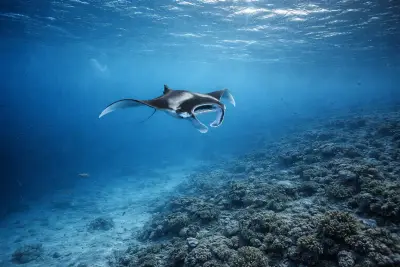
Manta Ray
Year-round, peak Dec-Jun · commonReef Manta Ray
Year-round · common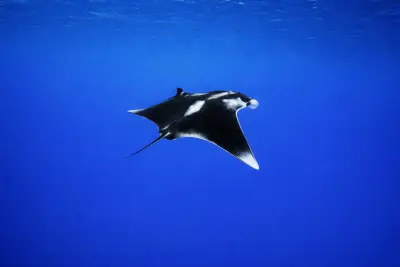
Giant Oceanic Manta Ray
Year-round · common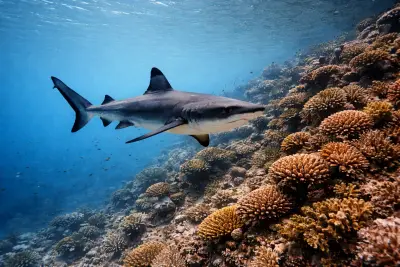
Blacktip Reef Shark
Year-round · occasional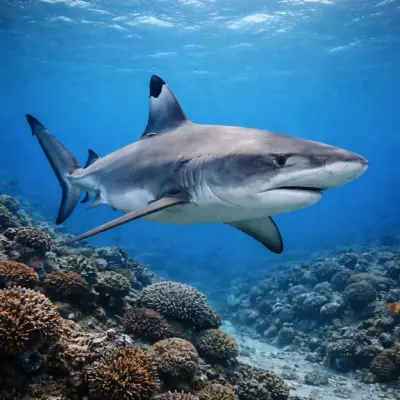
Grey Reef Shark
Year-round · occasional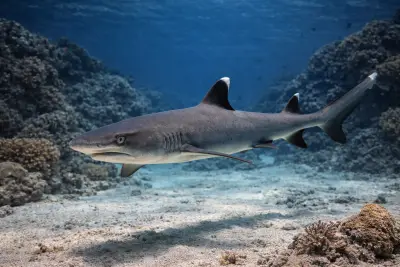
Whitetip Reef Shark
Year-round · occasional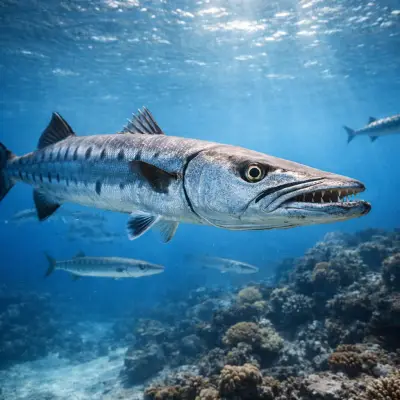
Barracuda
Year-round · occasional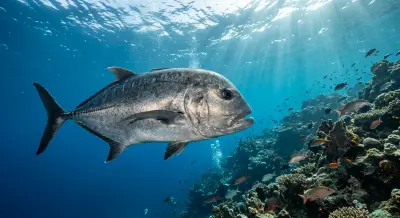
Trevally
Year-round · occasional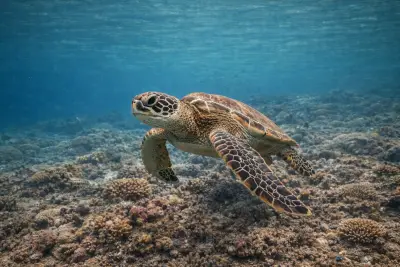
Green Turtle
Year-round · occasional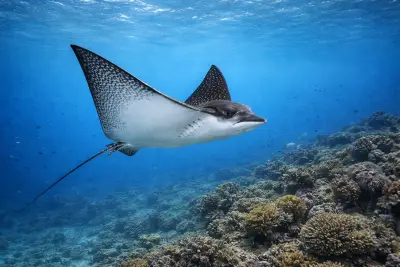
Eagle Ray
Year-round · occasional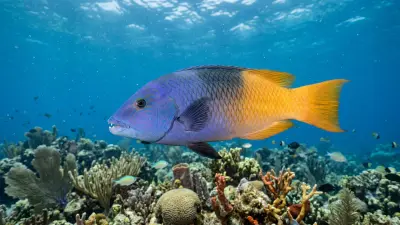
Wrasse
Year-round · common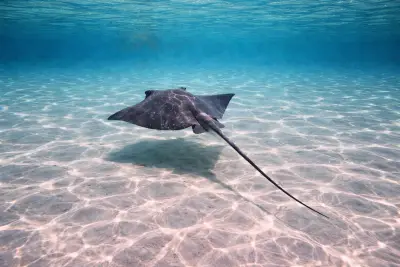
Stingray
Year-round · occasional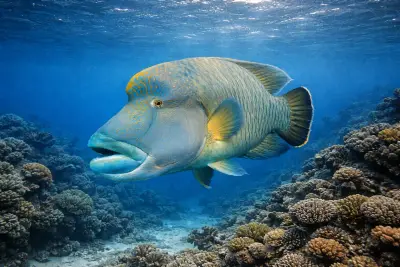
Napoleon Wrasse
Year-round · occasional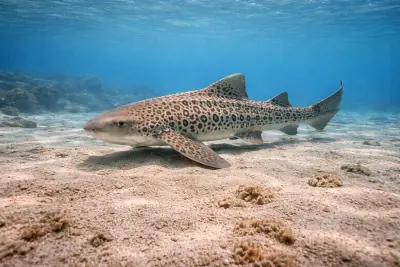
Leopard Shark
occasionalDive profile & how the dive runs
Diving at Ngemelis Channel typically commences with a descent at the southwest mouth, specifically avoiding the turbulent main channel. Upon reaching depth, divers often head towards a sandy plateau situated between 15-20 meters, which serves as a primary location for manta ray cleaning stations. This area is ideal for divers to position themselves and patiently observe mantas gliding in for cleaning. The dive often continues along the gently sloping reef, which extends down to 40 meters, featuring extensive hard coral gardens and bommies. The dive route is frequently dictated by the current, transitioning into a gentle drift. Schools of pelagic fish, including barracuda, are commonly encountered along the way. Safety stops are typically performed in shallower, more sheltered parts of the reef or during a controlled ascent, always under the guidance of the divemaster.
Underwater photography
Ngemelis Channel offers superb wide-angle photography opportunities, especially for capturing manta rays at cleaning stations. A wide-angle lens (e.g., 10-17mm or 8-15mm fisheye) is essential to encompass the mantas' full wingspan and the surrounding pelagic action. When approaching mantas, maintain a respectful distance and avoid chasing to allow natural interactions; patience is often rewarded with close passes. For capturing the vibrant reef life and smaller species, a macro lens can be utilized, particularly on the sloping reef section. Given the variable visibility and currents, external strobes are highly recommended to bring out natural colors and manage backscatter. Good buoyancy control is critical to avoid disturbing the sandy bottom or fragile corals, ensuring clear shots.
Combine with nearby dive sites
- Blue Corner
World-renowned site for shark and pelagic action, often done with a reef hook.
- Ulong Channel
Known for thrilling drift dives and stunning coral formations.
- Peleliu Wall
Offers dramatic drop-offs and strong current drift diving.
- Manta Ridge
Another consistent site for manta ray sightings.
- Chandelier Cave
Features unique cavern diving and macro subjects.
- German Channel
Similar to Ngemelis Channel, also a manta ray hotspot and cleaning station.
Getting there & logistics
Access to Ngemelis Channel is typically via day boats or liveaboards operating from Koror, Palau. The nearest international airport is Roman Tmetuchl International Airport (ROR) in Koror. Most liveaboard itineraries are 7 to 10 days, allowing ample time to explore Ngemelis Channel and other premier Palau dive sites like Blue Corner and Ulong Channel. Divers are required to obtain a Koror State diving permit, with additional permits for specific sites like Peleliu or Jellyfish Lake. These permits are often included in liveaboard packages or can be purchased through dive operators. It's advisable to book trips at least 6 months in advance, especially for peak season, as Palau is a highly sought-after dive destination.
Safety & environment
While diving at Ngemelis Channel is generally safe, strong and unpredictable currents require divers to have proficient buoyancy control and current diving experience. Always follow your dive guide's instructions and assess conditions before entry. The nearest recompression chamber is located in Koror, Palau, which is typically accessible within a 50-70 minute boat ride for urgent cases. Divers should ensure they have comprehensive dive insurance that covers emergency medical treatment and evacuation, particularly in a remote location like Palau. Site-specific hazards include boat traffic in the main channel (hence diving the mouth) and potential encounters with large pelagic species; maintain a respectful distance from all marine life, especially manta rays at cleaning stations.
Who it suits — and who it doesn't
Suited for
- Experienced divers comfortable with currents
- Photographers seeking manta ray action
- Divers interested in pelagic encounters
- Those looking for vibrant reef ecosystems
- Liveaboard guests exploring multiple sites
Less suited for
- Absolute beginner divers with no current experience
- Divers with poor buoyancy control
- Individuals prone to seasickness in choppy conditions
- Those who prefer static, current-free dives
FAQ
Ngemelis Channel FAQ
What marine life can I expect to see at Ngemelis Channel?
Ngemelis Channel is famous for its manta ray cleaning stations, offering frequent sightings of these majestic creatures, sometimes with wingspans up to 3 meters. You can also expect to encounter blacktip and grey reef sharks, barracuda, trevally, and large schools of snappers. Stingrays, turtles, Napoleon wrasse, and occasional leopard sharks are also observed.
How strong are the currents at Ngemelis Channel?
Currents at Ngemelis Channel are highly dynamic and can range from mild to very strong, depending on the tidal phase. Incoming tides bring clearer water and stronger currents, while outgoing tides can reduce visibility but often increase manta ray feeding activity. Divers should be comfortable with drift diving and proficient in buoyancy control.
Is Ngemelis Channel suitable for all diver levels?
While the site is technically accessible for various experience levels, current experience is highly beneficial due to the dynamic conditions. The dive is best enjoyed by advanced divers comfortable with strong currents and drift diving, though inexperienced divers may visit during periods of low current under careful guidance.
When is the best time of year to see manta rays at Ngemelis Channel?
Manta rays are present year-round at Ngemelis Channel. However, the peak season for encounters often runs from December to June. During the dry season (October to May), conditions are generally more reliable with better visibility, enhancing the overall experience.
What is the typical dive depth and duration at Ngemelis Channel?
A typical dive at Ngemelis Channel explores depths between 12-25 meters, often lasting 50-60 minutes. The site features a sandy bottom that gradually slopes from 5 meters down to 40 meters, allowing for varied depth profiles depending on the dive plan and current conditions.
Why dive Ngemelis Channel from a liveaboard?
Ngemelis Channel is one of Micronesia's signature dive sites. A liveaboard sleeps you on the water and puts you in the water for three to four guided dives per day, including dawn and night dives that day-boat operators rarely offer. You skip the daily commute back to port and reach quieter, less-crowded sites in the same region on a single trip.
Below are the liveaboards that include Ngemelis Channel on their Micronesia itineraries.
Liveaboards diving Ngemelis Channel
These liveaboards may visit Ngemelis Channel on selected itineraries — the exact dive sites depend on departure, weather and conditions.
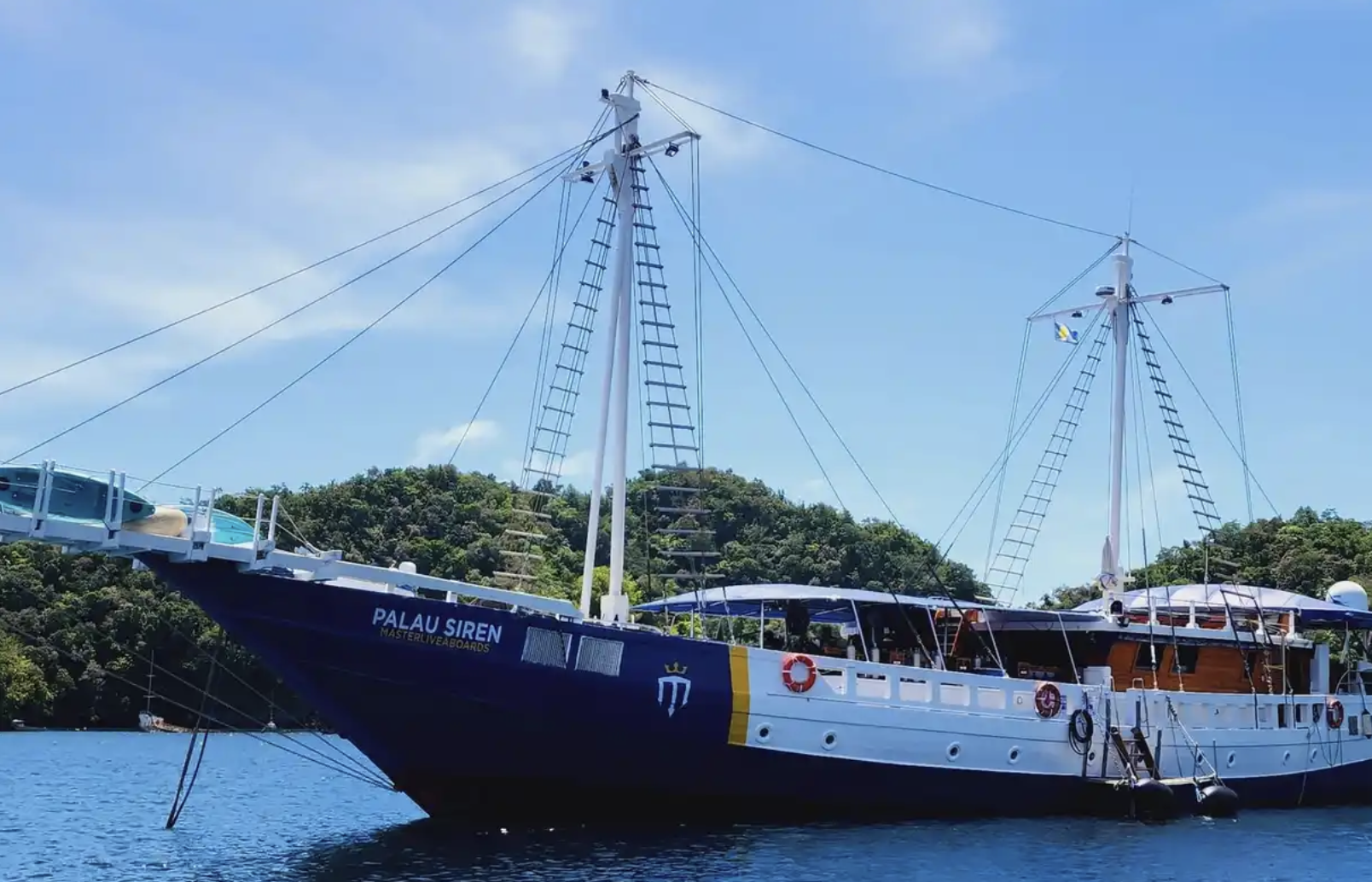
Palau Siren
Micronesia
16 guests
$501/day
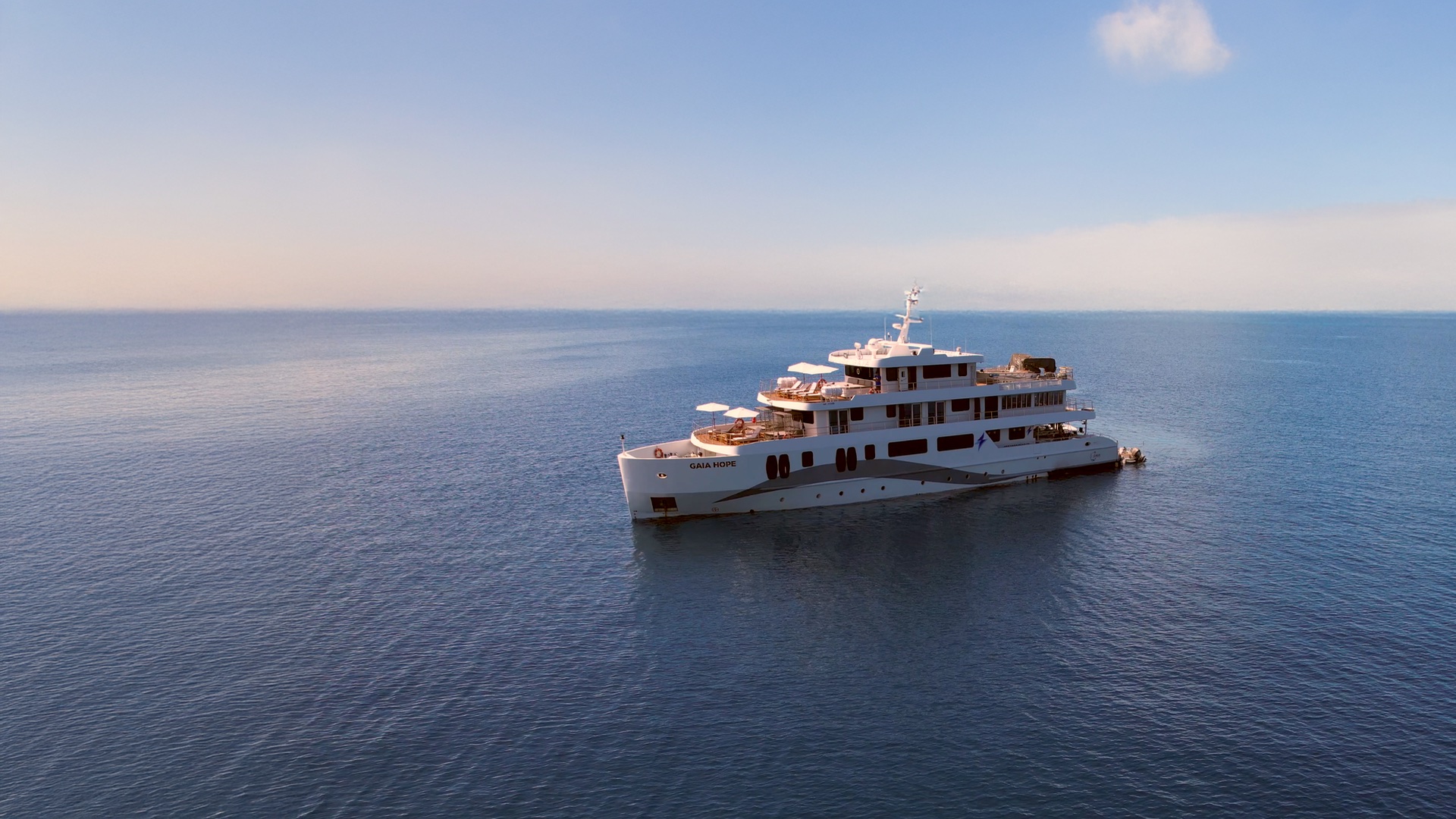
Solitude Gaia
Micronesia
18 guests40 m
$310/day
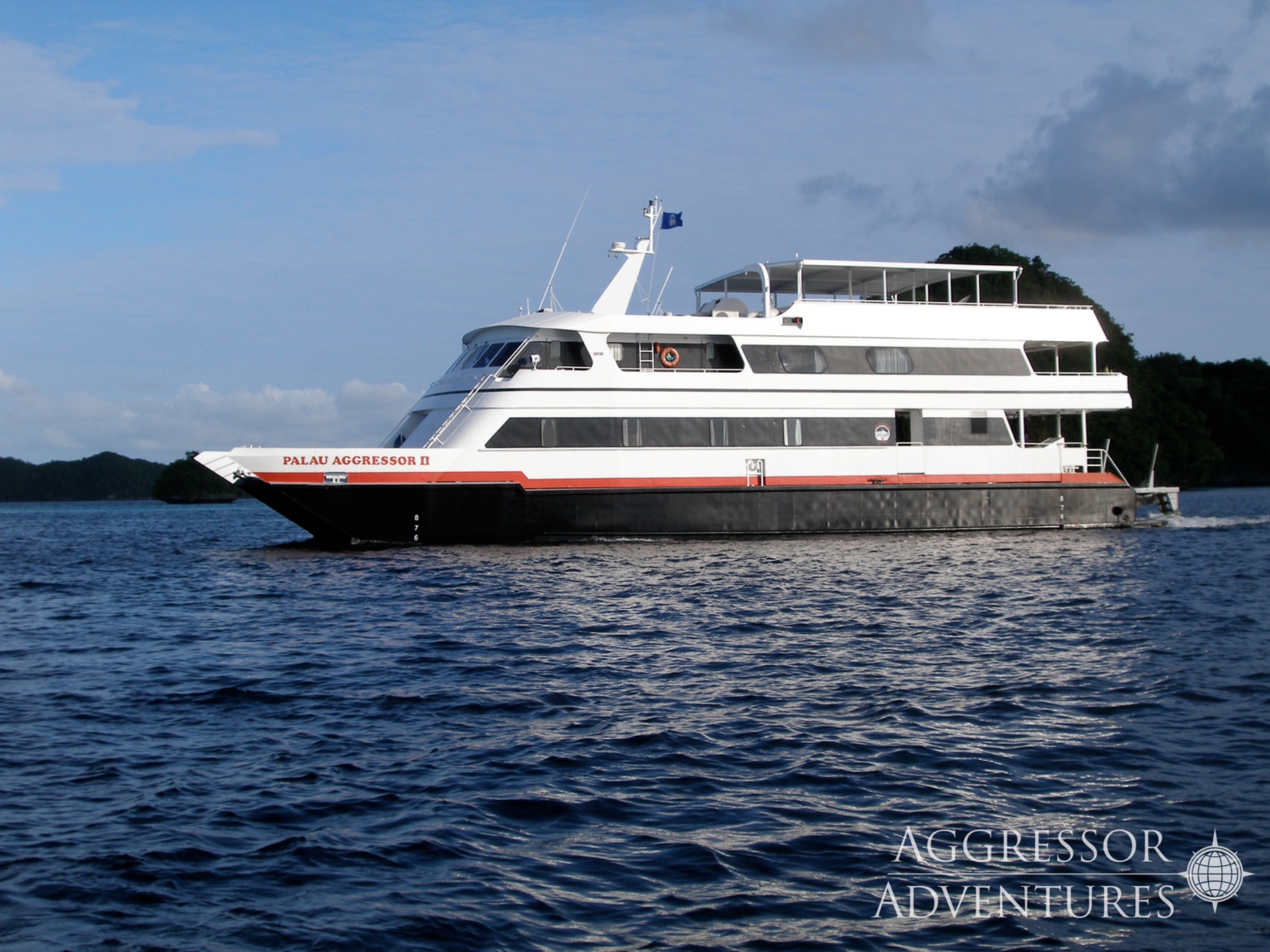
Palau Aggressor II
Micronesia
18 guests32 m
$292/day
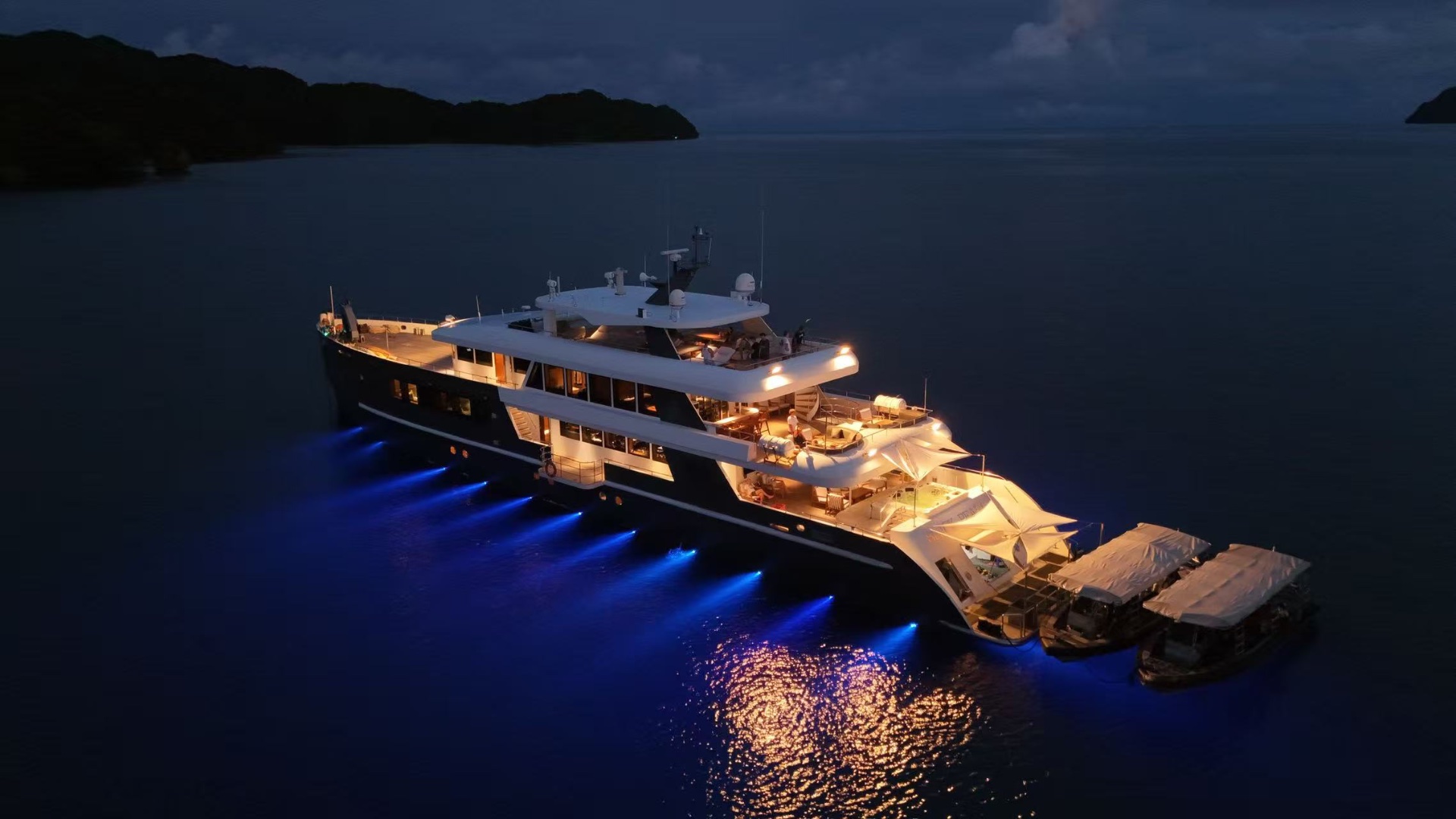
Black Pearl
Micronesia
24 guests
$390/day
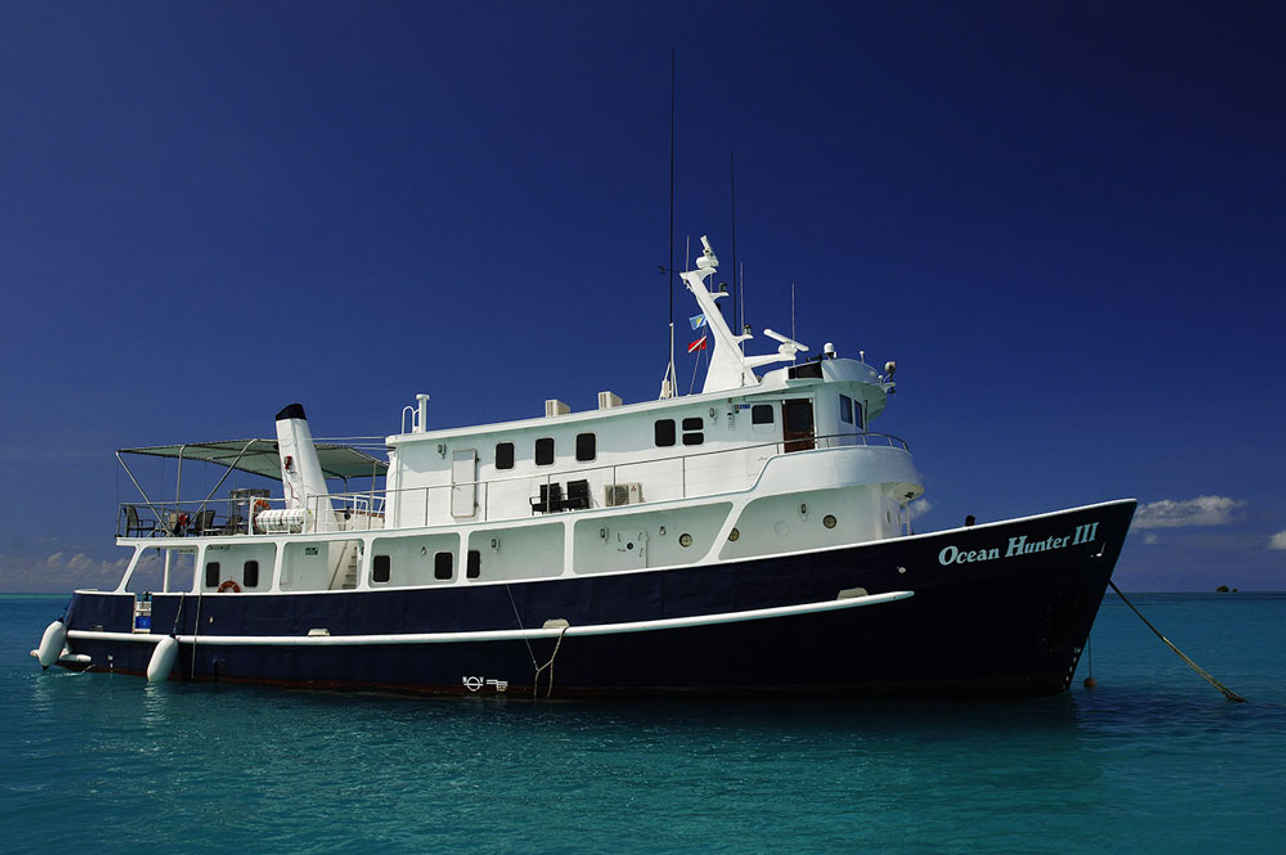
Ocean Hunter 3
Micronesia
16 guests29 m
$350/day
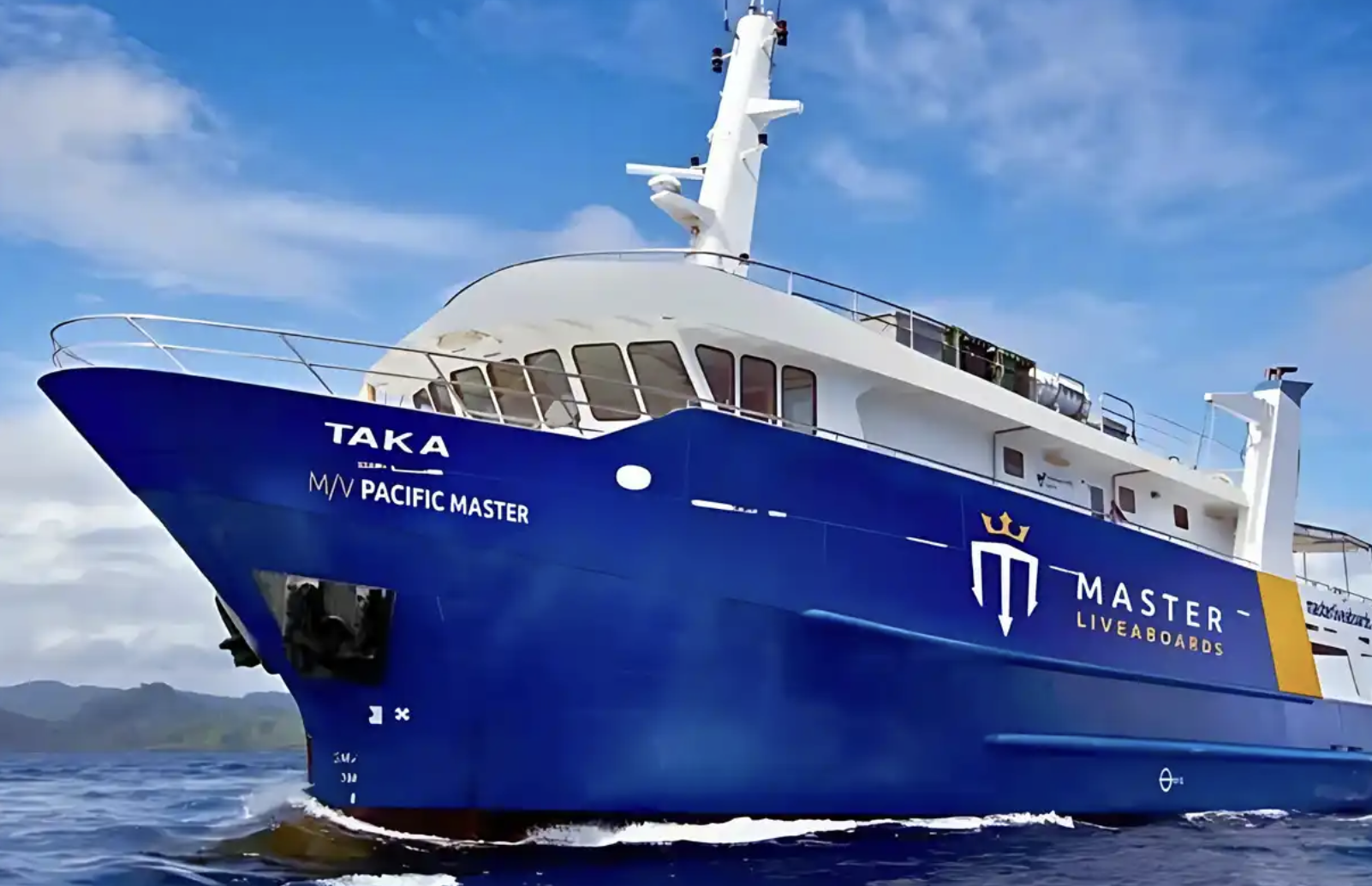
Pacific Master
Solomon Islands
20 guests30 m
$268/day
Dive sites similar to Ngemelis Channel
Same character, same waters — six more sites divers love for the exact same reasons.Compare seasons, access and liveaboard routes — then pick the site that fits your trip best.
© Esri — Maxar, Earthstar, GIS
Mi'l Channel
Micronesia
Mi'l Channel in Yap, Federated States of Micronesia, stands out as a world-renowned dive site, primarily celebrated for its consistent manta ray sightings.
- Suitable for
- Advanced
- Current
- Strong
- Access
- Dayboat
- Depth
- 15–30 m
- Theme
- Drift / Reef
© Esri — Maxar, Earthstar, GIS
Gilman Wall
Micronesia
Gilman Wall is one of Yap's premier dive sites, renowned for its spectacular vertical drop-offs and consistent pelagic action.
- Suitable for
- Advanced
- Current
- Strong
- Access
- Liveaboard only
- Depth
- 10–30 m
- Theme
- Drift / Wall
© Esri — Maxar, Earthstar, GIS
Manta Road
Micronesia
Manta Road, located in Pohnpei, Micronesia, is renowned as a premier destination for manta ray encounters.
- Suitable for
- Intermediate
- Current
- Moderate
- Access
- Dayboat
- Depth
- 16–25 m
- Theme
- Drift / Reef
© Esri — Maxar, Earthstar, GIS
Hiroshi Point
Micronesia
Hiroshi Point is a prominent shore and boat dive site located on the southern end of Kosrae in the Federated States of Micronesia.
- Suitable for
- Beginner
- Current
- Mild
- Access
- Liveaboard or dayboat
- Depth
- 5–13 m
- Theme
- Reef / Wall
© Esri — Maxar, Earthstar, GIS
Walung Drop-Off
Micronesia
Walung Drop-Off is a well-known dive site situated off the southwest coast of Kosrae in the Federated States of Micronesia.
- Suitable for
- Intermediate
- Current
- Moderate
- Access
- Dayboat
- Depth
- ≤ 30 m
- Theme
- Wall / Reef
© Esri — Maxar, Earthstar, GIS
Peleliu Express
Micronesia
Peleliu Express is a challenging, world-class drift dive situated off the dramatic southern tip of Peleliu Island in Palau.
- Suitable for
- Advanced
- Current
- Ripping
- Access
- Liveaboard or dayboat
- Depth
- 10–40 m
- Theme
- Drift / Wall