About Manta Ridge
Manta Ridge is a premier dive site in Yap, Micronesia, renowned globally for its consistent manta ray encounters. Situated in the westernmost state of the Federated States of Micronesia, Yap's remote location and lack of heavy industry contribute to exceptionally clear, unpolluted waters. While Yap is celebrated for its manta populations, the region also offers diverse marine life and traditional island culture, making it a distinctive destination for divers. The dive site typically begins with a gradual slope from the shore, transitioning into deeper sections. The reefs often flatten out between 30 to 60 feet before plunging into significant wall dives, offering varied topography for exploration. While the specific layout of Manta Ridge involves areas frequented by mantas, divers can expect to navigate along coral formations and potentially through channels. Manta rays are the star attraction here, observed as they feed or visit cleaning stations. While mantas are present year-round, specific seasons might offer higher chances for particular behaviors or aggregations. Beyond mantas, the vibrant coral reefs support a variety of tropical fish. Some dives in Yap also feature cleaning stations for white-tip reef sharks. Diving at Manta Ridge is generally an intermediate experience, often involving drift diving due to currents. Most dive operations in Yap prioritize small groups and staggered entry to enhance the experience and minimize disturbance. Expect multiple dives per day, usually as part of a 3-tank itinerary, providing ample opportunity to experience the rich underwater environment.
Highlights
Manta Rays
Season calendar
Best months to dive here
Jan
Feb
Mar
Apr
May
Jun
Jul
Aug
Sep
Oct
Nov
Dec
Good
Dive site facts: Manta Ridge
- Depth
- 3–30 m
- Typical dive
- 10–25 m, 50–60 min
- Current
- Moderate to strong
- Visibility
- 10–30 m
- Water temperature
- 27–30°C
- Entry
- Liveaboard / Tender
- Level
- Intermediate to Advanced, current experience recommended
- Dive type
- Pelagic, drift, cleaning station
- Night dive
- Possible (often for manta observation)
- Region / port
- Yap, Micronesia
- Coordinates
- 9.492, 138.095
Conditions & Currents
Manta Ridge frequently experiences currents, which often result in enjoyable drift dives. These currents contribute to the clear water conditions at the site. Divers should be prepared for potential currents, which dictate specific entry and exit procedures.
Marine life & sighting chances

Reef Manta Ray
Year-round, peak Oct-Apr · common
Oceanic Manta Ray
Year-round, peak Oct-Apr · occasional
White-tip Reef Shark
Year-round · occasional
Stingray
Year-round · occasional
Nurse Shark
Year-round · occasional
Green Sea Turtle
Year-round · occasional
Hawksbill Sea Turtle
Year-round · occasional
Barracuda
Year-round · occasional
Humphead Parrotfish
Year-round · occasional
Lionfish
Year-round · occasionalDive profile & how the dive runs
Diving Manta Ridge typically begins with a tender drop, often a negative entry due to currents, directly onto or near the ridge. The site is a prominent cleaning station for manta rays, so divers will strategically position themselves to observe the mantas as they gracefully glide over the ridge, allowing cleaner fish to remove parasites. Maintaining excellent buoyancy is crucial to avoid disturbing the mantas or the delicate corals on the ridge. Depending on the current, the dive may become a gentle drift along the ridge, allowing for varied viewing angles. Depths usually range from 10 to 25 meters, providing ample bottom time for observation. The dive concludes with a safety stop, often in slightly calmer waters away from the main current, before surfacing for tender pick-up.
Underwater photography
Manta Ridge is an exceptional site for wide-angle photography, focusing on the majestic manta rays. A wide-angle lens (e.g., 8-15mm fisheye or 16-35mm rectilinear) is essential to capture the mantas' impressive wingspans and their interactions at the cleaning station. External strobes are highly recommended to bring out the detail and contrast, especially on the mantas' undersides and against the blue water background. When approaching mantas, maintain a respectful distance (at least 3 meters) and avoid blocking their path or using aggressive lighting that could startle them. Patience is key; wait for the mantas to approach rather than chasing them. Due to potential currents, a reef hook can be useful for stability, allowing you to remain stationary and compose your shots without impacting the reef. Be mindful of your buoyancy to prevent accidental contact with the bottom or the mantas.
Combine with nearby dive sites
- Mi'l Channel
Adjacent channel known for manta rays and vibrant reef life.
- Gabach Garden Walls
Features extensive coral walls and various reef fish, with occasional shark and turtle sightings.
- The Blue Holes of Tomil
Sandy holes with coral bommies where stingrays are often found.
- Aliko Reef
Mini-wall with diverse hard corals, white tip reef sharks, and nurse sharks.
Getting there & logistics
To reach Manta Ridge, divers typically fly into Yap International Airport (YAP). From there, accommodations are usually arranged through dive resorts in Colonia, the capital. Liveaboards or resort day boats then transport divers to the site. Trips often combine Manta Ridge with other Yapese dive sites due to its proximity to Mi'l Channel and other popular spots. Dive packages generally include daily boat dives, tanks, and weights, with additional fees for marine park permits. Due to the remote nature of Yap, trip lengths commonly range from 7 to 10 days, allowing for comprehensive exploration of the island's diverse marine environments.
Safety & environment
Diving at Manta Ridge requires careful attention to safety protocols, particularly due to the presence of currents. Divers should always follow their guide's instructions regarding entry, positioning, and ascent. Good buoyancy control is paramount to avoid damaging the delicate coral and disturbing marine life, especially the mantas. The nearest recompression chamber is located in Guam, emphasizing the critical need for appropriate dive insurance that covers emergency medical evacuation and treatment. Always dive within your training limits and ensure your equipment is in excellent condition. Hydration is also important in the tropical climate. While mantas are gentle, maintaining a respectful distance is essential for both diver and animal safety.
Who it suits — and who it doesn't
Suited for
- Experienced divers comfortable with currents
- Underwater photographers seeking pelagic encounters
- Divers passionate about manta ray interactions
- Those looking for unique cleaning station dives
- Snorkelers, with guidance from the boat, near the surface
Less suited for
- Novice divers without current experience
- Divers unwilling to follow strict animal interaction guidelines
- Those primarily interested in macro subjects
- Divers uncomfortable with potential drift dives
FAQ
Manta Ridge FAQ
What is the best time of year to see manta rays at Manta Ridge?
Manta rays are present at Manta Ridge year-round, making it a highly reliable destination for encounters. However, the peak season for manta sightings typically runs from October to April, when increased plankton in the water attracts them in greater numbers. During these months, the chances of witnessing multiple mantas at the cleaning station are highest.
Are the currents at Manta Ridge strong?
Yes, Manta Ridge is known for moderate to strong currents. These currents are part of what makes the site so rich in nutrients, attracting the manta rays. Divers should be comfortable with drift diving and possess good buoyancy control to enjoy the dive safely and respectfully.
Is Manta Ridge suitable for snorkelers?
Manta Ridge can be enjoyed by snorkelers, especially by holding onto a rope behind the boat anchored over the ridge. This allows snorkelers to observe the mantas from the surface. For those preferring calmer waters, other shallow lagoon sites near Mi'l Channel offer excellent snorkeling opportunities.
What kind of marine life can I expect to see besides manta rays?
While manta rays are the main attraction, Manta Ridge and the surrounding areas also offer sightings of white-tip reef sharks, stingrays, nurse sharks, and various species of sea turtles like green and hawksbill turtles. You may also encounter barracuda, humphead parrotfish, and a diverse array of reef fish.
What is a 'cleaning station' and why is it important at Manta Ridge?
A cleaning station is a specific area on the reef where larger marine animals, like manta rays, gather to have parasites removed by smaller cleaner fish. Manta Ridge is a prominent cleaning station, making it a reliable spot to observe mantas as they hover over the ridge, engaging in this natural symbiotic behavior.
Why dive Manta Ridge from a liveaboard?
Manta Ridge is one of Micronesia's signature dive sites. A liveaboard sleeps you on the water and puts you in the water for three to four guided dives per day, including dawn and night dives that day-boat operators rarely offer. You skip the daily commute back to port and reach quieter, less-crowded sites in the same region on a single trip.
Below are the liveaboards that include Manta Ridge on their Micronesia itineraries.
Liveaboards diving Manta Ridge
These liveaboards may visit Manta Ridge on selected itineraries — the exact dive sites depend on departure, weather and conditions.
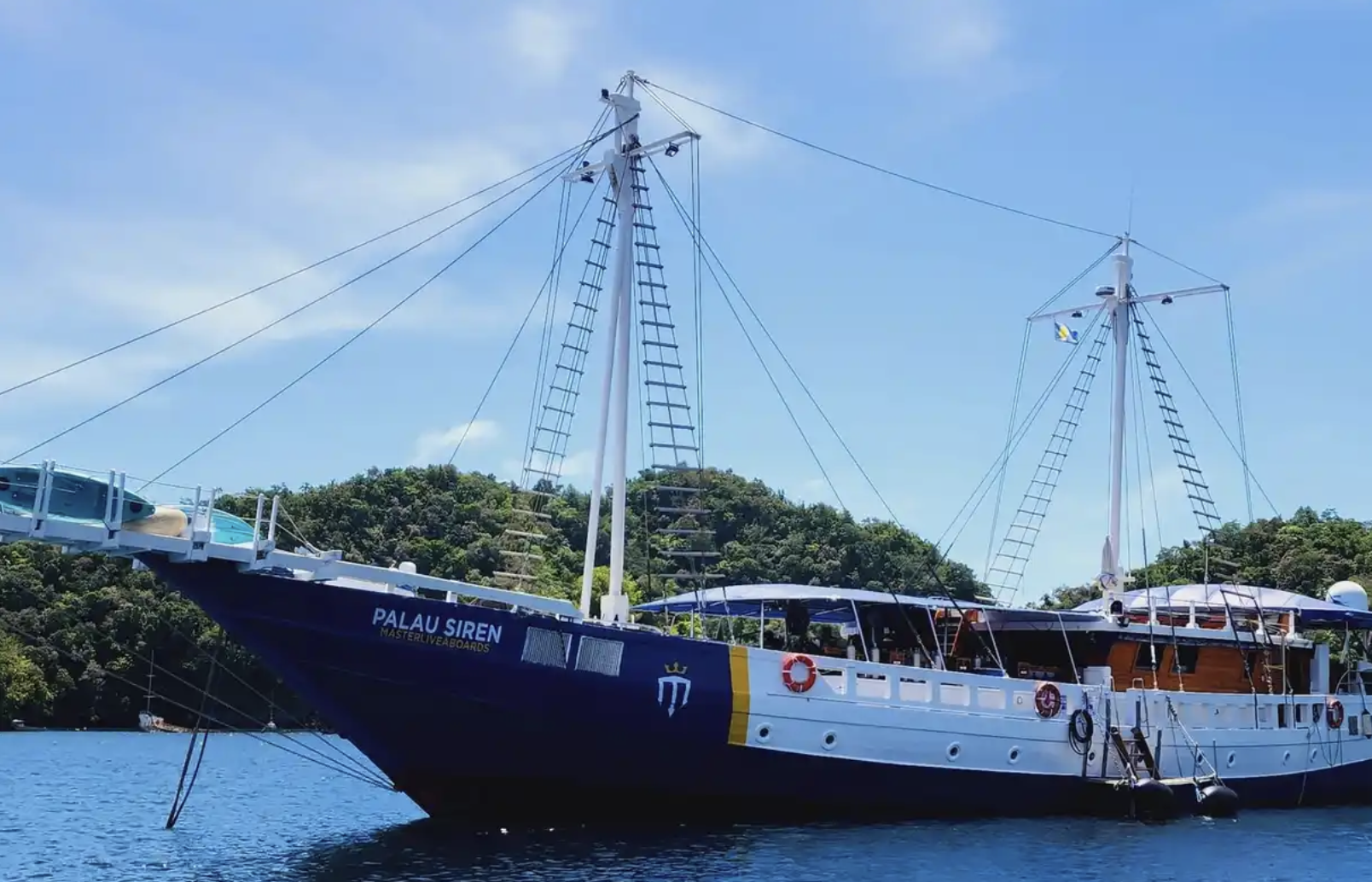
Palau Siren
Micronesia
16 guests
$501/day
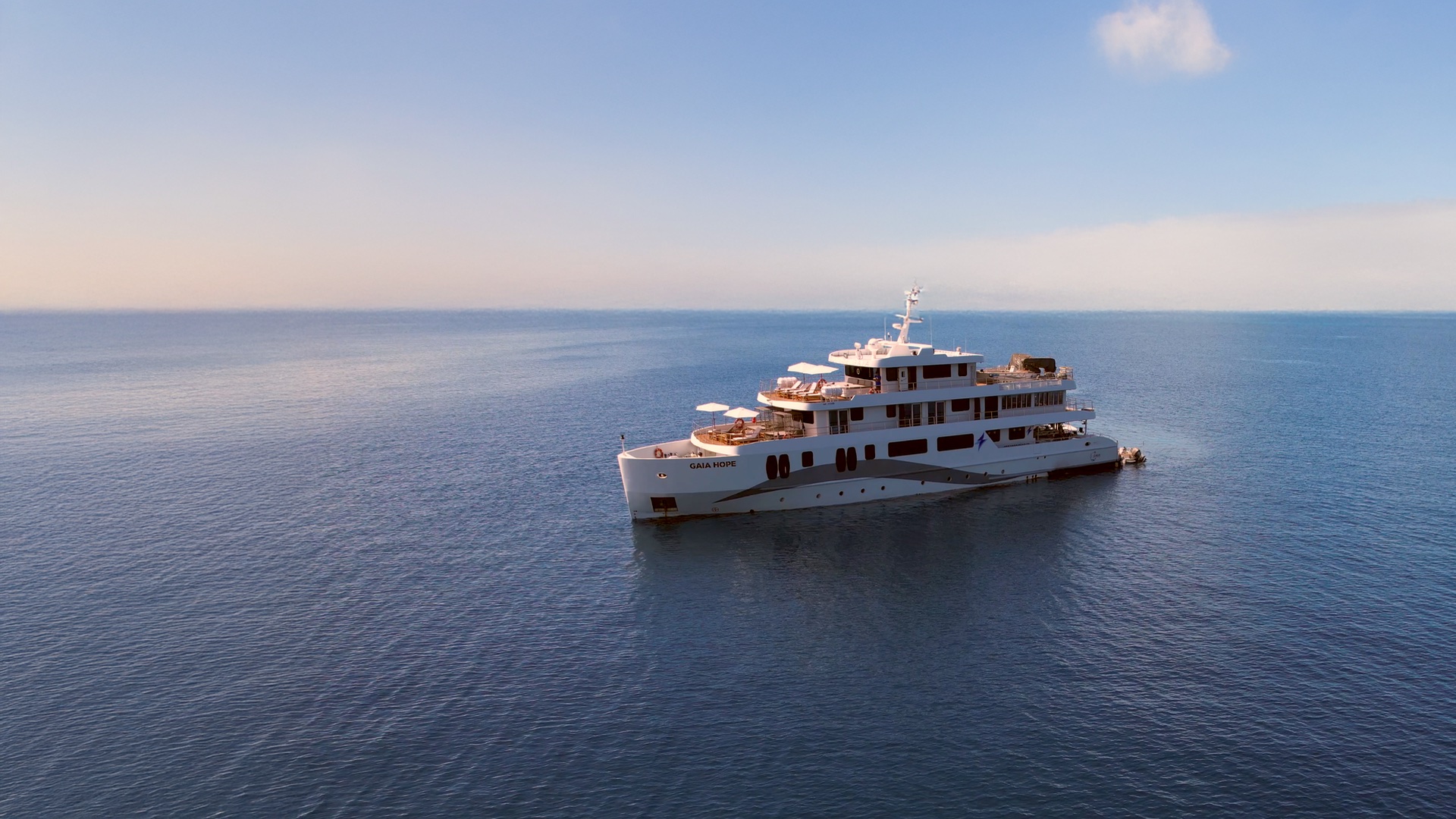
Solitude Gaia
Micronesia
18 guests40 m
$310/day
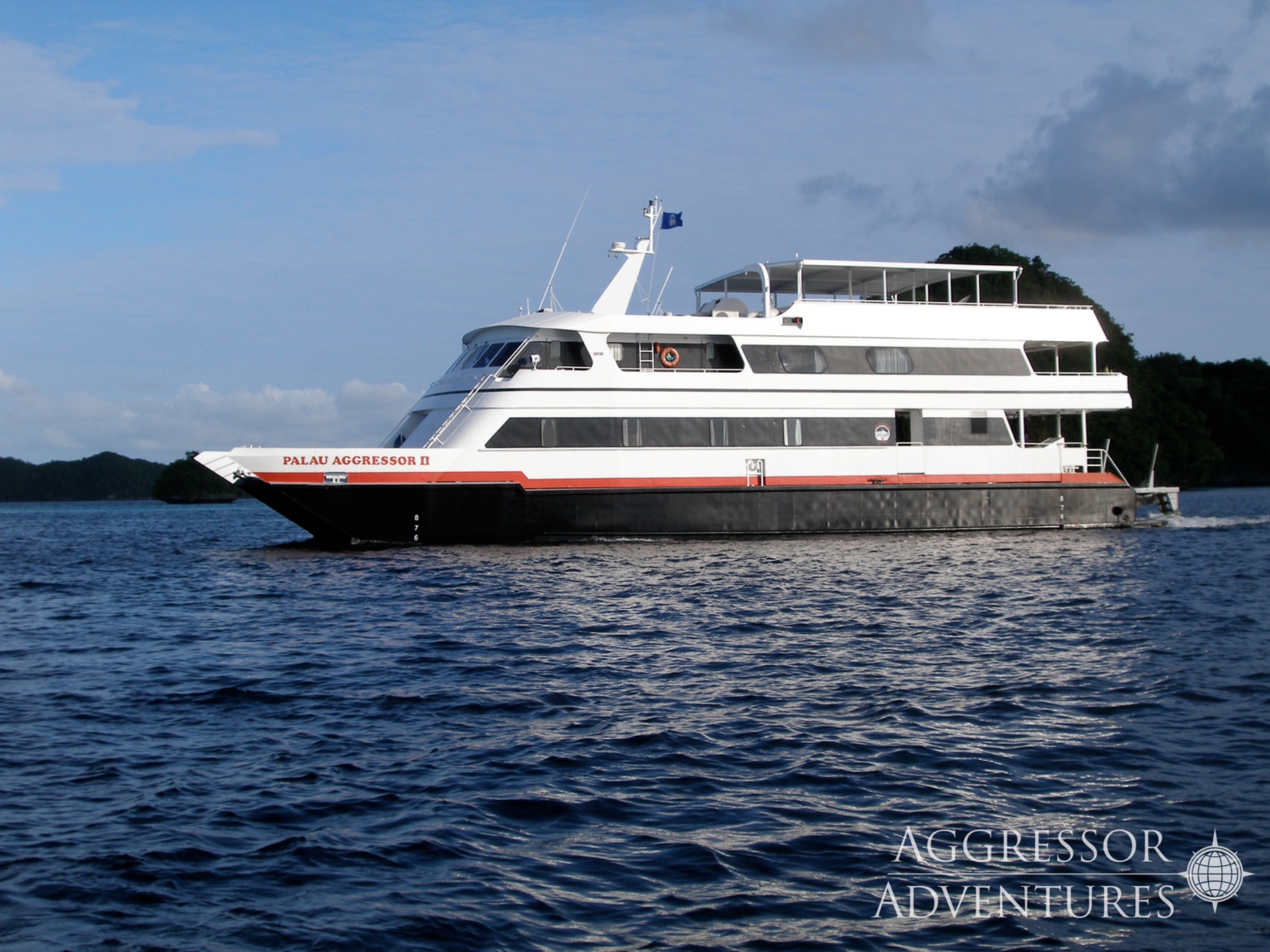
Palau Aggressor II
Micronesia
18 guests32 m
$292/day
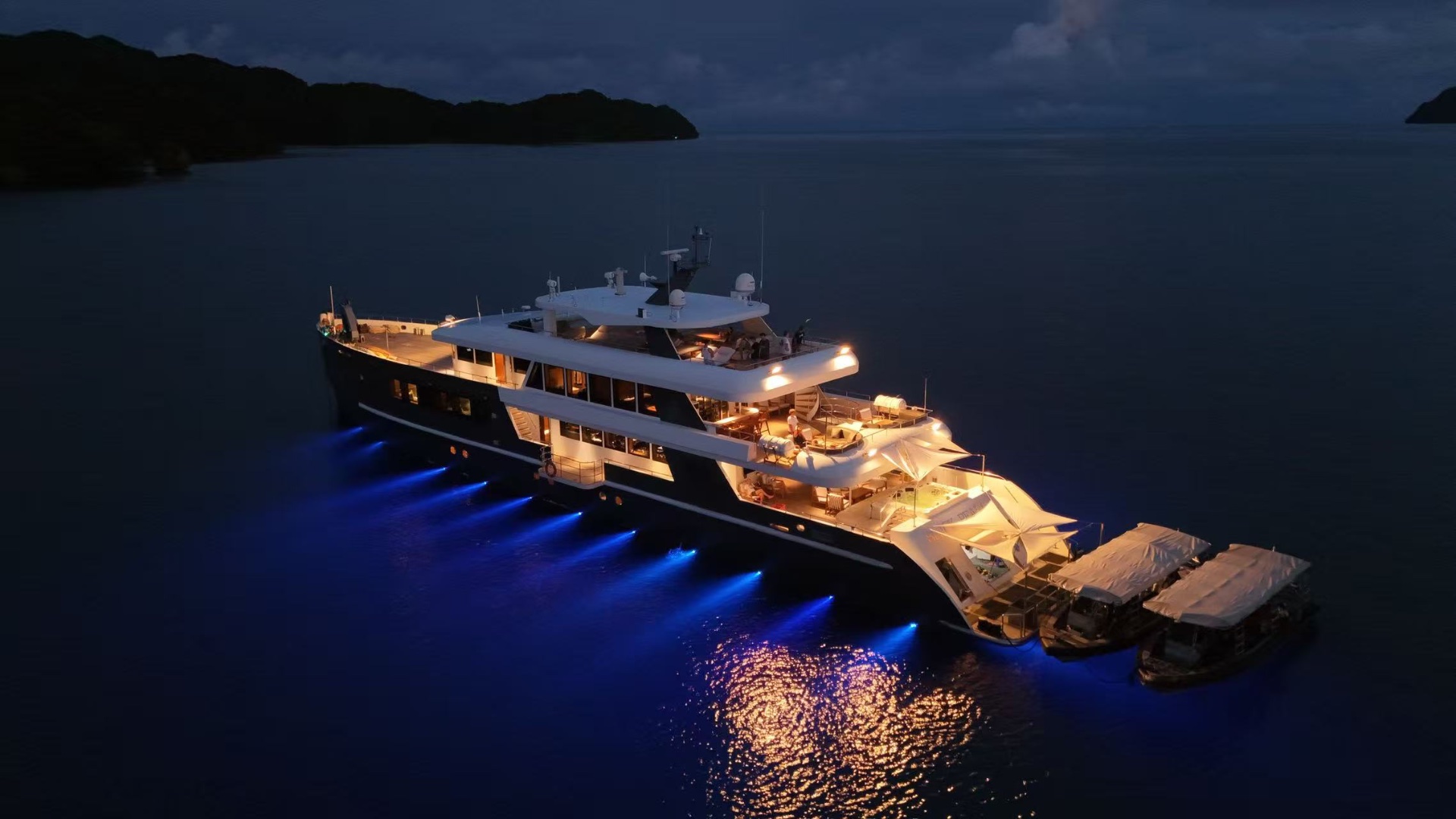
Black Pearl
Micronesia
24 guests
$390/day
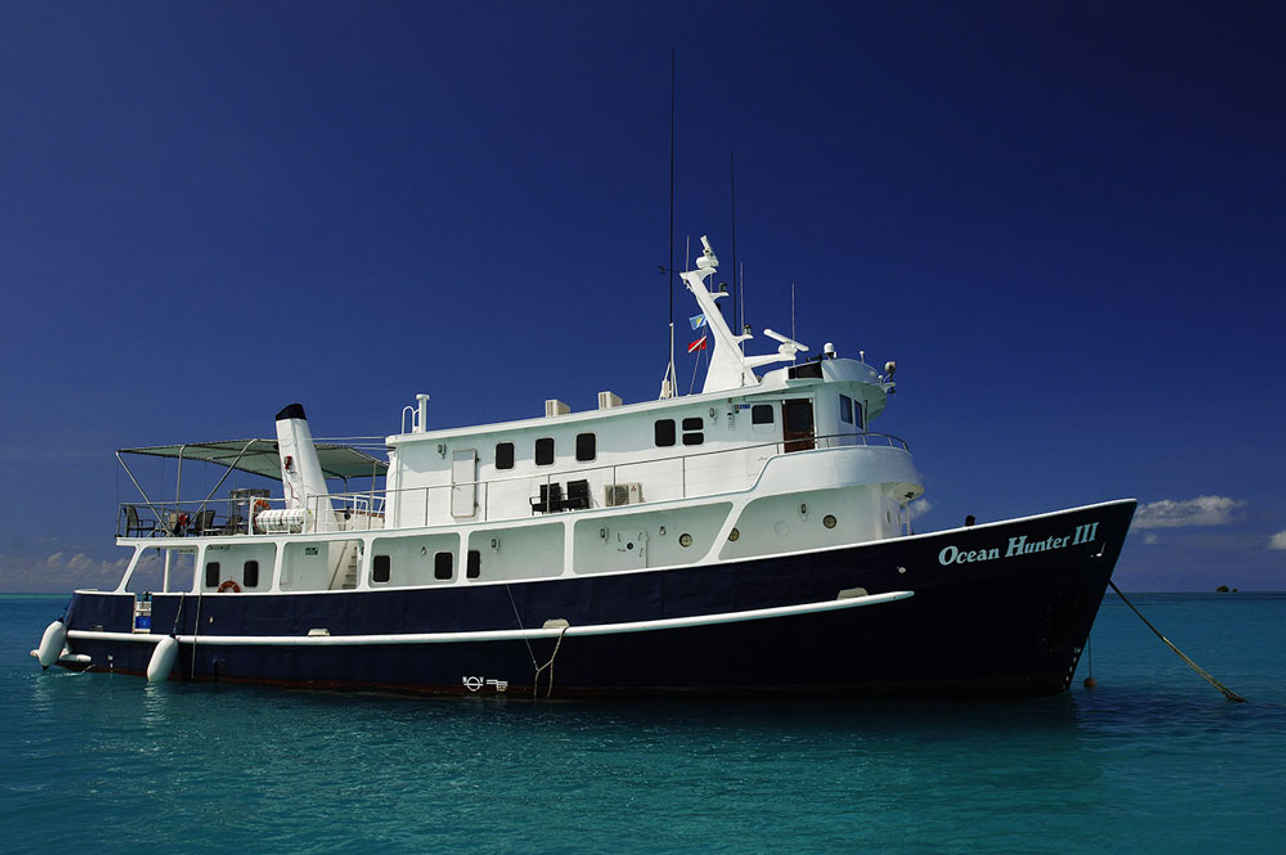
Ocean Hunter 3
Micronesia
16 guests29 m
$350/day
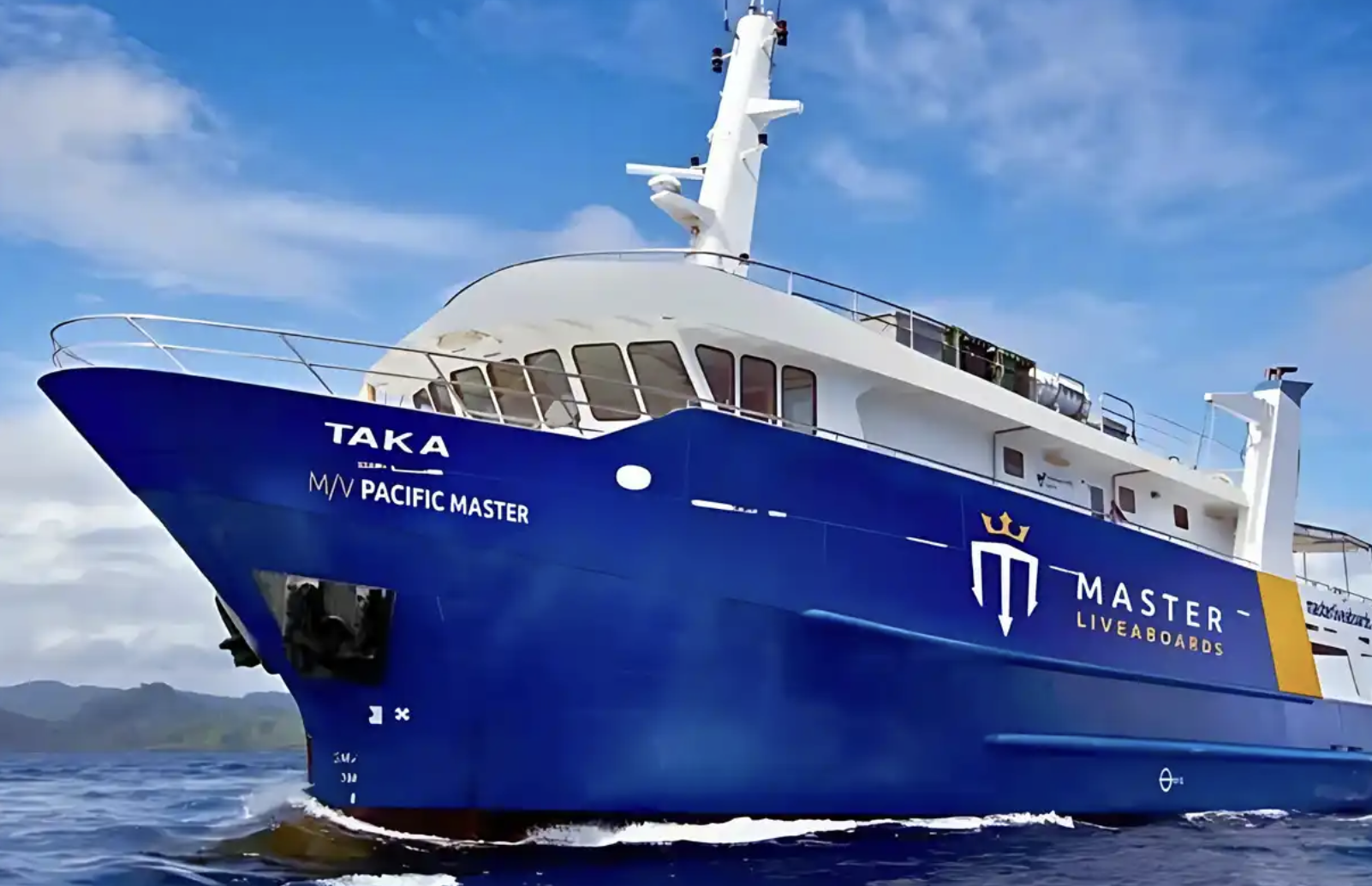
Pacific Master
Solomon Islands
20 guests30 m
$268/day
Dive sites similar to Manta Ridge
Same character, same waters — six more sites divers love for the exact same reasons.Compare seasons, access and liveaboard routes — then pick the site that fits your trip best.
© Esri — Maxar, Earthstar, GIS
Mi'l Channel
Micronesia
Mi'l Channel in Yap, Federated States of Micronesia, stands out as a world-renowned dive site, primarily celebrated for its consistent manta ray sightings.
- Suitable for
- Advanced
- Current
- Strong
- Access
- Dayboat
- Depth
- 15–30 m
- Theme
- Drift / Reef
© Esri — Maxar, Earthstar, GIS
Gilman Wall
Micronesia
Gilman Wall is one of Yap's premier dive sites, renowned for its spectacular vertical drop-offs and consistent pelagic action.
- Suitable for
- Advanced
- Current
- Strong
- Access
- Liveaboard only
- Depth
- 10–30 m
- Theme
- Drift / Wall
© Esri — Maxar, Earthstar, GIS
Manta Road
Micronesia
Manta Road, located in Pohnpei, Micronesia, is renowned as a premier destination for manta ray encounters.
- Suitable for
- Intermediate
- Current
- Moderate
- Access
- Dayboat
- Depth
- 16–25 m
- Theme
- Drift / Reef
© Esri — Maxar, Earthstar, GIS
Trochus Sanctuary
Micronesia
Trochus Sanctuary is a distinctive dive site located north of the mid-point of Kosrae, southwest of the island's airport.
- Suitable for
- Beginner
- Current
- Mild
- Access
- Dayboat
- Depth
- 5–13 m
- Theme
- Reef
© Esri — Maxar, Earthstar, GIS
Hiroshi Point
Micronesia
Hiroshi Point is a prominent shore and boat dive site located on the southern end of Kosrae in the Federated States of Micronesia.
- Suitable for
- Beginner
- Current
- Mild
- Access
- Liveaboard or dayboat
- Depth
- 5–13 m
- Theme
- Reef / Wall
© Esri — Maxar, Earthstar, GIS
Gabach Garden Walls
Micronesia
Gabach Garden Walls, located in the eastern lagoon of Pohnpei, Micronesia, is a captivating dive site characterized by its low reef wall.
- Suitable for
- Intermediate
- Current
- Mild
- Access
- Dayboat
- Depth
- 2–30 m
- Theme
- Wall