About Lionfish Wall
Lionfish Wall presents a captivating dive along the extreme southern edge of Yap's fringing reef, where nutrient-rich currents foster an exceptionally lush marine environment. This vertical wall descends to approximately 40 meters before transitioning into a gentle slope that continues into deeper waters, making it one of the world's premier wall dives due to its concentrated fish and coral populations. The entire face of the wall is adorned with a rich tapestry of soft daisy corals and vibrant crinoids, creating a spectacular display of color and texture. Beyond the wall, the constant currents attract a diverse array of pelagic species and gamefish, offering thrilling encounters with larger marine life. Named for the numerous lionfish that inhabit its crevices, the site also boasts schools of thousands of orange and yellow Bartlett's Fairy Basslets near the reef's upper edge. Keen-eyed divers might also spot highly camouflaged Leaf Fish blending seamlessly with their surroundings. Visibility here is often excellent, ranging from 20 to 45+ meters, with mild to moderate currents guiding divers along the wall. This site is suitable for various diver levels, providing a rich experience for both photographers and those simply wanting to immerse themselves in Yap's thriving underwater ecosystem.
Highlights
Vertical reef wall diveLush soft daisy coralsAbundant lionfish in crevicesSchools of Bartlett's Fairy BassletsFrequent pelagic sightingsVibrant crinoid displays
Season calendar
Best months to dive here
Jan
Feb
Mar
Apr
May
Jun
Jul
Aug
Sep
Oct
Nov
Dec
Good
Dive site facts: Lionfish Wall
- Depth
- 5–30 m (15–100 ft)
- Current
- Mild to moderate (0-3 km/h)
- Visibility
- 20–45+ m (70–150+ ft)
- Water temperature
- 27°C (81°F) year-round
- Entry
- Boat
- Level
- Open Water Diver, current experience beneficial
- Dive type
- Wall, drift, reef
- Night dive
- Possible
- Region / port
- Yap, Micronesia
- Coordinates
- 9.465, 138.105
Conditions & Currents
Lionfish Wall is characterized by consistent currents, ranging from mild to moderate, typically flowing at 0-3 km/h. These currents are a defining feature, washing the wall with nutrients and supporting its abundant marine life. Divers can expect a drift diving experience, with the current influencing the pace and direction of the dive. Entry and exit strategies often involve boat support to manage the drift, and divers should be prepared for varying current strengths, particularly where the currents from opposite sides of the island converge. While visibility generally remains high, strong currents can occasionally stir up sediment, though the continuous flow typically maintains clear water.
Marine life & sighting chances

Lionfish
common
Bartlett's Fairy Basslet
common
Leaf Fish
occasional
Manta Ray
occasional
Eagle Ray
occasional
Shark
occasional
Tuna
occasional
Barracuda
occasional
Turtle
occasional
Nudibranch
occasionalDive profile & how the dive runs
Your dive at Lionfish Wall typically begins with a descent near the southern tip of Yap's fringing reef, directly onto the vertical wall. The mild to moderate current often dictates a drift along this vibrant coral-covered face, allowing you to observe the rich soft coral gardens and crinoids that carpet the area. You'll explore crevices for lionfish and keep an eye on the blue for pelagics. The dive generally progresses deeper, following the wall down to about 30 meters, where it transitions into a sloping reef. Turnaround will be based on air consumption and no-decompression limits, allowing for a gradual ascent along the reef, with the safety stop conducted in the shallower, current-swept upper sections of the wall, where schools of smaller reef fish are abundant.
Underwater photography
Lionfish Wall offers excellent opportunities for both wide-angle and macro photography. For wide-angle shots, capitalize on the clear visibility and the dramatic vertical wall adorned with soft corals and crinoids; consider a wide-angle lens to capture the expansive reefscape and passing pelagics. For macro subjects, a macro lens is essential to focus on the numerous lionfish in their hiding spots, the delicate nudibranchs, and other smaller invertebrates nestled within the coral. Good buoyancy is critical here due to the currents and the need to avoid disturbing the delicate coral formations. External strobes are highly recommended to bring out the vibrant colors of the soft corals and fish, especially at deeper sections of the wall where natural light diminishes.
Combine with nearby dive sites
- Aliko Reef
A mini-wall with rich hard corals and occasional shark sightings.
- Mi'l Channel
World-famous for consistent manta ray encounters at cleaning stations.
- Yap Caverns
Offers multiple swim-throughs and chasms with good shark sightings.
- Vertigo
A sheer vertical wall known for large schools of grey reef sharks and strong currents.
- Cabbage Patch
A vertical wall followed by a gentle slope, known for Christmas Tree Tube Worms and larger reef fish.
Getting there & logistics
Access to Lionfish Wall typically involves flying into Yap International Airport (YAP), with connecting flights often originating from Guam (GUM). Divers generally stay at land-based resorts on Yap, with dive operators providing daily boat trips to sites like Lionfish Wall. Trip lengths vary, but most divers plan for 5-7 days of diving to experience a range of Yap's sites. There are no specific marine park fees mentioned for this site, and dives are often combined with other wall dives, channel dives for mantas, and cavern explorations to create a comprehensive Yap diving itinerary.
Safety & environment
The nearest recompression chamber is located in Palau, approximately 500 miles away, emphasizing the importance of responsible diving practices. Emergency evacuation from Yap can be complex and expensive, making comprehensive dive insurance an absolute necessity. At Lionfish Wall, divers should be mindful of the prevalent currents, which can vary in strength; maintaining good buoyancy and being proficient in drift diving techniques are crucial. Always dive with a qualified guide, stay within your certification limits, and carry a surface marker buoy (SMB) for safety during drift dives. Always conduct a thorough buddy check and ensure all gear is in excellent working order before entering the water.
Who it suits — and who it doesn't
Suited for
- Experienced drift divers
- Underwater photographers seeking vibrant reef scenes
- Divers interested in diverse wall ecosystems
- Marine life enthusiasts looking for pelagic encounters
- Advanced Open Water certified divers
Less suited for
- Beginner divers without current experience
- Divers with poor buoyancy control
- Individuals prone to seasickness in moderate currents
- Those uninterested in drift diving
FAQ
Lionfish Wall FAQ
What kind of marine life can I expect to see at Lionfish Wall?
Lionfish Wall is aptly named for the many lionfish found in its crevices. Beyond them, you can encounter schools of Bartlett's Fairy Basslets, camouflaged Leaf Fish, and various pelagics like mantas, eagle rays, tuna, barracuda, and sharks that are attracted by the currents. Turtles are also commonly sighted.
What are the typical dive conditions at Lionfish Wall?
Visibility at Lionfish Wall is consistently good, ranging from 20 to over 45 meters (70-150+ feet). The water temperature remains warm at around 27°C (81°F) year-round. Currents are usually mild to moderate, providing a pleasant drift dive, but can occasionally be stronger.
Is Lionfish Wall suitable for beginner divers?
Lionfish Wall is generally recommended for Open Water certified divers with some experience in currents, or those comfortable with drift diving. While not excessively challenging, the currents require good buoyancy control and an understanding of drift techniques. Beginners should consult with their dive operator.
What makes Lionfish Wall a good site for underwater photography?
With its clear visibility, dramatic vertical wall, and abundant marine life, Lionfish Wall is fantastic for photography. Wide-angle lenses can capture the extensive soft coral gardens and passing pelagics, while macro lenses are ideal for capturing the intricate details of lionfish, nudibranchs, and other small critters hiding in the reef.
When is the best time of year to dive Lionfish Wall?
The best time to dive Lionfish Wall is typically during Yap's dry season, from October to May. During these months, the seas are generally calmer, winds are lighter, and visibility is at its peak. Diving is possible year-round, but conditions outside this period may be more variable with increased rainfall.
Why dive Lionfish Wall from a liveaboard?
Lionfish Wall is one of Micronesia's signature dive sites. A liveaboard sleeps you on the water and puts you in the water for three to four guided dives per day, including dawn and night dives that day-boat operators rarely offer. You skip the daily commute back to port and reach quieter, less-crowded sites in the same region on a single trip.
Below are the liveaboards that include Lionfish Wall on their Micronesia itineraries.
Liveaboards diving Lionfish Wall
These liveaboards may visit Lionfish Wall on selected itineraries — the exact dive sites depend on departure, weather and conditions.
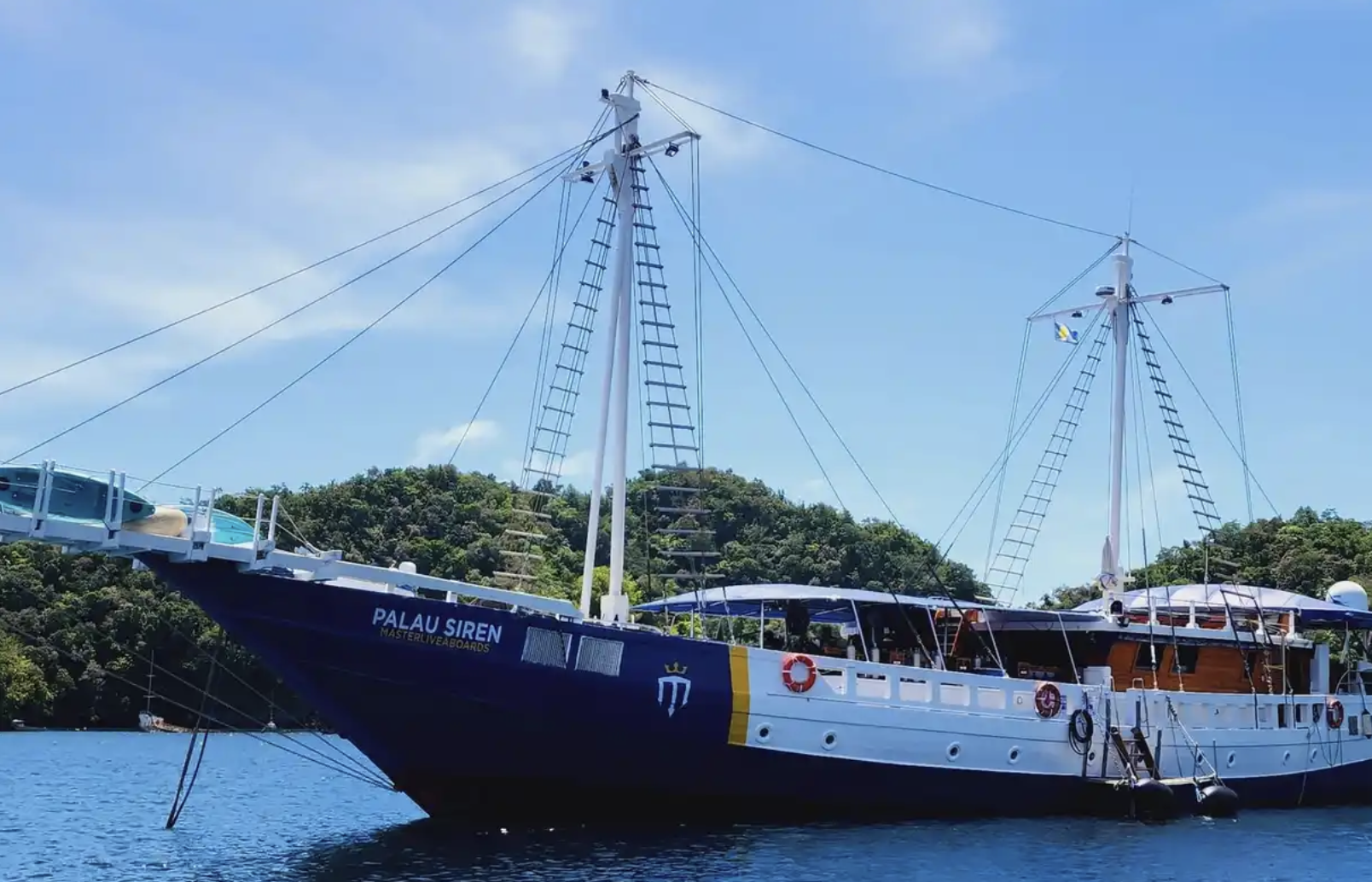
Palau Siren
Micronesia
16 guests
$501/day
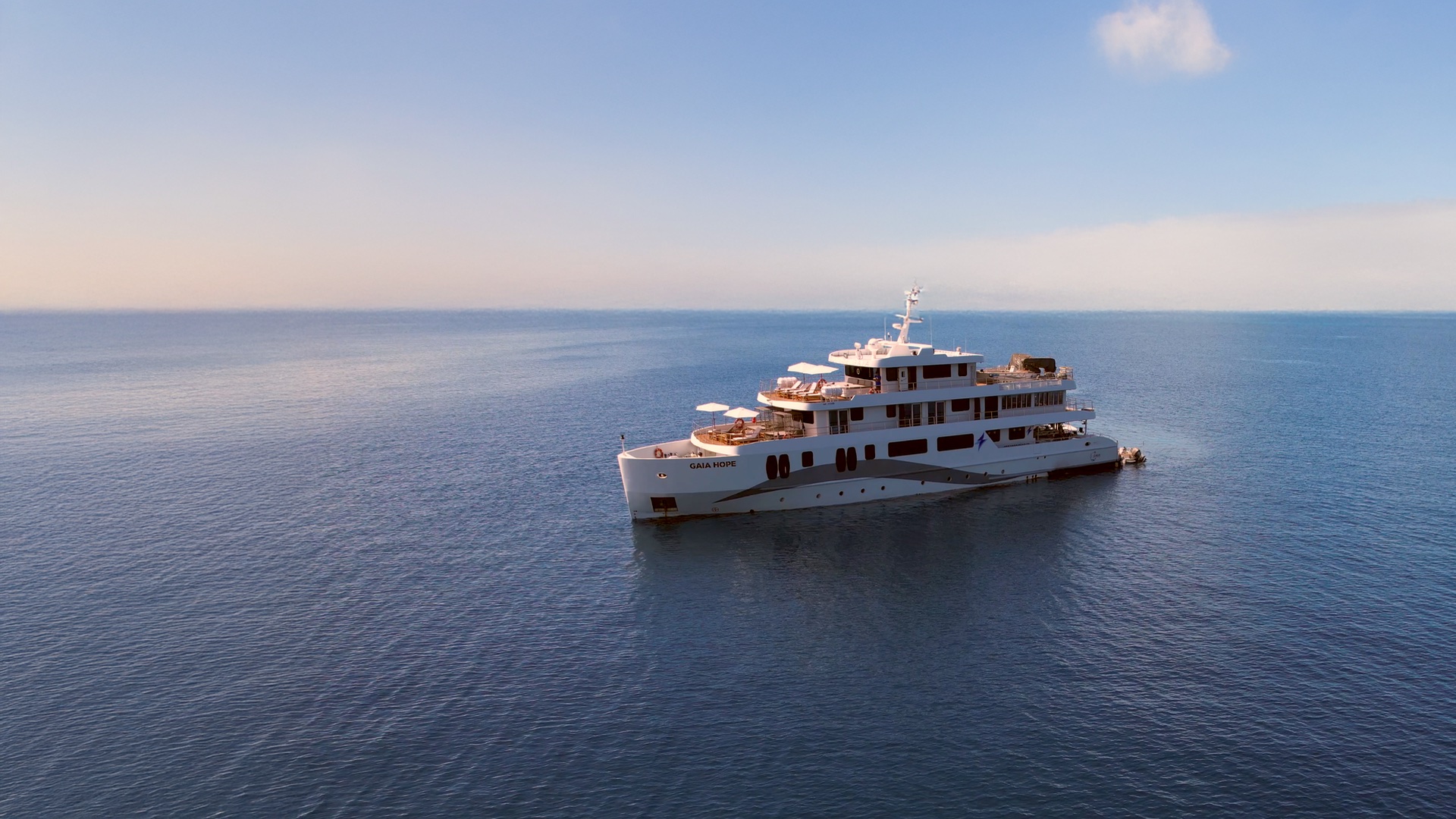
Solitude Gaia
Micronesia
18 guests40 m
$310/day
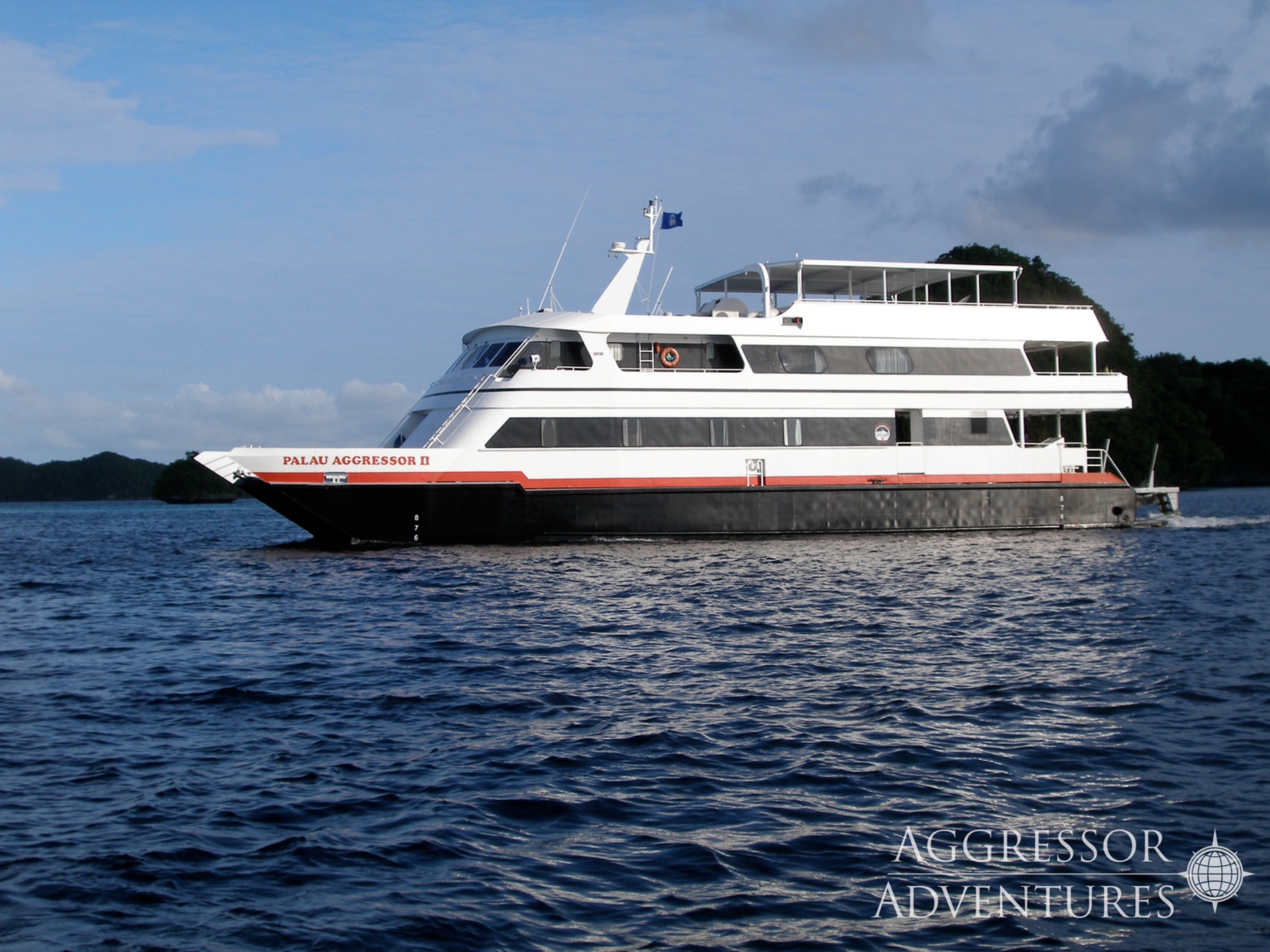
Palau Aggressor II
Micronesia
18 guests32 m
$292/day
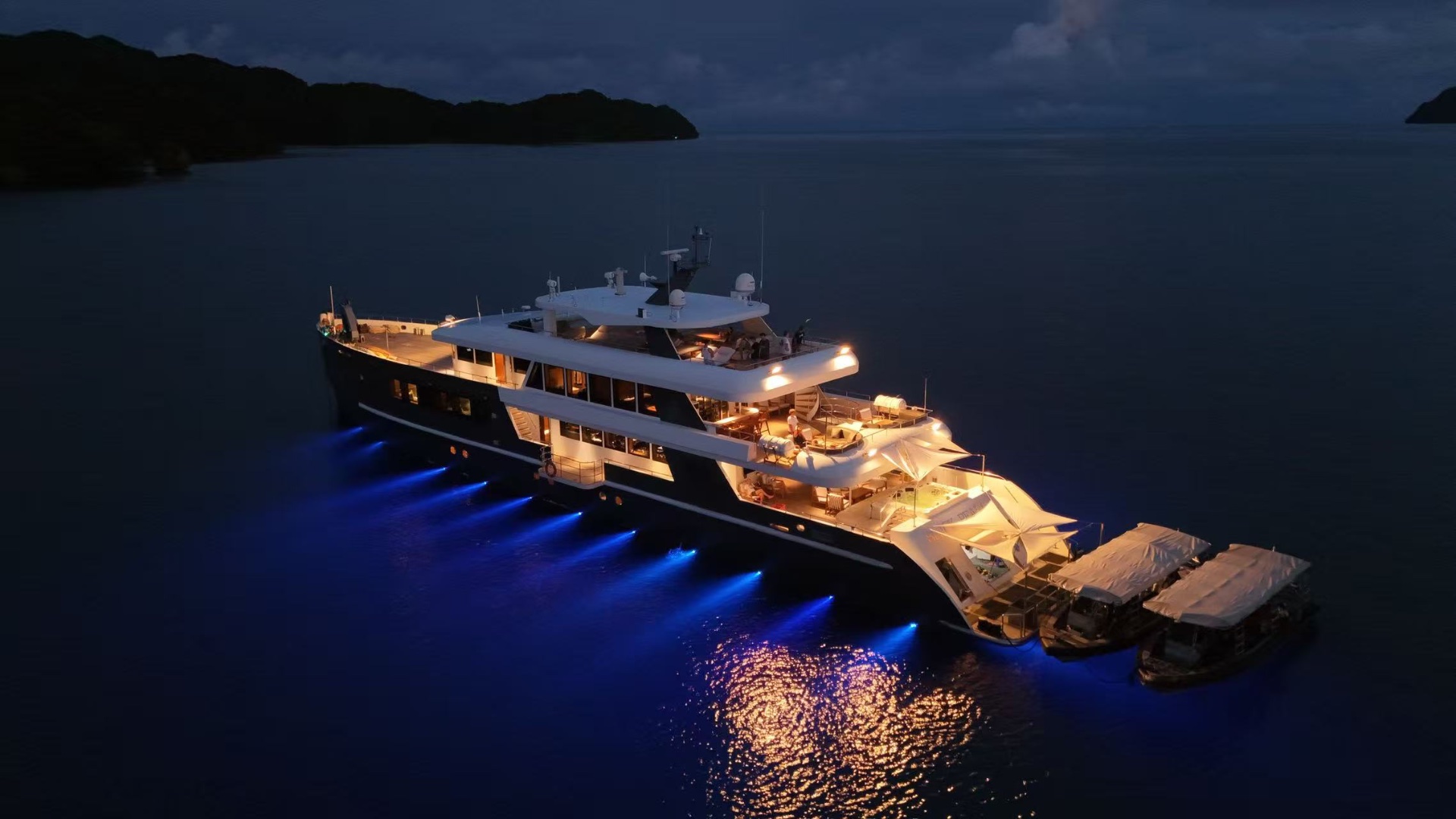
Black Pearl
Micronesia
24 guests
$390/day
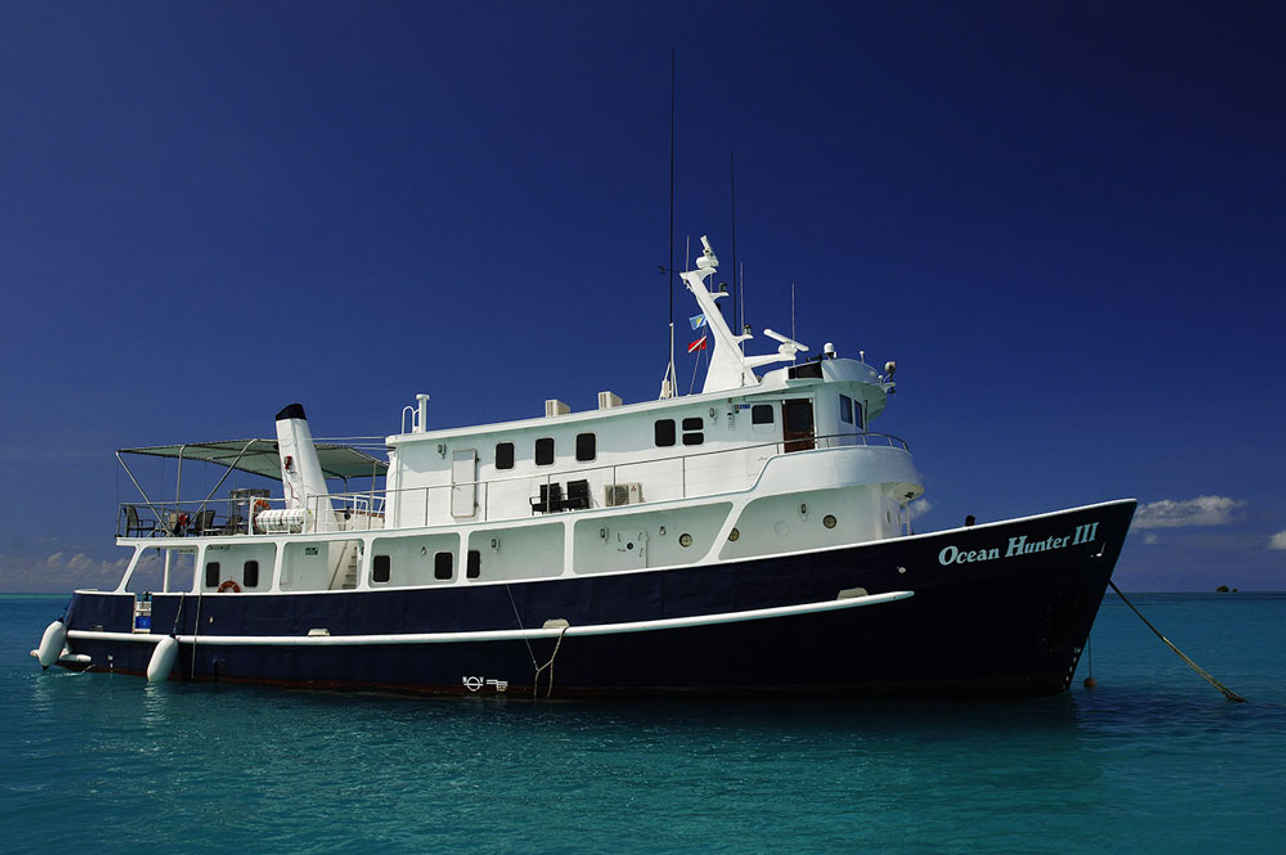
Ocean Hunter 3
Micronesia
16 guests29 m
$350/day
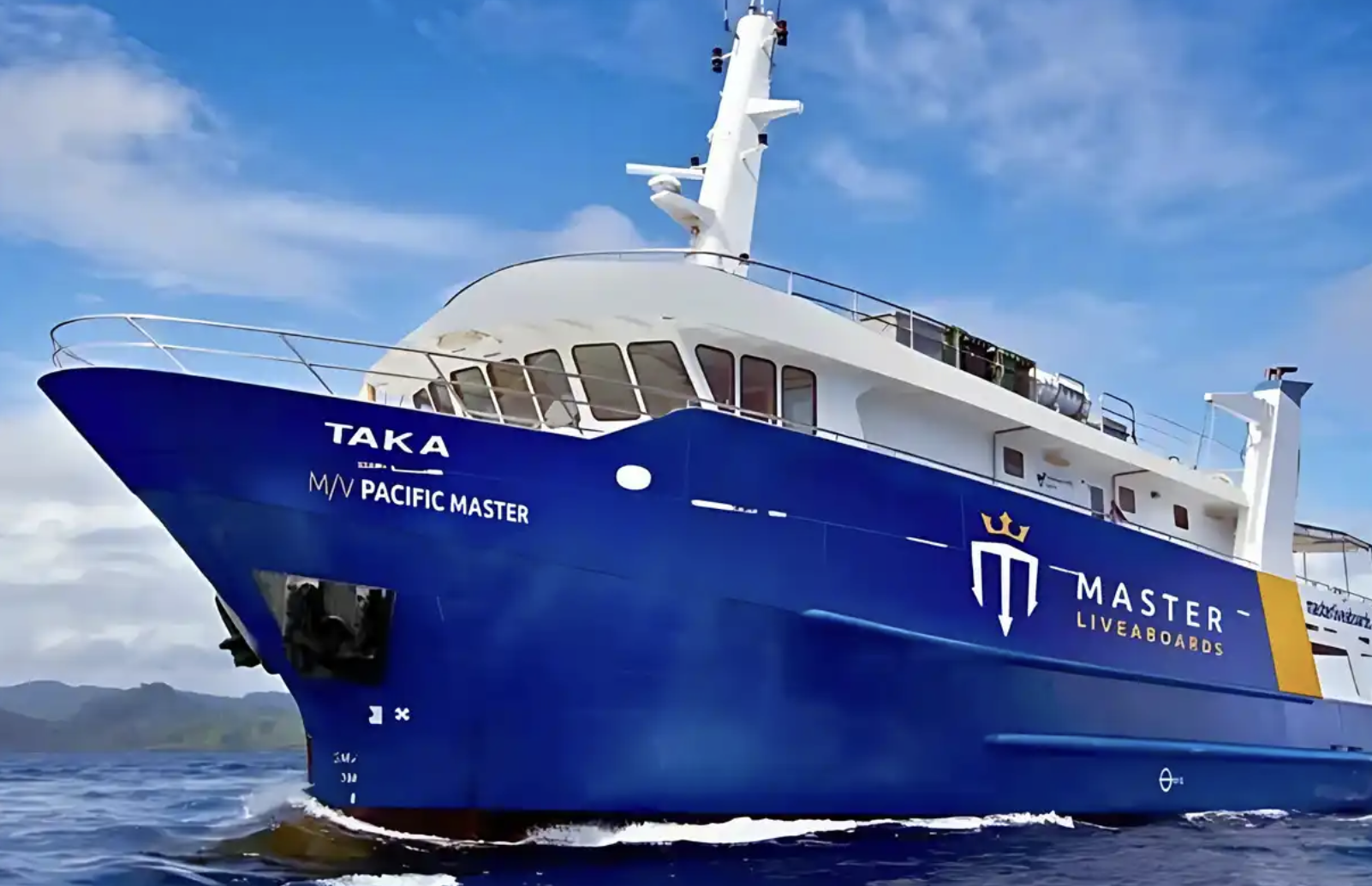
Pacific Master
Solomon Islands
20 guests30 m
$268/day
Dive sites similar to Lionfish Wall
Same character, same waters — six more sites divers love for the exact same reasons.Compare seasons, access and liveaboard routes — then pick the site that fits your trip best.
© Esri — Maxar, Earthstar, GIS
Gilman Wall
Micronesia
Gilman Wall is one of Yap's premier dive sites, renowned for its spectacular vertical drop-offs and consistent pelagic action.
- Suitable for
- Advanced
- Current
- Strong
- Access
- Liveaboard only
- Depth
- 10–30 m
- Theme
- Drift / Wall
© Esri — Maxar, Earthstar, GIS
Hiroshi Point
Micronesia
Hiroshi Point is a prominent shore and boat dive site located on the southern end of Kosrae in the Federated States of Micronesia.
- Suitable for
- Beginner
- Current
- Mild
- Access
- Liveaboard or dayboat
- Depth
- 5–13 m
- Theme
- Reef / Wall
© Esri — Maxar, Earthstar, GIS
Gabach Garden Walls
Micronesia
Gabach Garden Walls, located in the eastern lagoon of Pohnpei, Micronesia, is a captivating dive site characterized by its low reef wall.
- Suitable for
- Intermediate
- Current
- Mild
- Access
- Dayboat
- Depth
- 2–30 m
- Theme
- Wall
© Esri — Maxar, Earthstar, GIS
Walung Drop-Off
Micronesia
Walung Drop-Off is a well-known dive site situated off the southwest coast of Kosrae in the Federated States of Micronesia.
- Suitable for
- Intermediate
- Current
- Moderate
- Access
- Dayboat
- Depth
- ≤ 30 m
- Theme
- Wall / Reef
© Esri — Maxar, Earthstar, GIS
Peleliu Express
Micronesia
Peleliu Express is a challenging, world-class drift dive situated off the dramatic southern tip of Peleliu Island in Palau.
- Suitable for
- Advanced
- Current
- Ripping
- Access
- Liveaboard or dayboat
- Depth
- 10–40 m
- Theme
- Drift / Wall
© Esri — Maxar, Earthstar, GIS
Mwand Wall
Micronesia
Mwand Wall is an esteemed dive site located in Pohnpei, Micronesia, renowned for its vibrant marine life and striking underwater topography.
- Suitable for
- Intermediate
- Current
- Mild
- Access
- Dayboat
- Depth
- 18–30 m
- Theme
- Wall / Reef