About Cherry Blossom
Cherry Blossom Wall is a captivating dive site situated on the western side of Yap, distinguished by its impressive vertical wall. This site plunges dramatically from 3 meters down to 80 meters, revealing a diverse marine landscape that shifts with depth. The shallower sections, particularly around 18 meters, are adorned with an abundance of hard and soft corals, featuring vivid pink and purple soft corals that give the site its name, along with various crinoid species. As the wall descends into deeper waters, below 36 meters, it hosts unique deep-water inhabitants such as black corals and expansive sea fans, which are seldom found in other parts of Yap's reef system due to its profound extension. Typical of Yap's western walls, the upper reef is teeming with countless reef fish, creating a vibrant tapestry of marine life. Divers should also frequently scan the open water, as schooling game fish and larger pelagic species are often sighted, adding an element of excitement to the dive. The wall's distinct profile and the rich variety of corals and fish make it a highlight for divers seeking both macro and wide-angle photographic opportunities. The site's shallow entrance into Nimpal Inlet restricts boat access for surface intervals, preserving its pristine condition. The combination of varied depths, abundant coral formations, and potential pelagic encounters ensures a dynamic and rewarding dive experience.
Highlights
Vibrant pink and purple soft coralsDeep-water black coralsExtensive sea fan gardensAbundant reef fish populationsFrequent pelagic sightingsVertical wall topographyDiverse crinoid species
Best Season
The best time to dive Cherry Blossom Wall is typically from November to April. During these months, the seas are generally calmer, and visibility is consistently high, enhancing the overall dive experience.
Dive site facts: Cherry Blossom
- Depth
- 3–80 m
- Current
- 0–3 km/h (0–2 mph)
- Visibility
- 18–30+ m
- Entry
- Liveaboard only
- Level
- Intermediate
- Dive type
- Wall dive, coral garden, pelagic encounters
- Region / port
- Yap, Micronesia
- Coordinates
- 9.47, 138.085
Conditions & Currents
Currents at Cherry Blossom Wall are generally mild, ranging from 0 to 3 km/h (0 to 2 mph), which makes it a comfortable dive for most skill levels. However, divers should always be prepared for some water movement, especially when venturing towards the open blue where pelagic species are often encountered. Given the wall's direct exposure to oceanic conditions, occasional variations in current strength can occur, so careful planning with the dive guide is advisable. Visibility typically ranges between 18 to over 30 meters (60-100+ feet), providing clear views of the extensive coral structures and marine life.
Marine life & sighting chances

Hard corals
common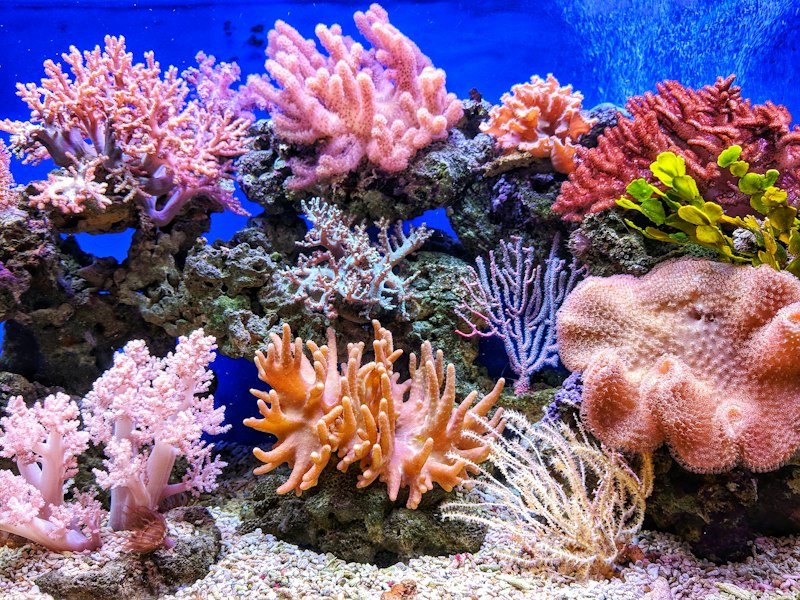
Soft corals
common
Crinoids
common
Reef fish
commonSchooling gamefish
occasional
Pelagics
occasionalBlack coral
occasional
Deep-water sea fans
occasionalDive profile & how the dive runs
A typical dive at Cherry Blossom Wall begins near the shallow entrance of Nimpal Inlet, where the reef starts at approximately 3 meters. You descend along the vertical wall, observing the vibrant hard and soft corals around 18 meters, including the distinctive pink and purple varieties. The dive often progresses deeper, allowing glimpses of black corals and deep-water sea fans that thrive below 36 meters. Throughout the dive, maintain an awareness of the open blue for potential sightings of schooling pelagics. The turn point is determined by air consumption and no-decompression limits, after which you gradually ascend, tracing the wall back to the shallower reef for your safety stop among the dense populations of reef fish.
Underwater photography
Cherry Blossom Wall offers diverse photographic opportunities. For wide-angle shots, a fisheye or wide-angle lens is ideal to capture the expansive vertical wall and its colorful soft coral formations. These lenses are also excellent for documenting schooling fish and any pelagic encounters in the blue. For macro subjects, like the various crinoid species and the intricate details of hard corals, a macro lens will be beneficial. Given the depth and potential for darker areas on the wall, especially when looking for black corals and deep-water fans, external strobes or video lights are highly recommended to bring out true colors and add definition. Pay attention to your buoyancy to avoid damaging delicate coral structures.
Combine with nearby dive sites
- Gilman Wall
Gilman Wall is one of Yap's premier dive sites, renowned for its spectacular vertical drop-offs and consistent pelagic action.
- Lionfish Wall
Lionfish Wall presents a captivating dive along the extreme southern edge of Yap's fringing reef, where nutrient-rich currents foster an…
- Yap Caverns
Yap Caverns, situated at the southernmost end of Yap Island, offers an unparalleled diving experience with its rich biodiversity and…
- Vertigo
Vertigo is celebrated as one of Yap's finest dive sites, particularly for divers seeking exhilarating shark encounters.
- Manta Ridge
Manta Ridge is a premier dive site in Yap, Micronesia, renowned globally for its consistent manta ray encounters.
Getting there & logistics
Access to Cherry Blossom Wall usually involves flying into Yap International Airport (YAP) on Yap Proper. International flights typically connect via Guam, Hawaii, or Manila, followed by island-hopping flights. Dive operators, such as Manta Ray Bay Resort, run daily boat trips to the various dive sites, including Cherry Blossom Wall, which is a short ride from the resort. Dive packages often combine several local sites. While no specific permits are mentioned for this site, a general Yap State diving permit might be required as part of a dive package. Planning trips during the dry season, from November to April, ensures optimal conditions, but diving is possible year-round.
Safety & environment
For diving at Cherry Blossom Wall, it is crucial to carry appropriate dive insurance that covers emergency medical evacuation and recompression chamber treatment. The nearest recompression chamber is located in Palau. Given Yap's remote location, emergency evacuation can be complex and costly. Always dive within your training limits and adhere to your dive guide's instructions. While currents are generally mild, stay aware of potential changes and maintain good buoyancy control to avoid contact with the wall's fragile coral ecosystem. Monitoring air supply and no-decompression limits is essential for safe deep-wall diving.
Who it suits — and who it doesn't
Suited for
- Advanced Open Water Divers
- Underwater photographers
- Divers interested in wall diving
- Coral reef enthusiasts
- Divers seeking diverse marine life
Less suited for
- Beginner divers without current experience
- Divers uncomfortable with depths
- Those uninterested in macro life
- Divers who prefer purely pelagic encounters
FAQ
Cherry Blossom FAQ
What kind of corals can I see at Cherry Blossom Wall?
Cherry Blossom Wall is rich in both hard and soft corals. You will encounter various types, notably vibrant pink and purple soft corals, as well as several species of crinoids. Deeper parts of the wall, below 36 meters, also feature impressive black corals and large deep-water sea fans.
Is Cherry Blossom Wall suitable for beginner divers?
This site is generally recommended for intermediate to advanced divers. While currents are usually mild, the vertical nature of the wall and its significant depth range, extending to 80 meters, require good buoyancy control and comfort with deeper diving. Beginners with limited experience might find other Yap sites more suitable.
What is the visibility like at Cherry Blossom Wall?
Visibility at Cherry Blossom Wall is consistently excellent, typically ranging from 18 to over 30 meters (60-100+ feet). This allows for clear views of the extensive coral formations, diverse reef fish, and potential pelagic sightings in the open blue water.
Are there any large marine animals at Cherry Blossom Wall?
Yes, while the top of the wall is teeming with reef fish, divers should keep an eye on the blue water. Schooling gamefish and various pelagic species are often sighted cruising by the wall. The deeper sections also host unique deep-water inhabitants like black corals and sea fans.
How deep does Cherry Blossom Wall go?
The wall at Cherry Blossom Wall begins in shallow waters around 3 meters and drops dramatically to depths of up to 80 meters. This allows for exploration of different ecosystems, from shallow, colorful reefs to deeper areas where unique black corals and sea fans reside.
Why is it called Cherry Blossom Wall?
The name 'Cherry Blossom Wall' is inspired by the abundant pink and purple soft corals found along the wall, particularly around the 18-meter depth. These vibrant corals create a visually stunning display reminiscent of cherry blossoms, contributing to the site's unique charm.
Why dive Cherry Blossom from a liveaboard?
Cherry Blossom is one of Micronesia's signature dive sites. A liveaboard sleeps you on the water and puts you in the water for three to four guided dives per day, including dawn and night dives that day-boat operators rarely offer. You skip the daily commute back to port and reach quieter, less-crowded sites in the same region on a single trip.
Below are the liveaboards that include Cherry Blossom on their Micronesia itineraries.
Liveaboards diving Cherry Blossom
These liveaboards may visit Cherry Blossom on selected itineraries — the exact dive sites depend on departure, weather and conditions.
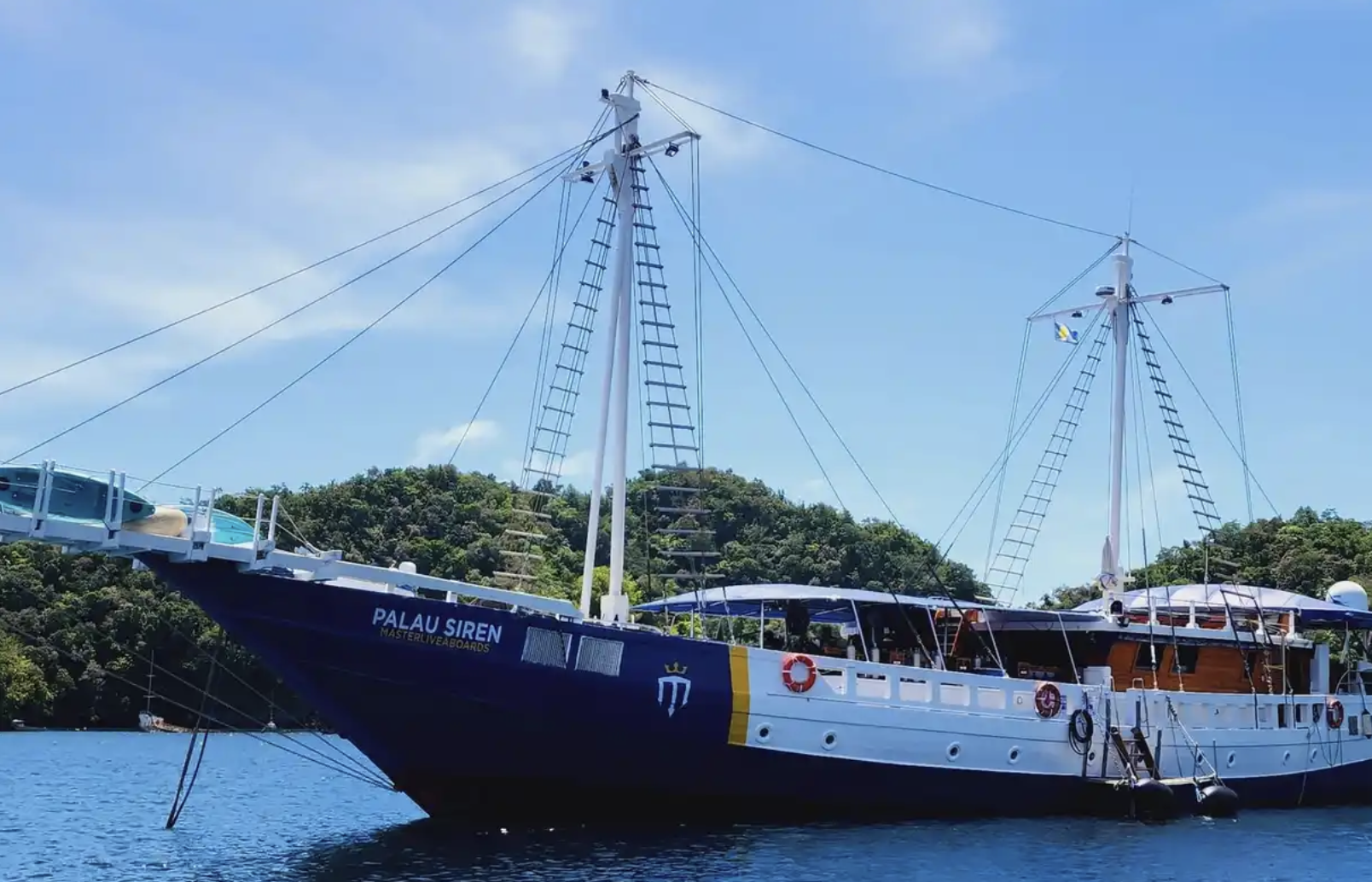
Palau Siren
Micronesia
16 guests
$501/day
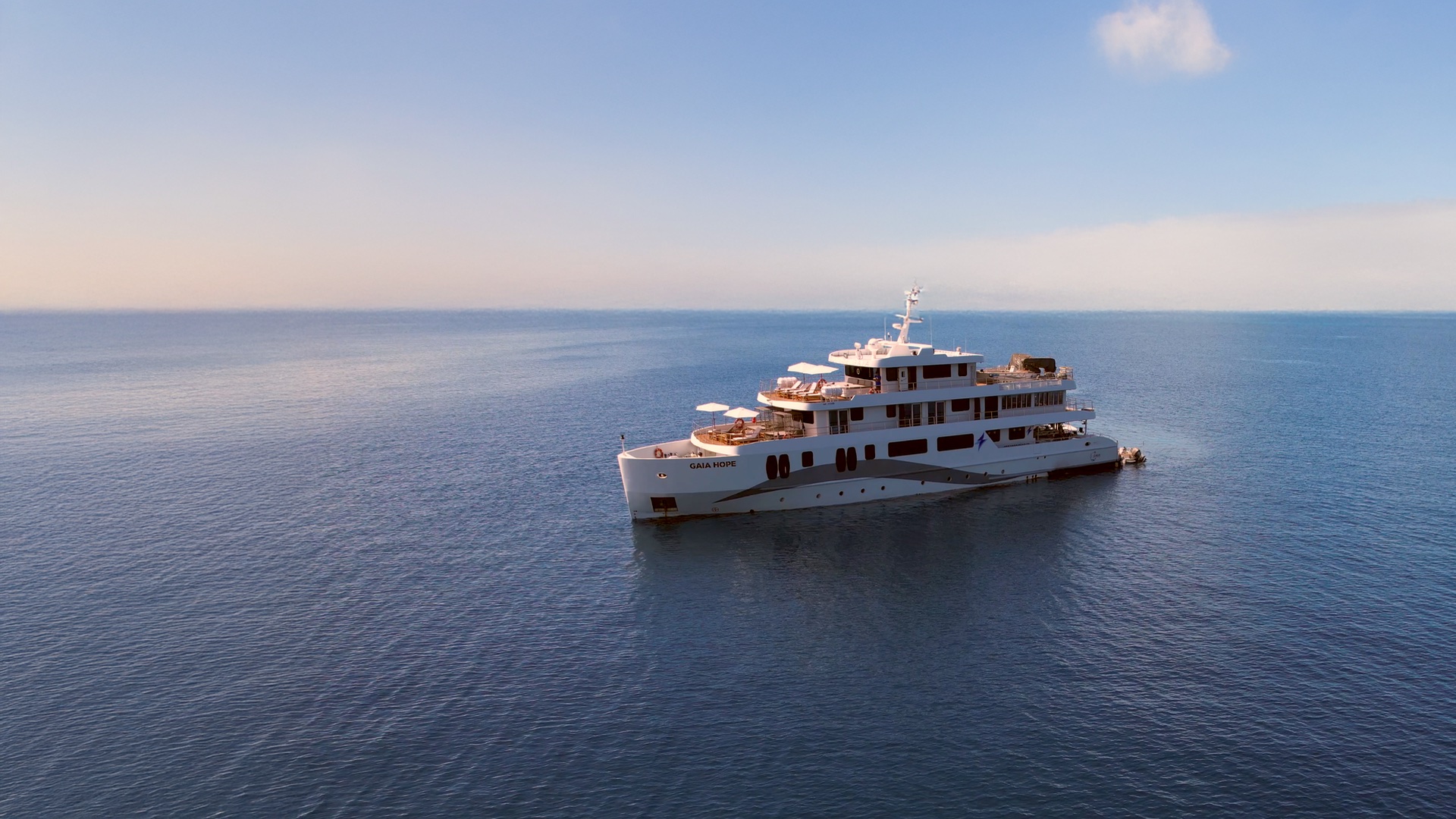
Solitude Gaia
Micronesia
18 guests40 m
$310/day
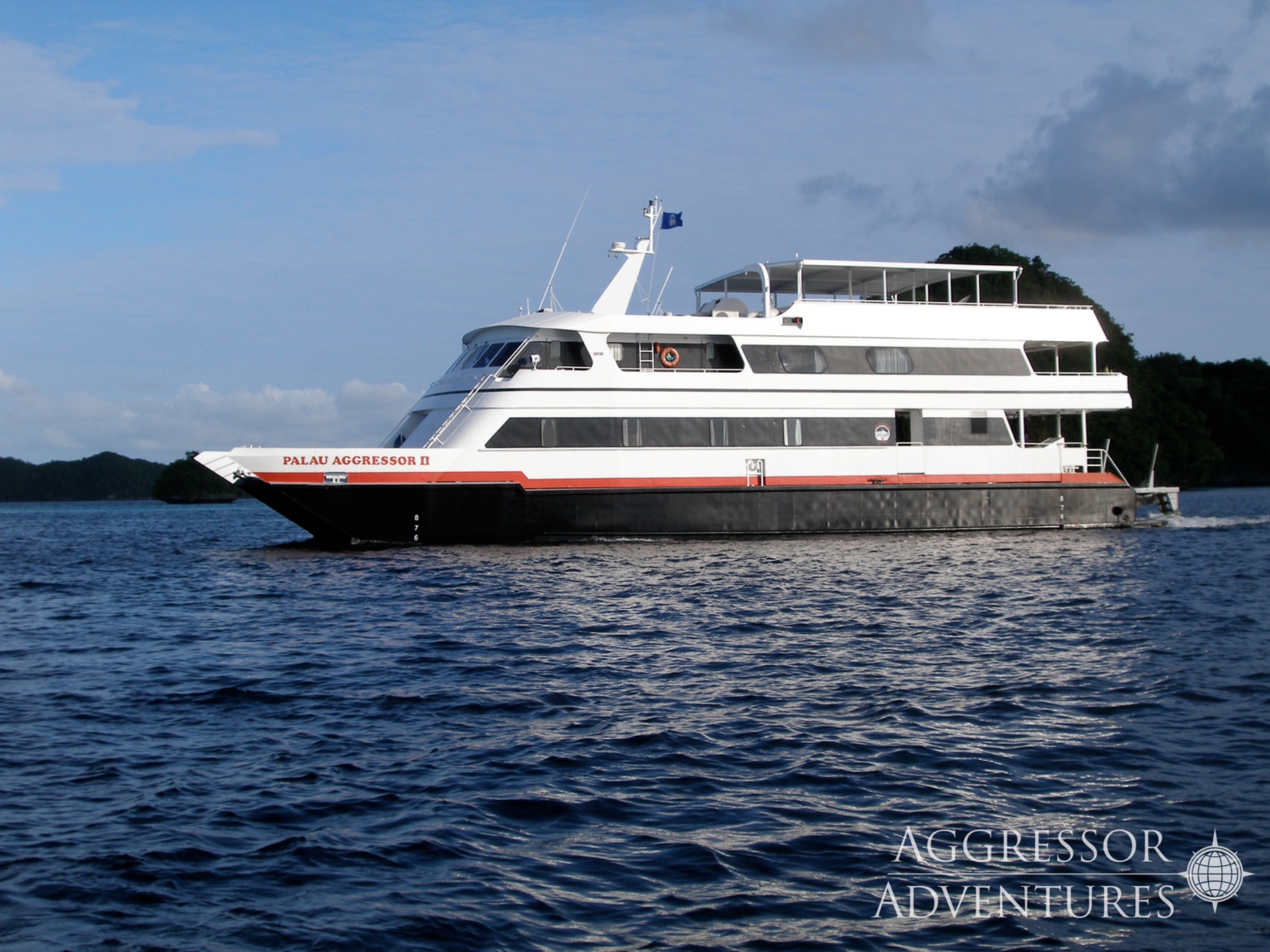
Palau Aggressor II
Micronesia
18 guests32 m
$292/day
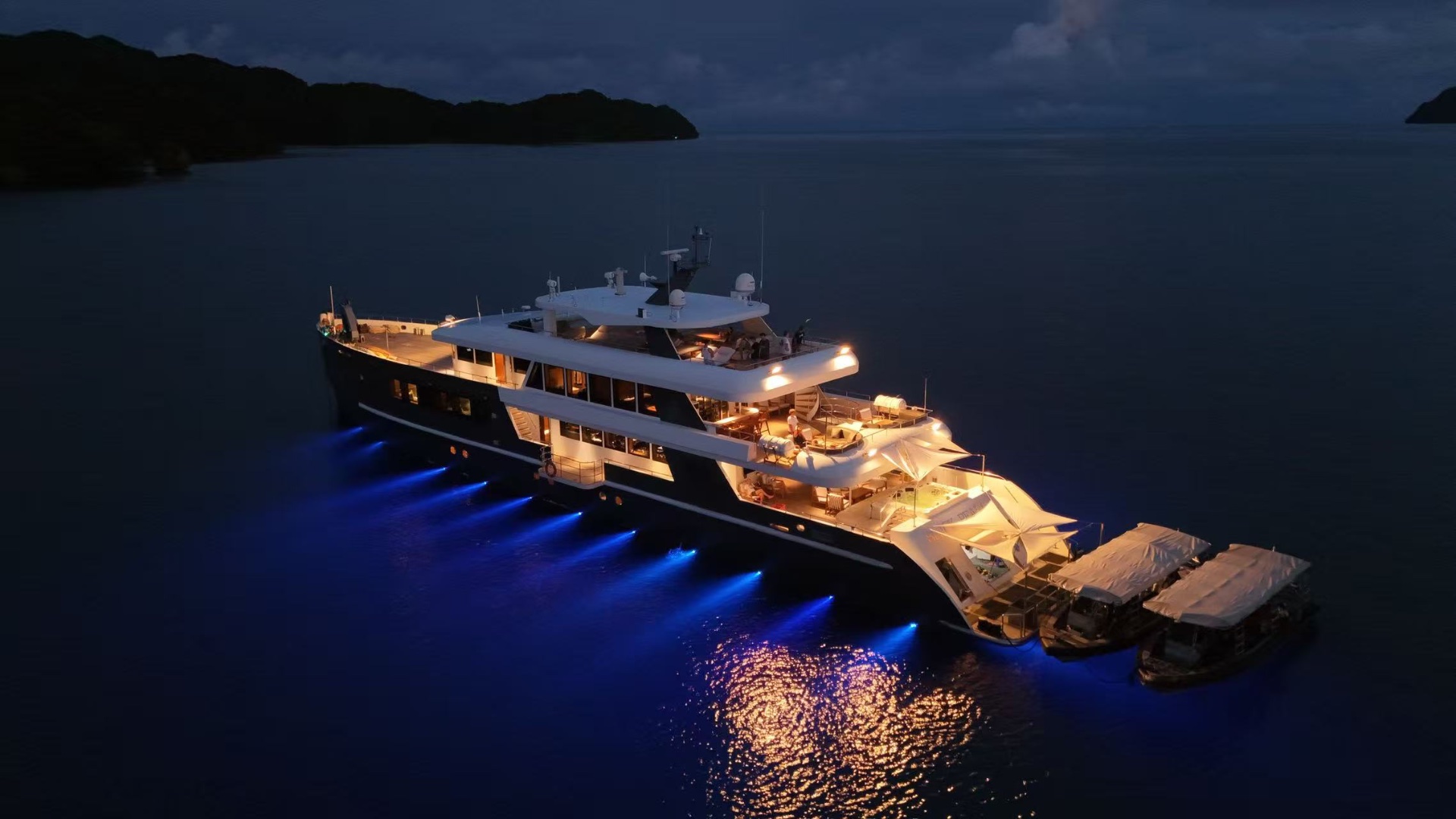
Black Pearl
Micronesia
24 guests
$390/day
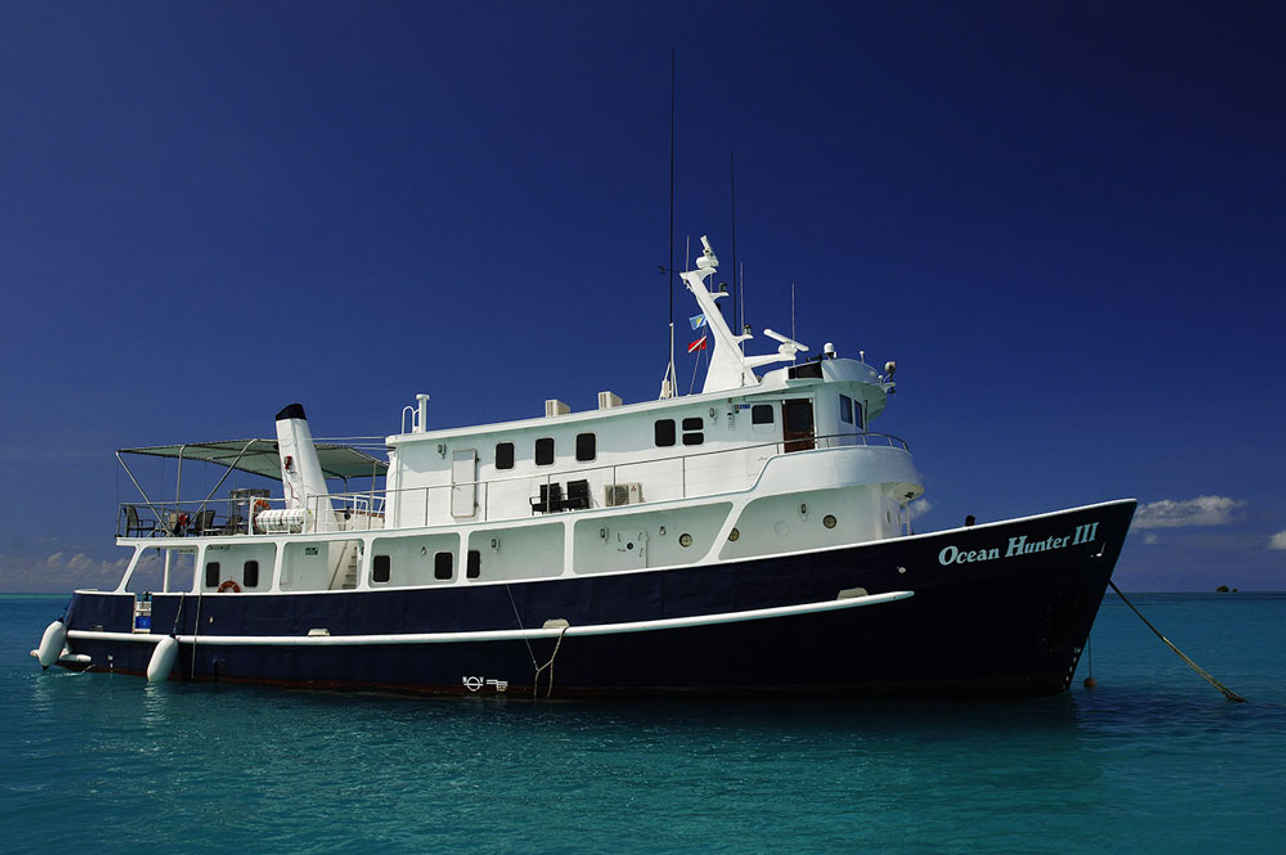
Ocean Hunter 3
Micronesia
16 guests29 m
$350/day
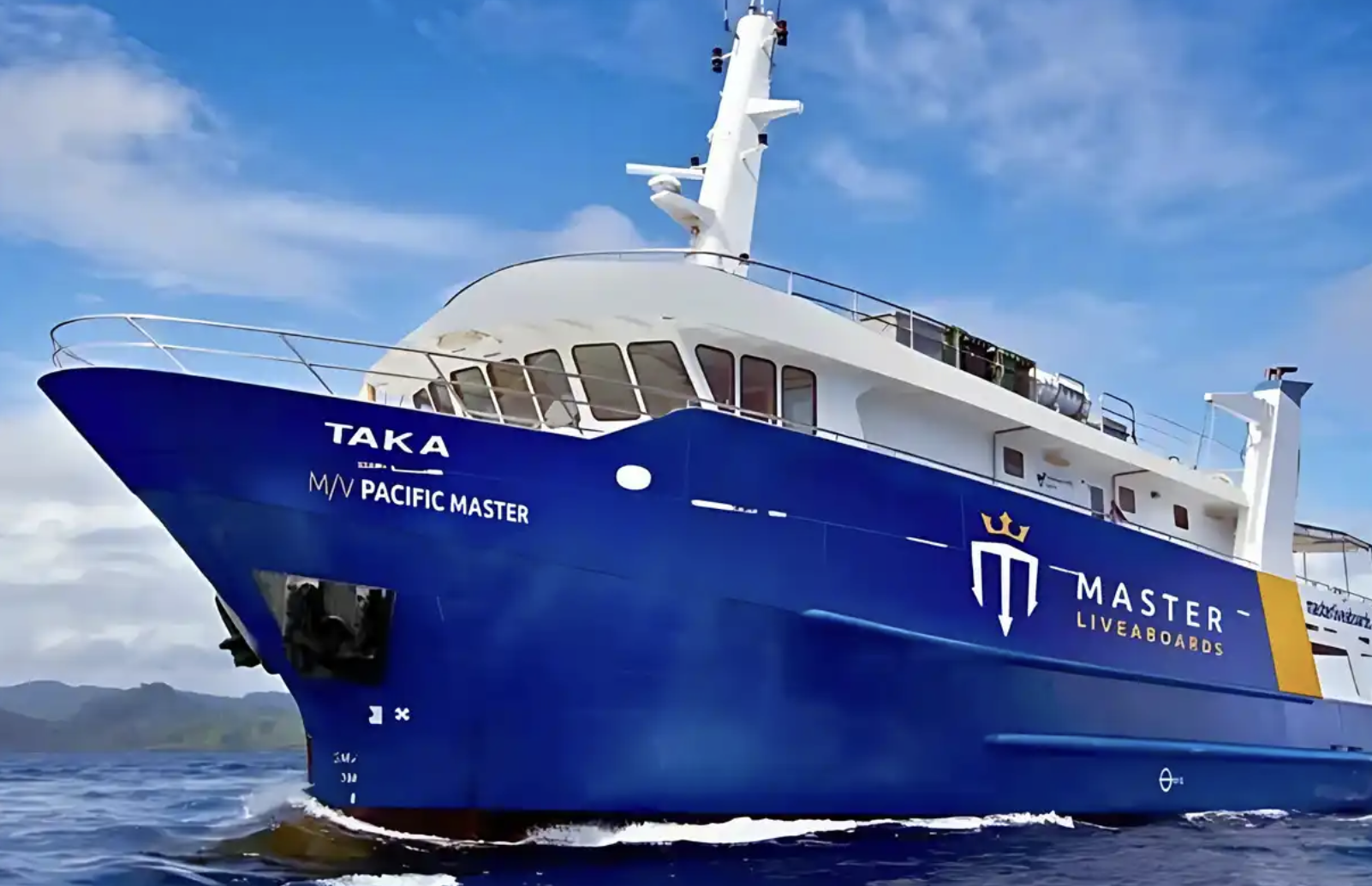
Pacific Master
Solomon Islands
20 guests30 m
$268/day
Dive sites similar to Cherry Blossom
Same character, same waters — six more sites divers love for the exact same reasons.Compare seasons, access and liveaboard routes — then pick the site that fits your trip best.
© Esri — Maxar, Earthstar, GIS
Aliko Reef
Micronesia
Aliko Reef is a prominent dive site within Yap, Micronesia, characterized by a captivating underwater topography that blends a mini-wall with an expansive coral plateau.
- Suitable for
- Intermediate
- Current
- Mild
- Access
- Dayboat
- Depth
- 6–15 m
- Theme
- Reef / Wall
Ant Atoll, often called Ahnd Atoll, is a remote and pristine dive destination located approximately 16 km southwest of Pohnpei in the Federated States of Micronesia.
- Suitable for
- Beginner
- Current
- Strong
- Access
- Shore / dayboat
- Depth
- 5–30 m
- Theme
- Reef / Wall
© Esri — Maxar, Earthstar, GIS
Black Coral Island
Micronesia
Black Coral Island in Palau is not a specific dive site but rather a descriptive term reflecting the region's rich marine life, particularly the presence of black coral, within…
- Suitable for
- Advanced
- Current
- Strong
- Access
- Liveaboard only
- Depth
- 25–50 m
- Theme
- Drift / Wall
© Esri — Maxar, Earthstar, GIS
Blue Corner
Micronesia
Blue Corner, located off the southwest reefs of Palau's Ngemelis Island, stands as one of the world's premier dive destinations, frequently listed among the best globally.
- Suitable for
- Intermediate
- Current
- Strong
- Access
- Liveaboard only
- Depth
- 15–30 m
- Theme
- Drift / Wall
© Esri — Maxar, Earthstar, GIS
Blue Holes
Micronesia
Blue Holes is an iconic dive site in Palau, located near the northwestern end of Ngemelis Island, offering a unique combination of cavern exploration and vibrant reef life.
- Suitable for
- Intermediate
- Current
- Strong
- Access
- Liveaboard only
- Depth
- 5–35 m
- Theme
- Cave & cavern / Drift
© Esri — Maxar, Earthstar, GIS
Coral Gardens (Yap)
Micronesia
Coral Gardens in Yap is renowned for its expansive, healthy hard coral formations, distinguishing it as a premier reef dive site in the western Pacific.
- Suitable for
- Beginner
- Current
- Mild
- Access
- Dayboat
- Depth
- 6–15 m
- Theme
- Reef