About Ang Thong — Wao Island
Wao Island, nestled within the picturesque Ang Thong National Marine Park, is a captivating dive site characterized by its dramatic limestone formations and intricate underwater landscape. Divers can explore a series of interconnected caverns and swim-throughs, which add an adventurous dimension to the experience. The site features thriving hard and soft corals that cling to the rocky walls and carpet the seafloor, providing shelter and sustenance for a diverse array of marine life. The topography transitions from shallow coral gardens, perfect for new divers and snorkelers, to deeper sections with overhangs and small caves. The visibility here is generally excellent, often exceeding 15 meters, allowing for clear views of the vibrant ecosystems. Water temperatures remain consistently warm, typically around 28-30°C, ensuring comfortable diving conditions year-round. This site is particularly known for its diverse invertebrate life and frequent sightings of reef fish. While Ang Thong National Marine Park is in the Gulf of Thailand, its peak diving season aligns closely with the region's dry season, offering the calmest seas and best visibility from May through September. However, diving is possible throughout the year, with local operators adjusting to conditions. The relatively sheltered nature of Wao Island often provides good diving even when other sites might be affected by weather. This makes Wao Island an accessible and rewarding destination for divers seeking both unique underwater exploration and abundant marine encounters.
Highlights
Limestone caverns and swim-throughsDiverse hard and soft coralsAbundant reef fishUnique underwater topographyExcellent visibilitySheltered dive conditions
Season calendar
Best months to dive here
Jan
Feb
Mar
Apr
May
Jun
Jul
Aug
Sep
Oct
Nov
Dec
Excellent
Good
Dive site facts: Ang Thong — Wao Island
- Depth
- 5–20 m
- Typical dive
- 8–18 m, 45–60 min
- Current
- Mild
- Visibility
- 10–30 m
- Water temperature
- 27–30°C
- Entry
- Boat
- Level
- Open Water Diver
- Dive type
- Reef, cavern, swim-through
- Night dive
- Possible
- Region / port
- Gulf of Thailand
- Coordinates
- 9.615, 99.968
Conditions & Currents
Currents at Wao Island are generally mild, making it suitable for a range of dive levels. However, as with any site featuring intricate topography like caverns and swim-throughs, surge can occasionally be present, especially closer to the surface or during stronger tidal movements. Entry is typically a backward roll or giant stride from a dive boat, with descents often directly onto the reef. Divers should be mindful of their buoyancy when navigating the swim-throughs to avoid contact with delicate corals. Visibility is typically good, ranging from 10 to 30 meters, but can be influenced by heavy rainfall and runoff, especially during the northeast monsoon period (October-January). Divers should communicate with their guide about current conditions and potential thermoclines, which are rare but possible at deeper sections.
Marine life & sighting chances

Schooling Barracuda
March–September · occasional
Whale Shark
March–June · rare
Anemonefish
common
Butterflyfish
common
Angelfish
common
Nudibranch
October–December · occasional
Moray Eel
common
Reef Shark
occasional
Groupers
common
Giant Trevally
occasionalDive profile & how the dive runs
Dives at Wao Island typically begin with a backward roll or giant stride entry from the boat, followed by a descent onto the shallow reef plateau. You'll then explore the intricate system of limestone caverns and swim-throughs that characterize this site, usually starting with the largest cavern which leads into a series of smaller interconnected spaces. Guides will lead you through these features, paying close attention to buoyancy control to protect the delicate corals. The route often progresses to deeper sections around 15-20 meters, observing marine life sheltering under overhangs. The dive concludes with a gradual ascent back to the shallower coral gardens for your safety stop, before surfacing near the anchor line.
Underwater photography
Wao Island provides excellent opportunities for wide-angle photography due to its dramatic limestone formations, caverns, and swim-throughs. A fisheye or wide-angle lens is ideal for capturing the scale of these features and large schools of fish. For macro enthusiasts, the vibrant hard and soft corals, coupled with diverse invertebrate life like nudibranchs and shrimps, offer endless subjects. Consider bringing a focus light for illuminating the darker corners of the caverns and ensuring accurate focus. Strobes are beneficial for color rendition, especially in deeper areas or inside the swim-throughs where natural light is limited. Practicing good buoyancy is crucial to avoid stirring up sediment and to protect the fragile coral environment.
Combine with nearby dive sites
- Koh Tao — Japanese Garden
Japanese Garden is Koh Tao's premier shallow reef dive site, located in a sheltered bay on the eastern side of Koh Nang Yuan island.
- Koh Tao — Twins
Twins, a highly popular dive site near Koh Tao, Thailand, is renowned for its accessibility and rich marine life.
- Koh Tao — Green Rock
Green Rock, situated off the west coast of Koh Tao near Koh Nang Yuan, is a unique dive site characterized by a striking cluster of granite…
- Koh Nang Yuan Pinnacle
Koh Nang Yuan Pinnacle is a captivating dive site situated between Koh Nang Yuan and Koh Tao, offering an engaging underwater experience.
- Sail Rock
Sail Rock, known as Hin Bai in Thai, stands as the premier dive site in the Gulf of Thailand, located strategically between Koh Phangan and…
Getting there & logistics
Access to Ang Thong National Marine Park, including Wao Island, is typically from Koh Samui or Koh Tao. Koh Samui International Airport (USM) is the closest airport with daily domestic flights from Bangkok. From Koh Samui, dive operators offer day trips by speedboat, which usually includes two dives and lunch. Trips from Koh Tao also run regularly, often combining Ang Thong with other Gulf of Thailand sites. Entrance fees for the national park are mandatory and usually included in the dive trip price. A typical day trip ranges from 8 to 10 hours. While liveaboards are less common in the Gulf of Thailand compared to the Andaman Sea, multi-day dive packages from Koh Samui or Koh Tao can incorporate dives at Wao Island and other nearby locations.
Safety & environment
The nearest recompression chamber is located on Koh Samui, which should be considered in any emergency planning. All divers must have valid dive insurance covering emergency medical treatment and evacuation. Given the caverns and swim-throughs at Wao Island, advanced open water certification is recommended for comfortable navigation, although open water divers can enjoy shallower sections under direct supervision. Always dive with a reputable operator and follow your guide's instructions, especially regarding limited overhead environments. Maintain excellent buoyancy to prevent accidental contact with marine life or the rock formations. Always carry a surface marker buoy (SMB) for safety, particularly in areas with potential boat traffic. Pay close attention to your dive computer and air consumption, especially when exploring enclosed spaces.
Who it suits — and who it doesn't
Suited for
- Experienced Open Water divers
- Advanced Open Water divers
- Underwater photographers
- Divers seeking unique topography
- Marine life enthusiasts
Less suited for
- Divers uncomfortable with confined spaces
- Beginners without adequate supervision
- Divers prone to seasickness on speedboats
FAQ
Ang Thong — Wao Island FAQ
What kind of marine life can I expect to see at Wao Island?
Wao Island is teeming with reef fish such as butterflyfish, angelfish, and groupers. You can also spot moray eels, barracuda, and various invertebrates like nudibranchs. While rare, whale sharks have been sighted in the broader Ang Thong Marine Park area, particularly between March and June.
Is Wao Island suitable for beginner divers?
Yes, Wao Island offers shallower reef areas that are suitable for Open Water divers. However, some of the more intricate swim-throughs and caverns are better suited for divers with more experience and advanced certification due to the need for precise buoyancy control and navigation skills.
What are the water conditions like at Wao Island?
Water temperatures are consistently warm, ranging from 27-30°C. Visibility is generally excellent, often between 10 to 30 meters. Currents are typically mild, making for relaxed diving conditions, though occasional surge can be present, especially near the surface or in constricted areas.
How do I get to Wao Island?
Most dive trips to Wao Island depart from Koh Samui or Koh Tao. You can fly into Koh Samui International Airport (USM) and then arrange a speedboat day trip with a local dive operator. Trips often include multiple dives within Ang Thong National Marine Park.
Are there any specific safety considerations for diving Wao Island's caverns?
When exploring the caverns and swim-throughs, it's crucial to maintain excellent buoyancy and follow your dive guide closely. Always stay within arm's reach of natural light and avoid entering any passages that appear too small or restrictive. Adequate dive insurance is also highly recommended for all divers.
Why dive Ang Thong — Wao Island from a liveaboard?
Ang Thong — Wao Island is one of Thailand's signature dive sites. A liveaboard sleeps you on the water and puts you in the water for three to four guided dives per day, including dawn and night dives that day-boat operators rarely offer. You skip the daily commute back to port and reach quieter, less-crowded sites in the same region on a single trip.
Below are the liveaboards that include Ang Thong — Wao Island on their Thailand itineraries.
Liveaboards diving Ang Thong — Wao Island
These liveaboards may visit Ang Thong — Wao Island on selected itineraries — the exact dive sites depend on departure, weather and conditions.
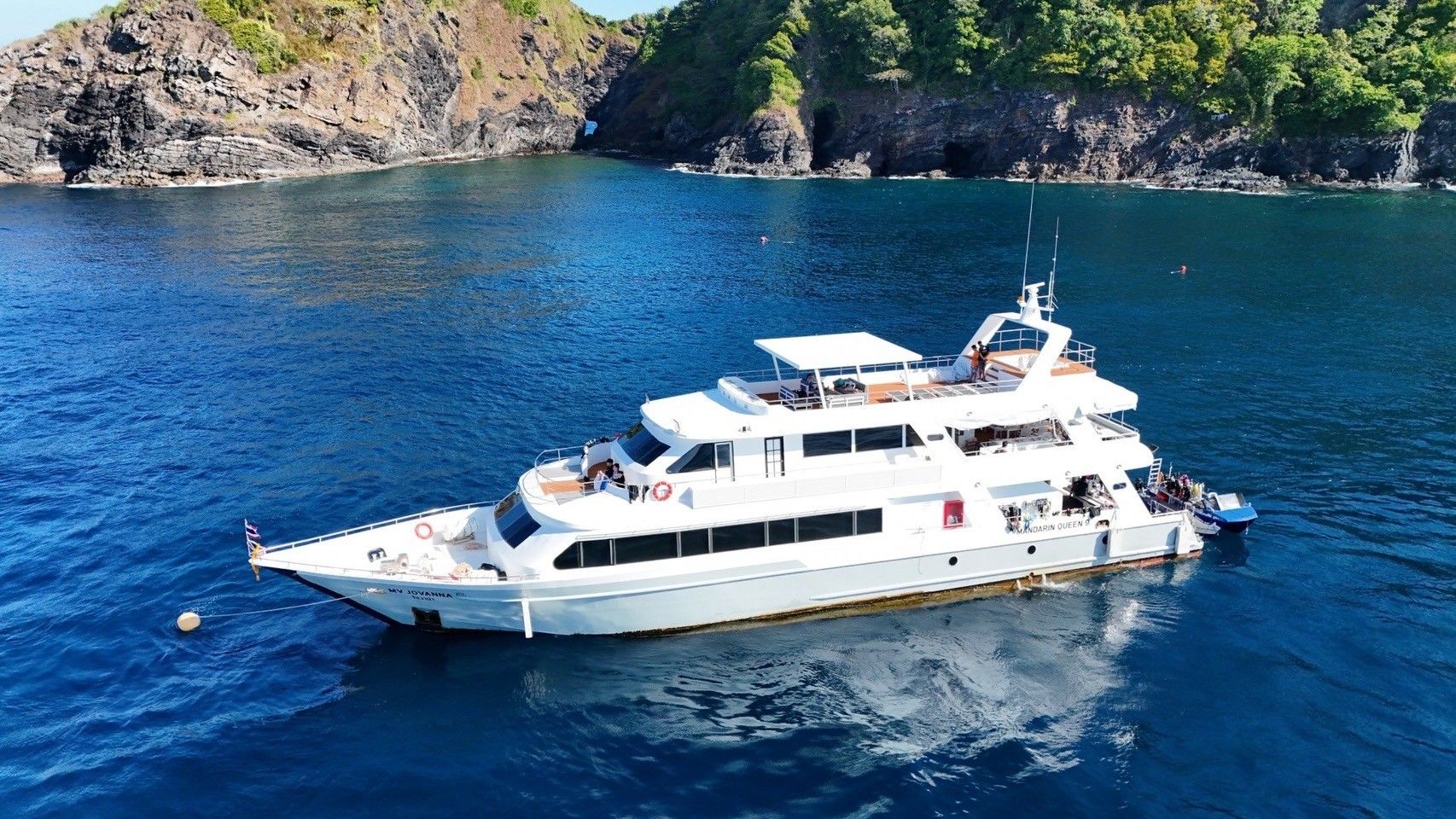
Mandarin Queen 9
Thailand
26 guests37.5 m
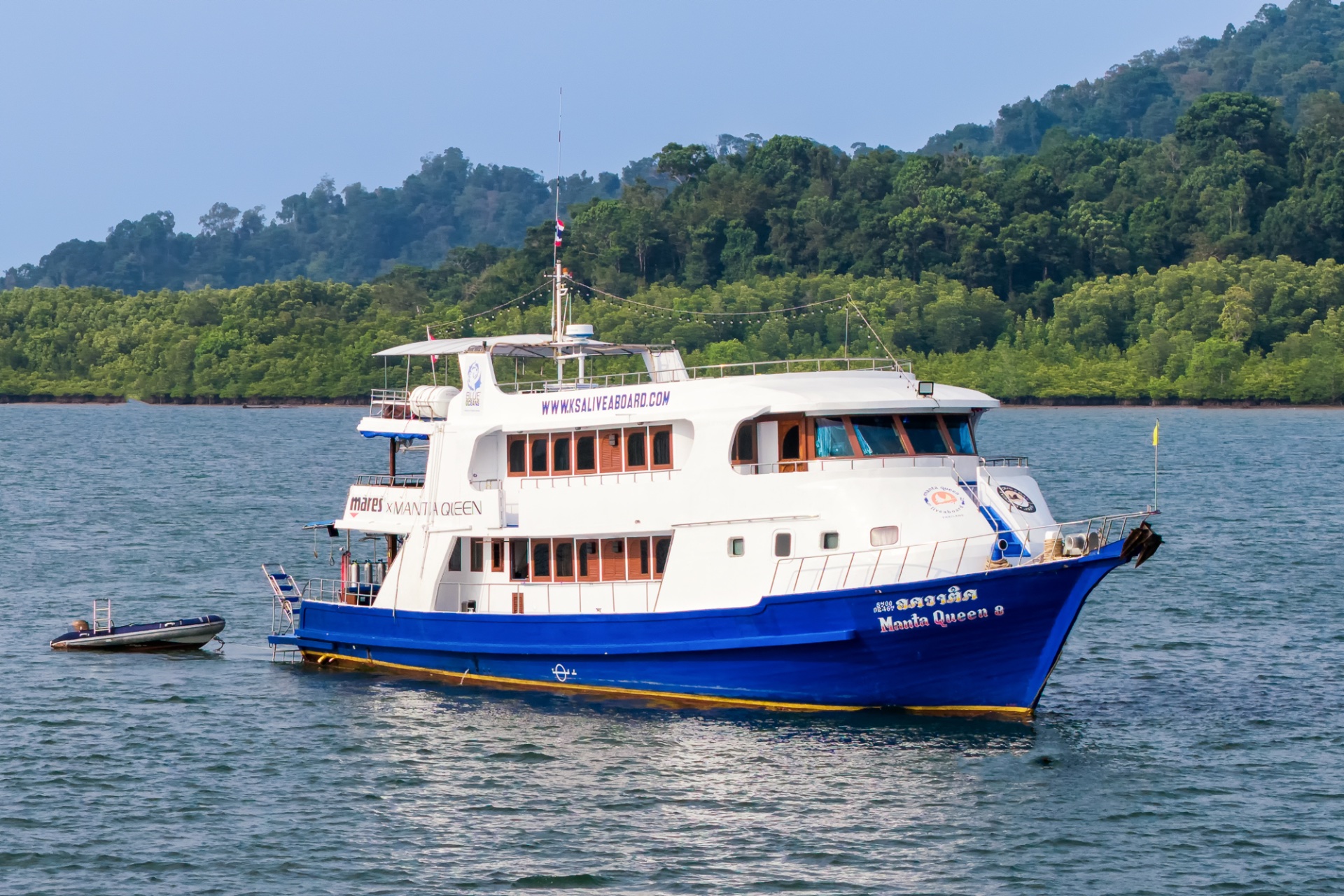
Manta Queen 8
Thailand
24 guests
$127/day
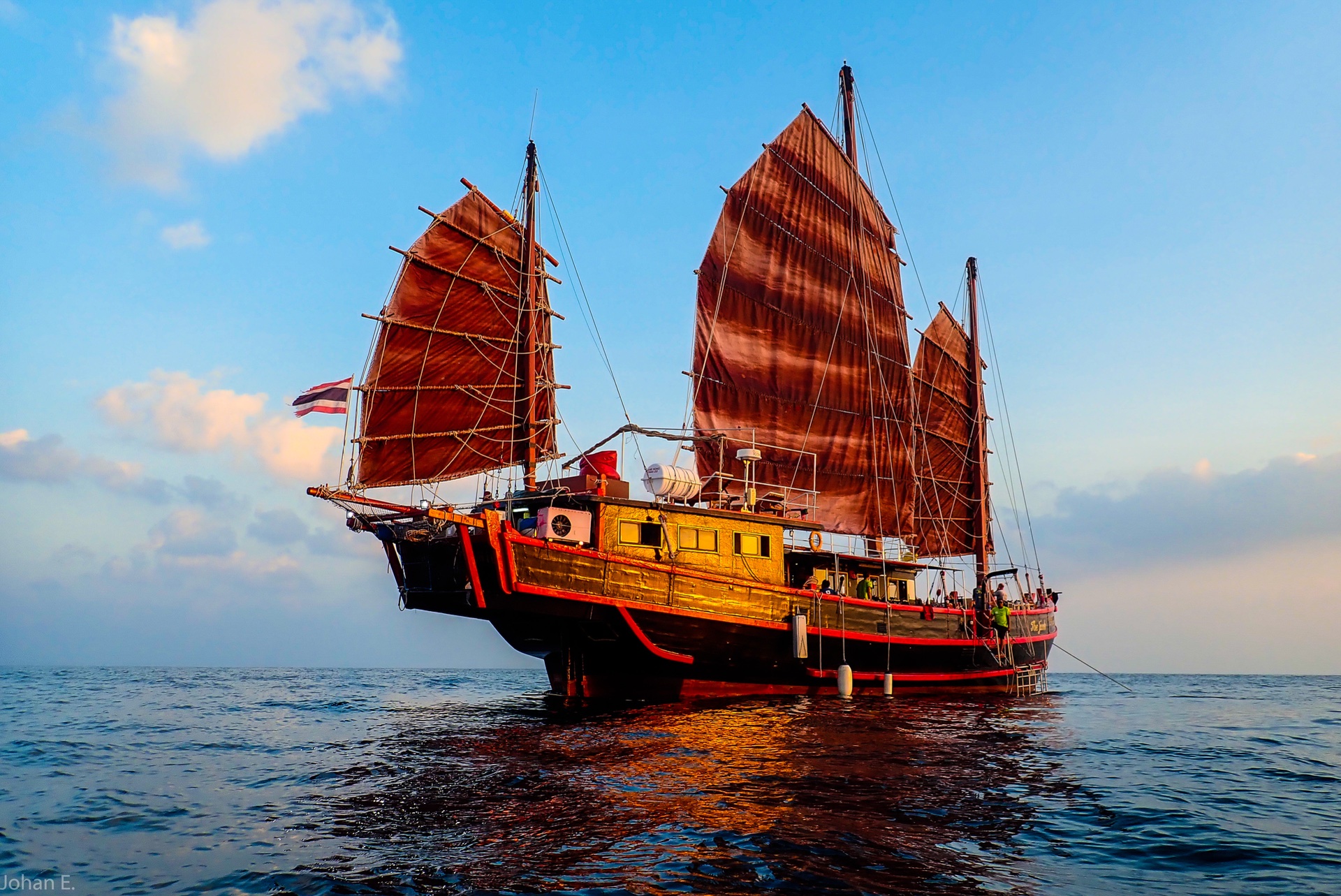
The Junk
Thailand
18 guests33 m
$163/day
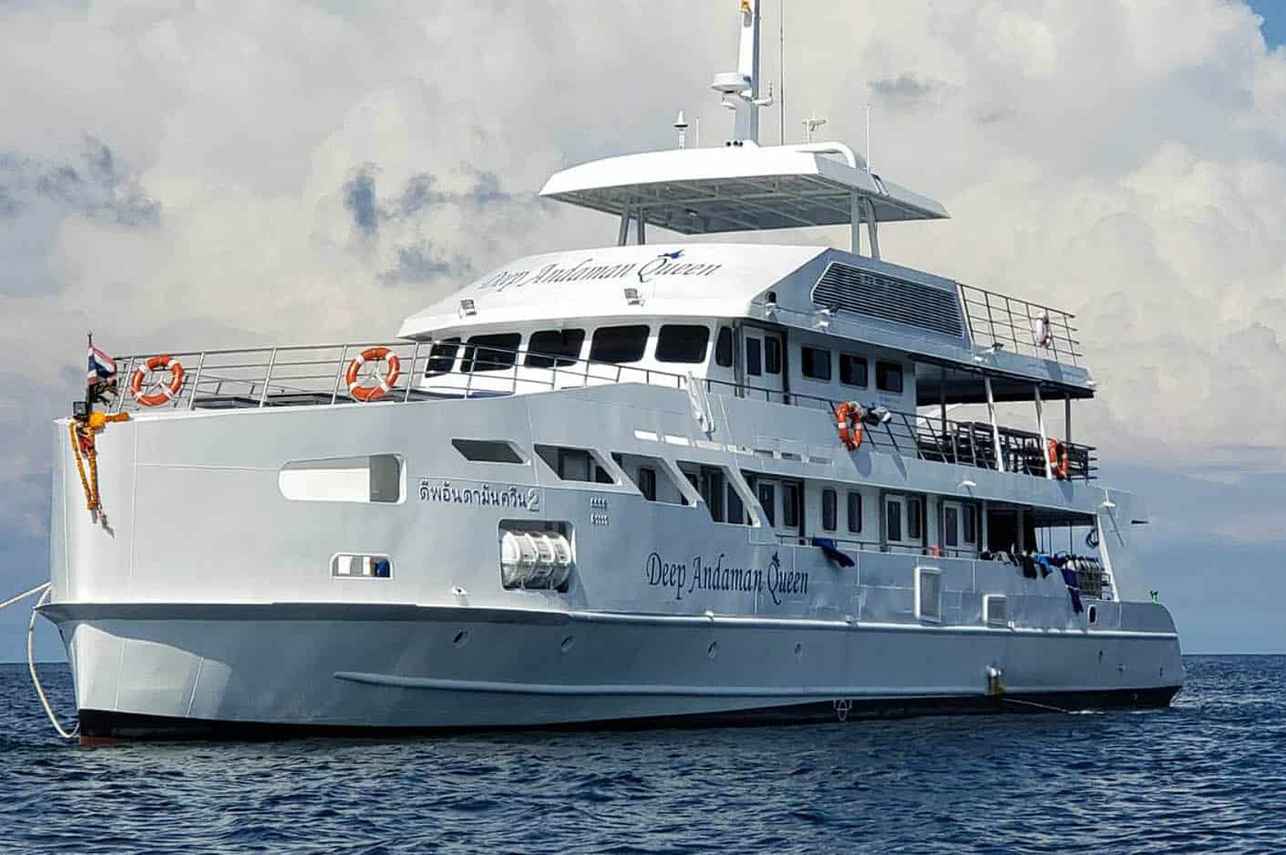
Deep Andaman Queen
Thailand
23 guests30.5 m
$194/day
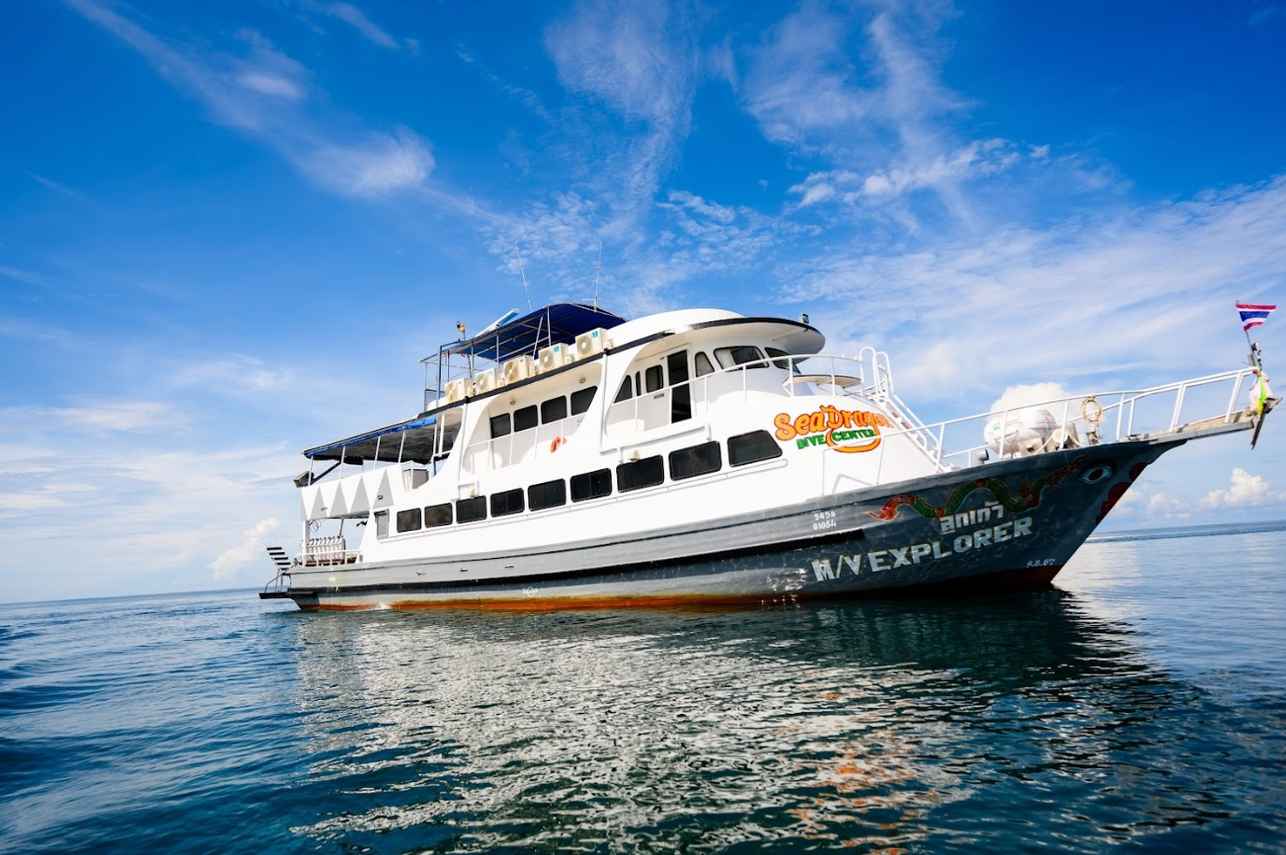
Explorer
Thailand
16 guests25 m
$150/day
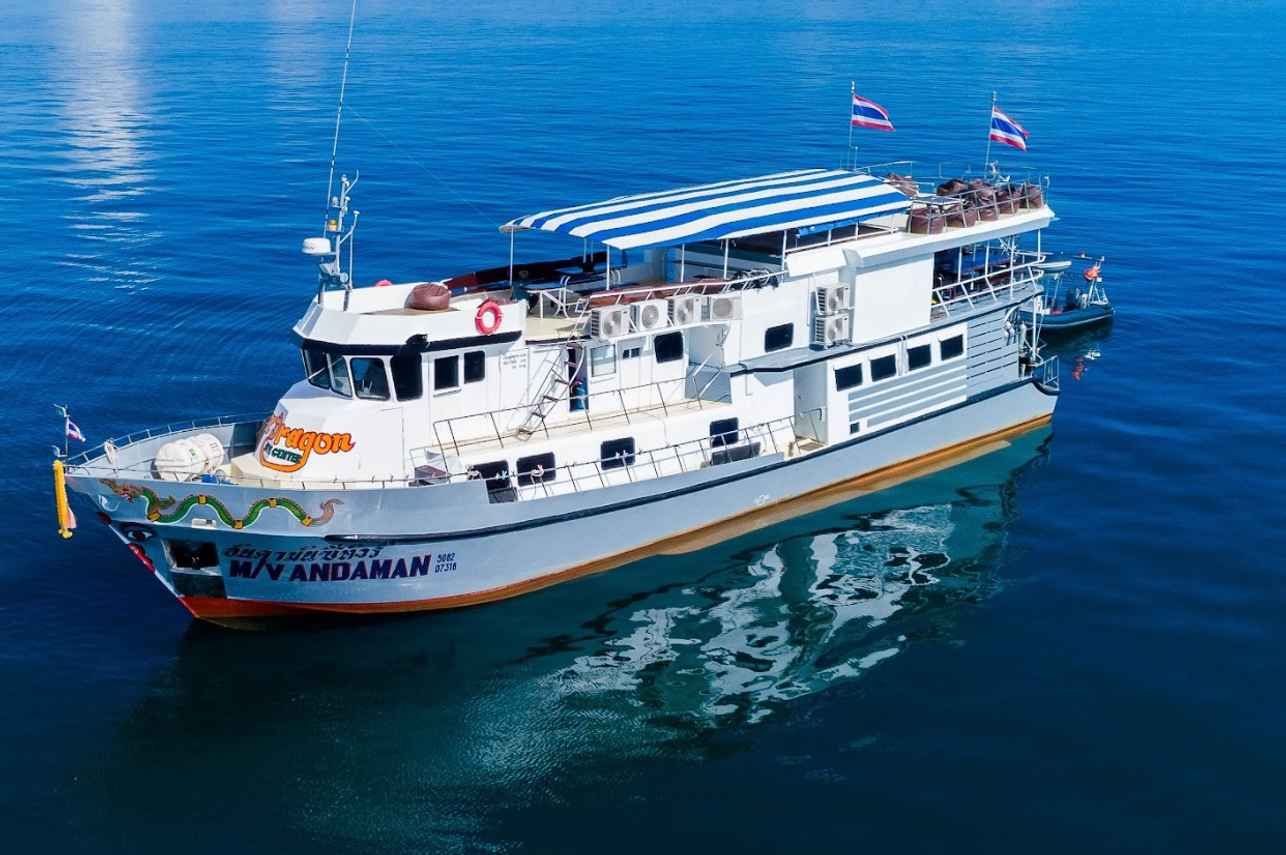
Andaman
Thailand
20 guests26 m
$108/day
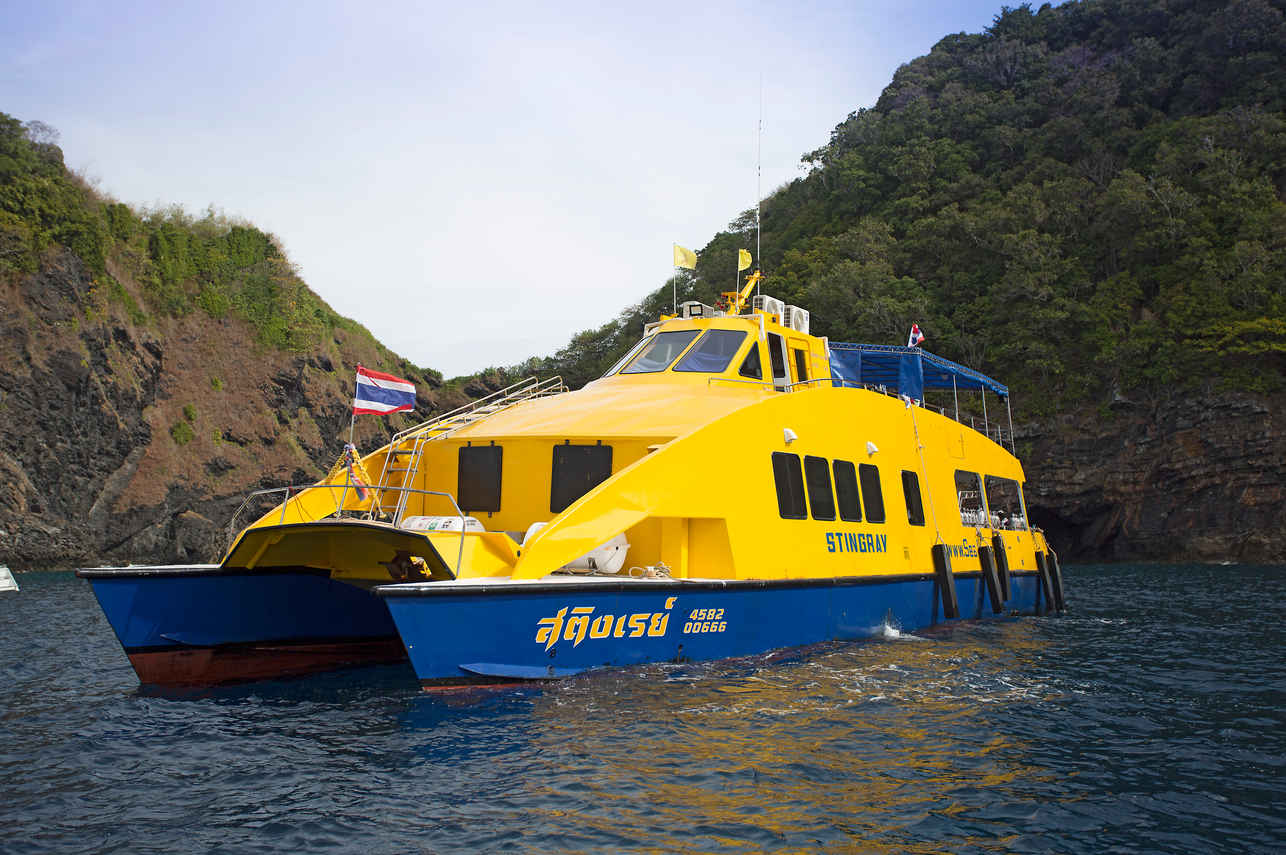
Stingray
Thailand
8 guests24 m
$245/day
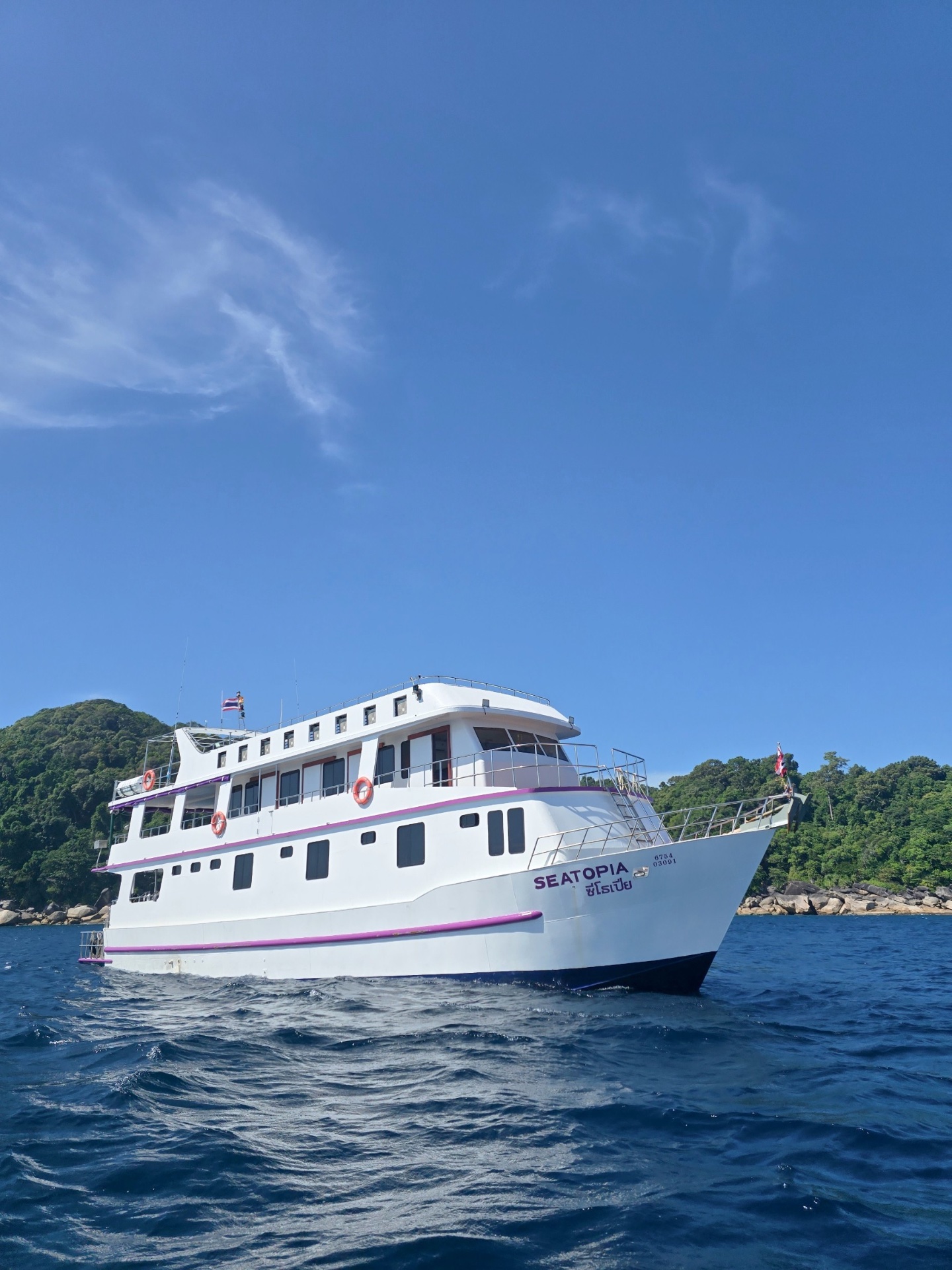
Seatopia
Thailand
24 guests24 m
Dive sites similar to Ang Thong — Wao Island
Same character, same waters — six more sites divers love for the exact same reasons.Compare seasons, access and liveaboard routes — then pick the site that fits your trip best.
Hin Raab is a prominent dive site located in the eastern Gulf of Thailand, near Koh Chang, offering an exceptional underwater experience with its rich coral biodiversity and thriving marine life.
- Suitable for
- Intermediate
- Current
- Moderate
- Access
- Dayboat
- Depth
- 5–22 m
- Theme
- Reef / Pinnacle
© Esri — Maxar, Earthstar, GIS
Koh Haa — Lagoon
Thailand
Koh Haa Lagoon is a picturesque and protected dive site formed by islands #2, #3, and #4 of the Koh Haa archipelago, approximately 1.45 hours by boat from Koh Lanta.
- Suitable for
- Beginner
- Current
- Moderate
- Access
- Liveaboard or dayboat
- Depth
- 2–25 m
- Theme
- Reef / Wall
© Esri — Maxar, Earthstar, GIS
Secret Reef
Thailand
Secret Reef, nestled adjacent to Hin Raab South, is a captivating dive site close to Koh Chang, forming a unified, diverse underwater ecosystem.
- Suitable for
- Beginner
- Current
- Mild
- Access
- Dayboat
- Depth
- 5–12 m
- Theme
- Reef
© Esri — Maxar, Earthstar, GIS
Southwest Pinnacle
Thailand
Southwest Pinnacle, located approximately 45 minutes by boat from Koh Tao's Mae Haad pier, is a renowned dive site in the Gulf of Thailand.
- Suitable for
- Intermediate
- Current
- Strong
- Access
- Liveaboard or dayboat
- Depth
- 8–26 m
- Theme
- Pinnacle / Wall
© Esri — Maxar, Earthstar, GIS
Turtle Rock (Similan)
Thailand
Turtle Rock is a renowned dive site nestled within the Similan Islands, situated on the western side of Island 8. This location is particularly notable for its distinctive rock…
- Suitable for
- Beginner
- Current
- Mild
- Access
- Liveaboard only
- Depth
- 5–30 m
- Theme
- Reef