About Koh Haa — Lagoon
Koh Haa Lagoon is a picturesque and protected dive site formed by islands #2, #3, and #4 of the Koh Haa archipelago, approximately 1.45 hours by boat from Koh Lanta. This stunning turquoise lagoon is renowned for its tranquil, crystal-clear waters and white sandy bottom, making it an ideal location for divers of all experience levels, from beginners practicing skills to advanced divers exploring its varied topography. The lagoon itself is relatively shallow, ranging from 5 to 15 meters, featuring scattered hard coral bommies that host large giant morays, curious porcupinefish, and camouflaged sea moths. Beyond the sheltered lagoon, the surrounding islands present more diverse environments. Koh Haa #3 boasts a white sand beach beneath vegetation-covered cliffs, while islands #2 and #4 are primarily limestone pillars. Divers can navigate around these smaller islands, where depths can reach 30 meters, revealing garden eels, swirling schools of yellow snapper, and glassfish-blanketed walls. A sandy slope between the islands is often patrolled by juvenile barracuda, and hawksbill turtles are regular visitors, feeding on bubble coral. The site is characterized by vibrant soft corals, sea fans, and plate corals, especially on the west side of Koh Haa #3. These structures provide excellent habitats for an array of macro life, including ornate ghost pipefish, frogfish, mantis shrimp, and harlequin shrimp. Lionfish and clownfish are also commonly observed throughout the area. The combination of shallow, sheltered areas and deeper, reef-rich sections ensures a rich and rewarding dive experience for everyone, from snorkelers to experienced photographers. The waters around Koh Haa Lagoon maintain excellent visibility, often ranging from 20 to 30 meters during the high season, and generally experience mild to moderate currents. Its location within Mu Ko Lanta National Park means a protected environment and less boat traffic compared to other popular sites, contributing to its
Highlights
Sheltered turquoise lagoonShallow sandy training areaVibrant soft coral wallsAbundant macro lifeHawksbill turtle sightingsGiant moray eelsPorcupinefish encountersGarden eel fields
Season calendar
Best months to dive here
Jan
Feb
Mar
Apr
May
Jun
Jul
Aug
Sep
Oct
Nov
Dec
Excellent
Good
Dive site facts: Koh Haa — Lagoon
- Depth
- 3–30 m
- Typical dive
- 5–30 m, 50–60 min
- Current
- Mild to moderate
- Visibility
- 5–30 m
- Water temperature
- 27–30 °C
- Entry
- Boat / Giant stride
- Level
- All levels
- Dive type
- Reef, wall, macro, training
- Night dive
- Possible
- Region / port
- Mu Ko Lanta National Park
- Coordinates
- 7.315, 98.978
Conditions & Currents
Koh Haa Lagoon typically experiences mild to moderate currents, which are generally manageable for all diver levels. Inside the main lagoon, currents are consistently calm, making it a perfect spot for training and beginner dives. However, outside the bay and between the limestone islands, currents can pick up, especially from north to south and vice versa. Dive operators use tide tables to plan dives accordingly, often mooring boats within the protected lagoon. Visibility is reliably good, averaging 15-25 meters, and can extend to 30 meters during the high season, attributed to less boat traffic compared to other popular sites. Entry is usually a giant stride from the moored boat into the calm waters of the lagoon, with planned routes often returning to the boat for easy exit.
Marine life & sighting chances
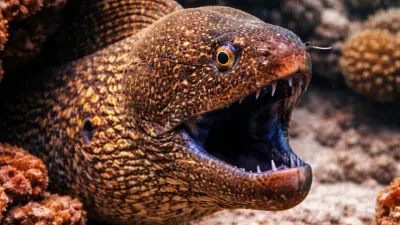
Giant Moray
common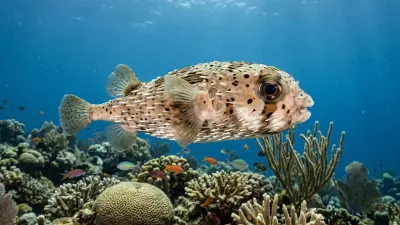
Porcupinefish
common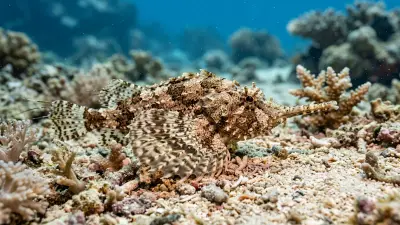
Sea Moth
occasional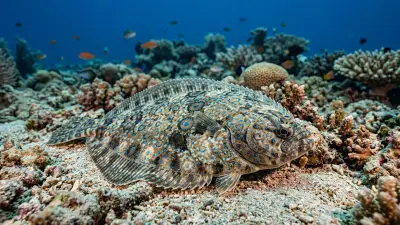
Flounder
occasional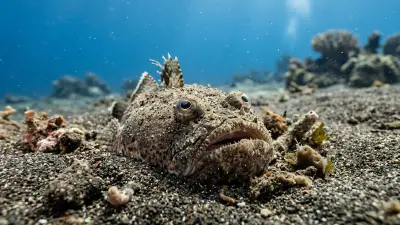
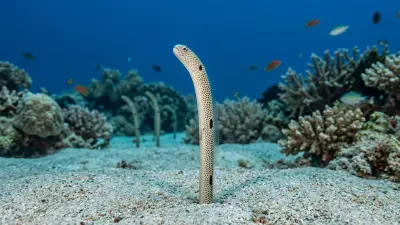
Garden Eel
common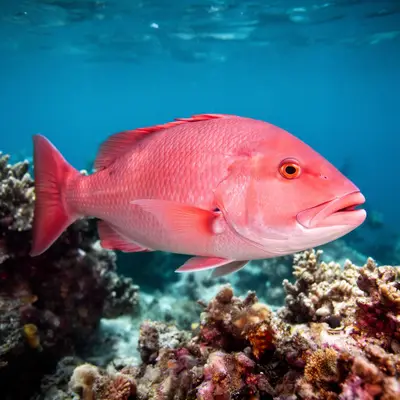
Yellow Snapper
common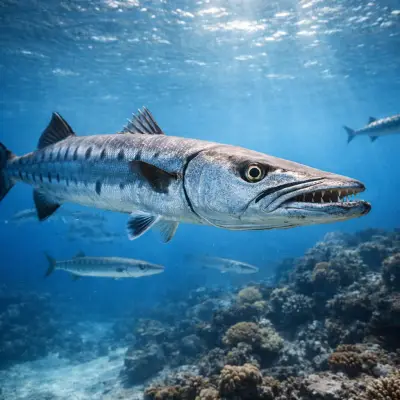
Juvenile Barracuda
occasional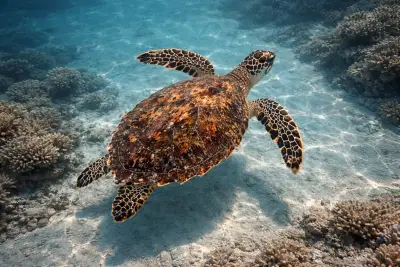
Hawksbill Turtle
common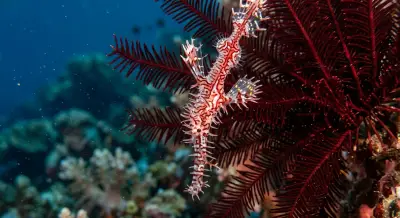
Ornate Ghost Pipefish
occasional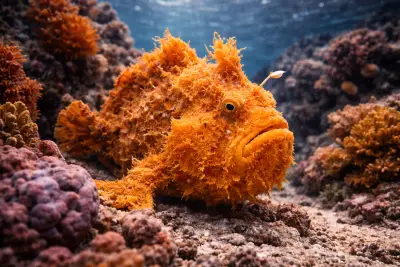
Frogfish
occasional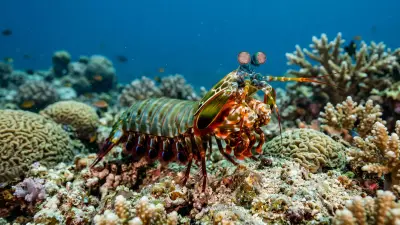
Mantis Shrimp
occasional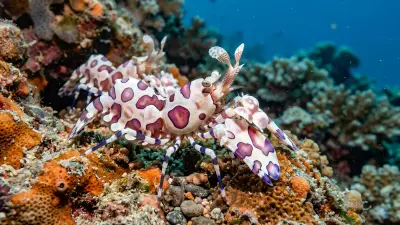
Harlequin Shrimp
occasional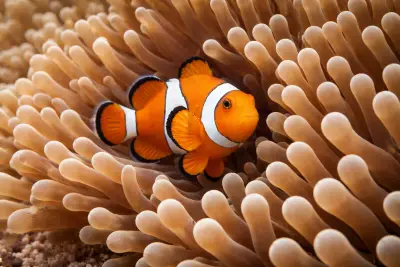
Clownfish
commonDive profile & how the dive runs
Diving at Koh Haa Lagoon typically begins with a giant stride entry from the boat into the calm, shallow waters of the lagoon, which averages 5-6 meters in depth. You can start by exploring the sandy bottom dotted with hard coral bommies, keeping an eye out for giant morays, porcupinefish, and sea moths. From the central lagoon, you can navigate towards the limestone pillars of Koh Haa #2 and #4. The depths around these islands gradually increase to over 30 meters, where you'll find gardens of eels and schools of yellow snapper. A sandy slope connecting the two islands is a good spot for juvenile barracuda. The west side of Koh Haa #3 offers a gentle slope to 18 meters, transitioning into walls adorned with soft corals, where hawksbill turtles often feed. The dive usually concludes with a safety stop within the sheltered lagoon before ascending back to the boat.
Underwater photography
Koh Haa Lagoon is an excellent location for both macro and wide-angle underwater photography due to its diverse topography and marine life. For wide-angle shots, consider capturing the dramatic limestone formations and the vibrant soft coral walls, especially on the deeper sections of Koh Haa #2 and #4. The interplay of light in the clear, shallow lagoon also creates compelling wide-angle opportunities. For macro enthusiasts, the bommies and crevices within the lagoon and along the walls are teeming with subjects like ornate ghost pipefish, frogfish, harlequin shrimp, and various nudibranchs. A macro lens (e.g., 60mm or 100mm) is highly recommended. Good buoyancy control is essential to avoid disturbing the sandy bottom and delicate corals, particularly when focusing on macro subjects. Bring a focus light to help your camera find tiny critters in hidden spots, and use strobes to bring out the true colors of the corals and marine life.
Combine with nearby dive sites
- Koh Haa — The Chimney
A vertical swim-through with caverns and abundant marine life.
- Hin Daeng
Famous for pelagics like manta rays and whale sharks, deep walls, and vibrant soft corals.
- Hin Muang
Thailand's longest reef, known for purple corals and schooling fish.
- Koh Phi Phi — Bida Nai
Limestone pinnacles with swim-throughs and a variety of reef fish.
- Shark Point
A series of pinnacles known for leopard sharks and colorful anemones.
Getting there & logistics
Access to Koh Haa Lagoon is typically from Koh Lanta, which is reachable via Krabi International Airport (KBV) or Phuket International Airport (HKT). From these airports, you would take a combination of taxi and ferry/minivan to Koh Lanta. Dive trips usually depart from Saladan on Koh Lanta, with boat journeys lasting approximately 1 hour 45 minutes by slow boat or 45-60 minutes by speedboat. Most operators offer full-day trips, including 2-3 dives, breakfast, and lunch onboard. Koh Haa is part of Mu Ko Lanta National Park, requiring a marine park fee payable locally. The site is often combined with other Koh Haa dive sites in an itinerary, providing a diverse day of diving. Note that the marine park closes from May 16th to October 31st each year.
Safety & environment
The nearest recompression chamber is located in Phuket, approximately a 3-4 hour journey by speedboat and road, highlighting the importance of cautious diving. Emergency evacuation would involve initial stabilization on the dive boat, followed by transfer to Koh Lanta for further medical assessment and then transport to Phuket if required. Comprehensive dive insurance, covering medical emergencies and evacuation, is highly recommended. Within the lagoon, currents are generally mild, but outside the protected area, they can become moderate; divers should always follow their guide's instructions. Maintaining excellent buoyancy control is crucial, especially in areas with delicate corals, to prevent accidental damage. Always dive within your certified limits and conduct thorough buddy checks before each dive.
Who it suits — and who it doesn't
Suited for
- Beginner divers looking for calm conditions
- Divers seeking macro photography opportunities
- Snorkelers and freedivers
- Open Water training and skill development
- Families with mixed diving and non-diving interests
Less suited for
- Divers seeking strong currents and large pelagic action exclusively
- Those looking for extensive wreck diving
- Divers who prefer colder water environments
- Individuals with poor buoyancy control (outside the lagoon)
FAQ
Koh Haa — Lagoon FAQ
What marine life can I expect to see at Koh Haa Lagoon?
Koh Haa Lagoon is teeming with diverse marine life. You can frequently encounter giant moray eels, porcupinefish, and colorful clownfish among the corals. Look out for hawksbill turtles feeding on bubble coral, and macro enthusiasts might spot ornate ghost pipefish, frogfish, mantis shrimp, and harlequin shrimp in the crevices and soft corals.
Is Koh Haa Lagoon suitable for beginner divers?
Absolutely, Koh Haa Lagoon is highly suitable for beginner divers and for Open Water training. The central lagoon boasts calm, clear, and shallow waters (5-15 meters) with a sandy bottom, providing an ideal and safe environment to practice skills and build confidence. Many dive centers utilize this area for their introductory courses and first-time diver experiences.
What are the typical diving conditions like?
Diving conditions at Koh Haa Lagoon are generally excellent. Visibility often ranges from 15-30 meters, especially during the high season, and water temperatures are a comfortable 27-30°C. Currents inside the lagoon are consistently calm, while outside areas may experience mild to moderate currents, which are usually predictable and manageable under the guidance of a divemaster.
When is the best time of year to dive Koh Haa Lagoon?
The prime diving season for Koh Haa Lagoon is from November to April. During these months, the weather is dry, skies are clear, and sea conditions are typically calm, leading to the best visibility and most comfortable diving experience. The Mu Ko Lanta National Park, which includes Koh Haa, closes from mid-May to October.
Can I snorkel at Koh Haa Lagoon?
Yes, Koh Haa Lagoon is an outstanding location for snorkeling. Its shallow, crystal-clear waters and white sandy beach below Koh Haa #3 make it very inviting for surface exploration. Snorkelers can enjoy spotting a variety of reef fish and admire the vibrant corals in comfort and safety.
What is the unique topography of Koh Haa Lagoon?
Koh Haa Lagoon is unique for its formation by three central islands (#2, #3, and #4) creating a protected, turquoise basin. The lagoon features a sandy bottom with hard coral bommies. Beyond the lagoon, the islands present dramatic limestone walls, gentle slopes adorned with plate corals, and vibrant soft coral gardens that drop to depths of 30 meters, offering varied exploration opportunities.
Why dive Koh Haa — Lagoon from a liveaboard?
Koh Haa — Lagoon is one of Thailand's signature dive sites. A liveaboard sleeps you on the water and puts you in the water for three to four guided dives per day, including dawn and night dives that day-boat operators rarely offer. You skip the daily commute back to port and reach quieter, less-crowded sites in the same region on a single trip.
Below are the liveaboards that include Koh Haa — Lagoon on their Thailand itineraries.
Liveaboards diving Koh Haa — Lagoon
These liveaboards may visit Koh Haa — Lagoon on selected itineraries — the exact dive sites depend on departure, weather and conditions.
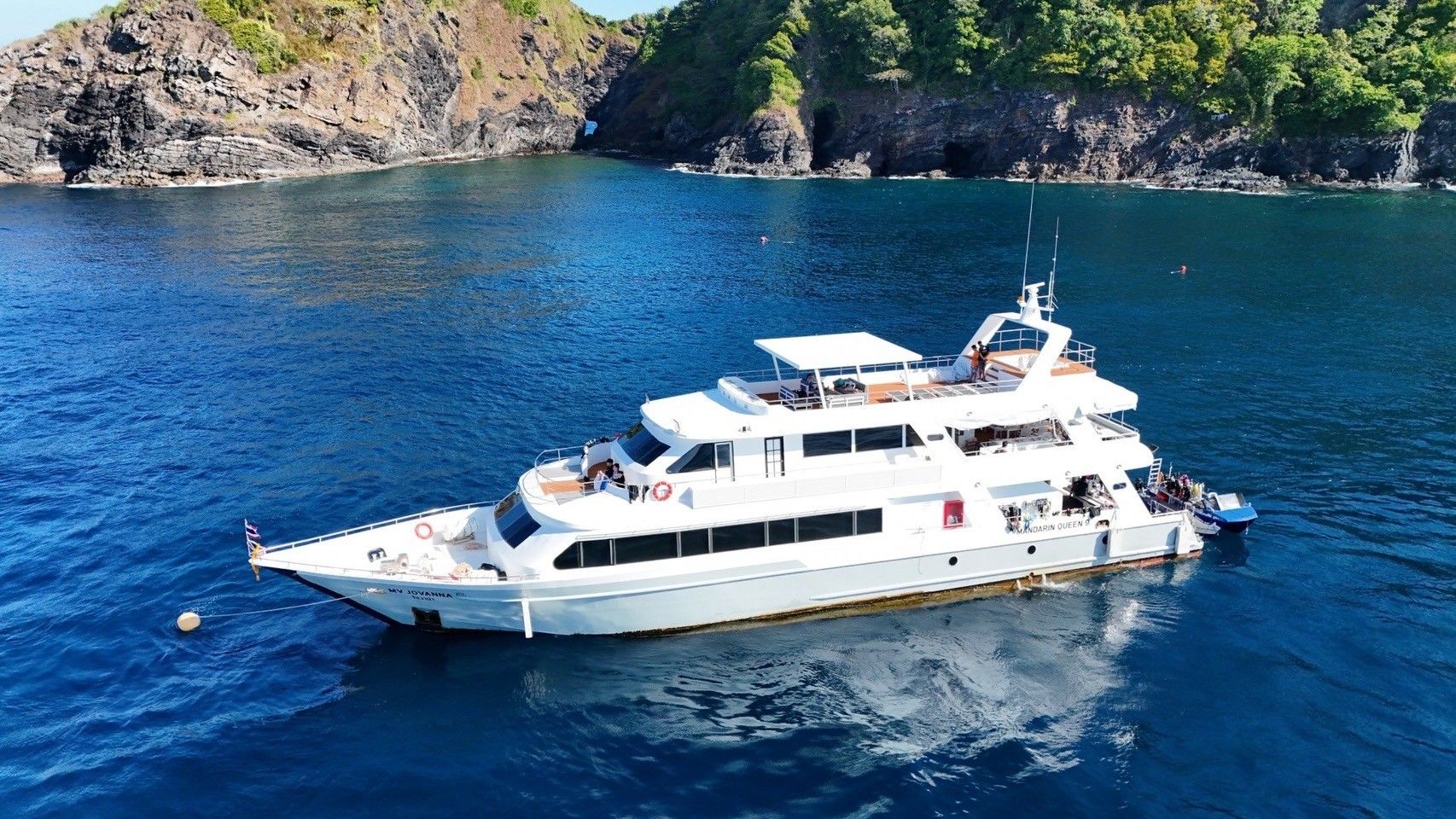
Mandarin Queen 9
Thailand
26 guests37.5 m
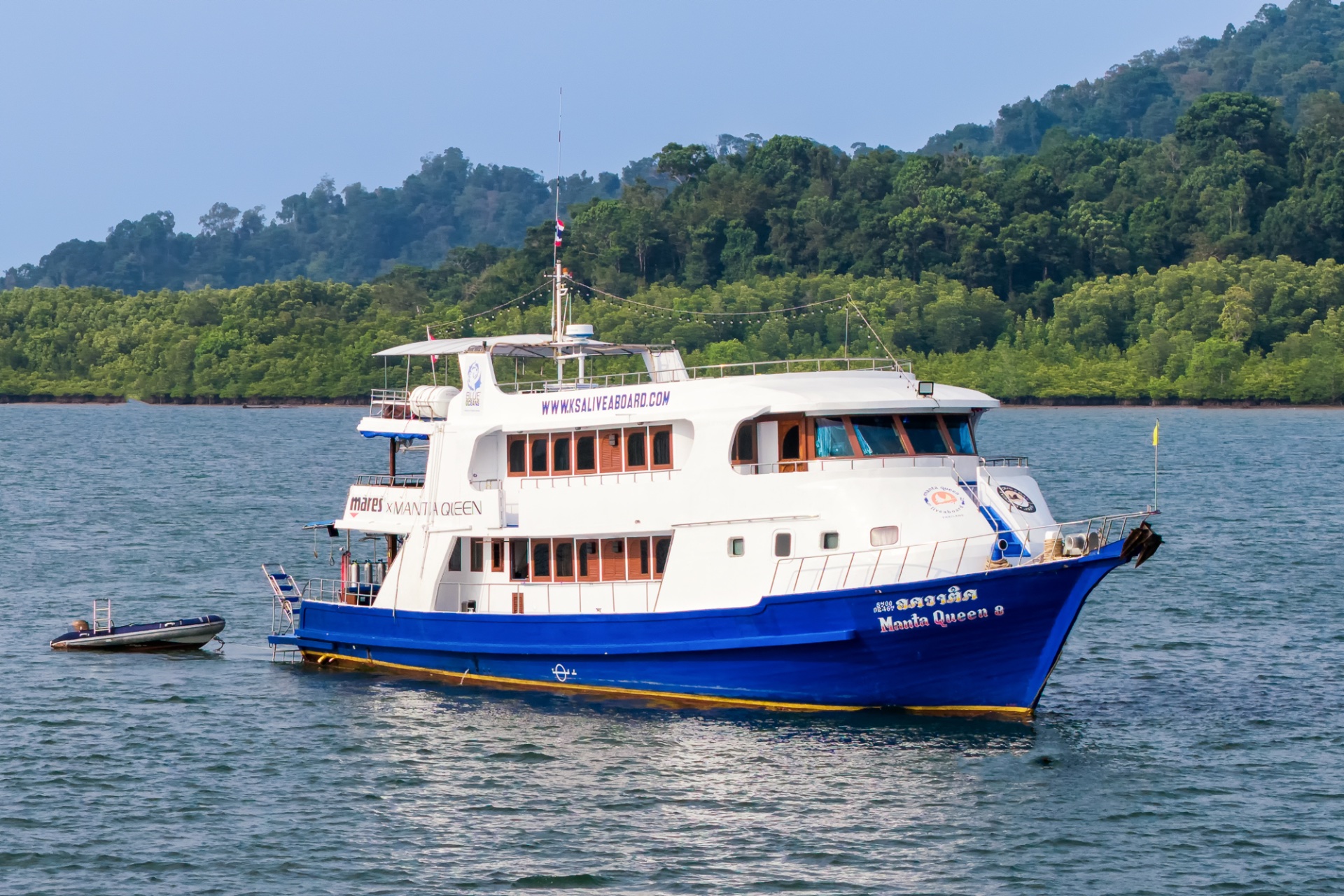
Manta Queen 8
Thailand
24 guests
$127/day
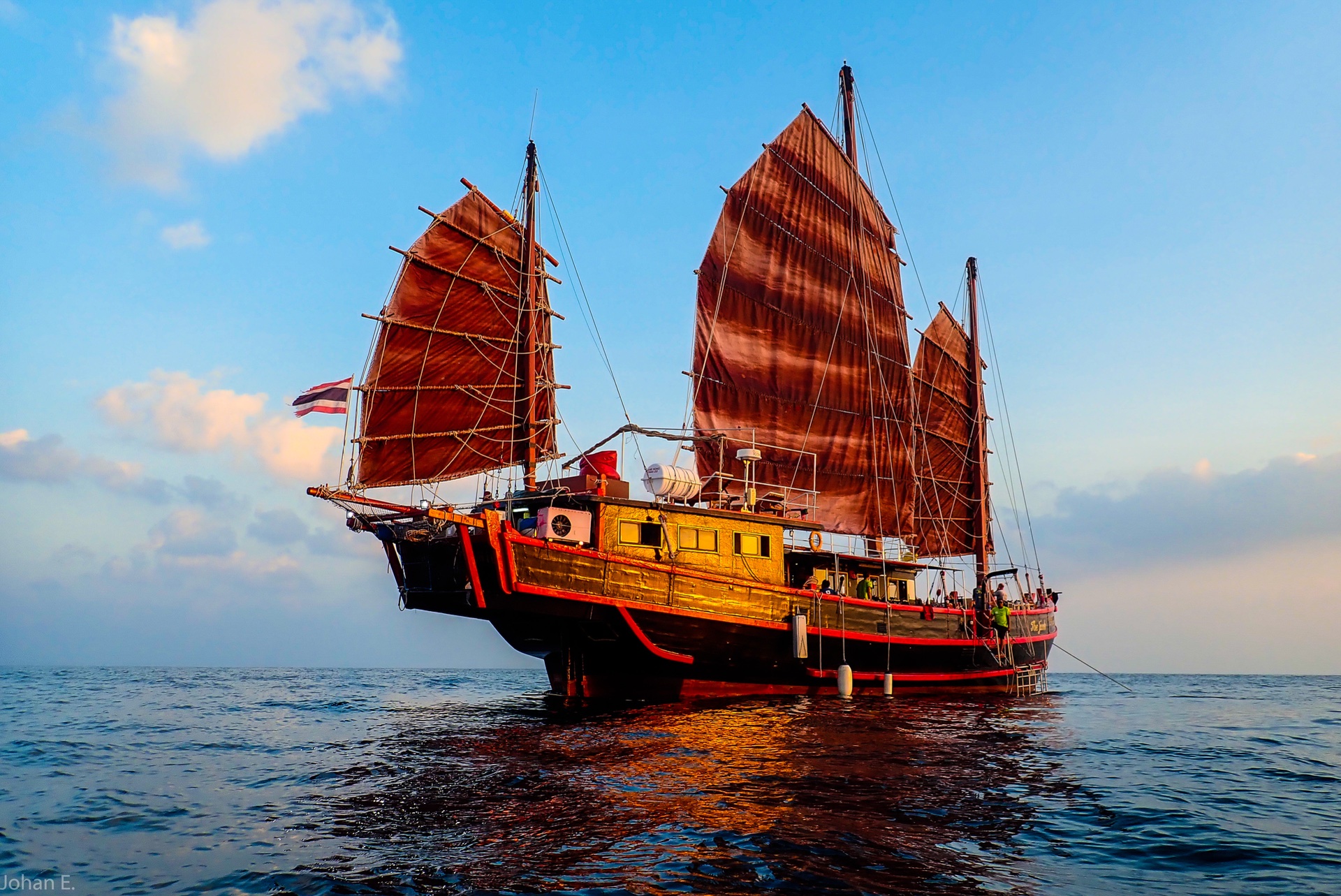
The Junk
Thailand
18 guests33 m
$163/day
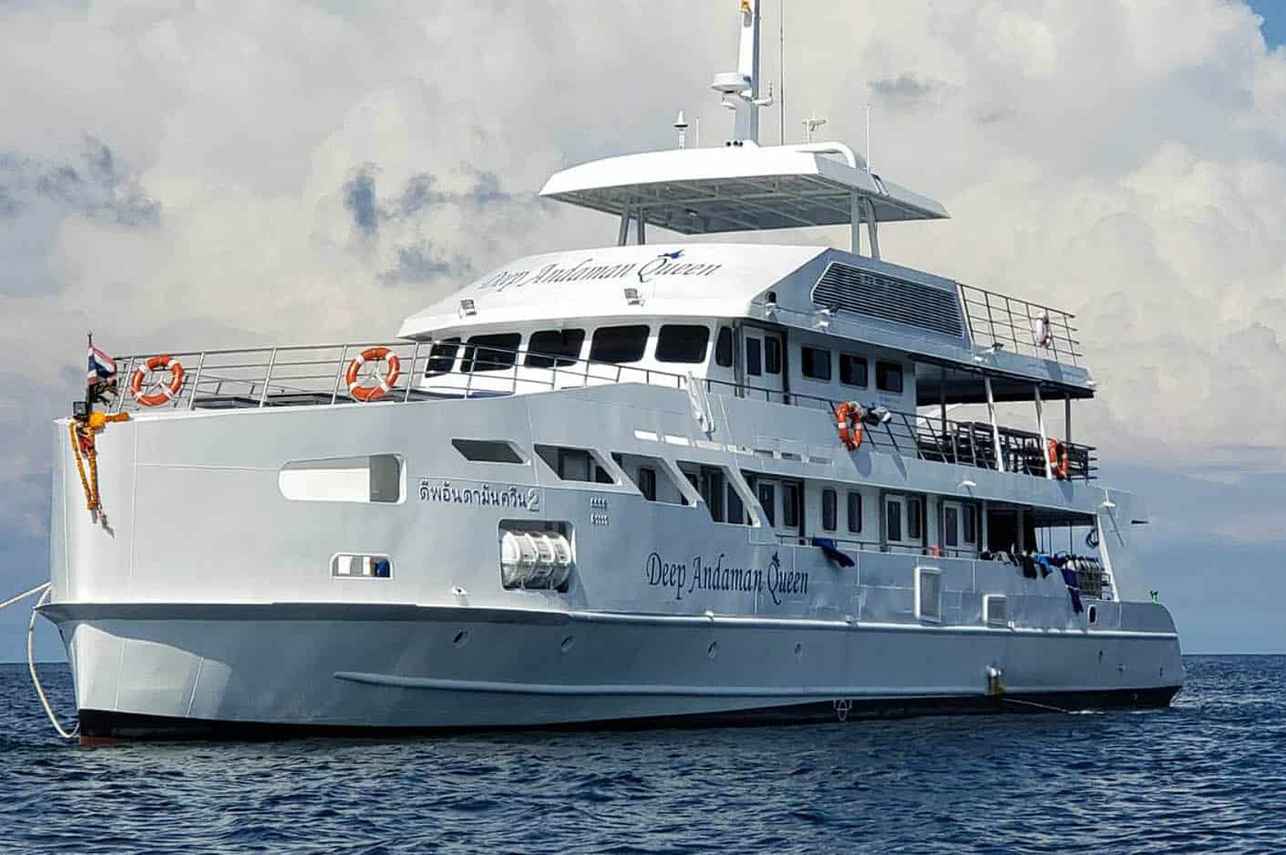
Deep Andaman Queen
Thailand
23 guests30.5 m
$194/day
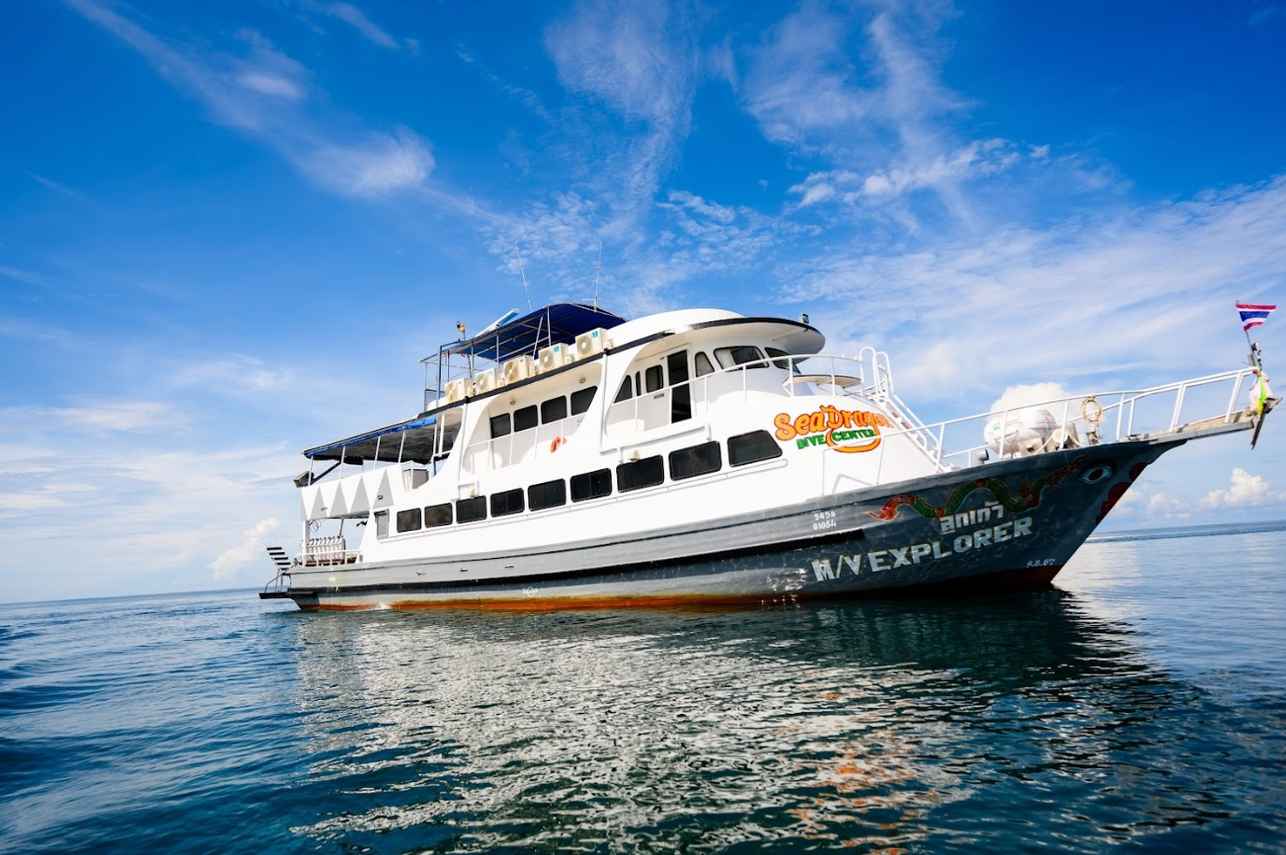
Explorer
Thailand
16 guests25 m
$150/day
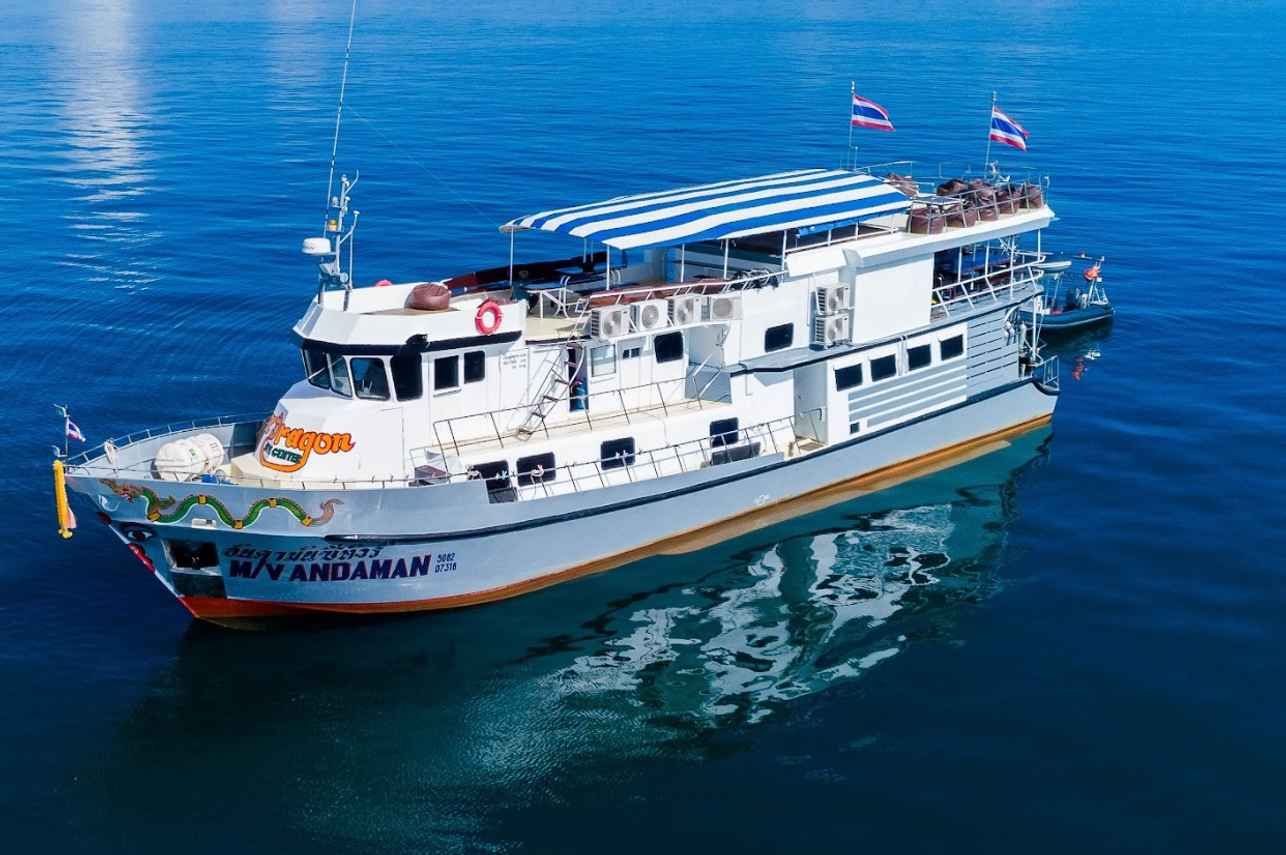
Andaman
Thailand
20 guests26 m
$108/day
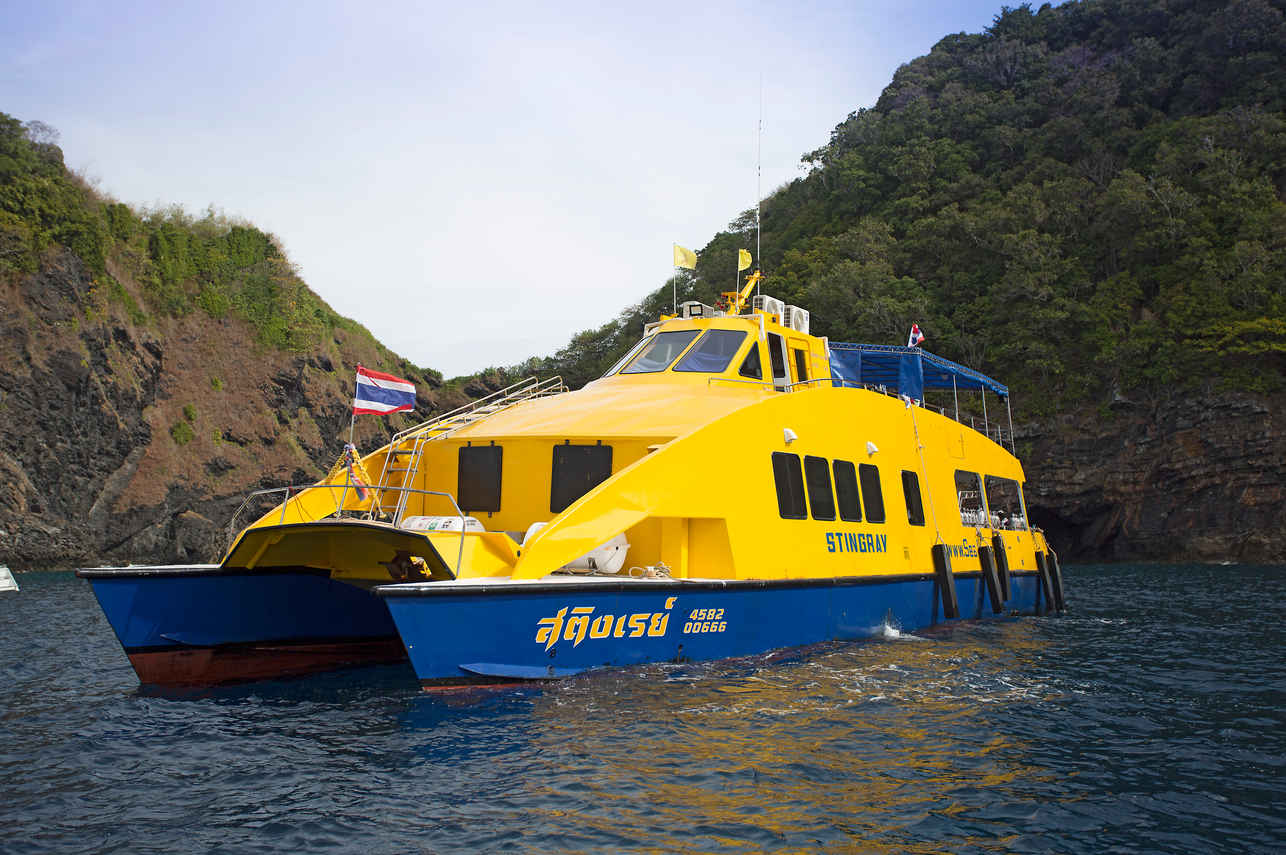
Stingray
Thailand
8 guests24 m
$245/day
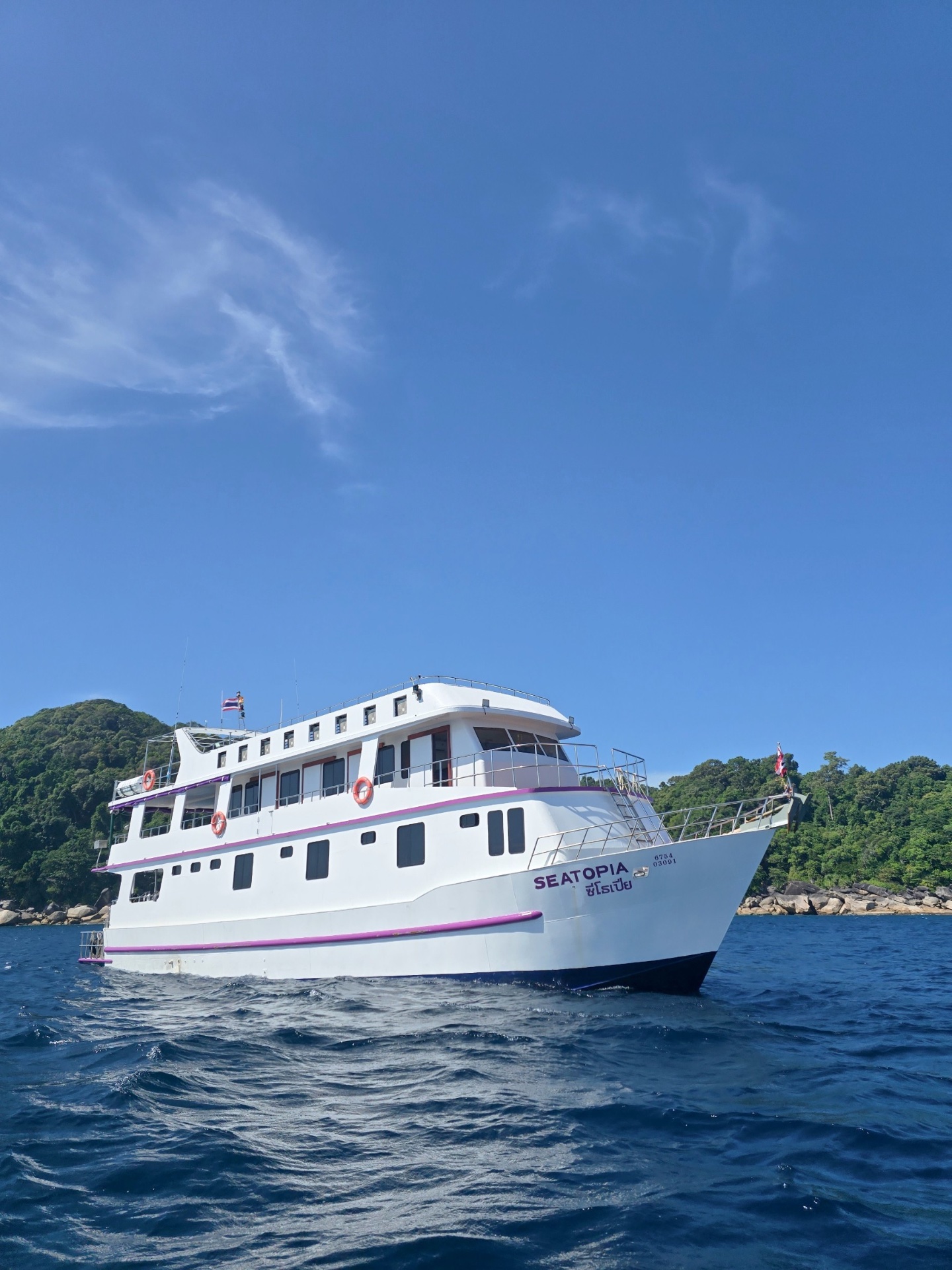
Seatopia
Thailand
24 guests24 m
Dive sites similar to Koh Haa — Lagoon
Same character, same waters — six more sites divers love for the exact same reasons.Compare seasons, access and liveaboard routes — then pick the site that fits your trip best.
Hin Raab is a prominent dive site located in the eastern Gulf of Thailand, near Koh Chang, offering an exceptional underwater experience with its rich coral biodiversity and thriving marine life.
- Suitable for
- Intermediate
- Current
- Moderate
- Access
- Dayboat
- Depth
- 5–22 m
- Theme
- Reef / Pinnacle
© Esri — Maxar, Earthstar, GIS
Secret Reef
Thailand
Secret Reef, nestled adjacent to Hin Raab South, is a captivating dive site close to Koh Chang, forming a unified, diverse underwater ecosystem.
- Suitable for
- Beginner
- Current
- Mild
- Access
- Dayboat
- Depth
- 5–12 m
- Theme
- Reef
© Esri — Maxar, Earthstar, GIS
Southwest Pinnacle
Thailand
Southwest Pinnacle, located approximately 45 minutes by boat from Koh Tao's Mae Haad pier, is a renowned dive site in the Gulf of Thailand.
- Suitable for
- Intermediate
- Current
- Strong
- Access
- Liveaboard or dayboat
- Depth
- 8–26 m
- Theme
- Pinnacle / Wall
© Esri — Maxar, Earthstar, GIS
Turtle Rock (Similan)
Thailand
Turtle Rock is a renowned dive site nestled within the Similan Islands, situated on the western side of Island 8. This location is particularly notable for its distinctive rock…
- Suitable for
- Beginner
- Current
- Mild
- Access
- Liveaboard only
- Depth
- 5–30 m
- Theme
- Reef
Koh Taru is a notable dive site located off Koh Lipe, close to Thailand's southern border with Malaysia, within the protected waters of Tarutao National Marine Park.
- Suitable for
- Beginner
- Current
- Mild
- Access
- Dayboat
- Depth
- 5–18 m
- Theme
- Reef / Drift
© Esri — Maxar, Earthstar, GIS
Hin Tai Nam (Blueberry Hill)
Thailand
Hin Tai Nam, often called Blueberry Hill, is a welcoming dive site located near Koh Chang in the eastern Gulf of Thailand.
- Suitable for
- Beginner
- Current
- Mild
- Access
- Dayboat
- Depth
- 5–18 m
- Theme
- Reef