About Hin Muang
Hin Muang, translating to 'Purple Rock', is one of Thailand's premier dive sites, located within the Mu Koh Lanta National Park. Together with its sister site, Hin Daeng, it offers world-class diving in the Andaman Sea, often considered superior to even the famous Similan Islands and Richelieu Rock due to its unique topography and abundant marine life. Its remote location contributes to its pristine condition and the sheer volume of pelagic encounters. The dive site is characterized by an impressive submerged vertical wall, the highest in Thailand, plunging to depths of 70 meters on one side. The rock formation itself is elongated, presenting divers with a vast structure covered in stunning purple soft corals, earning it its evocative name. This dramatic topography also includes a series of pinnacles near the surface, acting as cleaning stations and feeding grounds for large pelagics. Conditions here can range from moderate to strong currents, necessitating experience for a safe and enjoyable dive. The nutrient-rich waters, fed by these currents, create an explosion of marine life. Oceanic manta rays, some measuring up to 4 meters across, are frequent visitors, often seen feeding or hovering over cleaning stations. Whale sharks are also a significant draw, especially between February and April, actively foraging between Hin Daeng and Hin Muang. Beyond the giants, the healthy coral reef supports diverse populations of reef fish, barracudas, trevallies, groupers, moray eels, and a variety of macro life, including numerous nudibranch species and harlequin prawns. Due to its considerable distance from mainland ports, Hin Muang is typically accessed via liveaboard trips or specialized day trips from Koh Lanta or Koh Phi Phi. Diving here requires a good level of experience, with Advanced Open Water Diver certification and prior experience in current being highly recommended. The site offers incredible opportunities for both wide-angle photography of its dramatic scener
Highlights
Thailand's highest vertical wallAbundant purple soft coralsFrequent manta ray sightingsHigh chance of whale sharksLarge pelagic schoolsDiverse macro lifeNutrient-rich currentsPristine remote location
Season calendar
Best months to dive here
Jan
Feb
Mar
Apr
May
Jun
Jul
Aug
Sep
Oct
Nov
Dec
Excellent
Good
Dive site facts: Hin Muang
- Depth
- 8–70 m
- Current
- Moderate to strong
- Visibility
- 10–30 m
- Water temperature
- 27–30°C
- Entry
- Liveaboard / Day trip boat
- Level
- Advanced Open Water recommended
- Dive type
- Wall, pinnacle, pelagic, soft coral
- Region / port
- Mu Koh Lanta National Park, Andaman Sea
- Coordinates
- 7.1234, 98.9456
Conditions & Currents
Currents at Hin Muang can range from moderate to strong, making it a dynamic dive site that is best suited for experienced divers. The elongated rock formation can accelerate current speeds, particularly over its upper sections. Divers often utilize the leeward sides of the pinnacle for shelter, but be prepared for swift movements in open areas.
Marine life & sighting chances

Manta ray
March–April (high), Feb–April (peak) · common
Whale shark
February–April (peak) · occasional
Leopard shark
occasional
Barracuda
common
Moray eel
common
Rainbow runner
common
Jackfish
common
Fusilier
common
Nudibranch
common
Ghost pipefish
occasional
Longnose hawkfish
occasional
Harlequin prawn
occasional
Grey reef shark
occasional
Snapper
commonDive profile & how the dive runs
Diving Hin Muang typically begins with a descent onto the shallow sections of the pinnacle, which are adorned with striking purple soft corals. Due to potentially strong currents, a negative entry may be necessary. The dive often follows the elongated rock formation, exploring its impressive vertical walls that plunge to significant depths. Divers can choose to explore the deeper sections, looking for pelagics in the blue, or focus on the shallower reef areas and numerous pinnacles for macro life. Manta rays are frequently sighted on the outer edges and around cleaning stations near the top of the pinnacles. The dive will generally progress along the contours of the rock, allowing divers to shelter from currents on the leeward side. Towards the end of the dive, the safety stop is typically conducted in the shallower, current-protected areas, offering opportunities to observe abundant reef fish and anemones with clownfish. Awareness of depth and no-decompression limits is crucial given the site’s depth profile.
Underwater photography
Hin Muang presents exceptional opportunities for both wide-angle and macro photography. For capturing the expansive vertical wall, schools of fish, and large pelagics like manta rays and whale sharks, a wide-angle lens is essential. Consider using strobes to bring out the vibrant colors of the purple soft corals and to properly illuminate large subjects against the blue. For macro subjects, including nudibranchs, ghost pipefish, and harlequin prawns, a dedicated macro lens will yield the best results. Buoyancy control is paramount, especially when photographing delicate corals or in areas with current, to avoid disturbing the reef. Maintain a respectful distance from all marine life, particularly the larger pelagics, and avoid chasing or touching animals. Good light management and proper exposure are key to capturing the vivid hues of this unique site.
Combine with nearby dive sites
Getting there & logistics
Hin Muang is situated within the Mu Koh Lanta National Park, south of Phuket, and its remote location means it is not easily accessed via regular day trips from Phuket. The best way to reach Hin Muang is via liveaboard trips or dedicated day trips departing from Koh Lanta or Koh Phi Phi. These boat journeys typically last one and a half to two hours from these closer islands. Trips combining Hin Muang often include its twin site, Hin Daeng, and may be part of longer itineraries that visit other sites like Koh Haa or the Phi Phi Islands. Most liveaboards depart from ports near Phuket or Khao Lak. A grouped private dive trip (6-8 divers) is often the most practical way to experience this site for those not on a liveaboard. Always factor in National Park fees, which are generally included in liveaboard or organized day trip costs.
Safety & environment
Diving at Hin Muang requires an elevated level of safety awareness due to its strong currents and significant depths. Divers should hold an Advanced Open Water certification and have prior experience managing currents. Always stay close to your dive guide, especially when navigating around the pinnacle in variable currents. The nearest recompression chamber is in Phuket, meaning evacuation time can be substantial in case of a dive emergency. Comprehensive dive insurance, covering emergency evacuation and hyperbaric treatment, is therefore highly recommended and often a prerequisite for liveaboard trips. Be mindful of your dive profile and no-decompression limits given the depths available. Surface conditions can also be choppy, so ensure you are comfortable with boat entries and exits in potentially rougher seas. Adhere strictly to dive brief instructions and maintain excellent buoyancy control to protect the fragile coral ecosystem.
Who it suits — and who it doesn't
Suited for
- Advanced Open Water Divers
- Divers comfortable with currents
- Photographers seeking pelagics
- Macro enthusiasts
- Liveaboard guests
- Divers seeking large marine life
Less suited for
- Open Water Divers
- Beginner divers
- Divers uncomfortable with deep dives
- Divers with limited current experience
- Snorkelers (due to depth and currents)
FAQ
Hin Muang FAQ
What kind of marine life can I expect to see at Hin Muang?
Hin Muang is famous for its large pelagic encounters, with frequent sightings of oceanic manta rays and seasonal whale sharks. You can also expect to see schools of barracuda, trevally, and fusiliers, along with leopard sharks and grey reef sharks. The reef also hosts diverse macro life, including numerous nudibranchs, ghost pipefish, and harlequin prawns.
Is Hin Muang suitable for beginner divers?
Hin Muang is not recommended for beginner or Open Water certified divers. Due to its significant depths, potential for strong currents, and exposure in the open sea, an Advanced Open Water certification and experience in current conditions are advised for safety and enjoyment.
How deep is Hin Muang and what is the visibility like?
Hin Muang is Thailand's highest submerged vertical wall, with depths reaching up to 70 meters. Visibility generally ranges between 10 to 30 meters, often being excellent during the peak season. However, visibility can be affected by plankton blooms, which, while reducing clarity, often attract larger pelagic species.
When is the best time to see whale sharks and manta rays at Hin Muang?
The peak season for whale shark sightings at Hin Muang is typically from early February to late April. Manta rays are frequently seen throughout the main dive season, with higher chances of encountering them from March to the end of April, as these months are prime feeding times.
How do I get to Hin Muang?
Hin Muang's remote location means it's usually accessed via liveaboard trips operating from Phuket or Khao Lak. Alternatively, specialized day trips are available from Koh Lanta or Koh Phi Phi, requiring a boat journey of one and a half to two hours. Regular day trips from Phuket are rare due to the distance.
What makes the corals at Hin Muang special?
Hin Muang, meaning 'Purple Rock' in Thai, is aptly named for the extensive carpets of vibrant purple soft corals that adorn its structure. These soft corals cover the wall and pinnacles, creating a stunning visual display and contributing significantly to the site's rich biodiversity. The healthy state of these corals is a highlight for divers.
Why dive Hin Muang from a liveaboard?
Hin Muang is one of Thailand's signature dive sites. A liveaboard sleeps you on the water and puts you in the water for three to four guided dives per day, including dawn and night dives that day-boat operators rarely offer. You skip the daily commute back to port and reach quieter, less-crowded sites in the same region on a single trip.
Below are the liveaboards that include Hin Muang on their Thailand itineraries.
Liveaboards diving Hin Muang
These liveaboards may visit Hin Muang on selected itineraries — the exact dive sites depend on departure, weather and conditions.
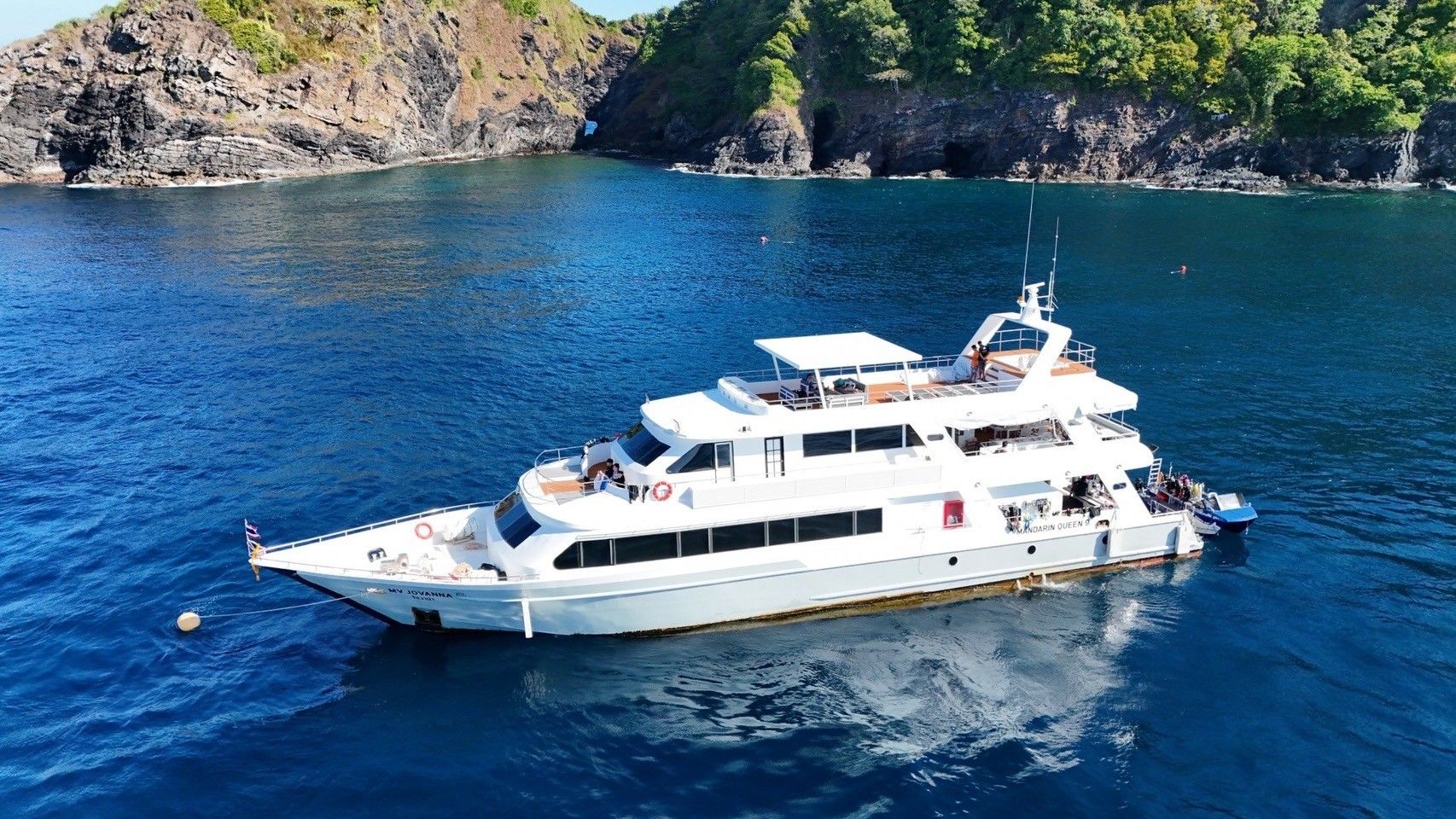
Mandarin Queen 9
Thailand
26 guests37.5 m
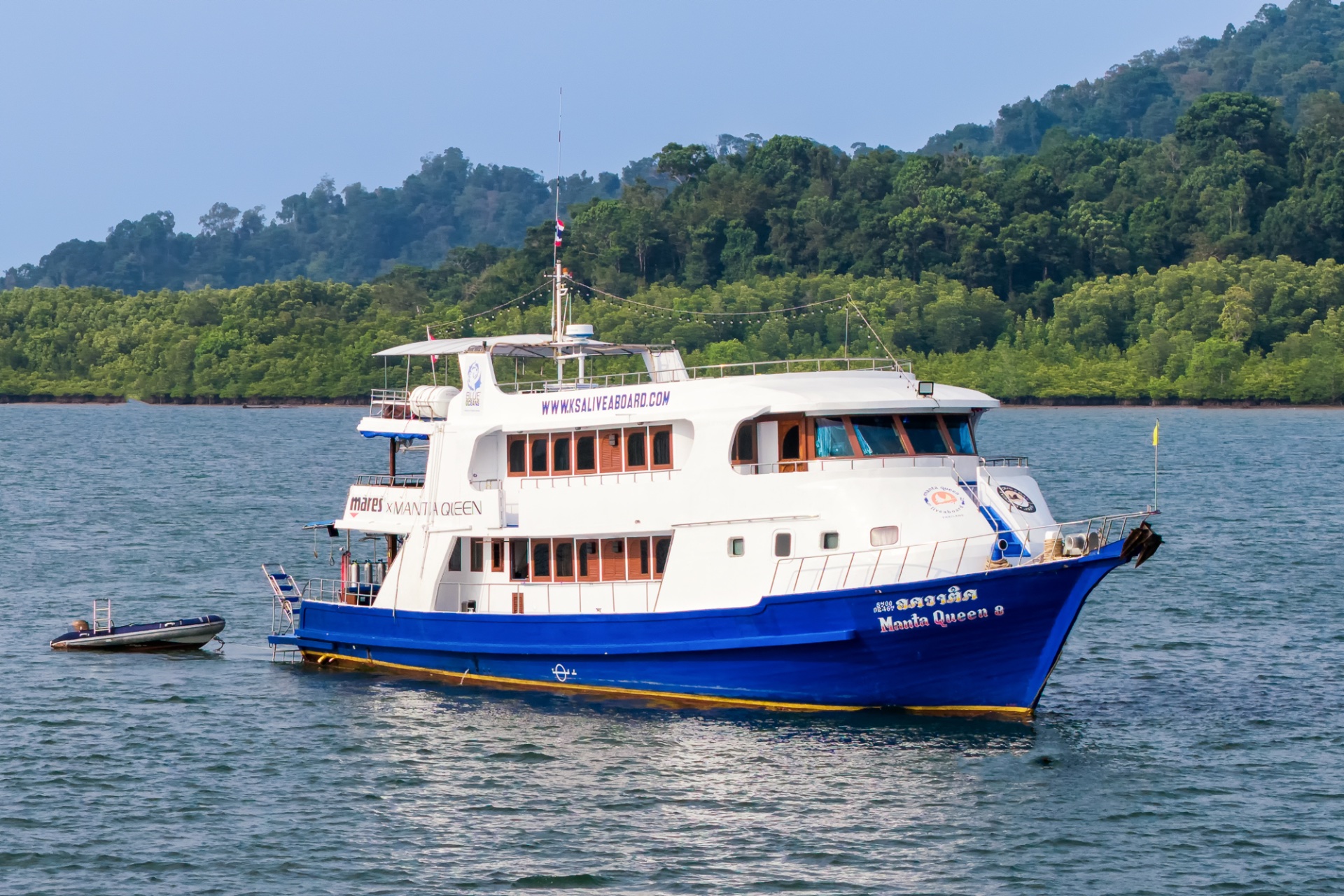
Manta Queen 8
Thailand
24 guests
$127/day
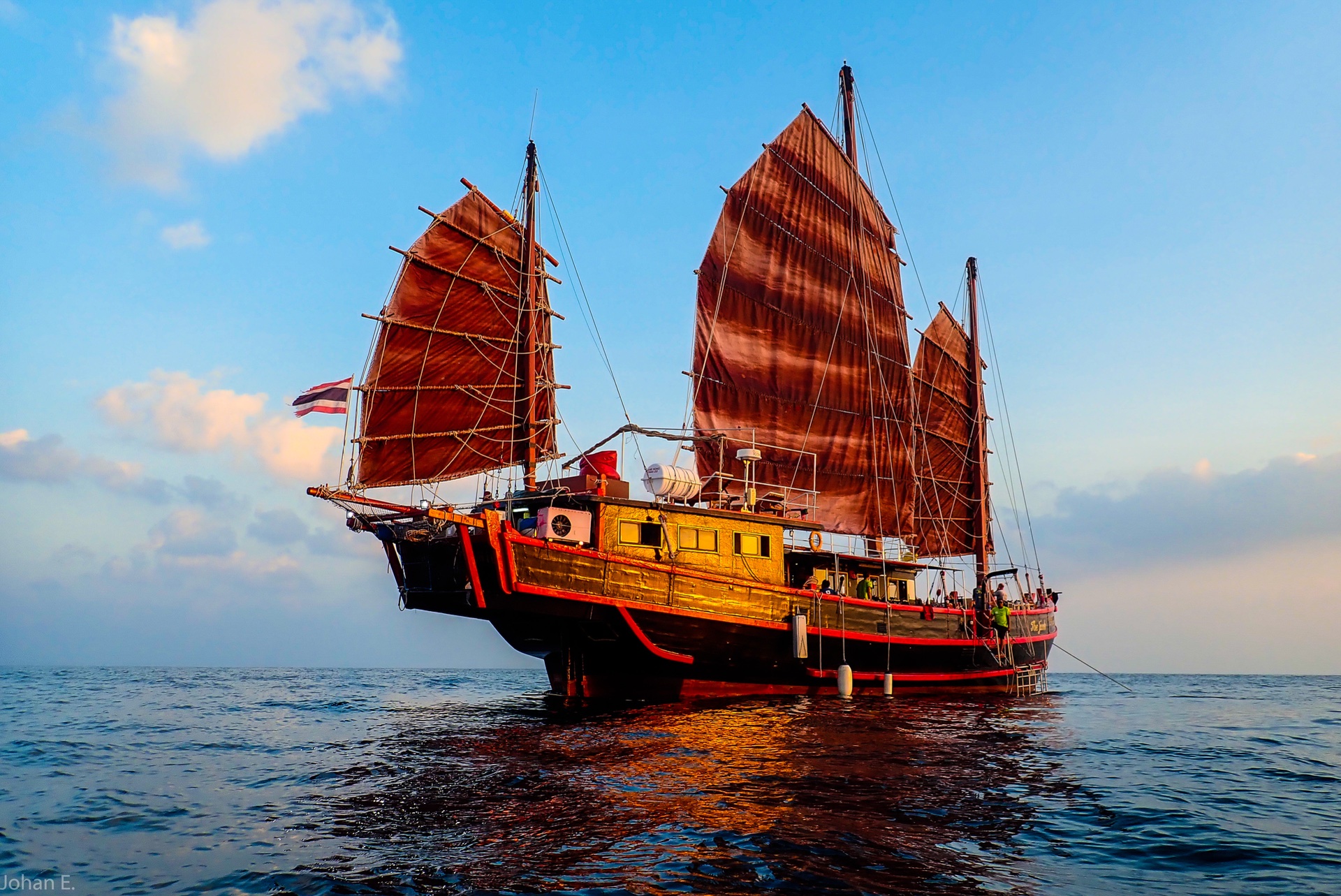
The Junk
Thailand
18 guests33 m
$163/day
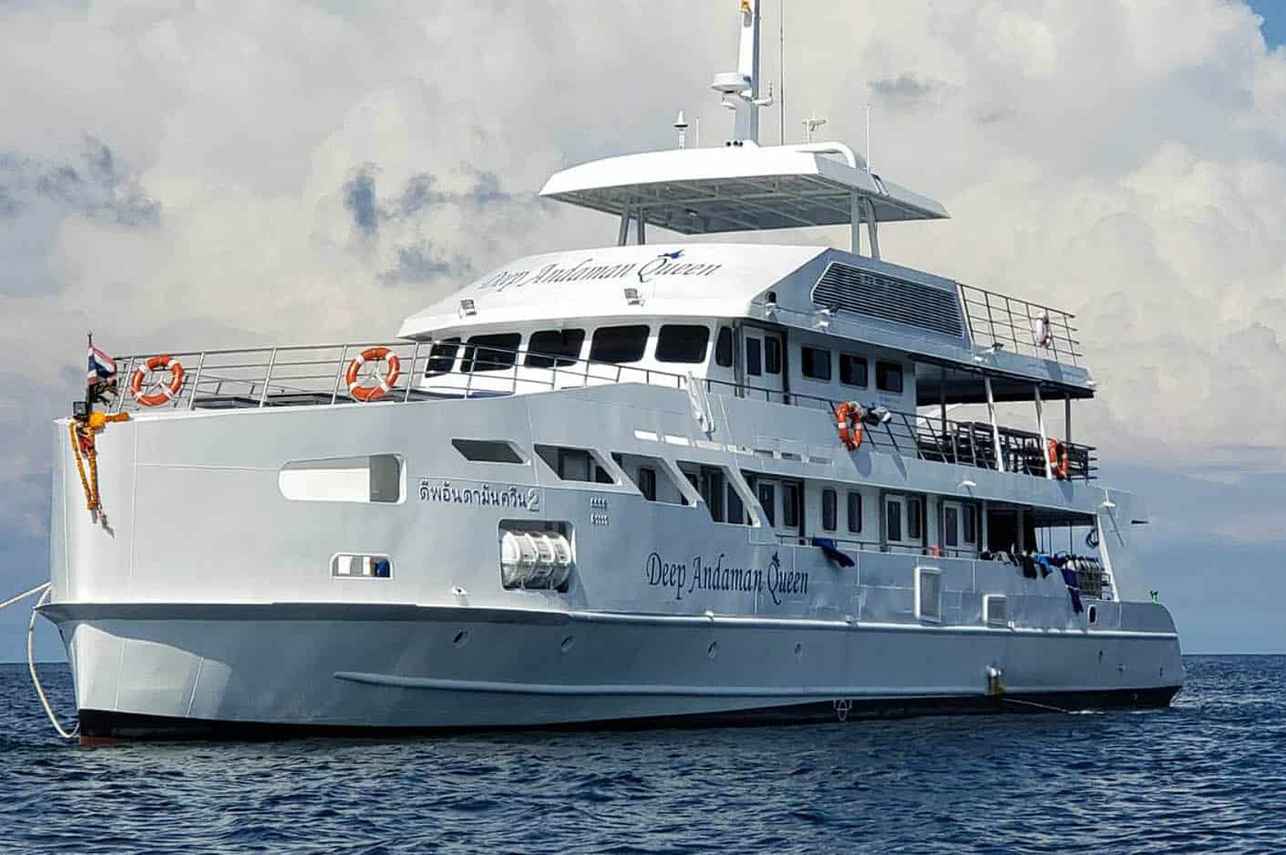
Deep Andaman Queen
Thailand
23 guests30.5 m
$194/day
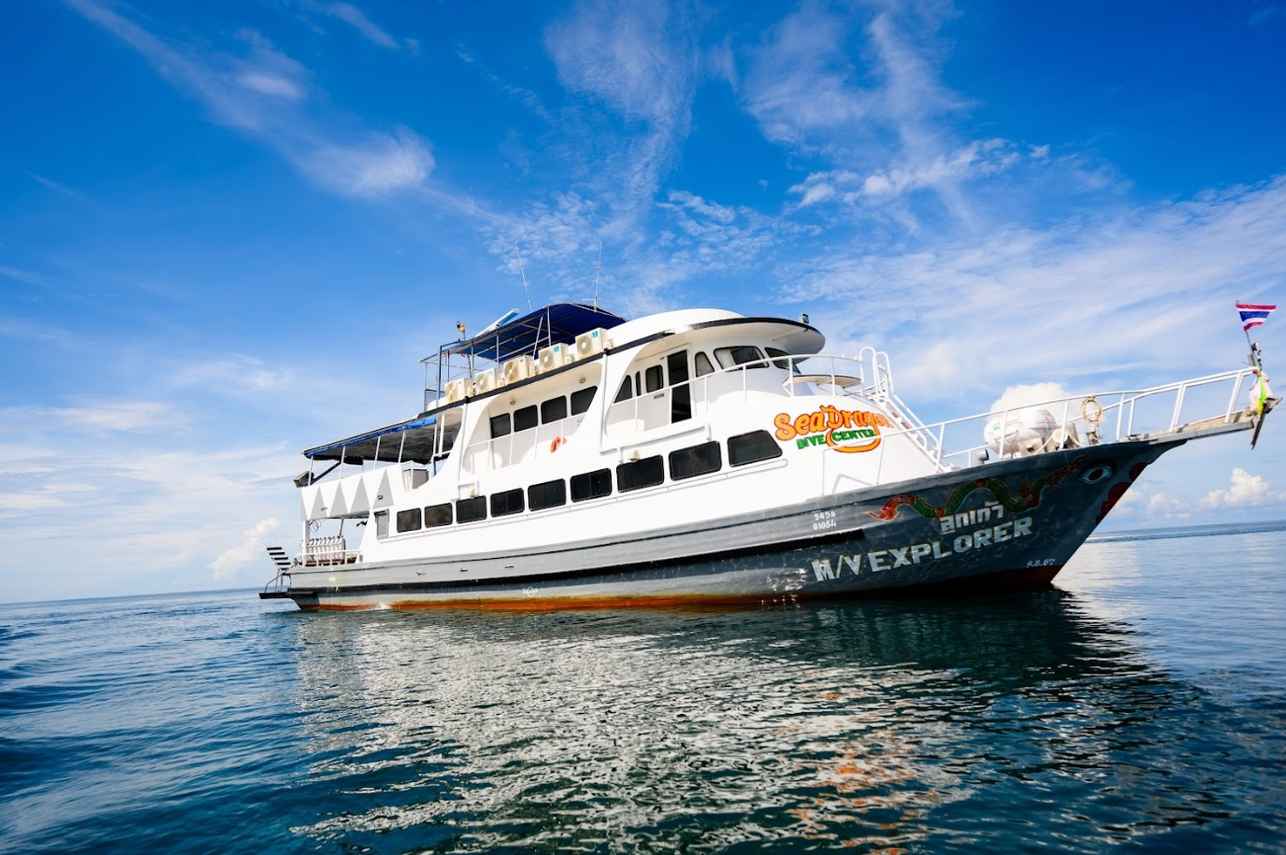
Explorer
Thailand
16 guests25 m
$150/day
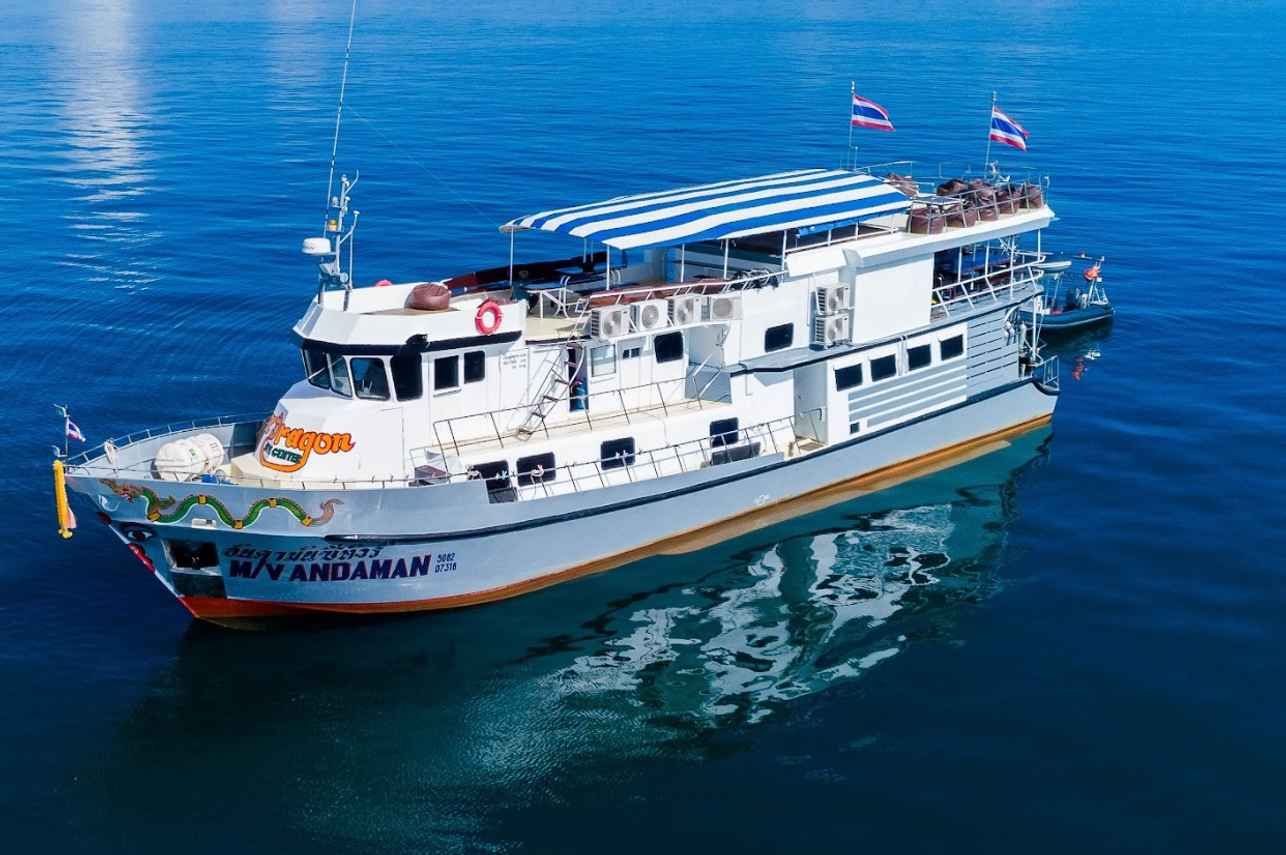
Andaman
Thailand
20 guests26 m
$108/day
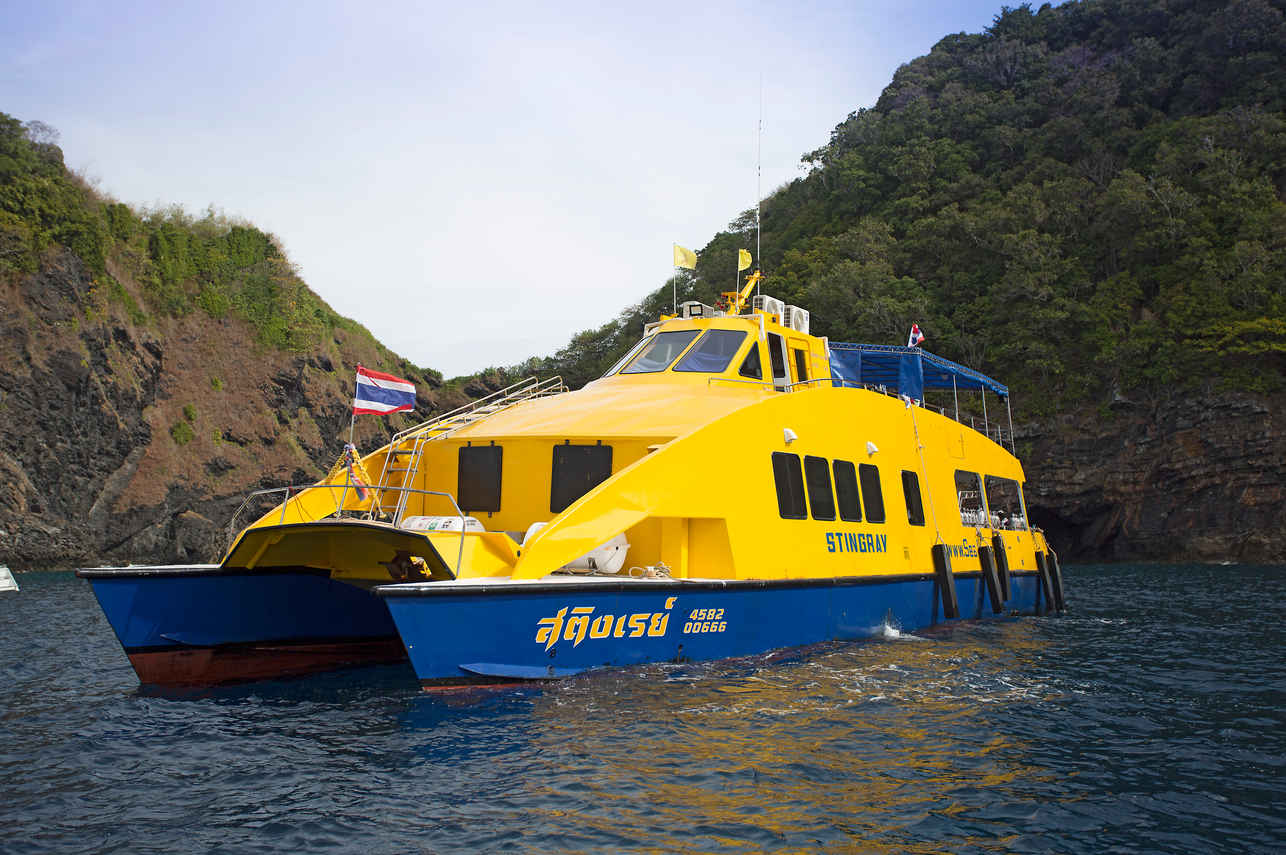
Stingray
Thailand
8 guests24 m
$245/day
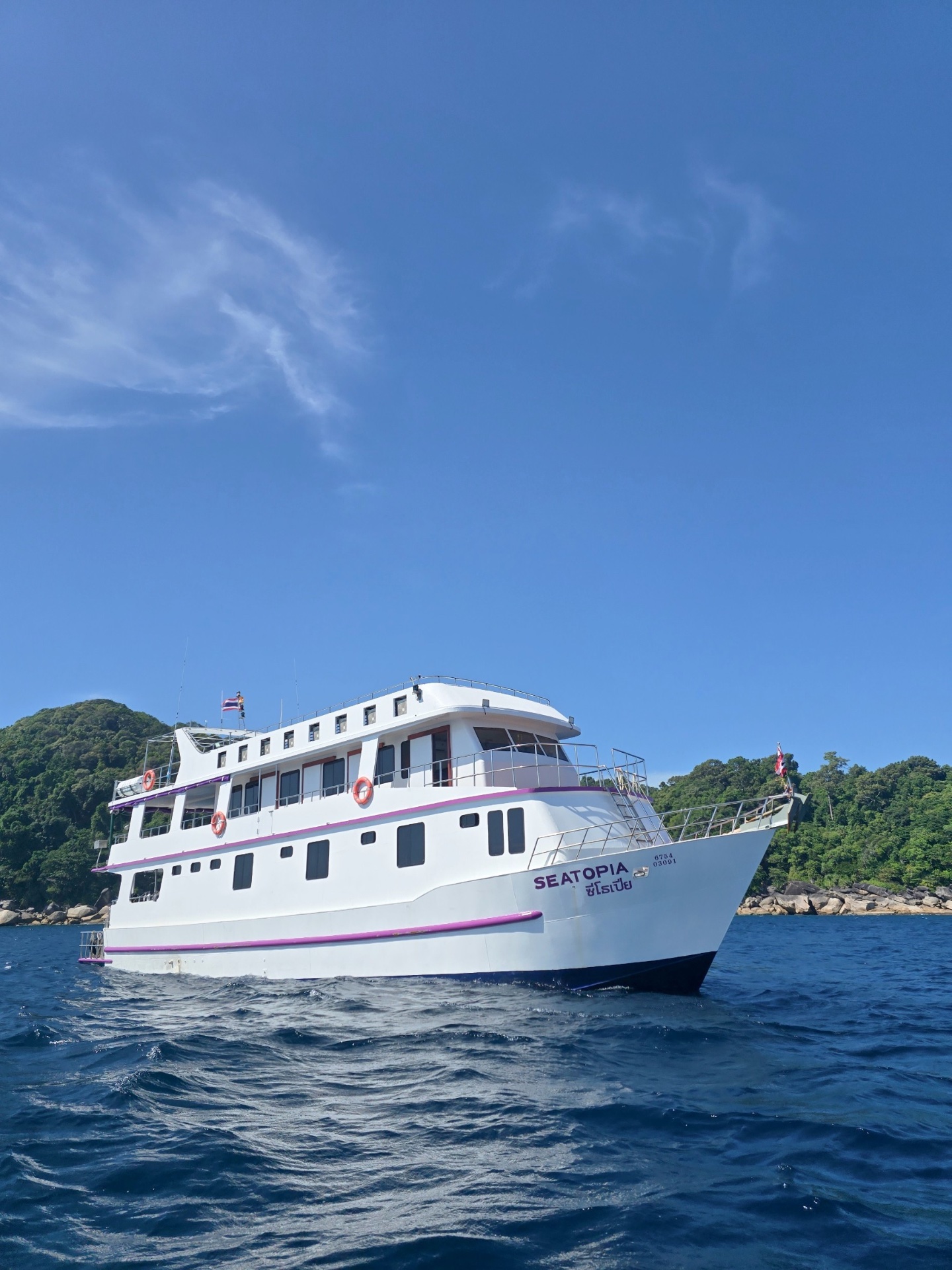
Seatopia
Thailand
24 guests24 m
Dive sites similar to Hin Muang
Same character, same waters — six more sites divers love for the exact same reasons.Compare seasons, access and liveaboard routes — then pick the site that fits your trip best.
Hin Raab is a prominent dive site located in the eastern Gulf of Thailand, near Koh Chang, offering an exceptional underwater experience with its rich coral biodiversity and thriving marine life.
- Suitable for
- Intermediate
- Current
- Moderate
- Access
- Dayboat
- Depth
- 5–22 m
- Theme
- Reef / Pinnacle
© Esri — Maxar, Earthstar, GIS
Christmas Point
Thailand
Christmas Point, located on Similan Island number 9 (Koh Ba-Ngu), stands out as one of the Similan Islands' most iconic dive sites.
- Suitable for
- Intermediate
- Current
- Strong
- Access
- Liveaboard or dayboat
- Depth
- 2–40 m
- Theme
- Pinnacle
© Esri — Maxar, Earthstar, GIS
Koh Haa — Lagoon
Thailand
Koh Haa Lagoon is a picturesque and protected dive site formed by islands #2, #3, and #4 of the Koh Haa archipelago, approximately 1.45 hours by boat from Koh Lanta.
- Suitable for
- Beginner
- Current
- Moderate
- Access
- Liveaboard or dayboat
- Depth
- 2–25 m
- Theme
- Reef / Wall
© Esri — Maxar, Earthstar, GIS
Koh Tao — Twins
Thailand
Twins, a highly popular dive site near Koh Tao, Thailand, is renowned for its accessibility and rich marine life.
- Suitable for
- Beginner
- Current
- Mild
- Access
- Liveaboard or dayboat
- Depth
- 5–18 m
- Theme
- Pinnacle
© Esri — Maxar, Earthstar, GIS
Southwest Pinnacle
Thailand
Southwest Pinnacle, located approximately 45 minutes by boat from Koh Tao's Mae Haad pier, is a renowned dive site in the Gulf of Thailand.
- Suitable for
- Intermediate
- Current
- Strong
- Access
- Liveaboard or dayboat
- Depth
- 8–26 m
- Theme
- Pinnacle / Wall
© Esri — Maxar, Earthstar, GIS
Koh Dok Mai
Thailand
Koh Dok Mai, meaning 'Flower Island,' is a distinctive limestone outcrop located in Thailand's Andaman Sea, between Phuket and Phi Phi Islands.
- Suitable for
- Intermediate
- Current
- Moderate
- Access
- Dayboat
- Depth
- 5–30 m
- Theme
- Wall / Drift