About Beacon Reef
Beacon Reef, sometimes referred to as Beacon Bay or Beacon Point, is a cherished dive site within Thailand's Similan Islands National Park. This site is renowned for its expansive, gently sloping reef that transitions from shallow depths to deeper waters, offering a rich tapestry of marine life and impressive hard coral formations. It serves as a prime example of the diverse underwater landscapes found in the Similans, characterized by beautiful coral gardens and dramatic rock structures that attract a wide array of reef inhabitants. The topography features a reef that descends from approximately 5 meters down to around 35 meters, creating a continuous slope suitable for various dive profiles. In addition to the natural reef, the site also hosts the wreck of the Atlantis X liveaboard, adding an extra layer of exploration and interest to the dive. The combination of healthy hard corals, scattered bommies, and the wreck provides ample shelter and foraging grounds for countless species. Marine life encounters at Beacon Reef are consistently rewarding, with frequent sightings of reef sharks and schools of colorful reef fish. The healthy coral ecosystems support a vibrant food chain, making it a dynamic environment for observing marine behavior. The dive site is accessible during the main Similan diving season, offering generally good visibility and manageable currents, making it an excellent choice for a leisurely exploration. Diving here typically involves a boat entry, allowing for a guided exploration along the reef. Divers can enjoy a slow-paced journey, appreciating the intricate details of the coral structures and the diverse marine inhabitants. The site's characteristics lend themselves well to both day dives and can also be suitable for night dives, offering different perspectives on its underwater inhabitants.
Highlights
Sloping coral reefAtlantis X wreckHealthy hard coralsDiverse reef fishReef sharksModerate currents
Season calendar
Best months to dive here
Jan
Feb
Mar
Apr
May
Jun
Jul
Aug
Sep
Oct
Nov
Dec
Excellent
Good
Off-Season
Nov – Apr (Peak)
Best visibility 25–30m, calm Andaman Sea. Similan & Surin Islands open. Whale sharks and manta rays at Richelieu Rock.
May (Transition)
Similan season opening/closing. Variable conditions, occasional rain. Still good diving at coastal sites.
Jun – Oct (Monsoon)
SW Monsoon brings rough seas. Similan Islands CLOSED. Gulf coast (Koh Tao) still diveable Jun–Sep.
Dive site facts: Beacon Reef
- Depth
- 5–35 m
- Typical dive
- 12–25 m, 50–60 min
- Current
- Mild to moderate
- Visibility
- 10–28 m
- Water temperature
- 27–30°C
- Entry
- Boat
- Level
- Advanced Open Water recommended
- Dive type
- Reef, wreck, coral slope
- Night dive
- Possible
- Region / port
- Similan Islands
- Coordinates
- 8.595, 97.64
Conditions & Currents
Beacon Reef generally experiences mild to moderate currents, making it suitable for a wide range of diver experience levels. However, as with any open water site, currents can vary based on tides and local conditions, so divers should always consult with their dive guide. Entry and exit procedures are typically conducted from a boat, and briefings will cover specific techniques for navigating any prevailing currents. Visibility at the site is usually very good, ranging from 10 to 28 meters, though it can occasionally be affected by surge or rainfall runoff. Divers should plan their gas consumption and dive routes conservatively, especially when exploring deeper sections of the slope or during night dives where currents might be less predictable.
Marine life & sighting chances

Reef sharks
occasional
Coral gardens
commonStaghorn corals
commonTable corals
common
Gorgonian fans
common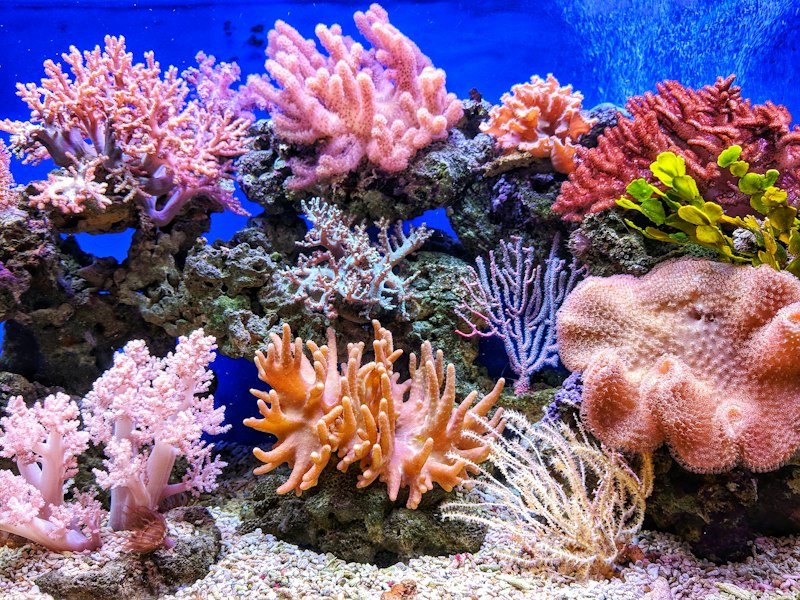
Soft corals
commonDive profile & how the dive runs
Diving Beacon Reef typically begins with a boat entry, followed by a descent onto the sloping reef. The dive plan usually involves following the reef contour from a shallower depth of approximately 5-10 meters down towards the deeper sections, which can reach 35 meters. Divers will often traverse along the slope, observing the various hard coral formations and diverse reef fish. A notable feature is the Atlantis X liveaboard wreck, which divers can explore as part of their route, usually located on the deeper parts of the slope. The turnaround point is often dictated by gas consumption or no-decompression limits, after which divers gradually ascend back along the reef, with the safety stop commonly performed in the shallower coral gardens.
Underwater photography
Beacon Reef offers varied photographic opportunities, from wide-angle shots of the sloping hard coral reefs and the Atlantis X wreck to macro subjects nestled within the corals. For wide-angle, a rectilinear lens will capture the expansive coral gardens and the wreck structure effectively. Pay attention to ambient light for dynamic range and consider strobes to bring out the vibrant colors of the corals and marine life. For macro, explore the healthy hard corals for pipefish, nudibranchs, and other small critters. Buoyancy control is paramount to avoid damaging the delicate coral structures, particularly when focusing on macro subjects. Be patient with marine life, allowing them to acclimate to your presence for more natural shots.
Combine with nearby dive sites
- North Point
North Point, the northernmost dive site of the Similan Islands, sits just north of Similan Island No.
- Christmas Point
Christmas Point, located on Similan Island number 9 (Koh Ba-Ngu), stands out as one of the Similan Islands' most iconic dive sites.
- Breakfast Bend
Breakfast Bend, also known as Three Trees, is a highly regarded dive site located along the eastern side of Similan Island No.
- Koh Bon — West Ridge
Koh Bon West Ridge, nestled in Thailand's Similan National Park, is a renowned dive site celebrated for its stunning topography and…
Getting there & logistics
Beacon Reef is located within the Similan Islands National Park, accessible via liveaboards and day trips primarily departing from Khao Lak. The closest major international airport is Phuket International Airport (HKT), from where travelers typically transfer to Khao Lak. Liveaboard trips to the Similans usually range from 3 to 7 days, incorporating Beacon Reef into a broader itinerary that includes other renowned sites like Richelieu Rock and Koh Bon. Day trips are also an option, though they offer less extensive exploration. It's important to note that the Similan Islands National Park is closed from mid-May until mid-October each year, so planning your visit within the open season (mid-October to mid-May) is crucial.
Safety & environment
Safety at Beacon Reef, like all Similan Islands dive sites, prioritizes conservative dive planning within certification limits, especially given the maximum depth of 35-40 meters. Divers should be prepared for mild to moderate currents and always heed their dive guide's briefings regarding entry, exit, and any specific local conditions. While exact locations of recompression chambers can vary, the nearest facilities are typically in Phuket. Comprehensive dive insurance that covers emergency medical evacuation and recompression treatment is strongly recommended for all divers visiting this remote national park. Park rules, including no-touching policies for marine life and strict waste disposal regulations, must be followed to preserve the pristine environment.
Who it suits, and who it doesn't
Suited for
- Advanced Open Water divers
- Divers seeking vibrant coral reefs
- Underwater photographers
- Divers interested in wreck exploration
- Night dive enthusiasts
Less suited for
- Open Water divers without current experience
- Divers uncomfortable with boat entries
- Those looking for strong pelagic action
- Divers seeking shore access
- Beginners without advanced training
FAQ
Beacon Reef FAQ
What kind of marine life can I expect to see at Beacon Reef?
At Beacon Reef, you can expect to encounter a diverse range of reef fish, often swimming among the extensive hard and soft coral gardens. Frequent sightings include various species of reef sharks, and the healthy coral environment also supports numerous smaller creatures. The overall marine biodiversity makes for a vibrant underwater experience.
Is Beacon Reef suitable for beginners?
Beacon Reef is generally recommended for Advanced Open Water certified divers or those with comparable experience due to its maximum depth of 35-40 meters and potential for moderate currents. While conditions can be mild, having experience beyond basic Open Water training ensures a safer and more enjoyable dive, especially when exploring deeper sections or the wreck.
What is the visibility like at Beacon Reef?
Visibility at Beacon Reef is typically excellent, often ranging from 10 to 28 meters, especially during the dry season from November to April. These clear conditions allow for spectacular views of the coral formations, the Atlantis X wreck, and the abundant marine life. However, visibility can occasionally be reduced by factors like strong currents or heavy rainfall.
Are there strong currents at Beacon Reef?
Beacon Reef is known for having mild to moderate currents, which are generally manageable for experienced divers. While not typically extreme, conditions can vary, so it's essential to listen to your dive guide's briefing and follow their instructions. Drift diving techniques may be employed depending on the current strength on the day.
Can I dive the Atlantis X wreck at Beacon Reef?
Yes, the Atlantis X wreck is a notable feature at Beacon Reef, resting on the sloping reef. Divers can explore this wreck as part of their dive profile, adding an interesting element to the natural reef landscape. It's a popular attraction that provides additional habitat for marine life and offers unique photographic opportunities.
When is the best time of year to visit Beacon Reef?
The prime time to dive Beacon Reef, located in the Similan Islands, is during the dry season, which runs from mid-October to mid-May. This period offers the most favorable diving conditions, including calm seas, consistently warm water temperatures, and exceptional visibility. The park is closed outside these months.
Why dive Beacon Reef from a liveaboard?
Beacon Reef is one of Thailand's signature dive sites. A liveaboard sleeps you on the water and puts you in the water for three to four guided dives per day, including dawn and night dives that day-boat operators rarely offer. You skip the daily commute back to port and reach quieter, less-crowded sites in the same region on a single trip.
Below are the liveaboards that include Beacon Reef on their Thailand itineraries.
Liveaboards diving Beacon Reef
These liveaboards may visit Beacon Reef on selected itineraries, the exact dive sites depend on departure, weather and conditions.

Mandarin Queen 9
Thailand
26 guests38 m

Dolphin Queen
Thailand
20 guests24 m

Manta Queen 8
Thailand
24 guests

The Junk
Thailand
18 guests33 m

Deep Andaman Queen
Thailand
23 guests31 m

Lapat
Thailand
16 guests24 m

Explorer
Thailand
16 guests25 m

Andaman
Thailand
20 guests26 m

Stingray
Thailand
8 guests24 m

Seatopia
Thailand
24 guests24 m

Bunmee 4
Thailand
20 guests29 m

Gentle Giant
Thailand
20 guests27 m
Dive sites similar to Beacon Reef
Same character, same waters, six more sites divers love for the exact same reasons.Compare seasons, access and liveaboard routes, then pick the site that fits your trip best.
© EsriMaxar, Earthstar, GIS
Anemone Reef
Thailand
Anemone Reef, locally known as "Hin Jom" or "submerged rock," is a significant limestone pinnacle entirely hidden beneath the Andaman Sea's surface.
- Suitable for
- Intermediate
- Current
- Ripping
- Access
- Liveaboard or dayboat
- Depth
- 5–26 m
- Theme
- Pinnacle / Wall
© EsriMaxar, Earthstar, GIS
Ang Thong, Wao Island
Thailand
Wao Island, nestled within the picturesque Ang Thong National Marine Park, is a captivating dive site characterized by its dramatic limestone formations and intricate underwater landscape.
- Suitable for
- Beginner
- Current
- Strong
- Access
- Liveaboard or dayboat
- Depth
- 3–20 m
- Theme
- Cave & cavern / Reef
© EsriMaxar, Earthstar, GIS
Breakfast Bend
Thailand
Breakfast Bend, also known as Three Trees, is a highly regarded dive site located along the eastern side of Similan Island No. 9, Koh Bangu.
- Suitable for
- Beginner
- Current
- Strong
- Access
- Liveaboard or dayboat
- Depth
- 5–25 m
- Theme
- Reef
© EsriMaxar, Earthstar, GIS
Christmas Point
Thailand
Christmas Point, located on Similan Island number 9 (Koh Ba-Ngu), stands out as one of the Similan Islands' most iconic dive sites.
- Suitable for
- Intermediate
- Current
- Strong
- Access
- Liveaboard or dayboat
- Depth
- 2–40 m
- Theme
- Pinnacle
© EsriMaxar, Earthstar, GIS
Chumphon Pinnacle
Thailand
Chumphon Pinnacle is a renowned deep dive site situated approximately 12 kilometers northwest of Koh Tao in the Gulf of Thailand.
- Suitable for
- Intermediate
- Current
- Strong
- Access
- Liveaboard or dayboat
- Depth
- 12–36 m
- Theme
- Pinnacle
Deep Six, also known as Fanfare Point, is a captivating dive site situated at the northern tip of Similan Island No.7 in Thailand's Andaman Sea, within the Similan Islands National Park.
- Suitable for
- Intermediate
- Current
- Strong
- Access
- Liveaboard or dayboat
- Depth
- 10–40 m
- Theme
- Reef