About Christmas Point
Christmas Point, located on Similan Island number 9 (Koh Ba-Ngu), stands out as one of the Similan Islands' most iconic dive sites. Its dramatic underwater landscape is defined by immense granite boulders, often compared to houses in size, which have been sculpted by centuries of strong currents. These impressive formations create a complex maze of overhangs, passages, and swim-throughs, offering a thrilling and visually stunning dive experience. The site's depth ranges significantly, from shallow coral gardens near the surface down to approximately 40 meters, where a deep ridge provides a vantage point into the open ocean. This diverse topography supports a rich ecosystem, with colorful soft corals, gorgonian sea fans, and a variety of reef fish thriving within the sheltered crevices and on the exposed rock faces. The currents, which can be moderate to strong, contribute to the site's dynamic nature and are responsible for shaping its unique geological features. While Christmas Point is renowned for its topography, it also offers exciting marine life encounters. Divers frequently spot white-tip and black-tip reef sharks patrolling the deeper sections, along with schools of barracuda and Napoleon wrasse. The sandy patches at the base of the boulders are home to colonies of garden eels, while more patient observers might find frogfish, ribbon eels, and nudibranchs among the corals. The occasional presence of larger pelagic species like manta rays and guitar sharks adds to the site's allure, especially when cooler upwellings occur. Diving Christmas Point typically involves a boat entry, often a negative entry, as the currents can be significant. Dive profiles usually involve exploring the boulder formations and swim-throughs, with opportunities to observe both macro life and larger pelagic species. An experienced guide is essential to navigate the currents and maximize the dive's potential, ensuring a safe and rewarding exploration of this exceptional Similan Islan
Highlights
Gigantic granite boulder formationsLabyrinthine swim-throughsVibrant soft coral gardensEncounters with reef sharksDiverse macro lifePotential for pelagic sightingsDramatic drop-offsDynamic current-driven topography
Season calendar
Best months to dive here
Jan
Feb
Mar
Apr
May
Jun
Jul
Aug
Sep
Oct
Nov
Dec
Excellent
Good
Dive site facts: Christmas Point
- Depth
- 10–40 m
- Typical dive
- 15–30 m, 50–60 min
- Current
- Medium to strong
- Visibility
- 10–40 m
- Water temperature
- 27–30°C
- Entry
- Boat / Negative entry
- Level
- AOWD recommended, current experience essential
- Dive type
- Reef, drift, macro, pelagic
- Night dive
- Not commonly offered
- Region / port
- Similan Islands, Thailand
- Coordinates
- 8.6789, 97.6123
Conditions & Currents
Currents at Christmas Point are typically moderate to strong and can be highly variable, often shifting in strength and direction. During high tide, the current tends to flow southwest to northwest, while low tide sees it moving northwest to southwest. Full moon periods can intensify the current, potentially pushing divers into deeper areas, so careful attention to tidal charts is crucial. The site is frequently dived as a drift, and a negative entry from the dinghy is common, placing divers directly onto the reef. Thermoclines are a regular occurrence due to the deeper waters surrounding the island, bringing cooler water and sometimes reduced visibility, which can also influence current patterns. Divers should be prepared for varying conditions and rely on their guide for accurate real-time briefings on entry, exit, and navigation to ensure a safe dive.
Marine life & sighting chances

White-tip reef shark
occasional
Black-tip reef shark
occasional
Napoleon wrasse
occasional
Barracuda
common
Manta ray
rare
Leopard shark
occasional
Frogfish
occasional
Ribbon eel
occasional
Nudibranch
common
Garden eel
common
Marble ray
occasional
Guitar shark
rare
Sweetlips
common
Grouper
commonDive profile & how the dive runs
Dives at Christmas Point typically begin with a negative entry from a dinghy, close to the shallow rocks on the south side of Island 9. Divers descend quickly using the rock formations as a visual reference. The initial descent often leads to deeper boulders, where a thermocline may be encountered around 20 meters, marking a cooler layer of water and sometimes affecting visibility. The route often involves exploring the sandy patches at the base of these boulders to observe garden eel colonies. Following the contours of the reef with your right shoulder to the wall, you navigate a series of overhangs and swim-throughs. The largest swim-throughs are easily navigable, with pockets of air often trapped at the top. The dive usually progresses, allowing exploration of the vibrant soft corals and sea fans that adorn the granite. Safety stops are typically conducted in the shallower sections, where reef fish are abundant, before surfacing for boat pick-up.
Underwater photography
Christmas Point offers diverse photographic opportunities, from wide-angle shots of its dramatic boulder formations and impressive swim-throughs to macro photography of its resident smaller creatures. For the grand rockscapes and schools of barracuda, a wide-angle lens is ideal. Consider using strobes to bring out the vibrant colors of the soft corals and sea fans, which can be particularly striking in sheltered areas. When photographing garden eels, a macro or zoom lens with good reach is beneficial to maintain a respectful distance, as they are shy. Buoyancy control is paramount, especially within swim-throughs and around delicate corals. Be mindful of currents, as stability is key for sharp images. Patience is rewarded at this site, whether waiting for a shy frogfish to pose or for a pelagic to cruise by the deeper ridge.
Combine with nearby dive sites
- Koh Bon
Known for manta ray sightings and a coral garden, often dived immediately after Christmas Point.
- Richelieu Rock
A horseshoe-shaped pinnacle famous for whale sharks and a high concentration of marine life, though further north.
- Surin Islands — Turtle Ledge
A calmer area with rich coral and numerous sea turtles, offering a contrast to Christmas Point's currents.
- Koh Bon — West Ridge
A deeper ridge often with stronger currents, frequented by manta rays, complement for pelagic encounters.
- Koh Bon — Coral Garden
A more sheltered alternative with a diverse hard coral ecosystem, suitable for gentler conditions.
Getting there & logistics
Access to Christmas Point is primarily via liveaboard trips departing from Phuket or Khao Lak, typically lasting 4 to 7 days to cover the Similan and Surin Islands. The closest major international airport is Phuket International Airport (HKT), from which divers transfer to departure ports like Thap Lamu. Park fees are required as Christmas Point is within the Similan Islands National Park. Most itineraries combine Christmas Point with other Similan sites and occasionally extend to the Surin Islands and Richelieu Rock, offering a comprehensive tour of Thailand's premier dive destinations. Booking well in advance is recommended, especially for peak season trips.
Safety & environment
Safety at Christmas Point demands careful attention due to potentially strong and unpredictable currents. Divers should always carry an SMB and know how to deploy it, especially during drift dives or if separated from the group. The nearest recompression chamber is located in Phuket, highlighting the importance of conservative dive planning and proper insurance coverage, including emergency evacuation. Always follow your dive guide's instructions, particularly regarding entry techniques and navigation within the boulder formations and swim-throughs. Maintain excellent buoyancy control to avoid damaging delicate corals or getting stuck in tight passages. Be aware of thermoclines, which can impact visibility and comfort, and plan your gas consumption accordingly.
Who it suits — and who it doesn't
Suited for
- Experienced Advanced Open Water divers
- Divers comfortable with strong currents
- Underwater photographers seeking diverse subjects
- Those interested in dramatic underwater topography
- Divers hoping for pelagic encounters
Less suited for
- Beginner Open Water divers
- Divers uncomfortable with currents
- Individuals with poor buoyancy control
- Divers prone to claustrophobia in confined spaces
- Those who prefer very calm, shallow dives
FAQ
Christmas Point FAQ
What kind of currents can I expect at Christmas Point?
Christmas Point is known for its dynamic currents, which can range from moderate to strong and may change direction. The strength often depends on the tide, with full moons potentially bringing stronger flows. Divers should be prepared for drift diving conditions and always follow their guide's instructions for safe navigation.
Is Christmas Point suitable for beginner divers?
Christmas Point is generally recommended for Advanced Open Water divers or those with significant experience, especially in currents. The site's depth, potential for strong currents, and complex topography make it less suitable for beginner Open Water divers, who might find the conditions challenging.
What marine life is commonly seen at Christmas Point?
Divers frequently encounter schools of barracuda, Napoleon wrasse, and various reef fish. Occasional sightings include white-tip and black-tip reef sharks, leopard sharks, and marble rays. Macro enthusiasts can spot frogfish, ribbon eels, and numerous nudibranchs within the corals and crevices.
What are the main features of the dive site's topography?
The site is characterized by massive granite boulders that form a labyrinth of swim-throughs, overhangs, and deep passages. These unique rock formations, sculpted by tides, create a visually dramatic underwater landscape. There's also a deep ridge at around 28 meters and sandy areas with garden eels.
When is the best time of year to dive Christmas Point?
The prime diving season for Christmas Point, located in the Similan Islands, runs from October to May. During these months, the weather is generally dry, and sea conditions are calmer, offering the best visibility and a more enjoyable diving experience. The national park closes from mid-May to mid-October.
Are there any specific safety considerations for Christmas Point?
Given the potential for strong currents, excellent buoyancy control and familiarity with drift diving are crucial. Always carry an SMB, listen carefully to your guide's briefings, and plan your dive conservatively. Be aware of thermoclines that can affect visibility and temperature, and ensure you have appropriate dive insurance for remote locations.
Why dive Christmas Point from a liveaboard?
Christmas Point is one of Thailand's signature dive sites. A liveaboard sleeps you on the water and puts you in the water for three to four guided dives per day, including dawn and night dives that day-boat operators rarely offer. You skip the daily commute back to port and reach quieter, less-crowded sites in the same region on a single trip.
Below are the liveaboards that include Christmas Point on their Thailand itineraries.
Liveaboards diving Christmas Point
These liveaboards may visit Christmas Point on selected itineraries — the exact dive sites depend on departure, weather and conditions.
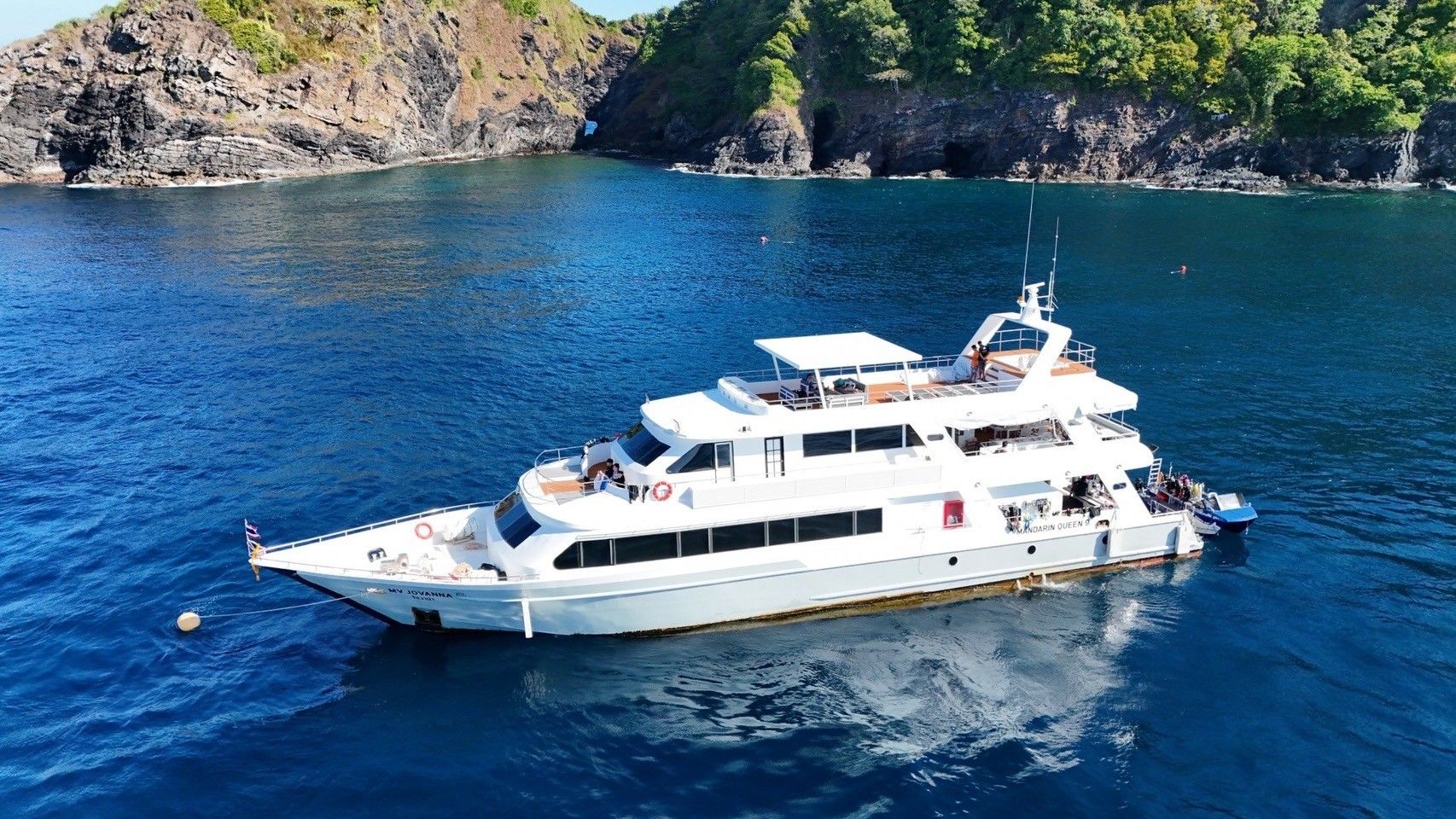
Mandarin Queen 9
Thailand
26 guests37.5 m
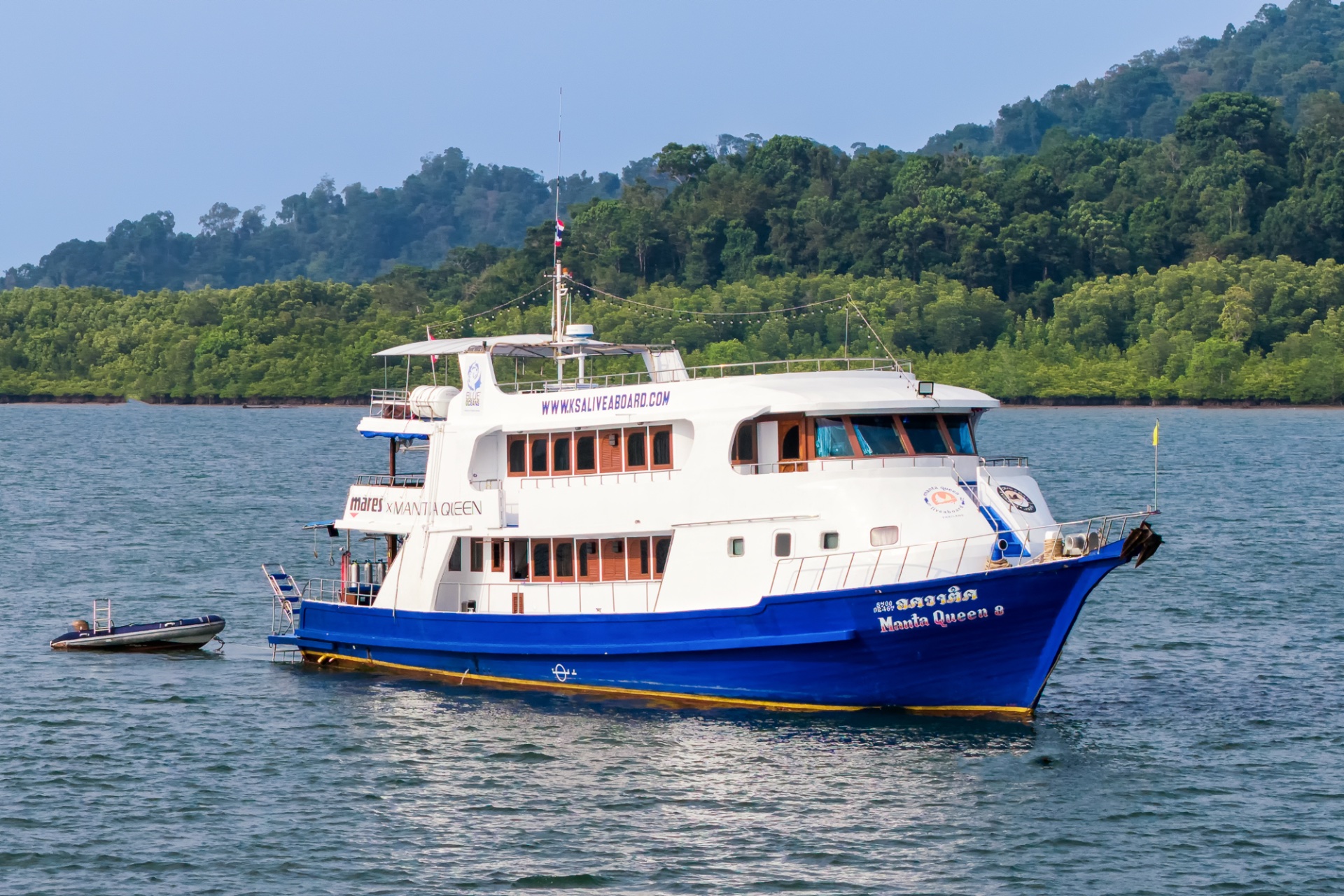
Manta Queen 8
Thailand
24 guests
$127/day
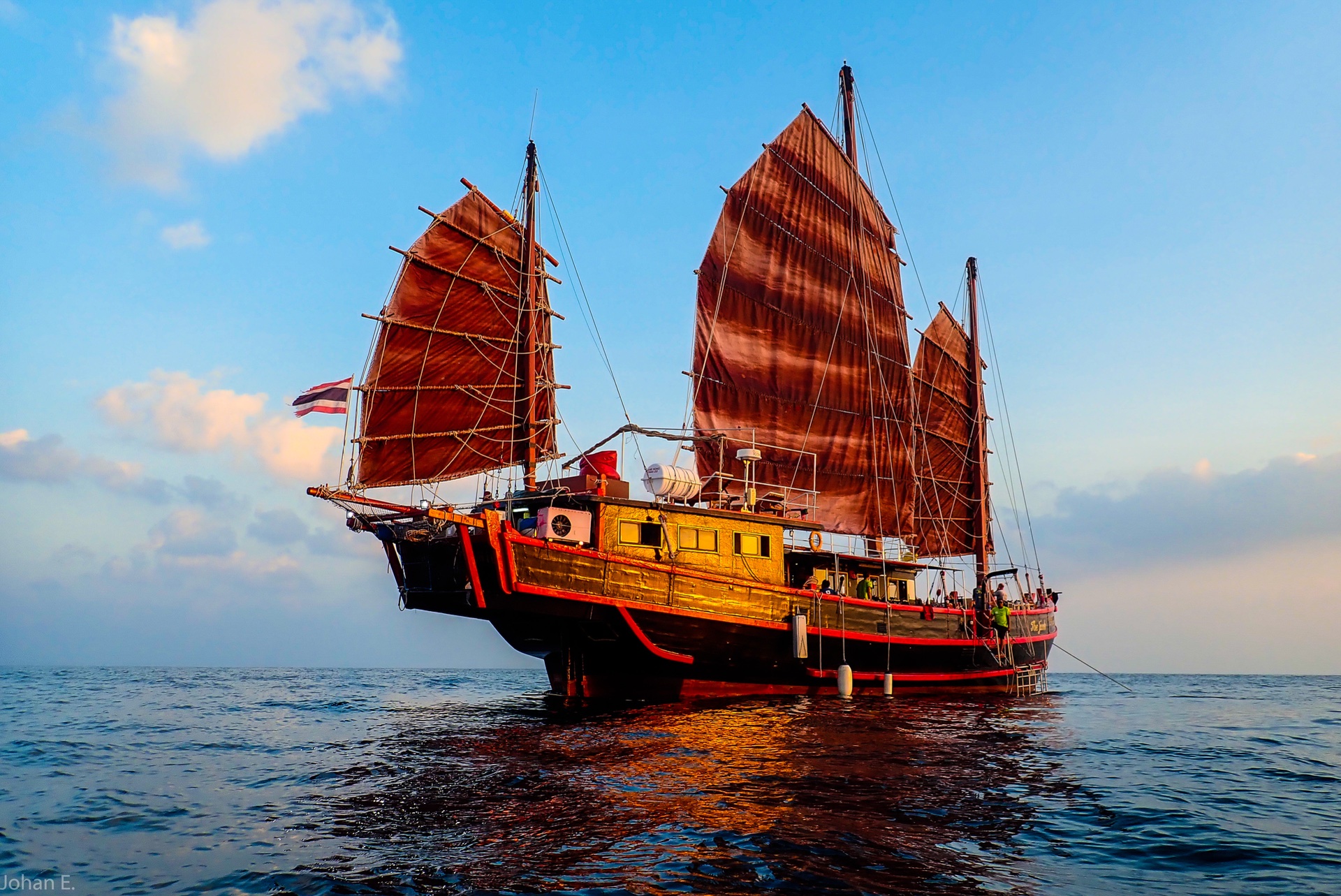
The Junk
Thailand
18 guests33 m
$163/day
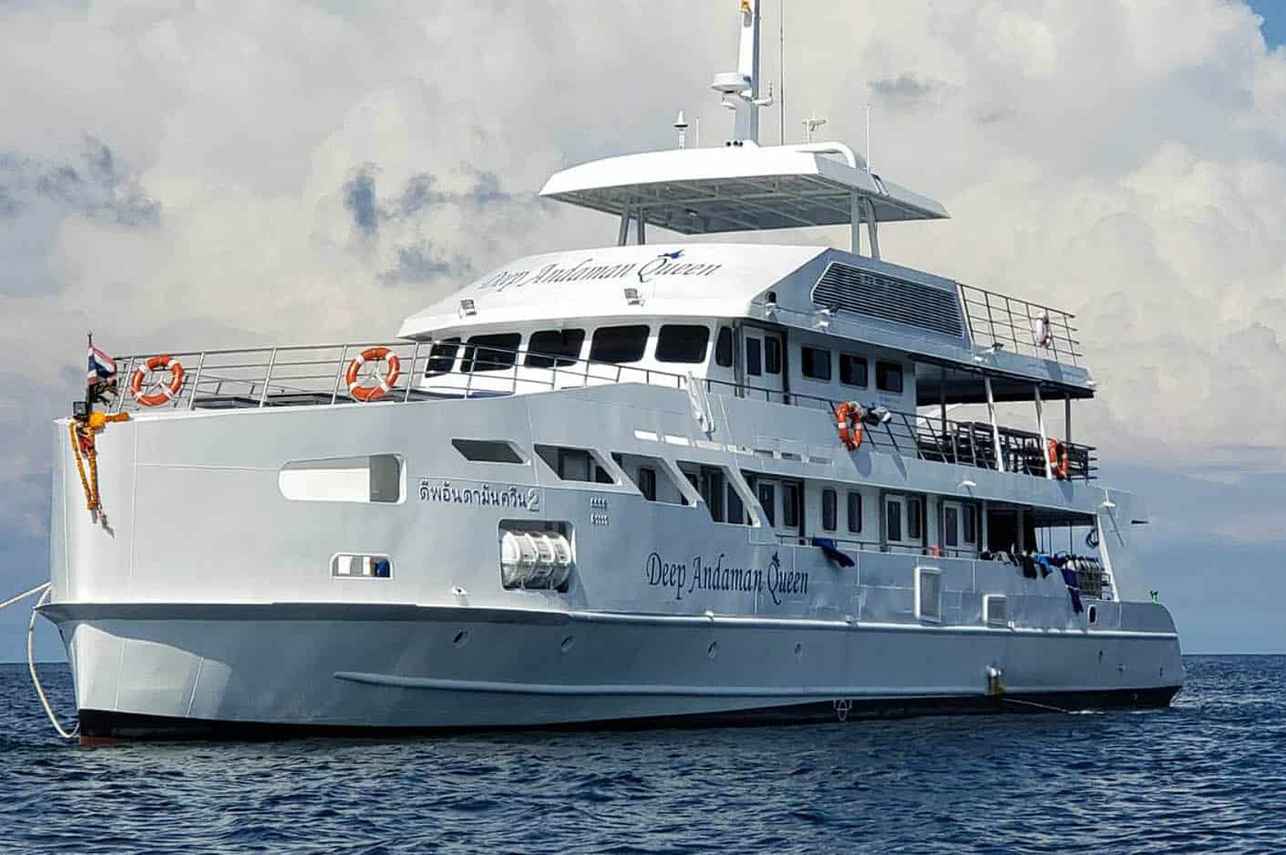
Deep Andaman Queen
Thailand
23 guests30.5 m
$194/day
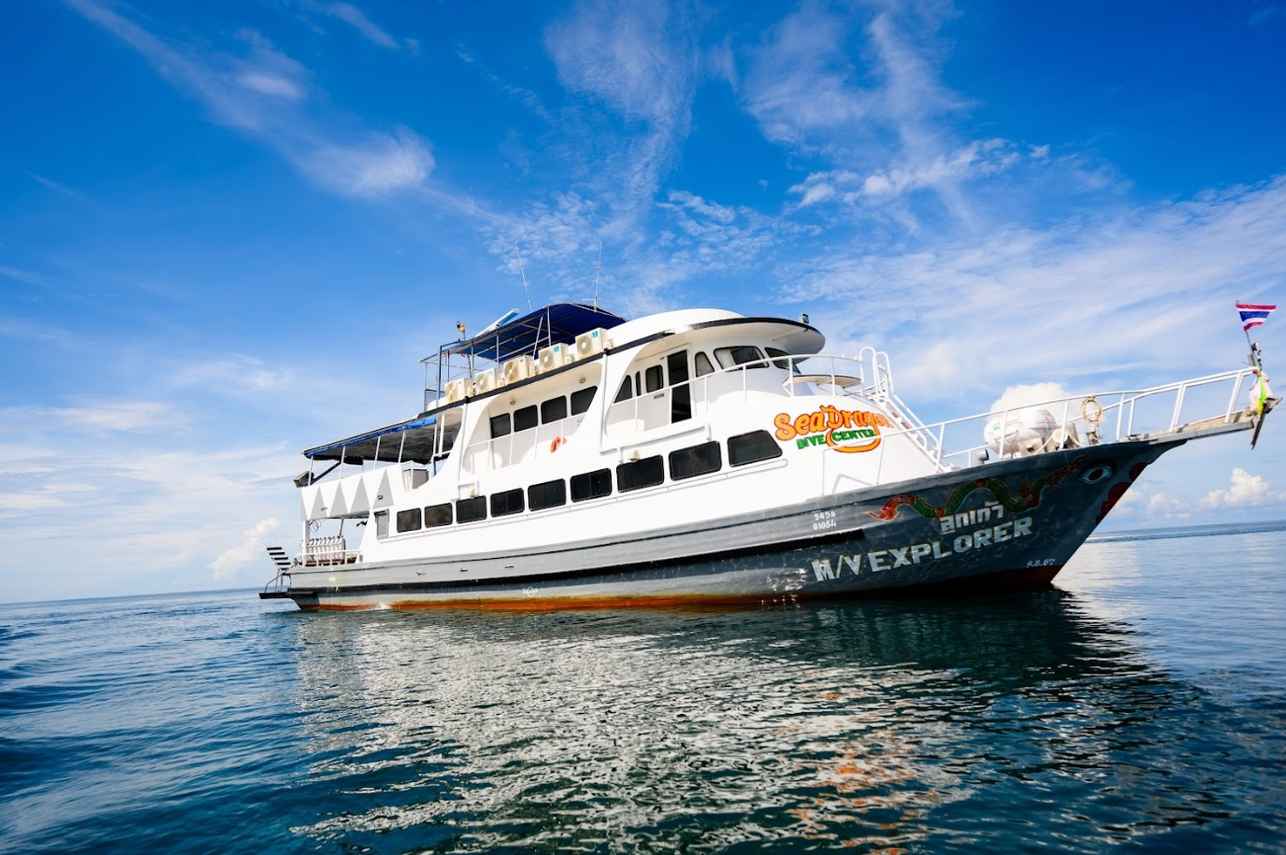
Explorer
Thailand
16 guests25 m
$150/day
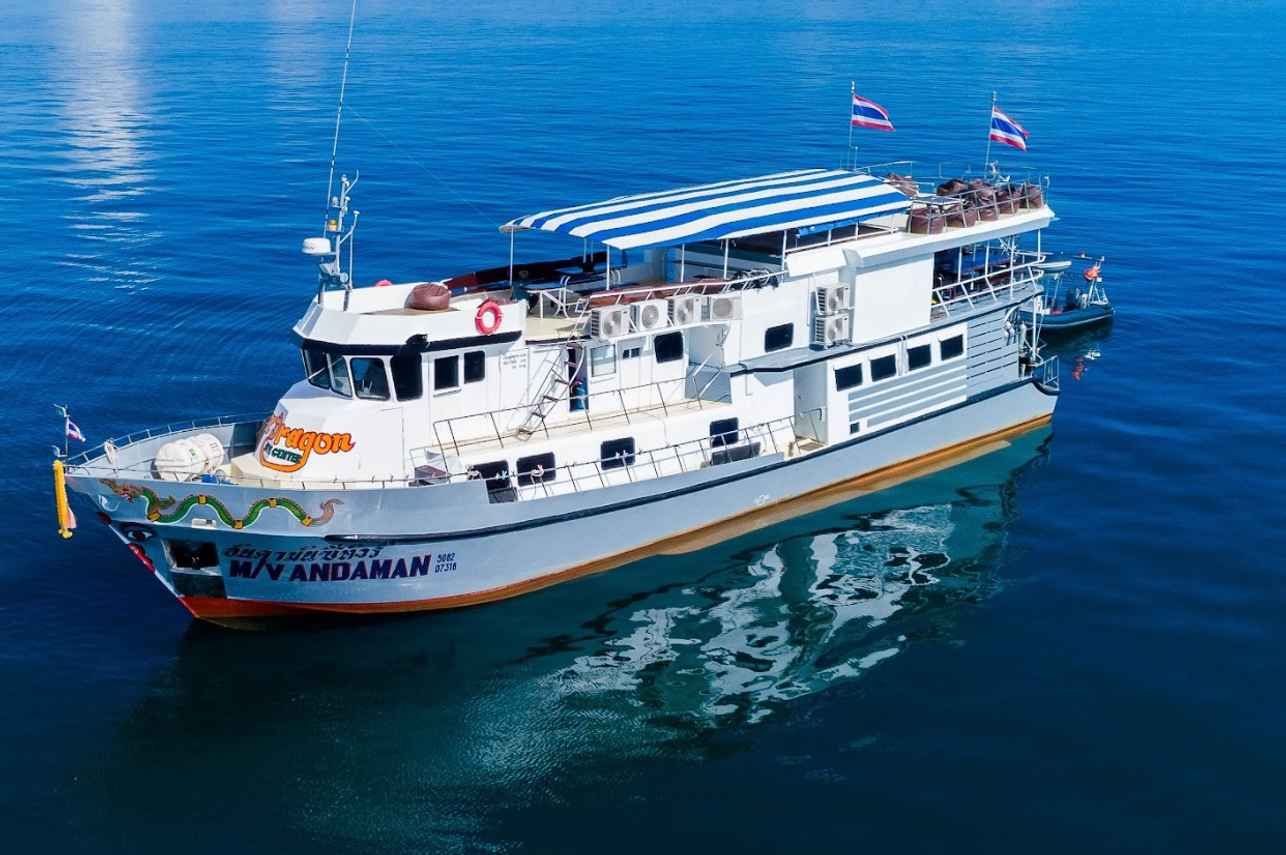
Andaman
Thailand
20 guests26 m
$108/day
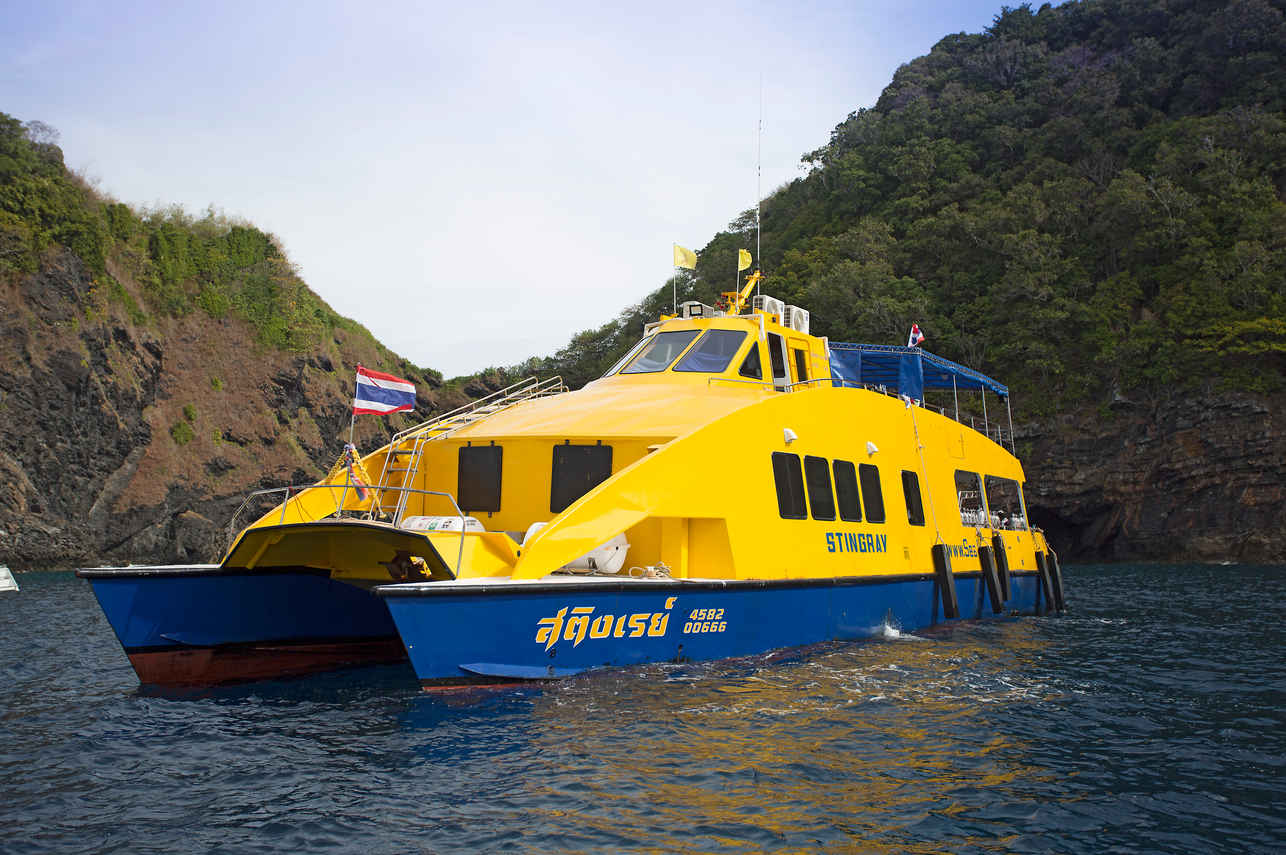
Stingray
Thailand
8 guests24 m
$245/day
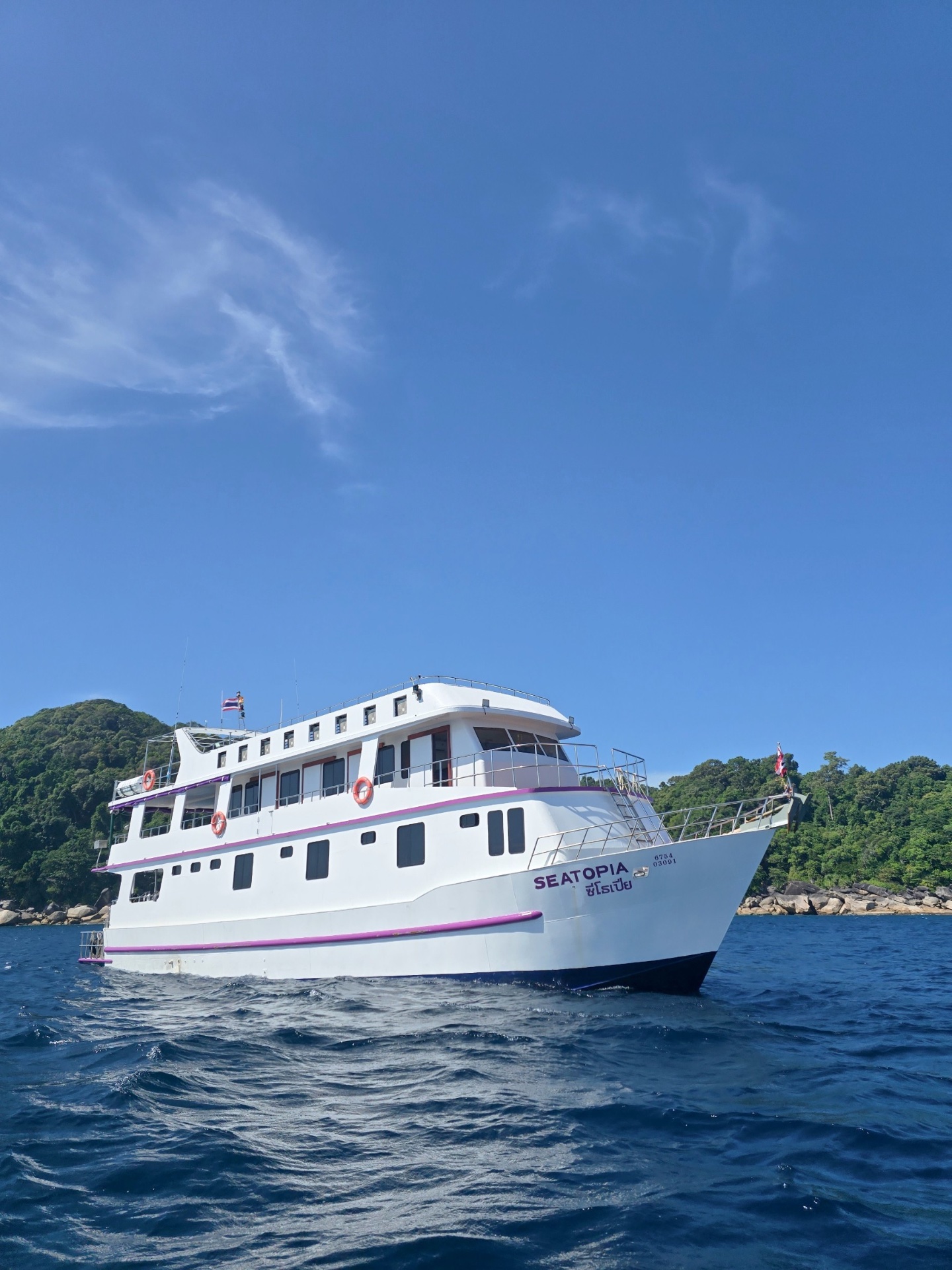
Seatopia
Thailand
24 guests24 m
Dive sites similar to Christmas Point
Same character, same waters — six more sites divers love for the exact same reasons.Compare seasons, access and liveaboard routes — then pick the site that fits your trip best.
Hin Raab is a prominent dive site located in the eastern Gulf of Thailand, near Koh Chang, offering an exceptional underwater experience with its rich coral biodiversity and thriving marine life.
- Suitable for
- Intermediate
- Current
- Moderate
- Access
- Dayboat
- Depth
- 5–22 m
- Theme
- Reef / Pinnacle
© Esri — Maxar, Earthstar, GIS
Koh Tao — Twins
Thailand
Twins, a highly popular dive site near Koh Tao, Thailand, is renowned for its accessibility and rich marine life.
- Suitable for
- Beginner
- Current
- Mild
- Access
- Liveaboard or dayboat
- Depth
- 5–18 m
- Theme
- Pinnacle
© Esri — Maxar, Earthstar, GIS
Southwest Pinnacle
Thailand
Southwest Pinnacle, located approximately 45 minutes by boat from Koh Tao's Mae Haad pier, is a renowned dive site in the Gulf of Thailand.
- Suitable for
- Intermediate
- Current
- Strong
- Access
- Liveaboard or dayboat
- Depth
- 8–26 m
- Theme
- Pinnacle / Wall
© Esri — Maxar, Earthstar, GIS
Hin Luk Bat
Thailand
Hin Luk Bat is a renowned dive site located off the coast of Koh Chang, celebrated for its unique geological formations and abundant marine life.
- Suitable for
- Intermediate
- Current
- Mild
- Access
- Dayboat
- Depth
- 5–25 m
- Theme
- Reef / Pinnacle
© Esri — Maxar, Earthstar, GIS
Shark Point
Thailand
Shark Point, also known as Hin Musang, is a celebrated dive site located midway between Phuket and Phi Phi Islands in the Andaman Sea.
- Suitable for
- Intermediate
- Current
- Strong
- Access
- Liveaboard or dayboat
- Depth
- 5–24 m
- Theme
- Pinnacle
© Esri — Maxar, Earthstar, GIS
Koh Lipe — 8 Mile Rock
Thailand
8 Mile Rock, located approximately 13 kilometers offshore from Koh Lipe in the Tarutao National Marine Park, stands as one of Thailand's most exciting and advanced dive sites.
- Suitable for
- Advanced
- Current
- Strong
- Access
- Liveaboard or dayboat
- Depth
- 18–30 m
- Theme
- Pinnacle