About Surin Islands — Turtle Ledge
Turtle Ledge is a beautiful and shallow reef dive site located within Thailand's Surin Islands National Park. This site is particularly celebrated for its healthy hard coral gardens and a high probability of encountering both green and hawksbill turtles, from which it derives its name. The gentle slope and bright, shallow sections make it an ideal location for divers to observe marine life in comfortable conditions. The topography features a reef flat extending into a gentle slope, offering a comfortable working depth range. Divers can explore extensive coral gardens, vibrant anemones, and interspersed sandy pockets. These varied habitats support a rich biodiversity, making it a rewarding site for close observation of smaller reef inhabitants as well as larger marine species. While the national park is closed during the monsoon season from mid-May to mid-October, the prime diving season from November to April ensures excellent conditions. During these months, the site is teeming with triggerfish, snappers, sweetlips, parrotfish, octopus, and nudibranchs. The clear, warm waters enhance the visibility, allowing for an immersive experience with the thriving ecosystem. Access to Turtle Ledge is exclusively by boat, typically as part of a liveaboard itinerary originating from Khao Lak or Ranong. The dive offers a relaxed profile suitable for various skill levels, focusing on marine observation rather than challenging currents or depths. It stands out as a quintessential Surin Islands dive, embodying the region's natural beauty and rich marine heritage.
Highlights
Abundant hard coral gardensFrequent green and hawksbill turtle sightingsShallow, vibrant reef flatDiverse reef fish populationsRelaxed, gentle slope divePristine anemone fieldsEasy snorkeling opportunities
Season calendar
Best months to dive here
Jan
Feb
Mar
Apr
May
Jun
Jul
Aug
Sep
Oct
Nov
Dec
Excellent
Good
Dive site facts: Surin Islands — Turtle Ledge
- Depth
- 3–25 m
- Current
- Light current, occasional drift
- Water temperature
- 28–29°C
- Entry
- Boat access
- Level
- Beginner
- Dive type
- Reef, Macro, Coral gardens
- Region / port
- Surin Islands, Andaman Sea
- Coordinates
- 9.4234, 97.8567
Conditions & Currents
Turtle Ledge generally experiences light currents, making it an accessible site for divers of varying experience levels. However, occasional light drift can occur, requiring divers to maintain good buoyancy control, especially around the delicate coral gardens. Entry is typically a simple boat entry, followed by a descent onto the shallow reef flat. Visibility is usually good to excellent, often exceeding 20 meters, though local conditions can vary. Water temperatures remain comfortably warm, typically between 28-29°C, even at depth, ensuring a pleasant dive experience. The gentle conditions allow for extended bottom times and detailed exploration of the reef's rich macro and micro life.
Marine life & sighting chances

Green Turtle
common
Hawksbill Turtle
common
Octopus
occasional
Nudibranch
occasional
Triggerfish
common
Snapper
common
Sweetlips
common
Parrotfish
common
Anemonefish
commonDive profile & how the dive runs
Diving Turtle Ledge typically begins with a descent onto a shallow reef flat, rich with hard coral gardens and anemones, where you can immediately encounter turtles. The dive then follows a gentle slope, allowing for a gradual depth progression down to around 25 meters, though the most vibrant reef life is often found in the shallower zones. Divers can explore sandy patches and observe various reef fish, nudibranchs, and octopus. The typical route involves a leisurely drift along the reef, often circling back towards the shallower areas as the dive progresses. Safety stops are comfortably performed in the extensive shallow reef sections, offering continued opportunities for marine life viewing before ascending to the boat.
Underwater photography
Turtle Ledge provides excellent opportunities for wide-angle photography, especially in its vibrant shallow sections. A wide-angle lens is ideal for capturing the extensive hard coral gardens and the full figures of green and hawksbill turtles, which are frequent visitors. For macro enthusiasts, there are plenty of nudibranchs, small reef fish, and anemone residents to capture; a macro lens or close-up filters will be highly effective. Natural light is often sufficient in the shallower areas due to the excellent visibility, but strobes can enhance colors and reduce backscatter, particularly for deeper shots or cloudy days. Maintain impeccable buoyancy to avoid disturbing the pristine corals and to get clear shots of shy subjects. Patience is key for capturing the natural behavior of the resident turtles.
Combine with nearby dive sites
Getting there & logistics
Access to Turtle Ledge is primarily via liveaboard trips departing from Khao Lak or Ranong. These multi-day excursions typically combine dives at the Surin Islands with other sites in the Similan Islands. The closest major airport is Phuket International Airport (HKT), from which transfers to Khao Lak are arranged. Typical trip lengths range from 3 to 7 nights, with varying itineraries that include multiple dives per day. National park fees are applicable and usually included in liveaboard packages. It is important to book well in advance, especially during peak season (November to April), as the Surin Islands National Park is closed from mid-May to mid-October.
Safety & environment
Diving at Turtle Ledge, while generally considered beginner-friendly due to mild currents, still requires adherence to standard safety protocols. All divers should ensure they have adequate dive insurance that covers emergency evacuation and recompression chamber treatments, as the nearest recompression chambers are in Phuket, requiring significant travel time. Buoyancy control is paramount to protect the delicate coral formations and to avoid accidental contact with marine life. Divers should always follow their dive guide's instructions and maintain a safe distance from all marine creatures, especially turtles. The site is part of a national park, so specific conduct rules regarding marine protection must be observed.
Who it suits — and who it doesn't
Suited for
- Beginner divers
- Snorkelers
- Underwater photographers
- Marine life enthusiasts
- Divers seeking relaxed dives
Less suited for
- Advanced divers seeking strong currents
- Technical divers
- Divers focused solely on pelagic encounters
- Those who prefer shore dives
FAQ
Surin Islands — Turtle Ledge FAQ
What marine life can I expect to see at Turtle Ledge?
Turtle Ledge is renowned for frequent sightings of green and hawksbill turtles, which are the inspiration for its name. You can also expect to encounter a vibrant array of reef fish, including triggerfish, snappers, sweetlips, and parrotfish. Macro life such as nudibranchs and octopus are also commonly observed in the coral gardens and sandy patches.
Is Turtle Ledge suitable for beginner divers?
Yes, Turtle Ledge is highly suitable for beginner divers due to its shallow depth range and generally light currents. The site features a gentle slope and a comfortable working band, allowing new divers to enjoy the rich marine life without challenging conditions. It's also an excellent spot for snorkeling.
When is the best time to visit Turtle Ledge?
The optimal time to visit Turtle Ledge is during the dry season, from November to April. This period offers the best visibility and warmest water temperatures, providing ideal conditions for diving and marine life observation. The Surin Islands National Park, where Turtle Ledge is located, is closed from mid-May to mid-October.
How do I get to Turtle Ledge?
Turtle Ledge is only accessible by boat, typically as part of a liveaboard trip. These liveaboards usually depart from Khao Lak or Ranong and combine the Surin Islands with other dive sites in the Similan Islands. The trips range from 3 to 7 nights and include multiple dives per day.
What are the typical diving conditions at Turtle Ledge?
Diving conditions at Turtle Ledge are generally favorable, with light currents and excellent visibility often exceeding 20 meters. Water temperatures consistently hover around 28-29°C. The site offers a gentle slope and extensive hard coral gardens, making for a relaxed and visually rewarding dive experience.
Why dive Surin Islands — Turtle Ledge from a liveaboard?
Surin Islands — Turtle Ledge is one of Thailand's signature dive sites. A liveaboard sleeps you on the water and puts you in the water for three to four guided dives per day, including dawn and night dives that day-boat operators rarely offer. You skip the daily commute back to port and reach quieter, less-crowded sites in the same region on a single trip.
Below are the liveaboards that include Surin Islands — Turtle Ledge on their Thailand itineraries.
Liveaboards diving Surin Islands — Turtle Ledge
These liveaboards may visit Surin Islands — Turtle Ledge on selected itineraries — the exact dive sites depend on departure, weather and conditions.
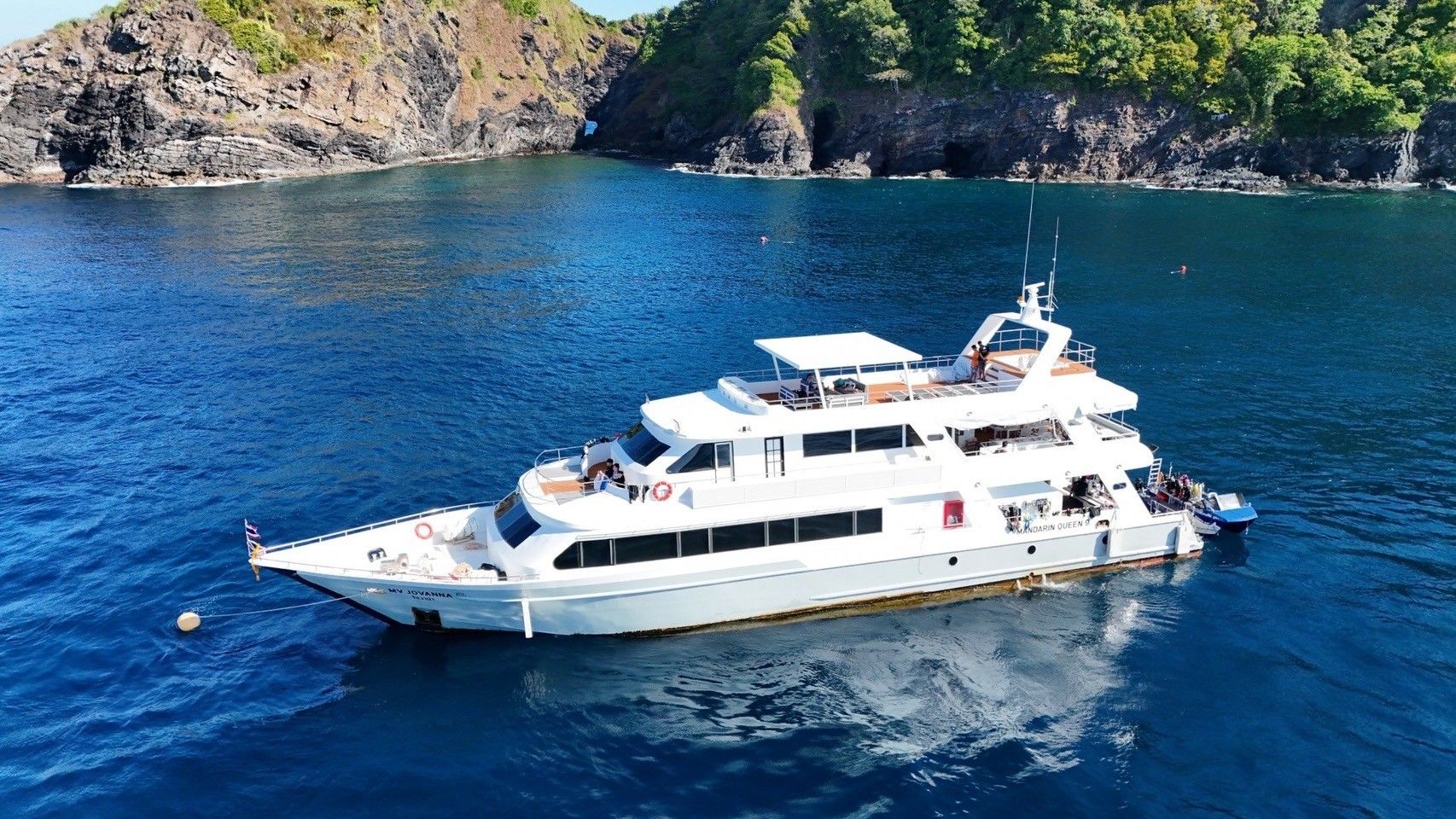
Mandarin Queen 9
Thailand
26 guests37.5 m
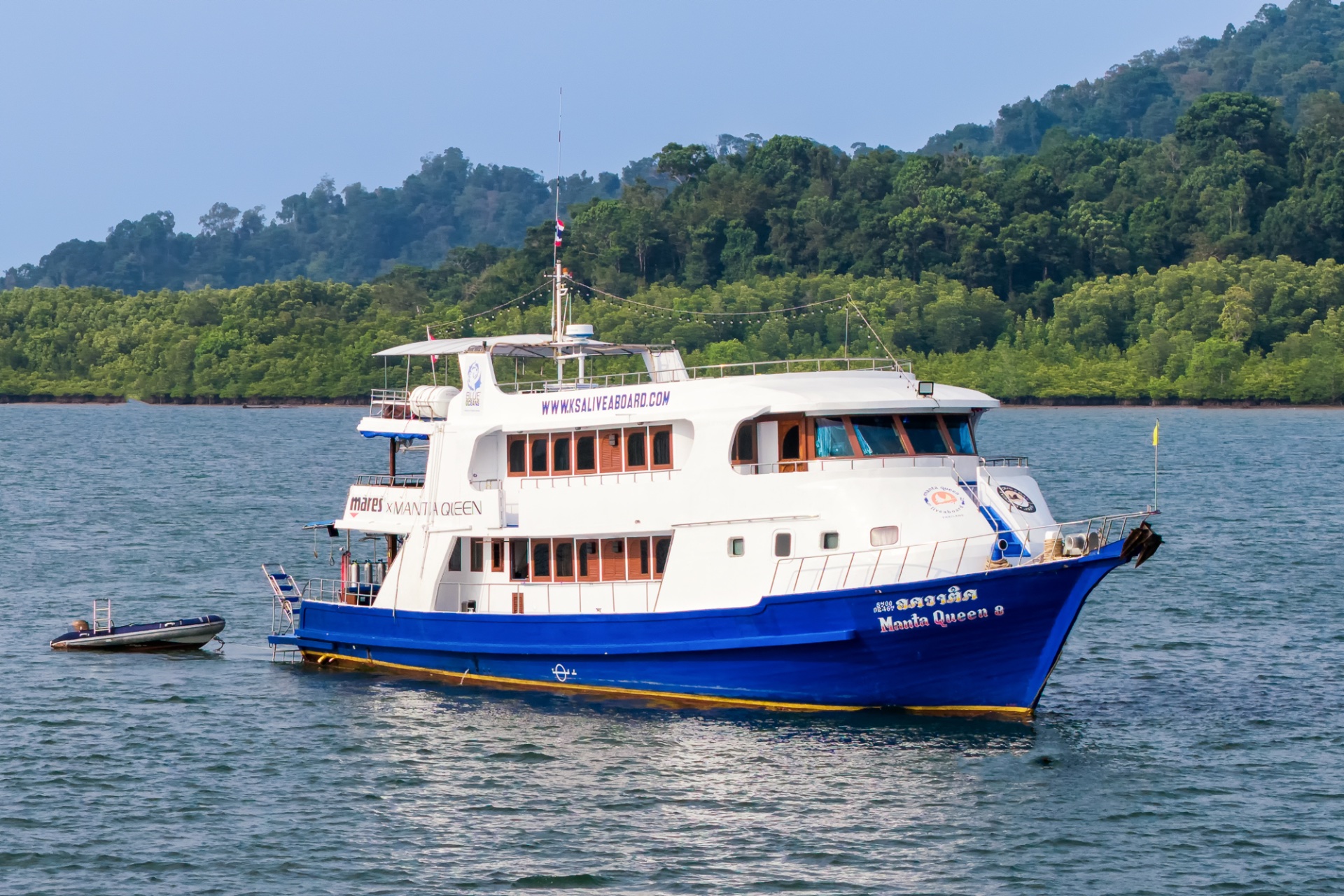
Manta Queen 8
Thailand
24 guests
$127/day
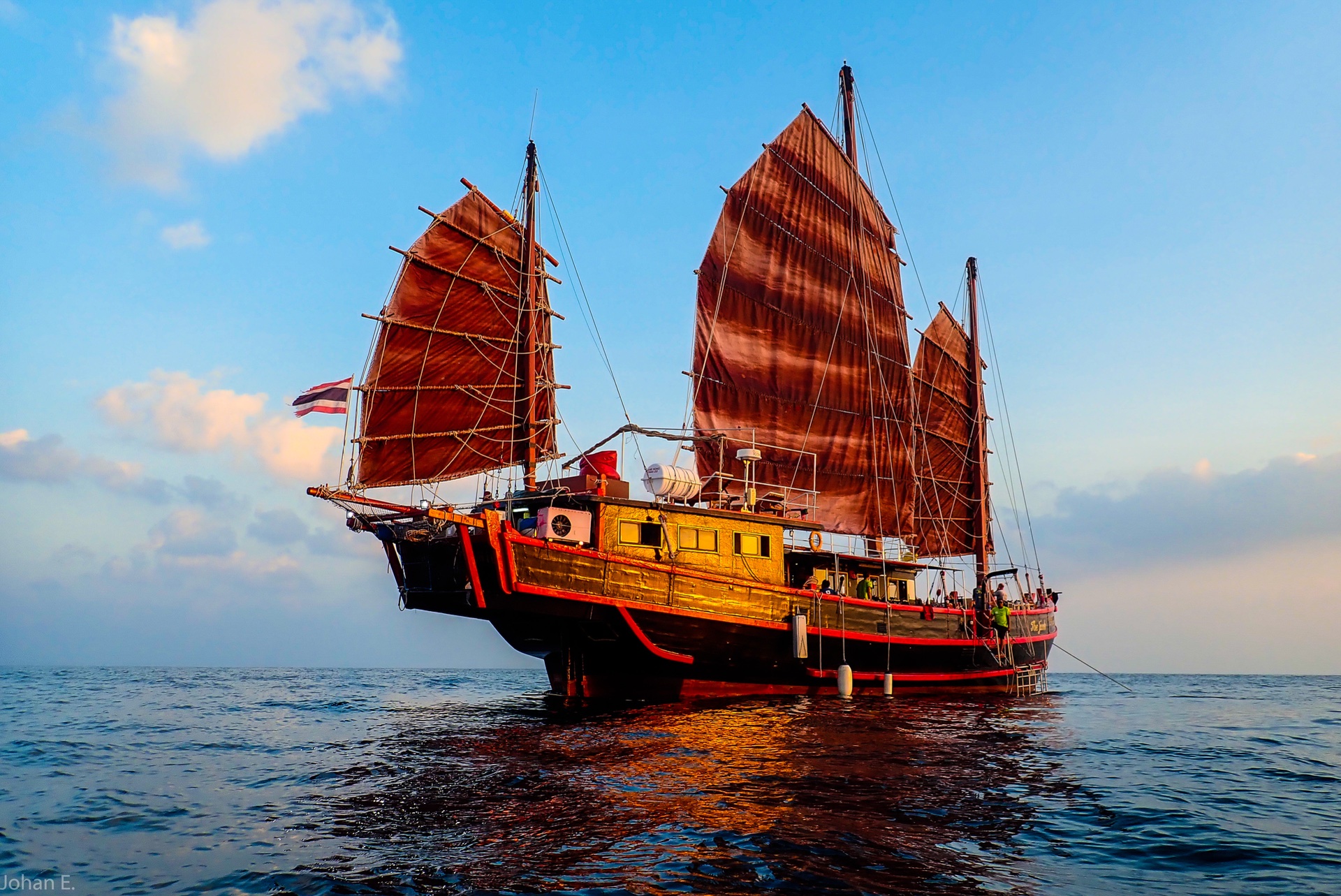
The Junk
Thailand
18 guests33 m
$163/day
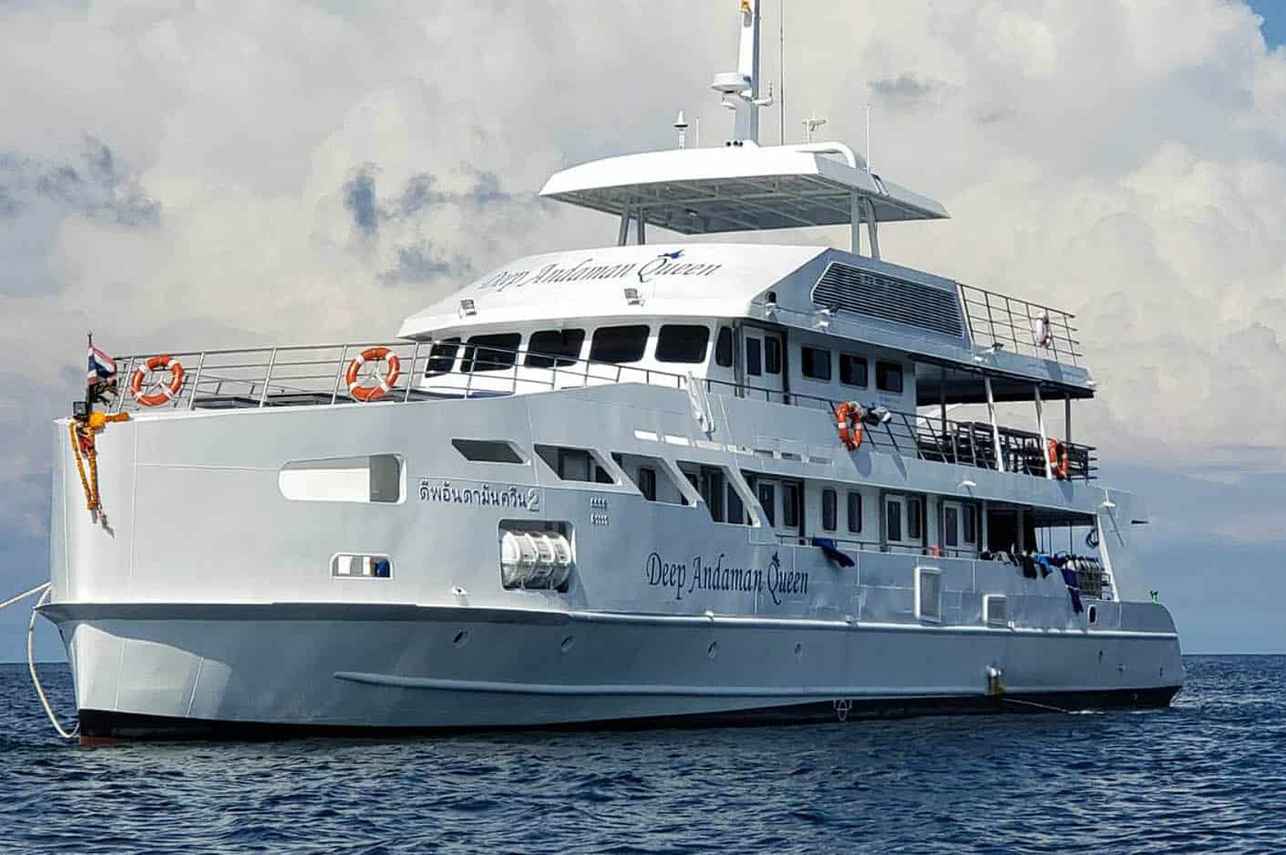
Deep Andaman Queen
Thailand
23 guests30.5 m
$194/day
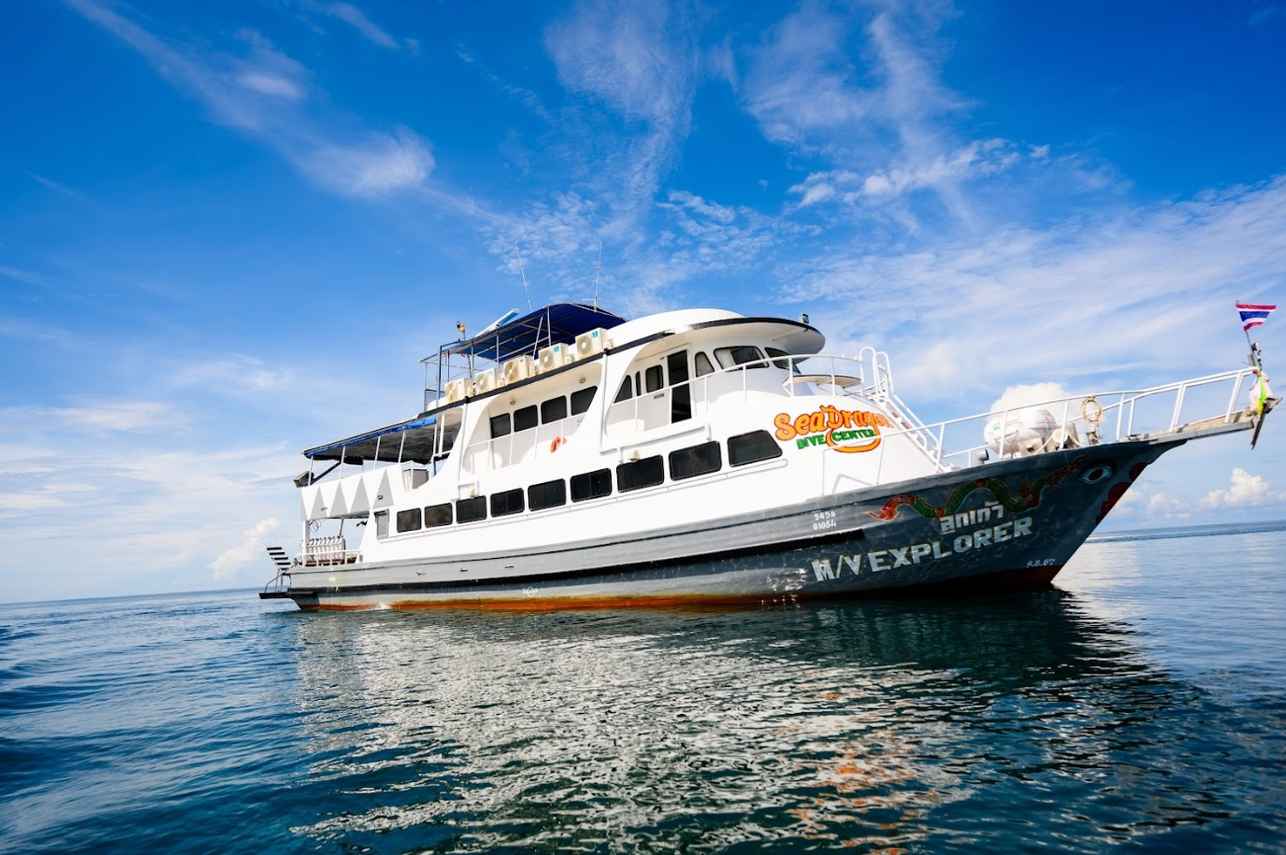
Explorer
Thailand
16 guests25 m
$150/day
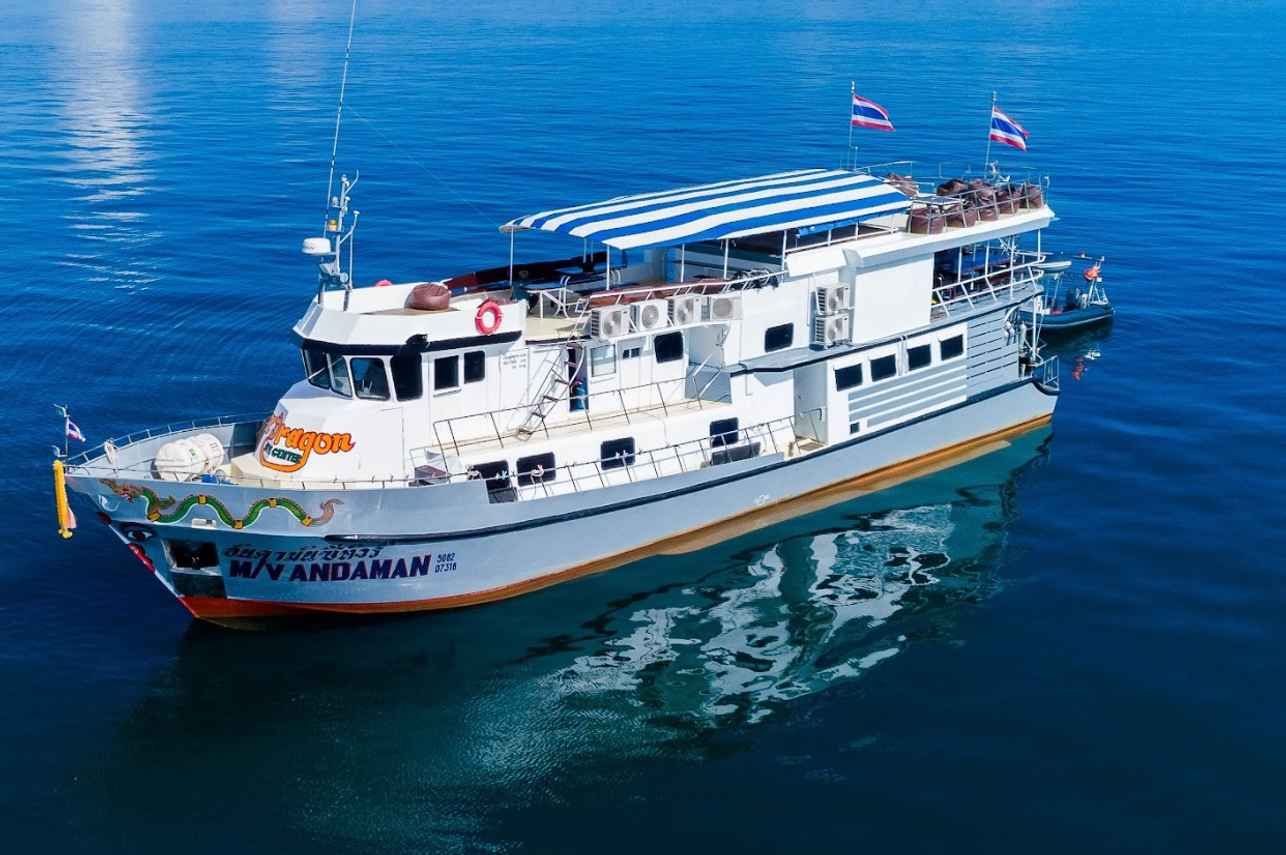
Andaman
Thailand
20 guests26 m
$108/day
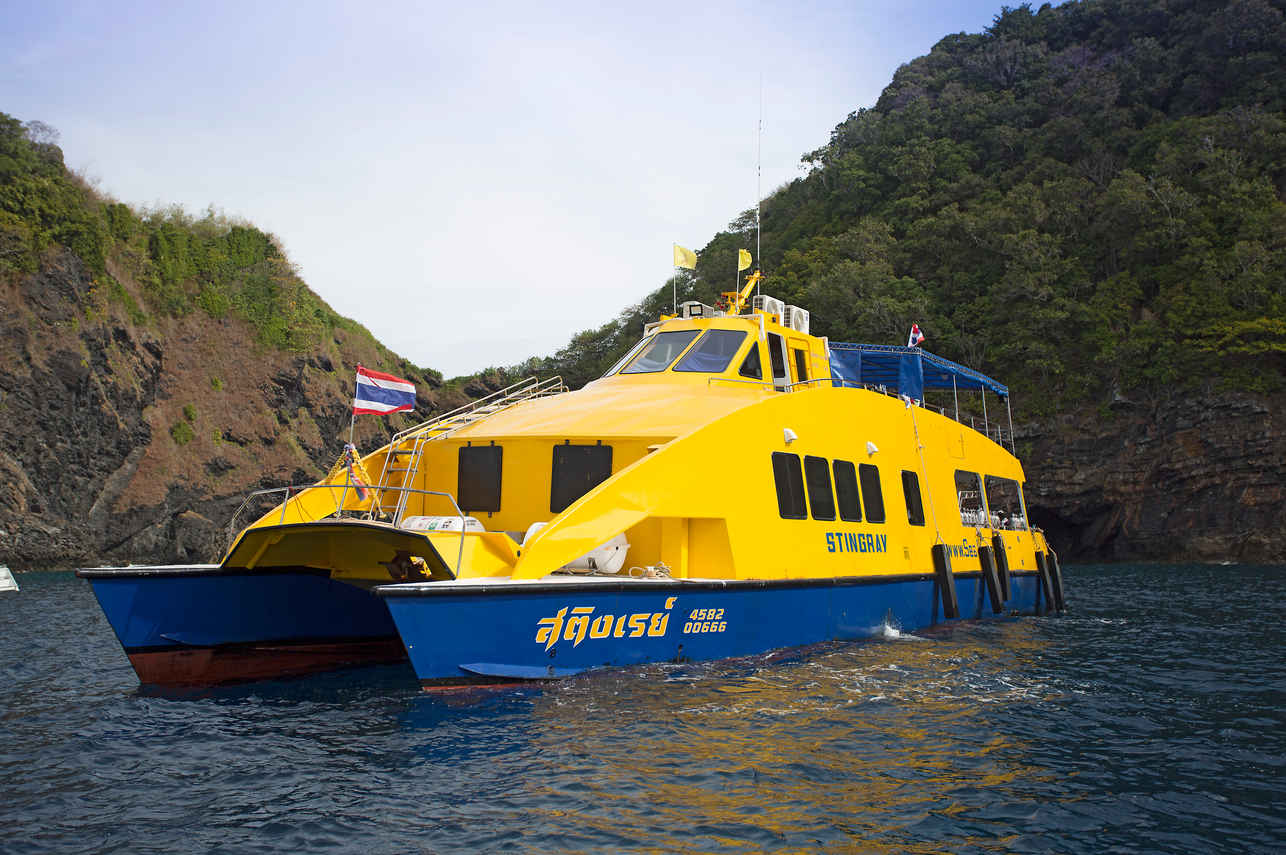
Stingray
Thailand
8 guests24 m
$245/day
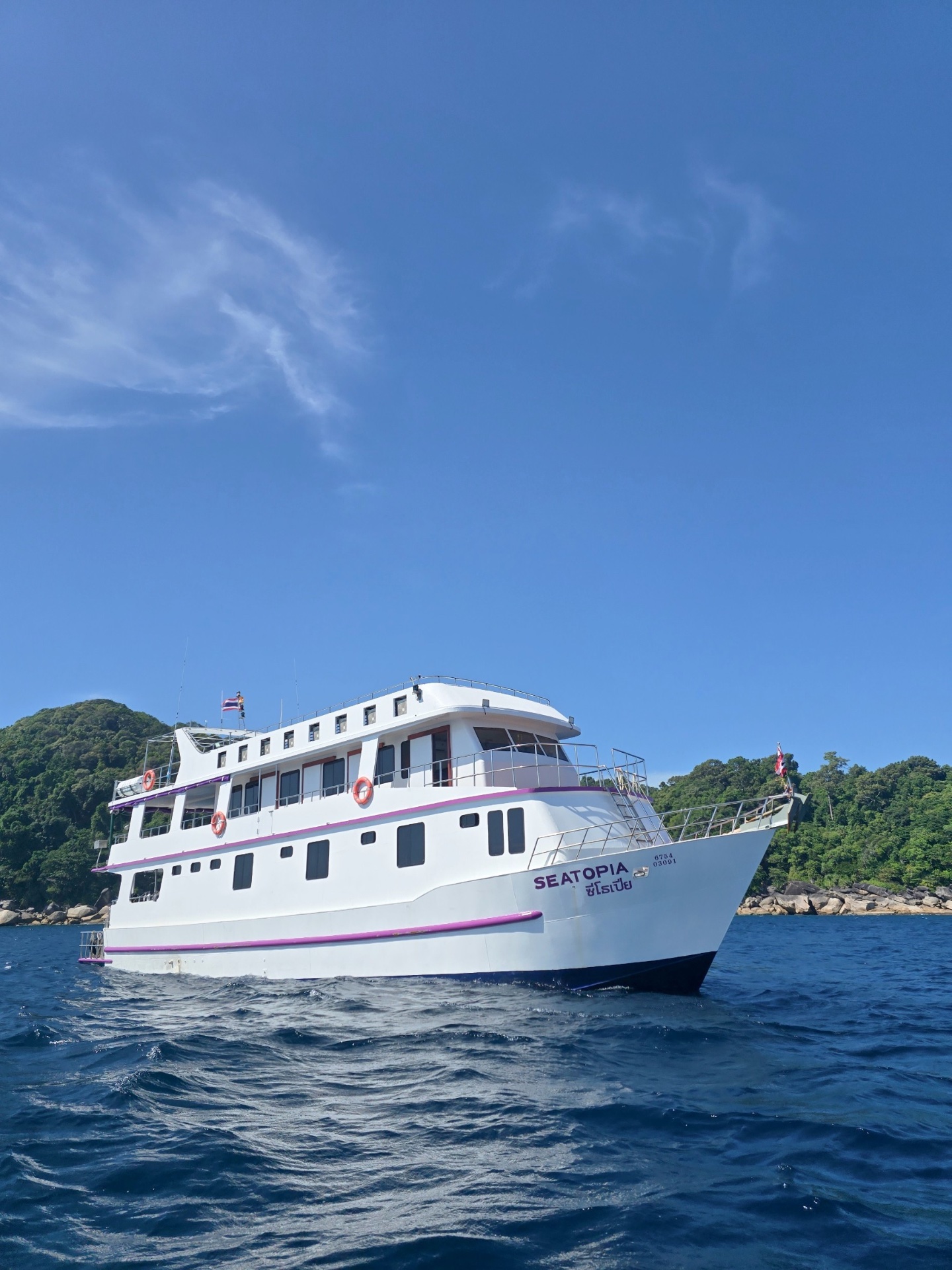
Seatopia
Thailand
24 guests24 m
Dive sites similar to Surin Islands — Turtle Ledge
Same character, same waters — six more sites divers love for the exact same reasons.Compare seasons, access and liveaboard routes — then pick the site that fits your trip best.
Hin Raab is a prominent dive site located in the eastern Gulf of Thailand, near Koh Chang, offering an exceptional underwater experience with its rich coral biodiversity and thriving marine life.
- Suitable for
- Intermediate
- Current
- Moderate
- Access
- Dayboat
- Depth
- 5–22 m
- Theme
- Reef / Pinnacle
© Esri — Maxar, Earthstar, GIS
Koh Haa — Lagoon
Thailand
Koh Haa Lagoon is a picturesque and protected dive site formed by islands #2, #3, and #4 of the Koh Haa archipelago, approximately 1.45 hours by boat from Koh Lanta.
- Suitable for
- Beginner
- Current
- Moderate
- Access
- Liveaboard or dayboat
- Depth
- 2–25 m
- Theme
- Reef / Wall
© Esri — Maxar, Earthstar, GIS
Secret Reef
Thailand
Secret Reef, nestled adjacent to Hin Raab South, is a captivating dive site close to Koh Chang, forming a unified, diverse underwater ecosystem.
- Suitable for
- Beginner
- Current
- Mild
- Access
- Dayboat
- Depth
- 5–12 m
- Theme
- Reef
© Esri — Maxar, Earthstar, GIS
Turtle Rock (Similan)
Thailand
Turtle Rock is a renowned dive site nestled within the Similan Islands, situated on the western side of Island 8. This location is particularly notable for its distinctive rock…
- Suitable for
- Beginner
- Current
- Mild
- Access
- Liveaboard only
- Depth
- 5–30 m
- Theme
- Reef
Koh Taru is a notable dive site located off Koh Lipe, close to Thailand's southern border with Malaysia, within the protected waters of Tarutao National Marine Park.
- Suitable for
- Beginner
- Current
- Mild
- Access
- Dayboat
- Depth
- 5–18 m
- Theme
- Reef / Drift
© Esri — Maxar, Earthstar, GIS
Hin Tai Nam (Blueberry Hill)
Thailand
Hin Tai Nam, often called Blueberry Hill, is a welcoming dive site located near Koh Chang in the eastern Gulf of Thailand.
- Suitable for
- Beginner
- Current
- Mild
- Access
- Dayboat
- Depth
- 5–18 m
- Theme
- Reef