About Hin Daeng
Hin Daeng, meaning "Red Rock" in Thai, is a world-renowned dive site situated in the Mu Koh Lanta National Park, approximately 55 km south of Koh Lanta. It is widely regarded as one of the premier diving destinations in Thailand, particularly noted for its potential sightings of large pelagic species such as manta rays and whale sharks. The site is a submerged pinnacle, with only three small rock outcrops visible above the surface. Below the water, it plunges dramatically to a sandy bottom at depths exceeding 40 meters, forming a vast underwater mountain. The name "Red Rock" comes from the extensive covering of healthy red soft corals that adorn its slopes and walls, creating a striking visual spectacle. Nutrient-rich waters surrounding Hin Daeng attract a diverse array of marine life. Beyond the impressive pelagics, divers can expect to see abundant schools of barracuda, trevallies, and fusiliers, alongside a healthy reef ecosystem populated by triggerfish, unicornfish, angelfish, butterflyfish, and various moray eels. Macro life, including nudibranchs and ghost pipefish, also thrives in its crevices. Diving Hin Daeng typically involves strong currents and significant depths, making it best suited for experienced divers. Liveaboard trips from Phuket or day trips from Koh Lanta are common, with speedboats offering the quickest access. Divers can explore extensive coral walls, reef slopes, and channels, always keeping an eye on the blue for passing giants.
Highlights
Manta ray cleaning stationWhale shark encountersVibrant red soft coralsDeep pinnacle structureSchools of pelagic fishDiverse macro lifeDramatic underwater wallsExcellent visibility
Season calendar
Best months to dive here
Jan
Feb
Mar
Apr
May
Jun
Jul
Aug
Sep
Oct
Nov
Dec
Good
Dive site facts: Hin Daeng
- Depth
- 0-50 m
- Typical dive
- 12-30 m, 50-60 min
- Current
- Moderate to strong
- Visibility
- 15-30 m
- Water temperature
- 27-30°C
- Entry
- Negative entry / liveaboard tender
- Level
- Advanced, current experience essential
- Dive type
- Pinnacle, wall, drift
- Night dive
- Not commonly offered
- Region / port
- Mu Koh Lanta National Park / Southern Andaman Sea
- Coordinates
- 7.1345, 98.9567
Conditions & Currents
Hin Daeng is an exposed site in open seas where currents can range from moderate to strong, making it a challenging dive suitable for experienced divers. The pinnacle structure can accelerate water flow over its upper surfaces, and divers should be prepared for drift diving conditions. While there are sheltered areas on the leeward side of the rocks, much of the action occurs in the currents, which also contribute to the abundance of pelagic life. Divers need to plan their entry and exit carefully, often involving negative entries to quickly descend to the reef. Surface conditions can also be choppy, requiring quick transitions onto or off the boat. Visibility is generally good, often 15-30 meters, but can decrease if plankton blooms, which also attracts large pelagics.
Marine life & sighting chances

Manta Ray
March-April · occasional
Whale Shark
February-April · rare
Leopard Shark
occasional
Grey Reef Shark
occasional
Barracuda
common
Giant Moray Eel
common
Redtooth Triggerfish
common
Unicornfish
common
Angelfish
common
Butterflyfish
common
Fusilier
common
Ghost Pipefish
occasional
Nudibranch
occasionalDive profile & how the dive runs
Diving Hin Daeng typically begins with a negative entry, as the currents can be strong, requiring a quick descent to the main pinnacle. You'll typically start on the western side, exploring the impressive wall covered in red soft corals. The dive usually progresses by drifting along the long rocky wall that extends from the west to the south side, maintaining depths between 15-30 meters to maximize bottom time. Keep an eye on the blue water for pelagic sightings. For the second half of the dive, transition to the east and northeast sides, which feature a reef slope with hard corals and smaller pinnacles. Your turn point will depend on air consumption and the current strength, but it's important to be aware of the boat's location for pick-up. The safety stop can be conducted in shallower areas around 5-8 meters where hard corals provide shelter and a chance to observe smaller reef fish, before surfacing away from the main rock to meet the dive boat.
Underwater photography
Hin Daeng offers fantastic photographic opportunities for both wide-angle and macro enthusiasts, but strong currents demand excellent buoyancy control. For wide-angle shots, a fisheye or wide-angle lens is ideal to capture the expansive soft coral walls and the dramatic seascape. When pelagics like manta rays or whale sharks appear, be ready to capture their majestic presence against the blue. Consider using strobes to bring out the vibrant red hues of the soft corals, as natural light diminishes quickly at depth. For macro photography, focus on the abundant nudibranchs, ghost pipefish, and various small reef inhabitants found in sheltered crevices along the walls and slopes. Due to potential currents, secure your camera setup and be mindful of other divers to avoid accidental contact. Patience is key, especially when waiting for shy subjects or perfect pelagic encounters.
Combine with nearby dive sites
- Hin Muang
Connected by a deep ridge, renowned for purple corals and large pelagics
- Koh Haa — The Chimney
Features unique swim-throughs and a rich lagoon
- Koh Phi Phi — Bida Nok
Offers impressive reef formations and diverse marine life
- Koh Phi Phi — Bida Nai
Known for caves, caverns, and healthy coral gardens
Getting there & logistics
Access to Hin Daeng is primarily from Koh Lanta, Phuket, or via liveaboards operating in the Southern Andaman Sea. From Koh Lanta, speedboats offer the shortest journey times, typically departing for day trips that include multiple dives. From Phuket, it's a longer day trip, often requiring a private group charter due to the 100 km distance. Liveaboards provide the most convenient option, often combining Hin Daeng and Hin Muang with other sites like Koh Haa and the Phi Phi Islands into multi-day itineraries. The closest international airport is Krabi International Airport (KBV) for Koh Lanta, or Phuket International Airport (HKT) for Phuket departures. Hin Daeng is located within the Mu Koh Lanta National Park, and park fees are typically included in dive trip costs.
Safety & environment
Diving Hin Daeng requires careful consideration of safety due to its exposed location and potentially strong currents. Divers should have recent experience with deeper dives and current conditions. Always dive with an experienced guide and maintain excellent buoyancy. It's crucial to stay close to your dive group and use surface marker buoys for visibility during ascent and after surfacing, as boat traffic can be present. The nearest recompression chamber is located in Phuket, highlighting the importance of comprehensive dive insurance that covers emergency medical evacuation. Divers should be physically fit and well-rested. Always perform a thorough buddy check and ensure all equipment is in excellent working order.
Who it suits — and who it doesn't
Suited for
- Experienced divers comfortable with currents
- Advanced Open Water certified divers
- Underwater photographers seeking pelagic and macro subjects
- Divers looking for rich coral ecosystems
- Those interested in whale shark and manta ray sightings
Less suited for
- Newly certified Open Water divers
- Divers without recent current diving experience
- Individuals prone to seasickness in choppy conditions
- Divers seeking very shallow or calm reef experiences
- Beginners or those with poor buoyancy control
FAQ
Hin Daeng FAQ
What is the best time of year to dive Hin Daeng?
The prime diving season for Hin Daeng runs from November to April. During these months, the weather is typically calm, visibility is at its best, and there's a higher chance of encountering the site's famous manta rays and whale sharks. While diving is possible outside this period, conditions can be more challenging with stronger winds and choppier seas.
How deep is Hin Daeng and is it suitable for all divers?
Hin Daeng is a deep pinnacle dive site, reaching depths of over 40-50 meters to the sandy bottom, with shallower areas around 5-8 meters. Due to potentially strong currents and the significant depths, it is primarily recommended for experienced and Advanced Open Water certified divers. Beginners or those without recent experience in strong currents may find the conditions too challenging.
What kind of marine life can I expect to see at Hin Daeng?
Hin Daeng is famous for its large pelagic visitors, including manta rays and occasional whale sharks, particularly from February to April. You can also spot leopard sharks and grey reef sharks. The site teems with schools of barracuda, trevally, and fusiliers, alongside a diverse reef population of triggerfish, angelfish, and various moray eels. Macro life such as nudibranchs and ghost pipefish are also present.
Are Hin Daeng and Hin Muang close to each other?
Yes, Hin Daeng and Hin Muang are twin dive sites located in close proximity. They are actually connected by a long ridge approximately 40 meters deep, effectively forming one extended dive area. Dives are often planned to visit both sites as part of the same trip due to their geographical closeness and similar marine environment.
How do I get to Hin Daeng?
The most common ways to reach Hin Daeng are via day trips by speedboat from Koh Lanta, which offers the shortest travel time. You can also visit as part of a liveaboard itinerary from Phuket or other southern Thai ports, which often combine Hin Daeng with other excellent dive sites in the region. Day trips from Phuket are longer due to the distance.
What kind of corals are found at Hin Daeng?
Hin Daeng is renowned for its spectacular soft coral growth, particularly vibrant red soft corals which give the site its name. These are interspersed with various species of hard corals like staghorn, brain, and table corals, which form the structural backbone of the reef. The rich coral formations provide vital habitat and food sources for a multitude of marine species.
Why dive Hin Daeng from a liveaboard?
Hin Daeng is one of Thailand's signature dive sites. A liveaboard sleeps you on the water and puts you in the water for three to four guided dives per day, including dawn and night dives that day-boat operators rarely offer. You skip the daily commute back to port and reach quieter, less-crowded sites in the same region on a single trip.
Below are the liveaboards that include Hin Daeng on their Thailand itineraries.
Liveaboards diving Hin Daeng
These liveaboards may visit Hin Daeng on selected itineraries — the exact dive sites depend on departure, weather and conditions.
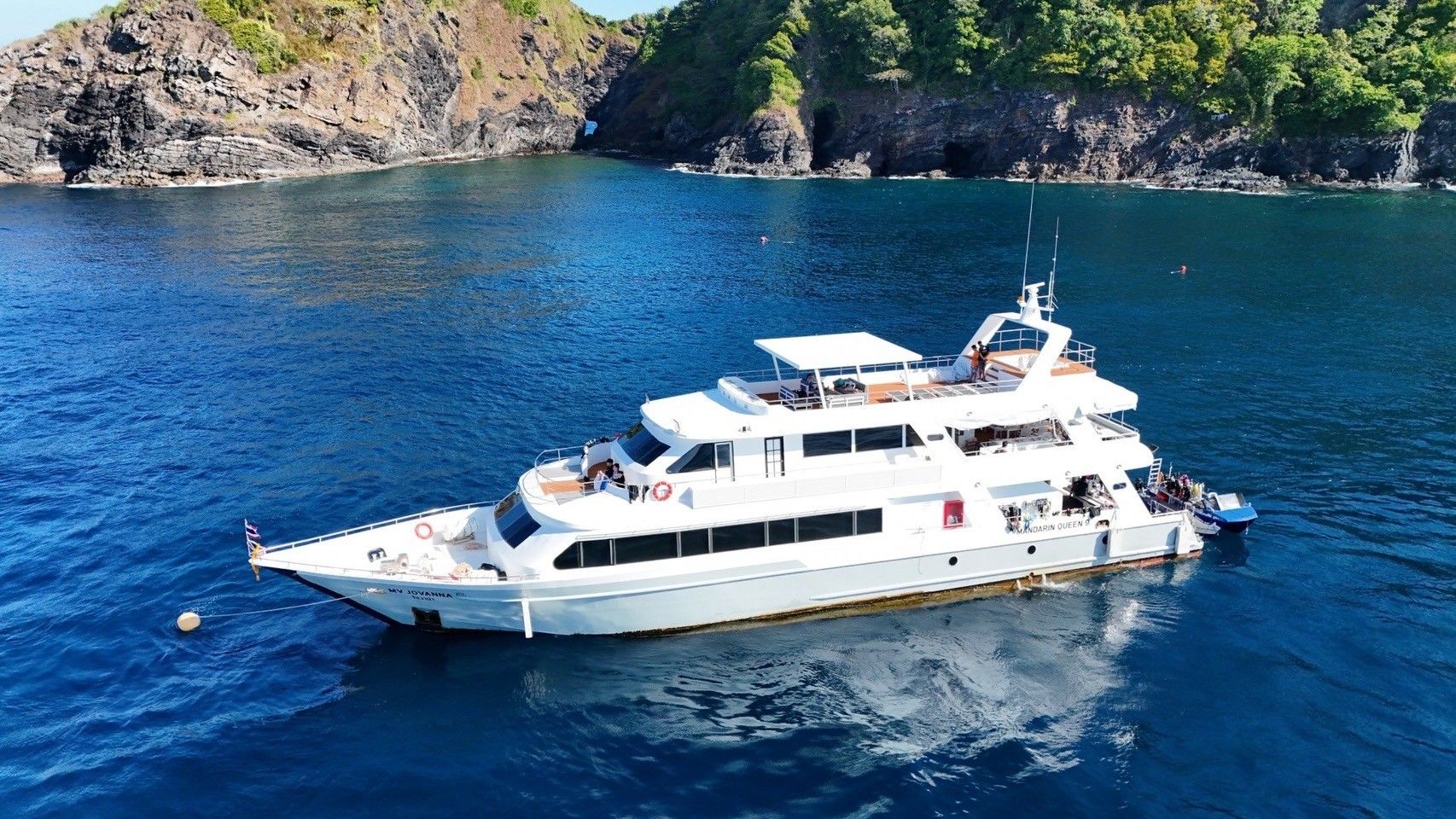
Mandarin Queen 9
Thailand
26 guests37.5 m
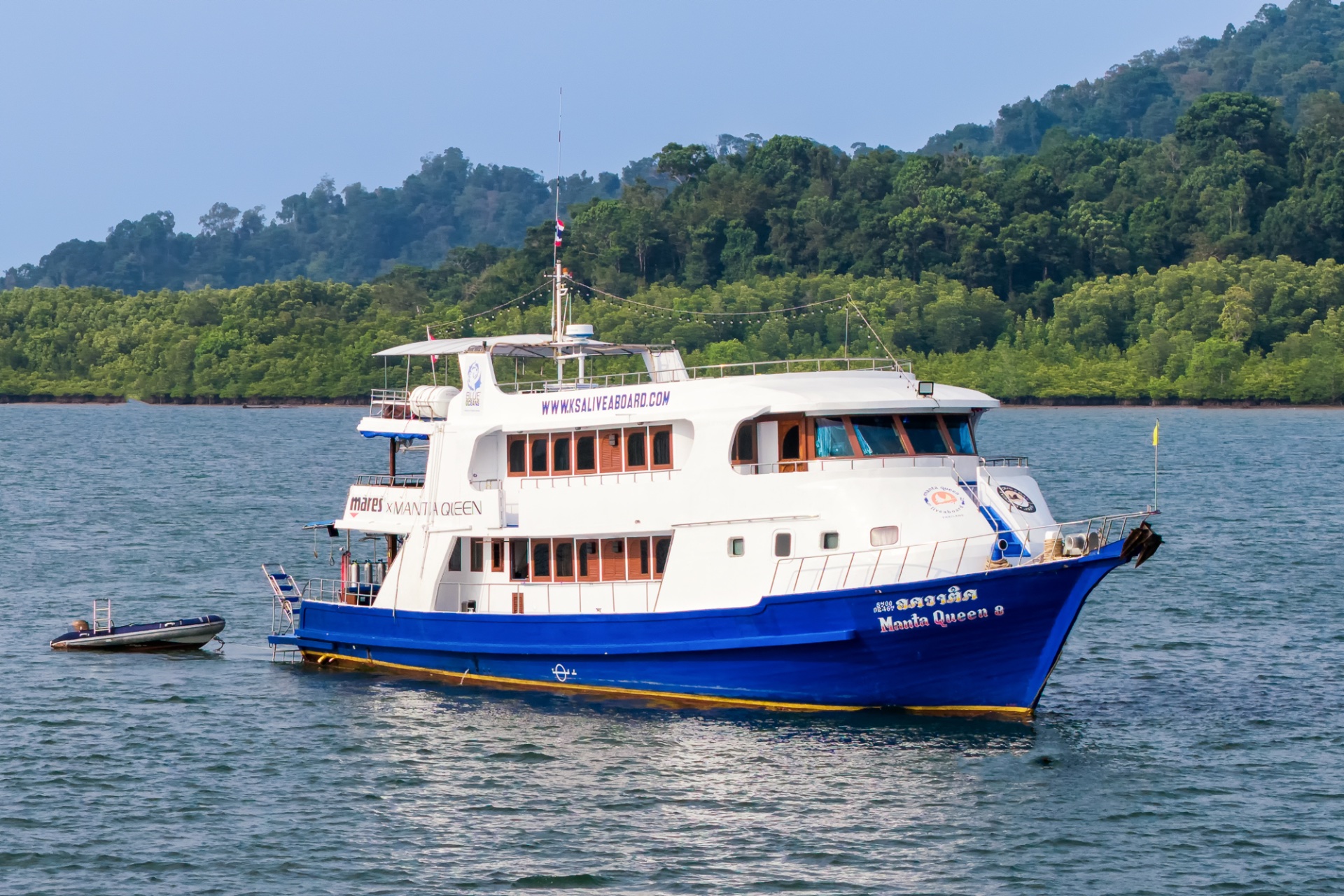
Manta Queen 8
Thailand
24 guests
$127/day
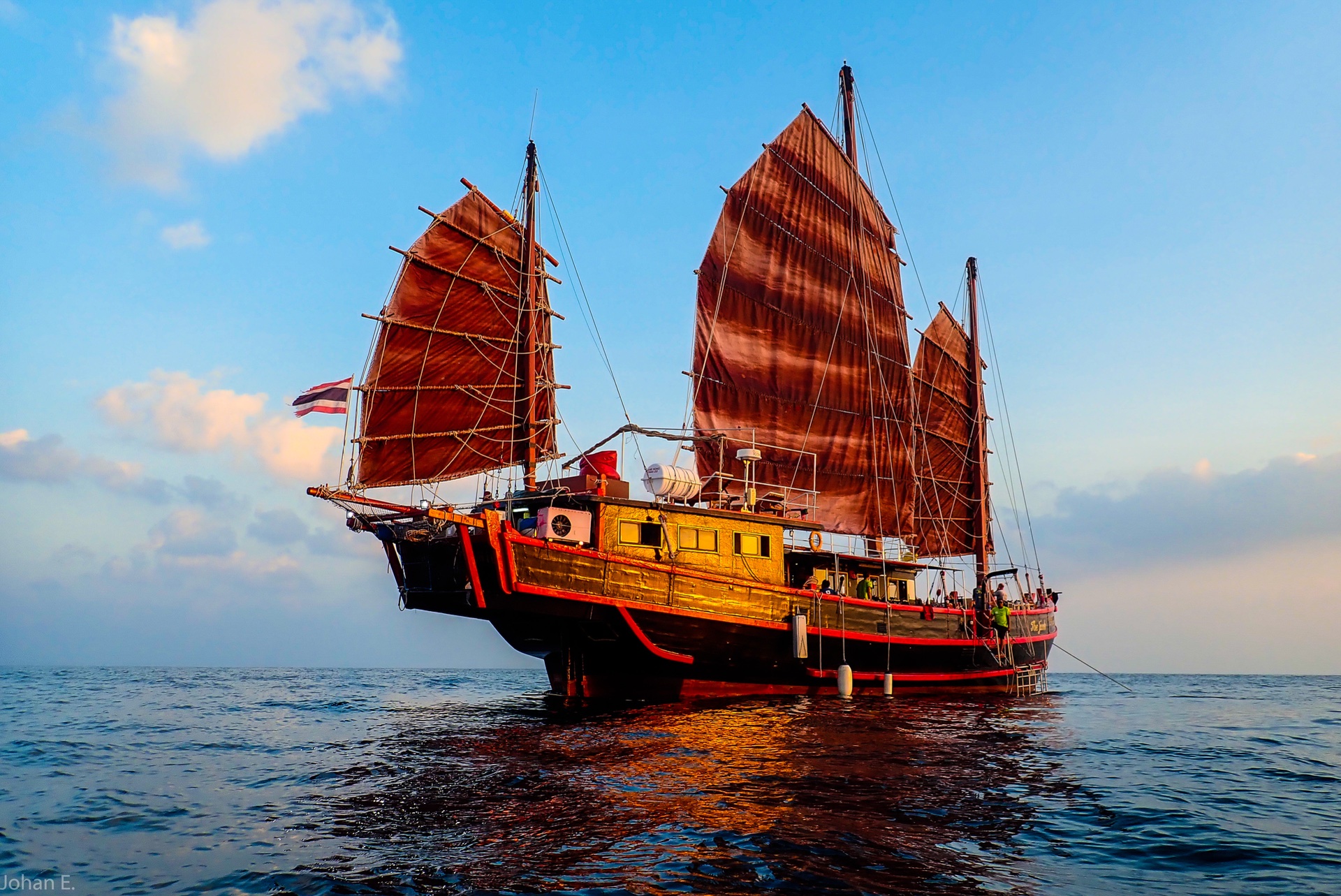
The Junk
Thailand
18 guests33 m
$163/day
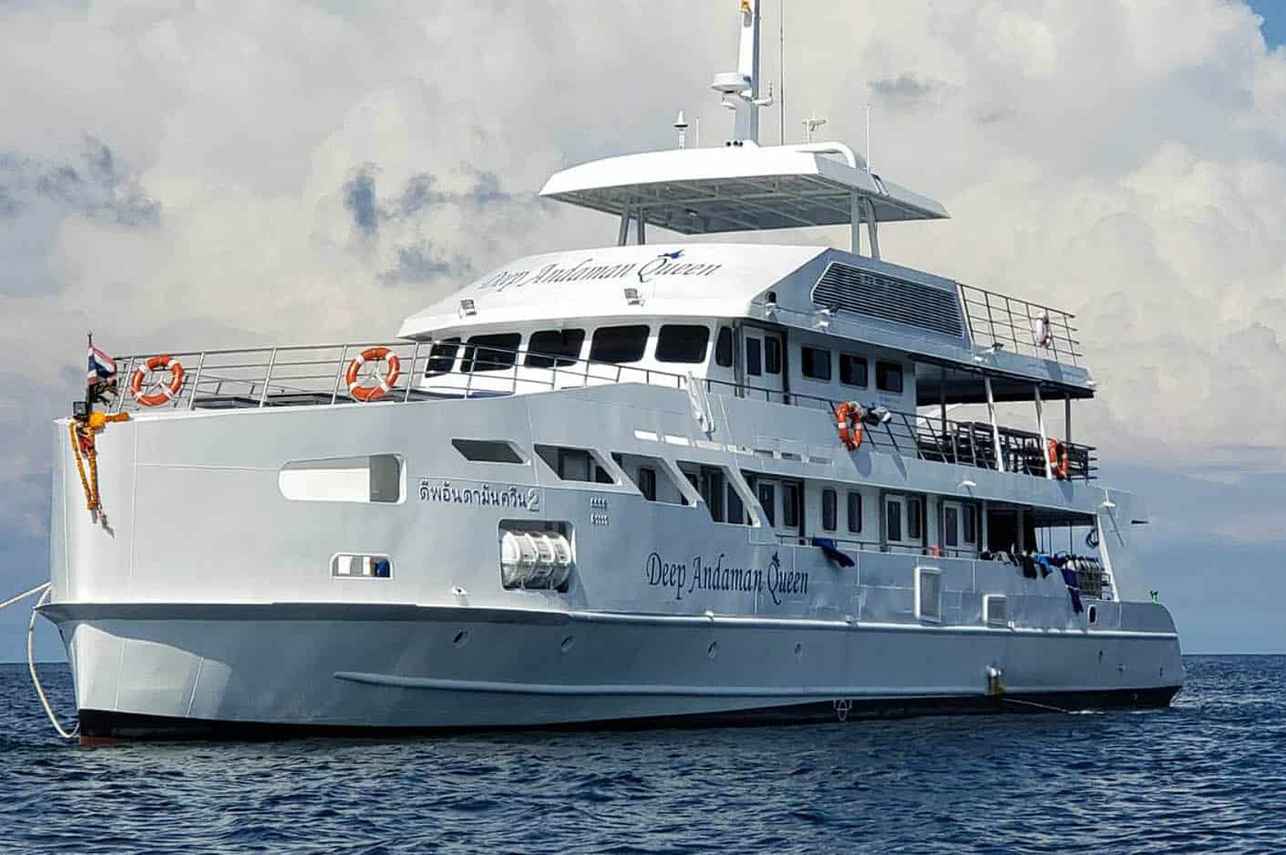
Deep Andaman Queen
Thailand
23 guests30.5 m
$194/day
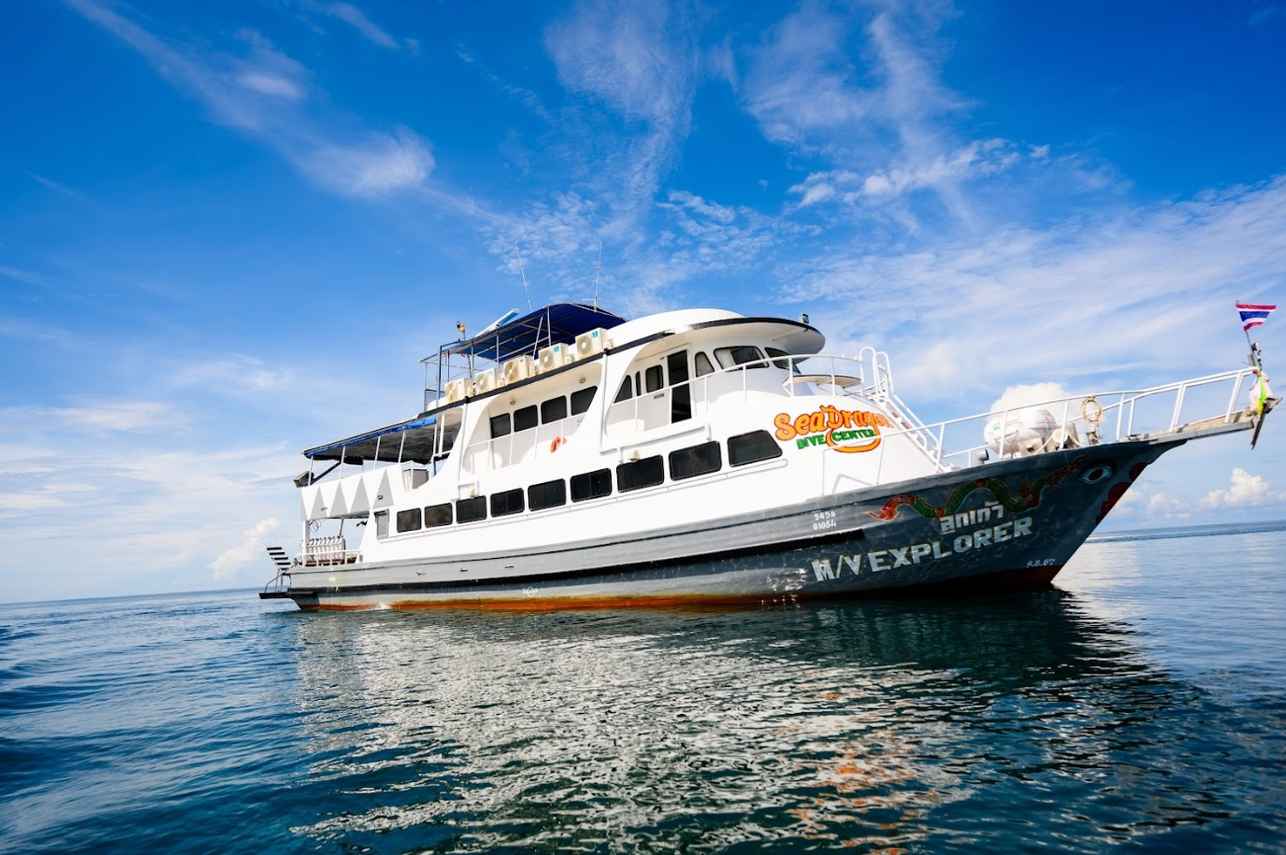
Explorer
Thailand
16 guests25 m
$150/day
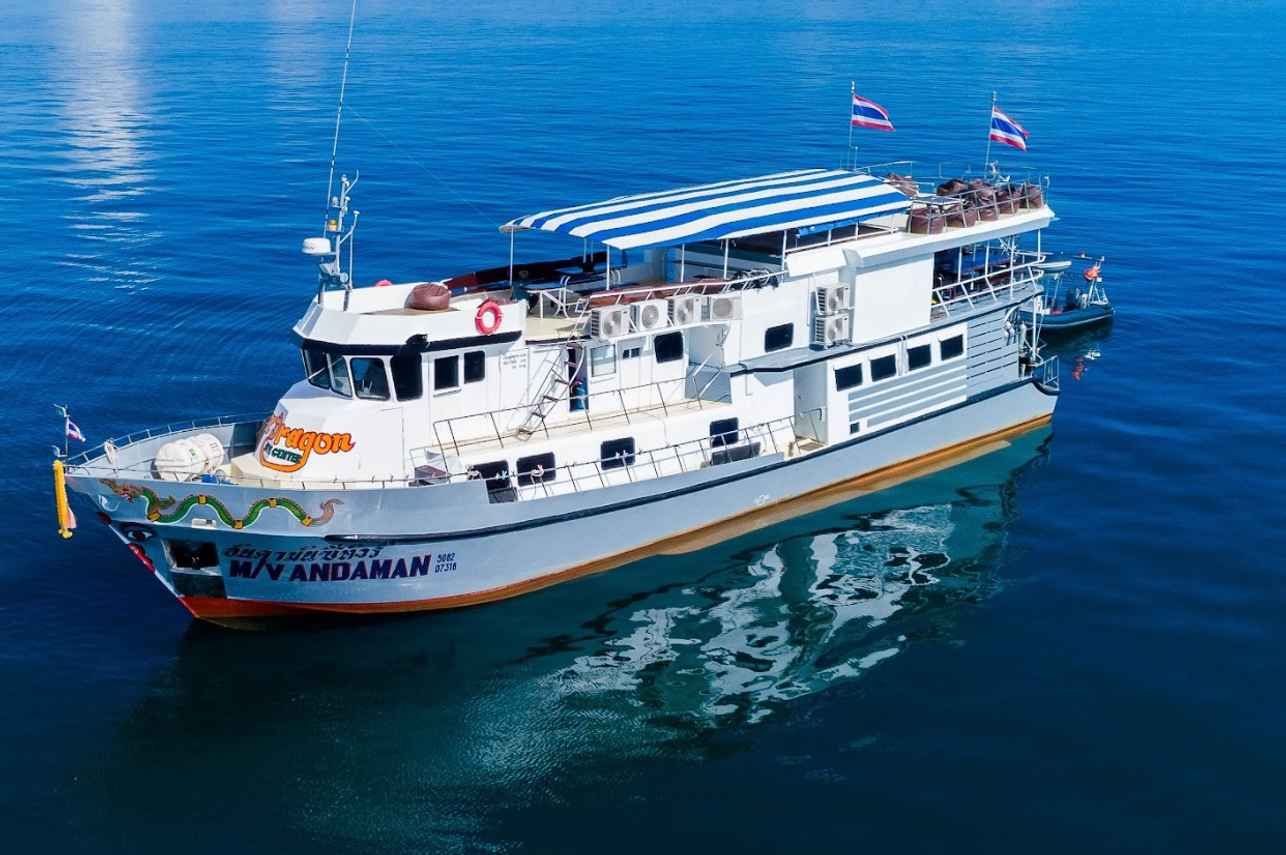
Andaman
Thailand
20 guests26 m
$108/day
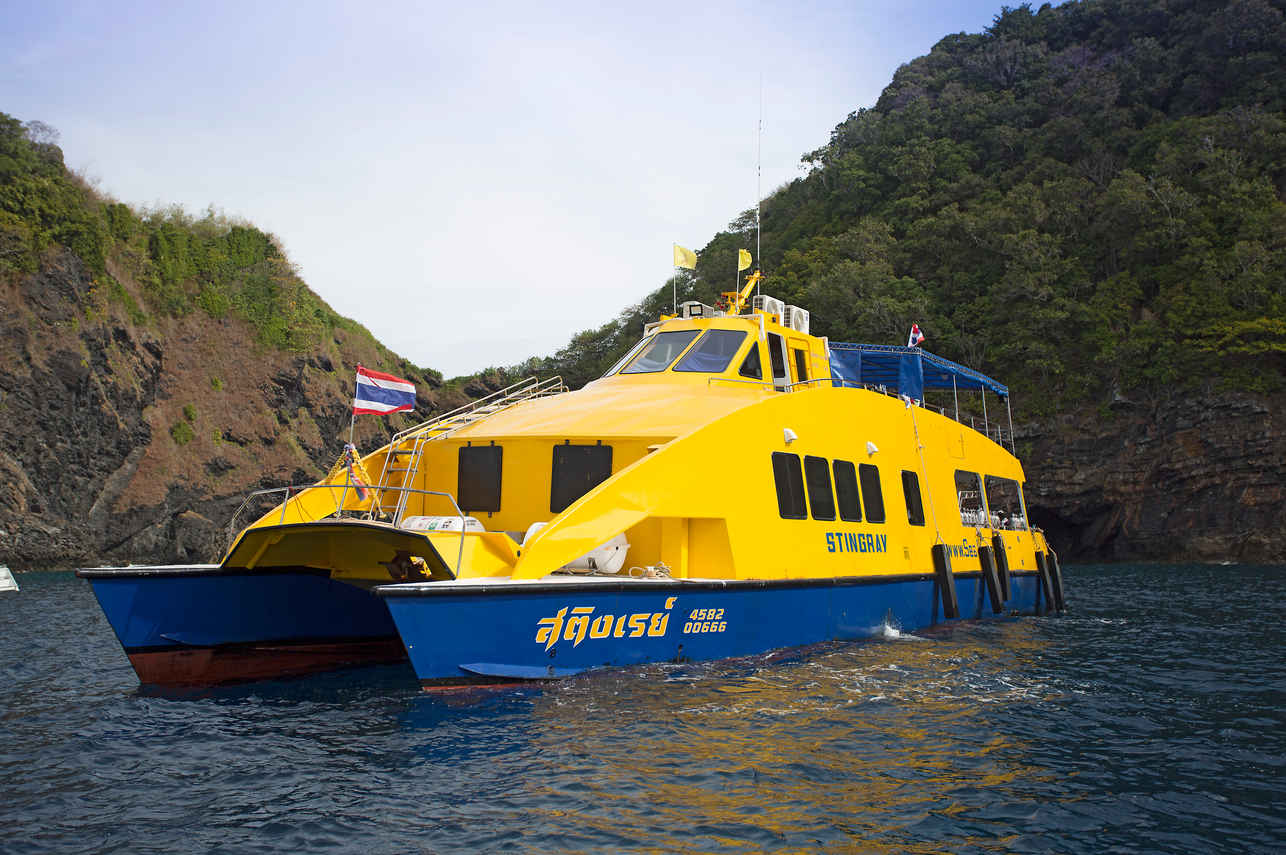
Stingray
Thailand
8 guests24 m
$245/day
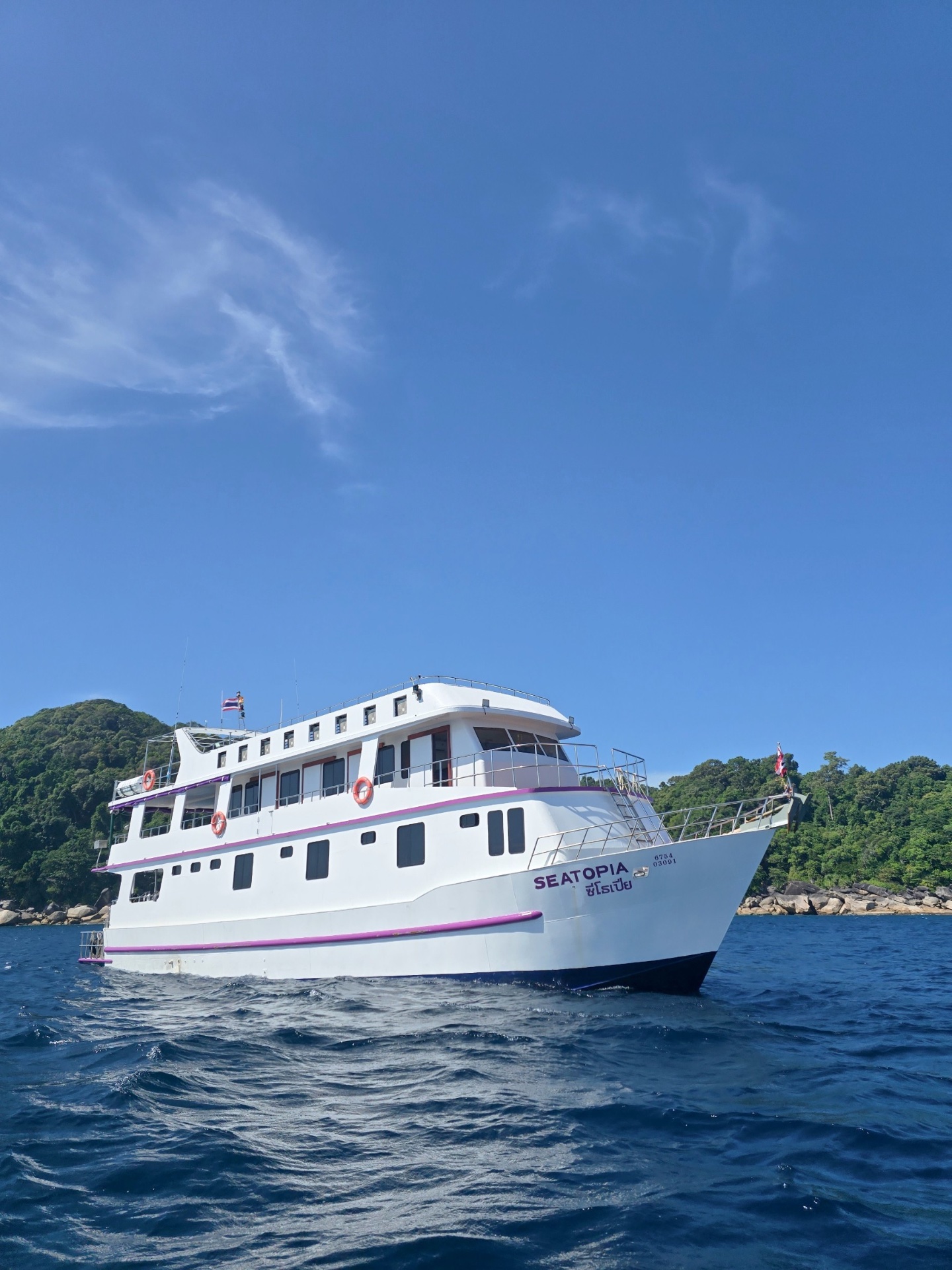
Seatopia
Thailand
24 guests24 m
Dive sites similar to Hin Daeng
Same character, same waters — six more sites divers love for the exact same reasons.Compare seasons, access and liveaboard routes — then pick the site that fits your trip best.
Hin Raab is a prominent dive site located in the eastern Gulf of Thailand, near Koh Chang, offering an exceptional underwater experience with its rich coral biodiversity and thriving marine life.
- Suitable for
- Intermediate
- Current
- Moderate
- Access
- Dayboat
- Depth
- 5–22 m
- Theme
- Reef / Pinnacle
© Esri — Maxar, Earthstar, GIS
Christmas Point
Thailand
Christmas Point, located on Similan Island number 9 (Koh Ba-Ngu), stands out as one of the Similan Islands' most iconic dive sites.
- Suitable for
- Intermediate
- Current
- Strong
- Access
- Liveaboard or dayboat
- Depth
- 2–40 m
- Theme
- Pinnacle
© Esri — Maxar, Earthstar, GIS
Koh Haa — Lagoon
Thailand
Koh Haa Lagoon is a picturesque and protected dive site formed by islands #2, #3, and #4 of the Koh Haa archipelago, approximately 1.45 hours by boat from Koh Lanta.
- Suitable for
- Beginner
- Current
- Moderate
- Access
- Liveaboard or dayboat
- Depth
- 2–25 m
- Theme
- Reef / Wall
© Esri — Maxar, Earthstar, GIS
Koh Tao — Twins
Thailand
Twins, a highly popular dive site near Koh Tao, Thailand, is renowned for its accessibility and rich marine life.
- Suitable for
- Beginner
- Current
- Mild
- Access
- Liveaboard or dayboat
- Depth
- 5–18 m
- Theme
- Pinnacle
© Esri — Maxar, Earthstar, GIS
Southwest Pinnacle
Thailand
Southwest Pinnacle, located approximately 45 minutes by boat from Koh Tao's Mae Haad pier, is a renowned dive site in the Gulf of Thailand.
- Suitable for
- Intermediate
- Current
- Strong
- Access
- Liveaboard or dayboat
- Depth
- 8–26 m
- Theme
- Pinnacle / Wall
© Esri — Maxar, Earthstar, GIS
Koh Dok Mai
Thailand
Koh Dok Mai, meaning 'Flower Island,' is a distinctive limestone outcrop located in Thailand's Andaman Sea, between Phuket and Phi Phi Islands.
- Suitable for
- Intermediate
- Current
- Moderate
- Access
- Dayboat
- Depth
- 5–30 m
- Theme
- Wall / Drift