About Koh Dok Mai
Koh Dok Mai, meaning 'Flower Island,' is a distinctive limestone outcrop located in Thailand's Andaman Sea, between Phuket and Phi Phi Islands. This small island is renowned for its dramatic vertical walls that plunge to depths of 30 meters, creating an exceptional site for wall diving. The topography features a less steep west side with hard coral growth extending from 12 to 20 meters, while the more popular east side presents sheer walls riddled with numerous cracks and crevices. Two notable caves, a large and a small one, are found on the east face, offering divers a chance to explore sheltered environments. While not explicitly seasonal for specific species, the site is known year-round for its abundant small marine life, including tiger-tail seahorses, ornate ghost pipefish, and various nudibranchs. The cracks and overhangs provide shelter for an array of small reef creatures. Diving here typically involves following the wall, allowing for detailed observation of the intricate ecosystem. The site is accessible via day boat trips from Phuket and is often combined with other nearby dive locations, providing a varied dive itinerary.
Highlights
Vertical limestone wallsCracks and crevicesLarge and small cavesTiger-tail seahorseOrnate ghost pipefishAbundant macro lifeWall diveVariety of soft corals
Season calendar
Best months to dive here
Jan
Feb
Mar
Apr
May
Jun
Jul
Aug
Sep
Oct
Nov
Dec
Excellent
Good
Dive site facts: Koh Dok Mai
- Depth
- 5–30 m
- Typical dive
- 12–25 m, 50–60 min
- Current
- Mild to moderate
- Visibility
- 15–30 m
- Water temperature
- 28–30°C
- Entry
- Boat / negative entry
- Level
- Open Water Diver, Advanced recommended for caves
- Dive type
- Wall, macro, drift, cave/cavern
- Night dive
- Possible
- Region / port
- Phuket, Andaman Sea
- Coordinates
- 7.9786° N, 98.8445° E
Conditions & Currents
Currents at Koh Dok Mai can range from mild to moderate, especially along the island's exposed walls. Divers should be prepared for potential drift, particularly when navigating the east side. Visibility typically ranges from 15 to 30 meters during the peak season, though plankton blooms can occasionally reduce it, potentially attracting larger pelagic species. Water temperatures are consistently warm, averaging 28-30°C. Entry is typically a negative or controlled descent directly onto the wall, allowing divers to quickly reach the desired depth and begin their exploration along the feature. Maintaining good buoyancy control is crucial, especially when investigating cracks and overhangs or nearing the cave entrances.
Marine life & sighting chances

Tiger-tail seahorse
occasional
Ornate ghost pipefish
occasional
Nudibranchs
common
Angelfish
common
Scorpionfish
occasional
Lionfish
common
Pufferfish
common
Dancing shrimps
common
Boxfish
occasional
Leopard shark
rareDive profile & how the dive runs
Divers typically enter the water from the day boat and descend directly along the limestone wall of Koh Dok Mai. The dive usually begins on the more popular east side, which features numerous cracks and crevices, including access points to a large cave and a smaller, more challenging cave. Throughout the dive, you can explore the wall's many overhangs and small ledges, looking for macro life. The dive progresses along the wall, allowing for a thorough investigation of the diverse hard and soft corals. The maximum depth of 30 meters is usually reached early in the dive, followed by a gradual ascent as divers continue their exploration. The dive concludes with a safety stop along the shallower parts of the wall or in the blue, depending on current conditions, before ascending to the boat.
Underwater photography
Koh Dok Mai is a macro photographer's dream, with subjects like tiger-tail seahorses, ornate ghost pipefish, and countless nudibranchs hiding in the wall's cracks and soft corals. A macro lens (60mm or 100mm) is highly recommended. For the caves, a wide-angle lens can capture the dramatic entrance and unique topography, but careful lighting with strobes or video lights is essential due to the limited ambient light. Buoyancy control is paramount to avoid disturbing delicate marine life and stirring up sediment within the caves. Take care to illuminate small subjects without overexposing their surroundings, and always respect the integrity of the wall and its inhabitants, especially when photographing fragile corals or shy creatures.
Combine with nearby dive sites
- Shark Point
Known for leopard sharks and vibrant soft corals on three pinnacles.
- Anemone Reef
A submerged pinnacle teeming with anemones and clownfish, close to Shark Point.
- King Cruiser Wreck
A passenger ferry wreck, popular for fish schools and structure exploration.
- Koh Phi Phi — Bida Nai
Offers walls, reef, and swim-throughs, often combined with Koh Dok Mai itineraries.
Getting there & logistics
Diving at Koh Dok Mai is primarily facilitated by day boat trips originating from Phuket, Thailand. Phuket International Airport (HKT) serves as the main gateway, with frequent domestic flights from Bangkok (BKK) and international connections. Typical dive itineraries often combine Koh Dok Mai with nearby sites like Shark Point, Anemone Reef, and the King Cruiser Wreck, making for a full day of diving. While there are no specific marine park fees mentioned for this individual site, some wider regional dive areas or liveaboard routes may incur national park charges. The duration of trips to this site is generally a single day, returning to Phuket each evening.
Safety & environment
The nearest recompression chamber is located in Phuket, providing critical support for diving emergencies. Evacuation from Koh Dok Mai to Phuket would typically involve boat transfer followed by land transport, which can take several hours depending on sea conditions and traffic. Divers are strongly advised to carry comprehensive dive insurance that covers medical emergencies, evacuation, and recompression treatment. Site-specific hazards include potentially strong currents, especially at certain times, which can necessitate drift diving techniques. The small cave on the east side requires a cavern specialty or equivalent certification for penetration due to its narrow and extended nature; divers without this training should not attempt entry. Always adhere to your divemaster's instructions and maintain awareness of your depth, air consumption, and no-decompression limits, particularly in areas with deeper profiles or inside enclosed spaces.
Who it suits — and who it doesn't
Suited for
- Experienced Open Water Divers comfortable with currents
- Advanced Open Water Divers seeking cave/cavern exploration
- Macro photographers
- Divers interested in wall diving
- Divers seeking diverse reef life
Less suited for
- Beginner divers uncomfortable with drift or depth
- Divers expecting large pelagic encounters primarily
- Divers unwilling to maintain precise buoyancy in confined spaces
- Divers without cavern specialty wishing to penetrate the small cave
FAQ
Koh Dok Mai FAQ
What kind of marine life can I expect to see at Koh Dok Mai?
Koh Dok Mai is celebrated for its rich variety of small marine creatures. Divers commonly spot nudibranchs, colorful shrimps, and various angelfish along the walls. Keep an eye out for more elusive species like the tiger-tail seahorse and ornate ghost pipefish hiding among the corals and crevices. Occasionally, you might also encounter lionfish, scorpionfish, and pufferfish.
Are there any caves to explore at Koh Dok Mai?
Yes, Koh Dok Mai features two notable caves on its east side. There is a larger cave that is generally accessible to advanced divers. A smaller, more narrow cave also exists, but penetration into this one is only recommended for divers holding a cavern specialty certification due to its challenging nature. Always follow your dive guide's instructions regarding cave exploration.
What are the typical diving conditions like at Koh Dok Mai?
Conditions at Koh Dok Mai are generally favorable, particularly during the dry season from November to April. Water temperatures consistently range from 28-30°C, and visibility is typically between 15 and 30 meters. However, currents can vary from mild to moderate, occasionally requiring drift diving techniques. It is important to be aware of and prepared for these conditions.
Is Koh Dok Mai suitable for beginner divers?
Koh Dok Mai is generally recommended for Open Water Divers who are comfortable with potential currents. While some sections are shallower, the vertical walls and the possibility of drift mean that good buoyancy control and some current experience are beneficial. For exploring deeper sections or caves, an Advanced Open Water certification is recommended or required.
How do I get to Koh Dok Mai?
Koh Dok Mai is easily accessible via day boat trips that depart from Phuket. Many dive operators offer daily excursions that combine this site with other popular dive spots in the Andaman Sea, such as Shark Point and the King Cruiser Wreck. Phuket International Airport (HKT) is the primary entry point for international and domestic travelers.
Why dive Koh Dok Mai from a liveaboard?
Koh Dok Mai is one of Thailand's signature dive sites. A liveaboard sleeps you on the water and puts you in the water for three to four guided dives per day, including dawn and night dives that day-boat operators rarely offer. You skip the daily commute back to port and reach quieter, less-crowded sites in the same region on a single trip.
Below are the liveaboards that include Koh Dok Mai on their Thailand itineraries.
Liveaboards diving Koh Dok Mai
These liveaboards may visit Koh Dok Mai on selected itineraries — the exact dive sites depend on departure, weather and conditions.
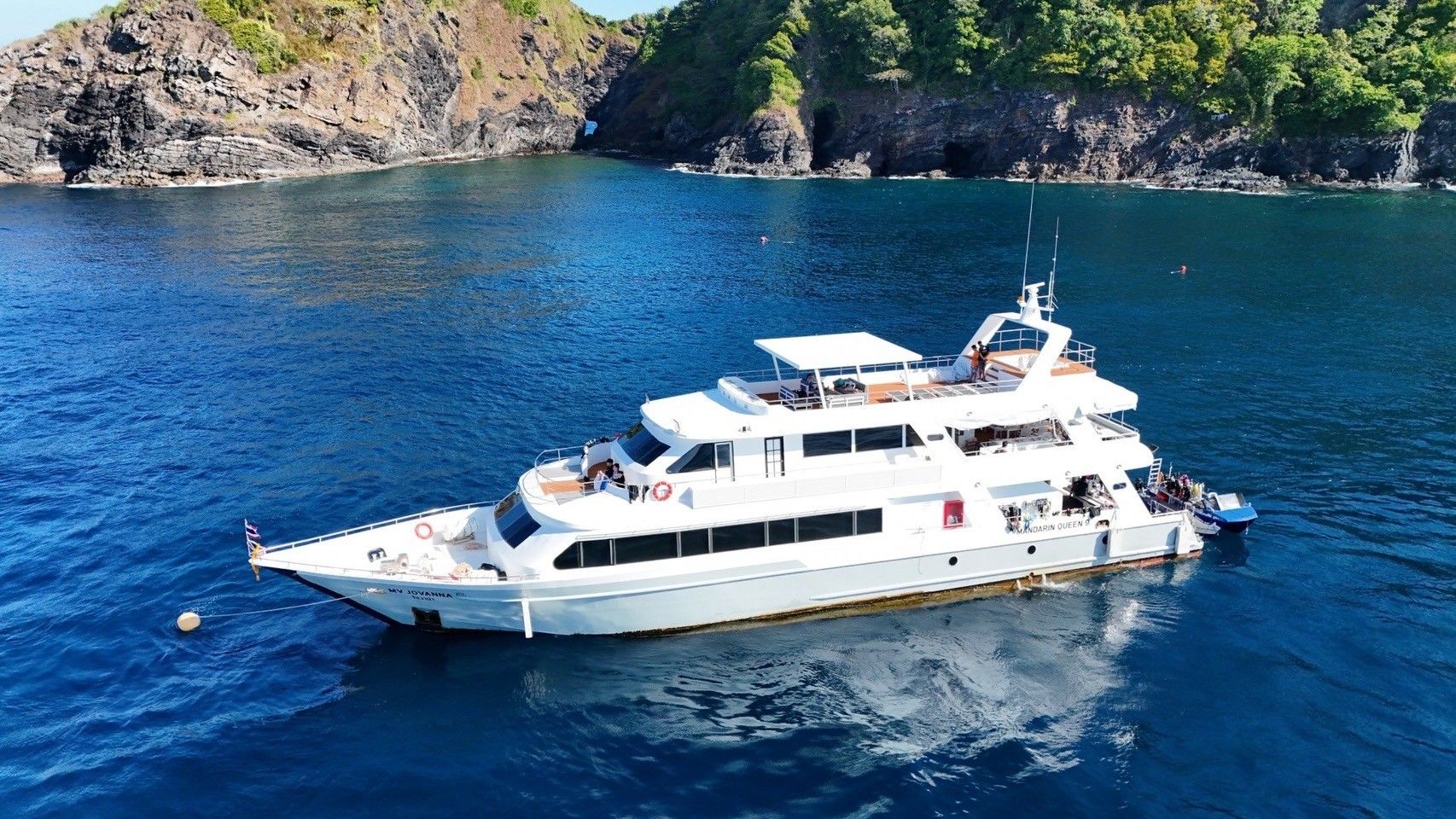
Mandarin Queen 9
Thailand
26 guests37.5 m
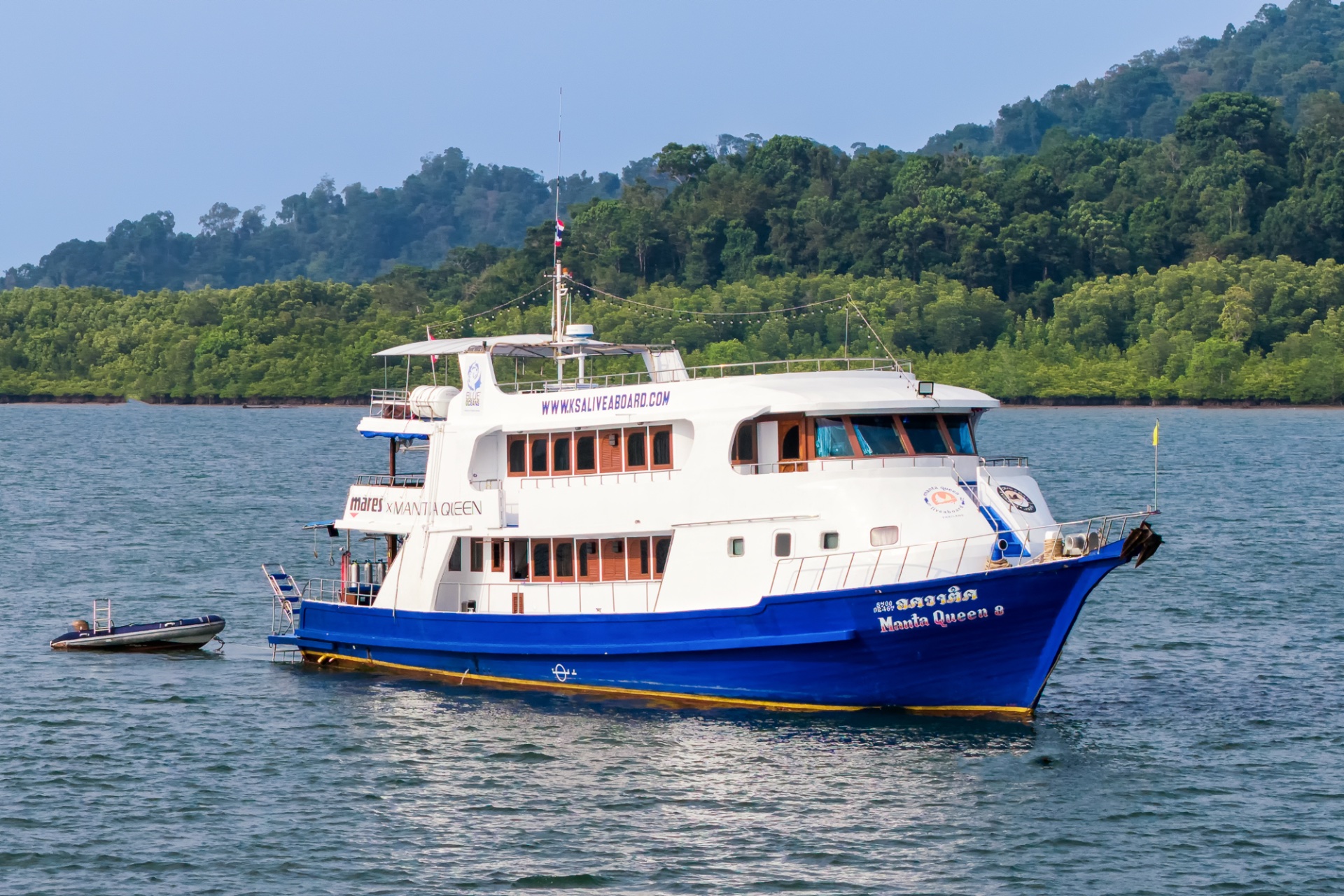
Manta Queen 8
Thailand
24 guests
$127/day
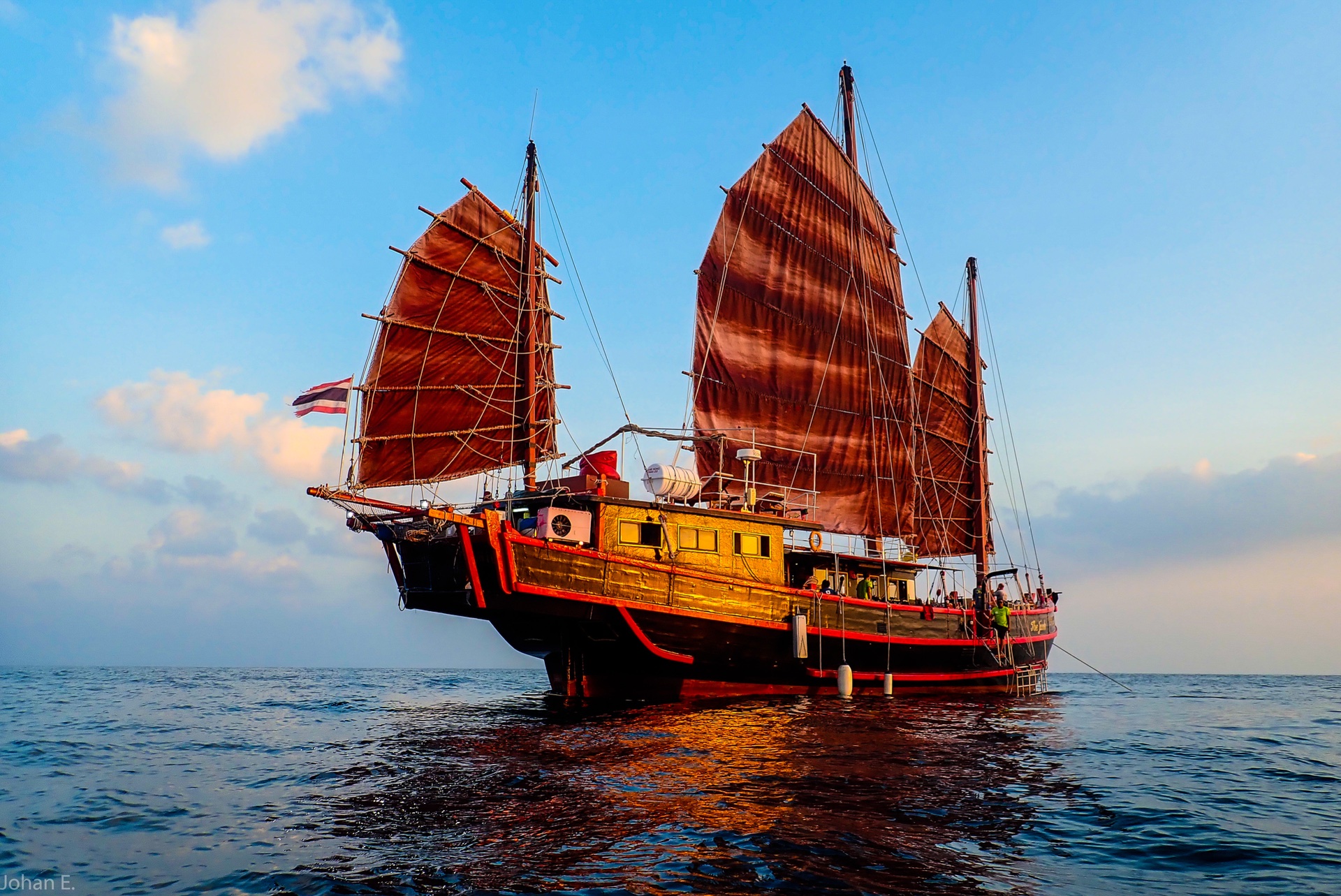
The Junk
Thailand
18 guests33 m
$163/day
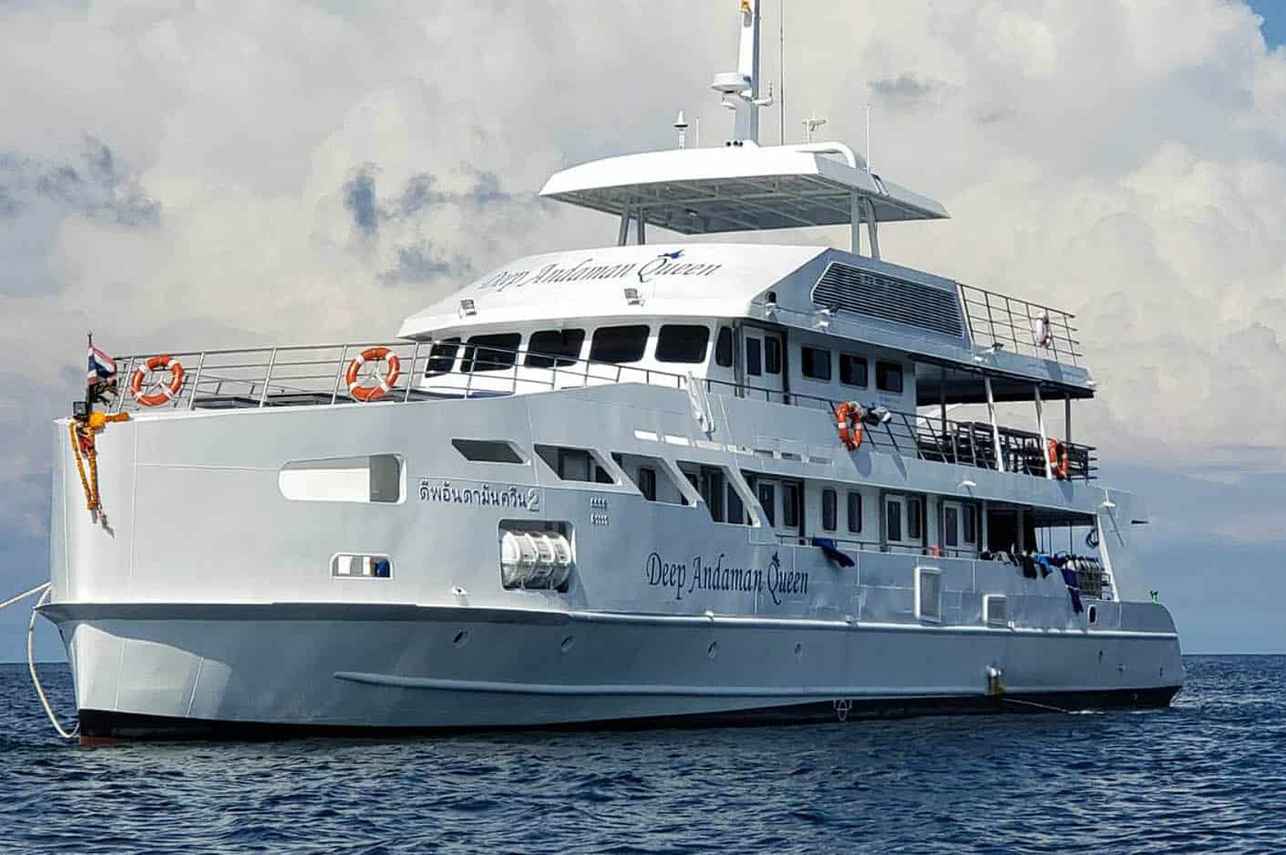
Deep Andaman Queen
Thailand
23 guests30.5 m
$194/day
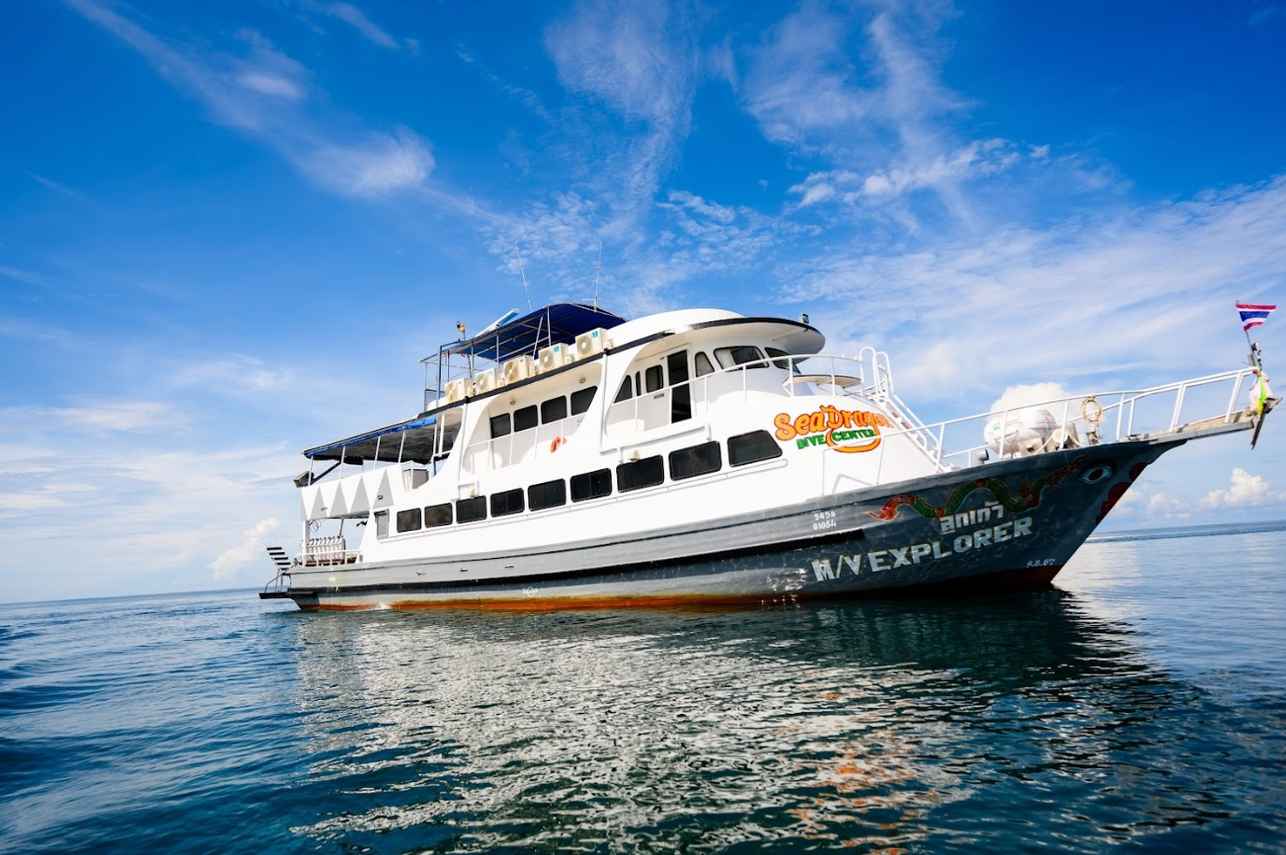
Explorer
Thailand
16 guests25 m
$150/day
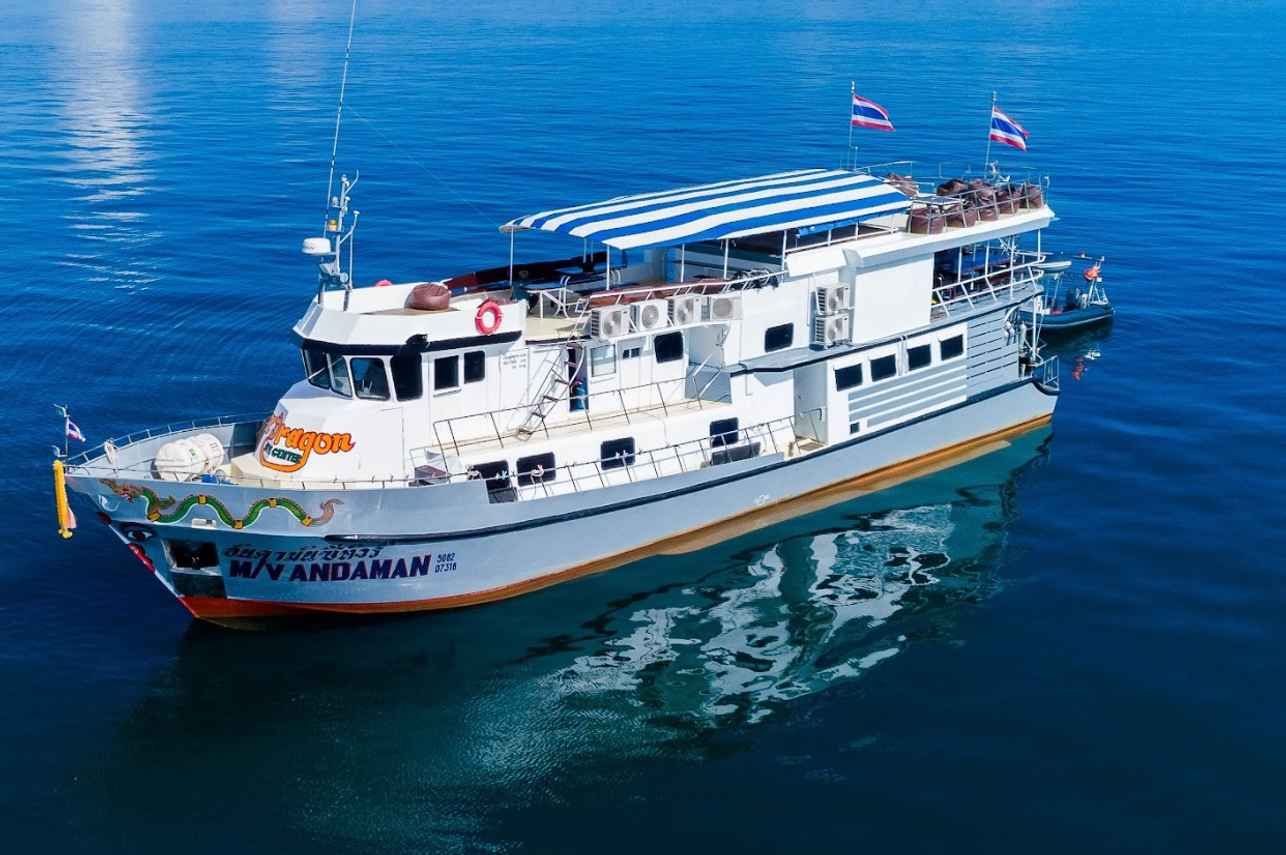
Andaman
Thailand
20 guests26 m
$108/day
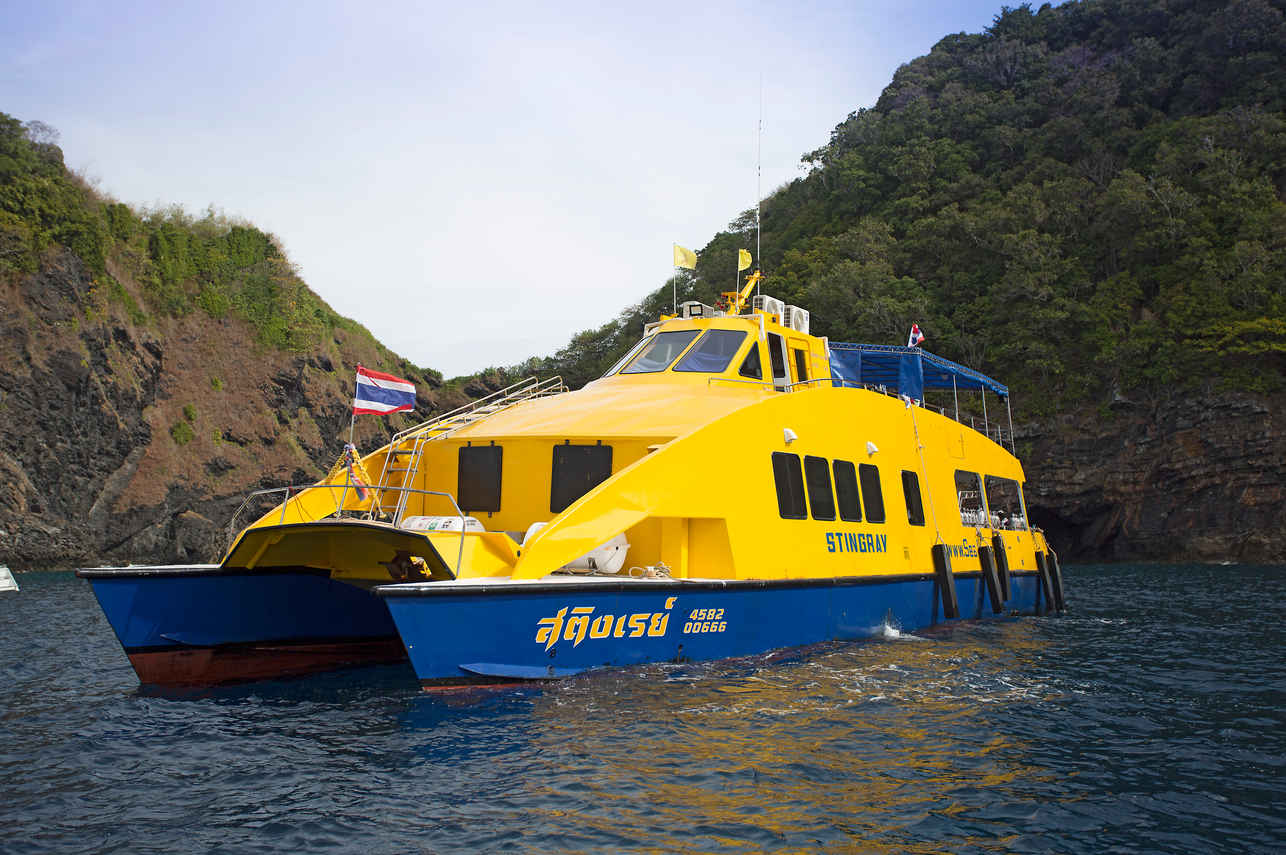
Stingray
Thailand
8 guests24 m
$245/day
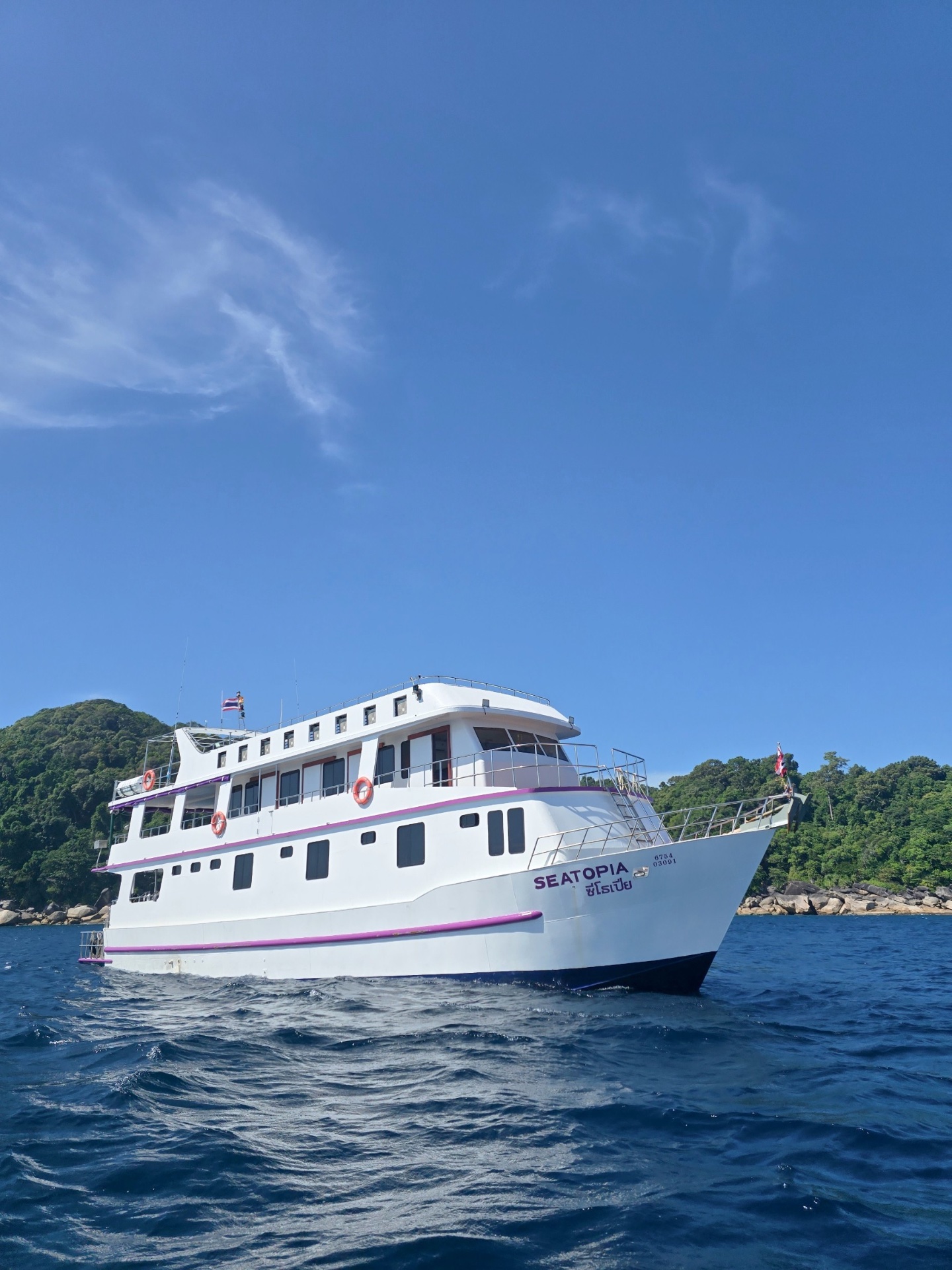
Seatopia
Thailand
24 guests24 m
Dive sites similar to Koh Dok Mai
Same character, same waters — six more sites divers love for the exact same reasons.Compare seasons, access and liveaboard routes — then pick the site that fits your trip best.
© Esri — Maxar, Earthstar, GIS
Koh Haa — Lagoon
Thailand
Koh Haa Lagoon is a picturesque and protected dive site formed by islands #2, #3, and #4 of the Koh Haa archipelago, approximately 1.45 hours by boat from Koh Lanta.
- Suitable for
- Beginner
- Current
- Moderate
- Access
- Liveaboard or dayboat
- Depth
- 2–25 m
- Theme
- Reef / Wall
© Esri — Maxar, Earthstar, GIS
Southwest Pinnacle
Thailand
Southwest Pinnacle, located approximately 45 minutes by boat from Koh Tao's Mae Haad pier, is a renowned dive site in the Gulf of Thailand.
- Suitable for
- Intermediate
- Current
- Strong
- Access
- Liveaboard or dayboat
- Depth
- 8–26 m
- Theme
- Pinnacle / Wall
Koh Taru is a notable dive site located off Koh Lipe, close to Thailand's southern border with Malaysia, within the protected waters of Tarutao National Marine Park.
- Suitable for
- Beginner
- Current
- Mild
- Access
- Dayboat
- Depth
- 5–18 m
- Theme
- Reef / Drift
Koh Yang, situated within the Tarutao National Marine Park, offers a diverse and captivating dive experience near Koh Lipe.
- Suitable for
- Beginner
- Current
- Mild
- Access
- Dayboat
- Depth
- 5–30 m
- Theme
- Reef / Wall
© Esri — Maxar, Earthstar, GIS
Koh Talang
Thailand
Koh Talang Steps is a distinctive dive site located off the coast of Trang province, near Koh Lipe in southern Thailand.
- Suitable for
- Intermediate
- Current
- Moderate
- Access
- Dayboat
- Depth
- 5–30 m
- Theme
- Reef / Wall
© Esri — Maxar, Earthstar, GIS
Stonehenge
Thailand
Stonehenge is an exceptional dive site situated about 2 kilometers off Ta Lang Beach on Koh Lipe's eastern side, renowned for its striking geological formations and rich marine life.
- Suitable for
- Intermediate
- Current
- Strong
- Access
- Liveaboard or dayboat
- Depth
- 5–30 m
- Theme
- Wall