About Koh Tao — Japanese Garden
Japanese Garden is Koh Tao's premier shallow reef dive site, located in a sheltered bay on the eastern side of Koh Nang Yuan island. Revered for its exceptional coral diversity, this site offers an underwater landscape of mushroom corals, branching staghorn formations, massive brain corals, and giant barrel sponges. It provides a natural aquarium effect with a gentle slope from paddling depth down to approximately 15 meters. Despite its modest depth, Japanese Garden boasts a surprising abundance of marine life. You can spot blue-spotted stingrays resting on sandy patches, while clouds of butterflyfish, angelfish, and long-fin bannerfish animate the mid-water. Keep an eye out for well-camouflaged scorpionfish or moray eels, and observe anemonefish diligently guarding their territories. Water temperatures consistently range from 28 to 31 degrees Celsius year-round, with visibility typically between 10 to 20 meters, peaking from March through September. The site's calm, crystal-clear conditions and virtually absent currents make it an ideal location for beginners taking their first breaths underwater, as well as an endlessly interesting spot for experienced divers seeking relaxed exploration. It is equally superb for snorkeling, with healthy coral formations starting as shallow as 1 to 2 meters.
Highlights
Exceptional coral diversityCalm, sheltered bayBeginner-friendly depthsRed Rock coastline diveNatural swim-throughAbundant reef fishOccasional eagle ray sightingsBanded sea kraits
Season calendar
Best months to dive here
Jan
Feb
Mar
Apr
May
Jun
Jul
Aug
Sep
Oct
Nov
Dec
Excellent
Good
Dive site facts: Koh Tao — Japanese Garden
- Depth
- 0–18 m
- Typical dive
- 8–15 m, 45–60 min
- Current
- Very weak
- Visibility
- 10–20 m
- Water temperature
- 28–31 °C
- Entry
- Boat
- Level
- All levels (Beginner friendly)
- Dive type
- Coral garden, macro, training
- Region / port
- Koh Tao, Thailand
- Coordinates
- 10.1089, 99.8389
Conditions & Currents
Japanese Garden is situated in a naturally sheltered bay, providing exceptionally calm conditions with virtually no current for most of the year. This makes it an ideal site for beginners and training dives, as divers can focus on skill development and marine life observation without contending with strong water movement. Entry and exit are typically straightforward boat entries into placid waters. Visibility is generally excellent, ranging from 10 to 20 meters, though it can decrease during the Northeast Monsoon from October to December due to rain runoff. Divers should always practice excellent buoyancy control to avoid contact with the abundant corals, especially in shallow areas.
Marine life & sighting chances

Blue-spotted stingray
common
Butterflyfish
common
Angelfish
common
Long-fin bannerfish
common
Red-breasted wrasse
common
Parrotfish
common
Anemonefish
common
Scorpionfish
occasional
Moray eel
occasional
Titan triggerfish
Breeding season · occasional
Giant clam
common
Eagle ray
occasional
Banded sea krait
commonPinktail triggerfish
commonDive profile & how the dive runs
Your dive at Japanese Garden begins with an entry into the sheltered bay on the east side of Koh Nang Yuan, where the reef starts from just 2 meters deep. You'll descend gently onto the coral slope, exploring the diverse formations of mushroom, staghorn, brain, and barrel corals. The route typically follows the contours of the bay, gradually descending to a maximum depth of 15 meters. For certified divers, a unique extension includes the Red Rock coastline dive, tracing the shore and passing through a natural swim-through. The dive progresses through various reef sections, allowing ample time for macro life observation and coral garden appreciation. The turn point is flexible, often guided by air consumption or time, and the ascent is gradual, with a safety stop typically conducted at 5 meters amidst shallow corals, before surfacing in the calm bay.
Underwater photography
Japanese Garden is an excellent site for wide-angle and macro photography, thanks to its extensive coral gardens and abundant small reef fish. For wide-angle shots, a fisheye or wide-angle rectilinear lens will capture the impressive coral formations and the overall beauty of the reef. Macro photographers will find endless subjects in the dense coral, including anemonefish, nudibranchs, and various crustaceans hidden within crevices. Due to the shallow depths, natural light is often sufficient, but strobes can enhance colors and reduce backscatter, especially in deeper sections or on overcast days. Buoyancy control is paramount to avoid disturbing the fragile corals and the silty bottom; practicing the frog kick or modified flutter kick can significantly reduce silt production. Maintain a respectful distance from marine life, particularly titan triggerfish during their nesting season, and avoid touching or harassing any creatures.
Combine with nearby dive sites
- Koh Tao — Twins
Located directly opposite Japanese Garden, separated by Koh Nang Yuan's sandbar.
- HTMS Sattakut Wreck
An advanced wreck dive near Koh Tao.
- Chumphon Pinnacle
A deeper pinnacle dive known for large pelagics.
- Sail Rock
Famous for its vertical rock and chimney swim-through.
- Koh Tao — Green Rock
Known for swim-throughs and triggerfish.
Getting there & logistics
To dive Japanese Garden, you'll typically fly into Koh Samui Airport (USM), then take a ferry to Koh Tao. Alternatively, you can fly into Chumphon Airport (CJM) or Surat Thani Airport (URT) on the mainland and transfer by bus and ferry to Koh Tao. Most dive trips depart from Mae Haad pier on Koh Tao, with Japanese Garden being just a 10 to 15-minute boat ride away. Day trips often combine this site with other nearby locations due to its proximity. There is a 250 Thai Baht fee per person to visit Koh Nang Yuan island, which hosts Japanese Garden, regardless of whether you are diving or snorkeling.
Safety & environment
Koh Tao is well-equipped for diver safety, with recompression chambers located in Koh Samui and on the mainland. In case of a dive emergency, evacuation would involve boat transfer to Koh Tao, followed by ferry or speedboat to Koh Samui for chamber access. It is crucial for all divers to have comprehensive dive insurance. At Japanese Garden, the main hazards are related to protecting the fragile coral reef; divers should maintain excellent buoyancy control to prevent fin kicks or accidental contact. While titan triggerfish can be territorial during breeding season, maintaining a respectful distance is usually sufficient. Banded sea kraits are venomous but docile and pose little threat if left undisturbed. Always dive with a reputable operator and follow your dive guide's instructions.
Who it suits — and who it doesn't
Suited for
- Beginner divers and first-time experiences
- Open Water diver training
- Underwater photographers seeking macro and wide-angle subjects
- Snorkelers
- Divers seeking calm, sheltered conditions
- Families with non-diving members
Less suited for
- Divers seeking strong currents or challenging drift dives
- Those primarily interested in large pelagic encounters
- Advanced technical divers looking for depth or complex profiles
- Divers who prefer remote, uncrowded sites during peak season
FAQ
Koh Tao — Japanese Garden FAQ
Is Japanese Garden suitable for complete beginners?
Yes, Japanese Garden is widely regarded as one of Thailand's most popular training sites. Its shallow depth, calm, protected waters with virtually no current, and gentle sandy bottom make it ideal for discovery dives, Open Water training, and first-time experiences. Many dive schools on Koh Tao utilize this site for skills development.
Can I snorkel at Japanese Garden?
Absolutely. The shallow reef begins at just 1 to 2 meters, and the calm water makes it one of the best snorkeling sites around Koh Tao. Note that there is a 250 Thai Baht fee per person to visit Koh Nang Yuan island, where Japanese Garden is located, payable upon arrival regardless of whether you are diving or snorkeling.
What marine life can I expect to see at Japanese Garden?
Despite its shallow depth, Japanese Garden boasts diverse marine life. You can commonly spot blue-spotted stingrays, butterflyfish, angelfish, parrotfish, and anemonefish. Occasional sightings include moray eels, scorpionfish, and the distinctive black-and-white banded sea kraits, which are a highlight for many divers.
What is the maximum depth at Japanese Garden?
The maximum depth at Japanese Garden is approximately 18 meters, although most of the main coral garden area is found between 5 and 15 meters. This shallow profile contributes to its popularity as a beginner-friendly site and ensures longer bottom times for exploration.
Is there a swim-through at Japanese Garden?
Yes, for certified Open Water divers, the Red Rock coastline dive offers an adventurous extension that includes a natural swim-through. This route follows the rocky shore and provides a memorable experience for those looking to explore beyond the main coral gardens.
Why dive Koh Tao — Japanese Garden from a liveaboard?
Koh Tao — Japanese Garden is one of Thailand's signature dive sites. A liveaboard sleeps you on the water and puts you in the water for three to four guided dives per day, including dawn and night dives that day-boat operators rarely offer. You skip the daily commute back to port and reach quieter, less-crowded sites in the same region on a single trip.
Below are the liveaboards that include Koh Tao — Japanese Garden on their Thailand itineraries.
Liveaboards diving Koh Tao — Japanese Garden
These liveaboards may visit Koh Tao — Japanese Garden on selected itineraries — the exact dive sites depend on departure, weather and conditions.
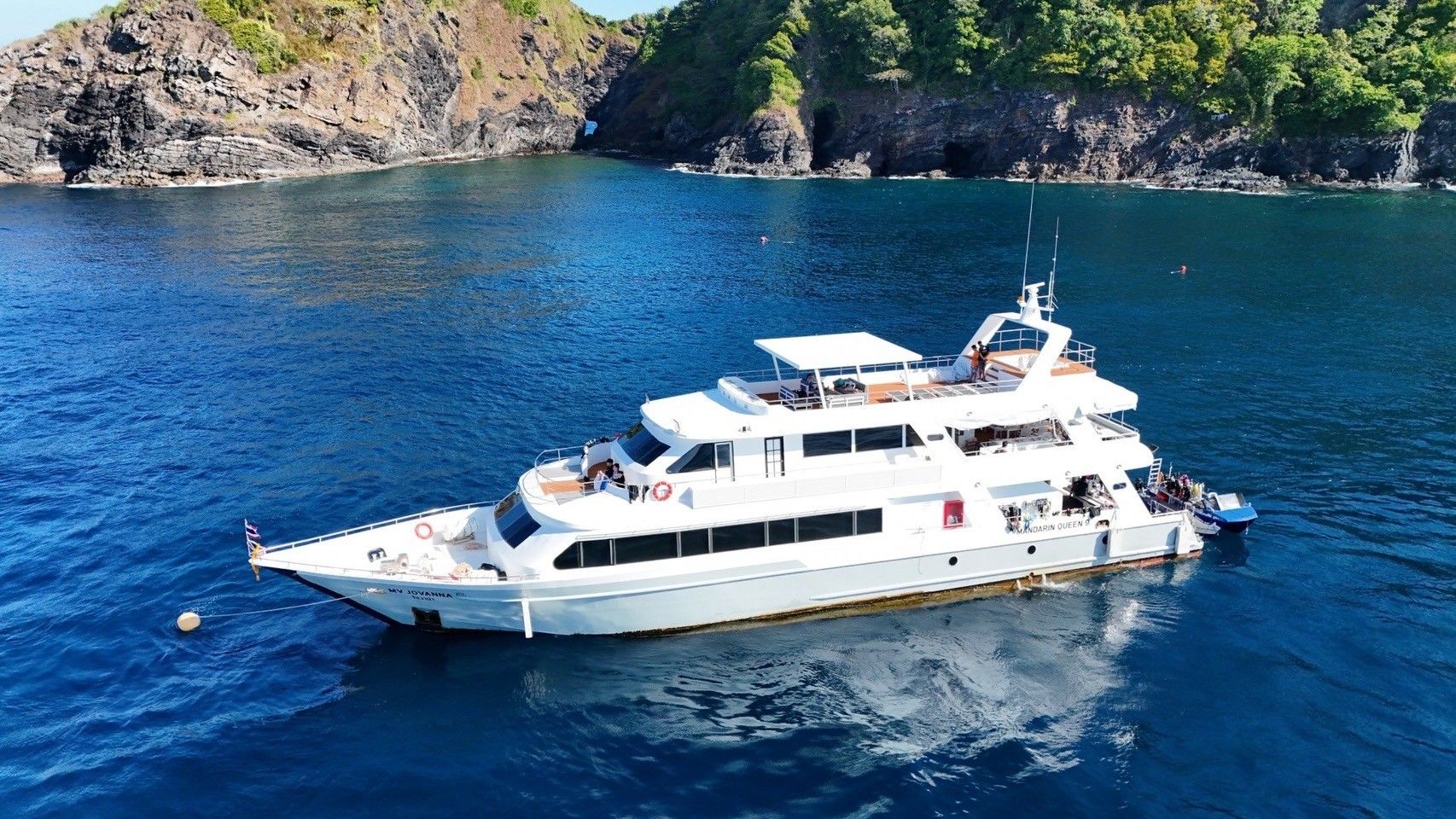
Mandarin Queen 9
Thailand
26 guests37.5 m
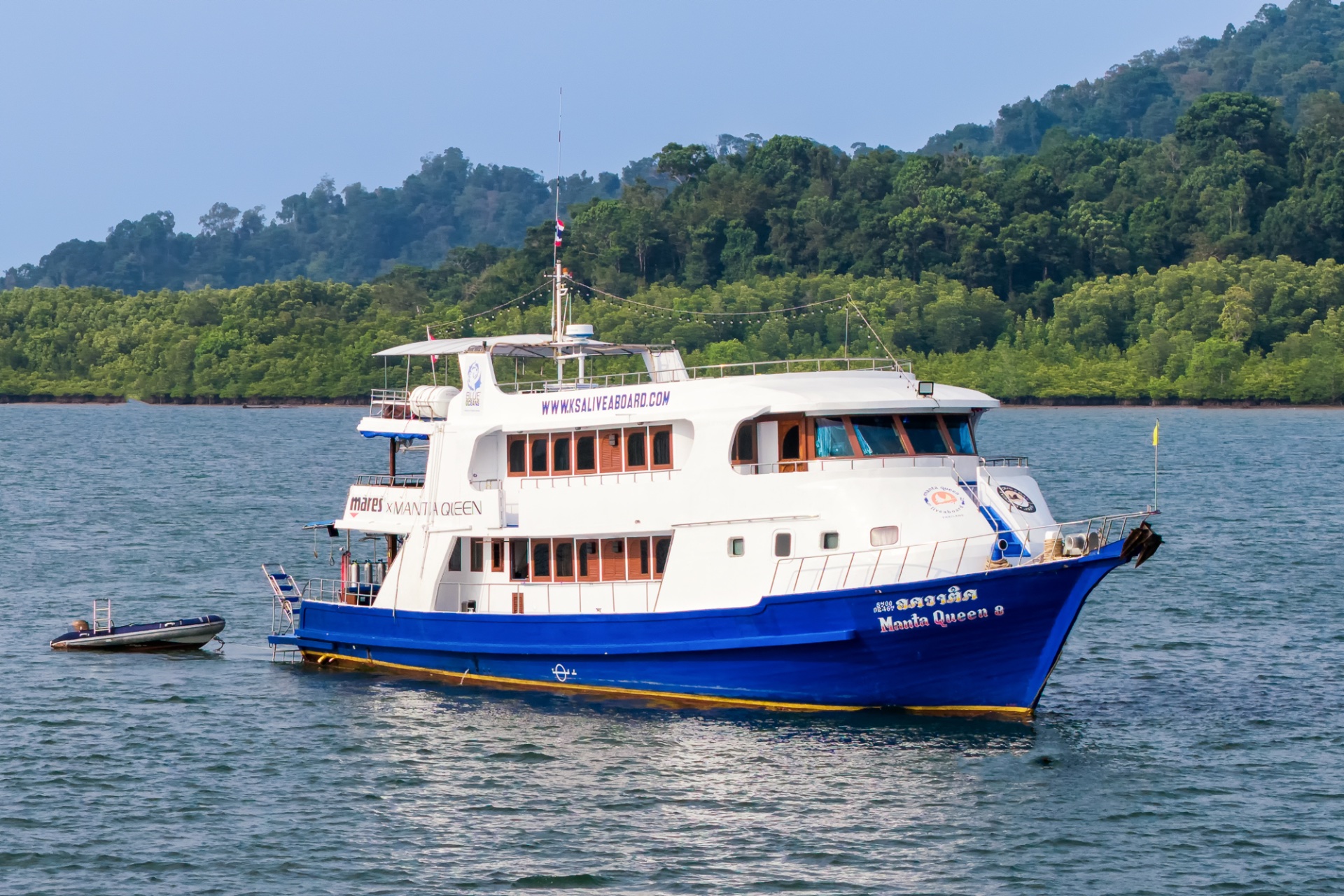
Manta Queen 8
Thailand
24 guests
$127/day
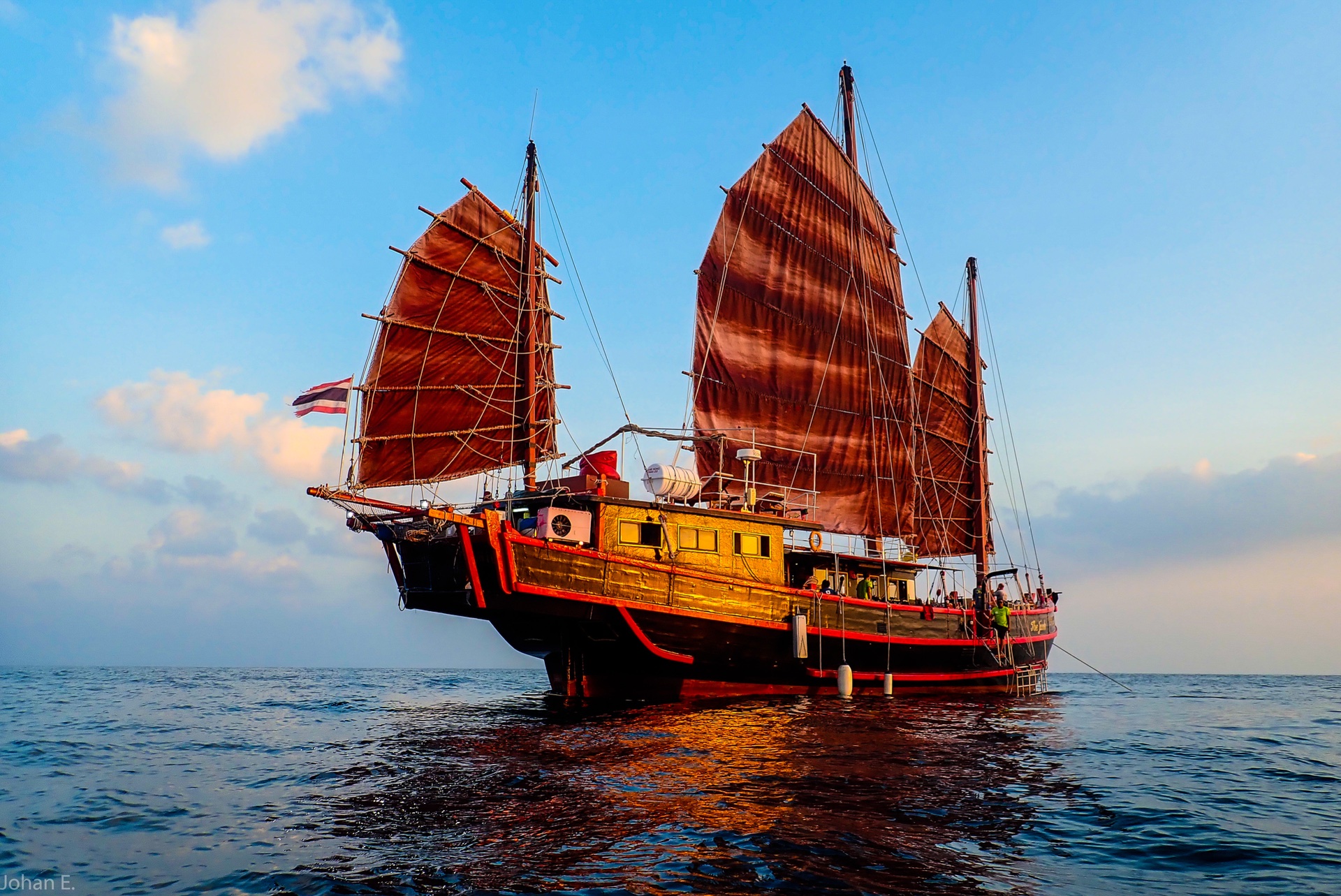
The Junk
Thailand
18 guests33 m
$163/day
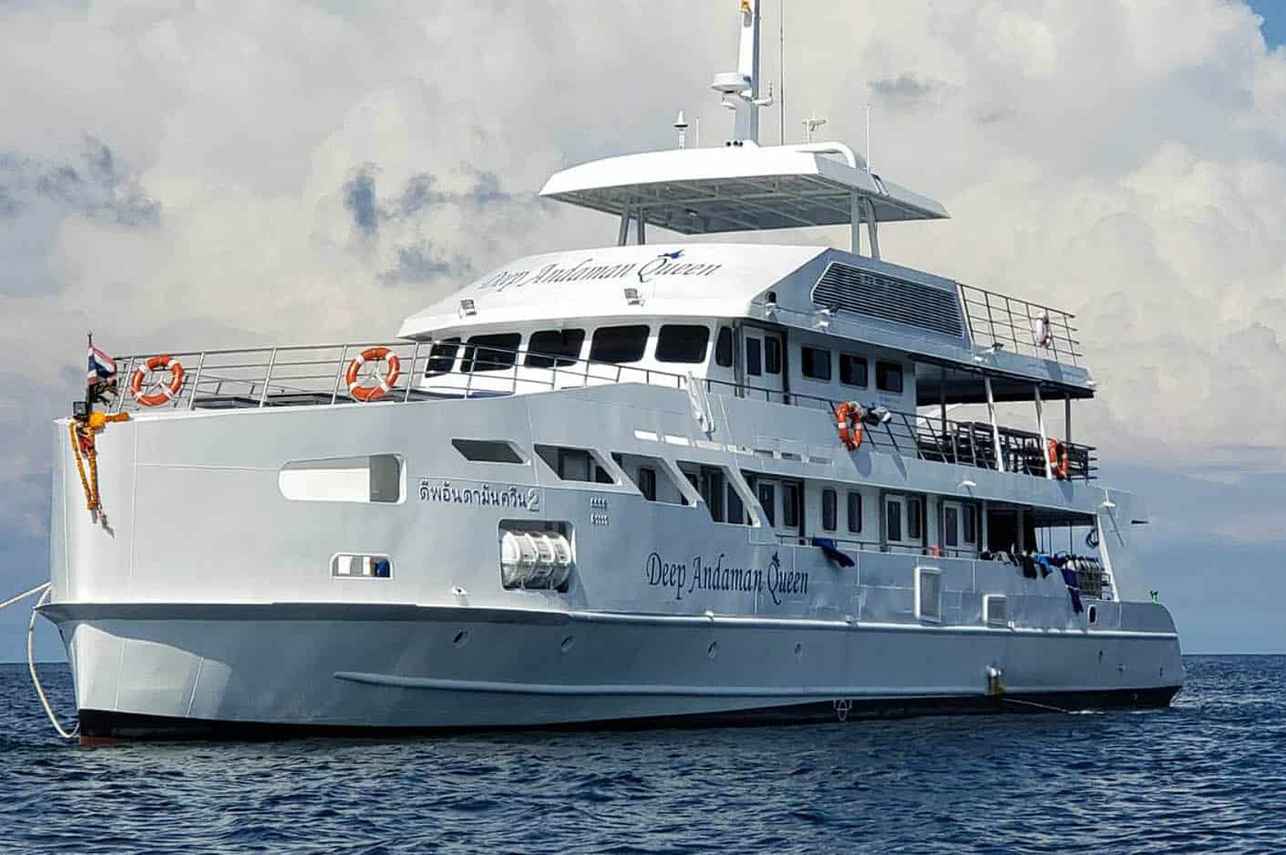
Deep Andaman Queen
Thailand
23 guests30.5 m
$194/day
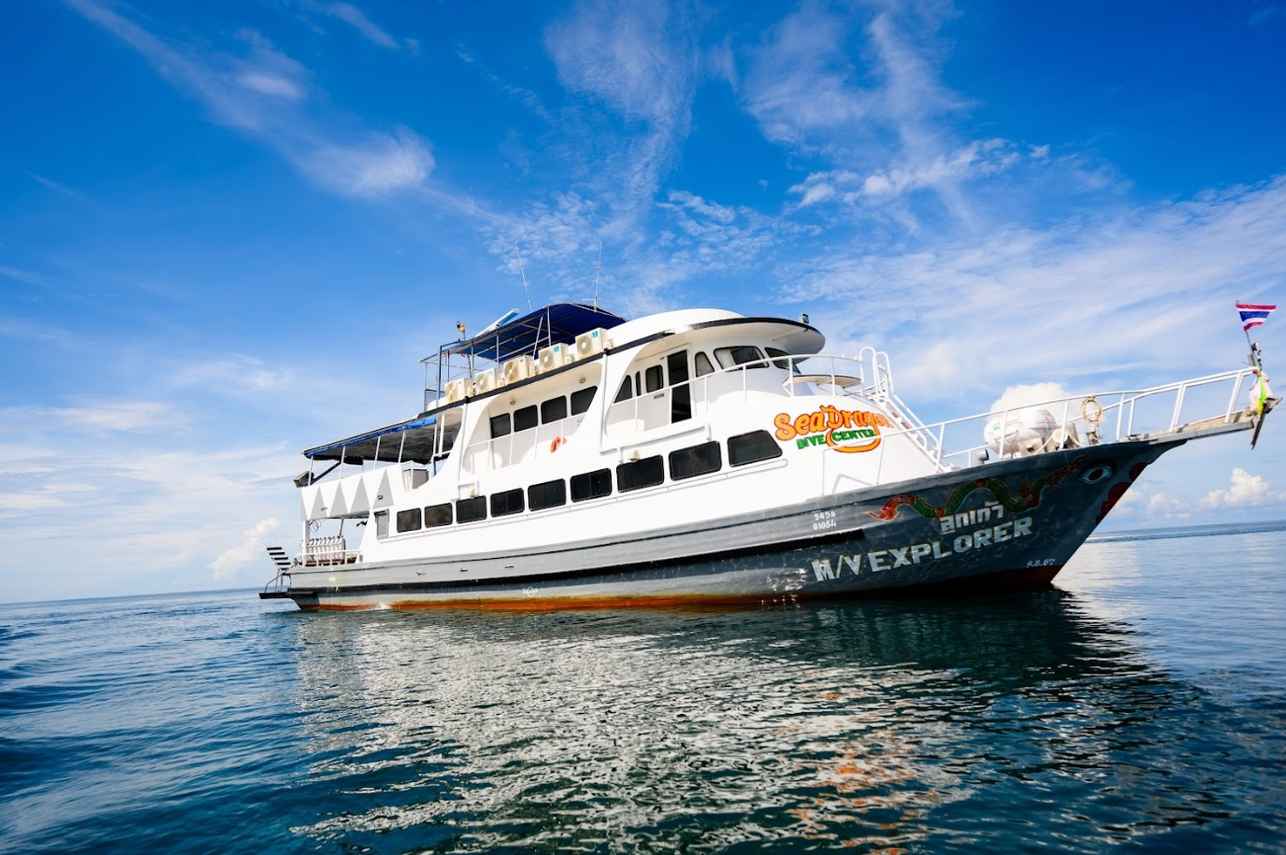
Explorer
Thailand
16 guests25 m
$150/day
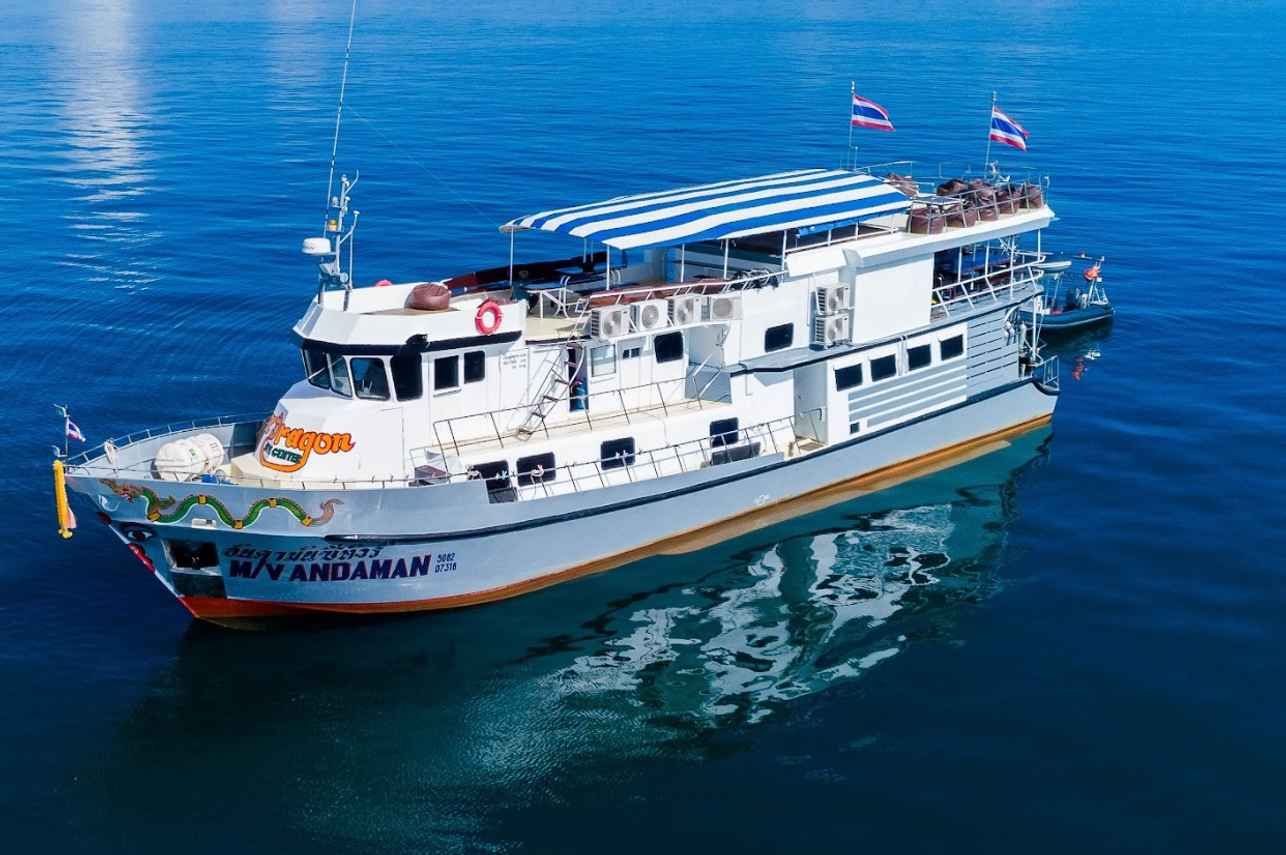
Andaman
Thailand
20 guests26 m
$108/day
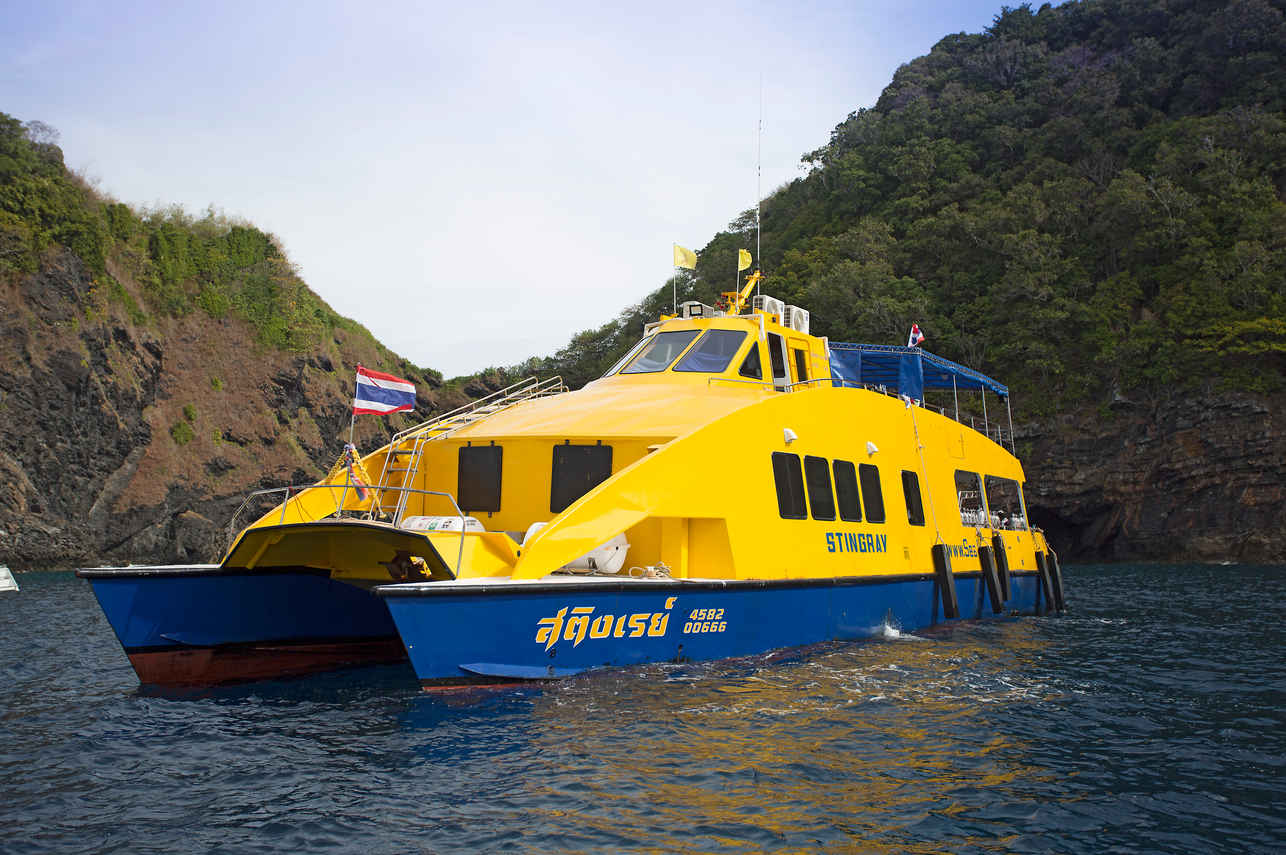
Stingray
Thailand
8 guests24 m
$245/day
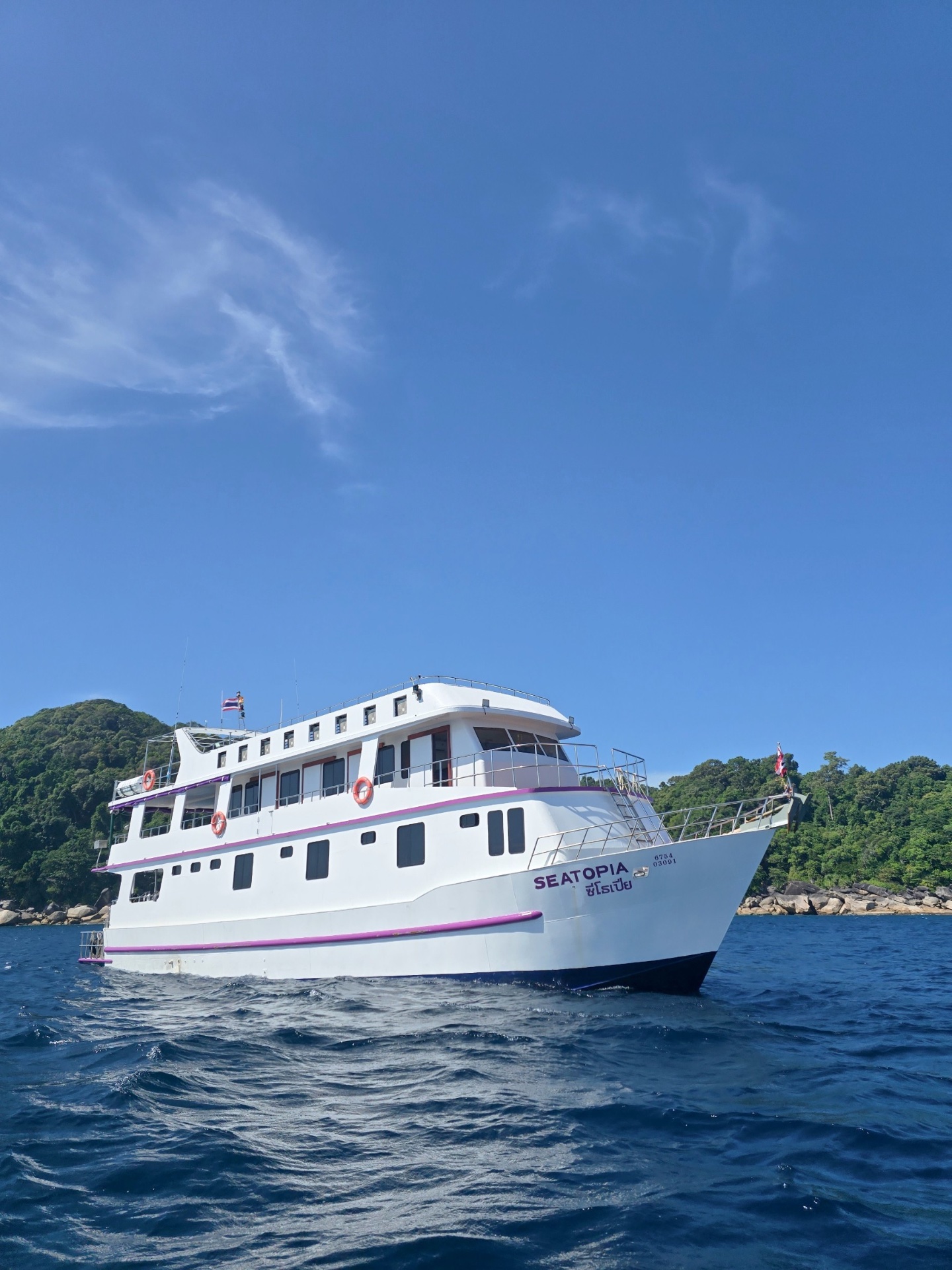
Seatopia
Thailand
24 guests24 m
Dive sites similar to Koh Tao — Japanese Garden
Same character, same waters — six more sites divers love for the exact same reasons.Compare seasons, access and liveaboard routes — then pick the site that fits your trip best.
Koh Taru is a notable dive site located off Koh Lipe, close to Thailand's southern border with Malaysia, within the protected waters of Tarutao National Marine Park.
- Suitable for
- Beginner
- Current
- Mild
- Access
- Dayboat
- Depth
- 5–18 m
- Theme
- Reef / Drift
© Esri — Maxar, Earthstar, GIS
Koh Haa — Lagoon
Thailand
Koh Haa Lagoon is a picturesque and protected dive site formed by islands #2, #3, and #4 of the Koh Haa archipelago, approximately 1.45 hours by boat from Koh Lanta.
- Suitable for
- Beginner
- Current
- Moderate
- Access
- Liveaboard or dayboat
- Depth
- 2–25 m
- Theme
- Reef / Wall
Hin Raab is a prominent dive site located in the eastern Gulf of Thailand, near Koh Chang, offering an exceptional underwater experience with its rich coral biodiversity and thriving marine life.
- Suitable for
- Intermediate
- Current
- Moderate
- Access
- Dayboat
- Depth
- 5–22 m
- Theme
- Reef / Pinnacle
© Esri — Maxar, Earthstar, GIS
Hin Tai Nam (Blueberry Hill)
Thailand
Hin Tai Nam, often called Blueberry Hill, is a welcoming dive site located near Koh Chang in the eastern Gulf of Thailand.
- Suitable for
- Beginner
- Current
- Mild
- Access
- Dayboat
- Depth
- 5–18 m
- Theme
- Reef
© Esri — Maxar, Earthstar, GIS
Secret Reef
Thailand
Secret Reef, nestled adjacent to Hin Raab South, is a captivating dive site close to Koh Chang, forming a unified, diverse underwater ecosystem.
- Suitable for
- Beginner
- Current
- Mild
- Access
- Dayboat
- Depth
- 5–12 m
- Theme
- Reef
© Esri — Maxar, Earthstar, GIS
Turtle Rock (Similan)
Thailand
Turtle Rock is a renowned dive site nestled within the Similan Islands, situated on the western side of Island 8. This location is particularly notable for its distinctive rock…
- Suitable for
- Beginner
- Current
- Mild
- Access
- Liveaboard only
- Depth
- 5–30 m
- Theme
- Reef