About Montague Island
Montague Island, known as Barunguba in the local Yuin language, is a protected nature reserve situated approximately nine kilometers off the coast of Narooma in New South Wales, Australia. This accessible yet wild dive destination is a hotspot for marine life, boasting the largest fur seal colony on the NSW coast and renowned for its diverse underwater topography. The island's granite formations extend beneath the surface, creating an intricate landscape of swim-throughs, boulders, and walls adorned with vibrant sponges, soft corals, and kelp forests. The waters surrounding Montague Island are teeming with a wide variety of species. Divers frequently encounter playful Australian and New Zealand fur seals, particularly during their peak population in cooler months. Grey nurse sharks aggregate here seasonally, offering awe-inspiring encounters, while bull rays, smooth rays, and fiddler rays patrol the sandy bottoms. The East Australian Current, particularly during warmer months, brings in tropical fish and pelagic species like kingfish, enhancing the biodiversity and often improving visibility. Dive sites around Montague Island typically range from 5 to 30 meters, accommodating various certification levels, though deeper sites can extend to 40 meters. Visibility can fluctuate from 10 to 40 meters depending on the season and prevailing currents, with water temperatures ranging from 14°C in winter to 26°C during warm current pulses. The island's status within the Batemans Marine Park ensures flourishing marine ecosystems, making it a premier destination for eco-tourism and marine adventure.
Highlights
Playful fur seal encountersSeasonal grey nurse shark aggregationVibrant sponge and coral gardensDiverse pelagic fish schoolsUnderwater granite formationsEast Australian Current pelagics
Season calendar
Best months to dive here
Jan
Feb
Mar
Apr
May
Jun
Jul
Aug
Sep
Oct
Nov
Dec
Excellent
Good
Off-Season
Jun – Oct
Dry season with best visibility on the Great Barrier Reef. Minke whale season June–July. Ningaloo whale sharks March–July.
Apr – May & Nov
Comfortable temperatures, good visibility, fewer crowds. Giant cuttlefish aggregation in South Australia May–August.
Dec – Mar
Wet season in the tropics. Reduced visibility, jellyfish season. Warmer water attracts coral spawning.
Dive site facts: Montague Island
- Depth
- 5–40 m
- Current
- Variable, can be strong
- Visibility
- 10–40 m
- Water temperature
- 14–26°C
- Entry
- Boat
- Level
- Open Water Diver to Advanced
- Dive type
- Reef, pelagics, seals, sharks
- Region / port
- New South Wales, Australia (Narooma)
- Coordinates
- -36.25, 150.2333
Conditions & Currents
Montague Island experiences variable currents, particularly influenced by the East Australian Current, which can bring warmer water and increased visibility but also stronger flows. Some deeper sites like Manta Dropoff are noted for significant current, making them suitable for experienced divers comfortable with drift diving. Briefings emphasize current direction, entry procedures, and exit plans to manage these conditions effectively and ensure diver safety. Visibility can range from 10 to 40 meters, often improving significantly when warm current pulses push south, carrying clear water. Divers should be prepared for potential surge, especially at shallower, exposed sites, and maintain strong situational awareness throughout the dive.
Marine life & sighting chances

Australian fur seal
Year-round, peak Sep-Oct · commonNew Zealand fur seal
Year-round, peak Sep-Oct · common
Grey nurse shark
Nov-Apr · common
Wobbegong shark
common
Port Jackson shark
occasional
Eastern blue groper
common
Kingfish
Warmer months · common
Morwong
common
Trevally
common
Snapper
common
Bull ray
common
Fiddler ray
common
Moray eel
common
Nudibranch
occasionalDive profile & how the dive runs
A typical dive at Montague Island often begins with a boat entry, descending onto rocky reefs or bommies. For seal dives, you'll typically explore sheltered bays between 5-20 meters, allowing for extended interaction with the inquisitive Australian and New Zealand fur seals. If targeting grey nurse sharks, dives are usually on the northern side of the island in depths of 14-26 meters, observing them resting in gutters or swim-throughs. Deeper sites like Manta Dropoff, reaching 40 meters, involve following a reef edge, often as a drift dive, in search of pelagics and mantas. Turn points are usually determined by air consumption or bottom time, with safety stops conducted as required during a controlled ascent, often alongside the boat or in a calmer section of the reef. The specific route is always adapted to prevailing conditions and marine life sightings.
Underwater photography
Montague Island offers fantastic opportunities for both wide-angle and macro photography. For the playful fur seals, a wide-angle lens is essential to capture their energetic interactions and the surrounding underwater scenery. Keep your strobe settings flexible to account for their fast movements and the variable ambient light in shallower areas. For grey nurse sharks, a wide-angle setup is also ideal, especially when they aggregate in their resting gutters. Macro photographers will find subjects like nudibranchs and colorful encrusting sponges on the reef walls, requiring a dedicated macro lens and careful buoyancy control to avoid disturbing the delicate environment. Given the potential for strong currents and active subjects, good buoyancy and quick camera adjustments are key to successful shots.
Combine with nearby dive sites
- Julian Rocks
Julian Rocks, known as Nguthungulli by the local Bundjalung people, is a prominent marine reserve located approximately 2.5–3 km off the…
- Fish Rock Cave
Fish Rock Cave, located off South West Rocks in New South Wales, Australia, is renowned as the country's only true ocean cave dive.
- North Solitary Island
North Solitary Island, located within the protected Solitary Islands Marine Park off the coast of New South Wales, Australia, represents a…
- South Solitary Island
South Solitary Island, located approximately 8-9 nautical miles offshore from Coffs Harbour, New South Wales, Australia, is a premier dive…
- Lord Howe Island - Erscotts Hole
Erscott's Hole is a celebrated dive and snorkel site located within the protective lagoon of Lord Howe Island, a UNESCO World Heritage site…
Getting there & logistics
Access to Montague Island is primarily from Narooma, located on the New South Wales South Coast. The nearest major airport is Sydney Airport (SYD), from which Narooma is approximately a 4-5 hour drive. Daily boat tours depart from Narooma, with trip durations varying based on the operator and chosen dive sites. A typical dive trip usually lasts a half-day. As Montague Island is within the Batemans Marine Park, specific regulations apply to protect its rich ecosystem, and all diving activities must be conducted with licensed operators. Multi-day trips often combine several dives around the island, with opportunities for snorkeling and land tours to see the lighthouse and other wildlife.
Safety & environment
Diving at Montague Island requires careful attention to safety protocols due to variable conditions, including strong currents at some sites. Divers should always carry valid dive insurance and ensure their certification aligns with the planned dive depths and conditions. The nearest recompression chamber facilities are in Sydney. Operators typically conduct thorough briefings covering site-specific hazards, current behavior, and emergency procedures. Evacuation in a serious incident would involve boat transfer back to Narooma and then land-based medical transport. Always dive within your training and experience limits, follow your guide's instructions, and respect the protected marine environment by maintaining good buoyancy and avoiding contact with marine life.
Who it suits — and who it doesn't
Suited for
- Open Water divers comfortable with boat entries and varied conditions
- Divers seeking interactive marine life encounters (seals, sharks)
- Underwater photographers (wide-angle emphasis)
- Divers interested in diverse reef ecosystems
- Those comfortable with cooler water temperatures (seasonal)
Less suited for
- First-time divers or those lacking boat diving experience
- Divers uncomfortable with potential currents
- Individuals prone to seasickness (offshore location)
- Divers expecting only tropical, warm water conditions
- Those uninterested in large marine animal encounters
FAQ
Montague Island FAQ
What is the best time of year to see seals at Montague Island?
While seals are present at Montague Island year-round, their population peaks during the cooler months, specifically from September to October. During this period, you can expect to see the largest numbers of Australian and New Zealand fur seals, making for highly interactive and memorable dive experiences.
Are there sharks at Montague Island?
Yes, Montague Island is a significant habitat for grey nurse sharks, particularly from November to April when they aggregate around the island's northern side. You can also spot wobbegong sharks resting on ledges and occasionally Port Jackson sharks. Encounters with these species are typically calm and awe-inspiring.
What is the water temperature and visibility like?
Water temperatures range from 14-17°C in winter to 20-23°C in summer, sometimes reaching up to 26°C with warm current pulses. Visibility is highly variable, ranging from 10 meters on an average day to an impressive 40 meters when conditions align, especially with the influence of the East Australian Current.
What types of dive sites are available around Montague Island?
Montague Island offers a variety of dive sites including rocky reefs, bommies, walls, and swim-throughs formed by granite formations. Depths range from shallow sheltered bays (5-20m) ideal for seal interactions to deeper drop-offs (up to 40m) where pelagic species and mantas might be encountered.
Is Montague Island suitable for beginner divers?
Montague Island caters to a range of dive levels. While some sheltered sites are suitable for Open Water divers, experience with boat diving and variable conditions, including potential currents, is beneficial. Advanced sites, particularly those with deeper profiles or stronger currents, are best suited for more experienced divers.
Are there other marine animals besides seals and sharks?
Absolutely! Montague Island boasts a rich marine ecosystem. Divers frequently encounter large schools of fish like kingfish, morwong, trevally, and snapper. You might also spot bull rays, fiddler rays, moray eels, colourful nudibranchs, and even sea turtles. Humpback whales and dolphins are often sighted on the surface during migration periods.
Why dive Montague Island from a liveaboard?
Montague Island is one of Australia's signature dive sites. A liveaboard sleeps you on the water and puts you in the water for three to four guided dives per day, including dawn and night dives that day-boat operators rarely offer. You skip the daily commute back to port and reach quieter, less-crowded sites in the same region on a single trip.
Below are the liveaboards that include Montague Island on their Australia itineraries.
Liveaboards diving Montague Island
These liveaboards may visit Montague Island on selected itineraries — the exact dive sites depend on departure, weather and conditions.
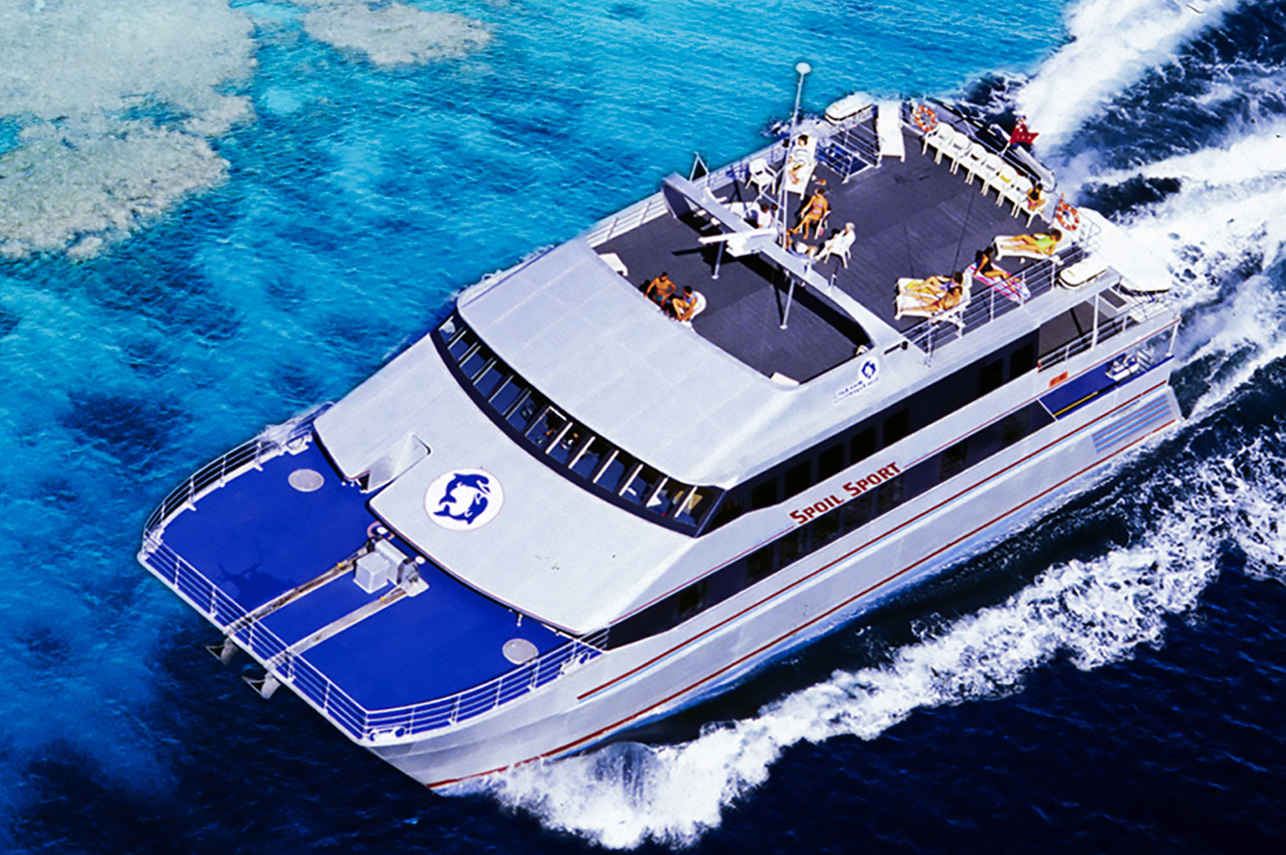
Spoilsport
Australia
28 guests30 m
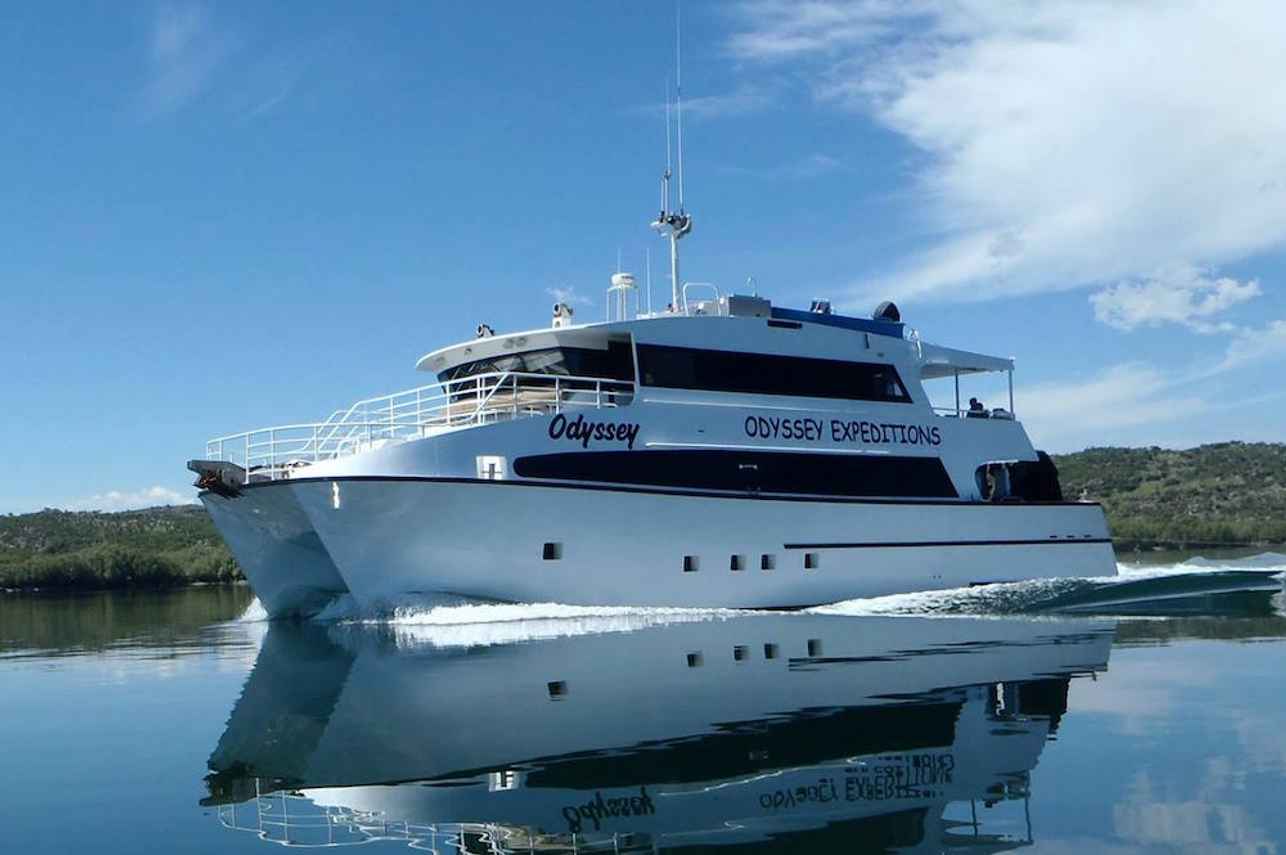
Odyssey Liveaboard
Australia
20 guests24 m
Dive sites similar to Montague Island
Same character, same waters — six more sites divers love for the exact same reasons.Compare seasons, access and liveaboard routes — then pick the site that fits your trip best.
© Esri — Maxar, Earthstar, GIS
Agincourt Reef
Australia
Agincourt Reef sits on the outer edge of the Great Barrier Reef, roughly 60–72 km off Port Douglas in Far North Queensland, at the southern end of the true ribbon reefs that run…
- Suitable for
- Beginner
- Current
- Moderate
- Access
- Dayboat
- Depth
- 2–20 m
- Theme
- Reef / Wall
Ahe Atoll, a remote and authentic destination in French Polynesia, offers a dive experience deeply intertwined with its local pearl farming community.
- Suitable for
- Advanced
- Current
- Strong
- Access
- Liveaboard or dayboat
- Depth
- 5–22 m
- Theme
- Channel / Drift
© Esri — Maxar, Earthstar, GIS
Alacrity Shoal
Fiji
Alacrity Shoal is a premier dive site in Fiji, renowned for its spectacular drift diving opportunities and rich marine biodiversity.
- Suitable for
- Advanced
- Current
- Strong
- Access
- Liveaboard or dayboat
- Depth
- 12–40 m
- Theme
- Drift / Seamount
Alibaba is a renowned drift dive located within the Garuae Pass in northern Fakarava, a UNESCO Biosphere Reserve in the Tuamotu Archipelago.
- Suitable for
- Intermediate
- Current
- Strong
- Access
- Liveaboard only
- Depth
- 5–30 m
- Theme
- Reef
© Esri — Maxar, Earthstar, GIS
Aliko Reef
Micronesia
Aliko Reef is a prominent dive site within Yap, Micronesia, characterized by a captivating underwater topography that blends a mini-wall with an expansive coral plateau.
- Suitable for
- Intermediate
- Current
- Mild
- Access
- Dayboat
- Depth
- 6–15 m
- Theme
- Reef / Wall
© Esri — Maxar, Earthstar, GIS
Amity Point
Australia
Amity Point is a popular shore diving destination located at the northwestern tip of North Stradbroke Island, within the protected waters of Moreton Bay.
- Suitable for
- Beginner
- Current
- Moderate
- Access
- Shore / dayboat
- Depth
- 5–15 m
- Theme
- Reef