About Black Coral Island
Black Coral Island in Palau is not a specific dive site but rather a descriptive term reflecting the region's rich marine life, particularly the presence of black coral, within the broader context of Palau's world-renowned diving. Palau, an archipelago at the edge of the Philippine Sea tectonic plate, is a dive paradise shaped by immense geological forces, featuring sunken volcanoes, sheer walls, and dramatic limestone formations. It sits at the convergence of powerful ocean currents, fostering one of Earth's most biologically diverse marine environments. Divers here can expect to explore vibrant, healthy coral reefs teeming with life, including a vast array of hard and soft corals, gorgonian fans, and various reef fish like angelfish, parrotfish, and clownfish. The strong currents in Palau create dynamic drift dives and attract large pelagic species. Shark and manta cleaning stations are common, and encounters with sharks, rays, and turtles are frequent, making it a hotspot for big animal action. The underwater scenery is spectacular, with excellent visibility showcasing the dazzling colors of the coral gardens. Dive conditions often involve thrilling currents, making many sites suitable for more experienced divers. The region offers a mix of coral-encrusted walls, drift dives, and the potential for exciting encounters with schooling fish and apex predators. While specific entry methods for "Black Coral Island" aren't detailed, Palau's diving generally involves boat-based entries, often from liveaboards that provide access to its more remote and spectacular sites.
Highlights
Healthy, vibrant coral reefsAbundant marine life, including pelagicsThriving black coral coloniesShark and manta cleaning stationsStrong currents offer drift divesDramatic underwater topography
Best Season
December to March is considered high season, characterized by calm seas and dry weather. However, Palau is generally a great year-round dive destination.
Dive site facts: Black Coral Island
- Depth
- 25–50 m
- Current
- Present, can be strong
- Entry
- Boat
- Level
- Intermediate to Advanced
- Dive type
- Wall dive, drift, pelagic encounters
- Region / port
- Pohnpei, Micronesia
- Coordinates
- 6.92, 158.14
Conditions & Currents
Diving at Black Coral Island, particularly along Kehpara Wall, often involves currents, which can be strong, especially in the Kehpara Pass area. These currents are an integral part of the dive experience, facilitating drift dives and attracting larger pelagic species. Divers should be proficient in current diving techniques and maintain excellent buoyancy control to navigate the wall effectively. Visibility is generally good, but local conditions influenced by tides and potential runoff from the main island of Pohnpei can introduce variability. Boat entries and exits are typical, and divers must be prepared for swift pick-ups by the dive vessel after drifting.
Marine life & sighting chances

White-tip reef shark
common
Black-tip reef shark
common
Spotted eagle ray
occasional
Grouper
common
Lionfish
occasional
Clownfish
common
Manta ray
occasional
Tuna
occasional
Barracuda
occasionalDive profile & how the dive runs
The typical dive at Black Coral Island focuses on Kehpara Wall, beginning with a boat drop directly onto the outer edge of the barrier reef. Divers descend along the wall, often with a prevailing current dictating the direction of the drift. The dive progresses along the coral-rich face, exploring crevices and overhangs where various reef fish and invertebrates reside. Mid-dive, deeper sections may reveal grouper spawning sites, while shallower areas towards the pass often feature encounters with reef sharks and eagle rays. The turn point is determined by air consumption and current conditions, leading to a gradual ascent along the wall to conduct a safety stop in shallower, sheltered waters before surfacing for boat pickup.
Underwater photography
Black Coral Island offers excellent opportunities for wide-angle photography, especially along Kehpara Wall, where the expansive coral formations and encounters with pelagic species like sharks and eagle rays are common. A wide-angle lens is ideal for capturing the grandeur of the wall and schooling fish. For macro subjects, the rich reef environment provides plenty of invertebrates and smaller reef fish; a macro lens can highlight these details. Ensure good buoyancy control to avoid damaging the delicate coral and to maintain stable shots in varying currents. Consider using strobes to bring out the vibrant colors of the reef and marine life, especially in deeper sections or during overcast conditions.
Combine with nearby dive sites
Getting there & logistics
Access to Black Coral Island is typically arranged via boat transport from the Seinwar Launch, located behind Seinwar Elementary School in Pohnpei. Reservations for day visits or overnight stays, as well as boat transport, can be made directly with Ace, the island's proprietors. Pohnpei is served by Pohnpei International Airport (PNI). Dive trips to Black Coral Island are usually part of a broader itinerary exploring the marine protected areas and other dive sites around Pohnpei, offering flexibility for both day trips and liveaboard options for extended exploration of Micronesia.
Safety & environment
Diving at Black Coral Island requires adherence to standard safety protocols due to the potential for strong currents and deeper wall dives. Divers should always dive within their certification limits and ensure they have adequate experience with current. The nearest recompression chamber is located in Guam, emphasizing the critical importance of dive insurance that covers emergency medical evacuation and treatment. Divers should always follow the instructions of their dive guide, maintain good buoyancy, and avoid touching or disturbing marine life, especially in the designated grouper spawning areas within the Kehpara Marine Protected Area.
Who it suits — and who it doesn't
Suited for
- Experienced divers comfortable with currents
- Underwater photographers seeking pelagic and wide-angle subjects
- Divers interested in marine protected areas and spawning aggregations
- Explorers keen on vibrant coral wall ecosystems
Less suited for
- Beginner divers without current experience
- Divers uncomfortable with potential deeper profiles
- Individuals seeking easy, calm, shallow dives
FAQ
Black Coral Island FAQ
What kind of marine life can I expect to see at Black Coral Island?
Black Coral Island is known for its diverse marine ecosystem, particularly along Kehpara Wall. Divers frequently encounter white-tip and black-tip reef sharks, as well as spotted eagle rays. The site is also a critical spawning ground for several species of protected groupers, and you'll find a variety of reef fish and corals.
Are there strong currents at Black Coral Island?
Yes, currents can be a significant factor when diving at Black Coral Island, especially in and around Kehpara Pass and along Kehpara Wall. These currents can range from mild to strong, making it an exciting drift dive for experienced divers. Divers should be prepared for varying conditions.
Is Black Coral Island suitable for beginner divers?
Black Coral Island is generally recommended for intermediate to advanced divers who have experience with currents. The wall dives and potential for stronger currents may pose challenges for novices. It is advisable to have good buoyancy control and comfort in dynamic conditions.
How do I get to Black Coral Island?
Black Coral Island is accessible by boat from the Seinwar Launch in Pohnpei. The island's proprietors, Ace, handle reservations for visits and arrange boat transport. Pohnpei International Airport (PNI) is the main gateway to the region, with dive operators coordinating local transfers.
Can I stay overnight on Black Coral Island?
Yes, Black Coral Island offers simple wooden huts for overnight camping. Reservations for both day visits and overnight stays can be made through the island's owners, the Adams family. This provides a unique opportunity to experience the island's serene environment beyond diving hours.
Why dive Black Coral Island from a liveaboard?
Black Coral Island is one of Micronesia's signature dive sites. A liveaboard sleeps you on the water and puts you in the water for three to four guided dives per day, including dawn and night dives that day-boat operators rarely offer. You skip the daily commute back to port and reach quieter, less-crowded sites in the same region on a single trip.
Below are the liveaboards that include Black Coral Island on their Micronesia itineraries.
Liveaboards diving Black Coral Island
These liveaboards may visit Black Coral Island on selected itineraries — the exact dive sites depend on departure, weather and conditions.
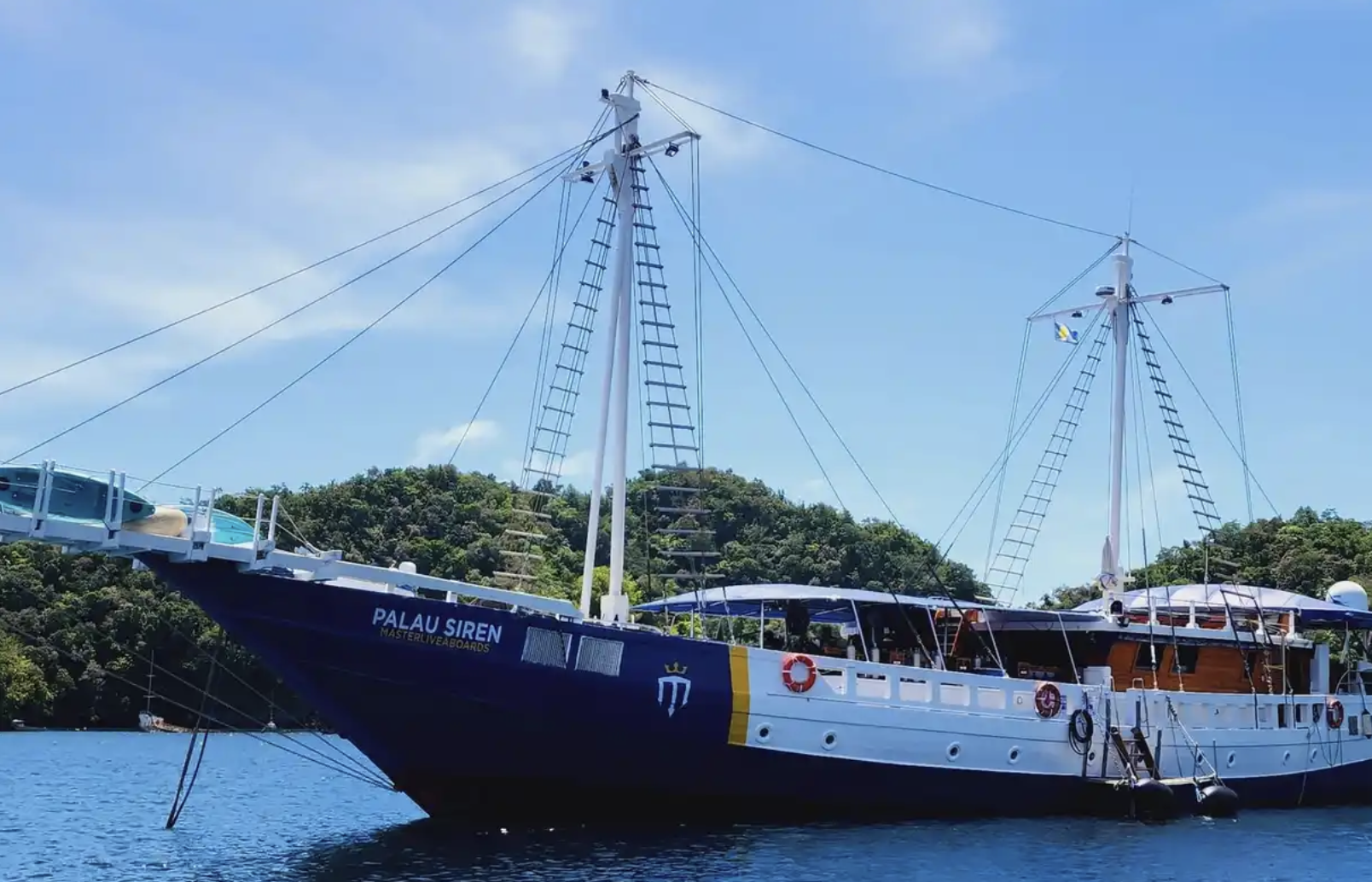
Palau Siren
Micronesia
16 guests
$501/day
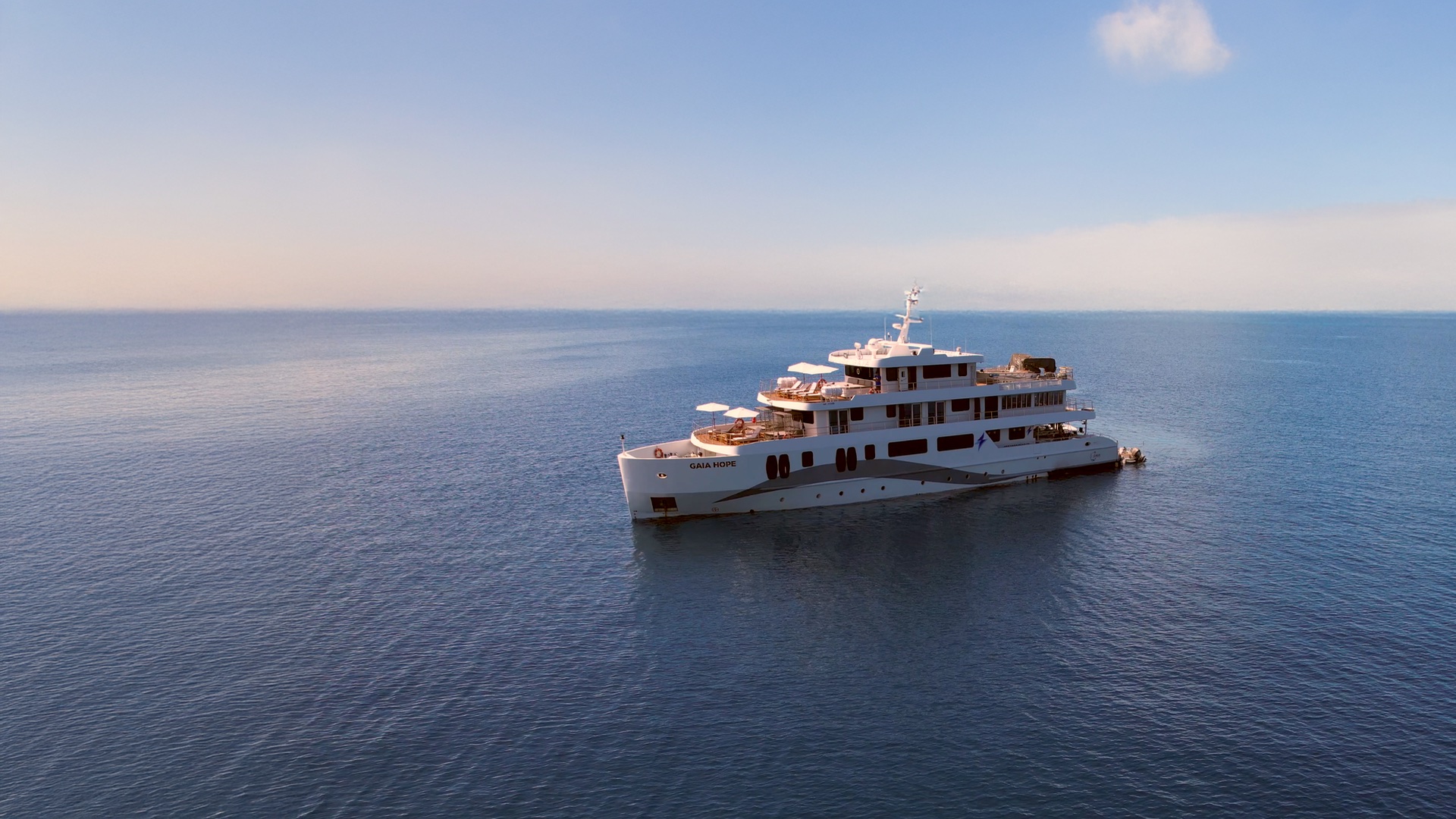
Solitude Gaia
Micronesia
18 guests40 m
$310/day
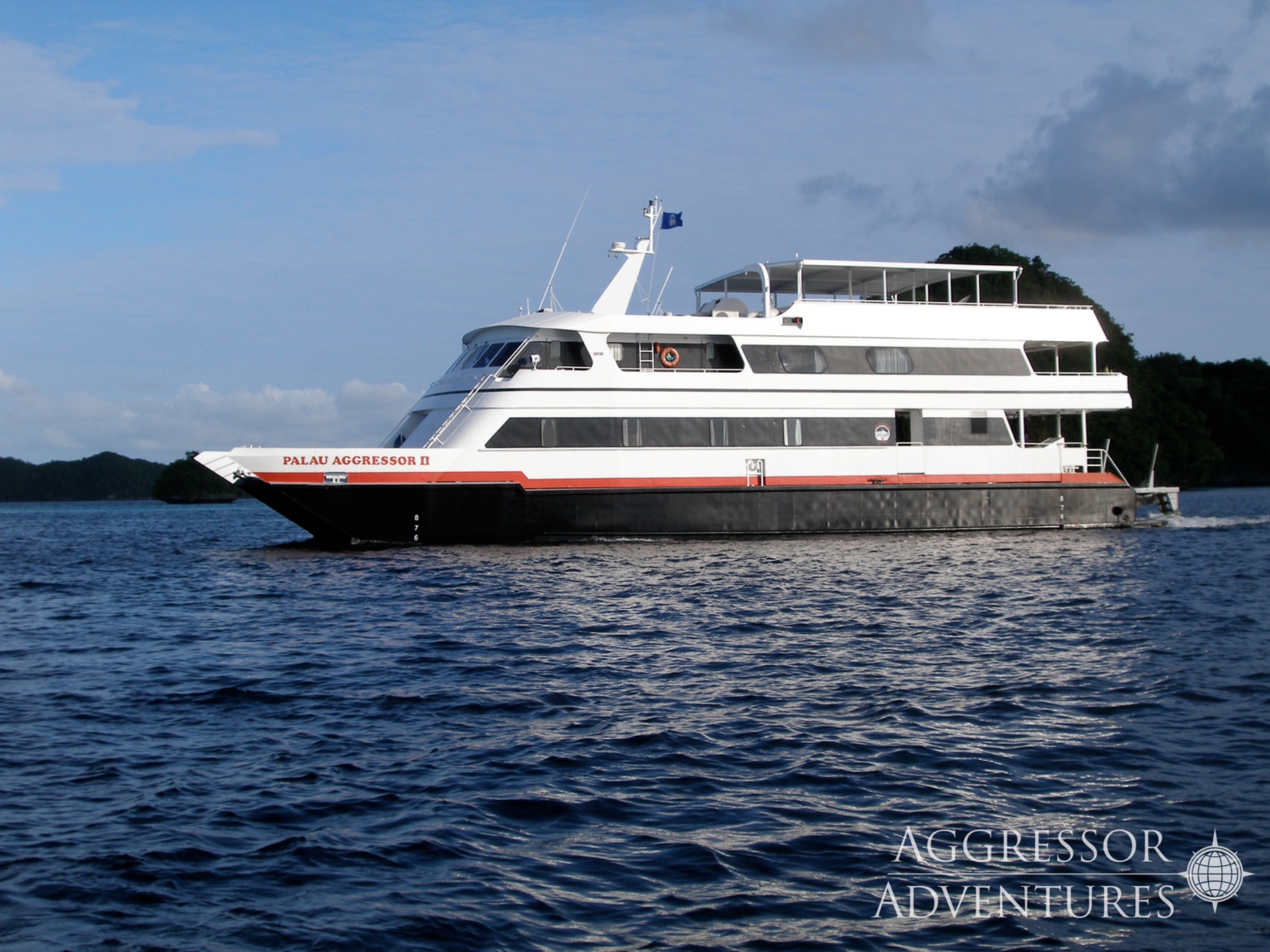
Palau Aggressor II
Micronesia
18 guests32 m
$360/day
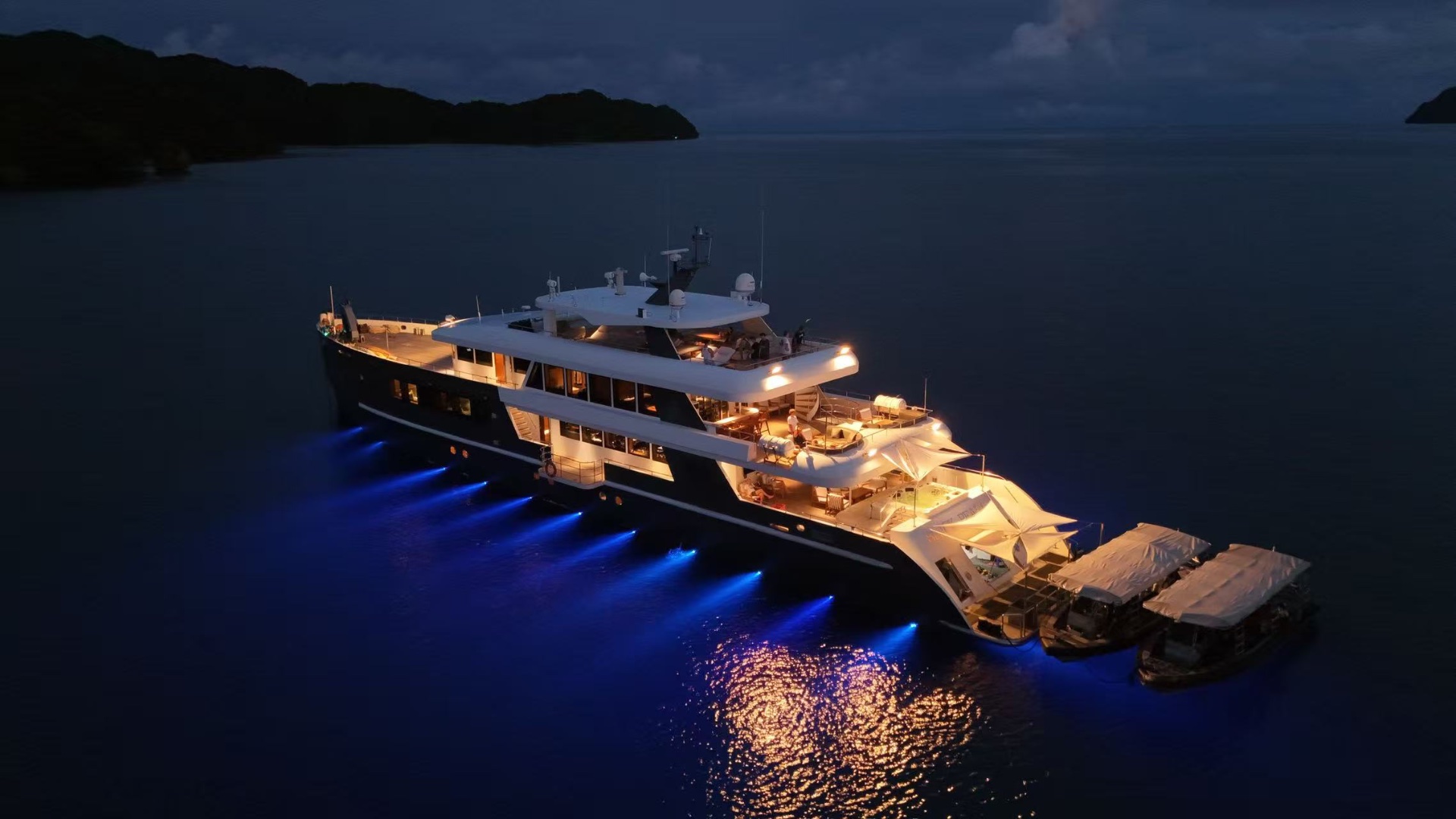
Black Pearl
Micronesia
24 guests
$390/day
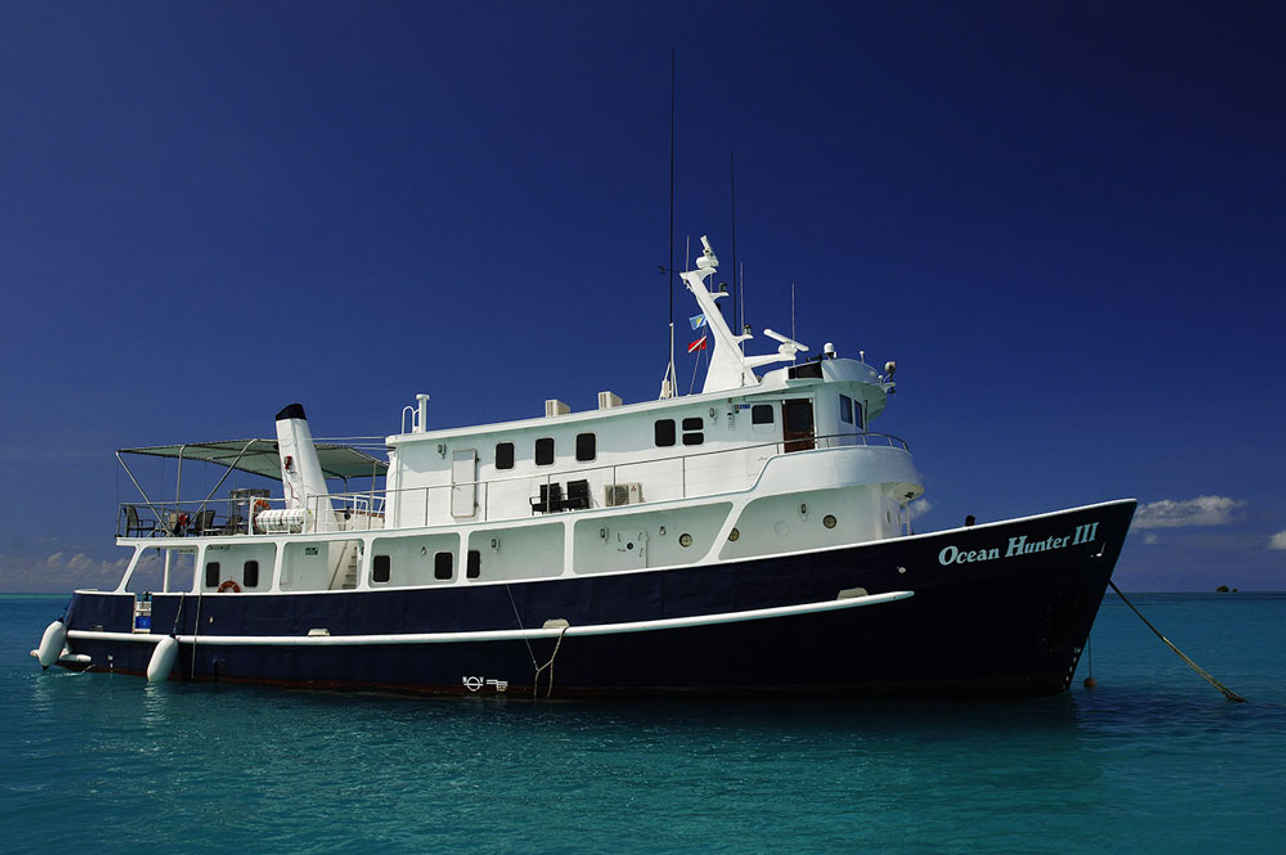
Ocean Hunter 3
Micronesia
16 guests29 m
$350/day
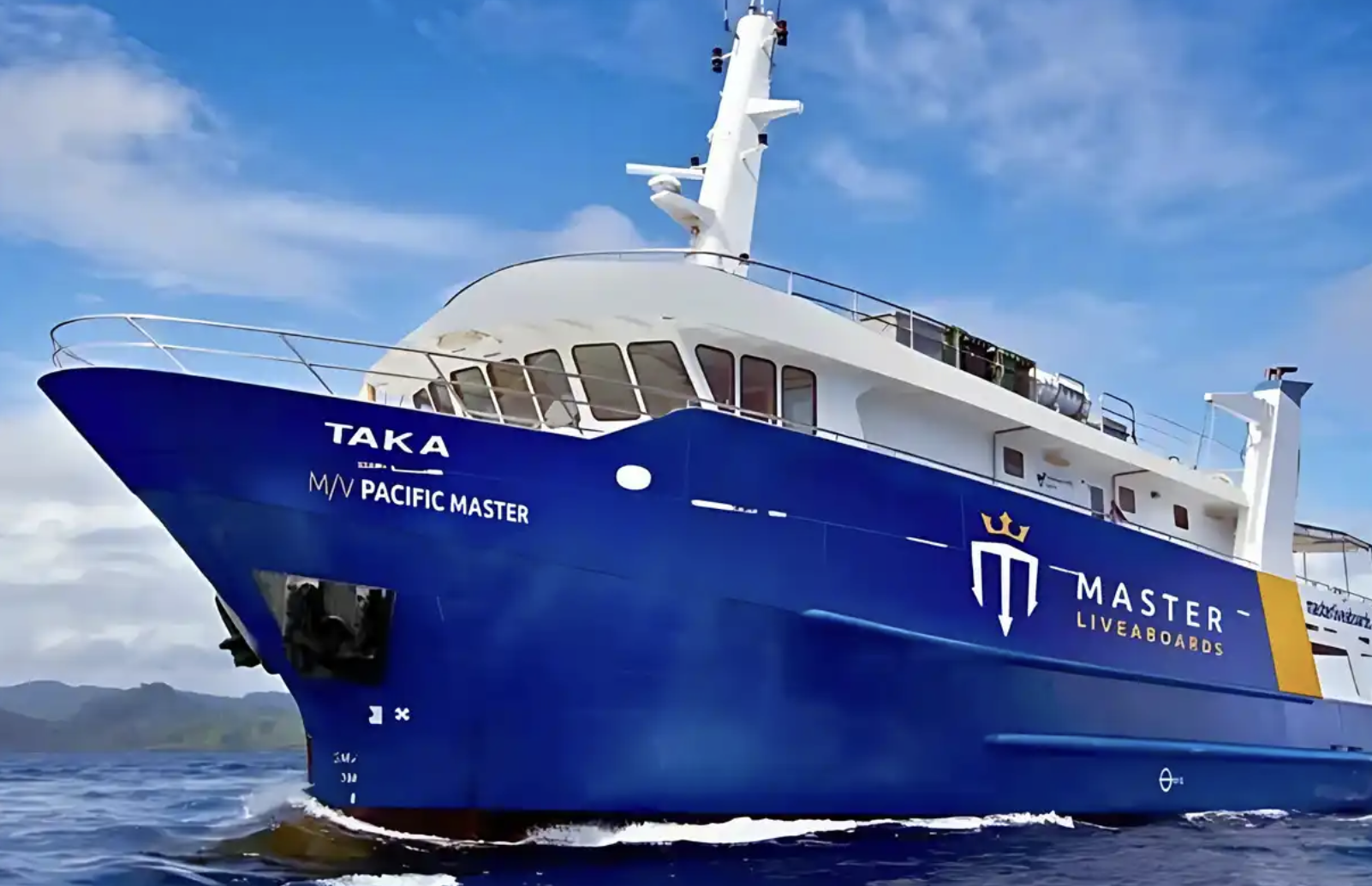
Pacific Master
Solomon Islands
20 guests30 m
$268/day
Dive sites similar to Black Coral Island
Same character, same waters — six more sites divers love for the exact same reasons.Compare seasons, access and liveaboard routes — then pick the site that fits your trip best.
© Esri — Maxar, Earthstar, GIS
Challenger Bay
Australia
Challenger Bay, nestled on Ribbon Reef #10, approximately 176 kilometers north of Port Douglas, is a renowned dive site on the remote northern Great Barrier Reef.
- Suitable for
- Advanced
- Current
- Moderate
- Access
- Liveaboard only
- Depth
- 5–30 m
- Theme
- Reef
© Esri — Maxar, Earthstar, GIS
Trochus Sanctuary
Micronesia
Trochus Sanctuary is a distinctive dive site located north of the mid-point of Kosrae, southwest of the island's airport.
- Suitable for
- Beginner
- Current
- Mild
- Access
- Dayboat
- Depth
- 5–13 m
- Theme
- Reef
© Esri — Maxar, Earthstar, GIS
Bare Island East
Australia
Bare Island East is a highly regarded shore dive in Sydney, celebrated for its diverse and colourful sponge gardens.
- Suitable for
- Intermediate
- Current
- Mild
- Access
- Shore / dayboat
- Depth
- 2–11 m
- Theme
- Reef
© Esri — Maxar, Earthstar, GIS
Raine Island
Australia
Raine Island is a pivotal dive site located in the Far Northern Great Barrier Reef, approximately 85 kilometers east-north-east of Cape Grenville and just over 4 nautical miles south of the island itself.
- Suitable for
- Advanced
- Current
- Strong
- Access
- Liveaboard only
- Depth
- 5–40 m
- Theme
- Reef / Wall
© Esri — Maxar, Earthstar, GIS
Neptune Islands
Australia
The Neptune Islands, nestled at the mouth of South Australia's Spencer Gulf, offer an unparalleled opportunity to encounter great white sharks.
- Suitable for
- Advanced
- Current
- Strong
- Access
- Liveaboard or dayboat
- Depth
- 5–15 m
- Theme
- Drift
© Esri — Maxar, Earthstar, GIS
Walung Drop-Off
Micronesia
Walung Drop-Off is a well-known dive site situated off the southwest coast of Kosrae in the Federated States of Micronesia.
- Suitable for
- Intermediate
- Current
- Moderate
- Access
- Dayboat
- Depth
- ≤ 30 m
- Theme
- Wall / Reef