About Palikir Pass
Palikir Pass, located in Pohnpei, Micronesia, stands out as a premier dive site for its remarkable marine diversity and exhilarating drift diving opportunities. This channel, a natural gateway through the barrier reef, attracts a consistent population of grey reef sharks, making it a hotspot for pelagic action. The surrounding waters are rich in nutrients, supporting extensive coral formations and a thriving reef ecosystem. Diving here typically involves navigating dynamic currents that sweep through the pass, revealing a spectacular underwater landscape. The reef features dramatic drop-offs adorned with a variety of hard and soft corals. Beyond the pelagic encounters, divers can explore intricate coral gardens and inspect vibrant reef dwellers such as angelfish, butterflyfish, and nudibranchs. The site's healthy reef and abundant marine life are a direct result of Pohnpei's unique environment, characterized by high rainfall and lush tropical forests. These conditions feed nutrient-rich waters into the lagoon, fostering a diverse habitat for juvenile fish and attracting larger marine species. Palikir Pass is often integrated into broader dive itineraries that may include nearby atolls like Ant and Pakin, further enhancing the Micronesian diving adventure. Experienced divers find Palikir Pass particularly rewarding, especially during an incoming tide when the current brings in a greater influx of marine life. The clarity of the water, often exceeding 30 meters, allows for excellent viewing of the dramatic underwater scenery and its inhabitants.
Highlights
Resident grey reef shark populationThriving coral gardens and drop-offsExhilarating drift diving experienceLarge Tridacna clamsDiverse reef fish speciesExcellent visibility
Season calendar
Best months to dive here
Jan
Feb
Mar
Apr
May
Jun
Jul
Aug
Sep
Oct
Nov
Dec
Excellent
Good
Dive site facts: Palikir Pass
- Depth
- 5–37 m
- Current
- Strong
- Visibility
- 20–40 m
- Water temperature
- 27–30 °C
- Entry
- Boat / back-roll
- Level
- Advanced recommended, current experience helpful
- Dive type
- Drift, pelagic, reef
- Region / port
- Pohnpei, Federated States of Micronesia
- Coordinates
- 6.91, 158.15
Conditions & Currents
Currents at Palikir Pass can be strong, particularly on an incoming tide when nutrient-rich waters are drawn into the channel, attracting a concentration of marine life. Divers should be prepared for drift diving conditions and have experience managing currents. The presence of strong currents is often a key factor in the site's appeal, as it enhances pelagic encounters, especially with the resident shark population. Visibility is typically excellent, ranging from 20 to 40 meters, even with varying currents. Entry usually involves a back-roll from a dive boat, with careful planning for an efficient exit that considers the current's direction. Thermoclines are generally not a significant issue, with warm water temperatures maintained year-round.
Marine life & sighting chances

Grey reef shark
common
White-tip shark
occasional
Eagle ray
occasional
Napoleon wrasse
occasional
Tridacna clam
common
Pink anemonefish
common

Lemon-peel angelfish
common
Humphead bannerfish
common
Nudibranch
occasional
Schooling fusiliers
common
Green sea turtle
occasionalDive profile & how the dive runs
Your dive at Palikir Pass typically begins with a back-roll entry from the boat directly into the water. Following a thorough briefing, you will descend to the outer edge of the reef, aiming for a deep reef observation point around 37 meters. Here, you can observe the resident grey reef sharks in the channel, especially during an incoming tide. The dive progresses as you drift with the current through the pass, allowing the water movement to guide you past vibrant coral formations and schooling fish. You'll explore the reef wall, noting the various hard and soft corals and the diverse smaller reef inhabitants. The turn point is often dictated by air consumption and bottom time, after which you will gradually ascend, conducting your safety stop in the calmer, shallower sections of the pass before surfacing for boat pick-up.
Underwater photography
Palikir Pass offers fantastic opportunities for wide-angle photography, especially to capture the dramatic pelagic action, including schools of grey reef sharks and eagle rays. A wide-angle lens is essential for capturing the vastness of the pass and the density of marine life. Given the strong currents, stabilizing yourself with a reef hook is recommended to compose your shots effectively without disturbing the reef. For macro subjects like nudibranchs and smaller reef fish, a macro lens can be rewarding in the calmer areas of the reef. Utilize natural light in the clear waters, but consider a strobe for vibrant color rendition, especially in deeper sections or when shooting against the light. Maintain excellent buoyancy to avoid stirring up sediment or damaging delicate corals during your photo pursuits.
Combine with nearby dive sites
- Mwand Wall
A stunning wall dive with abundant corals and diverse reef fish.
- Kehpara Island
Known for its marine protected area and vibrant reef life.
- Ant Atoll
Offers pristine diving experiences with strong currents and large marine life.
- Black Coral Island
Features good snorkeling and diving along its outer reef edge.
Getting there & logistics
Access to Pohnpei's dive sites, including Palikir Pass, typically involves flying into Pohnpei International Airport (PNI), with common routes via Guam or Honolulu. Dive centers in Kolonia provide guided dives, equipment rentals, and courses. Most reef sites are reached via short boat rides, though trips to outer atolls like Ant may require longer excursions. A typical diving itinerary might include several days of diving Pohnpei's main sites, with an optional day trip to Ant Atoll. There are no specific park fees mentioned for Palikir Pass itself, but it's advisable to confirm with your dive operator about any local charges.
Safety & environment
Diving at Palikir Pass, due to its strong currents and deeper sections, requires divers to be experienced and comfortable in such conditions. Adequate training and current experience are highly recommended. Always dive with a reputable local operator who understands the site's nuances and tides. The nearest recompression chamber is located in Guam, emphasizing the critical importance of proper dive planning, adherence to dive tables, and having comprehensive dive insurance that covers emergency evacuation and medical treatment. Always carry a safety sausage and know how to deploy it. Stay with your dive guide and do not attempt to penetrate any areas without proper training and guidance.
Who it suits — and who it doesn't
Suited for
- Experienced drift divers
- Shark enthusiasts
- Advanced Open Water Divers
- Underwater photographers targeting wide-angle subjects
- Divers seeking pelagic encounters
Less suited for
- Novice divers
- Divers uncomfortable with strong currents
- Those without drift diving experience
- Divers prone to seasickness
- Divers with limited bottom time allowances
FAQ
Palikir Pass FAQ
What kind of marine life can I expect to see at Palikir Pass?
Palikir Pass is renowned for its consistent population of grey reef sharks, often seen in groups of 30 to over 100 individuals. You can also encounter white-tip sharks, eagle rays, Napoleon wrasse, and a vibrant array of reef fish such as angelfish, triggerfish, and bannerfish. Large Tridacna clams are also a highlight on the reef.
Are the currents strong at Palikir Pass?
Yes, currents at Palikir Pass can be strong, especially on an incoming tide. This makes it an exciting drift dive, but it requires divers to have experience and comfort in dynamic current conditions. Dive operators will typically plan dives around optimal tide times to maximize the experience while ensuring safety.
What is the best depth to observe marine life at Palikir Pass?
To best observe the resident grey reef sharks, divers often position themselves on the deep reef at around 37 meters (120 feet) just outside the channel entrance. However, the entire pass, from shallower coral gardens to deeper drop-offs, offers rich marine life at various depths.
Is Palikir Pass suitable for beginner divers?
Palikir Pass is generally not recommended for beginner divers due to the strong currents and deeper sections involved. It is best suited for experienced divers, particularly those with Advanced Open Water certification and prior experience with drift diving.
What is the visibility like at Palikir Pass?
Visibility at Palikir Pass is typically excellent, often ranging between 20 to 40 meters (65 to 130 feet). The clear waters provide superb conditions for viewing the extensive coral formations and diverse marine life, even with strong currents present.
What equipment is recommended for diving Palikir Pass?
For diving Palikir Pass, it is highly recommended to bring a reef hook to safely observe marine life in strong currents without damaging the reef. A safety sausage (DSMB) is also essential for signaling your position to the boat after surfacing. Consider a wide-angle lens for photography to capture the pelagic action.
Why dive Palikir Pass from a liveaboard?
Palikir Pass is one of Micronesia's signature dive sites. A liveaboard sleeps you on the water and puts you in the water for three to four guided dives per day, including dawn and night dives that day-boat operators rarely offer. You skip the daily commute back to port and reach quieter, less-crowded sites in the same region on a single trip.
Below are the liveaboards that include Palikir Pass on their Micronesia itineraries.
Liveaboards diving Palikir Pass
These liveaboards may visit Palikir Pass on selected itineraries — the exact dive sites depend on departure, weather and conditions.
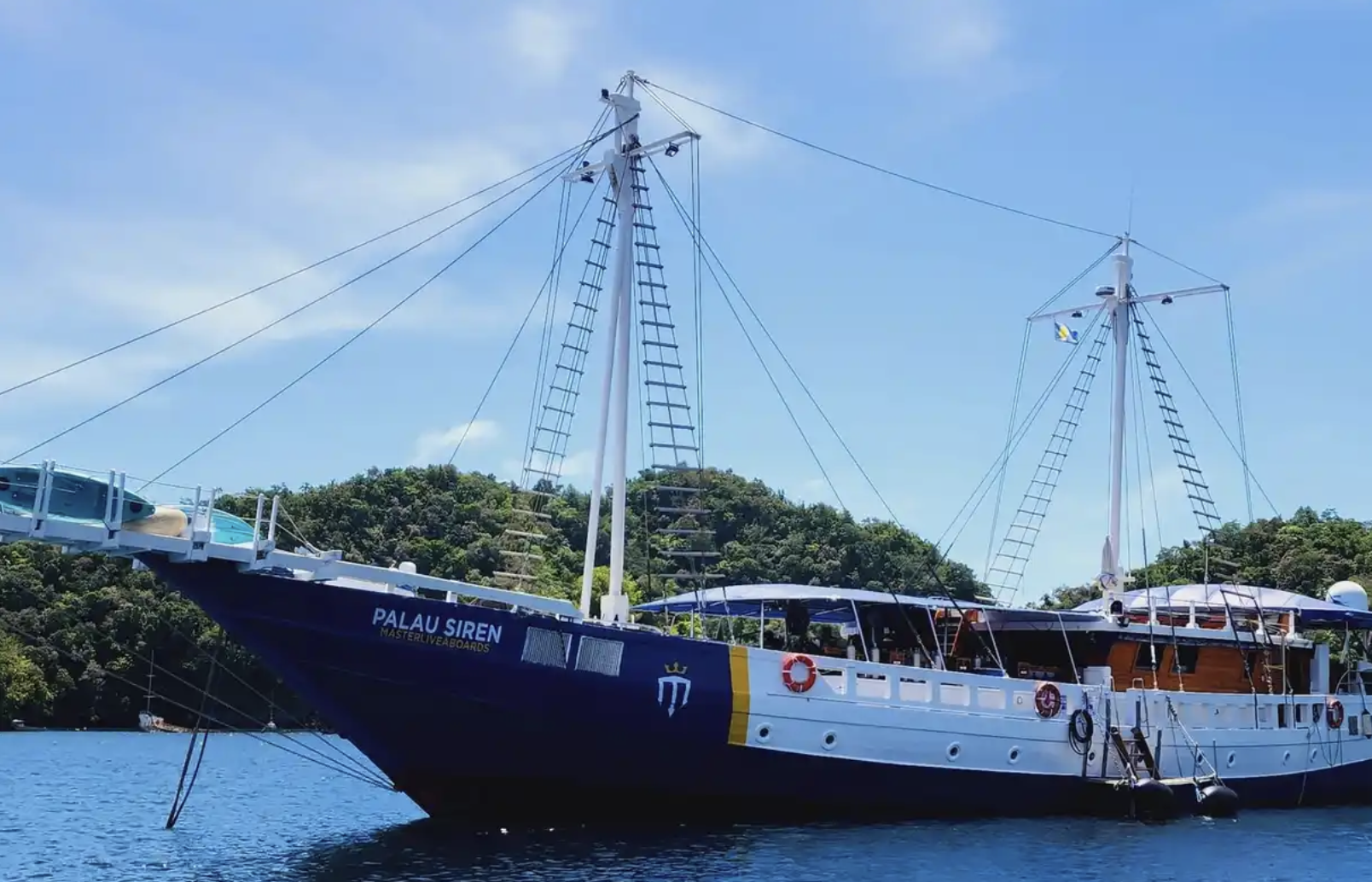
Palau Siren
Micronesia
16 guests
$501/day
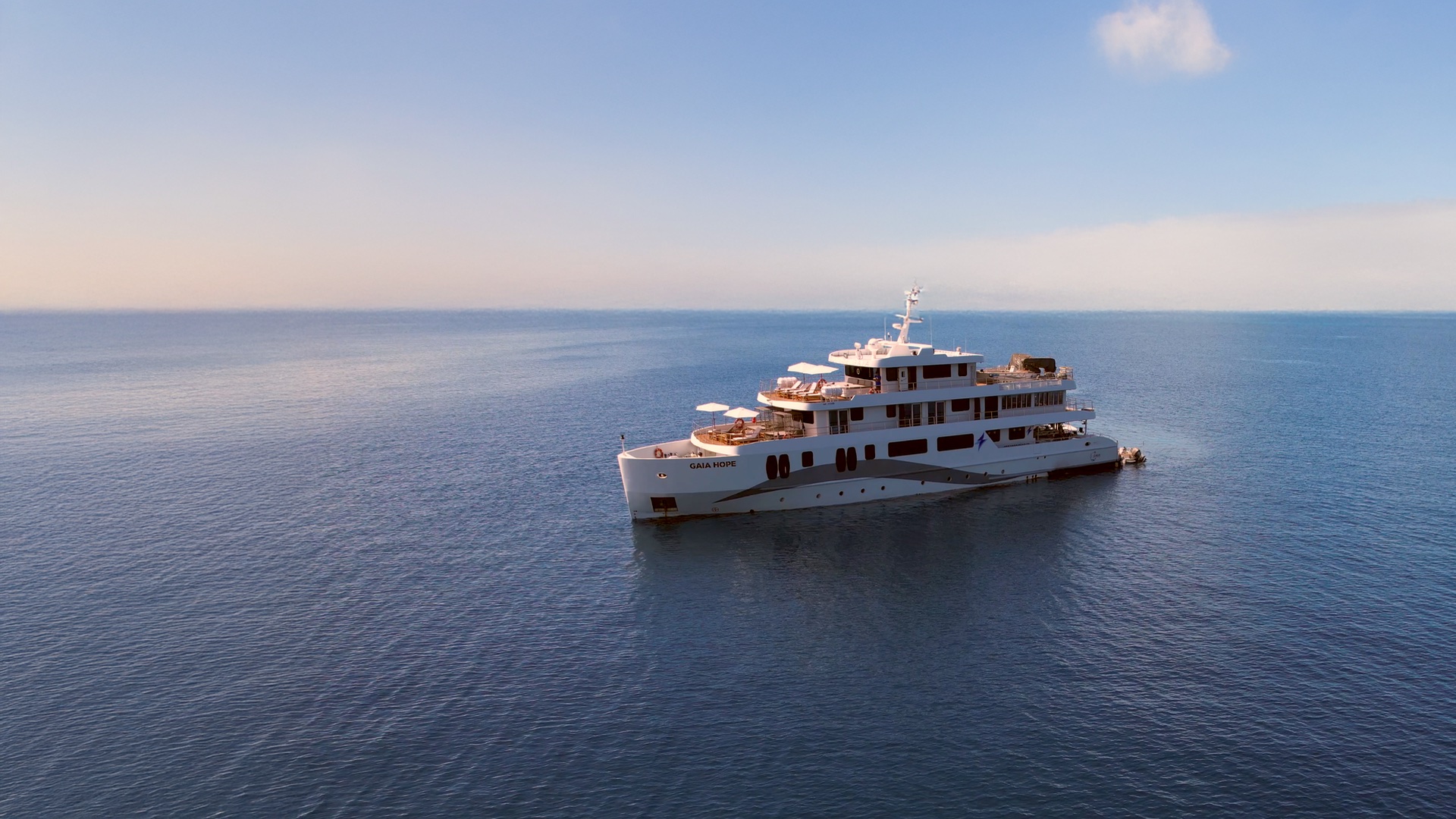
Solitude Gaia
Micronesia
18 guests40 m
$310/day
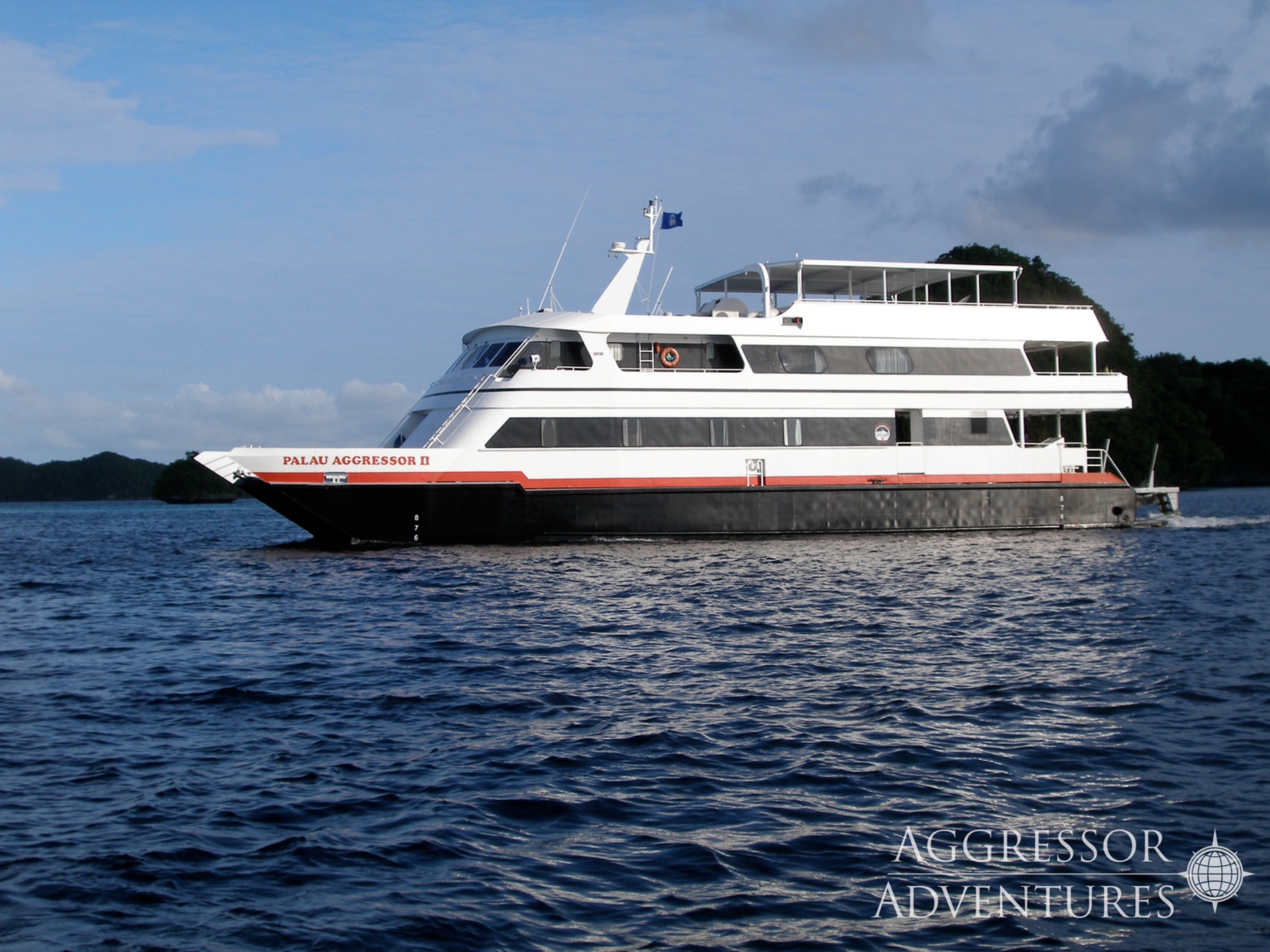
Palau Aggressor II
Micronesia
18 guests32 m
$360/day
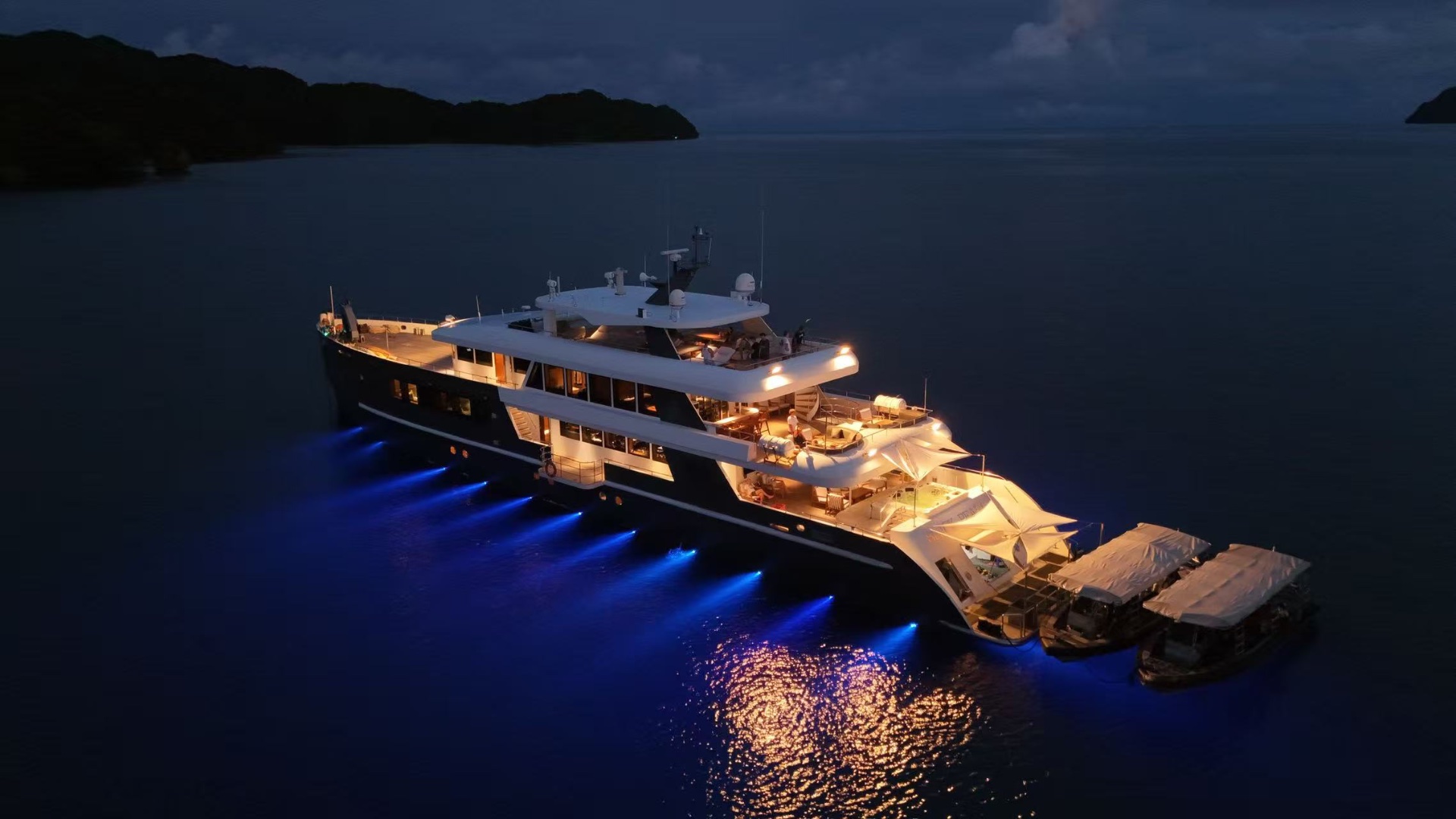
Black Pearl
Micronesia
24 guests
$390/day
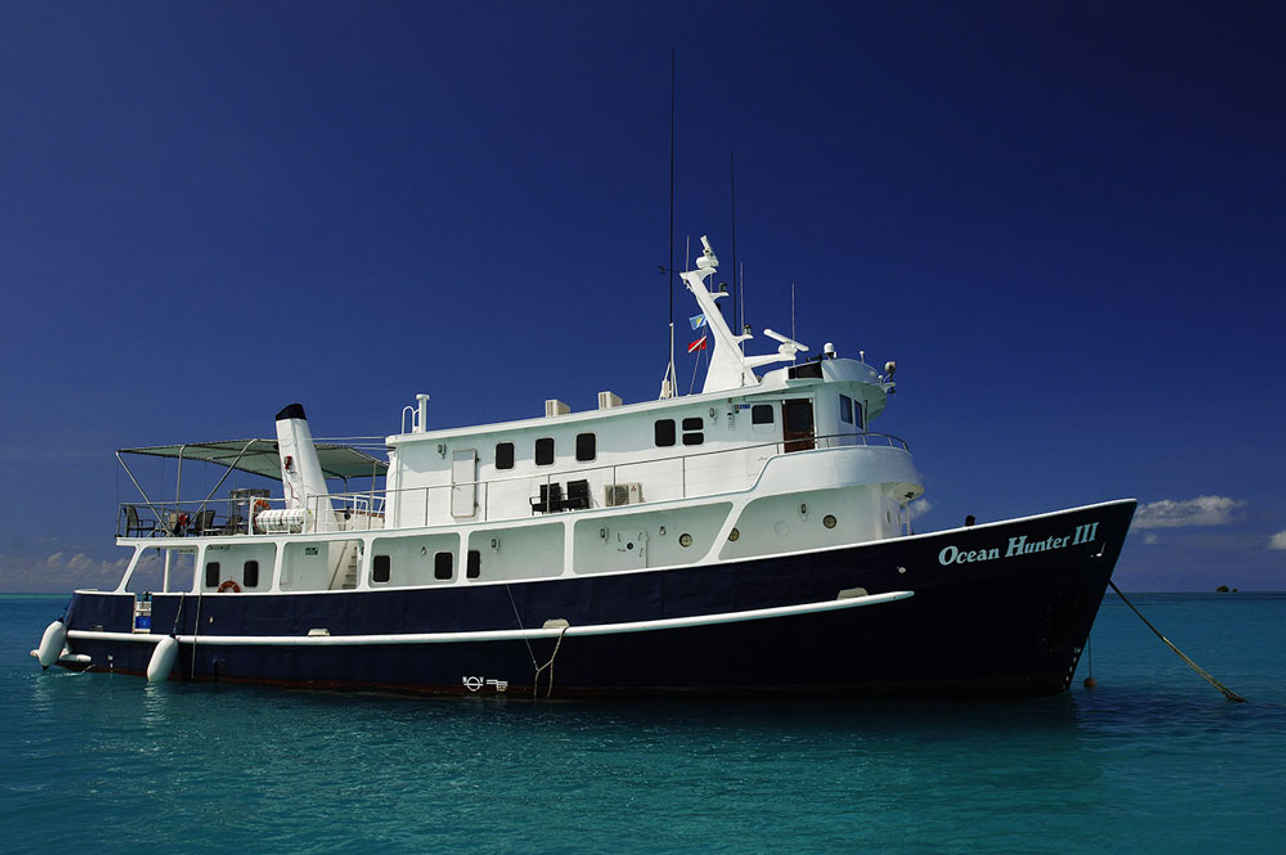
Ocean Hunter 3
Micronesia
16 guests29 m
$350/day
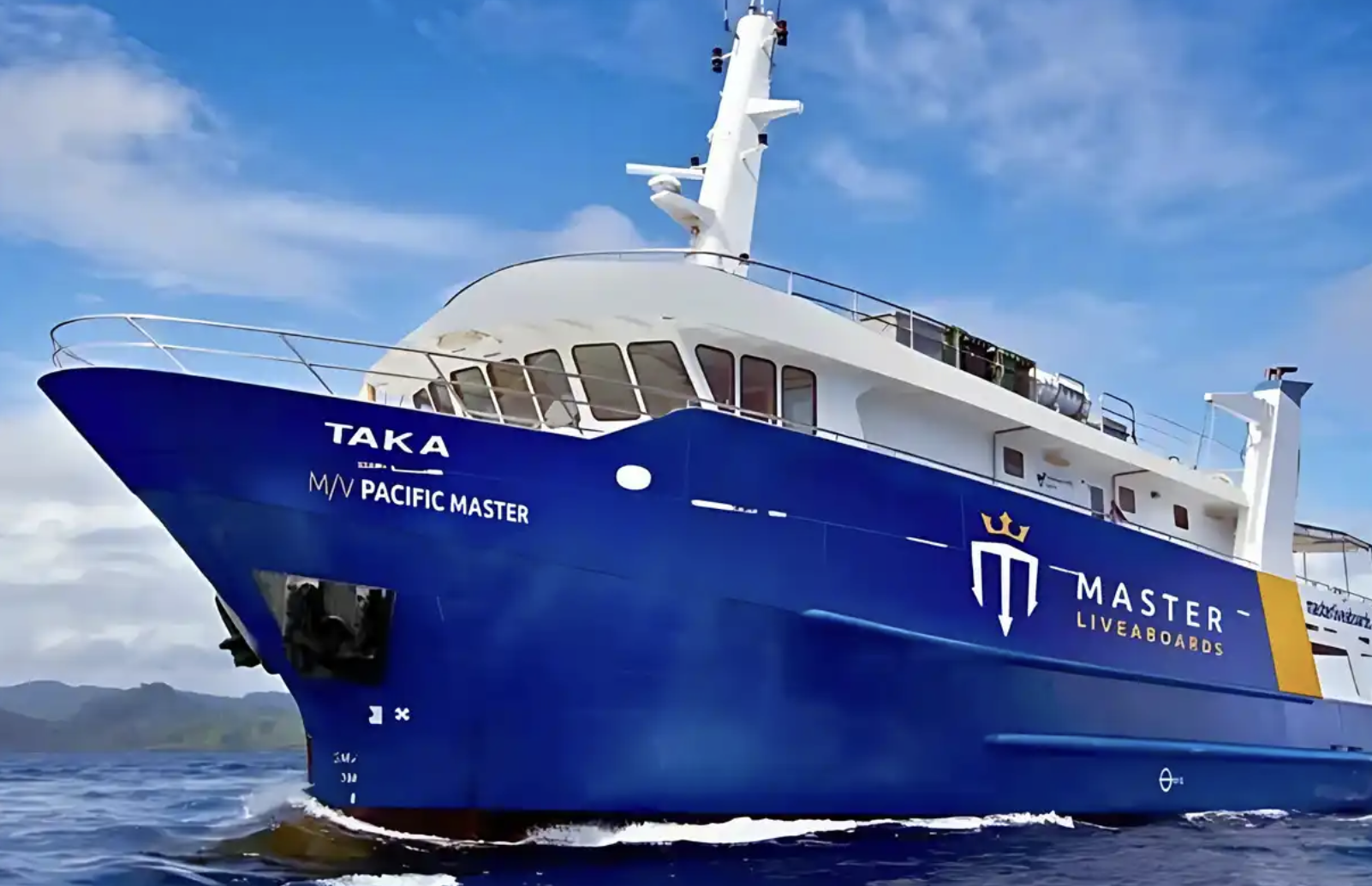
Pacific Master
Solomon Islands
20 guests30 m
$268/day
Dive sites similar to Palikir Pass
Same character, same waters — six more sites divers love for the exact same reasons.Compare seasons, access and liveaboard routes — then pick the site that fits your trip best.
© Esri — Maxar, Earthstar, GIS
Challenger Bay
Australia
Challenger Bay, nestled on Ribbon Reef #10, approximately 176 kilometers north of Port Douglas, is a renowned dive site on the remote northern Great Barrier Reef.
- Suitable for
- Advanced
- Current
- Moderate
- Access
- Liveaboard only
- Depth
- 5–30 m
- Theme
- Reef
© Esri — Maxar, Earthstar, GIS
Trochus Sanctuary
Micronesia
Trochus Sanctuary is a distinctive dive site located north of the mid-point of Kosrae, southwest of the island's airport.
- Suitable for
- Beginner
- Current
- Mild
- Access
- Dayboat
- Depth
- 5–13 m
- Theme
- Reef
© Esri — Maxar, Earthstar, GIS
Bare Island East
Australia
Bare Island East is a highly regarded shore dive in Sydney, celebrated for its diverse and colourful sponge gardens.
- Suitable for
- Intermediate
- Current
- Mild
- Access
- Shore / dayboat
- Depth
- 2–11 m
- Theme
- Reef
© Esri — Maxar, Earthstar, GIS
Raine Island
Australia
Raine Island is a pivotal dive site located in the Far Northern Great Barrier Reef, approximately 85 kilometers east-north-east of Cape Grenville and just over 4 nautical miles south of the island itself.
- Suitable for
- Advanced
- Current
- Strong
- Access
- Liveaboard only
- Depth
- 5–40 m
- Theme
- Reef / Wall
© Esri — Maxar, Earthstar, GIS
Neptune Islands
Australia
The Neptune Islands, nestled at the mouth of South Australia's Spencer Gulf, offer an unparalleled opportunity to encounter great white sharks.
- Suitable for
- Advanced
- Current
- Strong
- Access
- Liveaboard or dayboat
- Depth
- 5–15 m
- Theme
- Drift
© Esri — Maxar, Earthstar, GIS
Walung Drop-Off
Micronesia
Walung Drop-Off is a well-known dive site situated off the southwest coast of Kosrae in the Federated States of Micronesia.
- Suitable for
- Intermediate
- Current
- Moderate
- Access
- Dayboat
- Depth
- ≤ 30 m
- Theme
- Wall / Reef