About Mwand Wall
Mwand Wall is an esteemed dive site located in Pohnpei, Micronesia, renowned for its vibrant marine life and striking underwater topography. It is frequently highlighted as a prime example of the region's rich biodiversity, often drawing comparisons to the prolific dive sites of Palau but without the extensive boat rides or consistently tough currents. The wall begins at approximately 18 meters (60 feet) and descends into white sand at around 30 meters (100 feet), offering ample opportunity for exploration along its face. The healthy reef at Mwand Wall supports a diverse ecosystem, thanks in part to Pohnpei's nutrient-rich waters. Divers can observe a wide array of reef fish, including various butterflyfish, angelfish, fusiliers, and lionfish, many of which find shelter among formations of tubastria coral. Large sea fans, crinoids, and feather stars also adorn the wall, swaying gently in the subtle currents. Nudibranchs in various colors are often spotted in calmer sections, appealing to macro enthusiasts. While the sources do not specify particular seasonal marine life patterns for Mwand Wall beyond general Pohnpei conditions, the site consistently delivers a high density of fish activity year-round. It is typically accessed via day boat from Pohnpei, allowing for a back-roll entry directly into the site. The exceptional visibility, often reaching 30 meters or more, enhances the diving experience, allowing for clear views of the wall's expansive beauty and its numerous inhabitants.
Highlights
Vibrant wall divingDiverse reef fish speciesImpressive visibilityTubastria coral formationsLarge sea fansRich macro lifeCalm current sections
Season calendar
Best months to dive here
Jan
Feb
Mar
Apr
May
Jun
Jul
Aug
Sep
Oct
Nov
Dec
Excellent
Good
Off-Season
Dec – Apr
Peak dry season with best visibility. Ideal for wreck diving in Chuuk and manta encounters in Yap.
Oct – Nov
Transition to dry season. Good conditions with fewer crowds and better value.
May – Sep
Wet season with afternoon rain. Still diveable with mantas present in Yap year-round.
Dive site facts: Mwand Wall
- Depth
- 18–30 m
- Current
- Light
- Visibility
- 30 m+
- Water temperature
- 27–30 °C
- Entry
- Boat / back-roll
- Level
- Intermediate
- Dive type
- Wall, reef, macro
- Region / port
- Pohnpei, Federated States of Micronesia
- Coordinates
- 7.8833° N, 147.0386° E
Conditions & Currents
While some channels in Pohnpei are known for strong currents, Mwand Wall is described as having light currents, which allows for relaxed exploration of the wall. This makes it accessible to divers without extensive experience in strong drift conditions. Visibility at the site is consistently excellent, often exceeding 30 meters, contributing to superb viewing of the wall's features and marine residents. Water temperatures remain warm throughout the year, typically between 27 and 30 degrees Celsius, so thermoclines are not a concern. Entry is typically a back-roll from a dive boat, with boat pick-up after the dive, ensuring a convenient experience.
Marine life & sighting chances

Pyramid butterflyfish
commonRaccoon butterflyfish
commonPennant butterflyfish
commonThreadfin butterflyfish
common
Yellow tang
common

Blue and gold fusilier
common
Zebra lionfish
common
Bridled parrotfish
occasional
Moorish idol
occasional
Nudibranch
occasionalDive profile & how the dive runs
Your dive at Mwand Wall typically begins with a back-roll entry from the boat into the warm, clear waters. After descending to approximately 18 meters, you will encounter the main reef wall. The dive master will guide you along the wall, which plunges deeper to about 30 meters where it meets a white sandy bottom. You'll spend your bottom time exploring the rich coral formations, including evergreen tubastria corals, and observing the abundant reef fish that inhabit this vibrant ecosystem. As you drift gently with the light current, you will encounter large sea fans, crinoids, and various colorful feather stars. The dive usually progresses at a leisurely pace, allowing ample time to observe both macro and wide-angle subjects. The turn point is determined by your air consumption and no-decompression limits. After ascending gradually, your safety stop will be conducted in the shallower sections of the wall before surfacing for boat pick-up.
Underwater photography
Mwand Wall offers excellent opportunities for both wide-angle and macro photography due to its clear visibility and diverse marine life. For capturing the expansive wall and schooling fish, a wide-angle lens is ideal. The light currents generally allow for stable shooting conditions without needing a reef hook. Macro photographers will find rewarding subjects among the corals, including various nudibranchs, cardinalfish, and butterflyfish; a macro lens will bring out the intricate details. Given the clear water, natural light is often sufficient in shallower areas, but a strobe is recommended to enhance colors and reduce backscatter, especially when shooting deeper or against the light. Pay attention to your buoyancy to avoid disturbing the delicate coral structures while composing your shots.
Combine with nearby dive sites
- Mwand Pass
Mwand Pass, situated on the northern end of Pohnpei in Micronesia, offers divers an exceptional underwater experience.
- Manta Road
Manta Road, located in Pohnpei, Micronesia, is renowned as a premier destination for manta ray encounters.
- Kehpara Island
Kehpara Wall is a popular drift dive
- Ant Atoll
Ant Atoll, often called Ahnd Atoll, is a remote and pristine dive destination located approximately 16 km southwest of Pohnpei in the…
Getting there & logistics
Diving in Pohnpei, including Mwand Wall, typically involves reaching the island via international flights that often route through Guam, Hawaii, or Manila to Pohnpei International Airport (PNI). From there, local dive operators, often associated with resorts like The Village Resort, provide guided boat dives. Mwand Wall is generally less than a 30-minute boat ride from local ports. Trips are usually multi-day, with divers staying at land-based accommodations rather than liveaboards for Pohnpei-specific diving. While no specific permits or fees for Mwand Wall are mentioned in the sources, other sites in the region may require Koror State diving permits or additional permissions for protected areas.
Safety & environment
For diving in Pohnpei, comprehensive dive insurance covering emergency medical care and evacuation is strongly advised, given the remote nature of the Federated States of Micronesia. While the nearest recompression chamber is not explicitly stated for Pohnpei, medical facilities on such remote islands may have limited capabilities, making robust insurance and emergency planning crucial. Mwand Wall is characterized by light currents, making it relatively safe, but divers should always listen to their dive master's briefing and be aware of their air consumption and no-decompression limits. Standard safe diving practices should be meticulously followed, including buddy system protocols and maintaining good buoyancy control to protect the reef and ensure personal safety.
Who it suits, and who it doesn't
Suited for
- Intermediate divers seeking vibrant wall dives
- Photographers (both wide-angle and macro)
- Divers interested in diverse reef fish and corals
- Those who prefer lighter currents for exploration
Less suited for
- Absolute beginner divers without prior experience
- Divers exclusively seeking high-speed drift dives
- Individuals with limited buoyancy control
- Those who prefer strong pelagic action exclusively
FAQ
Mwand Wall FAQ
What kind of marine life can I expect at Mwand Wall?
Mwand Wall is teeming with diverse reef fish, including various species of butterflyfish like pyramid, raccoon, pennant, and threadfin. You'll also encounter yellow tangs, black-stripe cardinalfish, blue and gold fusiliers, and zebra lionfish. Keep an eye out for bridled parrotfish, Moorish idols, and colorful nudibranchs along the coral formations.
What is the typical depth and visibility at Mwand Wall?
The wall at Mwand Wall starts around 18 meters (60 feet) and descends to a white sandy bottom at about 30 meters (100 feet). Visibility is consistently excellent, often exceeding 30 meters (100 feet), providing clear views of the underwater landscape and its inhabitants.
Are there strong currents at Mwand Wall?
No, Mwand Wall is known for its light currents, which allows for a more relaxed and extended exploration of the reef and wall. This contrasts with some of Pohnpei's passes that are famous for strong drift diving, making Mwand Wall suitable for divers who prefer calmer conditions.
Is Mwand Wall suitable for underwater photography?
Absolutely. The excellent visibility and diverse marine life make Mwand Wall a fantastic site for underwater photography. Both wide-angle lenses for capturing the expansive wall and macro lenses for detailed shots of nudibranchs and smaller fish will yield great results.
How is Mwand Wall accessed?
Mwand Wall is typically accessed via day boat from dive operators in Pohnpei. A back-roll entry from the boat is common, and the site is usually a short boat ride away from the main departure points, often less than 30 minutes.
Why dive Mwand Wall from a liveaboard?
Mwand Wall is one of Micronesia's signature dive sites. A liveaboard sleeps you on the water and puts you in the water for three to four guided dives per day, including dawn and night dives that day-boat operators rarely offer. You skip the daily commute back to port and reach quieter, less-crowded sites in the same region on a single trip.
Below are the liveaboards that include Mwand Wall on their Micronesia itineraries.
Liveaboards diving Mwand Wall
These liveaboards may visit Mwand Wall on selected itineraries, the exact dive sites depend on departure, weather and conditions.
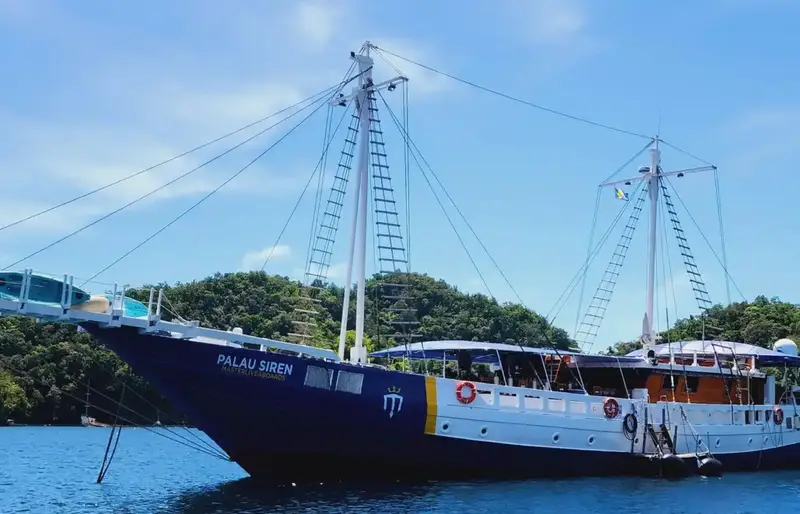
Palau Siren
Micronesia
16 guests
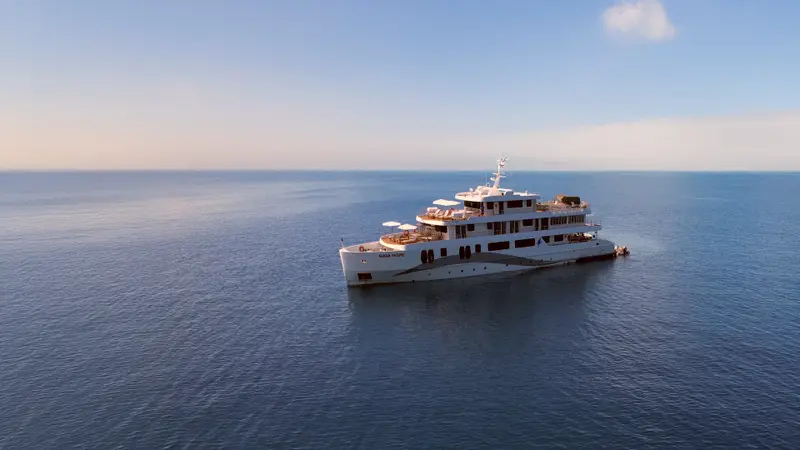
Solitude Gaia
Micronesia
18 guests40 m
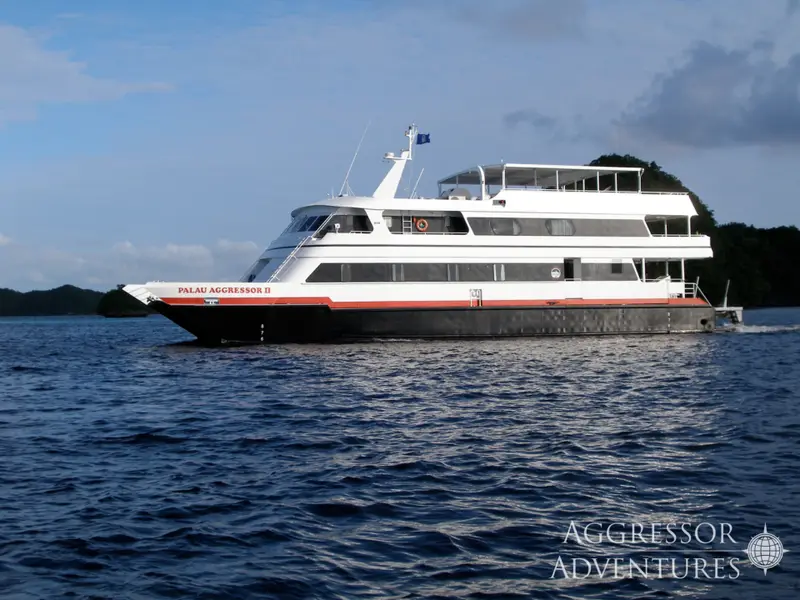
Palau Aggressor II
Micronesia
18 guests32 m
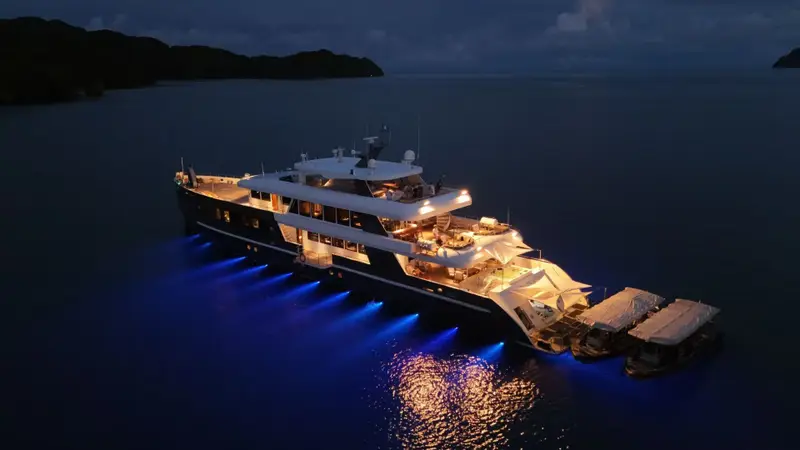
Black Pearl
Micronesia
24 guests
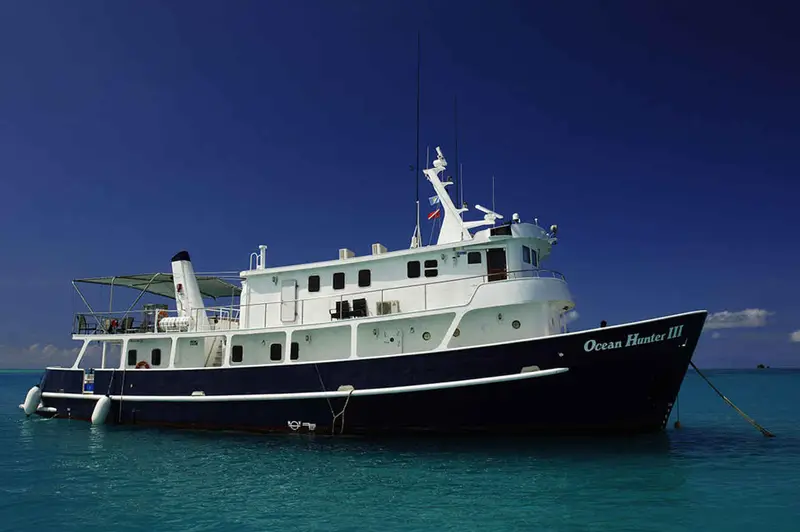
Ocean Hunter 3
Micronesia
16 guests29 m
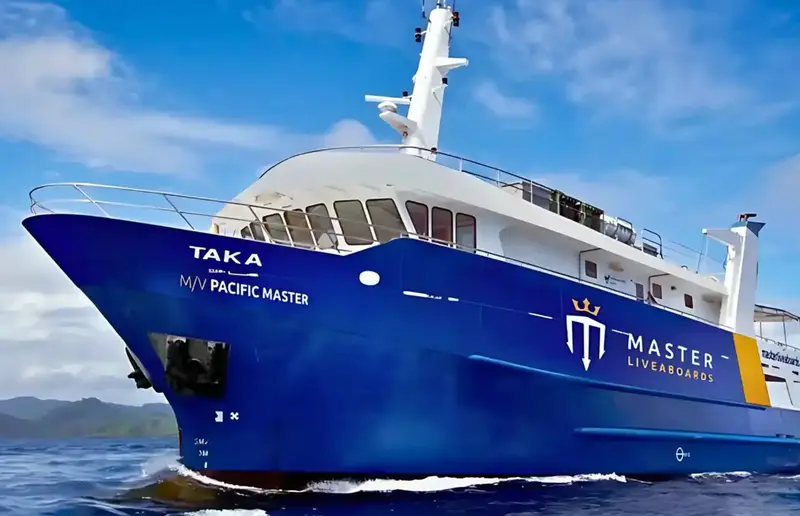
Pacific Master
Solomon Islands
20 guests30 m
Dive sites similar to Mwand Wall
Same character, same waters, six more sites divers love for the exact same reasons.Compare seasons, access and liveaboard routes, then pick the site that fits your trip best.
© EsriMaxar, Earthstar, GIS
Agincourt Reef
Australia
Agincourt Reef sits on the outer edge of the Great Barrier Reef, roughly 60–72 km off Port Douglas in Far North Queensland, at the southern end of the true ribbon reefs that run…
- Suitable for
- Beginner
- Current
- Moderate
- Access
- Dayboat
- Depth
- 2–20 m
- Theme
- Reef / Wall
Ahe Atoll, a remote and authentic destination in French Polynesia, offers a dive experience deeply intertwined with its local pearl farming community.
- Suitable for
- Advanced
- Current
- Strong
- Access
- Liveaboard or dayboat
- Depth
- 5–22 m
- Theme
- Channel / Drift
© EsriMaxar, Earthstar, GIS
Alacrity Shoal
Fiji
Alacrity Shoal is a premier dive site in Fiji, renowned for its spectacular drift diving opportunities and rich marine biodiversity.
- Suitable for
- Advanced
- Current
- Strong
- Access
- Liveaboard or dayboat
- Depth
- 12–40 m
- Theme
- Drift / Seamount
Alibaba is a renowned drift dive located within the Garuae Pass in northern Fakarava, a UNESCO Biosphere Reserve in the Tuamotu Archipelago.
- Suitable for
- Intermediate
- Current
- Strong
- Access
- Liveaboard only
- Depth
- 5–30 m
- Theme
- Reef
© EsriMaxar, Earthstar, GIS
Aliko Reef
Micronesia
Aliko Reef is a prominent dive site within Yap, Micronesia, characterized by a captivating underwater topography that blends a mini-wall with an expansive coral plateau.
- Suitable for
- Intermediate
- Current
- Mild
- Access
- Dayboat
- Depth
- 6–15 m
- Theme
- Reef / Wall
© EsriMaxar, Earthstar, GIS
Amity Point
Australia
Amity Point is a popular shore diving destination located at the northwestern tip of North Stradbroke Island, within the protected waters of Moreton Bay.
- Suitable for
- Beginner
- Current
- Moderate
- Access
- Shore / dayboat
- Depth
- 5–15 m
- Theme
- Reef