About Kehpara Island
Kehpara Island, along with its counterpart Black Coral Island, marks the entrance to Kehpara Pass on the southwest corner of Pohnpei's barrier reef in Micronesia. This area is renowned for its exceptional scuba diving opportunities, particularly the Kehpara Wall, situated along the outer edge of the barrier reef north of the pass. The pass itself is historically significant, having been the entry point for the conquering hero Isokelekel from Ahnd Atoll in the mid-1600s, on his way to Nan Madol. The dive site is characterized by its dramatic wall topography and a drift channel, providing a dynamic underwater experience. While Kehpara Island offers basic thatched huts for overnight stays and good snorkeling, the primary draw for divers is the Kehpara Wall. This location is also recognized as a spawning ground for various protected grouper species, highlighting its ecological importance. The visibility typically ranges from 10 to 30 meters, and the site is accessible via boat. Divers can expect to encounter a rich array of marine life, including various reef sharks and spotted eagle rays. The area's sheltered nature within Pohnpei's lagoon system often contributes to calm conditions, making it suitable for a range of diver experience levels.
Highlights
Kehpara Wall drift diveSpawning grouper aggregationsReef shark encountersSea fan wall formationsVibrant coral reef ecosystemSpotted eagle ray sightings
Best Season
The optimal period for diving in Micronesia, including Kehpara Island, is generally from November to April. During these months, seas are typically calmer and visibility is at its best, enhancing the overall dive experience.
Dive site facts: Kehpara Island
- Depth
- 5-30 m
- Current
- Mild to strong drift
- Visibility
- 10–30 m
- Water temperature
- 27–29°C
- Entry
- Boat
- Level
- Beginner recommended, current experience helpful
- Dive type
- Wall, drift, pelagic encounters
- Region / port
- Pohnpei, Micronesia
- Coordinates
- 6.895, 158.18
Conditions & Currents
Kehpara Island features a drift channel and wall diving, indicating that currents can be a significant factor. While the site is generally considered suitable for beginners, awareness and management of drift currents are crucial for a safe dive. The presence of a drift channel suggests that divers will move with the current along the wall, requiring good buoyancy control and a comfortable attitude towards moving water. Entry is typically by boat, allowing for optimal positioning to utilize the currents for a drift dive. Visibility is usually excellent, ranging from 10 to 30 meters, though strong currents can sometimes stir up sediment, temporarily reducing it. Divers should be prepared for potential variations in current strength, particularly in the pass area.
Marine life & sighting chances

White-tip reef shark
occasional
Black-tip reef shark
occasional
Spotted eagle ray
occasional
Silvertip shark
occasional
Grouper
common
Reef fish
common
Sea fan
commonDive profile & how the dive runs
Diving at Kehpara Wall typically begins with a boat entry, positioning divers along the outer edge of the barrier reef north of Kehpara Pass. The dive usually proceeds as a drift dive along the wall, following the natural current. Divers will descend to explore the vibrant wall topography, which can extend to depths of 30 meters or more. The route often showcases extensive sea fan formations and opportunities to observe various reef sharks and spotted eagle rays patrolling the deeper sections. Macro life can also be found within the crevices of the wall. The drift nature means that the turn point is often determined by the current's direction and strength, with the boat following the divers. Safety stops are conducted in the shallows, typically around 5 meters, before surfacing for boat pick-up.
Underwater photography
Kehpara Wall offers excellent opportunities for both wide-angle and macro photography. For the expansive wall and pelagic encounters like sharks and rays, a wide-angle lens is recommended to capture the scale and drama of the environment. Strong natural light penetration generally supports vibrant colors, but external strobes will enhance detail and color saturation, especially at deeper sections. When focusing on smaller marine life or details within the sea fan wall, a macro lens will prove invaluable. Maintaining excellent buoyancy control is crucial, especially in drift conditions, to avoid disturbing delicate corals and to achieve clear, stable shots. Be mindful of current strength when framing shots, and ensure your gear is streamlined to prevent snagging on the reef.
Combine with nearby dive sites
Getting there & logistics
Access to Kehpara Island, located in Pohnpei, Micronesia, typically involves international flights into Pohnpei International Airport (PNI). From there, local arrangements for boat transport are necessary. Visitors can contact Nickson Abraham or the Kitti Municipal Government Office to arrange for boat pick-up from behind Seinwar Elementary School for day visits or overnight stays on Kehpara Island. While specific liveaboard routes may occasionally visit Pohnpei, diving Kehpara Wall is most commonly facilitated by local dive operators on Pohnpei. There are no specific park fees mentioned for Kehpara itself, but general marine protected area guidelines should be observed. Trip lengths vary, but a few days dedicated to exploring Pohnpei's dive sites is common.
Safety & environment
Diving in the remote location of Kehpara Island requires adherence to stringent safety protocols. While specific recompression chamber locations are not explicitly mentioned for Pohnpei, it is crucial to carry comprehensive dive insurance that covers emergency medical evacuation. Evacuation to a medical facility with recompression capabilities might be a lengthy process due to the remote nature of Micronesia. Site-specific hazards primarily involve managing currents, especially during drift dives along the Kehpara Wall; divers should be comfortable with drift diving techniques. Always dive with a reputable local operator, follow dive guide instructions, and ensure all equipment is in excellent working order. Proper dive planning, including gas management and conservative dive profiles, is essential for safety.
Who it suits — and who it doesn't
Suited for
- Beginner divers comfortable with drift
- Photographers seeking pelagic and macro subjects
- Divers interested in marine protected areas
- Those looking for vibrant reef ecosystems
Less suited for
- Divers uncomfortable with currents
- Those expecting extensive shore diving options
- Travelers seeking luxury dive resorts
FAQ
Kehpara Island FAQ
What kind of marine life can I expect to see at Kehpara Island?
Kehpara Island's dive sites, particularly the Kehpara Wall, are known for a variety of marine life. You can frequently spot reef sharks like white-tips and black-tips, along with the occasional silvertip shark and spotted eagle rays. The area is also a vital spawning ground for several species of grouper, and the vibrant coral reefs teem with diverse reef fish.
What are the typical diving conditions at Kehpara Island?
Diving at Kehpara Island generally offers excellent visibility, ranging from 10 to 30 meters. Water temperatures are consistently warm, between 27-29°C, year-round. While currents can vary from mild to strong, especially in the drift channel and along the wall, the site is considered suitable for beginner divers who are comfortable with drift diving.
Is Kehpara Island suitable for beginner divers?
Yes, Kehpara Island is suitable for beginner divers, provided they are comfortable with drift diving. The site's primary dive, the Kehpara Wall, often involves drifting with the current. While the conditions are generally manageable, some experience with currents is beneficial for an optimal and safe dive experience.
How do I get to Kehpara Island for diving?
To reach Kehpara Island, you first need to fly to Pohnpei International Airport (PNI) in Micronesia. From Pohnpei, local boat transport can be arranged. You can contact Nickson Abraham or the Kitti Municipal Government Office for boat pick-up services from Seinwar Elementary School, which will take you directly to the island or dive sites.
Are there any specific safety considerations for diving at Kehpara Island?
The main safety consideration at Kehpara Island is managing the currents, as many dives are drift dives. Divers should have good buoyancy control and be comfortable with moving water. Due to the remote location, comprehensive dive insurance covering emergency evacuation is highly recommended. Always dive with a reputable local operator and follow all safety briefings.
Why dive Kehpara Island from a liveaboard?
Kehpara Island is one of 's signature dive sites. A liveaboard sleeps you on the water and puts you in the water for three to four guided dives per day, including dawn and night dives that day-boat operators rarely offer. You skip the daily commute back to port and reach quieter, less-crowded sites in the same region on a single trip.
Below are the liveaboards that include Kehpara Island on their itineraries.
Liveaboards diving Kehpara Island
These liveaboards may visit Kehpara Island on selected itineraries — the exact dive sites depend on departure, weather and conditions.
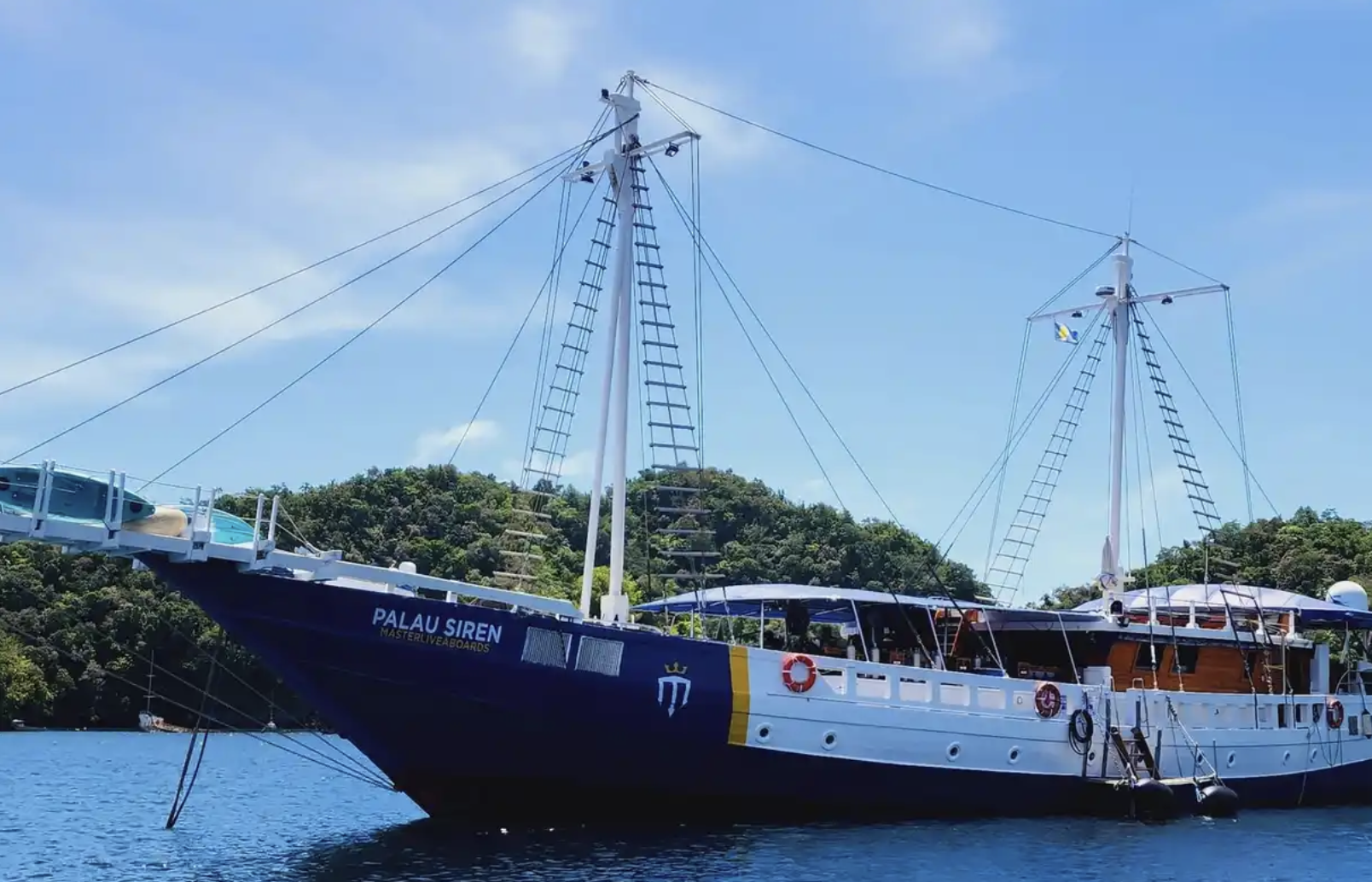
Palau Siren
Micronesia
16 guests
$501/day
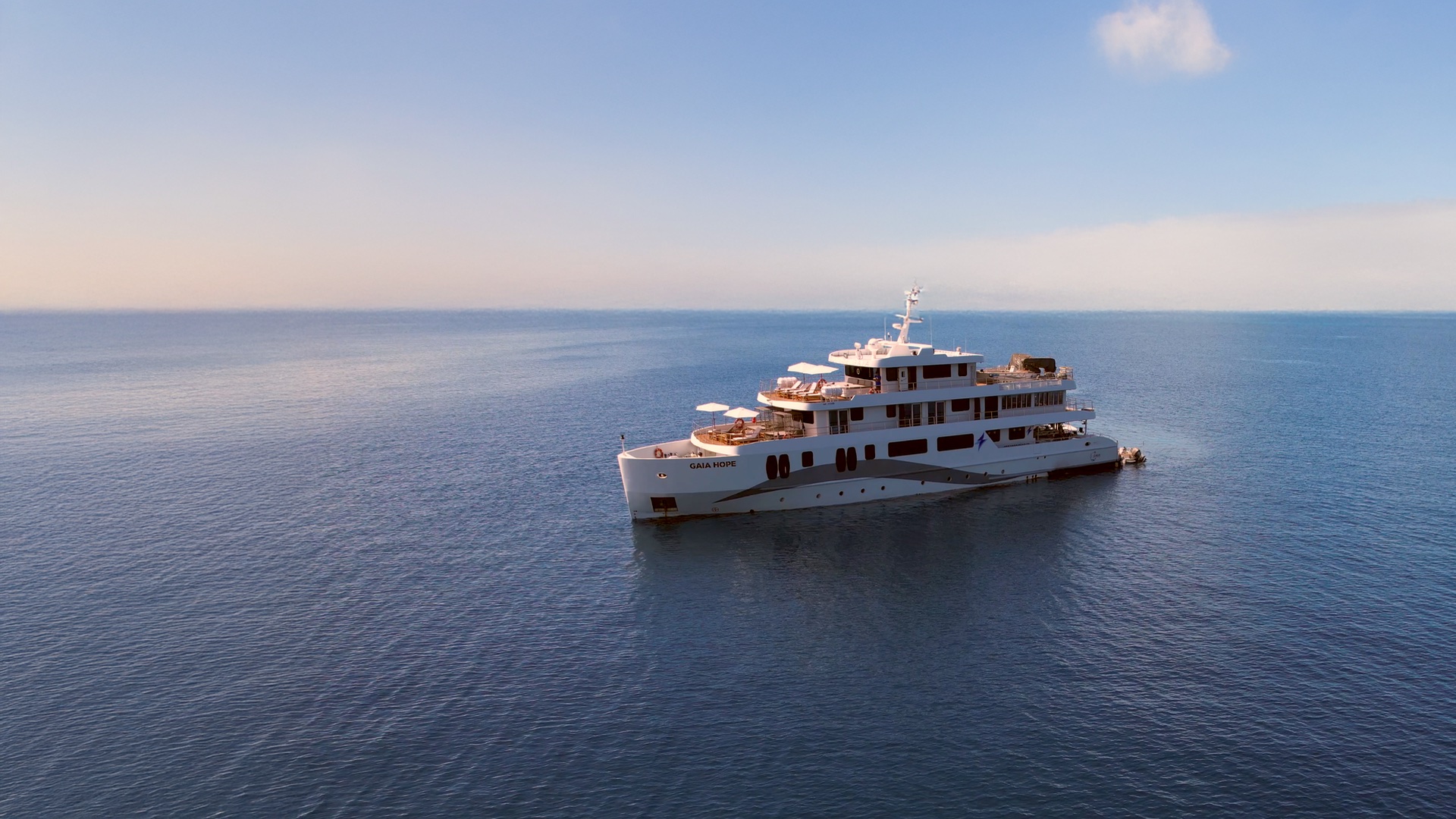
Solitude Gaia
Micronesia
18 guests40 m
$310/day
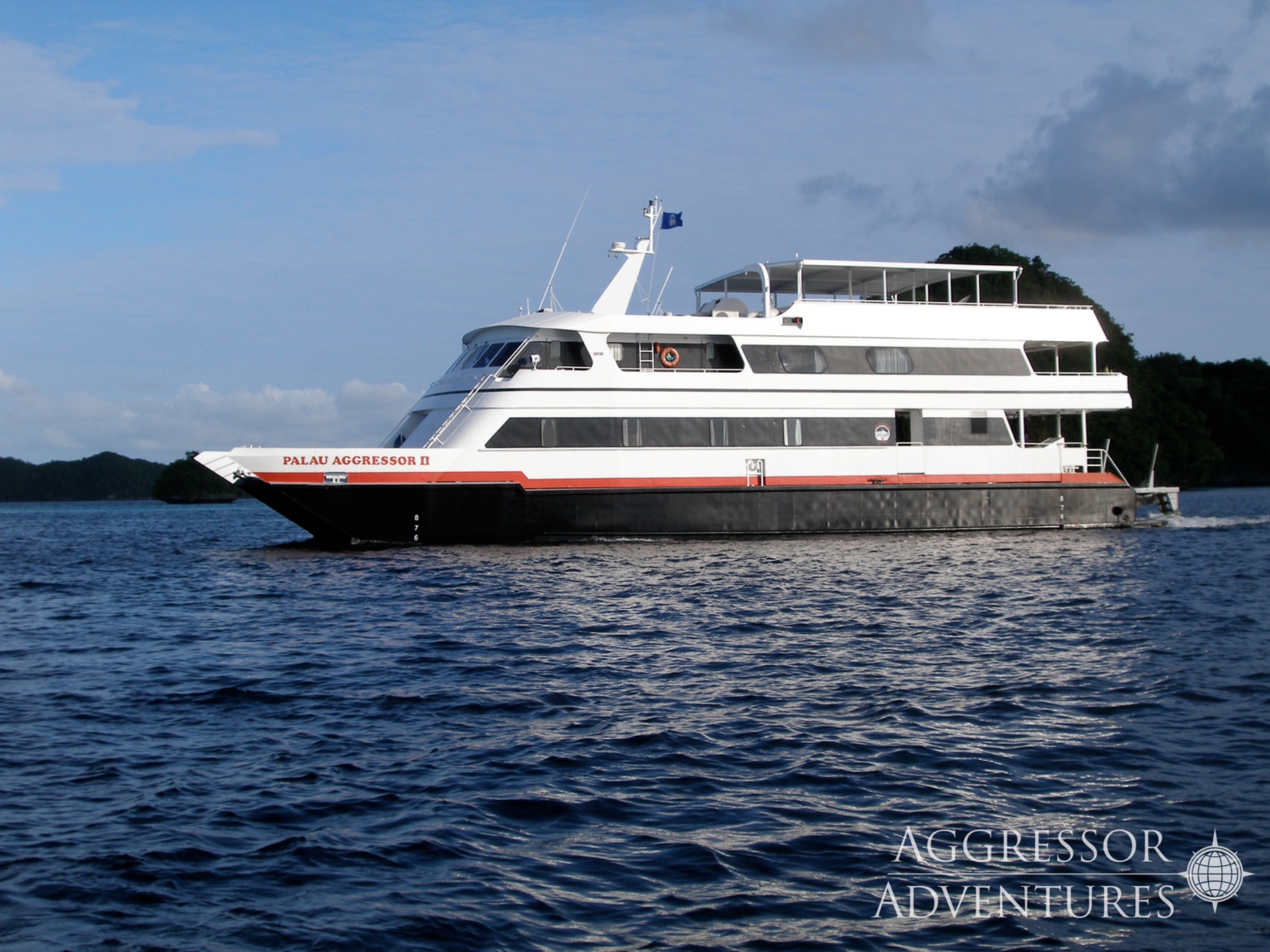
Palau Aggressor II
Micronesia
18 guests32 m
$360/day
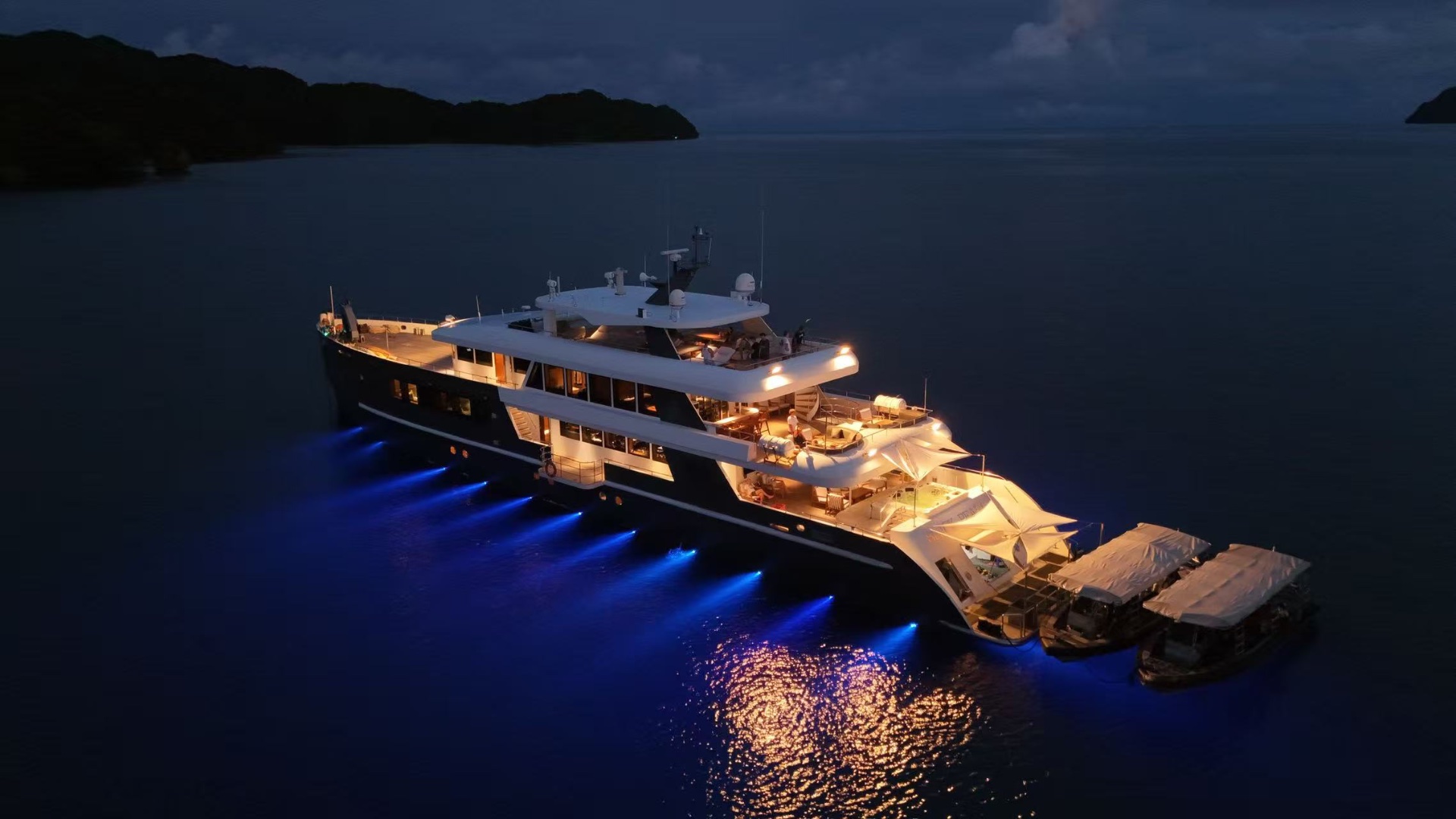
Black Pearl
Micronesia
24 guests
$390/day
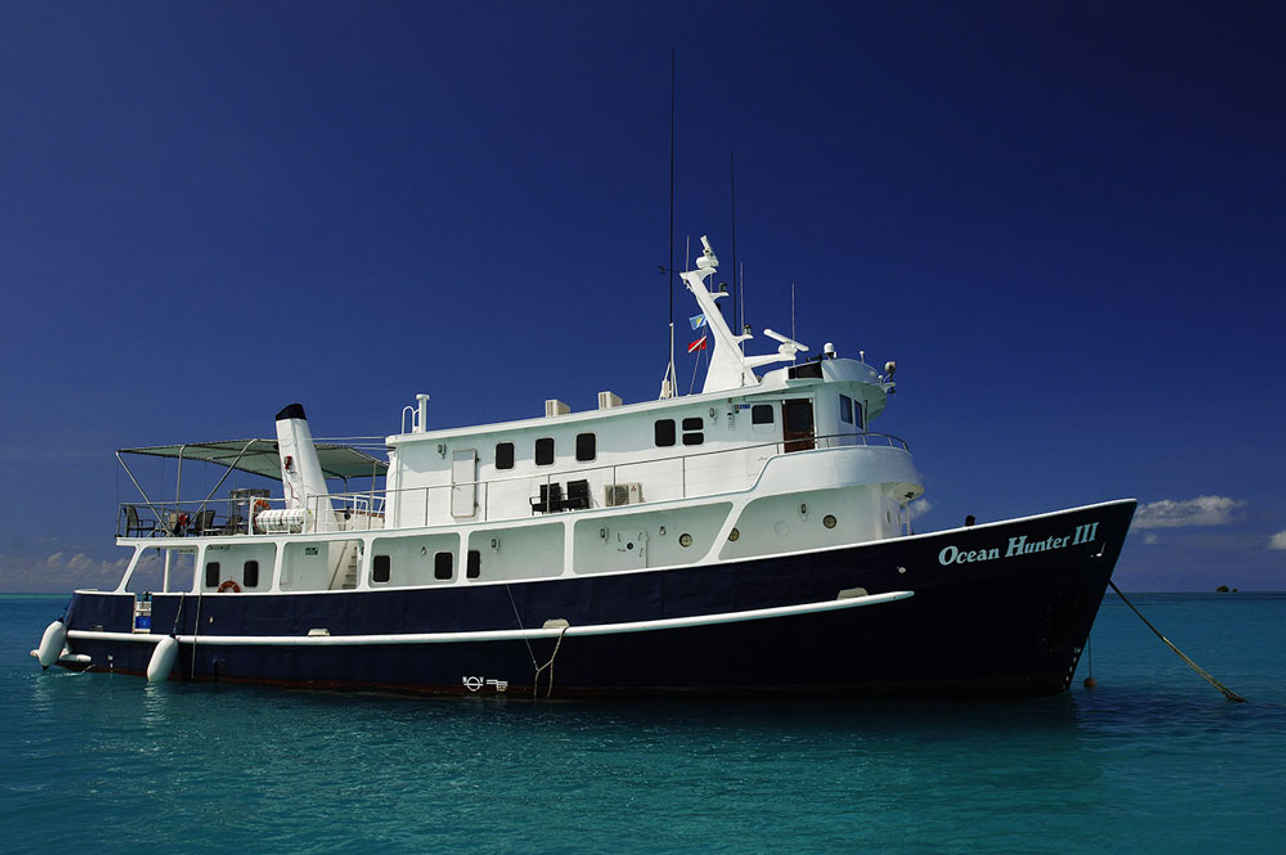
Ocean Hunter 3
Micronesia
16 guests29 m
$350/day
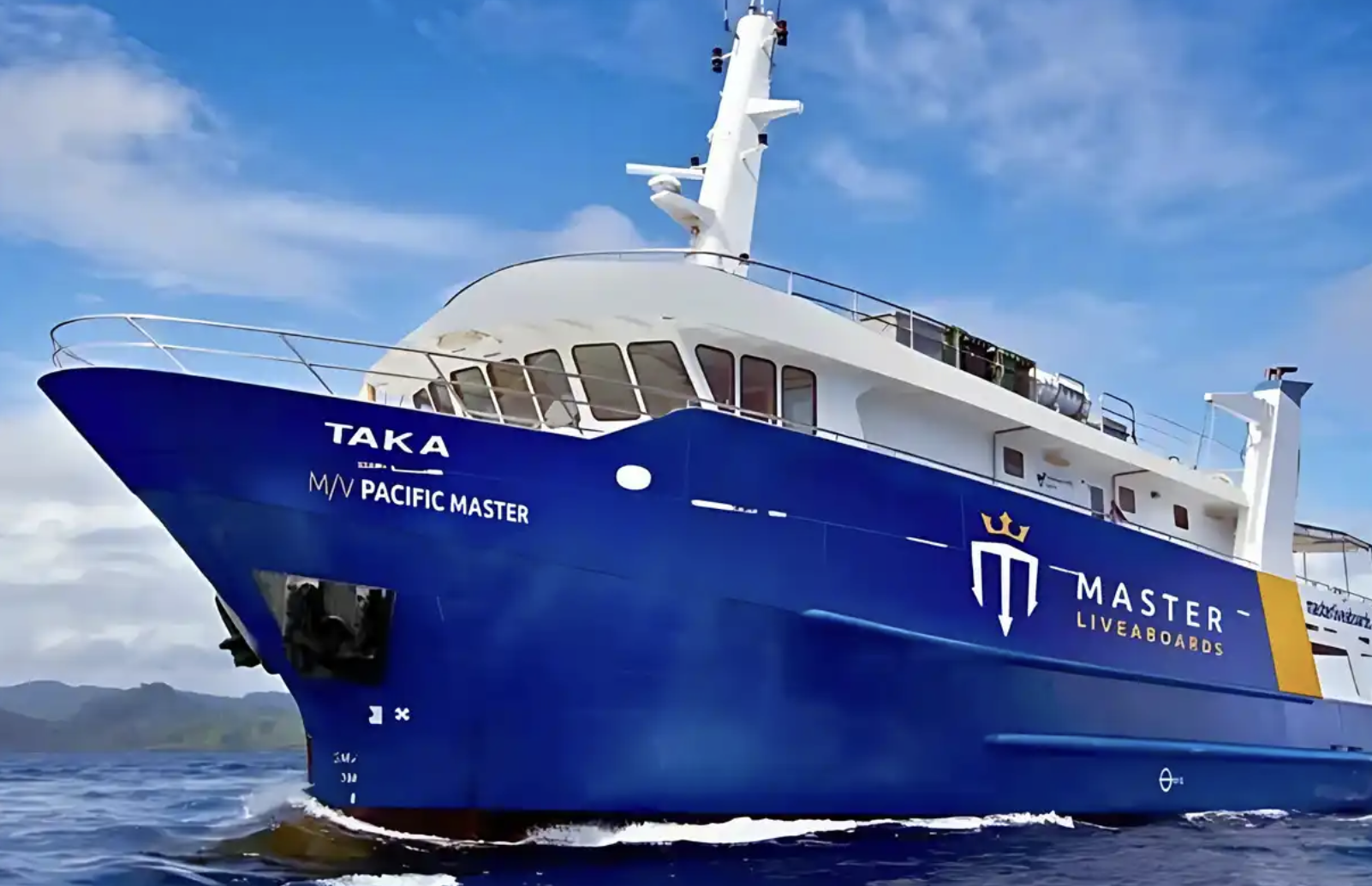
Pacific Master
Solomon Islands
20 guests30 m
$268/day
Dive sites similar to Kehpara Island
Same character, same waters — six more sites divers love for the exact same reasons.Compare seasons, access and liveaboard routes — then pick the site that fits your trip best.
© Esri — Maxar, Earthstar, GIS
Challenger Bay
Australia
Challenger Bay, nestled on Ribbon Reef #10, approximately 176 kilometers north of Port Douglas, is a renowned dive site on the remote northern Great Barrier Reef.
- Suitable for
- Advanced
- Current
- Moderate
- Access
- Liveaboard only
- Depth
- 5–30 m
- Theme
- Reef
© Esri — Maxar, Earthstar, GIS
Trochus Sanctuary
Micronesia
Trochus Sanctuary is a distinctive dive site located north of the mid-point of Kosrae, southwest of the island's airport.
- Suitable for
- Beginner
- Current
- Mild
- Access
- Dayboat
- Depth
- 5–13 m
- Theme
- Reef
© Esri — Maxar, Earthstar, GIS
Bare Island East
Australia
Bare Island East is a highly regarded shore dive in Sydney, celebrated for its diverse and colourful sponge gardens.
- Suitable for
- Intermediate
- Current
- Mild
- Access
- Shore / dayboat
- Depth
- 2–11 m
- Theme
- Reef
© Esri — Maxar, Earthstar, GIS
Raine Island
Australia
Raine Island is a pivotal dive site located in the Far Northern Great Barrier Reef, approximately 85 kilometers east-north-east of Cape Grenville and just over 4 nautical miles south of the island itself.
- Suitable for
- Advanced
- Current
- Strong
- Access
- Liveaboard only
- Depth
- 5–40 m
- Theme
- Reef / Wall
© Esri — Maxar, Earthstar, GIS
Neptune Islands
Australia
The Neptune Islands, nestled at the mouth of South Australia's Spencer Gulf, offer an unparalleled opportunity to encounter great white sharks.
- Suitable for
- Advanced
- Current
- Strong
- Access
- Liveaboard or dayboat
- Depth
- 5–15 m
- Theme
- Drift
© Esri — Maxar, Earthstar, GIS
Walung Drop-Off
Micronesia
Walung Drop-Off is a well-known dive site situated off the southwest coast of Kosrae in the Federated States of Micronesia.
- Suitable for
- Intermediate
- Current
- Moderate
- Access
- Dayboat
- Depth
- ≤ 30 m
- Theme
- Wall / Reef