About Boat Rock
Boat Rock is a prominent, exposed pinnacle situated off the northern end of North Stradbroke Island, also known as Minjerribah, in southeast Queensland. This site is a small rocky outcrop that barely breaks the surface, characterized by steep sides descending directly to 25 meters onto a sandy bottom. Surrounding the main pinnacle is a complex network of rocky gutters, ledges, and smaller bommies that extend out to depths of around 30 meters. The topography creates a magnet for pelagic species and large schooling fish, making it one of the most action-packed dive sites in the Point Lookout area. While coral growth on the pinnacle itself is sparse, the abundant fish life includes dense schools of bigeye and giant trevally, kingfish, fusiliers, snapper, and mackerel. Queensland groupers reside in the gutters, and rays such as spotted eagle rays, bull rays, and stingrays frequent the sandy areas. Diving here is considered advanced due to the almost constant strong currents, which demand experienced divers comfortable with depth and drift conditions. Visibility typically ranges from 10 to 20 meters on good days, but can drop significantly after heavy rainfall or southerly weather. The site is circumnavigable on a single dive if divers maintain a steady pace, with surrounding ledges and gutters inviting further exploration. Boat Rock is less frequently dived compared to other North Stradbroke sites because of these challenging conditions and the difficulty in anchoring. However, when conditions align, it consistently delivers spectacular big fish encounters, making it a highly rewarding destination for those with the requisite skills.
Highlights
Exposed pinnacle dive siteStrong currents, pelagic actionGiant trevally schoolsQueensland groupersSpotted eagle raysBronze whaler sharksWobbegongs and moray eelsCooler month shark sightings
Season calendar
Best months to dive here
Jan
Feb
Mar
Apr
May
Jun
Jul
Aug
Sep
Oct
Nov
Dec
Good
Dive site facts: Boat Rock
- Depth
- 0–30 m
- Typical dive
- 18–30 m
- Current
- Strong
- Visibility
- 5–20 m
- Water temperature
- 19–27 °C
- Entry
- Boat drop / Negative entry
- Level
- Advanced
- Dive type
- Pinnacle, drift, pelagic
- Region / port
- North Stradbroke Island, Queensland
- Coordinates
- -34.07, 151.17
Conditions & Currents
Boat Rock is renowned for its consistent strong currents, which almost always wash the pinnacle. These currents can vary significantly, requiring divers to be proficient in managing buoyancy and air consumption in moving water. Entry is typically a swift boat drop, and divers must descend quickly to avoid being swept away from the pinnacle. Drift diving is the standard technique, with divers allowing the current to carry them along the site while maintaining awareness of their position and buddy. Visibility can range from 10 to 20 meters when clean water pushes through, but may drop to 5 meters or less after southerly weather or mainland runoff. Surge can also be present, particularly on exposed sections of the rock, demanding constant vigilance from divers. These dynamic conditions mean Boat Rock is exclusively suited for experienced divers comfortable with advanced drift and depth prof
Marine life & sighting chances
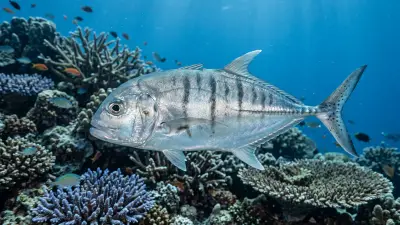
Bigeye trevally
common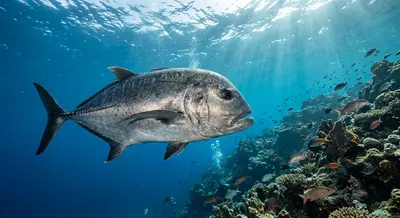
Giant trevally
common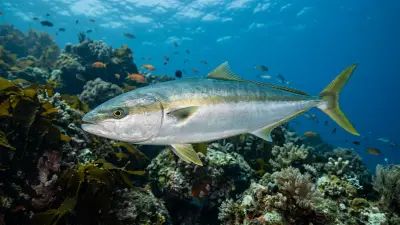
Kingfish
common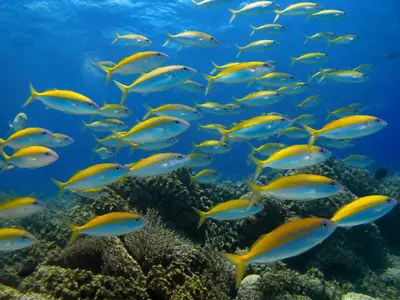
Yellow-striped fusiliers
common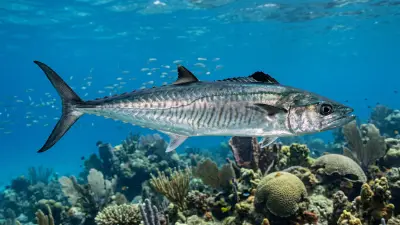
Mackerel
common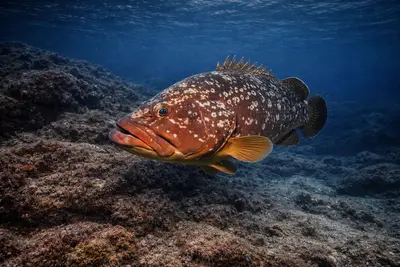
Queensland grouper
common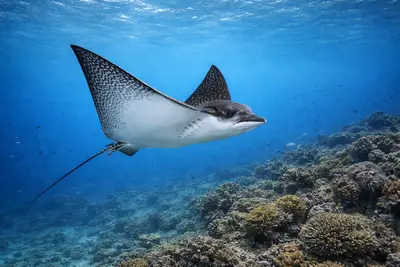
Spotted eagle ray
common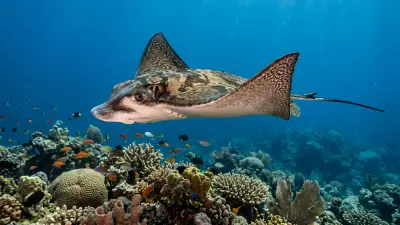
Bull ray
occasional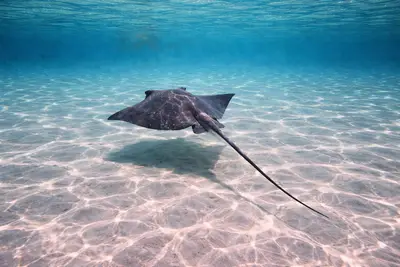
Stingray
common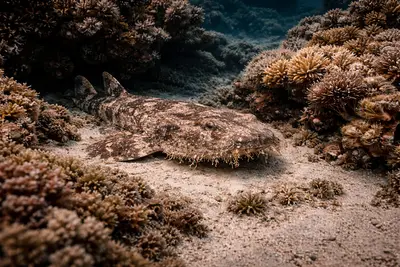
Wobbegong
common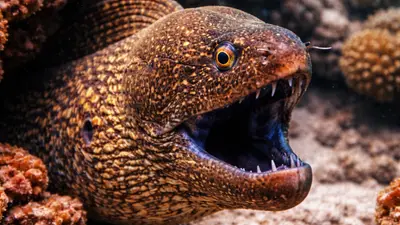
Moray eel
common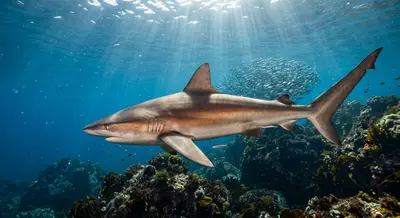
Bronze whaler shark
Cooler months · occasional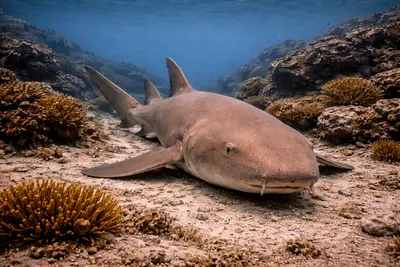
Grey nurse shark
rare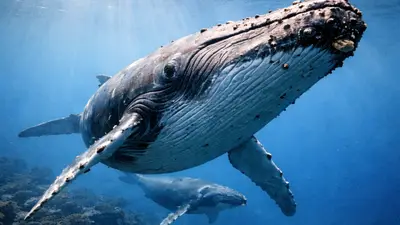
Humpback whale
June–November · occasionalDive profile & how the dive runs
Diving at Boat Rock typically begins with a rapid, negative entry from the boat, as divers need to quickly descend to the pinnacle structure to avoid being carried away by strong surface currents. The main dive unfolds around the exposed rock, with depths quickly dropping to 25 meters on the surrounding sand and extending to 30 meters among the outlying bommies and gutters. Divers will navigate the site as a drift, allowing the strong currents to propel them along the pinnacle while observing the abundant pelagic life. The dive plan usually involves circumnavigating the main pinnacle, with opportunities to explore ledges and overhangs where groupers and wobbegongs reside. Turn points are dictated by air consumption and comfort with the prevailing current. Safety stops are conducted in the blue water, deploying a surface marker buoy (SMB) for the boat to track and pick up divers down-current, often a significant distance from the initial entry point.
Underwater photography
Boat Rock is an exceptional site for wide-angle photography, focusing on the abundant pelagic life and schooling fish. A wide-angle lens is essential to capture the dense schools of trevally, passing rays, and potential shark encounters. Given the strong currents, maintaining excellent buoyancy control is paramount for stable shots. While strobes can enhance color and detail, natural light can also be effective in clear conditions, especially when capturing the scale of the schooling fish. Be mindful of the surge and current when composing shots to avoid blurry images. Macro photography is less of a focus here, as the primary draw is the large animal action. Always prioritize safety and respect marine life by maintaining a respectful distance.
Combine with nearby dive sites
- Shag Rock - Coral Gardens
Exposed rocky reef, short boat ride, offers sheltered diving when conditions worsen.
- Manta Bommie
Short boat ride from Point Lookout, max 15m, suitable for all levels, large rock formations.
- North Bommie
Part of the Heron Island sites, a hotspot for turtles, rays, and large groupers.
- The Monument
The Monument dive site, located within Botany Bay at Kurnell in Sydney, Australia, is named for its proximity to the Captain Cook landing…
Getting there & logistics
Access to Boat Rock typically involves taking a ferry from Cleveland on Brisbane's bayside to Dunwich terminal on North Stradbroke Island. From Dunwich, it is a 15-minute drive to Point Lookout, where dive boats launch. Manta Lodge and Scuba Centre on North Stradbroke Island is a primary operator for this site. Boat Rock is often combined with other dives around Point Lookout, though its challenging conditions mean it requires specific, favorable weather windows. Dive trips are typically day trips from the island. No specific permits or fees beyond standard dive charter costs are mentioned in the sources.
Safety & environment
Diving at Boat Rock requires advanced certification and significant experience with strong currents and drift diving. Due to the challenging conditions, including strong currents, limited anchoring options, and potential surge, this site is infrequently dived and demands pristine conditions for safe execution. Divers must be proficient in rapid descent, maintaining buoyancy in moving water, and deploying SMBs for surface pickup. The nearest recompression chamber would be in mainland Queensland. Divers should always carry personal safety equipment, including an SMB and whistle. Comprehensive dive insurance covering dive emergencies and evacuations is highly recommended. Always dive within your training limits and with a reputable, experienced local operator.
Who it suits — and who it doesn't
Suited for
- Advanced divers with drift experience
- Divers seeking pelagic and big fish action
- Photographers with wide-angle setups
- Experienced divers comfortable with depth and current
Less suited for
- Beginner divers or those new to currents
- Divers seeking calm, sheltered conditions
- Divers with limited buoyancy control
- Divers uncomfortable with negative entries and open-water safety stops
FAQ
Boat Rock FAQ
What kind of marine life can I expect at Boat Rock?
Boat Rock is famous for its abundant pelagic and schooling fish. You can expect to see dense schools of bigeye and giant trevally, kingfish, fusiliers, and mackerel. Large Queensland groupers inhabit the gutters, and various rays such as spotted eagle rays and stingrays are common. During cooler months, bronze whaler sharks may make appearances.
What are the diving conditions like at Boat Rock?
Conditions at Boat Rock are consistently challenging, characterized by strong currents and potential surge. Visibility typically ranges from 10 to 20 meters on good days, but can drop to 5 meters or less. Due to these conditions, it is considered an advanced dive site suitable only for experienced divers comfortable with drift diving and rapid descents.
Is Boat Rock suitable for beginner divers?
No, Boat Rock is not suitable for beginner divers. Its strong currents, deep profiles, and the necessity for negative entries and drift diving techniques require an advanced level of experience and comfort in challenging conditions. The site demands proficiency in buoyancy control and surface marker buoy deployment.
How do you access Boat Rock for diving?
Boat Rock is accessed by boat, typically launching from Point Lookout on North Stradbroke Island. Divers usually take a ferry from Cleveland to Dunwich, then drive to Point Lookout. Dive operators, such as Manta Lodge and Scuba Centre, arrange boat trips to the site, which often involve specific windows for favorable conditions.
What is the typical dive profile at Boat Rock?
A typical dive at Boat Rock involves a fast, negative entry, quickly descending to the pinnacle. Divers drift along the rock and surrounding bommies, exploring depths between 18 and 30 meters. The dive is often a continuous drift, with safety stops conducted in the blue water, requiring an SMB for boat pickup downstream.
Why dive Boat Rock from a liveaboard?
Boat Rock is one of Australia's signature dive sites. A liveaboard sleeps you on the water and puts you in the water for three to four guided dives per day, including dawn and night dives that day-boat operators rarely offer. You skip the daily commute back to port and reach quieter, less-crowded sites in the same region on a single trip.
Below are the liveaboards that include Boat Rock on their Australia itineraries.
Liveaboards diving Boat Rock
These liveaboards may visit Boat Rock on selected itineraries — the exact dive sites depend on departure, weather and conditions.
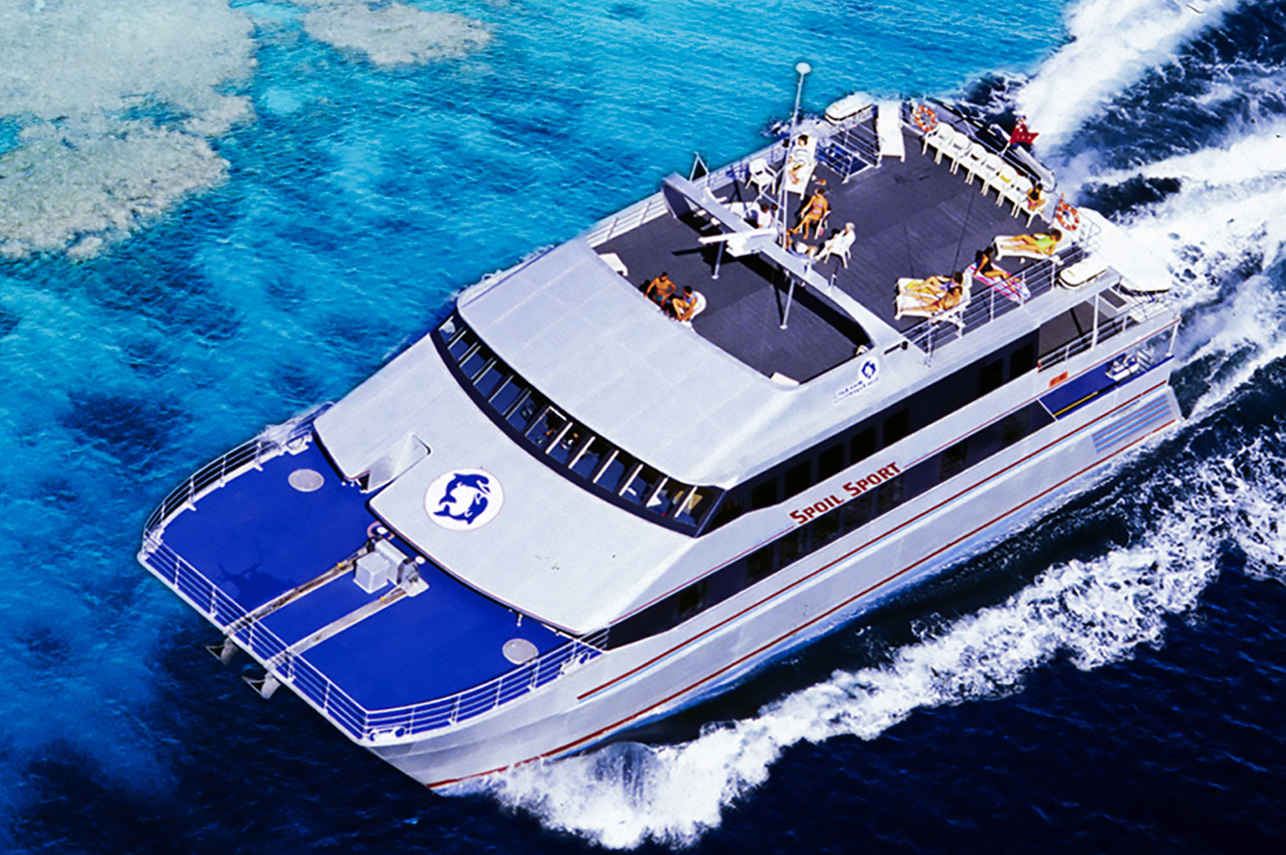
Spoilsport
Australia
28 guests30 m
$408/day
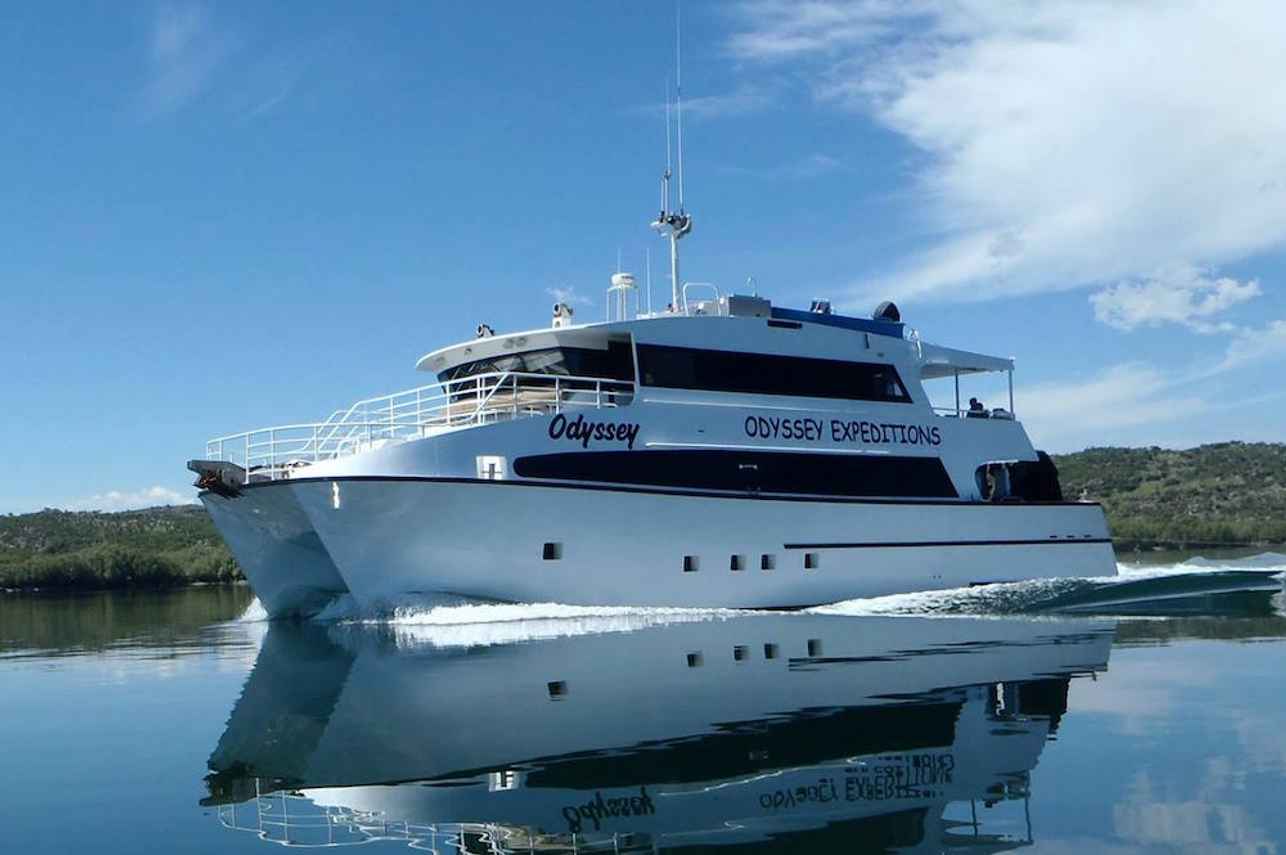
Odyssey Liveaboard
Australia
20 guests24 m
$392/day
Dive sites similar to Boat Rock
Same character, same waters — six more sites divers love for the exact same reasons.Compare seasons, access and liveaboard routes — then pick the site that fits your trip best.
© Esri — Maxar, Earthstar, GIS
Raine Island
Australia
Raine Island is a pivotal dive site located in the Far Northern Great Barrier Reef, approximately 85 kilometers east-north-east of Cape Grenville and just over 4 nautical miles south of the island itself.
- Suitable for
- Advanced
- Current
- Strong
- Access
- Liveaboard only
- Depth
- 5–40 m
- Theme
- Reef / Wall
© Esri — Maxar, Earthstar, GIS
Neptune Islands
Australia
The Neptune Islands, nestled at the mouth of South Australia's Spencer Gulf, offer an unparalleled opportunity to encounter great white sharks.
- Suitable for
- Advanced
- Current
- Strong
- Access
- Liveaboard or dayboat
- Depth
- 5–15 m
- Theme
- Drift
© Esri — Maxar, Earthstar, GIS
Boarfish Reef
Australia
Boarfish Reef is a renowned boat-access reef located in Victoria, Australia, specifically near Queenscliff on the Bellarine Peninsula.
- Suitable for
- Intermediate
- Current
- Strong
- Access
- Dayboat
- Depth
- 1–25 m
- Theme
- Reef / Drift
© Esri — Maxar, Earthstar, GIS
Jeff’s Edge
Australia
Jeff's Edge is a renowned dive site situated on the outer reef of Lady Musgrave Island, an exquisite part of the Southern Great Barrier Reef in Queensland, Australia.
- Suitable for
- Advanced
- Current
- Strong
- Access
- Dayboat
- Depth
- 6–22 m
- Theme
- Wall / Drift
© Esri — Maxar, Earthstar, GIS
Cocos Keeling - Enterprise
Australia
Enterprise is a dynamic dive site located in the Cocos (Keeling) Islands, renowned for its dramatic topography and abundant pelagic action.
- Suitable for
- Advanced
- Current
- Strong
- Access
- Dayboat
- Depth
- 15–35 m
- Theme
- Reef / Wall
© Esri — Maxar, Earthstar, GIS
Buchanan's Wall
Australia
Buchanan's Wall is a prominent dive site located on the southwestern flank of South Solitary Island, off the coast of Coffs Harbour in New South Wales, Australia.
- Suitable for
- Intermediate
- Current
- Mild
- Access
- Dayboat
- Depth
- 5–30 m
- Theme
- Wall / Drift