About Boarfish Reef
Boarfish Reef is a renowned boat-access reef located in Victoria, Australia, specifically near Queenscliff on the Bellarine Peninsula. This site is distinguished by its sponge gardens and diverse marine ecosystem. It is primarily accessed by boat, with the optimal diving conditions occurring during periods of slack water. The reef structure features a shallow rocky platform with ledges and swim-throughs, though the primary dive experience focuses on depths typically between 12 and 25 meters, with reports of dives down to 19 meters. The surrounding area can be exposed to ocean swell and strong tidal flows, making calm conditions essential for a rewarding dive. While specific seasonality for marine life at Boarfish Reef is not detailed, the temperate waters of Victoria generally support a wide array of southern Australian species. Divers can expect to encounter various fish species, crustaceans, and mollusks throughout the year. The site is part of a region known for its unique endemic species. Diving Boarfish Reef requires careful planning due to its susceptibility to currents and swell. It is best enjoyed when conditions are calm, particularly at high tide with minimal wind. Divers should be prepared for potential challenges in access and conditions, making it more suitable for those with some experience.
Highlights
Boat-access sponge garden reefSlack-water dive opportunityRocky platform with ledgesPotential swim-throughsVariety of fish and crittersTemperate water diving
Season calendar
Best months to dive here
Jan
Feb
Mar
Apr
May
Jun
Jul
Aug
Sep
Oct
Nov
Dec
Excellent
Good
Off-Season
Dive site facts: Boarfish Reef
- Depth
- 1m - 25m
- Typical dive
- 15-20m, 30-56 min
- Current
- 0 - 4 knots
- Visibility
- 5 - 25 m
- Water temperature
- 10 - 21 ℃
- Entry
- Boat
- Level
- Intermediate
- Dive type
- Reef, Sponge garden
- Region / port
- Victoria, Australia
- Coordinates
- -38.2793, 144.6342
Conditions & Currents
Currents at Boarfish Reef can range significantly from 0 to 4 knots, often described as strong. These currents are a critical factor, and divers should aim to plan their dives around slack water to ensure a safe and enjoyable experience. The site is exposed to tidal flow and ocean swell, demanding careful attention to entry and exit techniques when using a boat. Visibility can fluctuate widely, from 5 meters in July to 25 meters in February and March, influenced by these water movements. Thermoclines are expected given the temperate water temperatures, which can drop to 10°C in July. These conditions mean that the site is more appropriate for divers with experience managing strong currents and who are comfortable with varying visibility.
Marine life & sighting chances
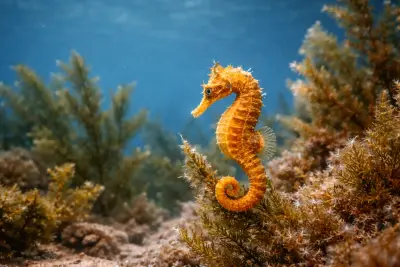
Common Seahorse
occasional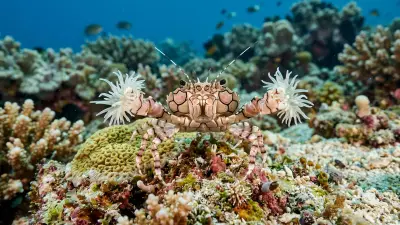
Crab
common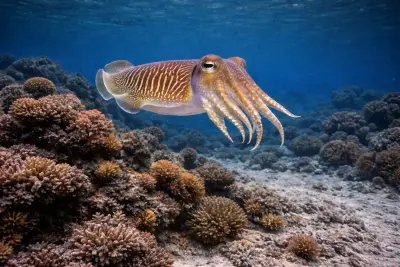
Cuttlefish
occasional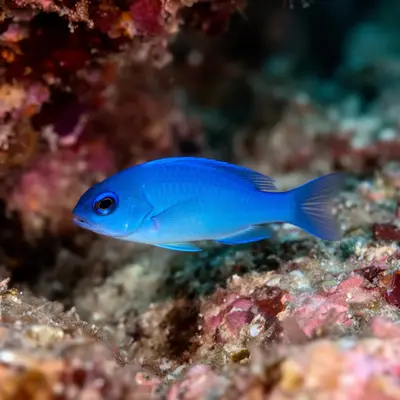
Damselfish
common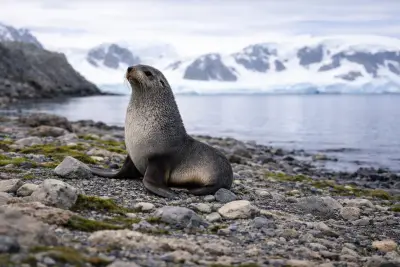
Fur Seal
occasional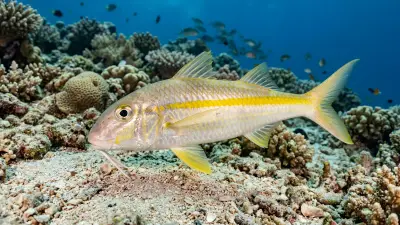
Goatfish
common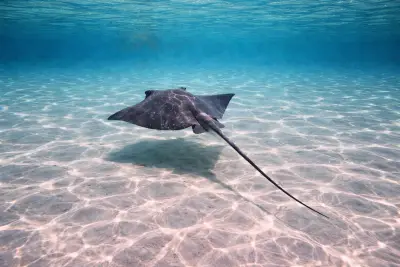
Stingray
occasional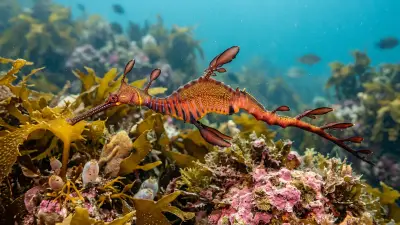
Weedy Seadragon
occasional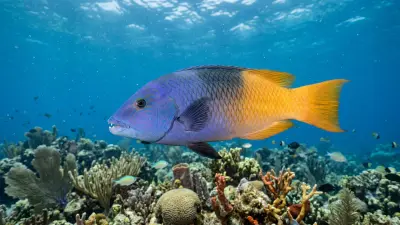
Wrasse
commonDive profile & how the dive runs
Access to Boarfish Reef is exclusively by boat, requiring careful planning around tidal cycles for optimal conditions. Divers typically descend onto a shallow rocky platform, which transitions into a reef with ledges and potential swim-throughs. The main part of the dive usually explores depths between 12 to 25 meters, where sponge gardens thrive. Divers often follow the reef's contours, staying mindful of the current strength, which can vary significantly. Given the potential for strong currents, a drift dive profile may be adopted depending on conditions. The dive duration can range from 30 to 56 minutes, depending on depth and gas consumption. Safety stops are conducted in shallower, calmer sections of the reef or as a free-hanging stop, before ascending to the surface for boat pickup.
Underwater photography
Boarfish Reef offers interesting subjects for underwater photography, particularly for macro and wide-angle shots of temperate reef life. A macro lens would be ideal for capturing the intricate details of common seahorses, crabs, and nudibranchs often found on the reef. For wide-angle photography, focus on capturing the expansive sponge gardens and unique rock formations, especially when visibility is good, reaching up to 25 meters. External strobes are recommended to bring out the vibrant colors of sponges and other sessile organisms in deeper sections. Due to variable currents and surge, maintaining excellent buoyancy control is crucial to avoid disturbing marine life and to achieve stable shots. Patience is key, especially when currents are present, to photograph critters sheltering in ledges and crevices.
Combine with nearby dive sites
- The Grotto
Boat-access reef with caves and macro life
- Port Noarlunga
Accessible jetty dive known for marine life
- Sutherland Point
Sutherland Point offers an accessible shore diving experience along the dramatic coastline of Kurnell in Botany Bay, Sydney, New South…
- Rottnest Island
Rottnest Island, located approximately 18 kilometers off Perth, Western Australia, offers exceptional diving characterized by its…
Getting there & logistics
Boarfish Reef is located near Queenscliff on the Bellarine Peninsula in Victoria, Australia. Dives to this site are arranged via local dive centers, such as Dive Victoria or Scubaculture, which offer boat trips to various Victorian dive sites. As a boat-only dive, divers will typically meet at a designated marina or dive shop in the region. There are no specific permit fees mentioned for diving Boarfish Reef, but costs would include boat charter and dive guide services. Given the site's characteristics, trips are often day trips, focused on local reef systems. Divers should coordinate directly with operators for trip availability and specific requirements. Victoria's temperate waters mean divers should plan for appropriate thermal protection.
Safety & environment
Diving at Boarfish Reef necessitates a strong understanding of current management due to variable and potentially strong currents, reaching up to 4 knots. Always dive with a buddy and carry a dive float with a flag to ensure visibility to boat traffic, which can be significant in the area. Planning dives for slack water is crucial to minimize risks associated with strong currents and surge. The nearest recompression chamber facilities would be located in major urban centers in Victoria. It is strongly recommended that all divers carry appropriate dive insurance that covers recompression and emergency evacuation. Maintaining excellent buoyancy control is essential to navigate the reef's ledges and swim-throughs safely and to prevent accidental contact with the marine environment.
Who it suits — and who it doesn't
Suited for
- Experienced divers comfortable with currents
- Divers seeking temperate reef ecosystems
- Macro and wide-angle photographers
- Divers interested in boat-accessed sites
- Those looking for unique Australian marine life
Less suited for
- Beginner divers without current experience
- Divers who prefer shore-entry sites
- Individuals sensitive to cold water
- Those expecting tropical reef conditions
- Divers seeking large pelagic encounters primarily
FAQ
Boarfish Reef FAQ
What are the typical diving conditions at Boarfish Reef?
Boarfish Reef experiences highly variable conditions. Currents can range from mild to strong, up to 4 knots, requiring careful dive planning around slack water. Visibility also fluctuates significantly, from a low of 5 meters in July to excellent conditions of 25 meters in February and March. Water temperatures are temperate, ranging from 10°C in winter to 21°C in summer.
What kind of marine life can I expect to see at Boarfish Reef?
Divers at Boarfish Reef can expect to encounter a variety of temperate marine species. Common sightings include various fish such as damselfish, goatfish, and wrasse. More unique finds may include common seahorses, weedy seadragons, cuttlefish, and crabs. Fur seals and stingrays are also occasionally observed in the area.
Is Boarfish Reef suitable for beginner divers?
Boarfish Reef is generally considered more suitable for intermediate to experienced divers. The unpredictable and potentially strong currents, combined with variable visibility, can pose challenges. Divers should have a good level of comfort and experience managing currents to safely and enjoyably explore this site.
How do I access Boarfish Reef?
Boarfish Reef is exclusively a boat-access dive site. You will need to book a trip with a local dive operator, such as Dive Victoria or Scubaculture, which are based in the region. These operators provide boat charters to the reef, typically from nearby ports on the Bellarine Peninsula.
When is the best time of year for good visibility at Boarfish Reef?
For the best visibility at Boarfish Reef, consider diving during February and March, when it can reach up to 25 meters. September also offers good visibility, ranging from 10 to 25 meters. However, visibility can be significantly reduced during other months, dropping to 5 meters in July, so checking current conditions before planning your trip is advisable.
Why dive Boarfish Reef from a liveaboard?
Boarfish Reef is one of Australia's signature dive sites. A liveaboard sleeps you on the water and puts you in the water for three to four guided dives per day, including dawn and night dives that day-boat operators rarely offer. You skip the daily commute back to port and reach quieter, less-crowded sites in the same region on a single trip.
Below are the liveaboards that include Boarfish Reef on their Australia itineraries.
Liveaboards diving Boarfish Reef
These liveaboards may visit Boarfish Reef on selected itineraries — the exact dive sites depend on departure, weather and conditions.
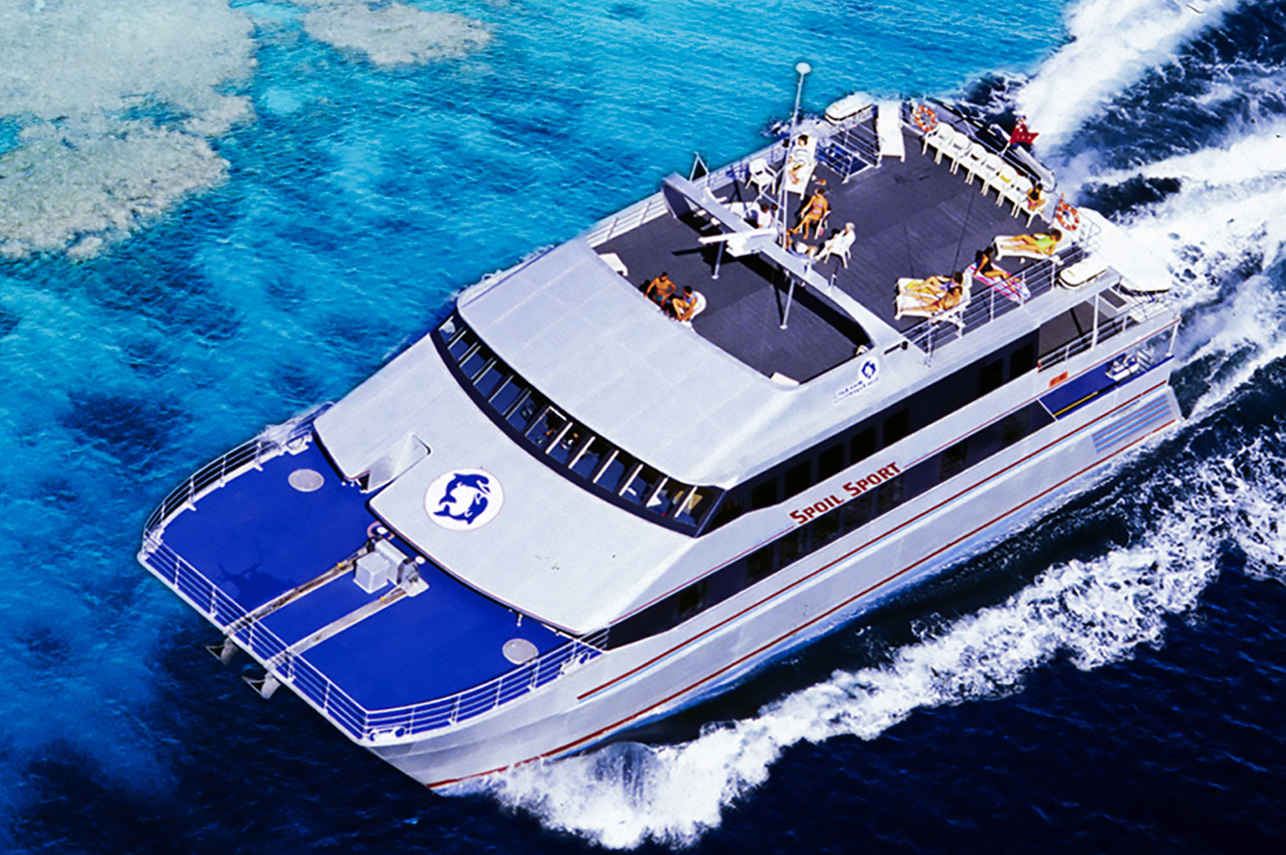
Spoilsport
Australia
28 guests30 m
$408/day
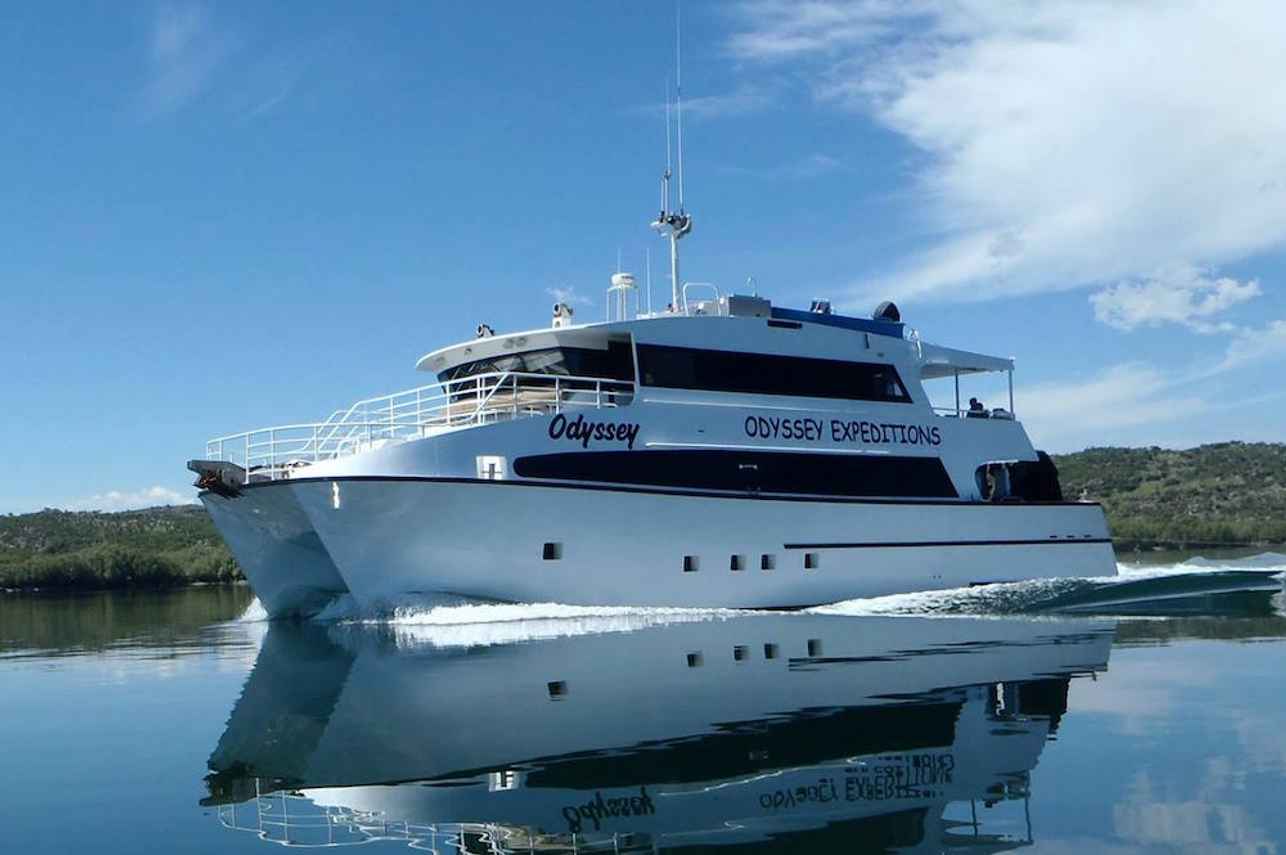
Odyssey Liveaboard
Australia
20 guests24 m
$392/day
Dive sites similar to Boarfish Reef
Same character, same waters — six more sites divers love for the exact same reasons.Compare seasons, access and liveaboard routes — then pick the site that fits your trip best.
© Esri — Maxar, Earthstar, GIS
Agincourt Reef
Australia
Agincourt Reef sits on the outer edge of the Great Barrier Reef, roughly 60–72 km off Port Douglas in Far North Queensland, at the southern end of the true ribbon reefs that run…
- Suitable for
- Beginner
- Current
- Moderate
- Access
- Dayboat
- Depth
- 2–20 m
- Theme
- Reef / Wall
© Esri — Maxar, Earthstar, GIS
Cocos Keeling - Canons
Australia
Cocos Keeling - Canons offers a distinctive dive experience within the Cocos (Keeling) Islands lagoon, making it Australia's most remote dive destination.
- Suitable for
- Beginner
- Current
- Mild
- Access
- Dayboat
- Depth
- 8–12 m
- Theme
- Reef
© Esri — Maxar, Earthstar, GIS
Raine Island
Australia
Raine Island is a pivotal dive site located in the Far Northern Great Barrier Reef, approximately 85 kilometers east-north-east of Cape Grenville and just over 4 nautical miles south of the island itself.
- Suitable for
- Advanced
- Current
- Strong
- Access
- Liveaboard only
- Depth
- 5–40 m
- Theme
- Reef / Wall
© Esri — Maxar, Earthstar, GIS
Neptune Islands
Australia
The Neptune Islands, nestled at the mouth of South Australia's Spencer Gulf, offer an unparalleled opportunity to encounter great white sharks.
- Suitable for
- Advanced
- Current
- Strong
- Access
- Liveaboard or dayboat
- Depth
- 5–15 m
- Theme
- Drift
© Esri — Maxar, Earthstar, GIS
Bare Island East
Australia
Bare Island East is a highly regarded shore dive in Sydney, celebrated for its diverse and colourful sponge gardens.
- Suitable for
- Intermediate
- Current
- Mild
- Access
- Shore / dayboat
- Depth
- 2–11 m
- Theme
- Reef
© Esri — Maxar, Earthstar, GIS
Cocos Keeling - Broccoli Patch
Australia
Broccoli Patch is a premier dive site nestled within the Cocos (Keeling) Islands lagoon system, offering a gentle yet captivating underwater experience.
- Suitable for
- Beginner
- Current
- Mild
- Access
- Dayboat
- Depth
- 5–10 m
- Theme
- Reef