About Port Noarlunga
Port Noarlunga Jetty and Reef stands as South Australia's most frequently visited and well-known aquatic reserve, making it a prime location for dive training and exploration. Situated just a 25-30 minute drive from Adelaide, its accessibility is a significant draw, despite limited parking near the jetty base requiring a walk of up to 400 meters with gear. The site's primary appeal lies in its easy navigation and rich biodiversity, offering both the reef and the jetty as distinct underwater environments. The reef itself presents an incredibly easy dive, averaging a depth of 5-7 meters with some sections reaching up to 10 meters. The deepest point, 'The Gap', can reach approximately 20 meters, where stronger currents may be present. The main reef structure provides ample protection, making the inner reef particularly suitable for training and novice divers. Divers can follow an underwater trail marked by 12 informative plaques, seven on the inside of the reef and five leading to and around the outer section. The marine life at Port Noarlunga is abundant, with over 200 species of marine plants and animals and more than 50 fish species documented. Seasonal visitors include Port Jackson sharks and wobbegongs, with Port Jackson sharks being a common sight from November to January. Macro enthusiasts will appreciate the over 50 documented species of nudibranchs, alongside flatworms, blue-ringed octopuses, sand octopuses, and pipefish. Entry is primarily via the jetty stairs, with the last set of stairs being the most popular starting point. Divers can explore either south or north along the reef, keeping the reef to one shoulder for navigation. The site is suitable for both day and night dives, with the jetty providing an excellent setting for nocturnal explorations, and the inner reef offering a protected, shallow environment ideal for training and leisurely dives.
Highlights
Underwater interpretive trailOver 50 nudibranch speciesPort Jackson shark nurseryEasy jetty accessSheltered reef systemDiverse fish populationProtected aquatic reserve
Season calendar
Best months to dive here
Jan
Feb
Mar
Apr
May
Jun
Jul
Aug
Sep
Oct
Nov
Dec
Good
Dive site facts: Port Noarlunga
- Depth
- 3–20 m
- Typical dive
- 5–10 m, 60–80 min
- Current
- Mild to moderate
- Visibility
- 5 m+
- Water temperature
- 11–24 °C
- Entry
- Jetty stairs
- Level
- Beginner to Advanced
- Dive type
- Shore, Reef, Macro, Night
- Night dive
- Possible
- Region / port
- South Australia
- Coordinates
- -35.148, 138.457
Conditions & Currents
Port Noarlunga is generally an easy site to navigate, with the inner reef areas being protected and relatively free from strong currents. However, currents can become quite strong when transiting through 'The Gap', a deeper section of the reef reaching approximately 20 meters. Divers should be mindful of tidal influences, as conditions can vary, and aiming for high slack tide is often recommended for optimal visibility and reduced current, particularly for traversing the gap or climbing over the reef at high tide. Entry is typically from the jetty stairs, allowing for a controlled descent into the water, while exit involves returning to the jetty. Awareness of fishing lines from the jetty is crucial, and divers should maintain appropriate depth to avoid them. Visibility can fluctuate, sometimes being poor due to swell, so maintaining situational awareness and staying close to the reef fo
Marine life & sighting chances
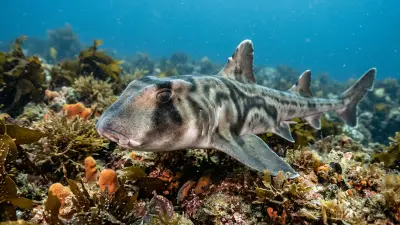
Port Jackson shark
Nov-Jan · common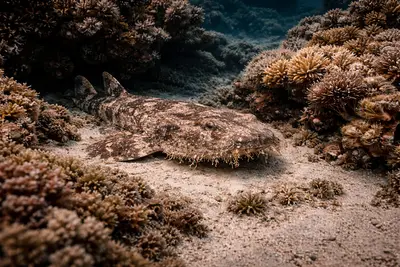
Wobbegong shark
occasional
Dolphin
occasional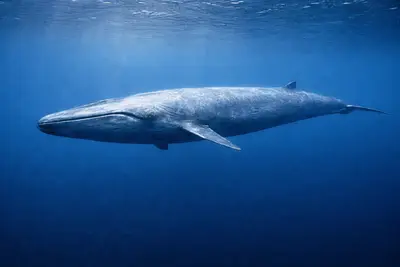
Whale
rareRay (small)
common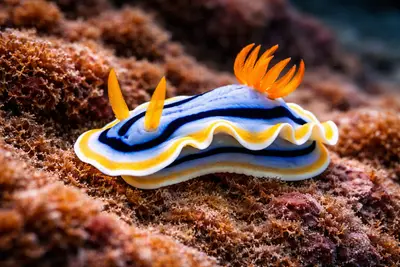
Nudibranch
common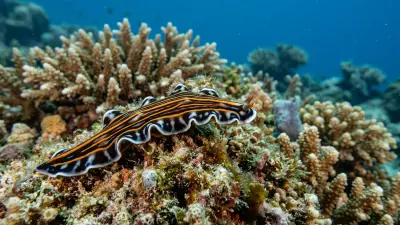
Flatworm
common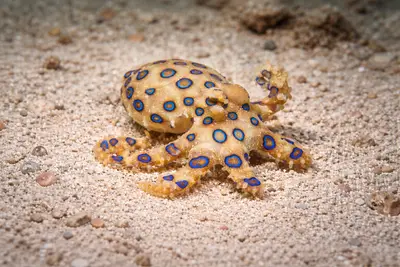
Blue-ringed octopus
common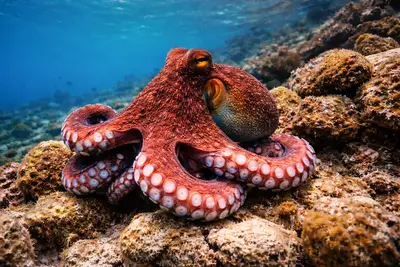
Sand octopus
common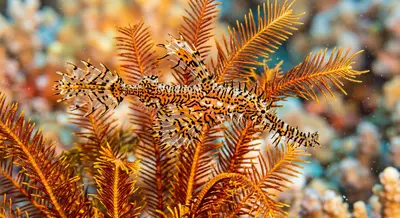
Pipefish
common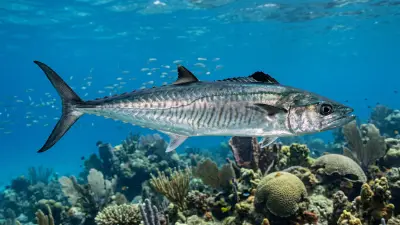
Mackerel (shoal)
occasional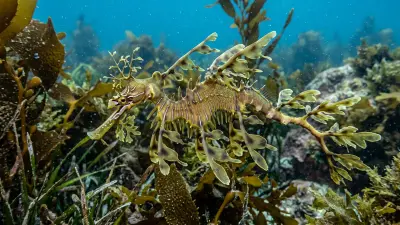
Leafy sea dragon
occasional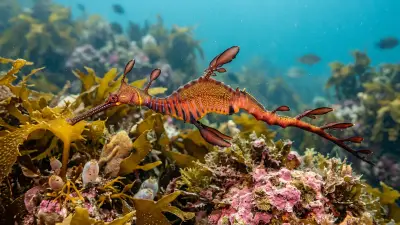
Weedy sea dragon
common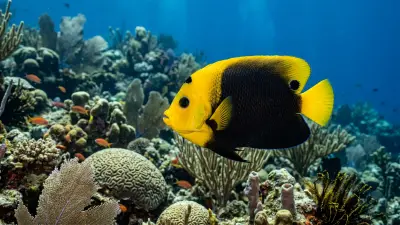
Red rock lobster
commonDive profile & how the dive runs
Diving at Port Noarlunga typically begins with entry from the jetty stairs, with the most popular access point being at the end of the approximately 300-meter-long structure. After entry, divers descend to the reef, which is immediately adjacent to the jetty. From here, you can choose to head south (left) to follow the designated underwater trail, which features 12 markers providing information about the ecosystem. Alternatively, you can head north (right) and follow the reef in that direction. Navigation is straightforward: simply keep the reef to one shoulder on the way out and to the other on the way back to ensure you don't lose your bearings. The average depth throughout the main reef is 5-7 meters, making it an ideal long, shallow dive. For more advanced divers, 'The Gap' offers a deeper section, reaching about 20 meters, where currents can be stronger, but also provides access to the outer reef marked by additional trail markers. The dive concludes by ascending back to the jetty for exit.
Underwater photography
Port Noarlunga is a macro photographer's paradise, boasting over 50 documented species of nudibranchs, along with elusive creatures like flatworms, blue-ringed octopuses, sand octopuses, and pipefish. A macro lens is essential to capture the intricate details of these small subjects. For larger, occasional visitors such as Port Jackson and wobbegong sharks, a wide-angle lens might be suitable, especially if you venture towards the outer reef or deeper sections like 'The Gap'. Given the potential for varying visibility and deeper areas under the jetty, external strobes or video lights will significantly enhance your images, bringing out true colors. Maintaining excellent buoyancy control is crucial to avoid disturbing the delicate reef inhabitants and to compose steady shots.
Combine with nearby dive sites
- Sutherland Point
Sutherland Point offers an accessible shore diving experience along the dramatic coastline of Kurnell in Botany Bay, Sydney, New South…
- The Campgrounds
The Campgrounds is a well-regarded drift dive located on the northwest wall of Lady Musgrave Island.
- Harry's Bommie
Harry's Bommie is a captivating garden reef nestled within Agincourt Reef #4, a prime location on the outer edge of Australia's Great…
Getting there & logistics
Access to Port Noarlunga is highly convenient, being only a 25-30 minute drive from Adelaide, the capital city of South Australia. Adelaide Airport (ADL) serves as the primary gateway, with direct domestic flights from major Australian cities like Melbourne, Sydney, and Brisbane, taking 1-2 hours. International travelers typically connect via hubs such as Hong Kong, Dubai, or Auckland. Once in Adelaide, a car rental provides the most flexibility for reaching the dive site. Parking at the jetty can be limited, potentially requiring a 100-meter walk from the main car park, in addition to the 300-meter jetty walk with gear. Guided dives are readily available from local operators in Adelaide, often including two dives and rental gear. There are no specific marine park fees mentioned for diving here, though it is part of an aquatic reserve.
Safety & environment
While Port Noarlunga is considered an easy dive site, especially the inner reef, several safety considerations apply. Divers must be aware of fishing lines from the jetty, as fishing is permitted. Always stay under the jetty in shallower areas to avoid entanglements. Currents can be strong in 'The Gap' area, requiring divers to be experienced with current diving techniques or to avoid this section if conditions are unfavorable. Swell can also affect underwater visibility and create surge, so divers should assess surface conditions carefully. The nearest recompression chamber would be located in Adelaide, requiring transport from the site in an emergency. Divers are strongly advised to have comprehensive dive insurance covering medical emergencies and evacuation. Given the site's popularity, especially for training, being mindful of other divers is also important.
Who it suits — and who it doesn't
Suited for
- Beginner divers completing training
- Macro photography enthusiasts
- Divers seeking easy shore access
- Night dive explorers
- Divers interested in temperate reef ecosystems
Less suited for
- Divers seeking large pelagic encounters
- Those averse to carrying gear long distances
- Divers preferring strong drift dives exclusively
- Individuals sensitive to potentially crowded dive sites in summer
- Divers expecting consistently high visibility
FAQ
Port Noarlunga FAQ
What is the best way to enter and exit the water at Port Noarlunga?
The most convenient and popular entry/exit point is via the stairs located at the end of the 300-meter-long jetty. While a beach entry is possible, strong waves and extended shallow sections make the jetty stairs the preferred method for most divers, providing a more direct and safer access to the reef.
What kind of marine life can I expect to see at Port Noarlunga?
Port Noarlunga boasts a diverse range of marine life. You can commonly encounter Port Jackson sharks, wobbegong sharks, small rays, and a wide variety of fish. For macro enthusiasts, over 50 species of nudibranchs, along with flatworms, blue-ringed octopuses, sand octopuses, and pipefish are frequent sightings. Occasional sightings of dolphins and even whales have been reported.
Is Port Noarlunga suitable for new divers or training?
Yes, Port Noarlunga is considered an excellent site for scuba training and new divers. The inner reef is protected and shallow, typically averaging 5-7 meters, making it an easy and safe environment for learning. Its convenient navigation and abundant marine life also enhance the training experience.
Are there strong currents at Port Noarlunga?
Currents on the main reef are generally mild, especially in the protected inner sections. However, strong currents can be encountered when diving through 'The Gap', a deeper channel that reaches approximately 20 meters. Divers should be aware of tidal movements, as conditions can vary, and aim for high slack tide for calmer conditions.
What is the underwater trail at Port Noarlunga?
Port Noarlunga features a unique underwater trail marked by 12 plaques on the seafloor. These markers provide interesting information about the reef's ecosystem and marine life. Seven markers are located on the inside of the reef, while the remaining five lead to and explore the outer reef sections, including 'The Gap'.
When is the Port Jackson shark season at this site?
Port Jackson sharks are a main attraction at Port Noarlunga, particularly during their breeding season. Both adult and baby Port Jacksons are a common sight, especially from November through January, offering a unique opportunity to observe these docile creatures.
Why dive Port Noarlunga from a liveaboard?
Port Noarlunga is one of Australia's signature dive sites. A liveaboard sleeps you on the water and puts you in the water for three to four guided dives per day, including dawn and night dives that day-boat operators rarely offer. You skip the daily commute back to port and reach quieter, less-crowded sites in the same region on a single trip.
Below are the liveaboards that include Port Noarlunga on their Australia itineraries.
Liveaboards diving Port Noarlunga
These liveaboards may visit Port Noarlunga on selected itineraries — the exact dive sites depend on departure, weather and conditions.
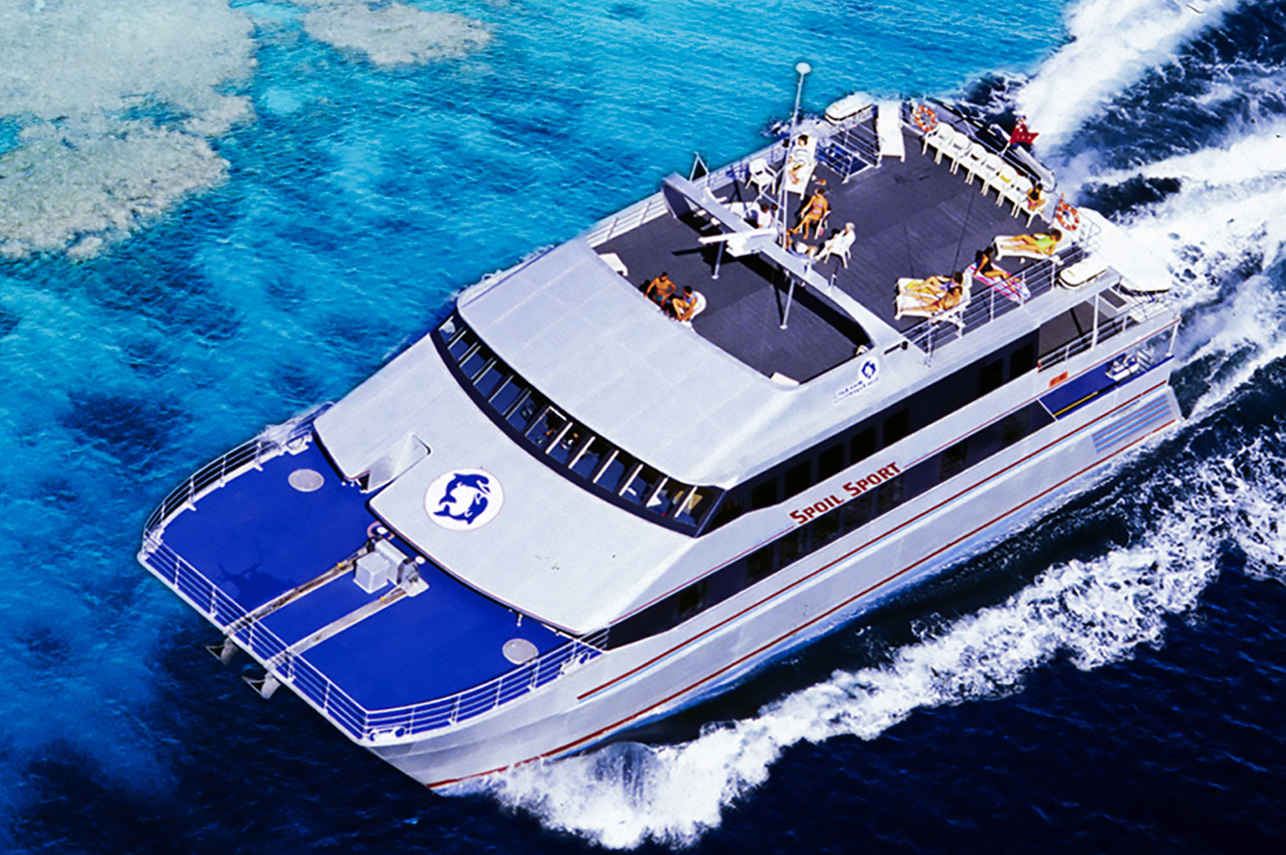
Spoilsport
Australia
28 guests30 m
$405/day
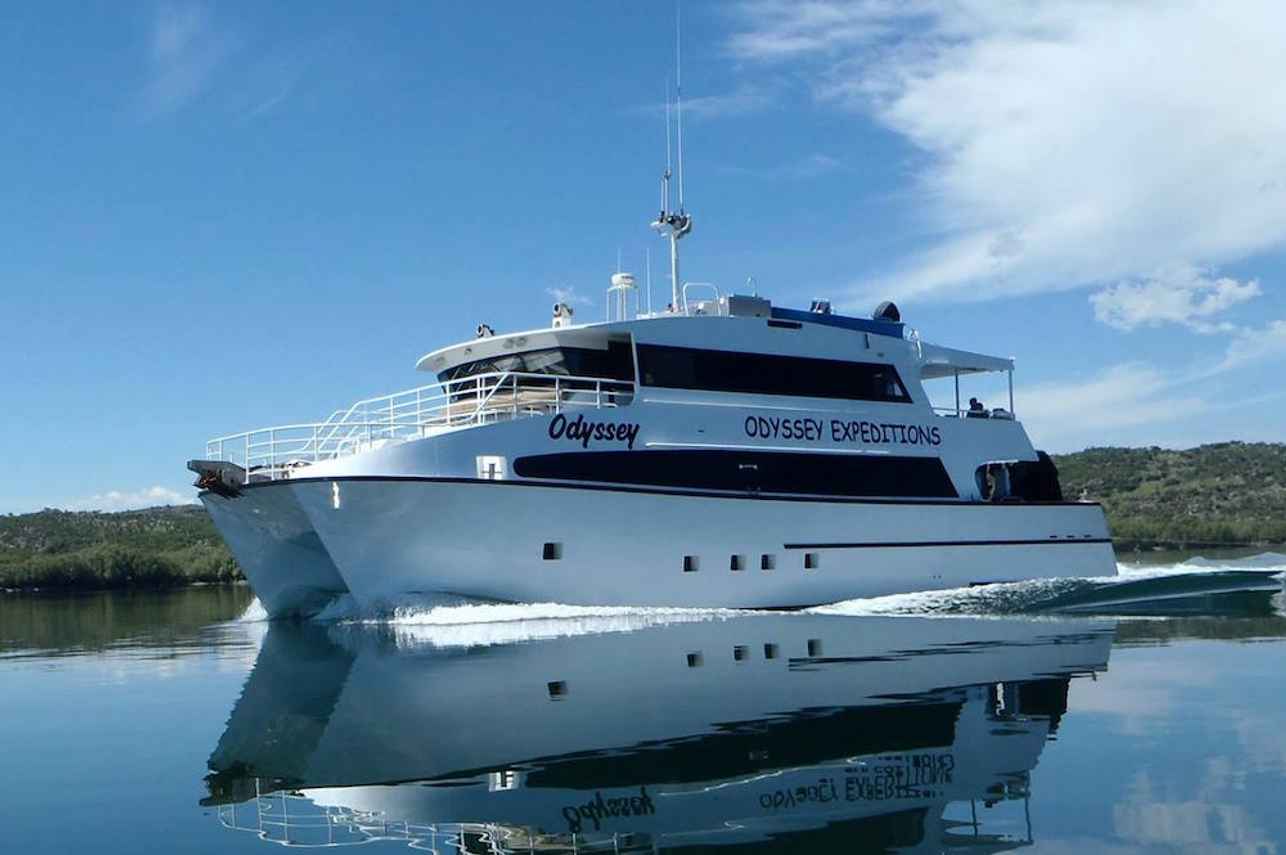
Odyssey Liveaboard
Australia
20 guests24 m
$392/day
Dive sites similar to Port Noarlunga
Same character, same waters — six more sites divers love for the exact same reasons.Compare seasons, access and liveaboard routes — then pick the site that fits your trip best.
Agincourt Reef
Australia
Agincourt Reef sits on the outer edge of the Great Barrier Reef, roughly 60–72 km off Port Douglas in Far North Queensland, at the southern end of the true ribbon reefs that run…
- Suitable for
- Beginner
- Current
- Moderate
- Access
- Dayboat
- Depth
- 2–20 m
- Theme
- Reef / Wall
Cocos Keeling - Canons
Australia
Cocos Keeling - Canons offers a distinctive dive experience within the Cocos (Keeling) Islands lagoon, making it Australia's most remote dive destination.
- Suitable for
- Beginner
- Current
- Mild
- Access
- Dayboat
- Depth
- 8–12 m
- Theme
- Reef
Raine Island
Australia
Raine Island is a pivotal dive site located in the Far Northern Great Barrier Reef, approximately 85 kilometers east-north-east of Cape Grenville and just over 4 nautical miles south of the island itself.
- Suitable for
- Advanced
- Current
- Strong
- Access
- Liveaboard only
- Depth
- 5–40 m
- Theme
- Reef / Wall
Bare Island East
Australia
Bare Island East is a highly regarded shore dive in Sydney, celebrated for its diverse and colourful sponge gardens.
- Suitable for
- Intermediate
- Current
- Mild
- Access
- Shore / dayboat
- Depth
- 2–11 m
- Theme
- Reef
Cocos Keeling - Broccoli Patch
Australia
Broccoli Patch is a premier dive site nestled within the Cocos (Keeling) Islands lagoon system, offering a gentle yet captivating underwater experience.
- Suitable for
- Beginner
- Current
- Mild
- Access
- Dayboat
- Depth
- 5–10 m
- Theme
- Reef
Milln Reef
Australia
Milln Reef, located approximately 60km offshore from Cairns within the Great Barrier Reef, stands out as a highly favored outer reef destination for both divers and snorkelers.
- Suitable for
- Intermediate
- Current
- Moderate
- Access
- Liveaboard or dayboat
- Depth
- 4–22 m
- Theme
- Reef