About Harry's Bommie
Harry's Bommie is a captivating garden reef nestled within Agincourt Reef #4, a prime location on the outer edge of Australia's Great Barrier Reef. This site is distinguished by its unique topography, featuring a reef split into two sections with a natural crevice between them. This channel creates a dynamic environment where currents attract a lively array of marine species, making it a focal point for underwater activity. The bommie itself is rich in diverse coral species, providing a stunning backdrop for both divers and snorkelers. Its shallow maximum depth and excellent visibility make it particularly accessible. The site's topography contributes to a bustling ecosystem, drawing in a variety of pelagic and reef-dwelling creatures. Divers can expect frequent encounters with large marine life, especially in the current-swept crevice. The site's protected yet dynamic nature supports healthy coral growth and a high density of fish, offering a visually rewarding experience. Day trips to Agincourt Reef typically depart from Port Douglas, ensuring relatively quick access to this and other pristine outer reef locations. As a first-time dive site, Harry's Bommie offers an ideal introduction to the Great Barrier Reef's wonders. Its moderate depth and consistent visibility provide a comfortable and engaging experience for beginners, while the rich biodiversity ensures plenty to observe for more experienced divers.
Highlights
Garden reef topographyManta ray sightingsJuvenile grey whaler sharksCurrent-attracted marine lifeDiverse coral speciesIdeal for first-time diversExcellent visibility
Season calendar
Best months to dive here
Jan
Feb
Mar
Apr
May
Jun
Jul
Aug
Sep
Oct
Nov
Dec
Good
Dive site facts: Harry's Bommie
- Depth
- Up to 16 m
- Current
- Mild to moderate (in crevice)
- Visibility
- Average 15 m
- Entry
- Day boat
- Level
- Novice to Intermediate
- Dive type
- Reef, big animals, coral garden, pinnacle
- Region / port
- Agincourt Reef, Great Barrier Reef
- Coordinates
- 24.1130° S, 152.7160° E
Conditions & Currents
Harry's Bommie is known for currents that flow through the crevice splitting the reef, attracting a significant amount of marine life. While the general currents on the outer reef around Port Douglas are often described as mild, this specific feature means divers should be prepared for varying conditions, especially when exploring the channel. Visibility is typically excellent, averaging 15 meters, but strong currents can occasionally impact this. Day boats provide access, and divers should be mindful of boat traffic, particularly during entry and exit procedures. The currents are part of what makes the site so vibrant, providing a dynamic environment where pelagic species are often seen feeding or cruising. This dynamic can necessitate careful buoyancy control and gas planning, though the maximum depth of 16 meters keeps it within recreational limits.
Marine life & sighting chances

Manta Ray
occasional
Juvenile Grey Whaler Shark
occasional
Mackerel
common
Colourful Tropical Fish
common
Leaf Scorpionfish
occasional
Ribbon Eel
occasional
Parrotfish
common
Unicorn Fish
common
Cod
common
Coral Trout
commonDive profile & how the dive runs
Entry to Harry's Bommie is typically made from a day boat, often utilizing a giant stride or back roll, depending on the vessel. Divers descend directly onto the top of the bommie, which sits at a maximum depth of 16 meters. The dive usually proceeds by exploring the reef's unique split topography, navigating through the crevice where currents often attract a concentration of marine life. A circular or figure-eight pattern can be adopted to fully appreciate the diverse coral formations and search for resident and transient pelagic species like manta rays and juvenile grey whaler sharks. The dive will gradually ascend to shallower parts of the bommie, allowing for extended bottom time and closer examination of macro life. The safety stop is typically conducted over the shallower sections of the reef, before ascending to the surface near the moored dive vessel. Visibility averages 15 meters, assisting navigation.
Underwater photography
Harry's Bommie presents excellent photographic opportunities, especially given its average visibility of 15 meters and diverse marine life. For wide-angle photography, a fisheye or rectilinear wide-angle lens is ideal to capture the split reef structure and the schools of fish, particularly when pelagics like manta rays are present. External strobes are recommended to bring out the vibrant colors of the corals and fish in the clear outer reef water. For macro subjects such as leaf scorpionfish or ribbon eels, a dedicated macro lens will be beneficial. Maintaining excellent buoyancy is crucial to avoid damaging the diverse coral species. Always approach marine life calmly to capture natural behavior without disturbance, especially with more sensitive subjects.
Combine with nearby dive sites
- Barracuda Bommie
Located in Agincourt Reef, known for schools of barracuda and good visibility.
- Castle Rock
A patch reef in Agincourt Reef 1, featuring an exposed wall and large marine life.
- The Gardens
Found in Agincourt Reef, offering diverse fish, soft/hard corals, and excellent visibility.
- Pellowe Reef
An outer Great Barrier Reef site visited by Silverswift, offering varied marine life.
- Flynn Reef
One of the most popular outer reefs, with sites like Coral Gardens and Tracy's Bommie.
- Milln Reef
Offers exciting dive sites like Whale Bommie and Petaj Mooring, with resident turtles and sharks.
Getting there & logistics
Access to Harry's Bommie, located on Agincourt Reef #4, is predominantly via day boat tours departing from Port Douglas. The journey to the outer reef takes approximately 90 minutes. Port Douglas is served by Cairns International Airport (CNS), which is about 70 kilometers south and provides connections to major Australian cities and some international destinations. Typical trips are single-day excursions, combining multiple dives at Agincourt Reef. Divers over four years old are required to pay an Environmental Management Charge (EMC), often referred to as a 'reef tax,' which is usually included in the tour price. These tours frequently combine diving with snorkeling, making them suitable for mixed groups.
Safety & environment
Diving at Harry's Bommie, like other Great Barrier Reef sites, necessitates adherence to standard safety protocols. The nearest recompression chamber is located in Cairns, necessitating prompt evacuation in the event of a dive emergency. Divers are strongly advised to have comprehensive dive insurance covering medical emergencies and evacuation. Site-specific hazards include variable currents, particularly within the reef's central crevice, requiring good buoyancy control and awareness. Divers should always listen to their dive brief and follow their guide. Coral is sharp, so avoid contact, and seek immediate first aid for any cuts. Sun protection is essential on the surface. Remember the 24-hour no-fly period after diving and ensure your certification card and logbook are current.
Who it suits — and who it doesn't
Suited for
- First-time divers
- Novice and intermediate divers
- Underwater photographers (wide-angle & macro)
- Divers interested in pelagic encounters
- Snorkelers
Less suited for
- Divers seeking extreme depths
- Experienced divers solely seeking technical challenges
- Divers uncomfortable with mild currents
FAQ
Harry's Bommie FAQ
Where is Harry's Bommie located?
Harry's Bommie is situated on Agincourt Reef #4, which is part of the extensive Agincourt Reef system. This system lies on the outer edge of the Great Barrier Reef, approximately 65 kilometers northeast of Port Douglas, Australia.
What kind of marine life can I expect to see at Harry's Bommie?
The site is known for its diverse marine life, including frequent sightings of manta rays and juvenile grey whaler sharks. You can also expect to encounter mackerel, various colorful tropical fish, and occasionally more unique species like leaf scorpionfish and ribbon eels, all attracted to the vibrant coral gardens and currents.
Is Harry's Bommie suitable for beginner divers?
Yes, Harry's Bommie is considered an excellent site for first-time divers due to its maximum depth of 16 meters and average visibility of 15 meters. The clear conditions and abundant marine life offer a comfortable and rewarding introductory dive experience.
Are there strong currents at Harry's Bommie?
While the outer reef generally experiences mild currents, Harry's Bommie has a distinct crevice where currents can be more noticeable. These currents are beneficial as they attract a higher concentration of marine life, though divers should be prepared for varying conditions and maintain good buoyancy control.
How do I get to Harry's Bommie?
Harry's Bommie is typically accessed by day boat tours that depart from Port Douglas. These tours offer a scenic journey of about 90 minutes to the outer Agincourt Reef, combining diving and snorkeling opportunities at multiple sites within the reef system.
Why dive Harry's Bommie from a liveaboard?
Harry's Bommie is one of Australia's signature dive sites. A liveaboard sleeps you on the water and puts you in the water for three to four guided dives per day, including dawn and night dives that day-boat operators rarely offer. You skip the daily commute back to port and reach quieter, less-crowded sites in the same region on a single trip.
Below are the liveaboards that include Harry's Bommie on their Australia itineraries.
Liveaboards diving Harry's Bommie
These liveaboards may visit Harry's Bommie on selected itineraries — the exact dive sites depend on departure, weather and conditions.
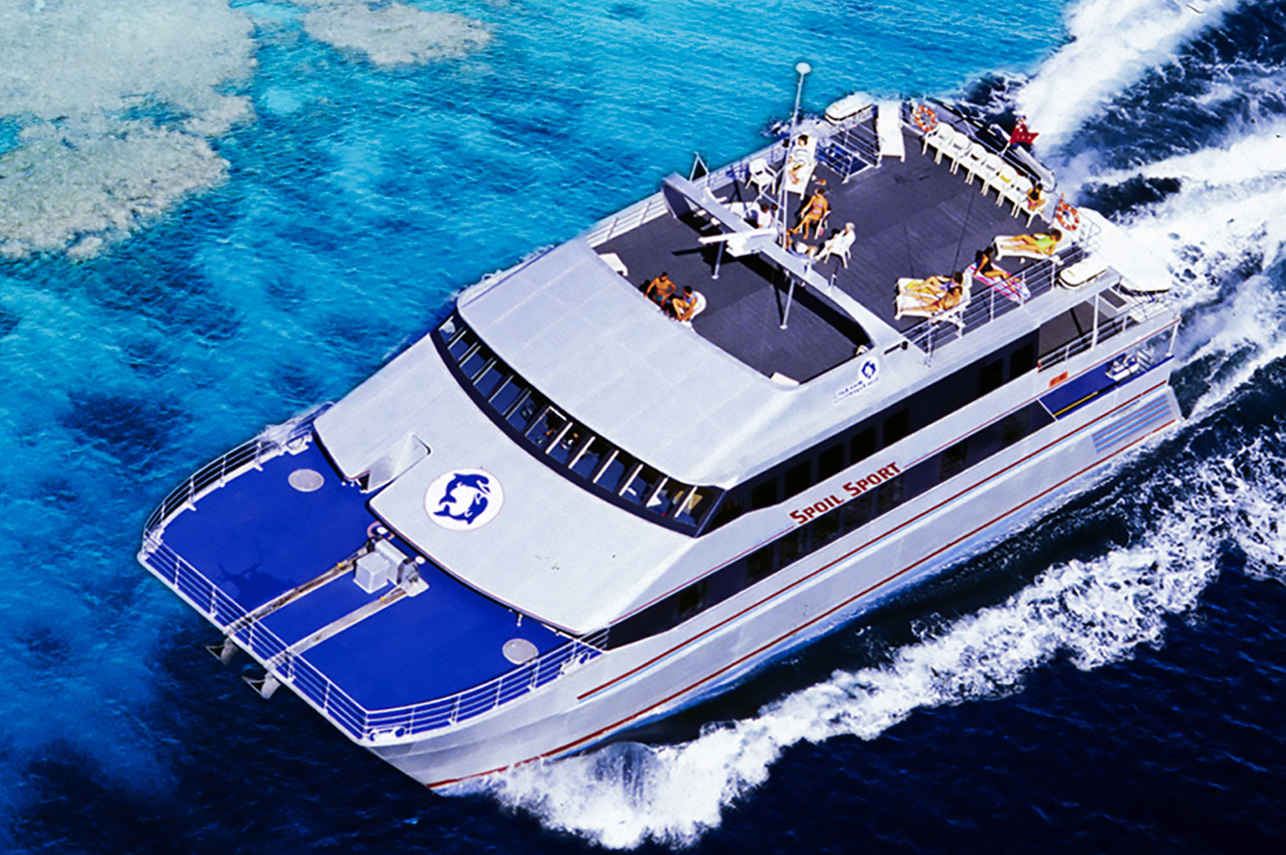
Spoilsport
Australia
28 guests30 m
$405/day
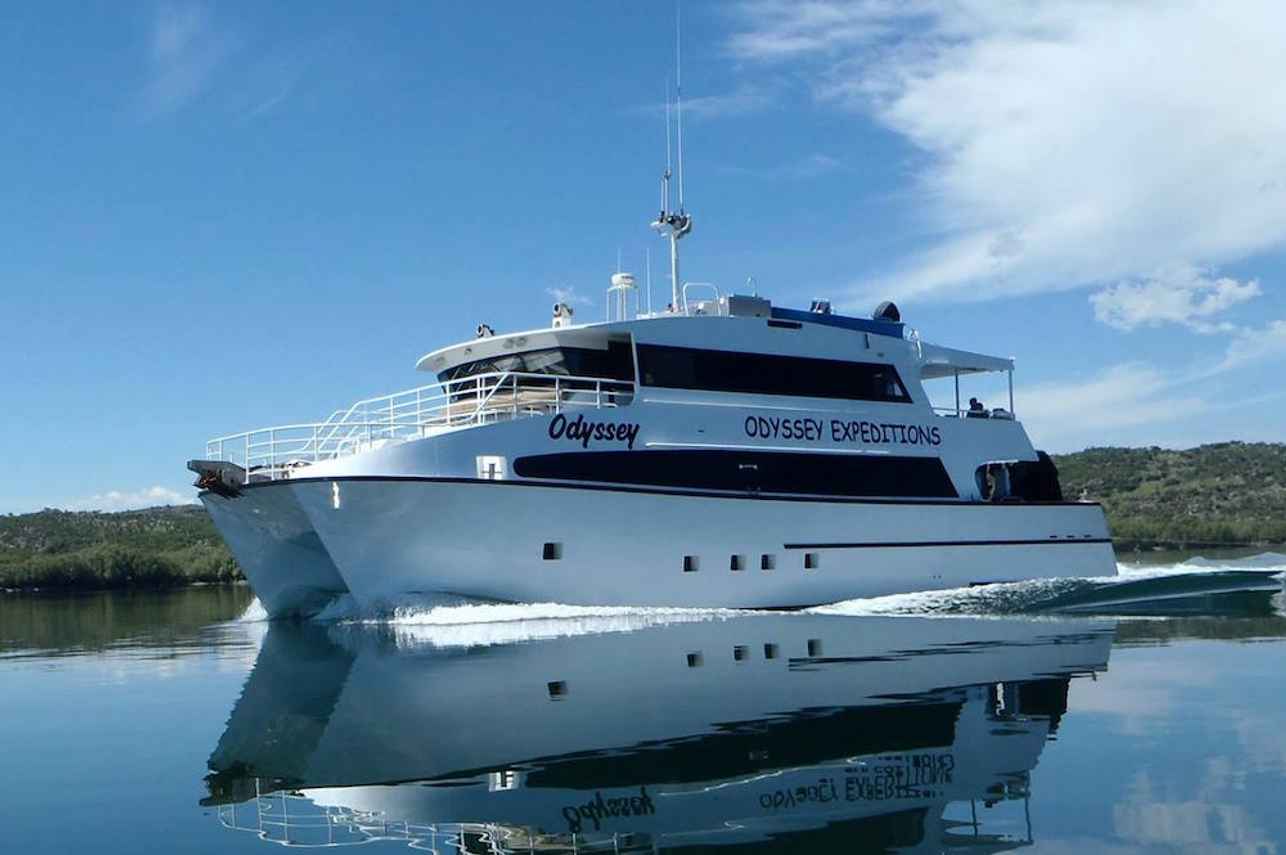
Odyssey Liveaboard
Australia
20 guests24 m
$392/day
Dive sites similar to Harry's Bommie
Same character, same waters — six more sites divers love for the exact same reasons.Compare seasons, access and liveaboard routes — then pick the site that fits your trip best.
© Esri — Maxar, Earthstar, GIS
Agincourt Reef
Australia
Agincourt Reef sits on the outer edge of the Great Barrier Reef, roughly 60–72 km off Port Douglas in Far North Queensland, at the southern end of the true ribbon reefs that run…
- Suitable for
- Beginner
- Current
- Moderate
- Access
- Dayboat
- Depth
- 2–20 m
- Theme
- Reef / Wall
© Esri — Maxar, Earthstar, GIS
Cocos Keeling - Canons
Australia
Cocos Keeling - Canons offers a distinctive dive experience within the Cocos (Keeling) Islands lagoon, making it Australia's most remote dive destination.
- Suitable for
- Beginner
- Current
- Mild
- Access
- Dayboat
- Depth
- 8–12 m
- Theme
- Reef
© Esri — Maxar, Earthstar, GIS
Raine Island
Australia
Raine Island is a pivotal dive site located in the Far Northern Great Barrier Reef, approximately 85 kilometers east-north-east of Cape Grenville and just over 4 nautical miles south of the island itself.
- Suitable for
- Advanced
- Current
- Strong
- Access
- Liveaboard only
- Depth
- 5–40 m
- Theme
- Reef / Wall
© Esri — Maxar, Earthstar, GIS
Bare Island East
Australia
Bare Island East is a highly regarded shore dive in Sydney, celebrated for its diverse and colourful sponge gardens.
- Suitable for
- Intermediate
- Current
- Mild
- Access
- Shore / dayboat
- Depth
- 2–11 m
- Theme
- Reef
© Esri — Maxar, Earthstar, GIS
Cocos Keeling - Broccoli Patch
Australia
Broccoli Patch is a premier dive site nestled within the Cocos (Keeling) Islands lagoon system, offering a gentle yet captivating underwater experience.
- Suitable for
- Beginner
- Current
- Mild
- Access
- Dayboat
- Depth
- 5–10 m
- Theme
- Reef
© Esri — Maxar, Earthstar, GIS
Milln Reef
Australia
Milln Reef, located approximately 60km offshore from Cairns within the Great Barrier Reef, stands out as a highly favored outer reef destination for both divers and snorkelers.
- Suitable for
- Intermediate
- Current
- Moderate
- Access
- Liveaboard or dayboat
- Depth
- 4–22 m
- Theme
- Reef