About The Grotto
The Grotto is a boat-access reef dive situated on the Lonsdale Wall, offering an ideal experience for divers who appreciate detailed inspection rather than technical profiles. This temperate reef features small caves, numerous overhangs, and broken rock formations, creating a scenic and photogenic route. Divers navigate carefully through ledges and features, requiring excellent buoyancy control to fully appreciate the site. It is best approached as a charter dive, meticulously planned around tide and weather conditions. The main diving depth typically ranges between 12 and 18 meters, with the wall extending down to approximately 23 meters. The site provides abundant opportunities for slow, methodical exploration, making it rewarding for those who take their time. Although accessible to newer divers in calm conditions, precise trim and buoyancy are always beneficial here. The Grotto is located within the Port Phillip Heads Marine National Park, which protects its rich marine environment. Divers must adhere to park rules, including prohibitions on collecting, fishing, and spearfishing. The site showcases a great variety of aquatic life, particularly interesting macro subjects within its unique geological structure.
Highlights
Boat-access reef diveSmall caves and overhangsLonsdale Wall topographyPhotogenic rock structuresMacro life opportunitiesTide-aware divingQueenscliff area location
Best Season
The Grotto is diveable year-round, provided there are calm weather and tide windows. Winter months are often preferred as they can bring clearer water and generally improved visibility.
Dive site facts: The Grotto
- Depth
- 12–23 m
- Typical dive
- 12–18 m, 50–60 min (estimated)
- Current
- Moderate
- Visibility
- 10 m
- Water temperature
- 11–21°C (Victoria's temperate waters)
- Entry
- Boat entry
- Level
- Beginner to advanced (calm conditions), good buoyancy essential
- Dive type
- Reef, cave, macro
- Region / port
- Queenscliff, Victoria
- Coordinates
- -38.287010, 144.636600
Conditions & Currents
The Grotto experiences moderate currents, which necessitate tide-aware planning for all dives. Entry and exit procedures are critical, as the site is boat-accessed and requires careful timing to align with slack water or favorable current direction. Divers must maintain tight buoyancy control, especially when navigating around overhangs and through caves, as conditions can change rapidly with the tide and swell. While specific thermocline data is not available, temperate waters typically experience seasonal temperature shifts. Visibility averages around 10 meters, but this can be influenced by weather and tidal flow. The need for precise coordination with the boat for pickup also highlights the importance of a well-understood dive plan, especially in areas with potential boat traffic near the surface.
Dive profile & how the dive runs
Divers access The Grotto by boat, typically launched from Queenscliff. The dive usually begins with a descent onto the Lonsdale Wall, where the main working band of the reef lies between 12 and 18 meters. The route meanders through a series of small caves, broken rock formations, and overhangs, requiring divers to maintain excellent buoyancy and trim. Divers can follow the wall's contours, exploring crevices and ledges for macro life. The deepest sections of the wall can reach up to 23 meters. The dive is best conducted as a slow drift, allowing ample time to observe the temperate reef's features. The turn point is determined by air consumption and dive time, with ascent typically initiated after a planned duration or reaching a minimum air pressure. A safety stop is performed at 5 meters, often along the wall, before surfacing for a coordinated boat pickup.
Underwater photography
The Grotto's small caves, overhangs, and macro life make it an excellent site for photographers focusing on intimate subjects. A macro lens is highly recommended to capture nudibranchs and other small invertebrates hiding within the rock formations. Wide-angle lenses can be effective for showcasing the larger cave structures and the overall reef topography, especially if light penetration allows. External strobes are crucial for illuminating the darker areas and bringing out the vibrant colors of the temperate marine life. Careful buoyancy control is paramount to avoid disturbing delicate organisms and kicking up sediment in confined spaces, ensuring clear shots. Patient observation is key to finding hidden subjects in this rich environment.
Combine with nearby dive sites
- Boarfish Reef
A boat-only sponge garden reef dive offering slack-water opportunities.
- Cottage By The Sea
A Queenscliff shore reef featuring ledges, swim-throughs, and sea dragons.
- Devil’s Dropoff
A boat-only wall dive with prominent ledges and swim-throughs.
- The Plateau
A slack-water rocky plateau located within the Port Phillip Heads Marine Park.
Getting there & logistics
Access to The Grotto is exclusively by boat, typically arranged through local Queenscliff-area charter operators. These operators are essential for managing boat access, tide timing, and pickup logistics due to the site's conditions. Divers flying in would generally arrive at Melbourne Airport (MEL) and travel to Queenscliff. Day trips are the normal approach for diving The Grotto, making it a standalone dive or part of a multi-site day with other local Queenscliff reefs. There are no specific permits or fees mentioned for The Grotto itself beyond adhering to Port Phillip Heads Marine National Park rules.
Safety & environment
Diving at The Grotto requires careful attention to safety due to potential hazards. Key concerns include moderate to strong currents, which necessitate precise tide-aware planning and careful coordination with the boat. The site's overhead environments, such as caves and overhangs, demand excellent buoyancy control to prevent entanglement or accidental contact. Boat traffic near the surface is another hazard, so divers must be vigilant upon surfacing and adhere to established pickup procedures. In the event of an emergency, a recompression chamber would likely be located in Melbourne, requiring immediate evacuation from the site. Divers should always have appropriate dive insurance that covers recompression and emergency medical evacuation. Adherence to Port Phillip Heads Marine National Park rules, including no collecting or spearfishing, is mandatory to protect the delicate ecosystem.
Who it suits — and who it doesn't
Suited for
- Divers with excellent buoyancy control
- Underwater photographers interested in macro subjects
- Divers who enjoy exploring intricate reef structures
- Divers seeking temperate water reef experiences
- Those comfortable with boat diving and potential currents
Less suited for
- Divers unwilling to dive in moderate currents
- Beginners without strong buoyancy skills
- Divers expecting large pelagic encounters
- Snorkelers or freedivers (due to depth and overhead features)
- Divers who prefer shore-based access
FAQ
The Grotto FAQ
What kind of marine life can I expect to see at The Grotto?
The Grotto is known for its macro life, particularly cuttlefish and nudibranchs, which are commonly sighted. While not explicitly mentioned for large pelagics, the temperate reef environment also supports a variety of fish species and invertebrates associated with caves and overhangs.
What are the typical diving conditions at The Grotto?
Typical conditions include temperate waters, which can range from 11°C in winter to 21°C in summer. Visibility averages around 10 meters, and moderate currents are common, requiring careful dive planning around tides and calm weather windows.
Is The Grotto suitable for beginner divers?
The Grotto can be suitable for newer divers in very calm sea conditions, but it rewards patient trim and excellent buoyancy control. Due to the presence of moderate currents and overhead environments, divers should have solid foundational skills for a safe and enjoyable experience.
How do you access The Grotto?
The Grotto is exclusively a boat-access dive site. Charters typically operate from the Queenscliff area, and local operator support is essential for managing access, tide timings, and pickup logistics.
What is the depth range at The Grotto?
The reported depth range at The Grotto is between 12 and 23 meters. The main diving activity often occurs in the 12 to 18-meter band, with deeper sections of the wall reaching the maximum recorded depth.
Why dive The Grotto from a liveaboard?
The Grotto is one of Australia's signature dive sites. A liveaboard sleeps you on the water and puts you in the water for three to four guided dives per day, including dawn and night dives that day-boat operators rarely offer. You skip the daily commute back to port and reach quieter, less-crowded sites in the same region on a single trip.
Below are the liveaboards that include The Grotto on their Australia itineraries.
Liveaboards diving The Grotto
These liveaboards may visit The Grotto on selected itineraries — the exact dive sites depend on departure, weather and conditions.
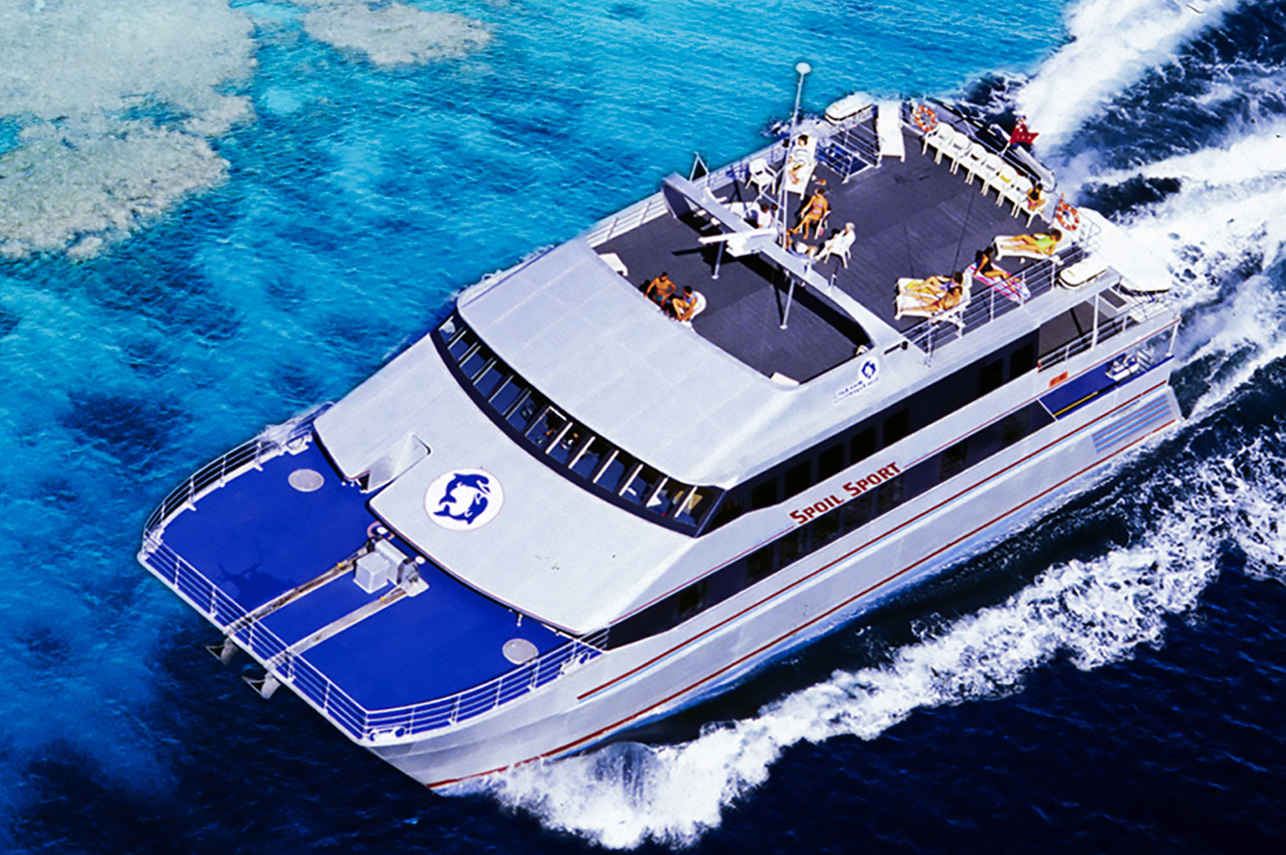
Spoilsport
Australia
28 guests30 m
$406/day
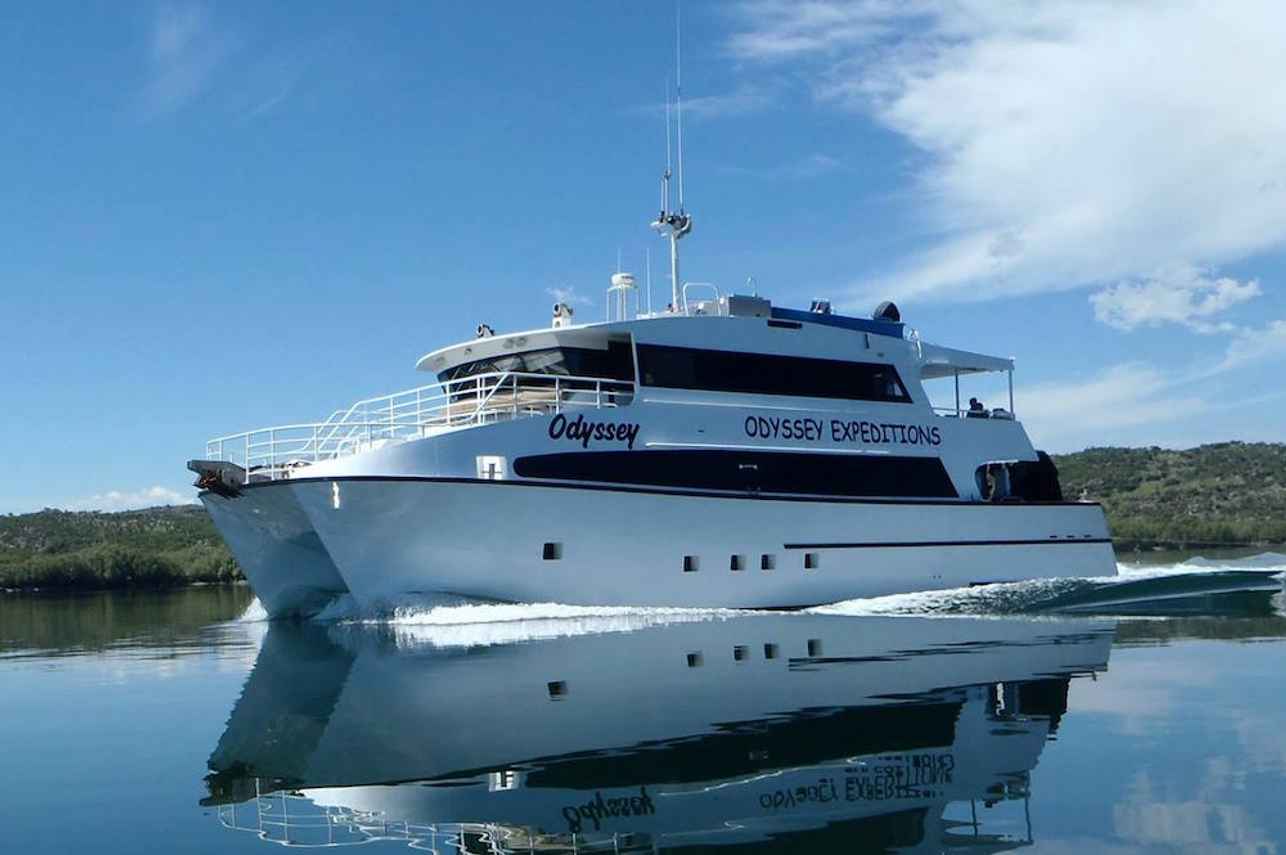
Odyssey Liveaboard
Australia
20 guests24 m
$392/day
Dive sites similar to The Grotto
Same character, same waters — six more sites divers love for the exact same reasons.Compare seasons, access and liveaboard routes — then pick the site that fits your trip best.
Agincourt Reef
Australia
Agincourt Reef sits on the outer edge of the Great Barrier Reef, roughly 60–72 km off Port Douglas in Far North Queensland, at the southern end of the true ribbon reefs that run…
- Suitable for
- Beginner
- Current
- Moderate
- Access
- Dayboat
- Depth
- 2–20 m
- Theme
- Reef / Wall
Cocos Keeling - Canons
Australia
Cocos Keeling - Canons offers a distinctive dive experience within the Cocos (Keeling) Islands lagoon, making it Australia's most remote dive destination.
- Suitable for
- Beginner
- Current
- Mild
- Access
- Dayboat
- Depth
- 8–12 m
- Theme
- Reef
Raine Island
Australia
Raine Island is a pivotal dive site located in the Far Northern Great Barrier Reef, approximately 85 kilometers east-north-east of Cape Grenville and just over 4 nautical miles south of the island itself.
- Suitable for
- Advanced
- Current
- Strong
- Access
- Liveaboard only
- Depth
- 5–40 m
- Theme
- Reef / Wall
Bare Island East
Australia
Bare Island East is a highly regarded shore dive in Sydney, celebrated for its diverse and colourful sponge gardens.
- Suitable for
- Intermediate
- Current
- Mild
- Access
- Shore / dayboat
- Depth
- 2–11 m
- Theme
- Reef
Cocos Keeling - Broccoli Patch
Australia
Broccoli Patch is a premier dive site nestled within the Cocos (Keeling) Islands lagoon system, offering a gentle yet captivating underwater experience.
- Suitable for
- Beginner
- Current
- Mild
- Access
- Dayboat
- Depth
- 5–10 m
- Theme
- Reef
Milln Reef
Australia
Milln Reef, located approximately 60km offshore from Cairns within the Great Barrier Reef, stands out as a highly favored outer reef destination for both divers and snorkelers.
- Suitable for
- Intermediate
- Current
- Moderate
- Access
- Liveaboard or dayboat
- Depth
- 4–22 m
- Theme
- Reef