About Cocos Keeling - Enterprise
Enterprise is a dynamic dive site located in the Cocos (Keeling) Islands, renowned for its dramatic topography and abundant pelagic action. This site features a significant bommie situated directly on the lip of an exhilarating drop-off, making it a focal point for marine life in the protected Cocos Keeling Islands Marine Park. The area benefits from incoming tides that generate upwelling, bringing essential nutrients to the surface and stimulating a highly active food chain. Depths at Enterprise range from 15 to 35 meters, appealing to divers seeking encounters with larger species. Divers frequently observe impressive pelagic sharks and fish patrolling the wall here. The site is a known haunt for grey reef sharks and dogtooth tuna, which are often seen cruising the currents. Additionally, large groupers are a regular sight, along with schooling paddle tails, contributing to the site's reputation for exciting marine encounters. The health of the corals in the Cocos Keeling Islands is exceptional, with little impact from bleaching or disease, suggesting a thriving ecosystem supporting this diverse marine life. The dive experience at Enterprise is characterized by its potential for strong currents due to the upwelling, requiring divers to be comfortable with such conditions. However, the reward is consistent interaction with a variety of large ocean inhabitants in clear turquoise waters, typically offering visibility around 25 meters. This makes Enterprise a must-visit for divers prioritizing big animal sightings and dramatic underwater landscapes within the remote Indian Ocean.
Highlights
Large bommieExhilarating drop-offUpwelling-driven marine activityGrey reef sharksDogtooth tunaLarge groupersSchooling paddle tails
Season calendar
Best months to dive here
Jan
Feb
Mar
Apr
May
Jun
Jul
Aug
Sep
Oct
Nov
Dec
Excellent
Dive site facts: Cocos Keeling - Enterprise
- Depth
- 15–35 m
- Current
- Moderate to strong
- Visibility
- Around 25 m
- Water temperature
- 26–29°C
- Entry
- Boat
- Level
- Advanced, current experience helpful
- Dive type
- Reef, wall, drift, big_animals
- Region / port
- Cocos (Keeling) Islands, Australia
- Coordinates
- -12.0882, 96.8632
Conditions & Currents
Currents at Enterprise are frequently strong, particularly with the incoming tide, which generates significant upwelling that enriches the dive site. This consistent flow brings nutrients, leading to high marine activity but also demanding good current-handling skills from divers. While some dives at Cocos Keeling can be mild or current-free, others can be strong enough to necessitate gripping onto the reef or even 'crawling' along to maintain position. Divers should be prepared for variable conditions and understand how to manage drift dives effectively. Visibility typically averages around 25 meters across the islands, offering clear views even with strong water movement, but thermoclines can occur, especially at deeper points, potentially dropping water temperatures.
Marine life & sighting chances

Grey reef shark
common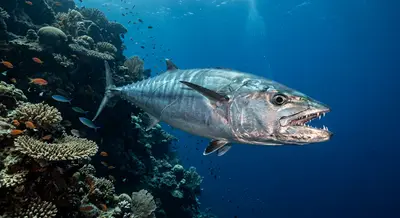
Dogtooth tuna
common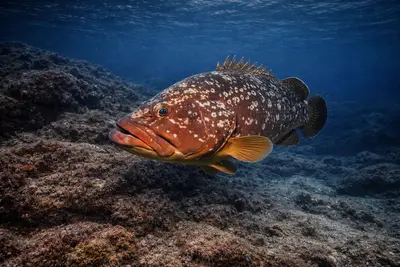
Large grouper
commonPaddle tail
common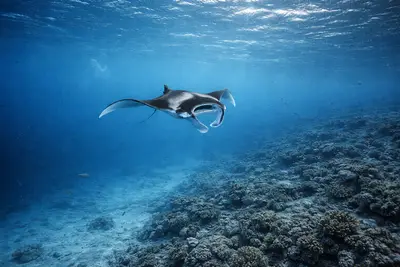
Manta ray
occasional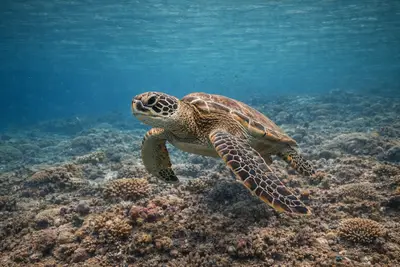
Turtle
occasional
Dolphin
occasional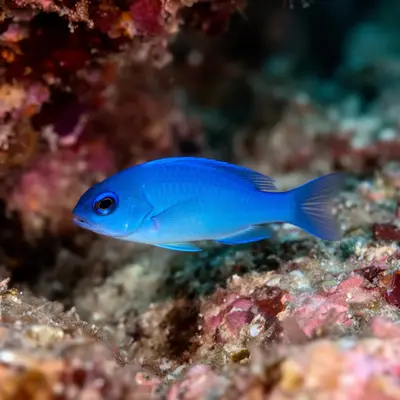
Damselfish
common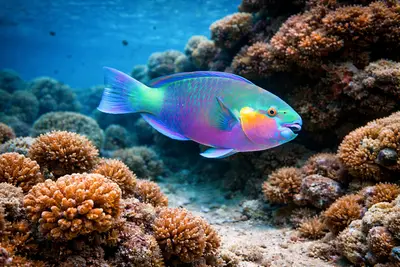
Parrotfish
common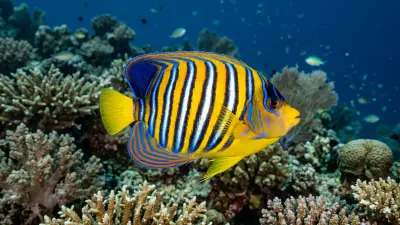
Angelfish
common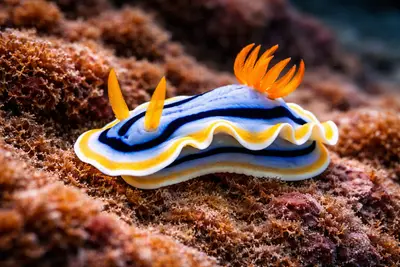
Nudibranch
occasional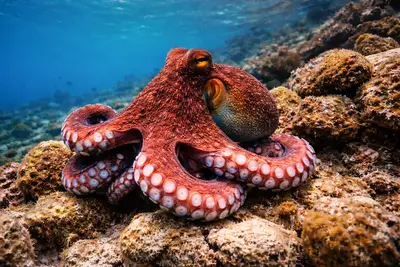
Octopus
occasionalDive profile & how the dive runs
Your dive at Enterprise begins as you descend from the boat near the large bommie, which marks the edge of a significant drop-off. The dive typically involves following the reef wall, exploring depths between 15 to 35 meters. Strong incoming currents are common, bringing nutrients and attracting pelagic species, so be prepared for a potential drift dive profile. You'll spend time observing grey reef sharks, dogtooth tuna, and large groupers patrolling the wall, often schooling paddle tails. The upwelling can make it an active dive, requiring good buoyancy control to navigate the currents and enjoy the dramatic topography. The safety stop usually occurs at shallower depths, along the reef crest or in a more sheltered area if possible, before ascending to the surface.
Underwater photography
To capture the pelagic action at Enterprise, a wide-angle lens is essential for documenting the impressive grey reef sharks, dogtooth tuna, and large schools of fish often seen along the drop-off. Given the potential for strong currents and deeper average depths, powerful strobes are highly recommended to bring out natural colors and illuminate subjects effectively. Practicing good buoyancy is crucial to avoid touching the thriving corals, especially when currents might make positioning challenging. Be mindful of the rapid movements of pelagic species; a fast shutter speed will help freeze their action against the clear water. Consider using a reef hook if permitted, to maintain position during strong currents while observing schools of fish, but always ensure it's used responsibly on inert rock.
Combine with nearby dive sites
- Cocos Keeling - Broccoli Patch
Broccoli Patch is a premier dive site nestled within the Cocos (Keeling) Islands lagoon system, offering a gentle yet captivating…
- Cocos Keeling - Canons
Cocos Keeling - Canons offers a distinctive dive experience within the Cocos (Keeling) Islands lagoon, making it Australia's most remote…
- Gravel Loader
Mentioned as 'Two Caves (Wreck)' in sources.
- The Campgrounds
Mentioned as 'Cabbage Patch' in sources.
- Harry's Bommie
Mentioned as 'Rose Wall' in sources.
- The Slide
Mentioned as 'Ski Run' in sources.
Getting there & logistics
Access to Enterprise and other Cocos Keeling dive sites is exclusively via local dive operators, as the islands are remote. You will fly into the Cocos (Keeling) Islands airport (CCK) directly. There is only one dive operator, Cocos Dive, which means booking your diving well in advance is highly recommended to secure your spot. Dive sites are typically reached by short boat rides from shore across turquoise lagoons. While liveaboards are the norm for other Cocos Island destinations (e.g., Costa Rica), diving here is primarily day-boat based, with trips departing from the islands themselves. The Cocos Keeling Islands are an Australian territory, but their location in the Indian Ocean, closer to Indonesia than Perth, makes them a unique and somewhat isolated destination.
Safety & environment
For diving at Enterprise, insurance covering dive accidents and medical evacuation is highly advised due to the remote location of the Cocos (Keeling) Islands. The nearest recompression chamber or advanced medical facilities would require evacuation to mainland Australia. Divers must be self-sufficient and comfortable with potentially strong currents, as these are common at this site, especially with incoming tides. Always dive within your training limits and adhere to your dive guide's instructions. Keep a close eye on your gas consumption and no-decompression limits, particularly when exploring deeper sections of the drop-off. Carrying an SMB and a whistle is recommended for surface visibility and attracting attention.
Who it suits — and who it doesn't
Suited for
- Experienced divers comfortable with currents
- Divers seeking pelagic encounters (sharks, tuna)
- Underwater photographers with wide-angle setups
- Advanced Open Water certified divers
Less suited for
- Beginner divers or those without current experience
- Divers prone to seasickness
- Macro photographers (primarily big-animal focus)
- Those expecting calm, current-free dives
FAQ
Cocos Keeling - Enterprise FAQ
What marine life can I expect to see at Enterprise?
At Enterprise, you can expect thrilling encounters with pelagic species drawn to the nutrient-rich waters. Grey reef sharks and dogtooth tuna frequently patrol the wall. Large groupers are a common sight, as are schools of paddle tails, making for a very active dive experience.
What are the typical depths at Enterprise?
Enterprise offers a dive profile ranging from 15 to 35 meters. The site features a significant bommie on the edge of a drop-off, providing opportunities to explore various depths where marine life congregates.
How strong are the currents at Enterprise?
Currents at Enterprise can be strong, especially with the incoming tide which creates an upwelling of nutrients. This makes it a dynamic dive site with plenty of action, but also means divers should be comfortable with navigating strong water movement.
Is Enterprise suitable for all diver levels?
Due to the potential for strong currents and the depth range, Enterprise is best suited for experienced divers who are comfortable with current conditions. It is an ideal site for those with Advanced Open Water certification and prior experience in similar environments.
What kind of topography defines Enterprise?
The topography at Enterprise is characterized by a large bommie situated right on the edge of an exhilarating drop-off. This geological feature, combined with the current-driven upwelling, creates a vibrant ecosystem along the wall and surrounding areas.
Why dive Cocos Keeling - Enterprise from a liveaboard?
Cocos Keeling - Enterprise is one of Australia's signature dive sites. A liveaboard sleeps you on the water and puts you in the water for three to four guided dives per day, including dawn and night dives that day-boat operators rarely offer. You skip the daily commute back to port and reach quieter, less-crowded sites in the same region on a single trip.
Below are the liveaboards that include Cocos Keeling - Enterprise on their Australia itineraries.
Liveaboards diving Cocos Keeling - Enterprise
These liveaboards may visit Cocos Keeling - Enterprise on selected itineraries — the exact dive sites depend on departure, weather and conditions.
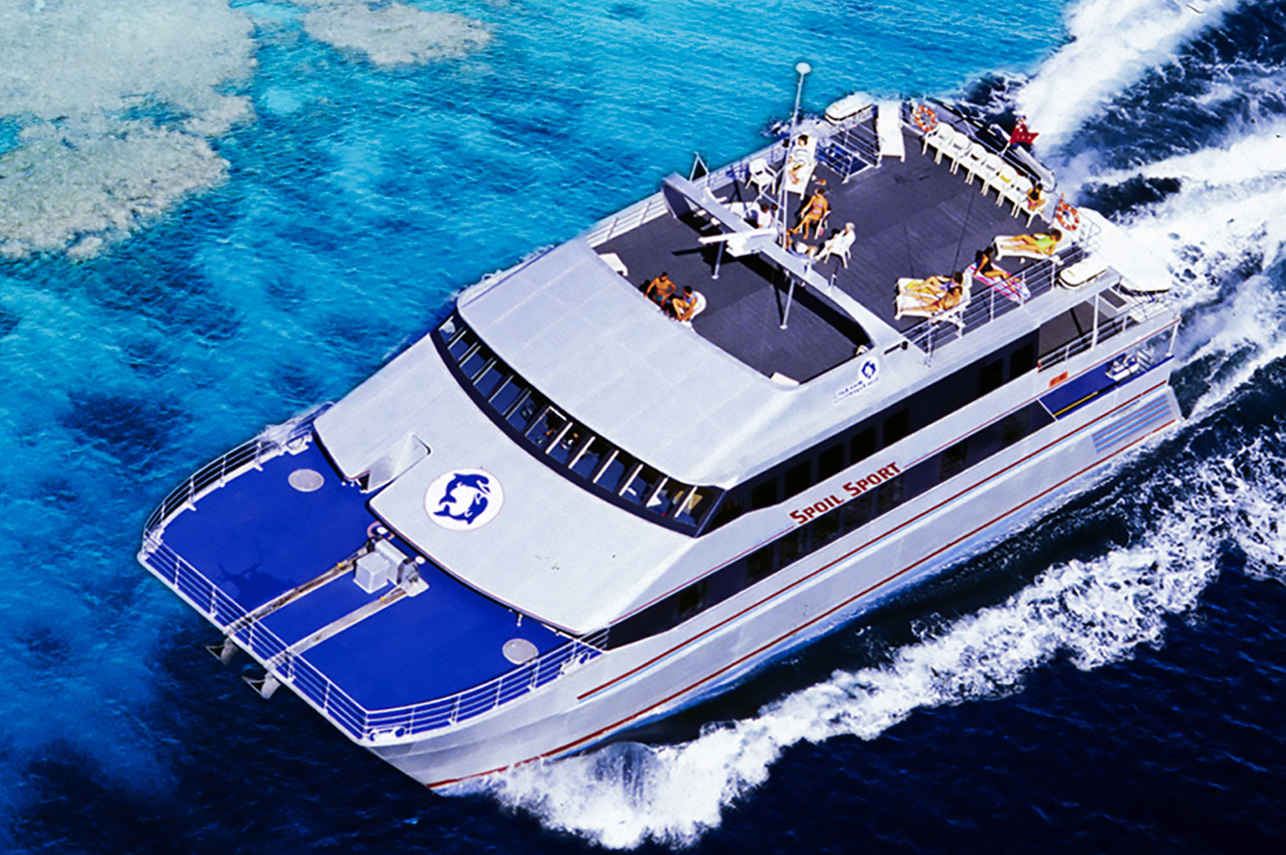
Spoilsport
Australia
28 guests30 m
$406/day
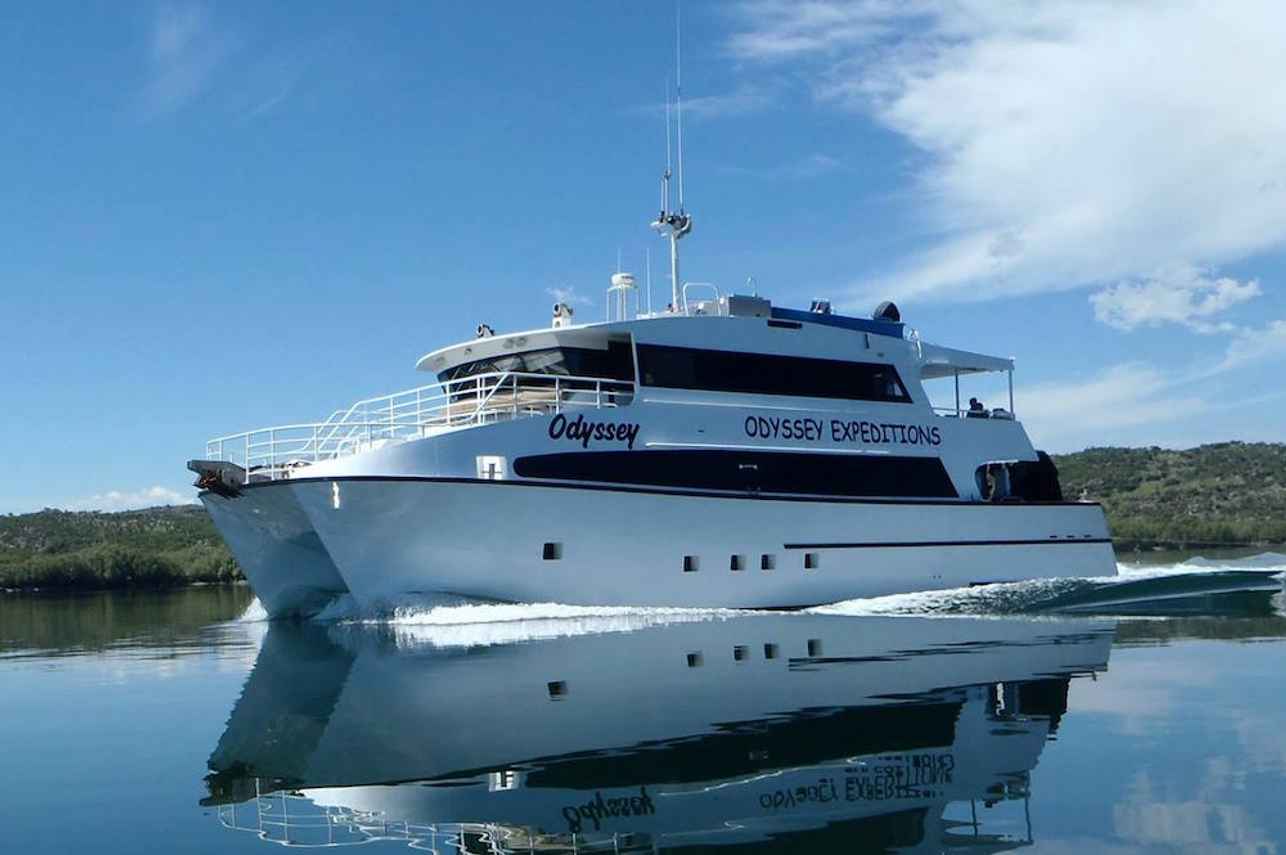
Odyssey Liveaboard
Australia
20 guests24 m
$392/day
Dive sites similar to Cocos Keeling - Enterprise
Same character, same waters — six more sites divers love for the exact same reasons.Compare seasons, access and liveaboard routes — then pick the site that fits your trip best.
© Esri — Maxar, Earthstar, GIS
Agincourt Reef
Australia
Agincourt Reef sits on the outer edge of the Great Barrier Reef, roughly 60–72 km off Port Douglas in Far North Queensland, at the southern end of the true ribbon reefs that run…
- Suitable for
- Beginner
- Current
- Moderate
- Access
- Dayboat
- Depth
- 2–20 m
- Theme
- Reef / Wall
© Esri — Maxar, Earthstar, GIS
Cocos Keeling - Canons
Australia
Cocos Keeling - Canons offers a distinctive dive experience within the Cocos (Keeling) Islands lagoon, making it Australia's most remote dive destination.
- Suitable for
- Beginner
- Current
- Mild
- Access
- Dayboat
- Depth
- 8–12 m
- Theme
- Reef
© Esri — Maxar, Earthstar, GIS
Raine Island
Australia
Raine Island is a pivotal dive site located in the Far Northern Great Barrier Reef, approximately 85 kilometers east-north-east of Cape Grenville and just over 4 nautical miles south of the island itself.
- Suitable for
- Advanced
- Current
- Strong
- Access
- Liveaboard only
- Depth
- 5–40 m
- Theme
- Reef / Wall
© Esri — Maxar, Earthstar, GIS
Neptune Islands
Australia
The Neptune Islands, nestled at the mouth of South Australia's Spencer Gulf, offer an unparalleled opportunity to encounter great white sharks.
- Suitable for
- Advanced
- Current
- Strong
- Access
- Liveaboard or dayboat
- Depth
- 5–15 m
- Theme
- Drift
© Esri — Maxar, Earthstar, GIS
Bare Island East
Australia
Bare Island East is a highly regarded shore dive in Sydney, celebrated for its diverse and colourful sponge gardens.
- Suitable for
- Intermediate
- Current
- Mild
- Access
- Shore / dayboat
- Depth
- 2–11 m
- Theme
- Reef
© Esri — Maxar, Earthstar, GIS
Cocos Keeling - Broccoli Patch
Australia
Broccoli Patch is a premier dive site nestled within the Cocos (Keeling) Islands lagoon system, offering a gentle yet captivating underwater experience.
- Suitable for
- Beginner
- Current
- Mild
- Access
- Dayboat
- Depth
- 5–10 m
- Theme
- Reef