About The Slide, Terrigal
The Slide, Terrigal, is a boat-access reef dive known for its distinctive topography and thriving marine life. The site begins with a gently sloping reef composed of small boulders and rocks. As you descend, the reef transitions around 13 meters to a more pronounced drop-off, continuing down to approximately 18 meters. This deeper section, particularly along the sand line, is where divers discover extensive and magnificent sponge gardens. These sponge growths provide a rich habitat, leading to a prolific population of nudibranchs, making it a macro photographer's delight. The site is rated as suitable for all levels of divers. Beyond the vibrant macro life, the site is also frequented by larger pelagic species. Divers can often encounter schools of Australian Salmon and Kingfish, adding an exciting dimension to the dive experience. The Slide is part of the Terrigal dive sites, located offshore and best accessed by boat. It's a popular spot for its diverse ecosystem and relatively manageable conditions, offering an engaging dive within New South Wales.
Highlights
Reef slope topographyMagnificent sponge gardensProlific nudibranch populationSchooling Australian SalmonKingfish sightingsBoat access onlyTerrigal offshore reef
Season calendar
Best months to dive here
Jan
Feb
Mar
Apr
May
Jun
Jul
Aug
Sep
Oct
Nov
Dec
Good
Dive site facts: The Slide, Terrigal
- Depth
- 13–18 m
- Typical dive
- 13 m, ~43 min
- Current
- Mild
- Visibility
- 8.6 m (average Sydney region)
- Water temperature
- 17–24°C (Sydney region)
- Entry
- Boat
- Level
- All levels
- Dive type
- Reef, macro, pelagic
- Night dive
- Possible (at select Sydney sites)
- Region / port
- Terrigal, New South Wales
- Coordinates
- -33.443, 151.455
Conditions & Currents
Currents at The Slide, Terrigal are generally mild, making it approachable for a wide range of divers. However, conditions are offshore and boat-dependent, suggesting that weather windows are important for a comfortable experience. While the site is suitable for all levels, divers should still be mindful of any localized currents, particularly on the deeper drop-off sections where pelagic fish are often seen. Visibility averages around 8.6 meters across the broader Sydney region, but can vary at specific sites. The site's nature as an offshore boat dive means entries and exits are typically conducted from the vessel, often via an anchor line descent.
Marine life & sighting chances

Nudibranch
commonAustralian Salmon
occasional
Kingfish
occasional
Wobbegong shark
occasional
Port Jackson shark
occasional
Eastern blue groper
occasional
Weedy sea dragon
rare
Dive profile & how the dive runs
Dives at The Slide typically begin with a boat descent to the reef slope. You start on a gentle gradient of small boulders and rocks, maintaining a depth around 13 meters. As you continue, the reef transitions into a sharper drop-off, extending to around 18 meters, where the magnificent sponge gardens are most prominent along the sand line. The dive route usually involves exploring these vibrant sponge gardens and searching for nudibranchs and other macro life nestled within. Divers should also remain vigilant in the blue for schools of Australian Salmon and Kingfish. Ascent and the safety stop are typically conducted on the anchor line or in mid-water, depending on conditions and boat procedure, usually returning to shallower sections of the reef.
Underwater photography
For macro enthusiasts, The Slide is an excellent choice due to its prolific nudibranch population and delicate sponge gardens. A macro lens (e.g., 60mm or 100mm) with dual strobes is recommended to capture the intricate details and vibrant colors of these smaller subjects. Wide-angle photography can also be rewarding, especially to capture the expansive sponge gardens or schools of pelagic fish like Kingfish, if they are present. Given the depth range, good ambient light can be utilized in shallower sections, but strobes are crucial for color correction in deeper areas and for macro work. Maintain excellent buoyancy control to avoid disturbing the fragile sponge ecosystems.
Combine with nearby dive sites
- Terrigal Haven
A shallow, shore-accessible site known for seagrass habitats and macro critters.
- SS Galava
A deep offshore wreck with yellow soft coral and strong fish life, suitable for experienced divers.
- Skillion Cave
A shore dive featuring a crevice 'cave' and potential pelagic encounters, best in calm conditions.
- Foggy Shark Cave
A boat-access reef and cave system with resident grey nurse sharks.
- Bushrangers Bay
A marine protected area with a resident colony of grey nurse sharks year-round.
- Gravel Loader
A jetty dive where grey nurse sharks and banded coral shrimp can be found.
Getting there & logistics
The Slide, Terrigal is an offshore dive site, meaning it is exclusively accessed by boat. Divers typically depart from local operators in the Terrigal or broader Sydney region. Sydney is served by Sydney Airport (SYD), offering numerous domestic and international connections. Dive trips to The Slide are usually day trips, often combined with other local sites depending on weather and group preference. There are no specific permits or fees mentioned for this particular site, but divers should confirm with their chosen dive operator. Trip durations typically align with single or double tank boat dives.
Safety & environment
While The Slide is rated for all levels, all divers should ensure they have appropriate insurance covering scuba diving activities, including emergency evacuation and recompression. The nearest recompression chamber is located in Sydney. As an offshore boat dive, divers must adhere to all instructions from the dive operator regarding entry, exit, and dive plan. Although currents are generally mild, conditions can change, so maintaining awareness and proper gas planning is essential. Divers should practice good buoyancy to protect the delicate sponge gardens. The site's depths are within recreational limits, but careful depth and time management are always crucial.
Who it suits — and who it doesn't
Suited for
- Divers seeking macro opportunities
- Divers interested in diverse reef topography
- Divers comfortable with boat entries/exits
- Underwater photographers targeting small subjects
- Divers who enjoy vibrant sponge gardens
Less suited for
- Shore entry enthusiasts
- Divers expecting extreme depths
- Strictly beginners without boat dive experience
- Divers only interested in large pelagic encounters
FAQ
The Slide, Terrigal FAQ
What kind of marine life can I expect to see at The Slide, Terrigal?
The Slide is renowned for its prolific nudibranch population, which thrives amidst the magnificent sponge gardens. You can also frequently spot schools of Australian Salmon and Kingfish. Other common Sydney species like Wobbegong sharks, Port Jackson sharks, and Eastern blue gropers may also be encountered.
What are the typical depths and duration for a dive at The Slide?
A typical dive at The Slide, Terrigal, explores depths ranging from 13 to 18 meters. The average dive duration is around 43 minutes. The site starts shallower with a gentle slope before dropping off more sharply into deeper sections.
Is The Slide, Terrigal suitable for beginner divers?
Yes, The Slide is generally considered suitable for all levels of divers. While it's an offshore boat dive, the currents are typically mild, and the depths are within recreational limits. However, beginners should be comfortable with boat entries and exits.
How is the visibility and water temperature at this dive site?
Average visibility in the broader Sydney region is around 8.6 meters, but this can vary. Water temperatures range from 17°C in winter to 24°C in summer. Spring and autumn often offer a good balance of conditions and visibility.
What are the best photographic opportunities at The Slide?
The site is excellent for macro photography due to its abundant nudibranchs and intricate sponge gardens. A macro lens is highly recommended. Wide-angle shots of the reef structure and schooling fish like Kingfish are also possible, especially with good lighting.
Why dive The Slide, Terrigal from a liveaboard?
The Slide, Terrigal is one of Australia's signature dive sites. A liveaboard sleeps you on the water and puts you in the water for three to four guided dives per day, including dawn and night dives that day-boat operators rarely offer. You skip the daily commute back to port and reach quieter, less-crowded sites in the same region on a single trip.
Below are the liveaboards that include The Slide, Terrigal on their Australia itineraries.
Liveaboards diving The Slide, Terrigal
These liveaboards may visit The Slide, Terrigal on selected itineraries — the exact dive sites depend on departure, weather and conditions.
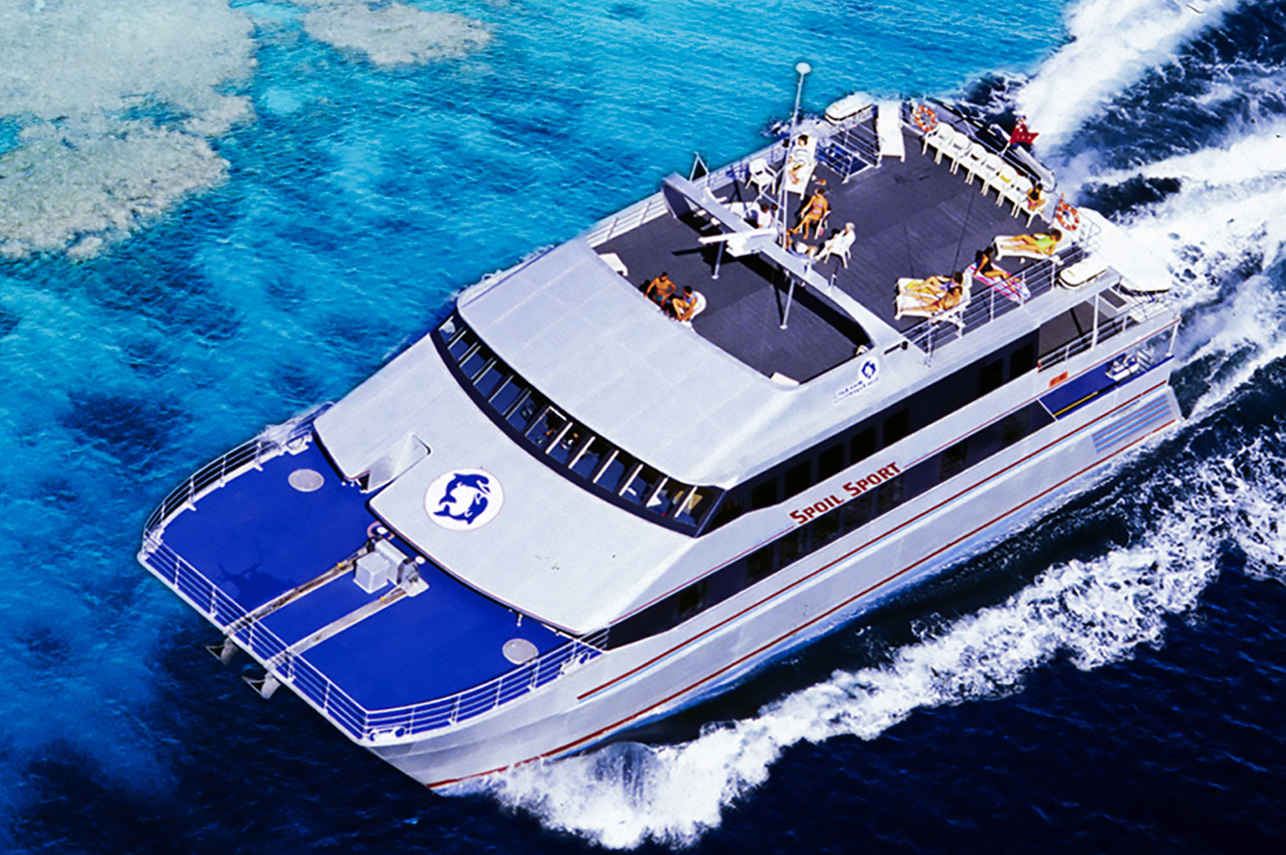
Spoilsport
Australia
28 guests30 m
$408/day
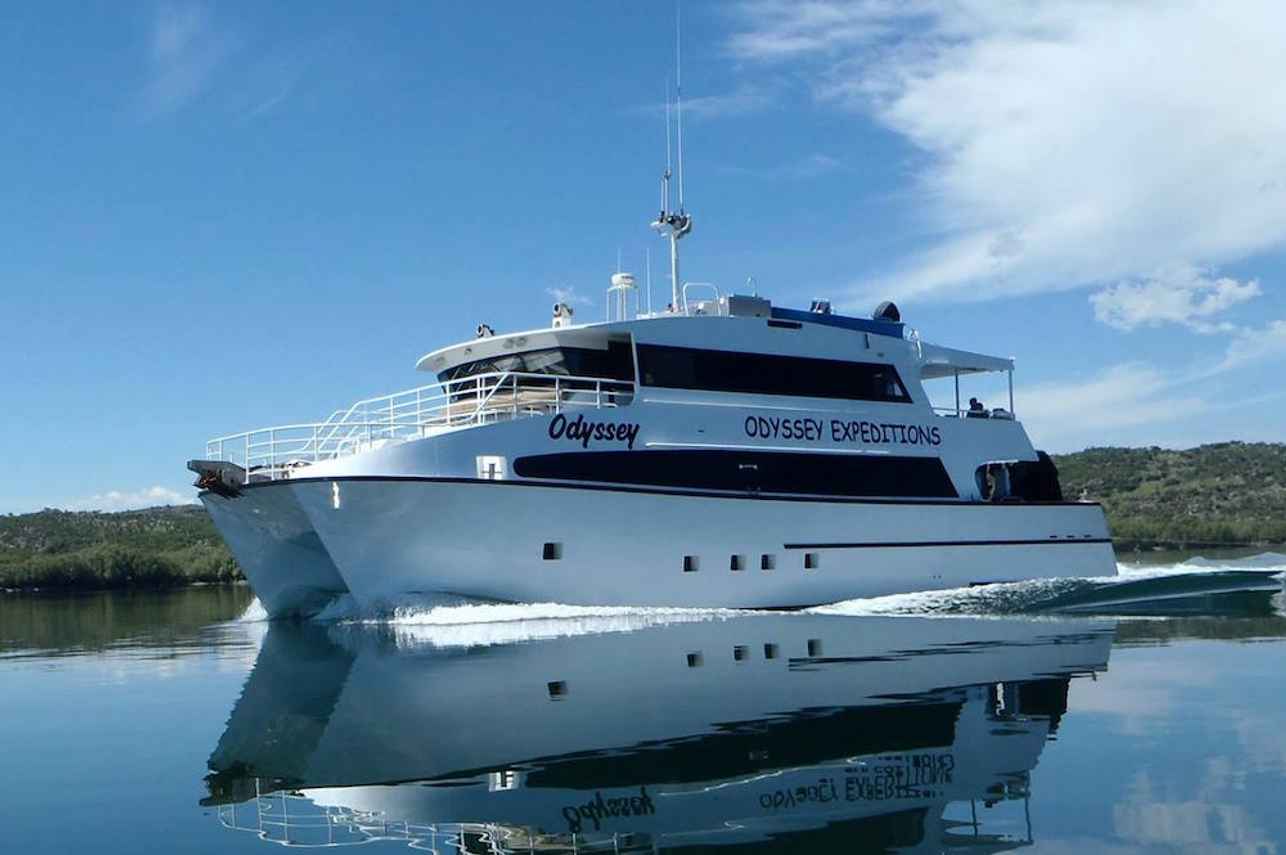
Odyssey Liveaboard
Australia
20 guests24 m
$392/day
Dive sites similar to The Slide, Terrigal
Same character, same waters — six more sites divers love for the exact same reasons.Compare seasons, access and liveaboard routes — then pick the site that fits your trip best.
© Esri — Maxar, Earthstar, GIS
Agincourt Reef
Australia
Agincourt Reef sits on the outer edge of the Great Barrier Reef, roughly 60–72 km off Port Douglas in Far North Queensland, at the southern end of the true ribbon reefs that run…
- Suitable for
- Beginner
- Current
- Moderate
- Access
- Dayboat
- Depth
- 2–20 m
- Theme
- Reef / Wall
© Esri — Maxar, Earthstar, GIS
Cocos Keeling - Canons
Australia
Cocos Keeling - Canons offers a distinctive dive experience within the Cocos (Keeling) Islands lagoon, making it Australia's most remote dive destination.
- Suitable for
- Beginner
- Current
- Mild
- Access
- Dayboat
- Depth
- 8–12 m
- Theme
- Reef
© Esri — Maxar, Earthstar, GIS
Raine Island
Australia
Raine Island is a pivotal dive site located in the Far Northern Great Barrier Reef, approximately 85 kilometers east-north-east of Cape Grenville and just over 4 nautical miles south of the island itself.
- Suitable for
- Advanced
- Current
- Strong
- Access
- Liveaboard only
- Depth
- 5–40 m
- Theme
- Reef / Wall
© Esri — Maxar, Earthstar, GIS
Bare Island East
Australia
Bare Island East is a highly regarded shore dive in Sydney, celebrated for its diverse and colourful sponge gardens.
- Suitable for
- Intermediate
- Current
- Mild
- Access
- Shore / dayboat
- Depth
- 2–11 m
- Theme
- Reef
© Esri — Maxar, Earthstar, GIS
Cocos Keeling - Broccoli Patch
Australia
Broccoli Patch is a premier dive site nestled within the Cocos (Keeling) Islands lagoon system, offering a gentle yet captivating underwater experience.
- Suitable for
- Beginner
- Current
- Mild
- Access
- Dayboat
- Depth
- 5–10 m
- Theme
- Reef
© Esri — Maxar, Earthstar, GIS
Milln Reef
Australia
Milln Reef, located approximately 60km offshore from Cairns within the Great Barrier Reef, stands out as a highly favored outer reef destination for both divers and snorkelers.
- Suitable for
- Intermediate
- Current
- Moderate
- Access
- Liveaboard or dayboat
- Depth
- 4–22 m
- Theme
- Reef