About Tetamanu - Grouper Wall
Tetamanu - Grouper Wall, located in the Tumakohua Pass of Fakarava's southern region, is a world-renowned dive site celebrated for its extraordinary marine life, particularly its dense shark populations. This pass is one of two natural gates in the Fakarava Atoll, a UNESCO biosphere reserve, facilitating the exchange of plankton-rich waters that attract pelagic species in large numbers. Divers here regularly encounter a phenomenon known as the 'Wall of Sharks,' an impressive aggregation primarily of gray reef sharks. The dive site features a long, white sandy slope referred to as the 'ski slope,' transitioning into diverse coral reefs. Depths generally range from 5 to 24 meters, making it accessible to a wide range of divers. Beyond the dramatic shark encounters, the area boasts vibrant hard coral gardens, especially stunning Montipora corals on the outer reef slope, creating a rich backdrop for an abundance of reef fish. Fakarava's water temperatures remain consistently warm, averaging 26-29°C year-round, ensuring comfortable diving. Visibility is excellent, typically ranging from 10 to 30 meters. While sharks are a year-round presence, a unique spectacle occurs during the full moon in June or July when thousands of marbled groupers gather to spawn, drawing even more sharks to the area. Diving here typically involves drift dives through the pass, utilizing the incoming currents to experience the dynamic underwater landscape and its inhabitants. The convenience of staying at Tetamanu Diving Village, located directly by the pass, allows divers to be among the first to explore the site each morning. The dive experience focuses on observation points within the pass where divers can safely position themselves to witness the marine spectacle. The blend of abundant pelagic life, pristine corals, and manageable conditions solidifies its reputation as a premier dive destination in French Polynesia.
Highlights
Wall of SharksMarbled grouper spawning (seasonal)Exhilarating drift divesPristine hard coral gardensAbundant pelagic encountersUNESCO Biosphere Reserve
Season calendar
Best months to dive here
Jan
Feb
Mar
Apr
May
Jun
Jul
Aug
Sep
Oct
Nov
Dec
Good
Dive site facts: Tetamanu - Grouper Wall
- Depth
- 5–24 m
- Typical dive
- 20 m, 60 min
- Current
- Strong (drift diving)
- Visibility
- 10–30 m
- Water temperature
- 26–29°C
- Entry
- Live boat / drift entry
- Level
- Open Water Diver comfortable with currents
- Dive type
- Drift dive, pelagic, wall, coral garden
- Night dive
- Possible
- Region / port
- Fakarava, Tuamotu Archipelago
- Coordinates
- -16.5167, -145.4167
Conditions & Currents
Diving at Tetamanu - Grouper Wall is characterized by drift dives through the Tumakohua Pass, where currents can be significant, especially during incoming tides. Divers are typically dropped at the 'ski slope' on the ocean side and carried into the pass. Instructors provide briefings on how to safely position oneself by using a reef hook or finger on rocks to observe marine life without damaging corals. While conditions can be dynamic, the currents are generally manageable, making it accessible even for beginner divers comfortable with gentle drift dives. Visibility is consistently excellent, ranging from 10 to 30 meters, and water temperatures remain warm, between 26-29°C, throughout the year.
Marine life & sighting chances

Gray reef shark
Year-round, peak June-July · common
Marbled grouper
June-July (full moon) · common
White-tip shark
Year-round · common
Black-tip shark
Year-round · occasional
Lemon shark
Year-round · occasional
Hammerhead shark
December-March, peak January-February · occasional
Eagle ray
Year-round · occasional
Napoleon wrasse
Year-round · occasional
Bigeye snapper
Year-round · commonBlue-lined snapper
Year-round · common
Tuna
Year-round · occasional
Parrotfish
Year-round · common
Damselfish
Year-round · common
Surgeonfish
Year-round · commonDive profile & how the dive runs
Dives at Tetamanu - Grouper Wall typically begin on the ocean side of Tumakohua Pass, where divers are dropped by boat onto a broad, gently sloping reef, often called the 'ski slope.' This area, rich with Montipora corals, serves as the entry point before the main drift. The group then turns inwards, allowing the incoming current to carry them into the pass. Divers will visit several observation points, carefully positioning themselves along the coral ridges or on sandy patches (rubble areas) to observe the schooling sharks, particularly the impressive 'Wall of Sharks.' Depths during these observation phases usually remain around 20-24 meters. The dive progresses through the pass, with opportunities to witness other pelagic and reef species. Towards the end of the dive, as current speeds may lessen, the safety stop is often conducted in the shallower areas of the lagoon or near the village of Tetamanu, which also offers excellent photo opportunities among dense fish populations and shallow corals. The entire experience is a planned drift, allowing for extensive observation of the abundant marine life.
Underwater photography
This site offers exceptional opportunities for wide-angle photography, especially to capture the famous 'Wall of Sharks' and the vast schools of fish. A wide-angle lens is essential for documenting the impressive aggregations of gray reef sharks and the expansive coral gardens. During the grouper spawning season in June-July, the sheer number of marbled groupers and associated sharks provides a unique, dynamic subject. Due to the drift diving nature and strong currents, maintaining excellent buoyancy control is crucial to avoid contact with the reef and safely position yourself for shots. Consider using strobes to bring out the vibrant colors of the corals and fish, especially in deeper sections or when shooting against the sun. The shallow areas near Tetamanu village at the end of the dive are ideal for macro subjects or capturing reef fish in dappled sunlight, so having a second camera setup or a versatile lens might be beneficial.
Combine with nearby dive sites
- South Pass - Fakarava
The broader Tumakohua Pass, encompassing Tetamanu - Grouper Wall, known for its shark density and drift dives.
- North Pass - Fakarava
Garuae Pass, Fakarava's widest pass, offering similar thrilling drift dives and abundant marine life, including schools of fish and sharks.
- Tikehau - Tuheiava Pass
Another renowned pass in the Tuamotu Archipelago, famous for its shark encounters and pelagic action.
- Rangiroa - The Aquarium
A sheltered, shallow site within Rangiroa's lagoon, excellent for reef fish and less experienced divers.
Getting there & logistics
Access to Fakarava, and specifically Tetamanu, typically involves flying into Faaa International Airport (PPT) in Tahiti, then taking a domestic flight to Fakarava Airport. Alternatively, you can fly to Rangiroa Airport (RGI) and then transfer to Fakarava. Flights from Tahiti to Fakarava take about 70 minutes, while from Rangiroa it's a shorter 30-minute flight. Divers often combine Fakarava with other Tuamotu atolls like Rangiroa or Tikehau. Accommodation near Tetamanu is limited but available, with Tetamanu Diving Village offering direct access to the south pass. Trips can vary in length, often as part of a multi-atoll itinerary. There are no specific dive site fees mentioned beyond standard dive operator costs, but French Polynesia is generally a premium destination.
Safety & environment
Diving in Fakarava's passes, including Tetamanu - Grouper Wall, involves strong currents, necessitating good buoyancy control and comfort with drift diving. It is crucial to follow your dive guide's instructions regarding entry points, observation positions, and turn points. The nearest recompression chamber is located in Tahiti, making evacuation a significant logistical and time-consuming process. Therefore, comprehensive dive accident insurance, such as DAN, is highly recommended for all divers. While shark encounters are a highlight, respect their space and behavior. Always use a reef hook or finger on rubble for stability in currents to avoid damaging sensitive corals. Night dives are possible, but require heightened awareness of surroundings and currents.
Who it suits — and who it doesn't
Suited for
- Experienced divers comfortable with strong currents
- Shark enthusiasts seeking large aggregations
- Underwater photographers focusing on wide-angle pelagics
- Divers seeking unique seasonal events like grouper spawning
- Those who appreciate UNESCO Biosphere Reserve environments
Less suited for
- Beginner divers without current experience
- Divers uncomfortable with deep blue/open water environments
- Those prone to seasickness on boat transfers
- Divers seeking purely macro-focused experiences
- Individuals sensitive to remote travel logistics
FAQ
Tetamanu - Grouper Wall FAQ
What is the 'Wall of Sharks' at Tetamanu - Grouper Wall?
The 'Wall of Sharks' refers to the extraordinary concentration of gray reef sharks that gather in the Tumakohua Pass. This phenomenon provides divers with an unparalleled opportunity to witness hundreds of sharks in a dense formation, often seen during drift dives through the pass. It's a key highlight of diving in Fakarava and one of the main reasons divers visit this site.
When is the best time to see the grouper spawning event?
The marbled grouper spawning event occurs annually around the full moon in June or July. During this period, thousands of groupers congregate in the pass, attracting an even greater number of sharks. This spectacular natural event is a major draw for divers seeking a unique and dynamic marine experience.
Is Tetamanu - Grouper Wall suitable for beginner divers?
While the site involves drift diving with potentially strong currents, it is generally considered accessible to beginner divers who are comfortable with these conditions. Depths typically remain within recreational limits, usually not exceeding 20-24 meters. However, it is essential for divers to be at ease with currents and follow their dive guide's instructions closely.
What kind of marine life can I expect to see besides sharks?
Beyond the abundant sharks, divers can expect to encounter a rich variety of marine life. This includes large schools of bigeye and blue-lined snappers, eagle rays, Napoleon wrasse, tuna, and various reef fish like parrotfish, damselfish, and surgeonfish. The site also features vibrant hard coral gardens, particularly the extensive Montipora corals on the outer reef slope.
What are the water conditions like at Tetamanu - Grouper Wall?
Water conditions are consistently favorable, with excellent visibility ranging from 10 to 30 meters. Water temperatures remain warm throughout the year, typically between 26°C and 29°C, ensuring comfortable diving. The primary characteristic of diving here is the presence of strong, dynamic currents, which facilitate thrilling drift dives through the pass.
Can I do a night dive at Tetamanu - Grouper Wall?
Yes, night dives are possible at Tetamanu - Grouper Wall. These dives offer a different perspective on the marine environment, with opportunities to observe nocturnal behaviors of sharks and other creatures. It requires advanced planning with your dive operator and a good comfort level with currents and limited visibility.
Why dive Tetamanu - Grouper Wall from a liveaboard?
Tetamanu - Grouper Wall is one of French Polynesia's signature dive sites. A liveaboard sleeps you on the water and puts you in the water for three to four guided dives per day, including dawn and night dives that day-boat operators rarely offer. You skip the daily commute back to port and reach quieter, less-crowded sites in the same region on a single trip.
Below are the liveaboards that include Tetamanu - Grouper Wall on their French Polynesia itineraries.
Liveaboards diving Tetamanu - Grouper Wall
These liveaboards may visit Tetamanu - Grouper Wall on selected itineraries — the exact dive sites depend on departure, weather and conditions.
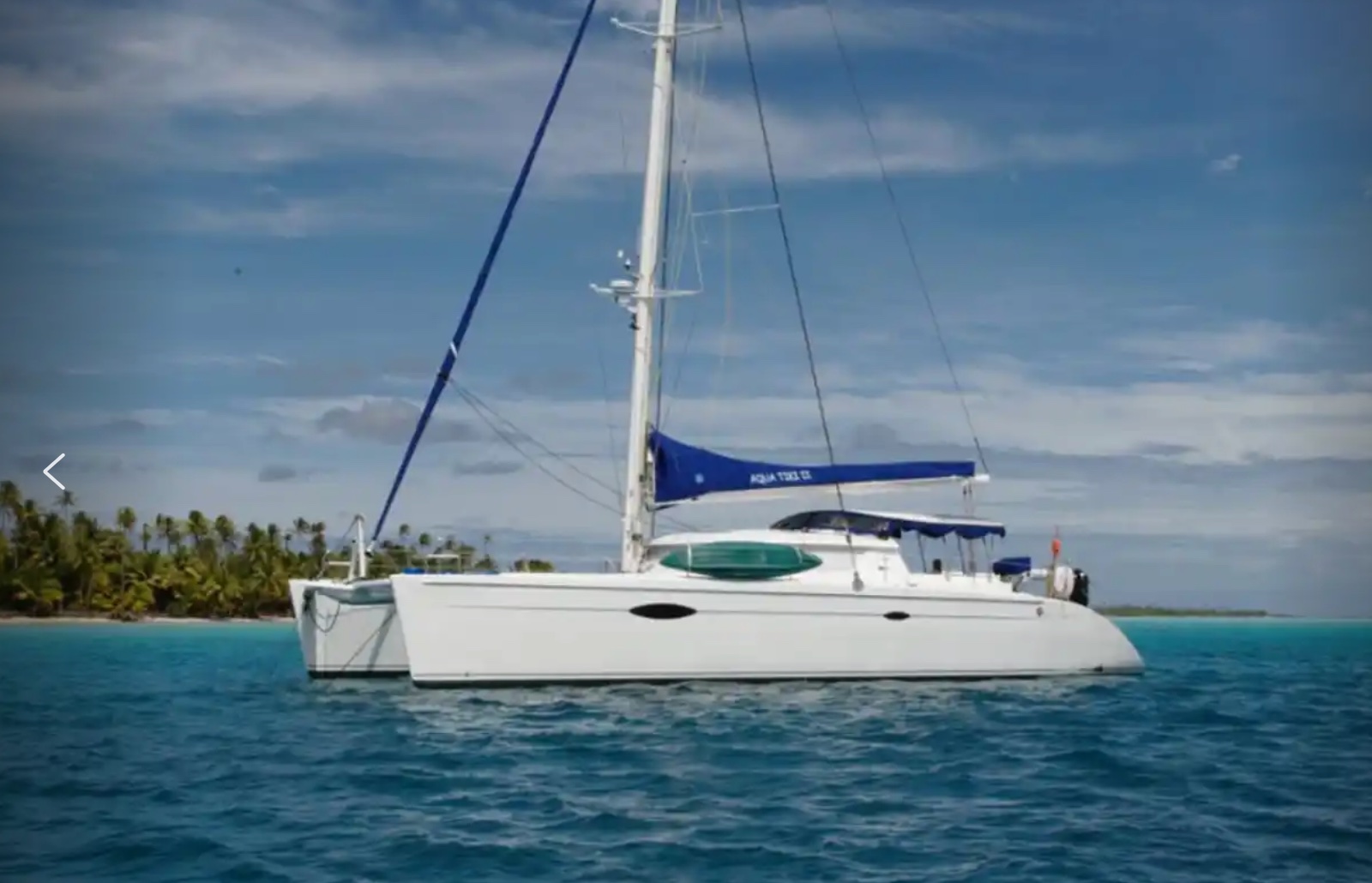
Aqua Tiki II
French Polynesia
8 guests
$575/day
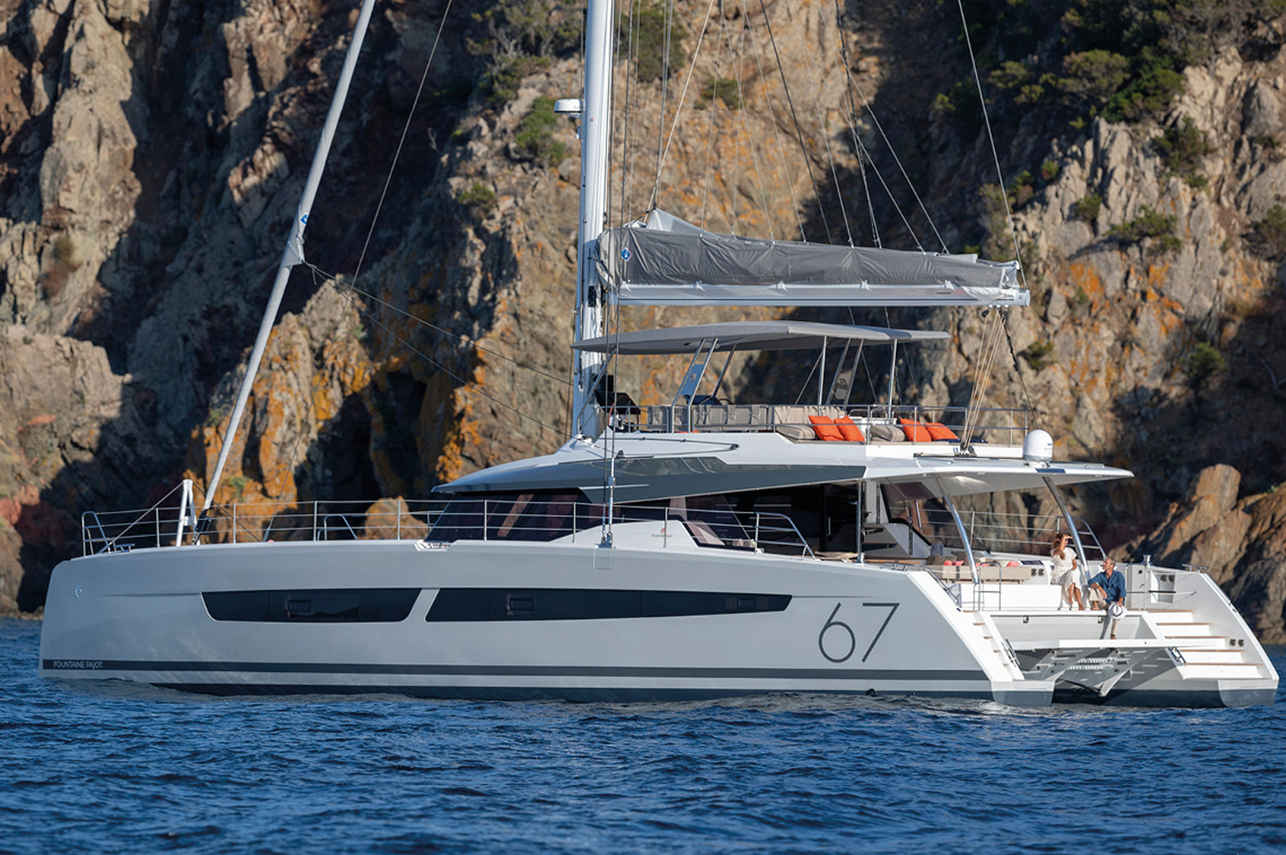
Aqua Tiki III
French Polynesia
10 guests20 m
$501/day
Dive sites similar to Tetamanu - Grouper Wall
Same character, same waters — six more sites divers love for the exact same reasons.Compare seasons, access and liveaboard routes — then pick the site that fits your trip best.
© Esri — Maxar, Earthstar, GIS
Fakarava - Ohotu Reef
French Polynesia
Ohotu Reef, situated in Fakarava's immense Garuae Pass, is a premier dive destination within the UNESCO Biosphere Reserve of French Polynesia.
- Suitable for
- Advanced
- Current
- Strong
- Access
- Liveaboard or dayboat
- Depth
- 5–18 m
- Theme
- Drift / Reef
© Esri — Maxar, Earthstar, GIS
Moorea - Ray Corridor
French Polynesia
The Ray Corridor in Moorea offers an exhilarating drift dive experience within a natural lagoon, making it a favorite for divers seeking dynamic encounters.
- Suitable for
- Beginner
- Current
- Moderate
- Access
- Liveaboard or dayboat
- Depth
- 3–12 m
- Theme
- Drift / Reef
© Esri — Maxar, Earthstar, GIS
Fakarava - North Pass
French Polynesia
Fakarava's North Pass, officially known as Garuae Pass, is a world-renowned drift dive site in the Tuamotu Archipelago of French Polynesia.
- Suitable for
- Advanced
- Current
- Strong
- Access
- Dayboat
- Depth
- 8–40 m
- Theme
- Drift
© Esri — Maxar, Earthstar, GIS
Ohutu Pass
French Polynesia
Pakaka Pass, situated in the Apataki Atoll within French Polynesia's Tuamotu Archipelago, lies approximately 370 kilometers northeast of Tahiti.
- Suitable for
- Advanced
- Current
- Strong
- Access
- Liveaboard only
- Depth
- ≤ 30 m
- Theme
- Reef / Drift
© Esri — Maxar, Earthstar, GIS
Garaue Pass
French Polynesia
Garaue Pass, located in the northern part of Fakarava Atoll within the Tuamotu Archipelago, is recognized as a premier diving destination, particularly for shark encounters.
- Suitable for
- Advanced
- Current
- Ripping
- Access
- Liveaboard or dayboat
- Depth
- 12–30 m
- Theme
- Drift
© Esri — Maxar, Earthstar, GIS
The Sharks’ cavern
French Polynesia
The Sharks’ Cavern is a prominent dive site located within the Tiputa Pass of Rangiroa, French Polynesia, celebrated for its unique shark encounters and exhilarating drift diving experience.
- Suitable for
- Advanced
- Current
- Strong
- Access
- Dayboat
- Depth
- 12–35 m
- Theme
- Drift / Cavern