About South Ari Marine Protected Area
The South Ari Marine Protected Area (SAMPA), often simply called Maamigili, lies within the breathtaking South Ari Atoll of the Maldives. Established in 2009, this 42-square-kilometer zone along the seaward edge of the atoll is globally acclaimed for consistently offering year-round whale shark sightings, a rare phenomenon in the diving world. Divers and snorkelers flock here specifically for the high probability of encountering these majestic creatures. The topography of SAMPA primarily features outer reef walls and slopes, with depths typically ranging from 5 to 15 meters, making it accessible for various experience levels. While whale shark encounters are often snorkeling-focused due to their presence near the surface, the area also offers gentle drift dives along reef contours. Beyond the whale sharks, the vibrant reefs teem with diverse marine life, including graceful manta rays, various reef sharks, eagle rays, and sea turtles. The region's marine life is rich, benefiting from nutrient-rich waters. Whale sharks are present year-round, predominantly juvenile males. Manta rays are common, especially during the northeast monsoon (December to April), congregating at cleaning stations like Rangali Madivaru. Other frequent sightings include blacktip and whitetip reef sharks, nurse sharks, and various reef fish. The Kudhimaa Wreck, a purposeful sinking, has transformed into a thriving artificial reef, offering another unique dive experience. Ethical and sustainable tourism is central to SAMPA, with strict regulations in place to protect the whale sharks and their habitat. Visitors are guided through responsible interaction protocols, ensuring a respectful experience. Most excursions begin with a boat trip searching for whale sharks near the surface, followed by cautious entry into the water, allowing for extended observation periods with these magnificent filter feeders.
Highlights
Year-round whale shark encountersHigh success rate for sightingsDiverse reef sharksVibrant coral reef ecosystemsKudhimaa Wreck diveManta ray cleaning stationsShallow, accessible dives
Season calendar
Best months to dive here
Jan
Feb
Mar
Apr
May
Jun
Jul
Aug
Sep
Oct
Nov
Dec
Excellent
Good
Dive site facts: South Ari Marine Protected Area
- Depth
- 5–15 m (snorkeling focus), 5–30 m (dive sites)
- Typical dive
- Variable, depending on whale shark encounter duration
- Current
- Mild to moderate
- Visibility
- 10–40 m
- Water temperature
- 26–30 °C
- Entry
- Boat entry, sometimes negative for divers
- Level
- All levels (for whale sharks), Open Water to Advanced for specific dives
- Dive type
- Whale shark encounters, reef drift, wreck
- Night dive
- Possible (at Kudhimaa Wreck)
- Region / port
- South Ari Atoll
- Coordinates
- 3.489, 72.798
Conditions & Currents
Currents within SAMPA are generally mild, contributing to a relaxed diving and snorkeling experience, especially during whale shark encounters where these giants cruise slowly. However, drift dives along reef slopes are common, guided by the prevailing currents. Entry points are typically from a boat, and descents are usually assisted by the current. While moderate currents can occur, particularly during monsoon transitions, they generally facilitate easy drift diving, making navigation straightforward along the reef contours.
Marine life & sighting chances

Whale shark
Year-round · common
Manta ray
November to April (peak) · common
Blacktip reef shark
Year-round · common
Whitetip reef shark
Year-round · common
Nurse shark
Year-round · common
Eagle ray
Year-round · occasional
Sea turtle
Year-round · occasional
Snapper
Year-round · common
Lionfish
Year-round · common
Pufferfish
Year-round · common
Parrotfish
Year-round · common
Batfish
Year-round · occasional
Frogfish
Year-round · occasional
Moray eel
Year-round · occasionalDive profile & how the dive runs
Dive excursions in SAMPA typically involve a boat trip along the protected southern reefs in search of whale sharks. Once sighted near the surface, boats approach cautiously following strict regulations. For snorkelers, a calm entry allows observation in shallow depths of 5-15 meters. For divers, while many whale shark encounters are snorkeling-focused, it's possible to encounter them on scuba during a drift along the reef, such as Maamigili Beru. Reef dives involve boat entry, descending with the current, and drifting along reef slopes. The Kudhimaa Wreck offers a dedicated profile, with the ship sitting upright and intact. The wreck dive typically explores the prominent wheelhouse, large propeller, and crane structures. Safety stops are generally conducted as part of the slow ascent back to the boat, which will pick up divers upon surfacing.
Underwater photography
Capturing the iconic whale sharks in SAMPA requires a wide-angle lens, given the sheer size of the subjects and the desire to include surrounding water. Natural light is often sufficient in the clear, shallow waters, but external strobes can enhance colors and sharpness, particularly when shooting at depth or against the sun. For wreck photography at Kudhimaa, a wide-angle lens is also beneficial for capturing the entire structure, while macro lenses can be used for smaller critters like frogfish or ghost pipefish. Maintain excellent buoyancy to avoid disturbing marine life or kicking up sediment, especially around the wreck. Always respect the whale sharks by keeping a distance and avoiding sudden movements; observe without intrusive behavior to ensure ethical interactions.
Combine with nearby dive sites
- Kudhimaa Wreck
A purposely sunk vessel, now an artificial reef with diverse marine life.
- Kudarah Thila
An early marine protected area known for its soft corals and unique arch.
- Rangali Madivaru
A cleaning station primarily active for manta rays during the northeast monsoon.
- Broken Rock
A distinctive split-pinnacle dive offering unique topography.
- Fish Head (Mushimasmingili Thila)
A marine protected area famous for its schooling grey reef sharks.
Getting there & logistics
Access to the South Ari Marine Protected Area is typically via Velana International Airport (MLE) in Malé, followed by a domestic flight to Maamigili (VAM) or a seaplane/speedboat transfer to various resorts in South Ari Atoll. Many divers combine SAMPA into a broader Central Atolls liveaboard itinerary, which often departs from Malé. Alternatively, several resorts in the South Ari Atoll offer daily dive trips to the protected area. Trip lengths vary, from day excursions for whale shark encounters to multi-day liveaboard or resort packages. There are no specific entry fees for the marine protected area itself beyond standard dive trip costs. Liveaboards provide access to multiple sites, while resort-based diving offers flexibility for daily excursions.
Safety & environment
Safety in the South Ari Marine Protected Area is paramount, especially during whale shark encounters where adherence to responsible interaction protocols is crucial. Always maintain a respectful distance from marine life and follow your guide's instructions. The nearest recompression chamber is located in Malé, requiring evacuation by seaplane or speedboat in an emergency, underscoring the importance of comprehensive dive insurance. Site-specific hazards include boat traffic, particularly during peak whale shark season, making the use of an SMB (Surface Marker Buoy) highly recommended during reef dives. While currents are generally mild, stronger currents can occur, necessitating good buoyancy control. All divers should ensure their equipment is well-maintained and that they are medically fit for diving.
Who it suits — and who it doesn't
Suited for
- Whale shark enthusiasts
- All levels of divers and snorkelers
- Underwater photographers (wide-angle focus)
- Divers seeking consistent large pelagic encounters
- Those who appreciate vibrant reef ecosystems
Less suited for
- Divers seeking extreme depth or technical diving
- Those uninterested in large pelagics
- Divers sensitive to potential surface boat traffic
- Individuals who dislike shared animal encounters
- Those requiring absolute solitude on dives
FAQ
South Ari Marine Protected Area FAQ
What is the best time of year to see whale sharks in the South Ari Marine Protected Area?
The South Ari Marine Protected Area is unique for offering year-round whale shark sightings, with a reported success rate exceeding 95%. While they are present throughout the year, their location might shift; during the northeast monsoon (December-April), they are more often seen to the west, and during the southwest monsoon (May-November), they tend to shift east.
Is the South Ari Marine Protected Area suitable for beginner divers?
Yes, SAMPA is suitable for all levels of divers, including beginners. Whale shark encounters often occur in shallow depths of 5-15 meters, making them highly accessible for both divers and snorkelers. Reef dives generally feature mild currents and straightforward navigation, allowing for a comfortable experience for those with less experience.
What other marine life can I expect to see besides whale sharks?
Beyond the celebrated whale sharks, SAMPA is home to a rich diversity of marine life. You can frequently encounter blacktip and whitetip reef sharks, nurse sharks, and various reef fish. Manta rays are also common, particularly during certain seasons, and eagle rays and sea turtles are occasional but exciting sightings. The Kudhimaa Wreck also hosts unique critters like frogfish and ghost pipefish.
Are there specific rules for interacting with whale sharks in SAMPA?
Yes, as a designated Marine Protected Area, strict regulations are in place to ensure ethical interactions with whale sharks. Your dive or snorkel guide will brief you on these protocols, which typically include maintaining a respectful distance, avoiding touching the animals, and refraining from sudden movements. These rules are crucial for the well-being of the whale sharks and the preservation of their habitat.
Can I do a night dive in the South Ari Marine Protected Area?
Yes, night diving is possible within SAMPA, most notably at the Kudhimaa Wreck. This 52-meter-long purposefully sunk vessel transforms at night, revealing different marine inhabitants such as schools of snapper, lionfish, and sleeping parrotfish under torchlight. It offers a distinct and mysterious diving experience compared to daytime encounters.
How do I get to the South Ari Marine Protected Area?
To reach SAMPA, you would typically fly into Velana International Airport (MLE) in Malé. From there, you can take a domestic flight to Maamigili (VAM), which is located within the South Ari Atoll, or arrange for a seaplane or speedboat transfer directly to a resort in the region. Many liveaboards also include SAMPA in their itineraries, departing from Malé.
Why dive South Ari Marine Protected Area from a liveaboard?
South Ari Marine Protected Area is one of Maldives's signature dive sites. A liveaboard sleeps you on the water and puts you in the water for three to four guided dives per day, including dawn and night dives that day-boat operators rarely offer. You skip the daily commute back to port and reach quieter, less-crowded sites in the same region on a single trip.
Below are the liveaboards that include South Ari Marine Protected Area on their Maldives itineraries.
Liveaboards diving South Ari Marine Protected Area
These liveaboards may visit South Ari Marine Protected Area on selected itineraries — the exact dive sites depend on departure, weather and conditions.
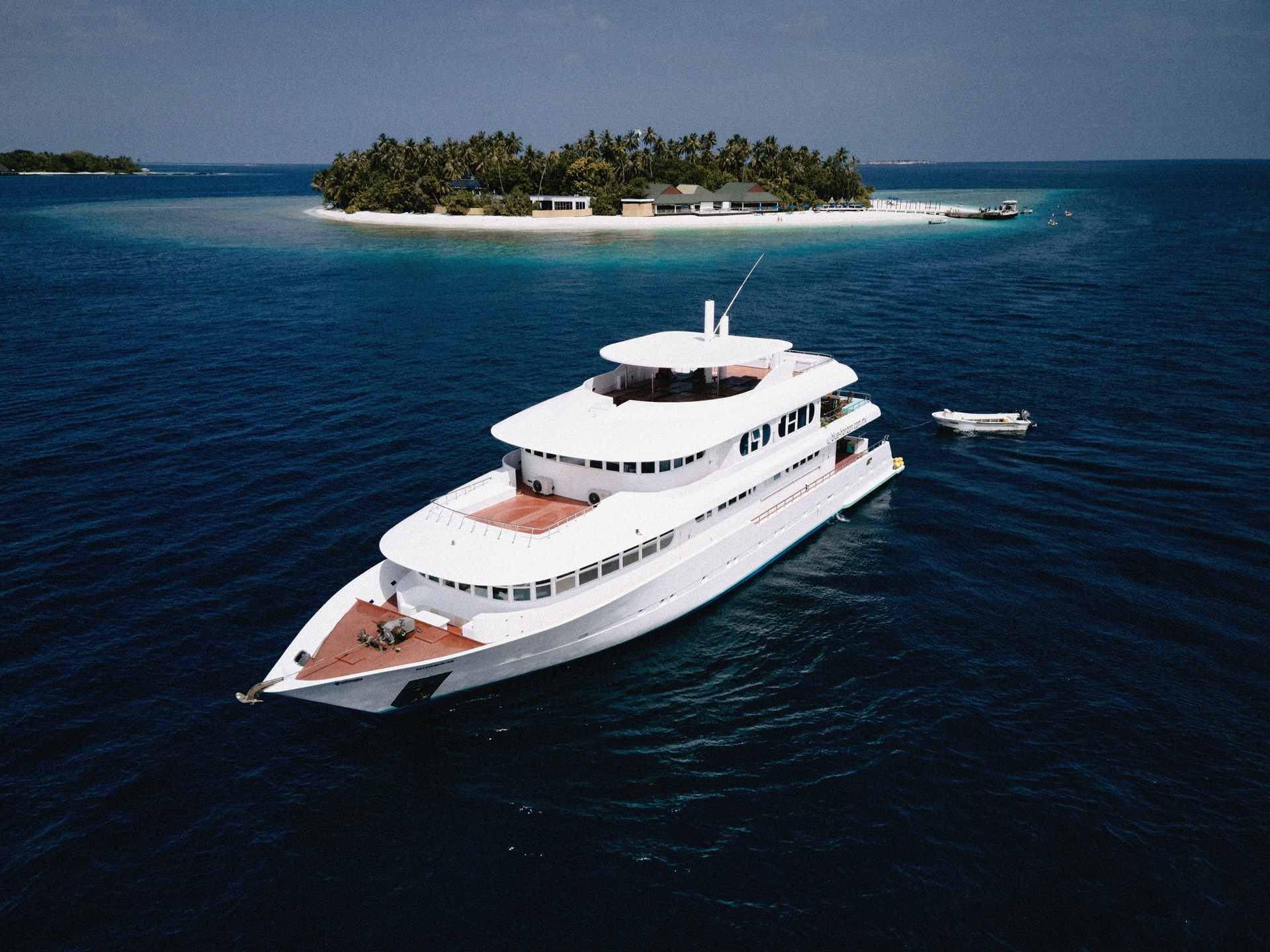
Horizon III
Maldives
25 guests
$204/day
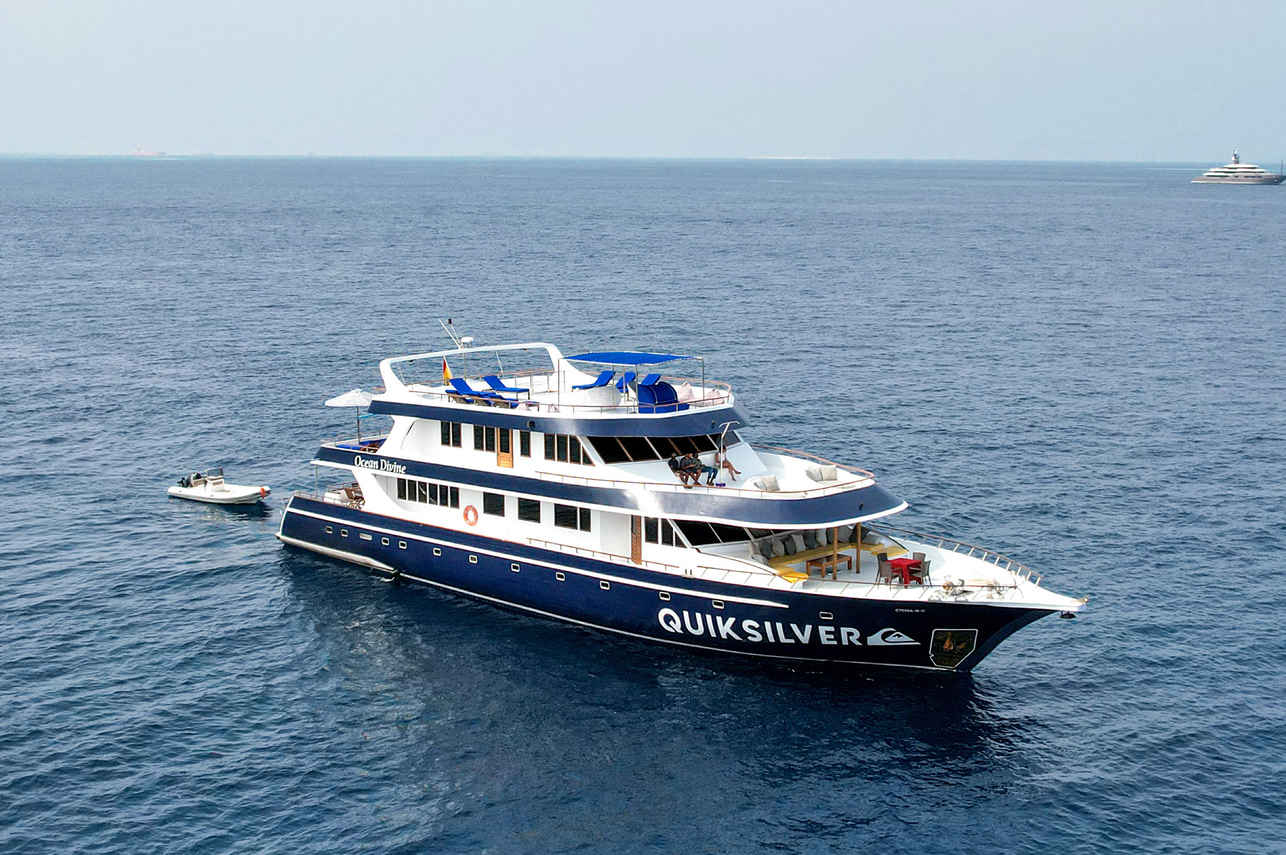
Ocean Divine
Maldives
16 guests33.528 m
$287/day
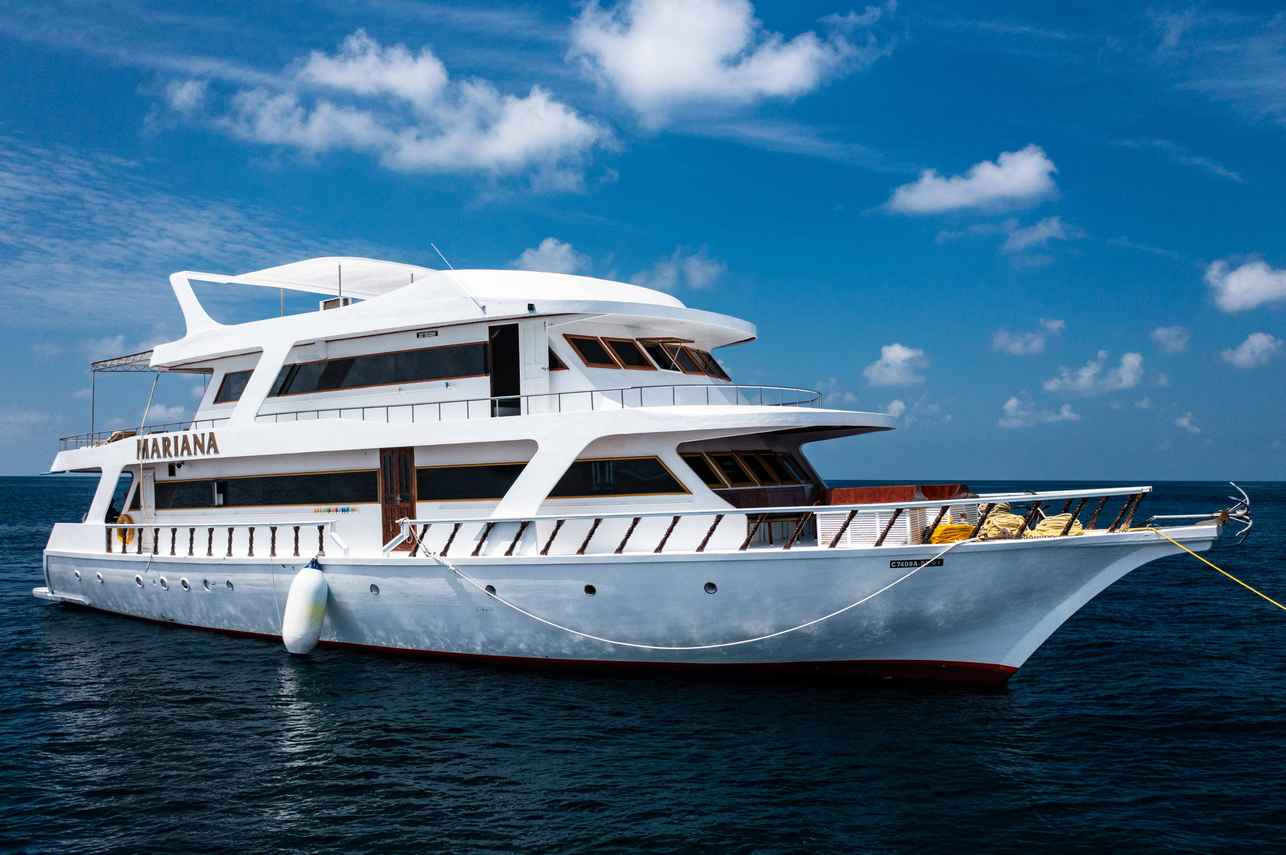
EcoPro Mariana
Maldives
16 guests30 m
$236/day
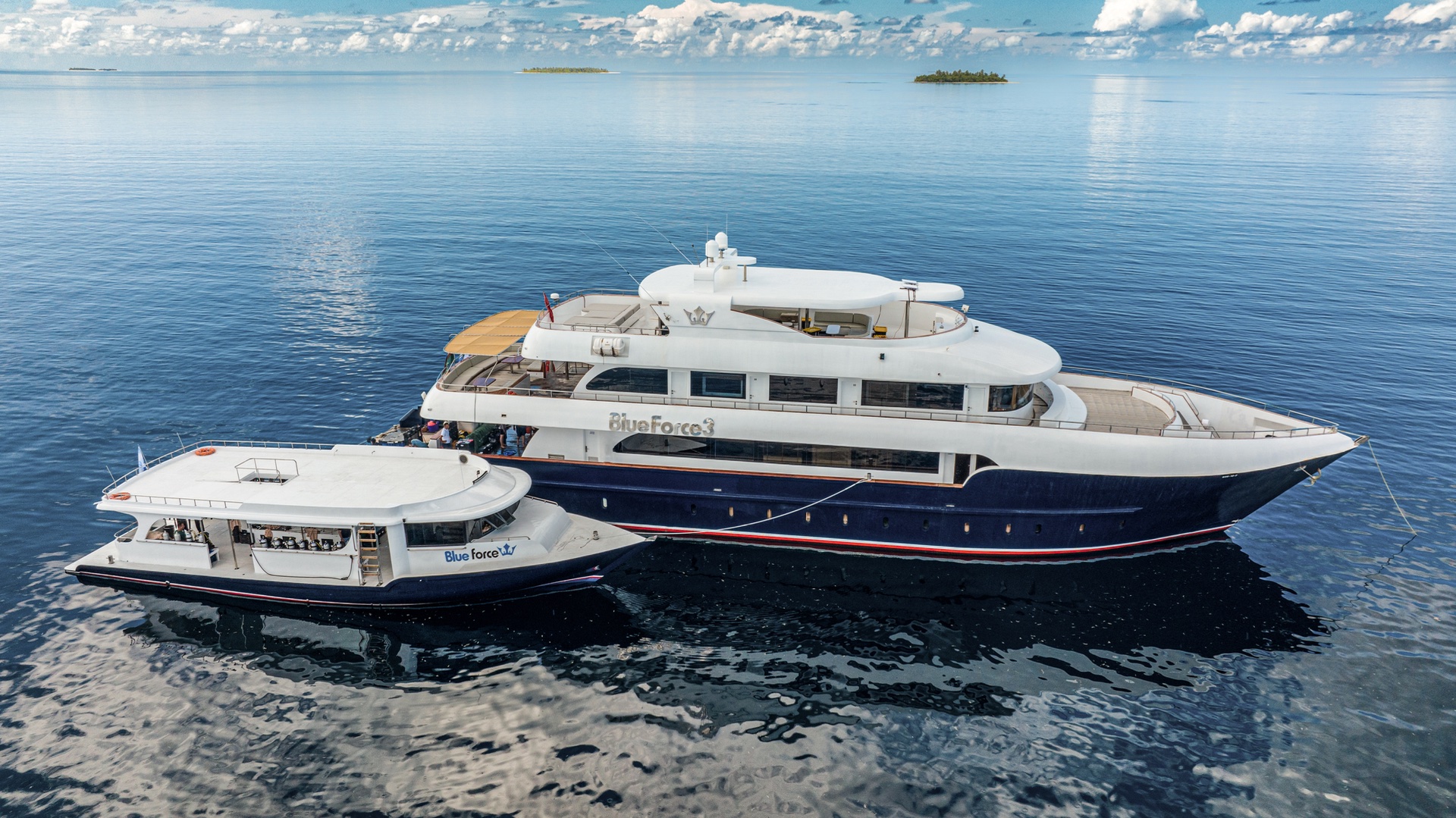
Maldives Blue Force 3
Maldives
26 guests42 m
$236/day
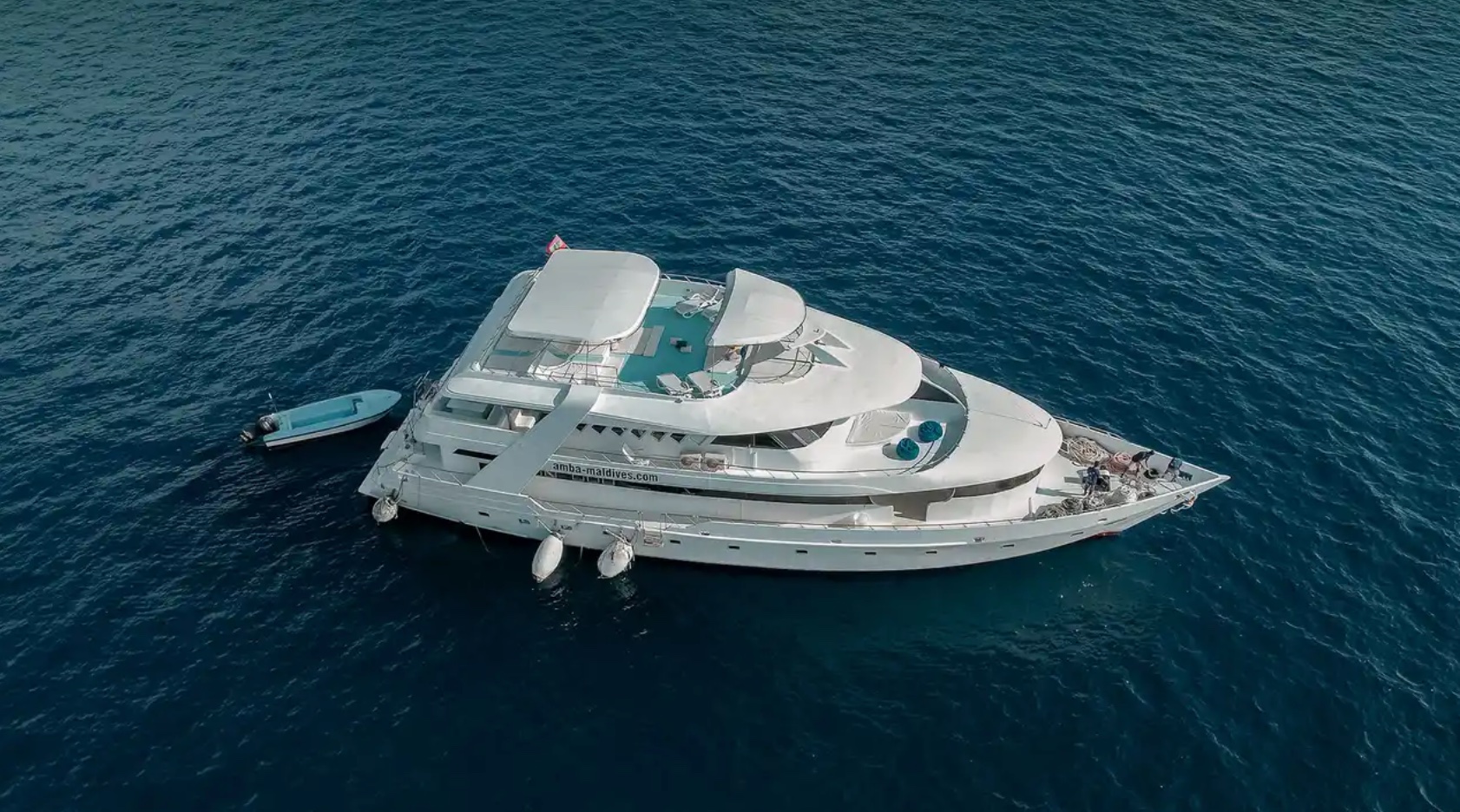
Amba
Maldives
20 guests
$176/day
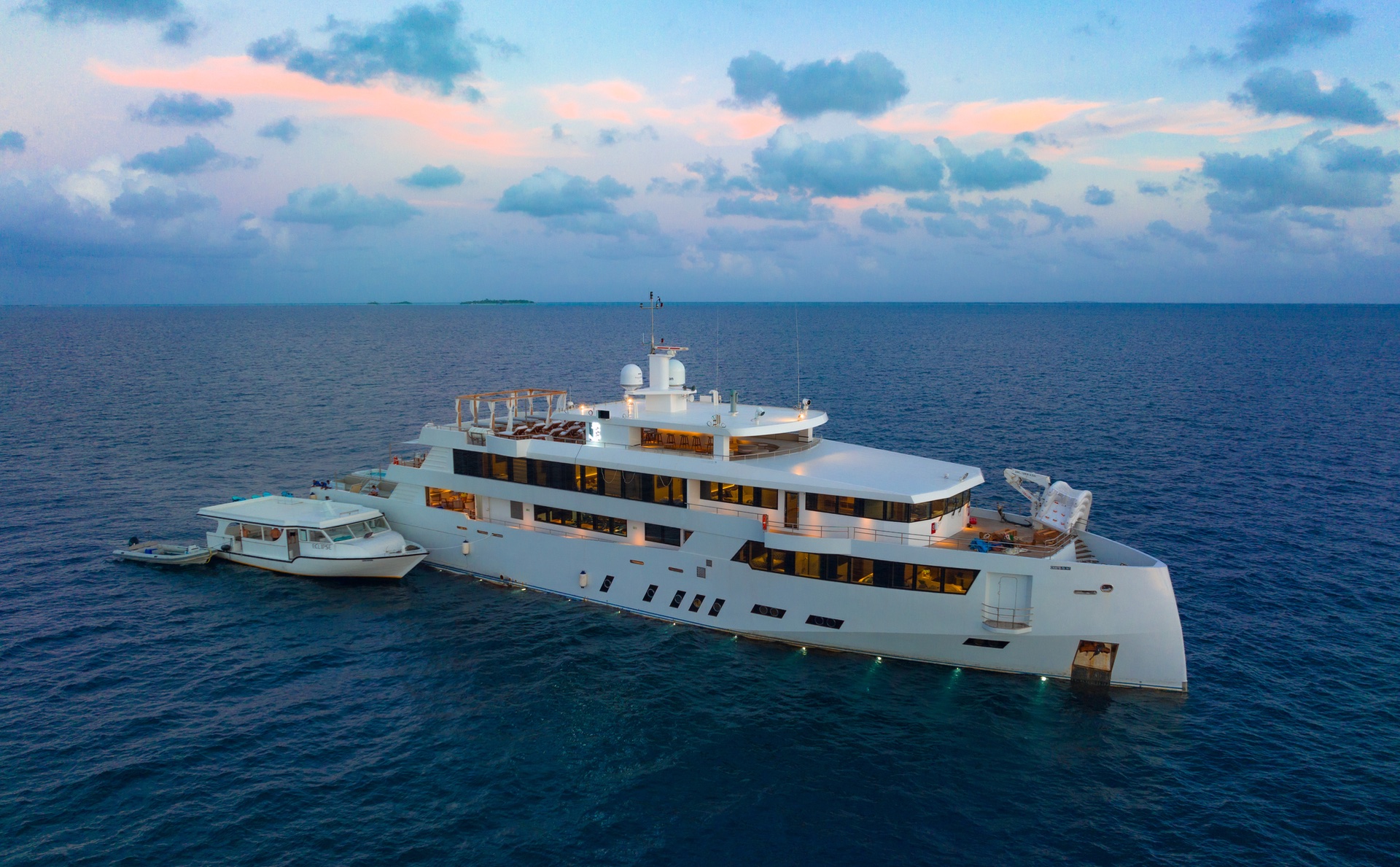
White Pearl
Maldives
26 guests
$375/day
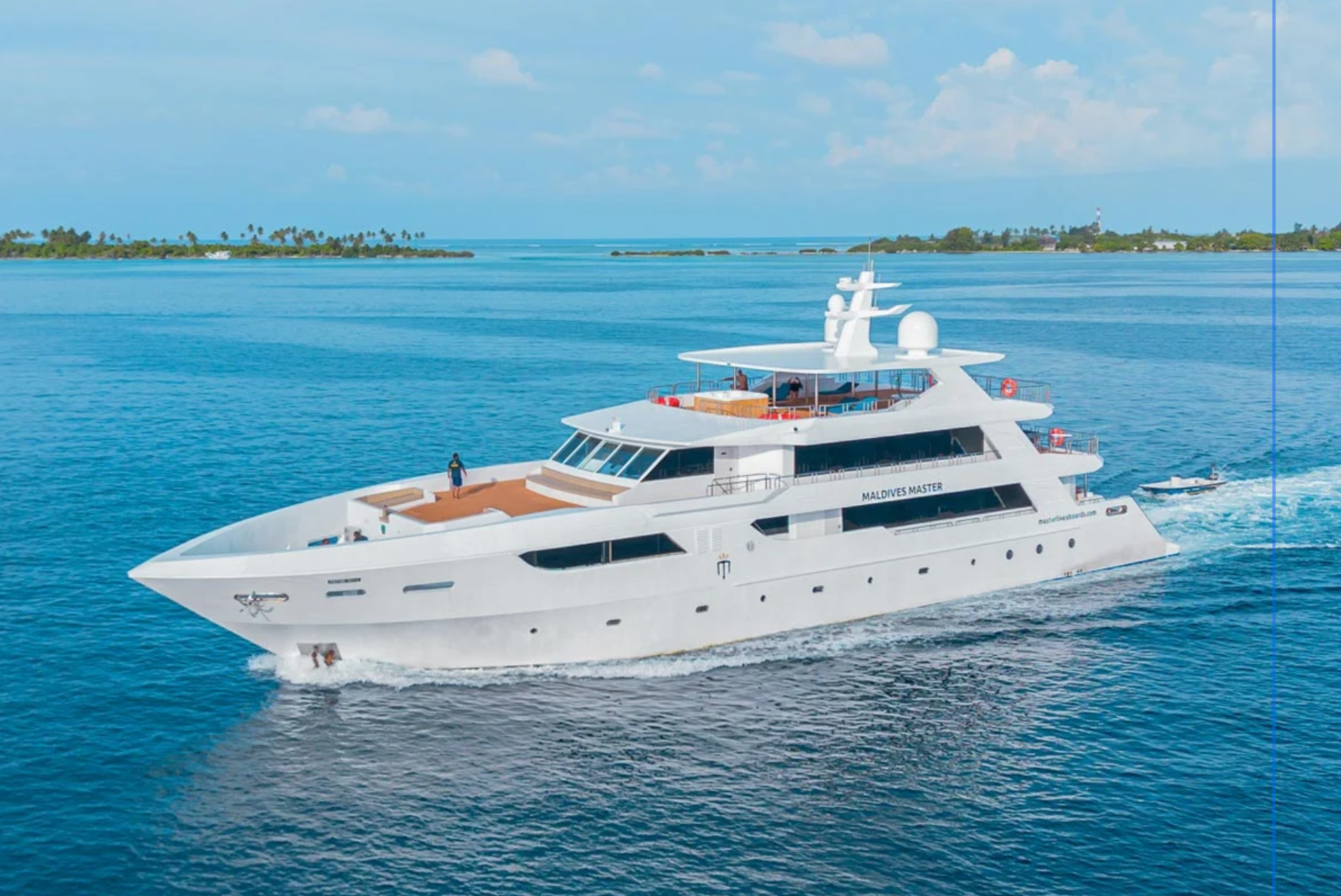
Maldives Master
Maldives
26 guests
$207/day
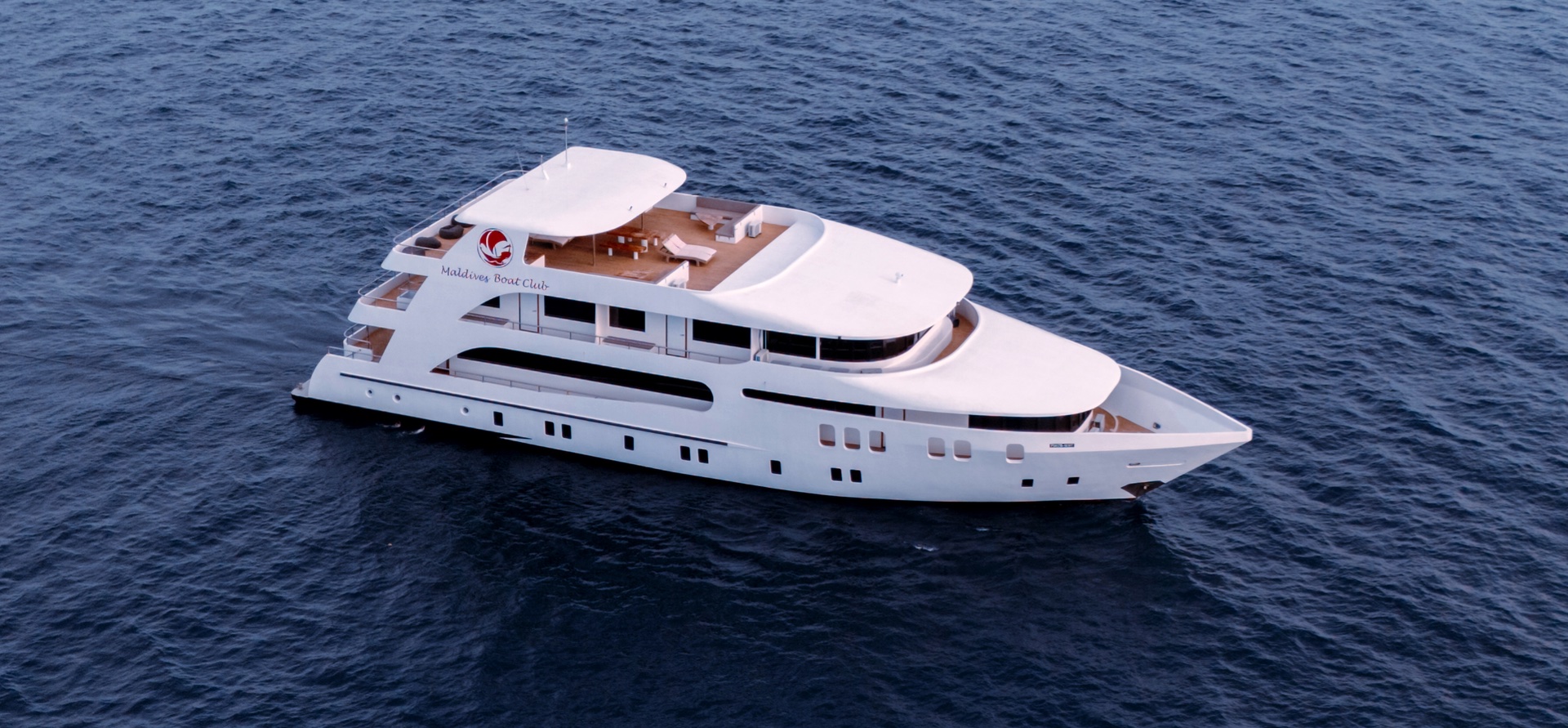
Adora
Maldives
22 guests
$297/day
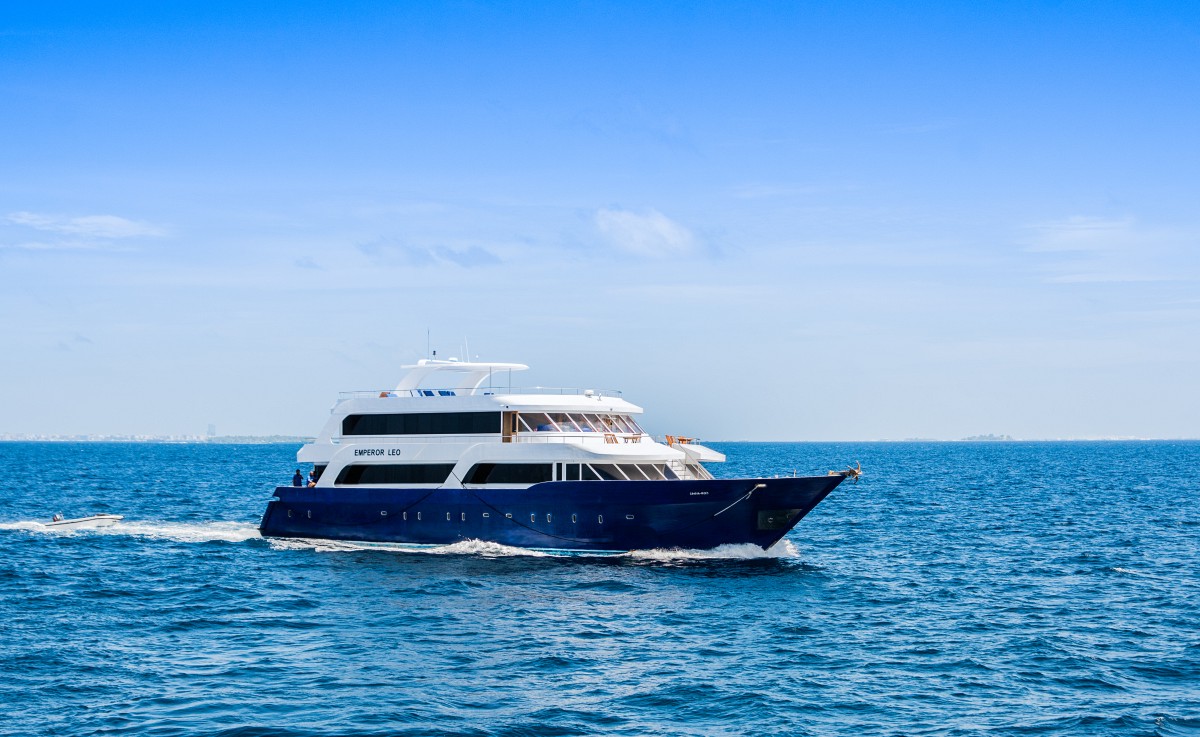
Emperor Leo
Maldives
24 guests35.1 m
$339/day
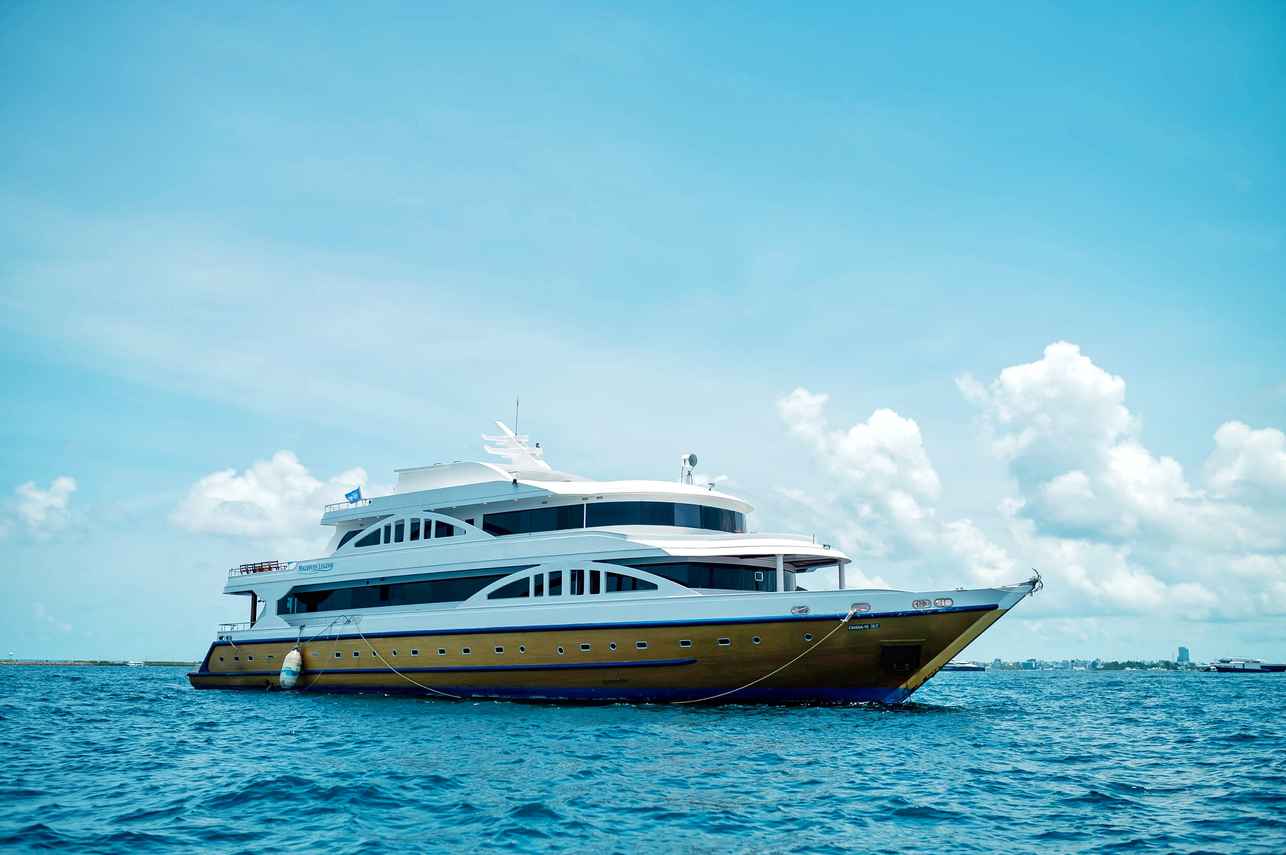
Maldives Legend Zen
Maldives
24 guests41 m
$316/day
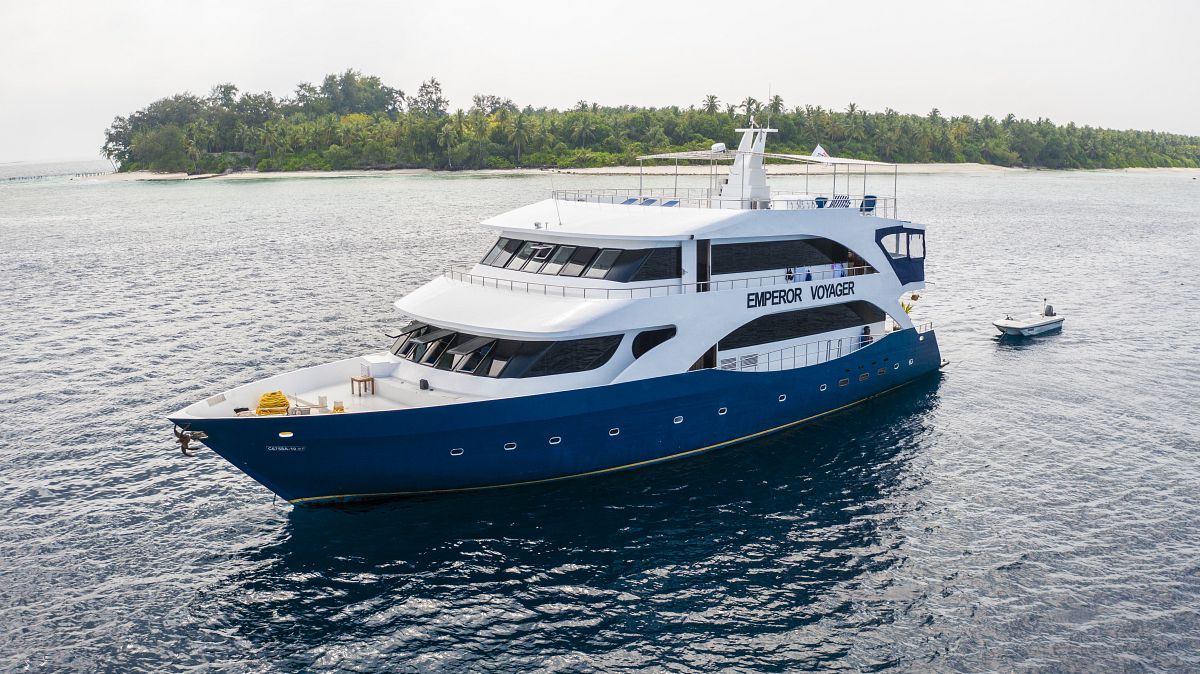
Emperor Voyager
Maldives
20 guests29.9 m
$332/day
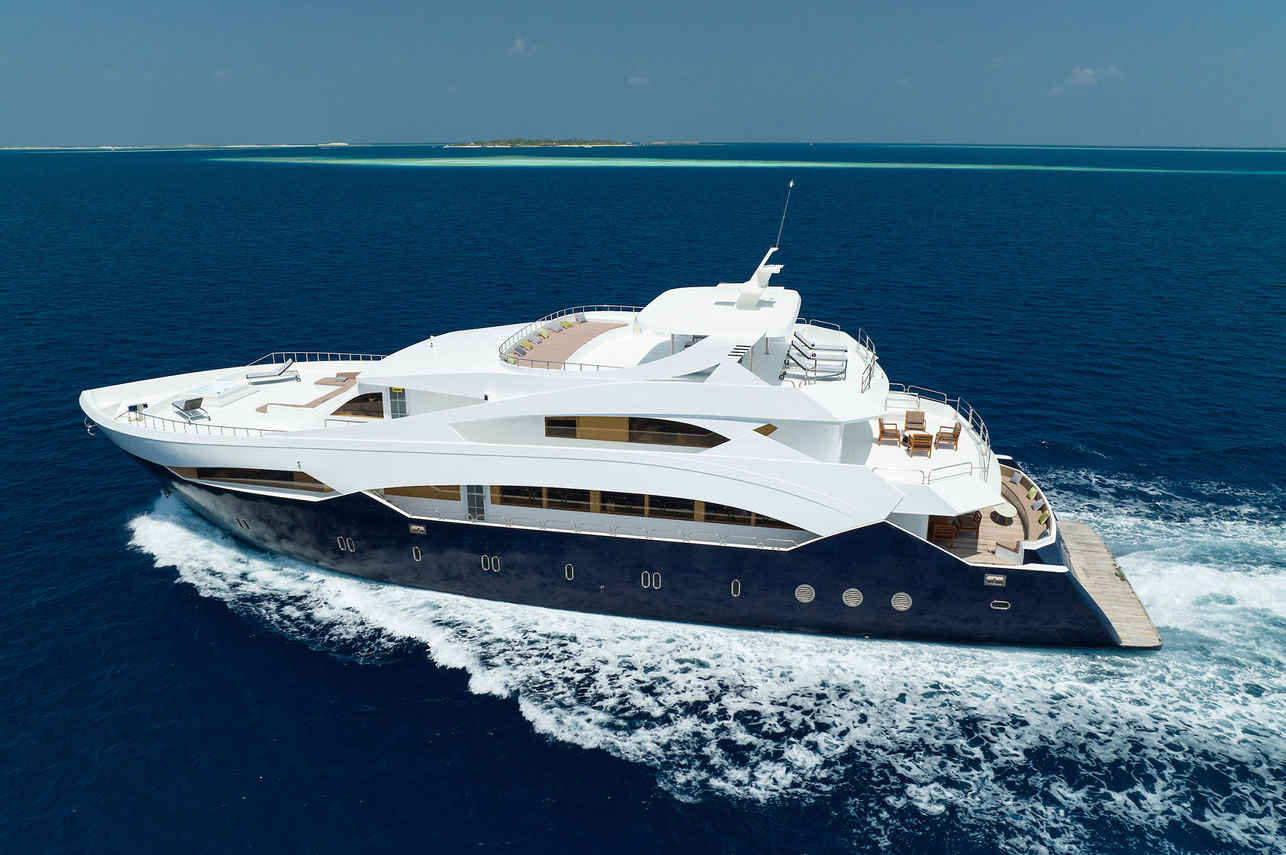
Felicity
Maldives
26 guests41 m
$229/day
Dive sites similar to South Ari Marine Protected Area
Same character, same waters — six more sites divers love for the exact same reasons.Compare seasons, access and liveaboard routes — then pick the site that fits your trip best.
© Esri — Maxar, Earthstar, GIS
Kudimaa Wreck
Maldives
The Kudimaa Wreck is a compelling dive site in the Maldives, offering a fascinating artificial reef environment.
- Suitable for
- Advanced
- Current
- Moderate
- Access
- Liveaboard only
- Depth
- ≤ 30 m
- Theme
- Wreck / Reef
© Esri — Maxar, Earthstar, GIS
Blizzard Ridge
Australia
Blizzard Ridge is a renowned dive site situated within Lighthouse Bay on Ningaloo Reef, Western Australia, easily accessible from Exmouth.
- Suitable for
- Beginner
- Current
- Moderate
- Access
- Liveaboard or dayboat
- Depth
- ≤ 15 m
- Theme
- Reef
© Esri — Maxar, Earthstar, GIS
Andilana Reef
Madagascar
Andilana Reef, situated near Nosy Be on Madagascar's northwestern coast, presents a captivating underwater landscape that appeals to divers of all experience levels.
- Suitable for
- Intermediate
- Current
- Mild
- Access
- Liveaboard or dayboat
- Depth
- 6–22 m
- Theme
- Cave & cavern / Reef
© Esri — Maxar, Earthstar, GIS
Aldebaran Wreck
Seychelles
The Aldebaran Wreck, a 28-meter (92-foot) fishing vessel, was intentionally sunk on July 11, 2008, by the Seychelles Tourism Board to create an artificial reef.
- Suitable for
- Advanced
- Current
- Moderate
- Access
- Liveaboard or dayboat
- Depth
- 28–40 m
- Theme
- Wreck
© Esri — Maxar, Earthstar, GIS
Rottnest Island
Australia
Rottnest Island, located approximately 18 kilometers off Perth, Western Australia, offers exceptional diving characterized by its distinctive limestone formations.
- Suitable for
- Intermediate
- Current
- Mild
- Access
- Dayboat
- Depth
- 8–22 m
- Theme
- Reef / Cave & cavern
© Esri — Maxar, Earthstar, GIS
North Island
Seychelles
North Island is an exclusive dive location within the Seychelles, known for its pristine underwater environment and the opportunity to explore newly discovered sites.
- Suitable for
- Intermediate
- Current
- Moderate
- Access
- Liveaboard only
- Depth
- 18–35 m
- Theme
- Reef