About Rangali Madivaru
Rangali Madivaru, which translates to 'Manta Reef,' is a celebrated dive site in the Alif Dhaalu Atoll of the Maldives. It is particularly famous as a manta ray cleaning station, situated at approximately 9 meters depth where a sloping bottom transitions to a plateau reef. This unique topography attracts abundant marine life, making it a vibrant ecosystem for divers to explore. The reef's highest point is around 8 meters, gradually descending to the seafloor at 30 meters. The northern section features numerous overhangs, caves, and cracks that shelter a variety of smaller creatures and intricate corals. While the main draw is the manta rays, the site is also teeming with sharks, Napoleon wrasses, and turtles, alongside a diverse array of reef fish and macro subjects. The prime time to visit is during the northeast monsoon, from December to April, when manta ray activity peaks and conditions are generally calm. However, currents can be strong, especially in the channel, requiring experience in drift diving. Visibility is typically excellent during the dry season, providing clear views of the bustling underwater world. This site offers a dynamic dive experience, combining exhilarating pelagic encounters with detailed reef exploration.
Highlights
Manta ray cleaning stationChannel diving experienceAbundant pelagic encountersOverhangs and crevicesDiverse reef fish populationsGreen and hawksbill turtlesWhitetip and silvertip sharks
Season calendar
Best months to dive here
Jan
Feb
Mar
Apr
May
Jun
Jul
Aug
Sep
Oct
Nov
Dec
Excellent
Good
Aug – Sep & Nov – Apr (NE Monsoon)
Best visibility up to 40m, calm seas, manta rays on the eastern atolls, whale sharks in South Ari Atoll.
May – Jul & Oct (Transition)
Changing conditions, good value, mantas moving between atolls, occasional rain showers.
Dive site facts: Rangali Madivaru
- Depth
- 8–30 m
- Typical dive
- 17–23 m, 50–60 min
- Current
- 1–3 knots
- Visibility
- 25–40 m
- Water temperature
- 25–31 °C
- Entry
- Liveaboard tender
- Level
- Advanced, current experience essential
- Dive type
- Drift, pelagic, cleaning station, reef
- Night dive
- Possible
- Region / port
- Alif Dhaalu Atoll, Central Atolls
- Coordinates
- 3.51, 72.73
Conditions & Currents
Rangali Madivaru is situated in a channel, which means currents can be a significant factor, ranging from 1 to 3 knots. The best manta encounters often occur during outgoing currents in the manta season, and incoming currents at other times. Divers should be prepared for drift diving conditions, utilizing reef hooks if necessary to observe the cleaning station without exertion. Strong currents can affect buoyancy control and gas consumption, so advanced diving skills and experience with currents are highly recommended. Visibility is generally excellent, reaching up to 25-40 meters during the dry season, but plankton blooms in the wet season can reduce it, while simultaneously attracting more pelagic life.
Marine life & sighting chances

Reef Manta Ray
December–April · common
Whitetip Reef Shark
common
Moray Eel
common
Green Turtle
common
Silvertip Shark
occasional
Clownfish
common
Parrotfish
common
Triggerfish
common
Napoleon Wrasse
occasional
Eagle Ray
occasional
Whale Shark
occasional
Hawksbill Turtle
occasional
Octopus
occasional
Angelfish
commonDive profile & how the dive runs
Dives at Rangali Madivaru typically begin with a negative entry from a liveaboard tender, dropping directly onto the channel edge at about 9 meters where the cleaning station is located. Divers then drift along the reef, observing manta rays and other pelagic species. The reef gradually slopes down to 30 meters, offering opportunities to explore crevices and overhangs. The dive route usually follows the current, allowing for a relaxed drift past the vibrant coral formations and schooling fish. Towards the end of the dive, divers ascend slowly along the reef wall for their safety stop, often completing it in the shallower, calmer areas before surfacing for tender pickup.
Underwater photography
Rangali Madivaru is a fantastic site for both wide-angle and macro photography, though wide-angle is often preferred for capturing the mantas. For mantas and other large pelagics, a wide-angle lens with external strobes is essential to illuminate the subjects and bring out their colors in the clear water. Patience is key at the cleaning station; maintain a respectful distance and observe manta ray behavior without disturbing them. For macro opportunities within the reef's cracks and overhangs, a dedicated macro lens or a wet diopter will reveal moray eels, scorpionfish, and various small invertebrates. Strong currents necessitate good buoyancy control to avoid damaging corals or stirring up sediment.
Combine with nearby dive sites
- Manta Point (Dhangethi)
Manta Point (Dhangethi) is a celebrated dive site located in the South Ari Atoll of the Maldives, globally recognized for its exceptional…
- South Ari Marine Protected Area
The South Ari Marine Protected Area (SAMPA), often simply called Maamigili, lies within the breathtaking South Ari Atoll of the Maldives.
- Vilamendhoo Thila
Vilamendhoo Thila is a renowned dive site situated near the eastern corner of Vilamendhoo Island in the South Ari Atoll, Maldives.
Getting there & logistics
Access to Rangali Madivaru is primarily via liveaboard trips originating from Malé, the capital of the Maldives. International flights land at Velana International Airport (MLE) in Malé. From there, divers transfer to their liveaboard, often directly from a pier near the airport. Most liveaboard itineraries typically last 7 to 10 days and combine Rangali Madivaru with other renowned sites in the Central Atolls, such as those in South Ari Atoll. Dive permits are usually handled by the liveaboard operators, and there are no specific park fees mentioned for this site.
Safety & environment
Safety at Rangali Madivaru emphasizes preparedness for strong currents; reef hooks are recommended, and divers should be proficient in drift diving techniques. Always dive with an SMB and a whistle for surface signaling, as tender pickup can be challenging in strong currents. The nearest recompression chamber is located in Malé, which means evacuation could take several hours depending on the boat's location and sea conditions. Comprehensive dive insurance, including coverage for recompression and evacuation, is mandatory. Divers should also maintain proper buoyancy to protect the delicate coral formations and marine life, especially around the cleaning station.
Who it suits — and who it doesn't
Suited for
- Experienced divers comfortable with strong currents
- Manta ray enthusiasts and pelagic lovers
- Underwater photographers targeting large marine life
- Liveaboard guests exploring the Central Atolls
- Divers seeking vibrant channel and reef ecosystems
Less suited for
- Beginner divers or those without current experience
- Divers with poor buoyancy control
- Individuals prone to seasickness in choppy conditions
- Those uninterested in drift diving
FAQ
Rangali Madivaru FAQ
What kind of marine life can I expect to see at Rangali Madivaru?
Rangali Madivaru is most famous for its manta ray cleaning station, offering frequent sightings of these majestic creatures. Beyond mantas, you can also encounter various sharks like whitetips and silvertips, green and hawksbill turtles, moray eels, Napoleon wrasses, eagle rays, and a rich diversity of reef fish including parrotfish, triggerfish, and angelfish.
When is the best time of year to dive Rangali Madivaru?
The prime season for diving Rangali Madivaru is during the northeast monsoon, from December to April. During these months, the weather is dry, seas are calmer, visibility is excellent, and manta ray activity is at its peak. This period offers the best conditions for both encounters and comfortable diving.
Are the currents strong at Rangali Madivaru?
Yes, Rangali Madivaru is located in a channel, and currents can be quite strong, often ranging from 1 to 3 knots. Divers should be experienced in drift diving and possess good current management skills. Reef hooks are often recommended to safely observe the cleaning station without excessive effort.
What is the typical depth for a dive at Rangali Madivaru?
The reef's shallowest point is around 8 meters, where the manta cleaning station is located. From there, the reef slopes down to approximately 30 meters. Most dives at Rangali Madivaru typically range between 17 to 23 meters, allowing ample time for observation and exploration.
Is Rangali Madivaru suitable for beginner divers?
Rangali Madivaru is generally not recommended for beginner divers due to the strong and sometimes unpredictable currents. It is best suited for advanced divers with prior experience in drift diving and good buoyancy control. This ensures a safer and more enjoyable experience given the challenging conditions.
How do I get to Rangali Madivaru?
Rangali Madivaru is primarily accessed via liveaboard boats that operate out of Malé, the capital of the Maldives. After flying into Velana International Airport (MLE), you will typically transfer directly to your liveaboard. Most itineraries combine this site with other premier diving locations within the Central Atolls.
Why dive Rangali Madivaru from a liveaboard?
Rangali Madivaru is one of Maldives's signature dive sites. A liveaboard sleeps you on the water and puts you in the water for three to four guided dives per day, including dawn and night dives that day-boat operators rarely offer. You skip the daily commute back to port and reach quieter, less-crowded sites in the same region on a single trip.
Below are the liveaboards that include Rangali Madivaru on their Maldives itineraries.
Liveaboards diving Rangali Madivaru
These liveaboards may visit Rangali Madivaru on selected itineraries — the exact dive sites depend on departure, weather and conditions.
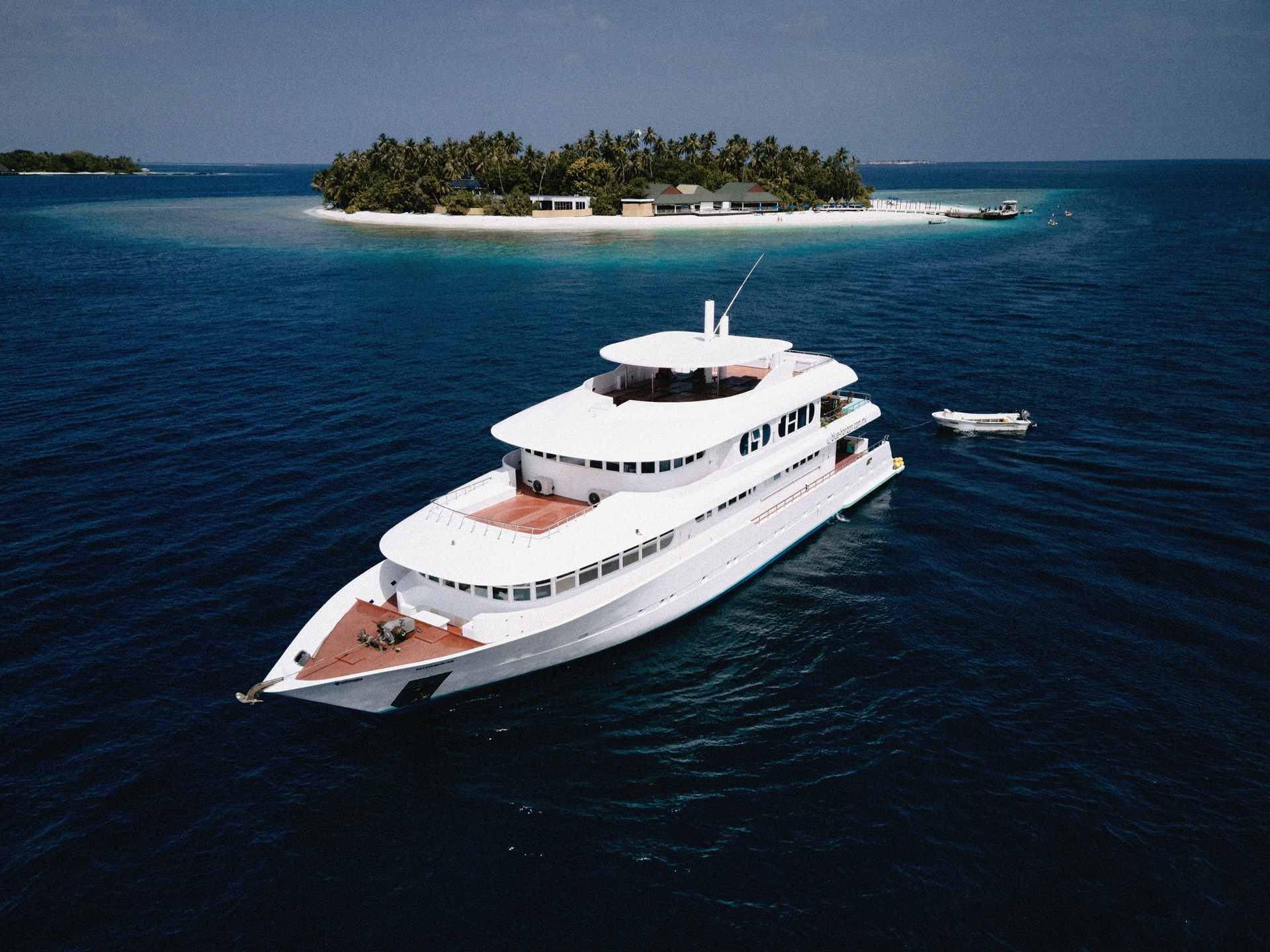
Horizon III
Maldives
25 guests
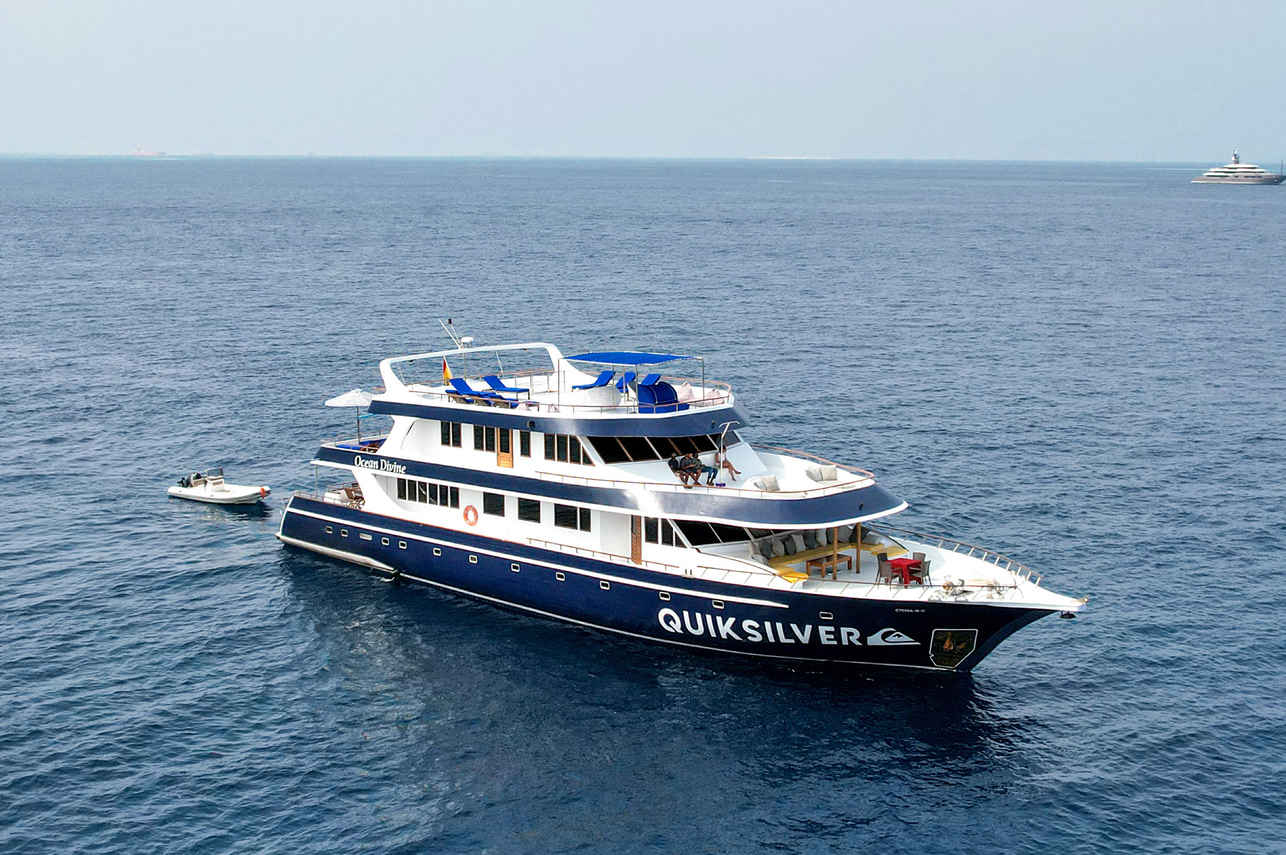
Ocean Divine
Maldives
16 guests34 m
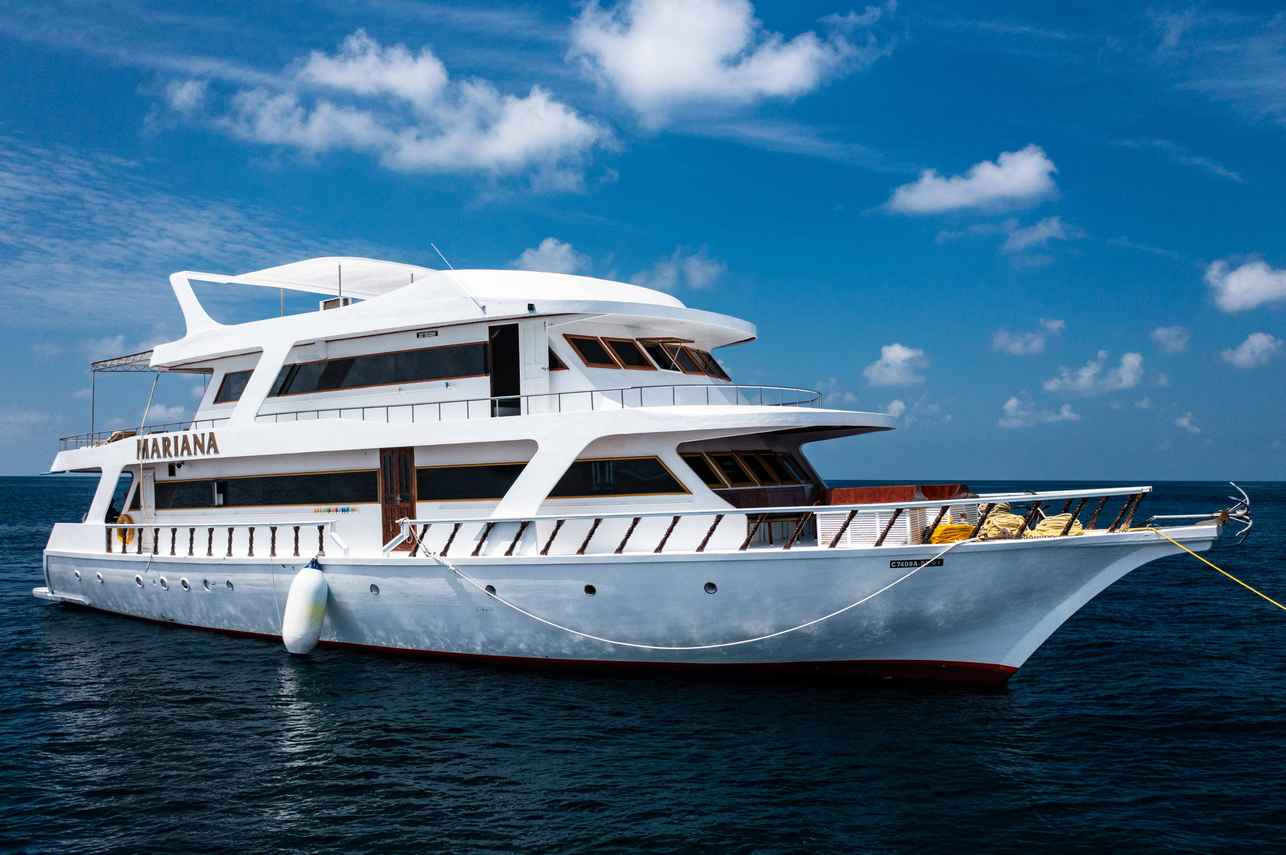
EcoPro Mariana
Maldives
16 guests30 m
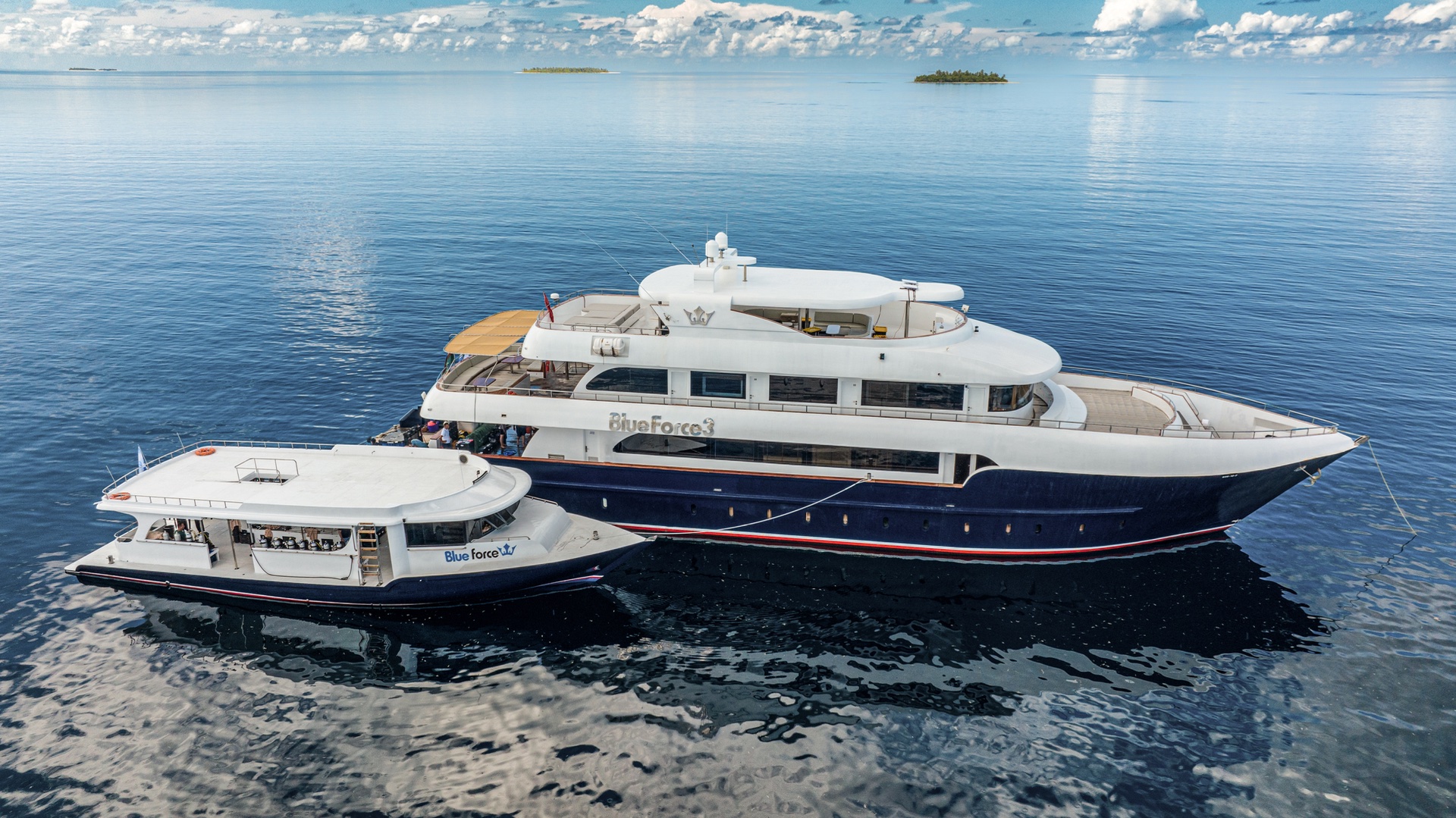
Maldives Blue Force 3
Maldives
26 guests42 m
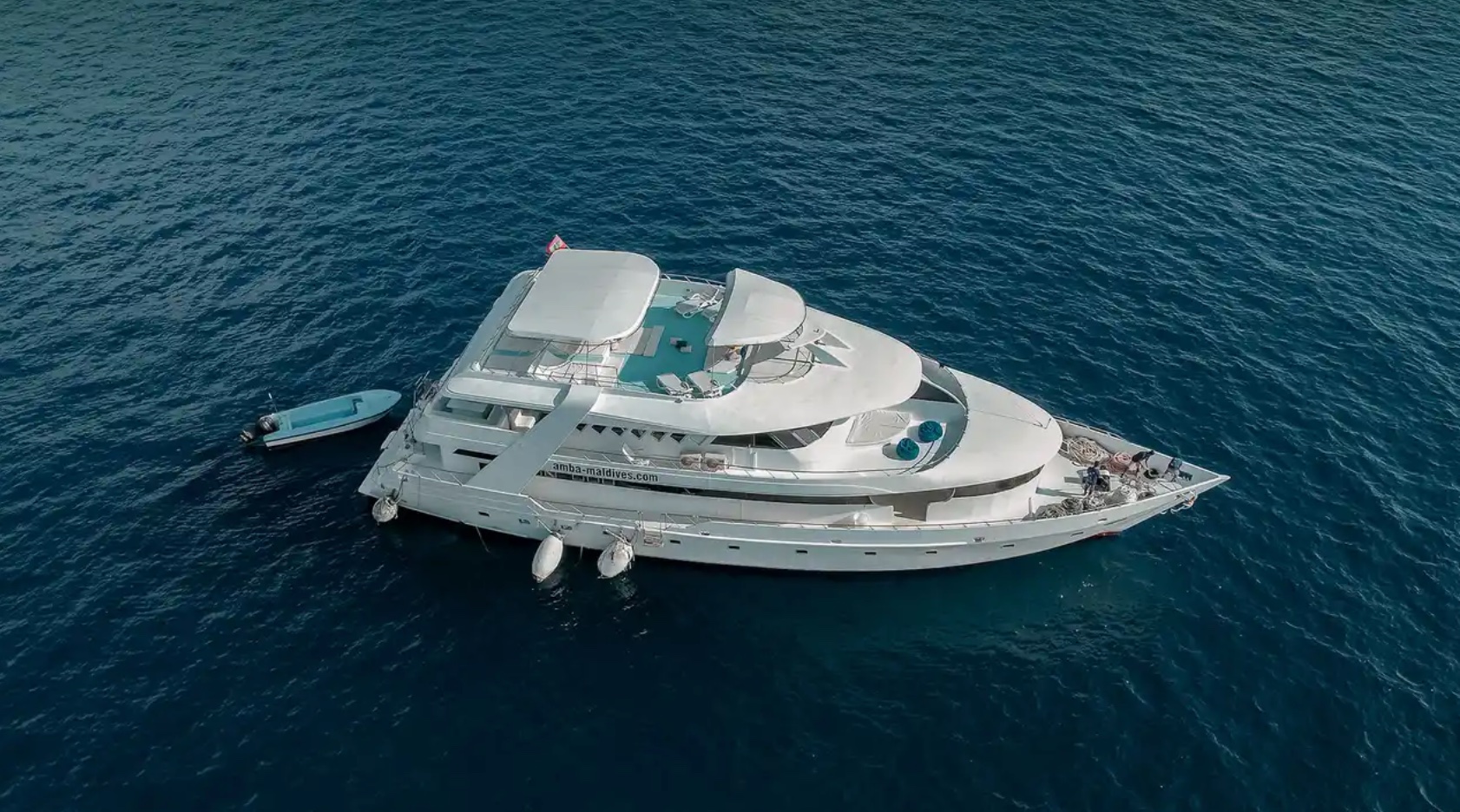
Amba
Maldives
20 guests
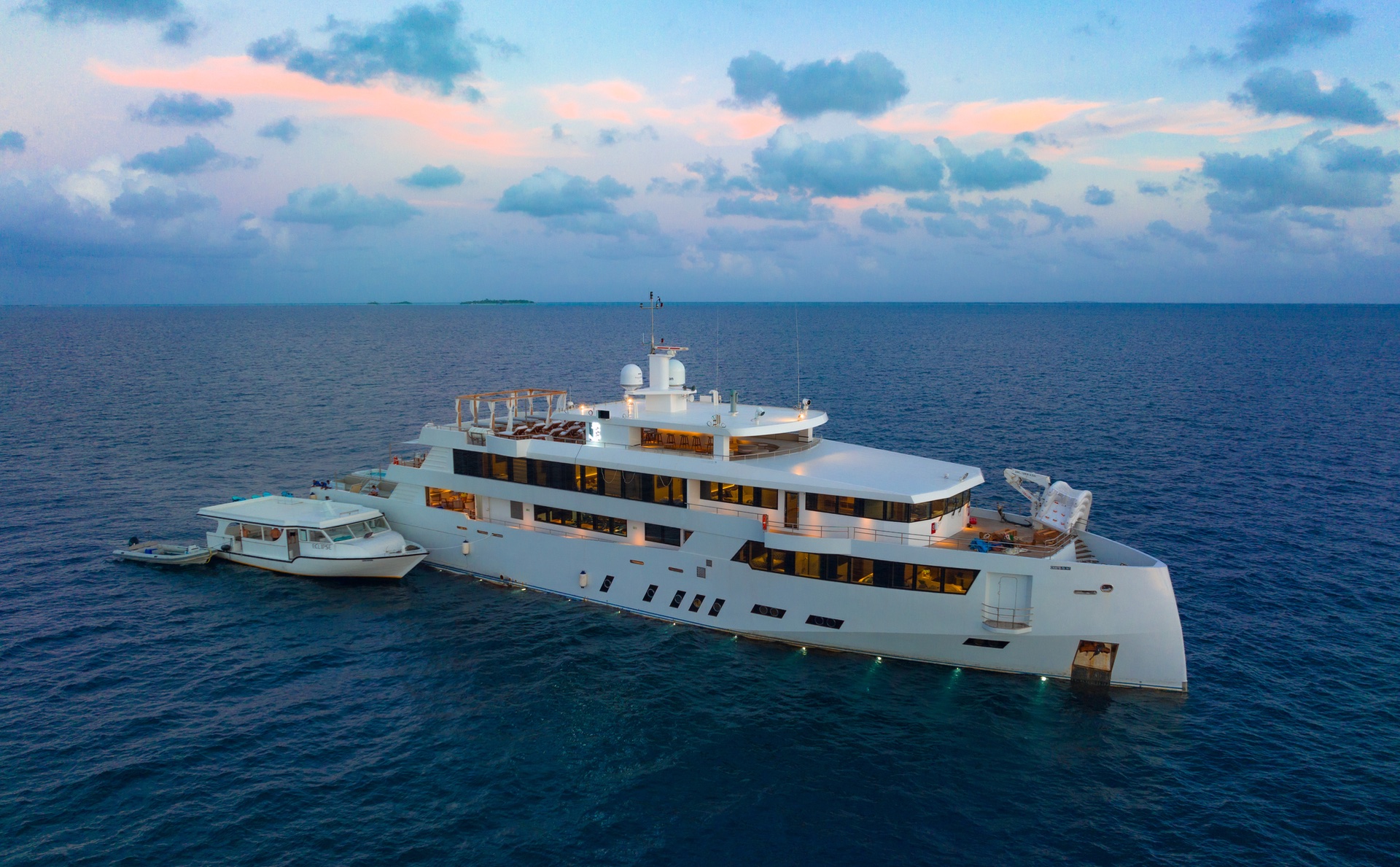
White Pearl
Maldives
26 guests
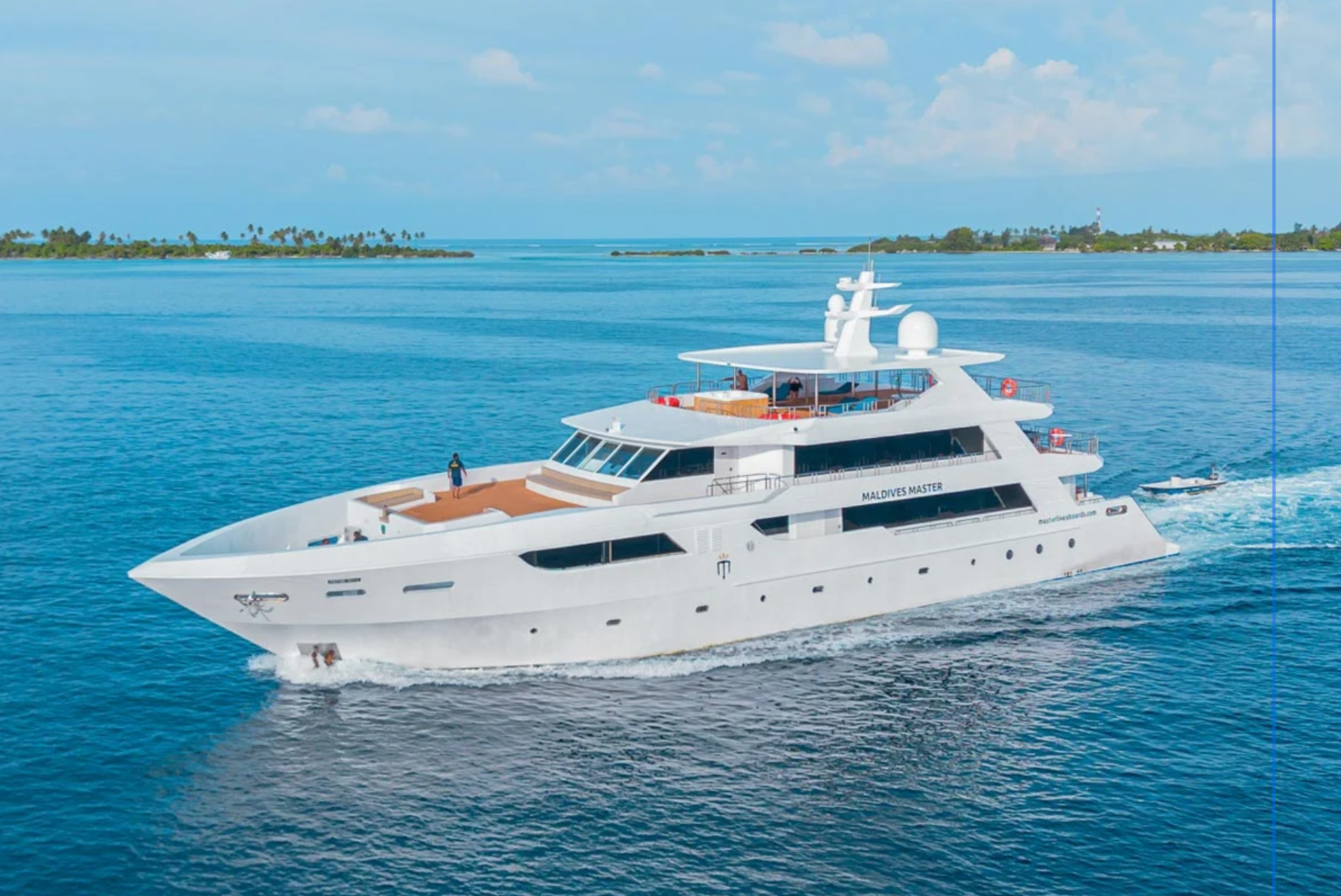
Maldives Master
Maldives
26 guests
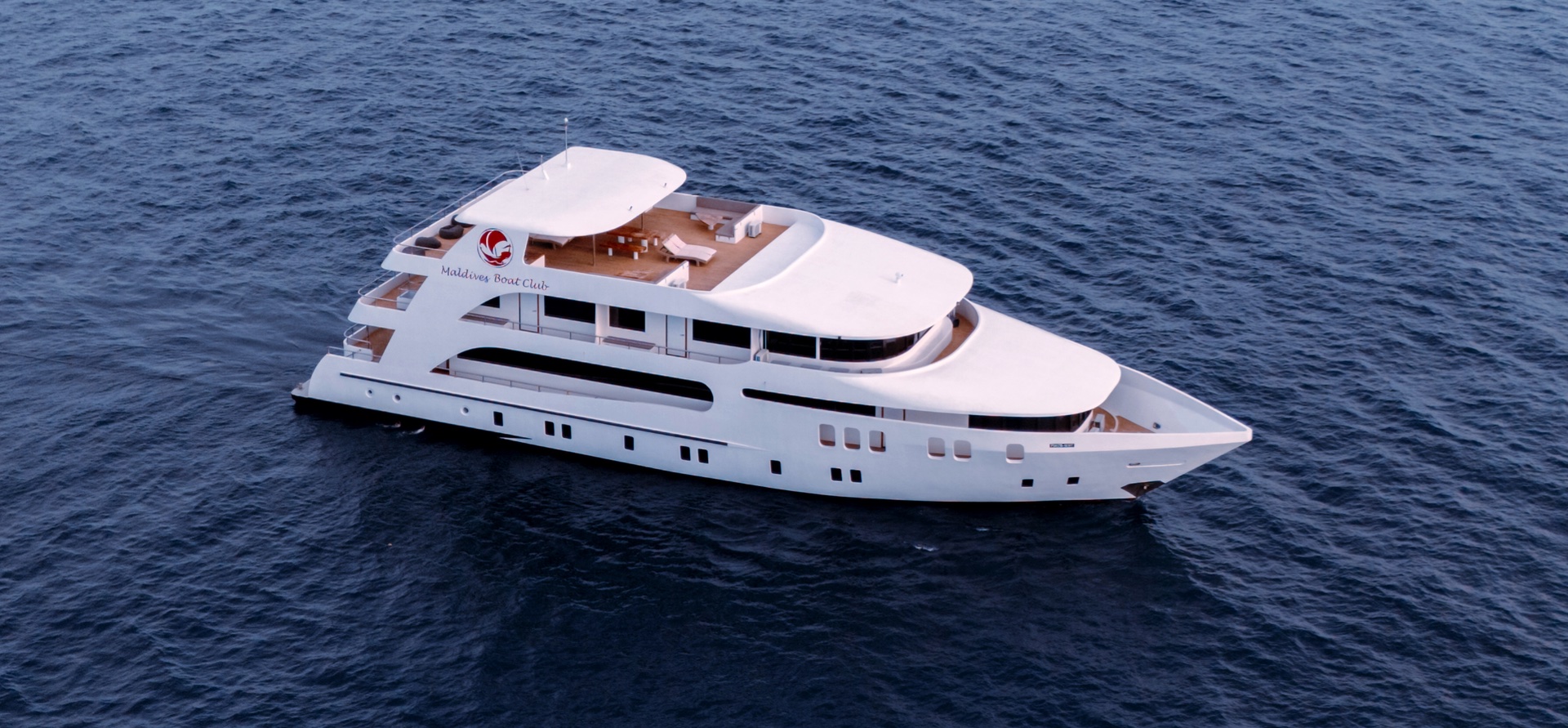
Adora
Maldives
22 guests
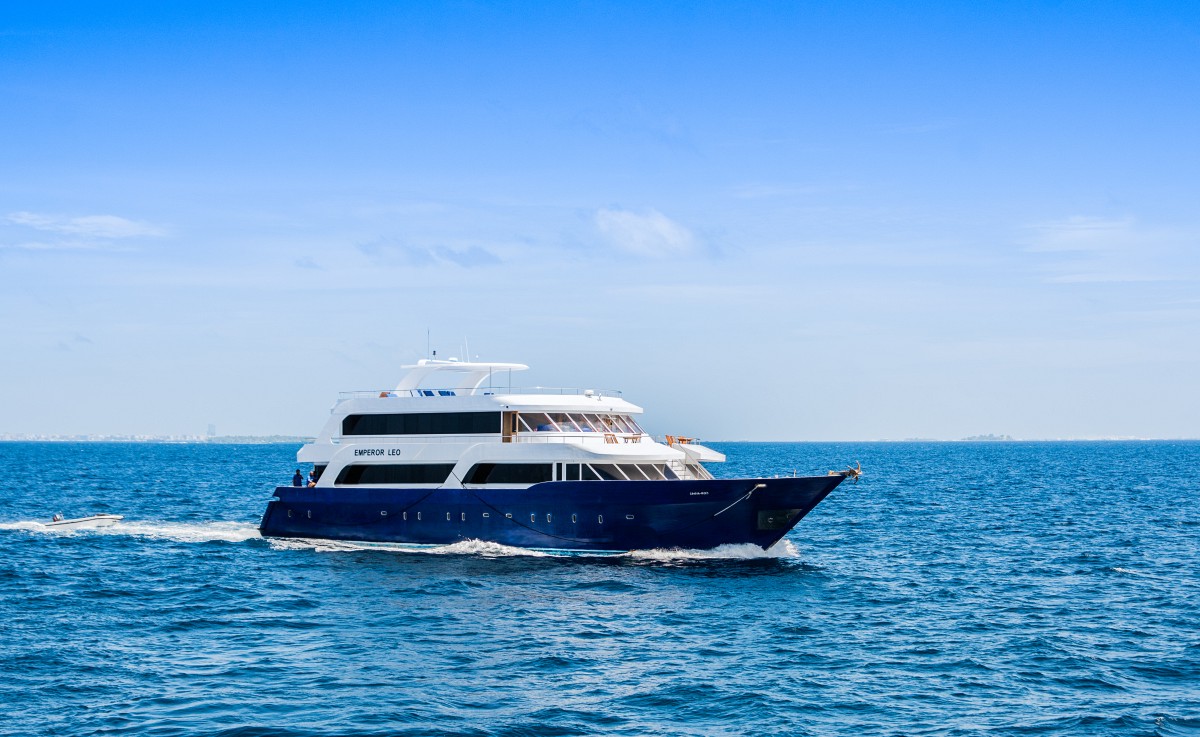
Emperor Leo
Maldives
24 guests35 m
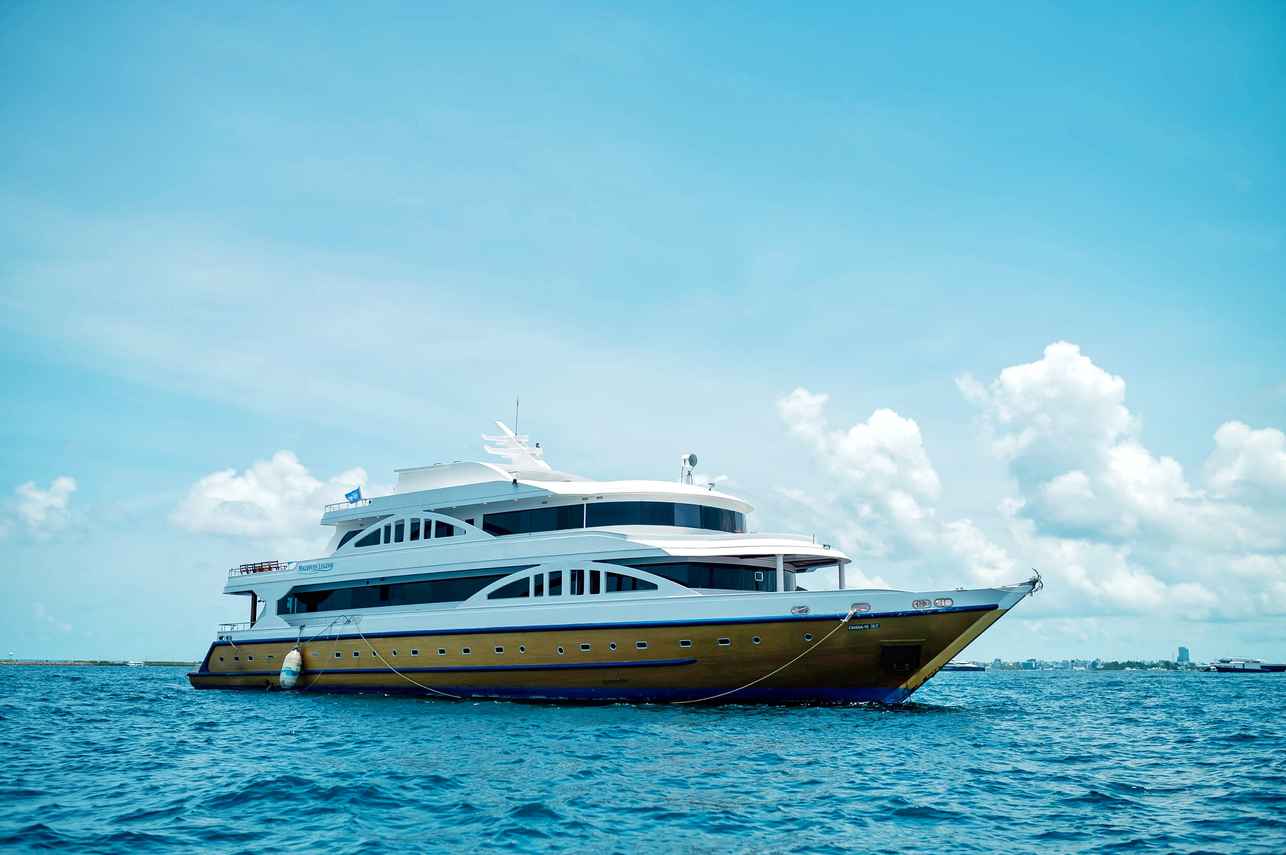
Maldives Legend Zen
Maldives
24 guests41 m
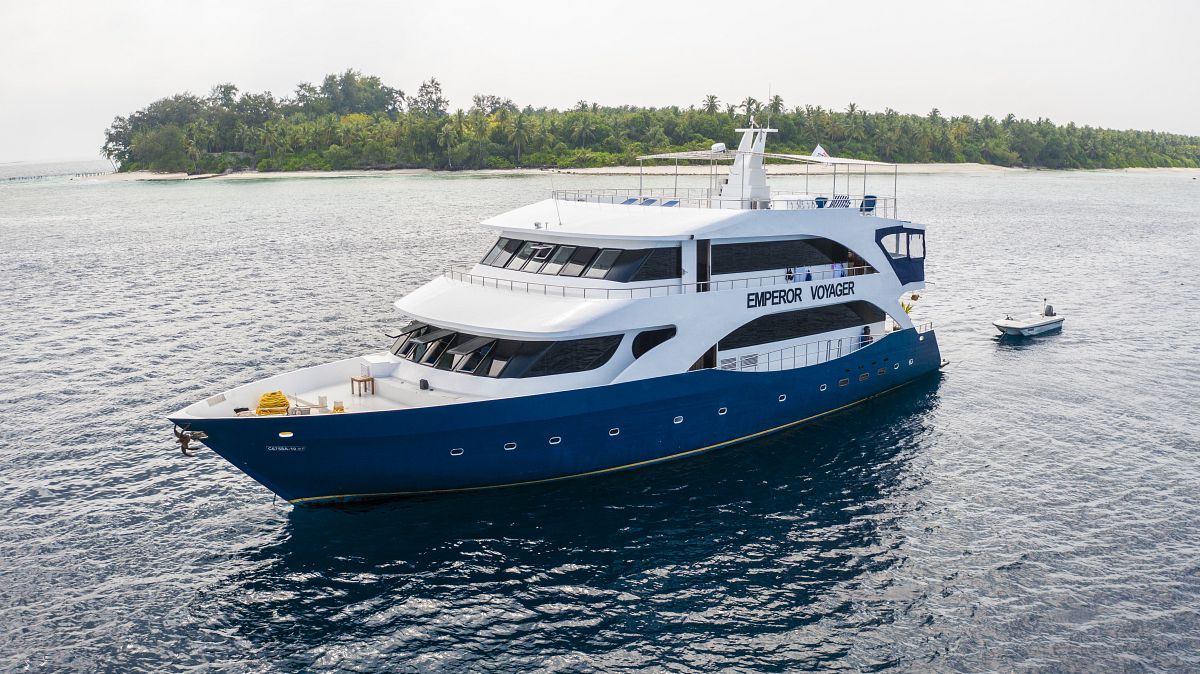
Emperor Voyager
Maldives
20 guests30 m
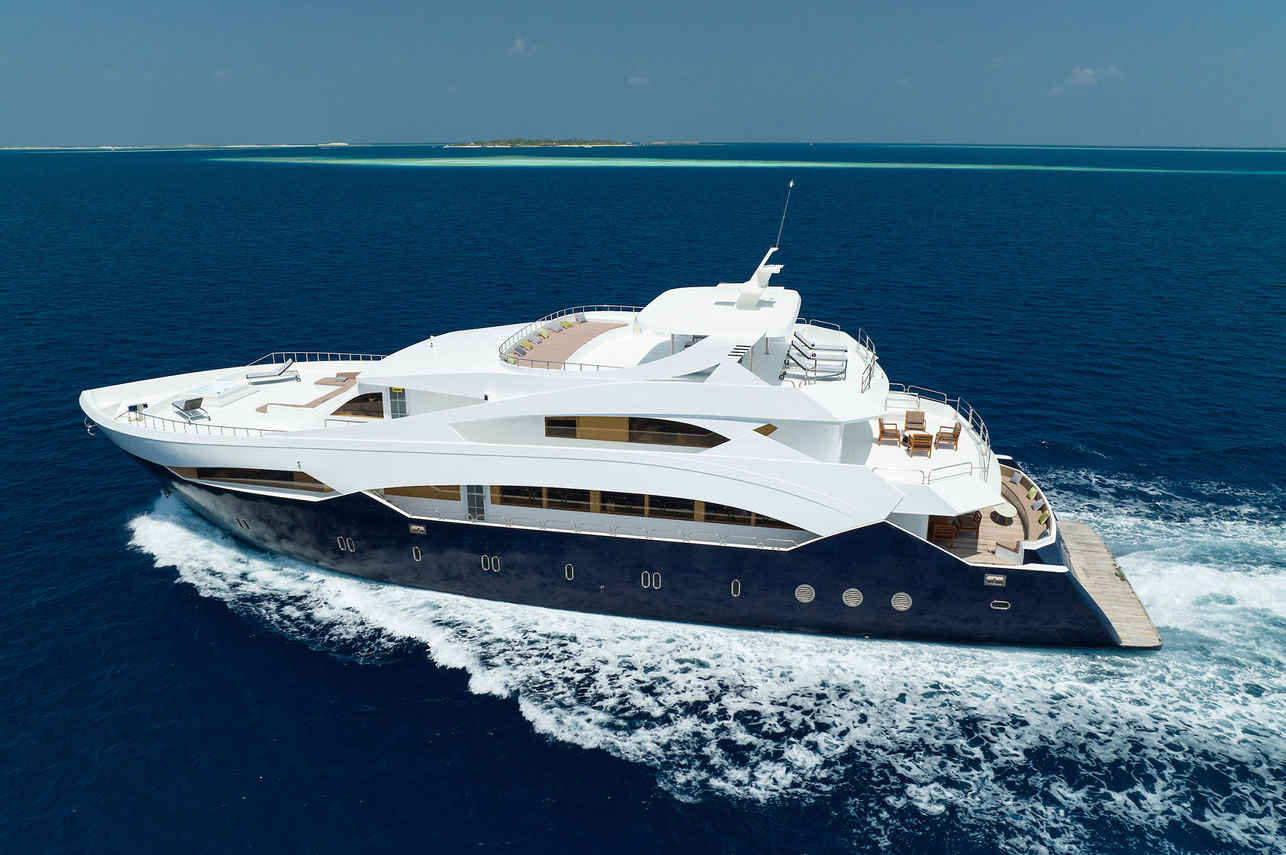
Felicity
Maldives
26 guests41 m
Dive sites similar to Rangali Madivaru
Same character, same waters — six more sites divers love for the exact same reasons.Compare seasons, access and liveaboard routes — then pick the site that fits your trip best.
© Esri — Maxar, Earthstar, GIS
7th Heaven
Maldives
7th Heaven is a vibrant channel reef located in the South Ari Atoll of the Maldives.
- Suitable for
- Intermediate
- Current
- Strong
- Access
- Liveaboard only
- Depth
- 10–30 m
- Theme
- Reef / Drift
The dive site known as "Abyss" is not specifically mentioned or described in the provided sources.
- Suitable for
- Intermediate
- Current
- Moderate
- Access
- Liveaboard or dayboat
- Depth
- 18–50 m
- Theme
- Reef
© Esri — Maxar, Earthstar, GIS
Addu Kandu
Maldives
Addu Kandu, also known as Addu Channel, is a significant natural waterway situated within the Addu Atoll, which is the southernmost atoll in the Maldives.
- Suitable for
- Advanced
- Current
- Strong
- Access
- Liveaboard only
- Depth
- 10–35 m
- Theme
- Drift
© Esri — Maxar, Earthstar, GIS
Aldabra Atoll
Seychelles
Aldabra Atoll, a remote UNESCO World Heritage Site in the Seychelles, offers an unparalleled diving experience that transports you back to a pristine, pre-industrial marine ecosystem.
- Suitable for
- Advanced
- Current
- Strong
- Access
- Liveaboard or dayboat
- Depth
- 5–40 m
- Theme
- Cave & cavern / Drift
© Esri — Maxar, Earthstar, GIS
Aldebaran Wreck
Seychelles
The Aldebaran Wreck, a 28-meter (92-foot) fishing vessel, was intentionally sunk on July 11, 2008, by the Seychelles Tourism Board to create an artificial reef.
- Suitable for
- Advanced
- Current
- Moderate
- Access
- Liveaboard or dayboat
- Depth
- 28–40 m
- Theme
- Wreck
© Esri — Maxar, Earthstar, GIS
Alimatha Jetty
Maldives
Alimatha Jetty, situated in the Vaavu Atoll beside the Alimatha Aquatic Resort's working pier, is celebrated as a premier night dive destination in the Maldives.
- Suitable for
- Beginner
- Current
- Moderate
- Access
- Liveaboard or dayboat
- Depth
- 2–12 m
- Theme
- Reef