About Manta Point (Dhangethi)
Manta Point (Dhangethi) is a celebrated dive site located in the South Ari Atoll of the Maldives, globally recognized for its exceptional manta ray encounters. This site functions primarily as a cleaning station, where mantas arrive to have parasites removed by smaller cleaner fish, offering divers unparalleled opportunities for observation. The topography consists of coral bommies and reef sections that serve as critical cleaning stations, typically found between 5 and 20 meters. The site is characterized by its relatively shallow depths, making it accessible for various dive levels, yet offering consistent pelagic action. These bommies provide shelter and a stable environment for the cleaner fish, which in turn attract the mantas. While manta rays are the star attraction, the site also hosts a vibrant reef ecosystem. During the southwest monsoon season, from June to November, plankton blooms in the area enhance the chances of seeing large aggregations of mantas feeding, creating an extraordinary spectacle. Other marine life, such as eagle rays, reef sharks, and diverse reef fish, also frequent the site. Diving here typically involves observing the mantas as they gracefully hover above the cleaning stations. The experience is often a drift dive, guided by the currents that bring in nutrient-rich waters and facilitate the manta's presence. Divers can anticipate multiple close-up interactions in a dynamic underwater environment, making it a highlight of any Maldivian dive itinerary.
Highlights
Manta ray cleaning stationConsistent manta ray sightingsSouth Ari Atoll pelagicsVibrant reef ecosystemDrift dive experience
Season calendar
Best months to dive here
Jan
Feb
Mar
Apr
May
Jun
Jul
Aug
Sep
Oct
Nov
Dec
Excellent
Good
Dive site facts: Manta Point (Dhangethi)
- Depth
- 5–20 m
- Typical dive
- 10–18 m, 50–60 min
- Current
- Moderate to strong
- Visibility
- 10–30 m
- Water temperature
- 27–30°C
- Entry
- Liveaboard / Tender, negative entry
- Level
- Intermediate
- Dive type
- Drift dive, pelagic encounters, cleaning station
- Night dive
- Not typical
- Region / port
- South Ari Atoll
- Coordinates
- 3.5489, 72.9692
Conditions & Currents
Currents at Manta Point (Dhangethi) can range from moderate to strong, particularly during the monsoon seasons when plankton blooms are most prevalent. Divers should be prepared for drift diving conditions, where the current dictates the pace and direction of the dive. Understanding the current's flow is crucial, as it brings the nutrient-rich water that attracts manta rays to the cleaning stations. Entry is typically a negative entry, ensuring divers descend quickly to the reef to avoid being swept past the key areas. Exit procedures involve surface marker buoy deployment and careful boat tracking. Visibility can be affected by the plankton-rich waters, occasionally dropping to 10-15 meters, but this increased plankton is what draws the mantas. Divers must maintain excellent buoyancy control to avoid disturbing the cleaning stations and to conserve energy while navigating the currents.
Marine life & sighting chances

Manta Ray
June–November (peak), year-round possible · common
Grey Reef Shark
occasional
White Tip Reef Shark
occasional
Eagle Ray
occasional
Green Sea Turtle
occasional
Hawksbill Turtle
occasional
Napoleon Wrasse
occasional
Barracuda
occasional
Giant Trevally
occasional
Snapper
common
Moray Eel
common
Triggerfish
common
Bannerfish
common
Maldivian Anemonefish
commonDive profile & how the dive runs
Your dive at Manta Point (Dhangethi) typically begins with a negative entry from a liveaboard or tender, allowing for a swift descent to the reef's cleaning stations, usually between 5 and 20 meters. The dive is primarily a drift, with the current guiding you along the reef edge and over the coral bommies where manta rays congregate. You'll spend the majority of your dive observing mantas as they gracefully hover for cleaning. Depth management is key to maximize bottom time with these pelagics, often staying within the 10-18 meter range. Your dive guide will lead the group, pointing out manta activity and ensuring safe distances are maintained. The turnaround point is often determined by air consumption or current strength, prompting an ascent with a safety stop completed while still drifting, often deploying an SMB. The boat will track the group and pick up divers at the surface.
Underwater photography
Manta Point (Dhangethi) is a prime location for wide-angle photography, especially during the southwest monsoon when plankton blooms attract numerous manta rays. For capturing these majestic giants, a wide-angle lens (e.g., 8-15mm fisheye or 16-35mm rectilinear) is essential to encompass their impressive wingspans. Given that visibility can sometimes be reduced due to the plankton, external strobes are highly recommended to bring out color and detail, helping to isolate the mantas from a murky background. Focus on maintaining good buoyancy to avoid stirring up sediment or disturbing the mantas at their cleaning stations. Ethical photography means observing from a respectful distance, letting the mantas approach you, and never chasing or cornering them. Be prepared for drift conditions, which require quick adjustments to camera settings and positioning to get the shot as subjects glide by.
Combine with nearby dive sites
- Maaya Thila
A renowned thila in Ari Atoll, famous for sharks and pelagic action.
- Vilamendhoo Thila
Another excellent thila in South Ari Atoll, offering diverse marine life.
- Miyaru Kandu
A channel dive known for shark encounters and strong currents.
- Kandooma Thila (Cocoa Thila)
A vibrant pinnacle teeming with reef fish and pelagics.
- Alimatha Jetty
Famous for night dives with nurse sharks and other nocturnal creatures.
Getting there & logistics
Access to Manta Point (Dhangethi) typically involves flying into Velana International Airport (MLE) near Malé. From there, most divers join liveaboard cruises that cover the South Ari Atoll, often including other premier dive sites in their itineraries. Liveaboards provide the most efficient way to reach this somewhat remote location, offering comfort and convenience for multi-day dive expeditions. Trips usually range from 7 to 10 days, allowing ample time to explore various atolls and maximize pelagic encounters. While resorts on nearby islands like Dhangethi also offer day trips, liveaboards are often preferred for their flexibility in following marine life concentrations. No special permits are generally required for diving at this site, but national park regulations and environmental guidelines should always be respected.
Safety & environment
Diving at Manta Point (Dhangethi) requires adherence to standard dive safety protocols, especially given the potential for strong currents characteristic of Maldivian channels. It is highly recommended to have valid dive insurance that covers emergency medical treatment and evacuation, as the nearest recompression chamber is located in Bandos Island, near Malé. Evacuation from the South Ari Atoll to Malé typically involves speedboat transfers, which can be time-consuming depending on sea conditions. Divers should always carry an SMB (Surface Marker Buoy) for easier surface pick-up, particularly in drift dive scenarios. Maintain good buoyancy control to protect the delicate coral cleaning stations and avoid startling the manta rays. Listen carefully to your dive guide's briefing regarding current patterns, entry/exit procedures, and manta interaction guidelines to ensure a safe and respectful experience for both divers and marine life.
Who it suits — and who it doesn't
Suited for
- Intermediate to advanced divers
- Manta ray enthusiasts
- Wide-angle photographers
- Drift dive lovers
- Liveaboard guests
Less suited for
- Beginner divers without current experience
- Macro photographers primarily
- Divers uncomfortable with strong currents
- Those prone to seasickness
- Strict shore-based divers
FAQ
Manta Point (Dhangethi) FAQ
What kind of marine life can I expect to see at Manta Point (Dhangethi)?
Manta Point (Dhangethi) is primarily known for its consistent manta ray sightings, as it functions as a cleaning station for these magnificent creatures. Beyond mantas, you can also frequently spot reef sharks, eagle rays, and various species of turtles. The vibrant coral reef also hosts a diverse array of reef fish, including snappers, triggerfish, and moray eels.
When is the best time of year to dive Manta Point (Dhangethi)?
The peak season for manta ray encounters at Dhangethi Manta Point is generally during the southwest monsoon, from June to November. This period sees plankton blooms that attract large aggregations of mantas, especially on the western side of the atolls. While mantas can be seen year-round, these months offer the highest probability for spectacular sightings.
Are the currents strong at Manta Point (Dhangethi)?
Yes, currents at Manta Point (Dhangethi) can be moderate to strong, making it predominantly a drift dive site. The currents are essential for bringing in the nutrients and plankton that attract the manta rays. Divers should be experienced with drift diving and comfortable in dynamic underwater conditions to fully enjoy this site.
Is Manta Point (Dhangethi) suitable for beginner divers?
Manta Point (Dhangethi) is generally recommended for intermediate to advanced divers due to the potential for strong currents and the nature of drift diving. While the depths are not extreme, managing currents requires good buoyancy control and experience. Beginners without prior drift diving experience may find it challenging.
What photography gear is best for Manta Point (Dhangethi)?
For photography at Manta Point (Dhangethi), wide-angle lenses are highly recommended to capture the large manta rays. External strobes are also very beneficial, especially when visibility is reduced by plankton, to enhance color and detail. Be prepared for drift conditions which require quick camera adjustments.
Why dive Manta Point (Dhangethi) from a liveaboard?
Manta Point (Dhangethi) is one of Maldives's signature dive sites. A liveaboard sleeps you on the water and puts you in the water for three to four guided dives per day, including dawn and night dives that day-boat operators rarely offer. You skip the daily commute back to port and reach quieter, less-crowded sites in the same region on a single trip.
Below are the liveaboards that include Manta Point (Dhangethi) on their Maldives itineraries.
Liveaboards diving Manta Point (Dhangethi)
These liveaboards may visit Manta Point (Dhangethi) on selected itineraries — the exact dive sites depend on departure, weather and conditions.
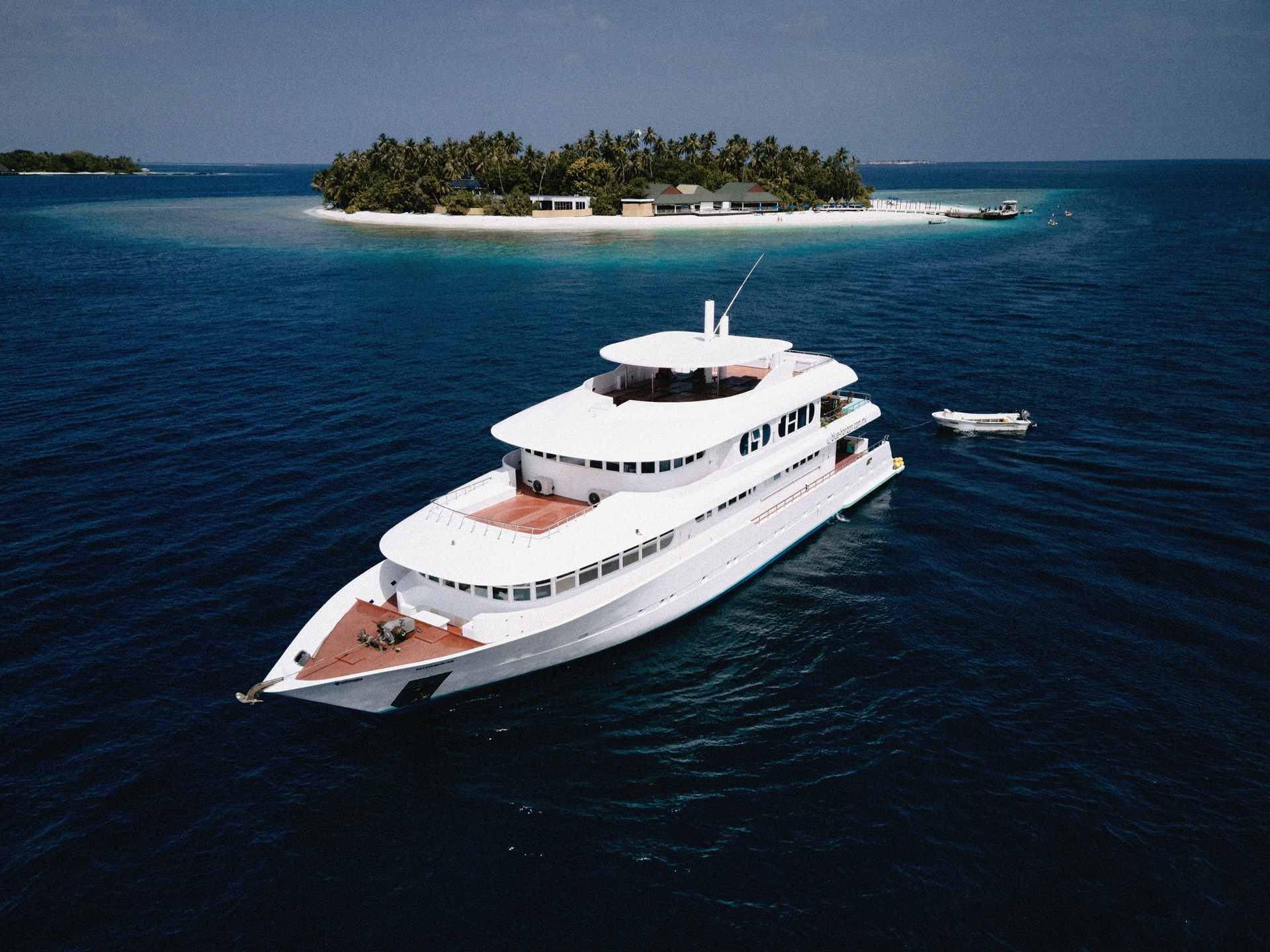
Horizon III
Maldives
25 guests
$204/day
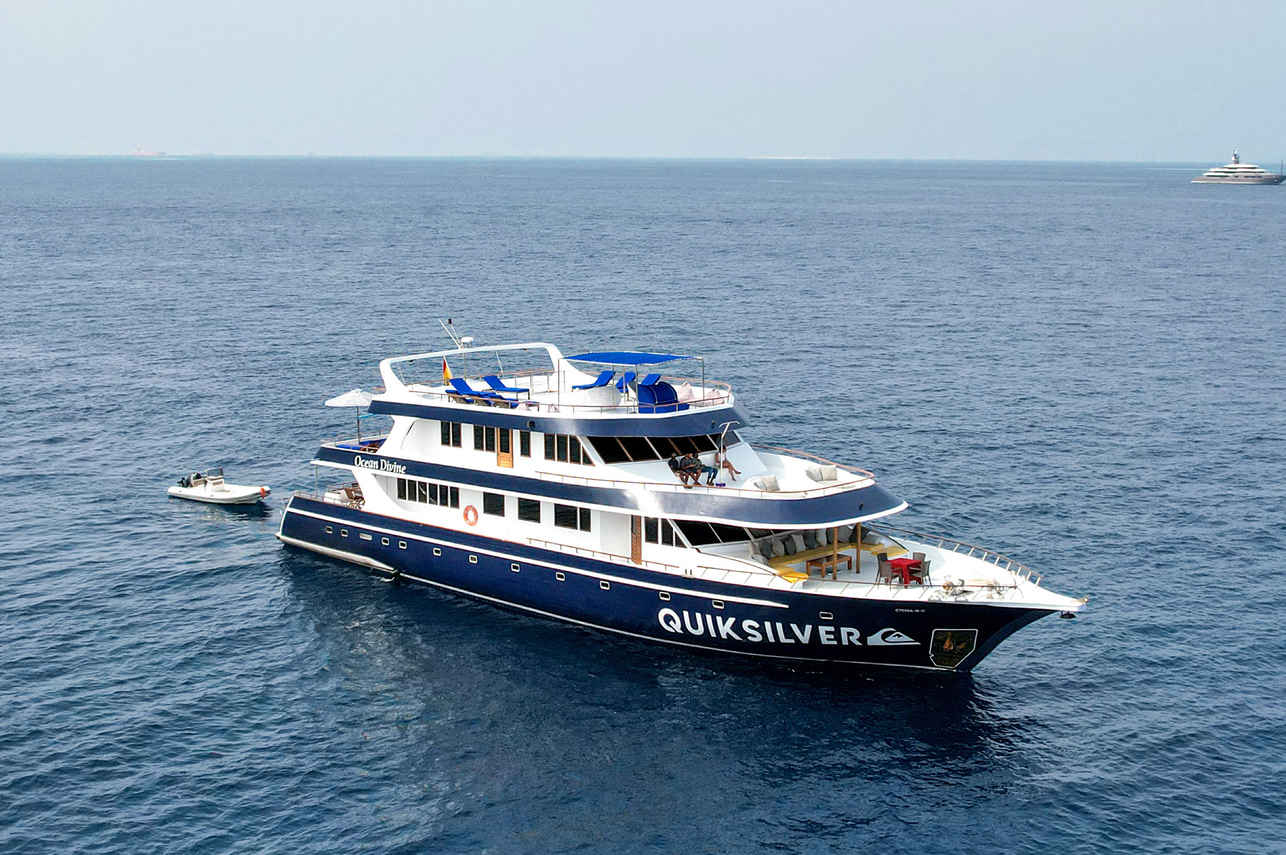
Ocean Divine
Maldives
16 guests33.528 m
$287/day
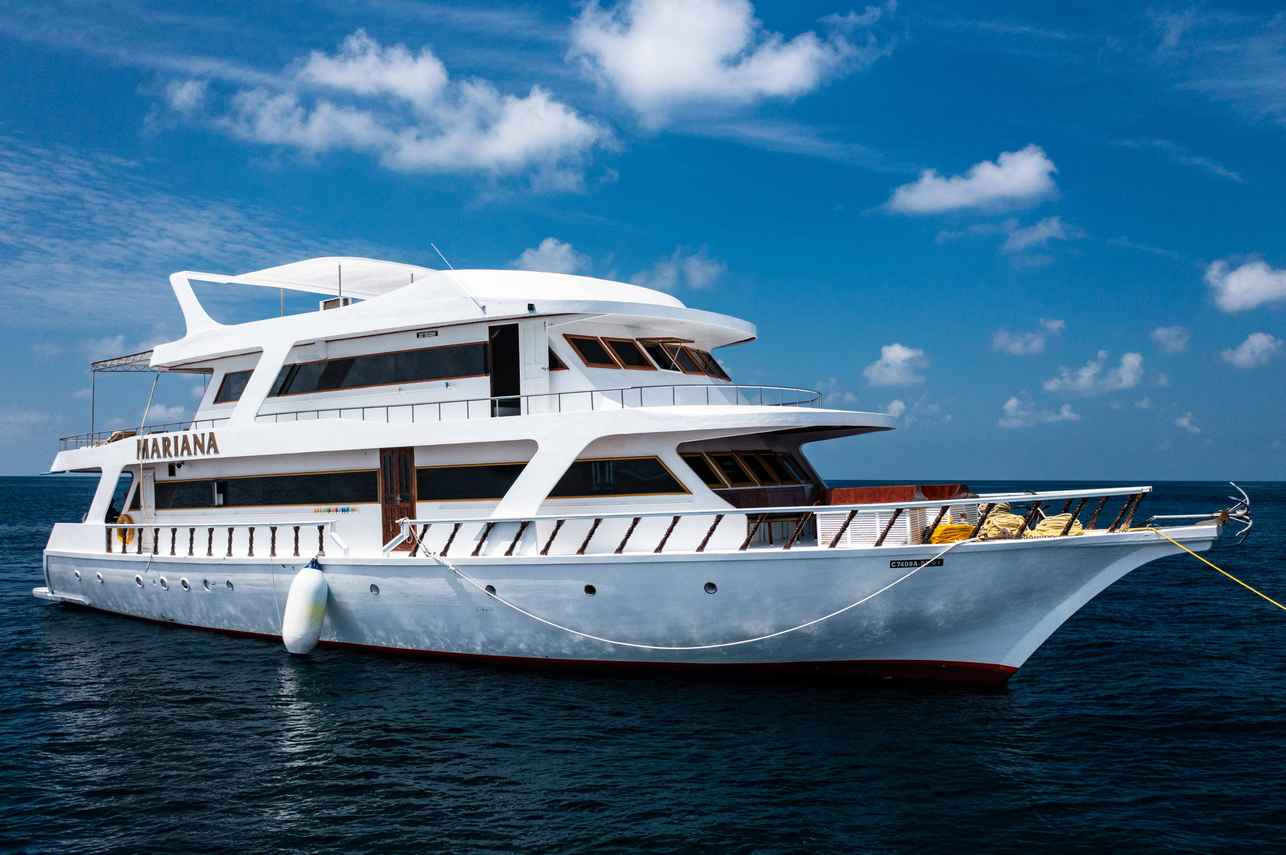
EcoPro Mariana
Maldives
16 guests30 m
$236/day
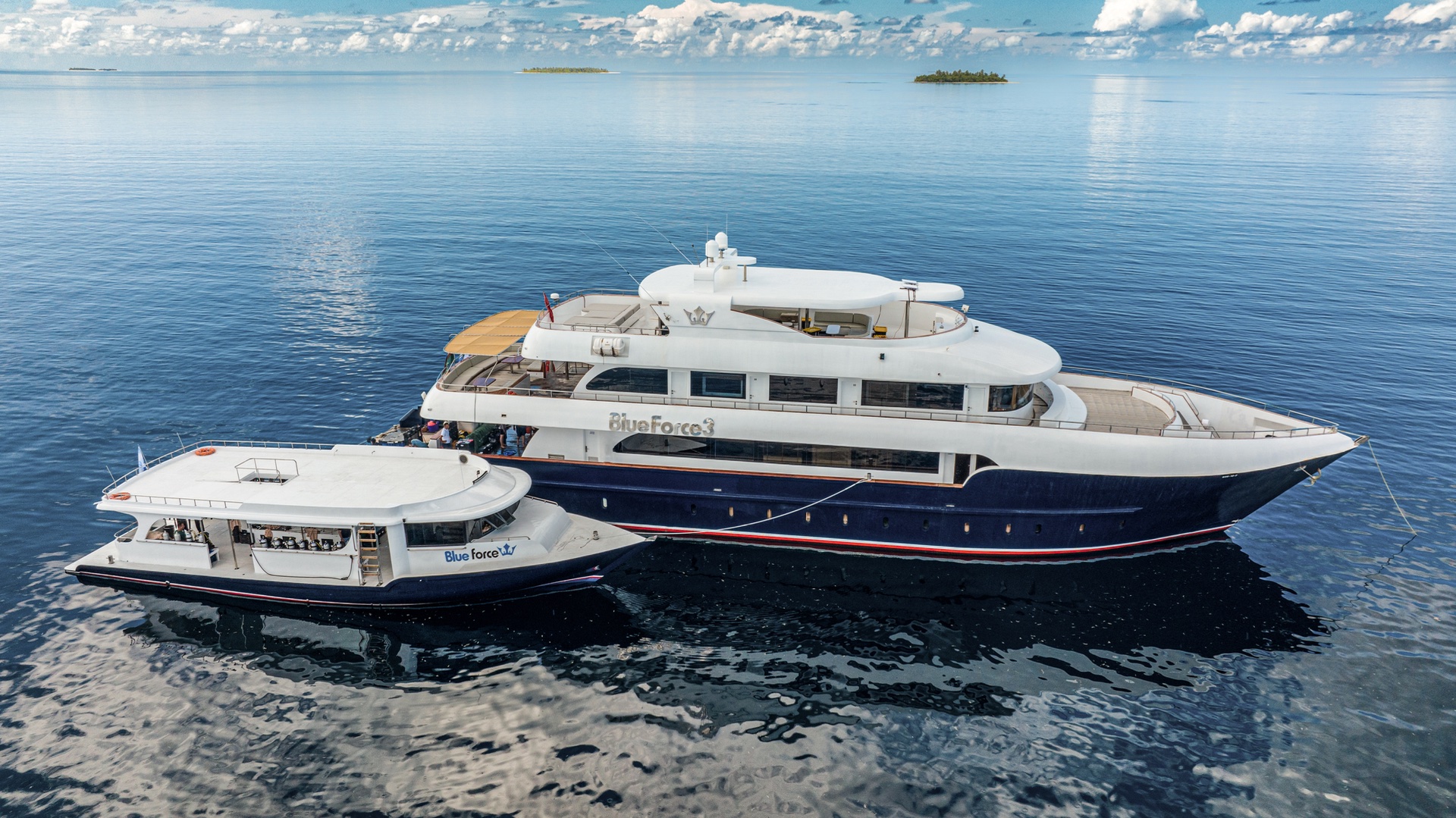
Maldives Blue Force 3
Maldives
26 guests42 m
$236/day
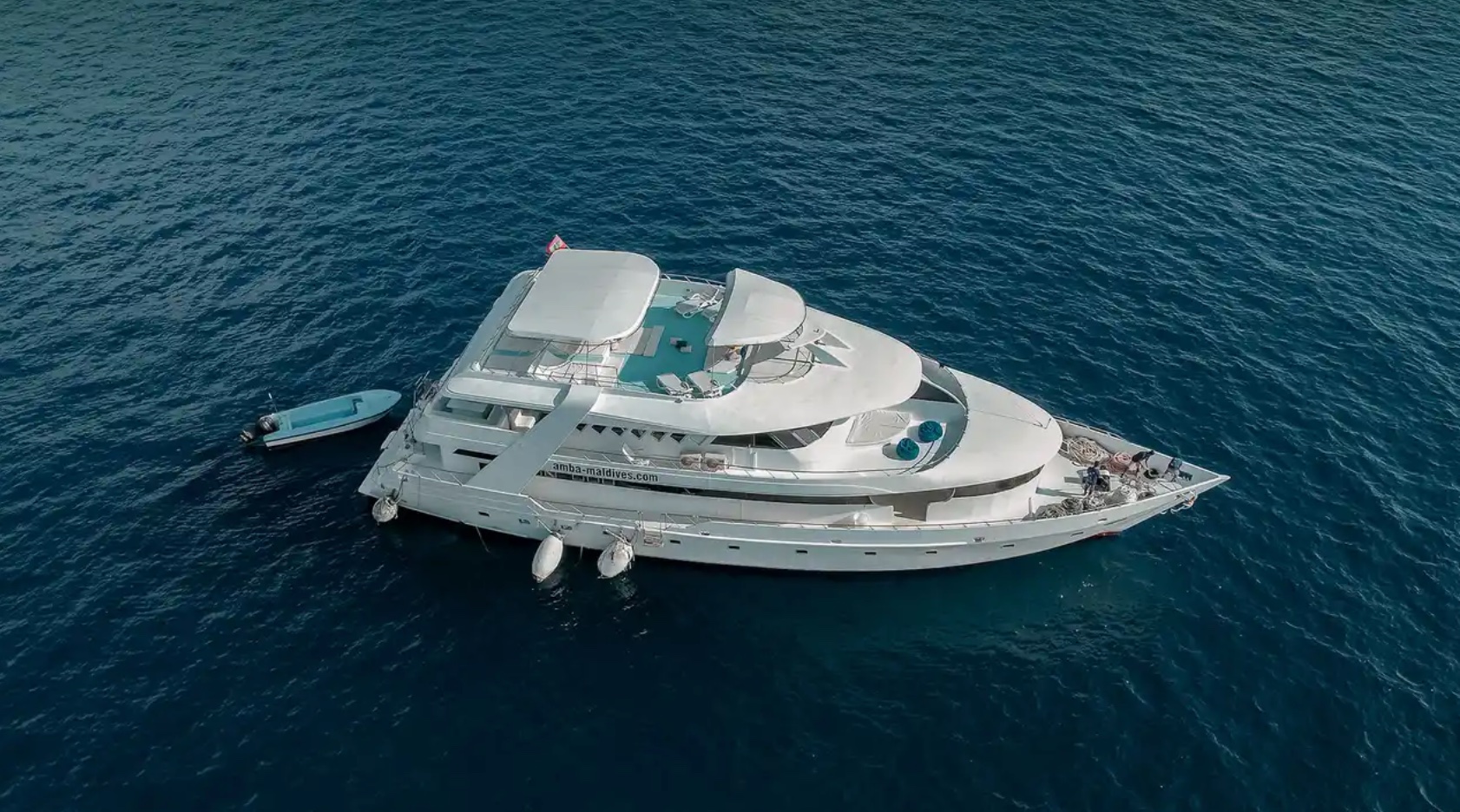
Amba
Maldives
20 guests
$178/day
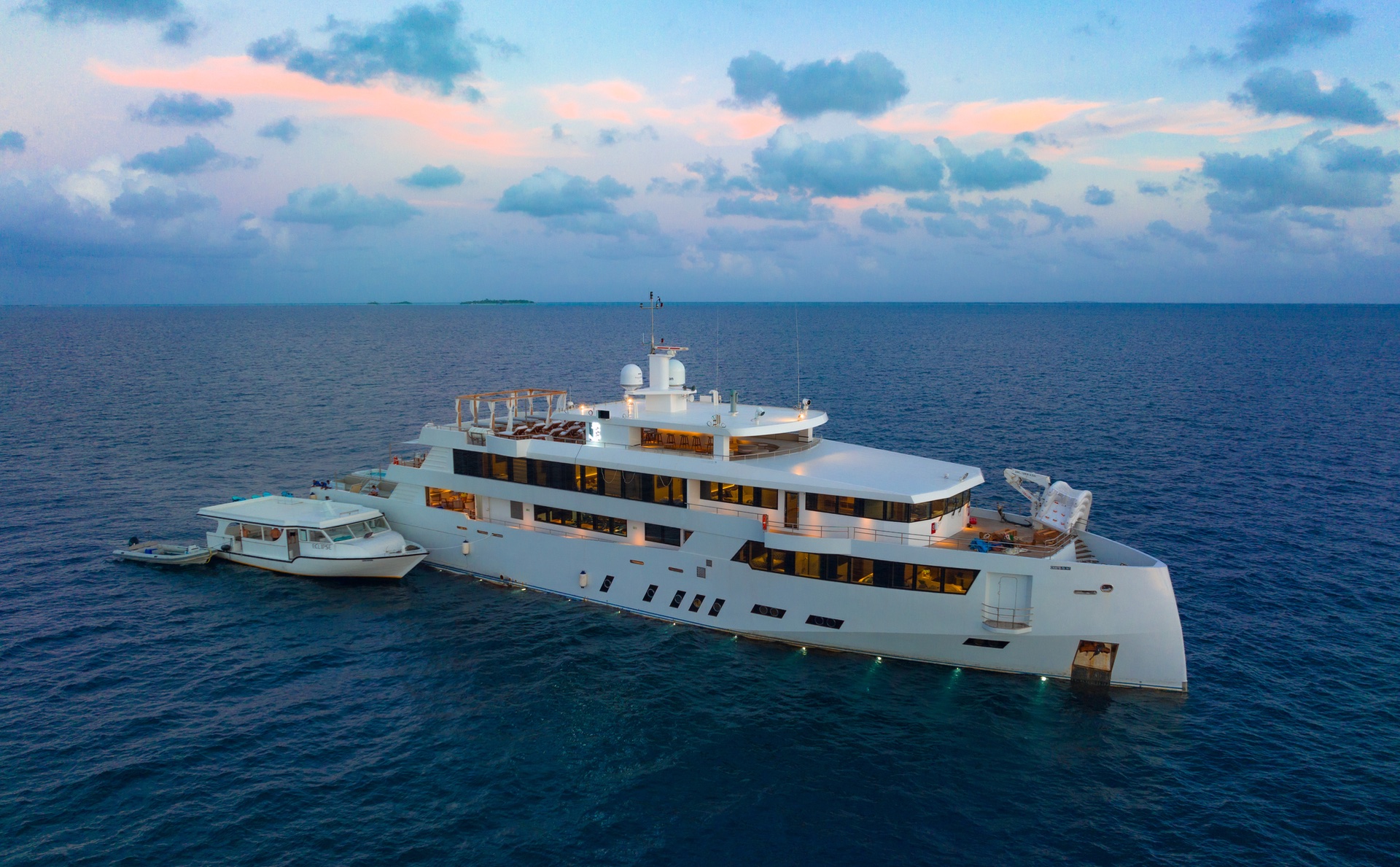
White Pearl
Maldives
26 guests
$375/day
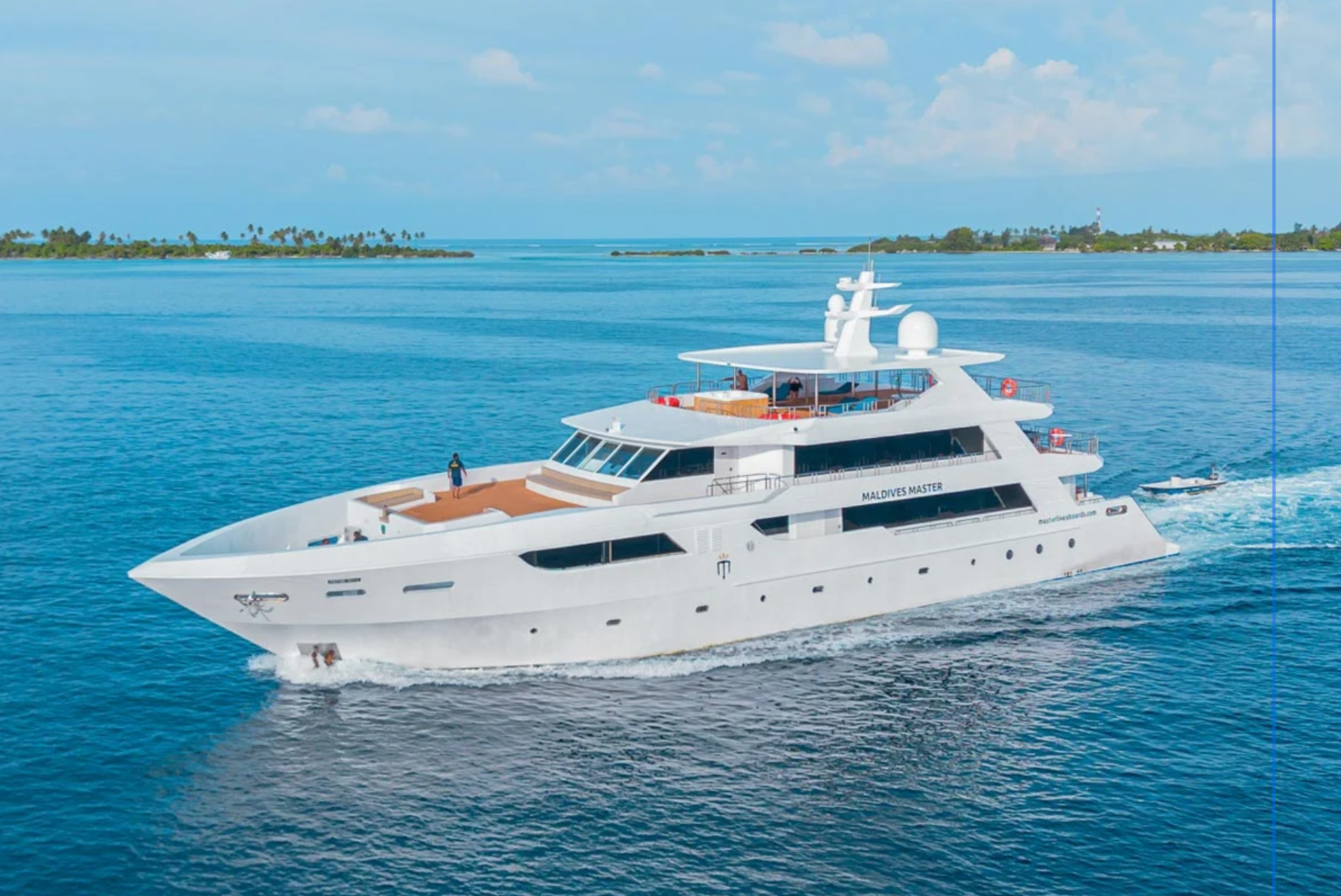
Maldives Master
Maldives
26 guests
$207/day
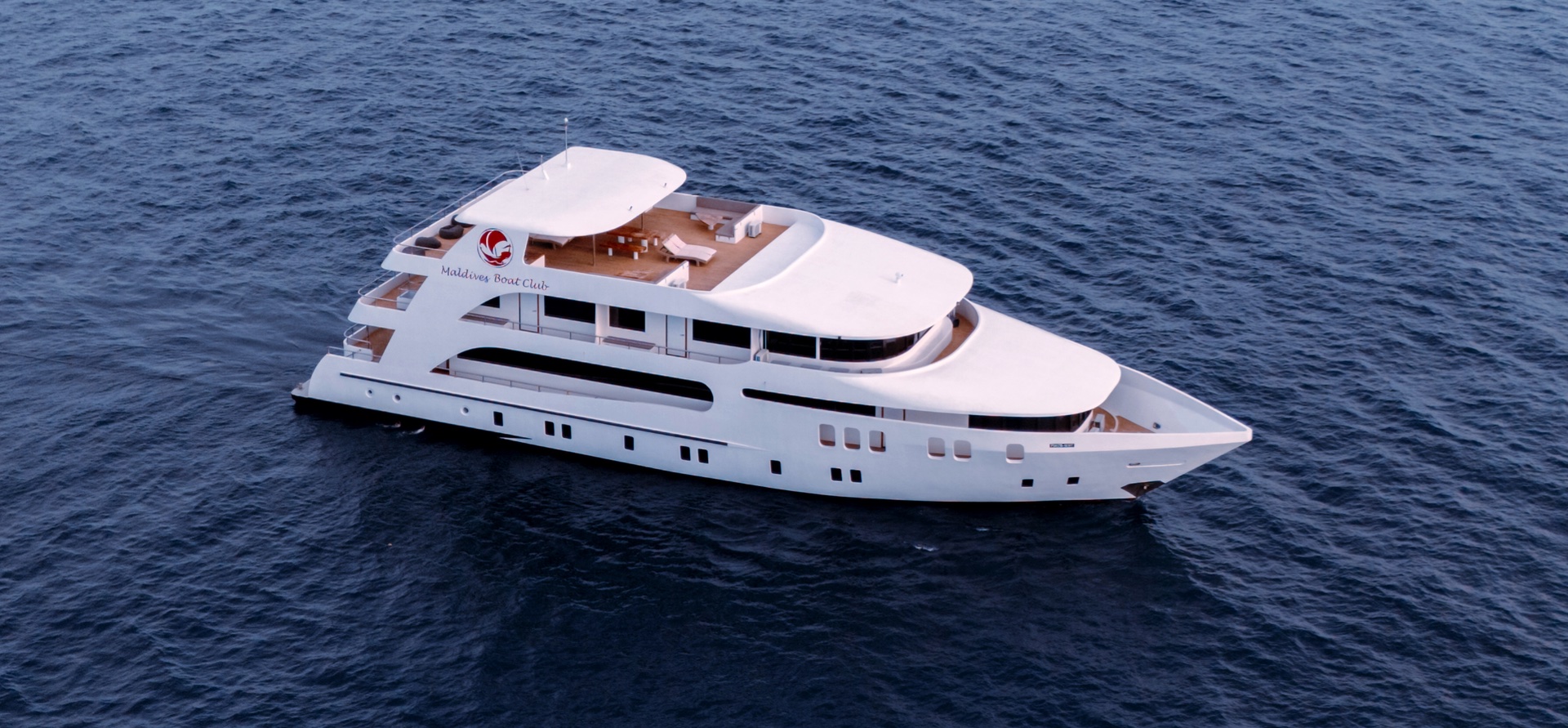
Adora
Maldives
22 guests
$297/day
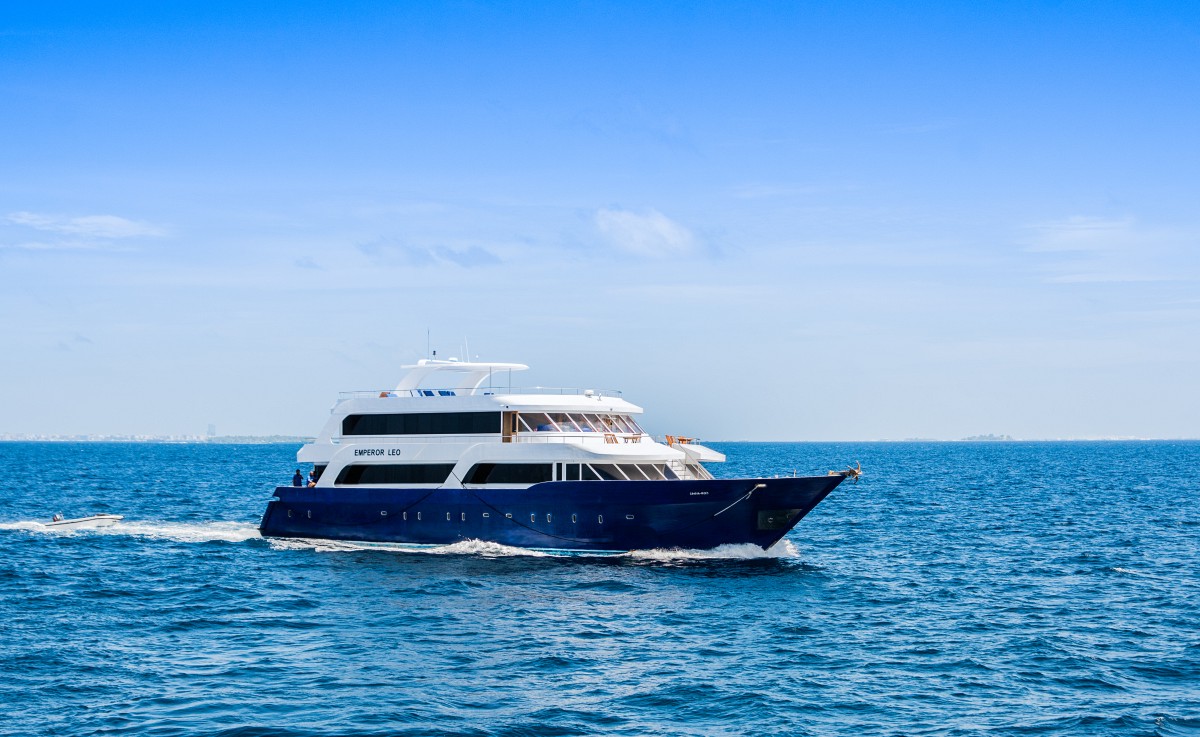
Emperor Leo
Maldives
24 guests35.1 m
$339/day
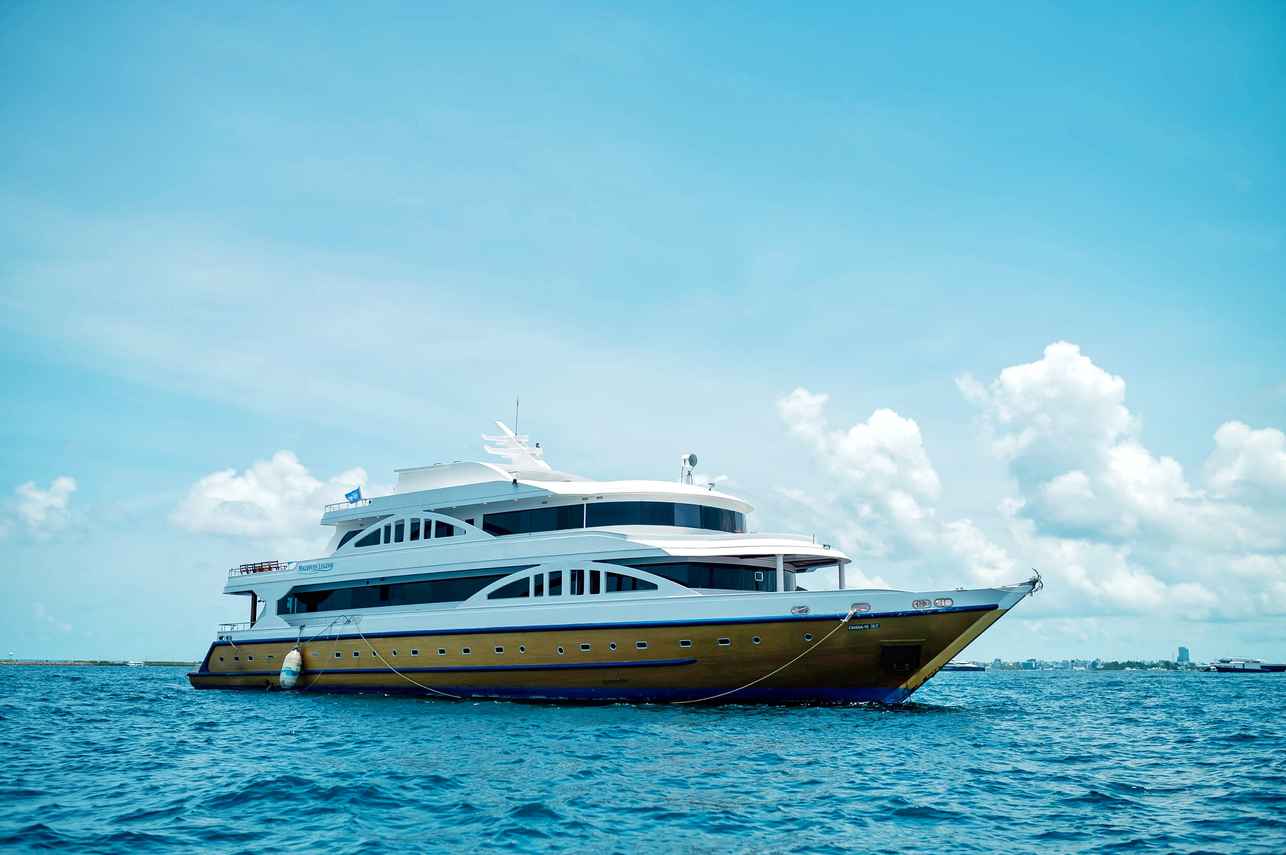
Maldives Legend Zen
Maldives
24 guests41 m
$316/day
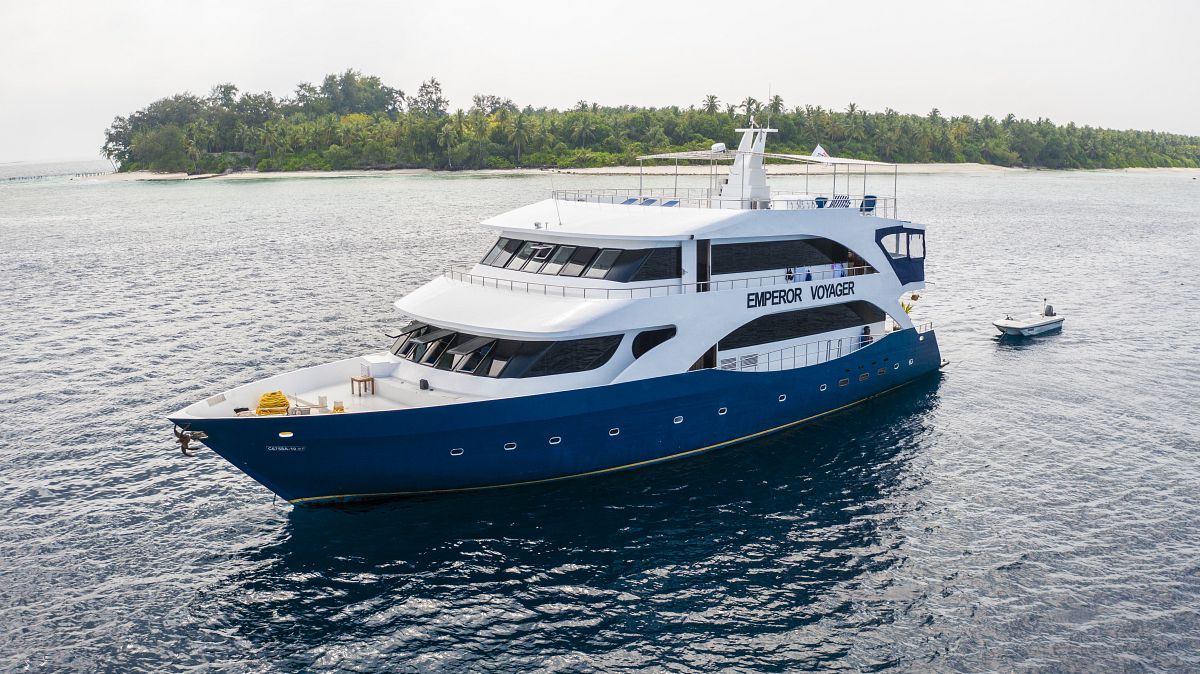
Emperor Voyager
Maldives
20 guests29.9 m
$332/day
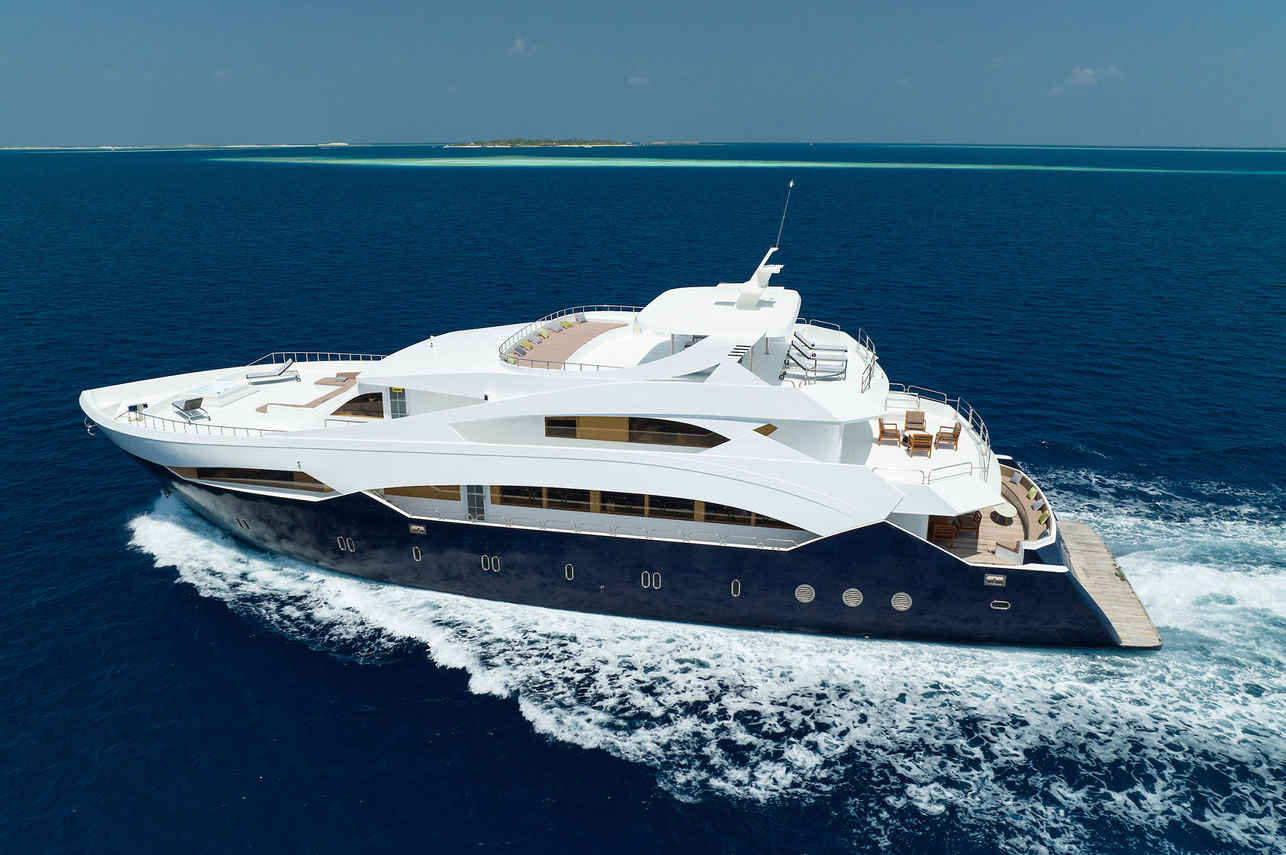
Felicity
Maldives
26 guests41 m
$229/day
Dive sites similar to Manta Point (Dhangethi)
Same character, same waters — six more sites divers love for the exact same reasons.Compare seasons, access and liveaboard routes — then pick the site that fits your trip best.
© Esri — Maxar, Earthstar, GIS
Kudimaa Wreck
Maldives
The Kudimaa Wreck is a compelling dive site in the Maldives, offering a fascinating artificial reef environment.
- Suitable for
- Advanced
- Current
- Moderate
- Access
- Liveaboard only
- Depth
- ≤ 30 m
- Theme
- Wreck / Reef
© Esri — Maxar, Earthstar, GIS
Fushi Kandu (Lhaviyani)
Maldives
Fushi Kandu, located in the Lhaviyani Atoll, is an exciting channel dive site in the Maldives, offering some of the most dynamic drift diving experiences in the Indian Ocean.
- Suitable for
- Advanced
- Current
- Strong
- Access
- Liveaboard or dayboat
- Depth
- 15–35 m
- Theme
- Channel / Drift
© Esri — Maxar, Earthstar, GIS
Gan Corner (Addu Atoll)
Maldives
Gan Corner, locally known as Gan Kandu, is a prominent channel dive site nestled in the southwestern part of Addu (Seenu) Atoll, situated conveniently near the islands of Gan and Feydhoo.
- Suitable for
- Advanced
- Current
- Strong
- Access
- Liveaboard or dayboat
- Depth
- 5–40 m
- Theme
- Channel / Drift
© Esri — Maxar, Earthstar, GIS
Hithadhoo Corner (Addu)
Maldives
Hithadhoo Corner, situated in Addu Atoll, offers a unique opportunity for exceptional diving and snorkeling.
- Suitable for
- Advanced
- Current
- Moderate
- Access
- Liveaboard or dayboat
- Depth
- 3–30 m
- Theme
- Channel / Drift
© Esri — Maxar, Earthstar, GIS
Guraidhoo Corner
Maldives
Guraidhoo Corner, situated at the southern tip of Guraidhoo Island, stands as a marine protected area often celebrated for its exceptional fish diversity and photographic opportunities within the Maldives.
- Suitable for
- Advanced
- Current
- Ripping
- Access
- Liveaboard or dayboat
- Depth
- 5–35 m
- Theme
- Channel / Drift
© Esri — Maxar, Earthstar, GIS
Filitheyo Reef (Faafu)
Maldives
Filitheyo Reef, situated in the Faafu Atoll, offers an unspoiled underwater paradise, unique as the only tourist island in the atoll.
- Suitable for
- Beginner
- Current
- Strong
- Access
- Liveaboard or dayboat
- Depth
- 1–30 m
- Theme
- Reef / Wall