About Aride Island Reef
Aride Island Reef is a prominent dive site within the inner Seychelles islands, distinguished by its unique blend of granite boulder formations and flourishing coral ecosystems. Located on the Mascarene Plateau, this site inherits the dramatic underwater topography characteristic of the inner islands, providing a captivating backdrop for marine life. The reef boasts an impressive array of hard and soft corals, gorgonians, and feather stars, creating a rich habitat for countless species. Depths at Aride Island Reef range from shallow, accessible areas to more profound drop-offs, catering to various diving skill levels. The interaction between the granite substrate and the coral growth results in a visually stunning environment. Marine life here is abundant year-round, with frequent sightings of reef fish, octopi, lionfish, and nudibranchs closer to the reef. Further out, divers often encounter green and hawksbill turtles, various shark species, and eagle rays. The warmer, calmer waters during certain seasons enhance visibility and make for particularly enjoyable dives. Diving at Aride Island Reef typically involves exploring these granite formations, often with a focus on drift diving due to occasional currents. The site's diverse ecosystem and unique geological features make it a highlight for many Seychelles liveaboard itineraries, offering both exhilarating drifts and opportunities for macro photography.
Highlights
Granite boulder formationsRich coral ecosystemsAbundant reef fishGreen and hawksbill turtlesOccasional pelagic sightingsDynamic drift divingUnique underwater topography
Season calendar
Best months to dive here
Jan
Feb
Mar
Apr
May
Jun
Jul
Aug
Sep
Oct
Nov
Dec
Excellent
Good
Mar – May & Sep – Nov (Transition)
Calmest seas, warmest water, best visibility up to 25m. Whale shark season Oct-Dec. Ideal for all levels.
Jun – Aug & Dec – Feb (Monsoon Seasons)
Dec–Feb (NW Monsoon): warmer but wetter, reduced visibility, interesting macro life. Jun–Aug (SE Monsoon): cooler water, stronger currents, pelagics and manta rays. Both seasons still diveable.
Dive site facts: Aride Island Reef
- Depth
- 10–30+ m
- Typical dive
- 15–25 m, 45–60 min
- Current
- Mild to strong
- Visibility
- 15–30+ m
- Water temperature
- 28–30°C
- Entry
- Boat / Liveaboard
- Level
- Open Water Diver, Advanced for deeper sections
- Dive type
- Reef, drift, coral gardens
- Night dive
- Possible
- Region / port
- Inner Islands, Seychelles
- Coordinates
- -4.21, 55.65
Conditions & Currents
Currents at Aride Island Reef can vary, ranging from mild to occasionally strong, particularly around deeper sections and along granite outcrops. Divers should be prepared for potential drift diving, where the current propels them along the reef. A well-executed entry and clear communication with the dive guide are essential, especially when currents are more pronounced. Visibility is generally excellent, often exceeding 20 meters, though it can decrease after heavy rainfall during the northwest monsoon due to runoff. Water temperatures remain consistently warm, typically between 28-30°C, meaning thermoclines are rarely a concern at typical dive depths. Surface conditions can be choppy during the southeast trade winds, but sheltered areas often provide calmer diving opportunities.
Marine life & sighting chances

Oriental sweetlips
Year-round · common
Grouper
Year-round · common
Green turtle
Year-round · common
Hawksbill turtle
Year-round · common
Whitetip reef shark
Year-round · occasional
Eagle ray
Year-round · occasional
Moray eel
Year-round · common
Stingray
Year-round · occasional
Schooling batfish
Year-round · common
Napoleon wrasse
Year-round · occasional
Whale shark
September–November · rare
Nudibranch
Year-round · commonDive profile & how the dive runs
Dives at Aride Island Reef typically begin with a boat entry, often as a negative entry if currents are present, to quickly descend to the granite formations. The dive route usually follows the contours of the reef, utilizing the current for a relaxed drift. Divers will explore depths ranging from 10 to 25 meters, winding through coral gardens and around the dramatic granite boulders. Key areas include crevices and overhangs where smaller marine life congregates, and open water sections for spotting pelagics. The turn point is determined by air consumption and bottom time, with an ascent planned to allow for a safety stop along shallower reef sections or in the blue. Divers should stay in visual contact with their buddy and the dive guide, and be prepared for surface pickups by the tender.
Underwater photography
Aride Island Reef offers excellent photographic opportunities, particularly for wide-angle shots that capture the expansive granite formations adorned with colorful corals and schooling fish. A dome port is highly recommended to accentuate the dramatic underwater landscapes. For macro enthusiasts, patience will be rewarded with nudibranchs, lionfish, and octopi tucked within the reef's crevices; a macro lens and snooted strobe can highlight these smaller subjects against the intricate coral backdrop. Buoyancy control is paramount to avoid disturbing delicate corals and to maintain stable positions in variable currents. Be mindful of your fin kicks, especially when focusing on macro subjects, to prevent stirring up sediment. Respect marine life by observing from a distance and avoid touching any part of the reef.
Combine with nearby dive sites
- Shark Bank (Mahé)
Known for currents attracting pelagic species like eagle rays and sharks.
- Brissare Rocks (Mahé)
Dramatic granite massif with prolific soft corals and reef fish.
- L'Ilot
Offers a diverse reef ecosystem with unique rock formations.
- Curieuse Marine Park
Features diverse coral reefs and abundant turtle sightings.
Getting there & logistics
Access to Aride Island Reef typically involves a liveaboard trip departing from Victoria, Mahé. Seychelles International Airport (SEZ) on Mahé is the main international gateway, with direct flights from major hubs like Dubai, Addis Ababa, and Frankfurt. Liveaboard itineraries vary but often combine Aride Island Reef with other inner island sites or serve as a starting point for exploring more remote atolls. Inter-island transfers from Mahé to nearby islands like Praslin are possible via short flights or high-speed ferries, allowing for land-based extensions. Trip lengths for liveaboards range from 7 to 10 nights, offering comprehensive exploration of multiple dive sites. It's advisable to factor in potential marine park fees depending on the specific itinerary.
Safety & environment
Diving at Aride Island Reef requires adherence to standard dive safety protocols, particularly due to potential currents. Divers should carry a surface marker buoy (SMB) and know how to deploy it, as drift diving is common. The nearest recompression chamber is located in Victoria, Mahé, underscoring the importance of conservative dive planning and proper emergency procedures. Evacuation in a medical emergency typically involves boat transfer to the nearest island with medical facilities, followed by air transport to Mahé if necessary. Comprehensive dive insurance, covering medical emergencies and evacuation, is highly recommended. Always dive within your training and comfort limits, listen carefully to dive briefings, and respect the local marine environment by avoiding contact with corals and marine life.
Who it suits, and who it doesn't
Suited for
- Experienced drift divers
- Underwater photographers
- Macro and wide-angle enthusiasts
- Divers seeking vibrant coral reefs
- Those interested in unique granite formations
- Divers comfortable with occasional currents
Less suited for
- Absolute beginner divers (unsupervised)
- Divers uncomfortable with currents
- Those prone to seasickness in choppy conditions
- Divers with limited buoyancy control
- Individuals who prefer only static dives
FAQ
Aride Island Reef FAQ
What kind of marine life can I expect at Aride Island Reef?
Aride Island Reef is teeming with diverse marine life. You can frequently spot oriental sweetlips, groupers, and a variety of reef fish. Green and hawksbill turtles are common, and occasional sightings include whitetip reef sharks, eagle rays, and schooling batfish. During certain seasons, there's even a rare chance to encounter whale sharks.
Are there strong currents at Aride Island Reef?
Currents at Aride Island Reef can range from mild to occasionally strong, making it an excellent site for drift diving. Dive guides will assess conditions, and divers should be prepared for potential drift. Good buoyancy control and adherence to the dive briefing are crucial for a safe and enjoyable experience.
What are the best months for diving Aride Island Reef?
The ideal time to dive Aride Island Reef is during the transitional months of April to May and October to November. During these periods, the seas are calmer, water temperatures are very comfortable, and visibility is typically at its best, often exceeding 30 meters, providing optimal conditions for exploration.
Is Aride Island Reef suitable for beginner divers?
While parts of Aride Island Reef are accessible to Open Water certified divers, some sections with deeper profiles or stronger currents may be more suited for Advanced Open Water divers. Divers should be comfortable with basic drift diving techniques and have good buoyancy control. It's always best to consult with your dive operator regarding specific dive plans and your experience level.
What is the typical water temperature and visibility at this site?
Water temperatures at Aride Island Reef are consistently warm, averaging between 28-30°C year-round, so a 3mm wetsuit or shorty is usually sufficient. Visibility is generally excellent, often ranging from 15 to over 30 meters, especially during the calmer transition periods. It can be slightly reduced after heavy rainfall.
Why dive Aride Island Reef from a liveaboard?
Aride Island Reef is one of Seychelles's signature dive sites. A liveaboard sleeps you on the water and puts you in the water for three to four guided dives per day, including dawn and night dives that day-boat operators rarely offer. You skip the daily commute back to port and reach quieter, less-crowded sites in the same region on a single trip.
Below are the liveaboards that include Aride Island Reef on their Seychelles itineraries.
Liveaboards diving Aride Island Reef
These liveaboards may visit Aride Island Reef on selected itineraries, the exact dive sites depend on departure, weather and conditions.
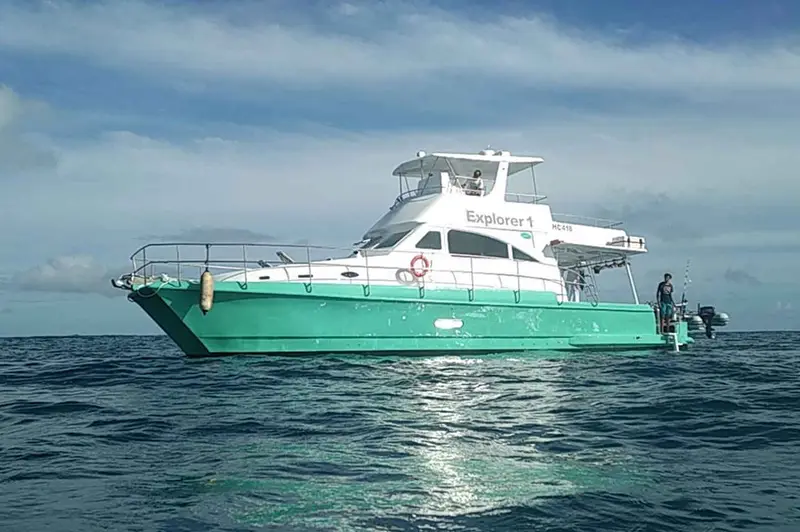
Explorer 1
Seychelles
6 guests17 m
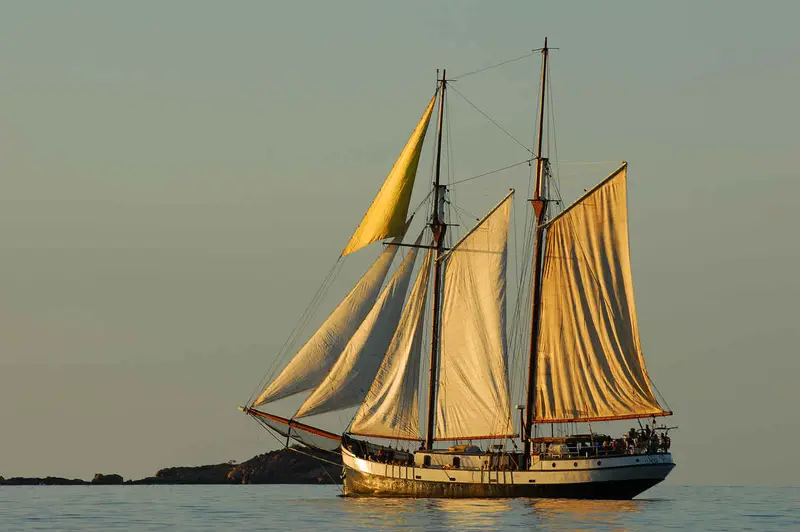
Sea Pearl
Seychelles
16 guests36 m
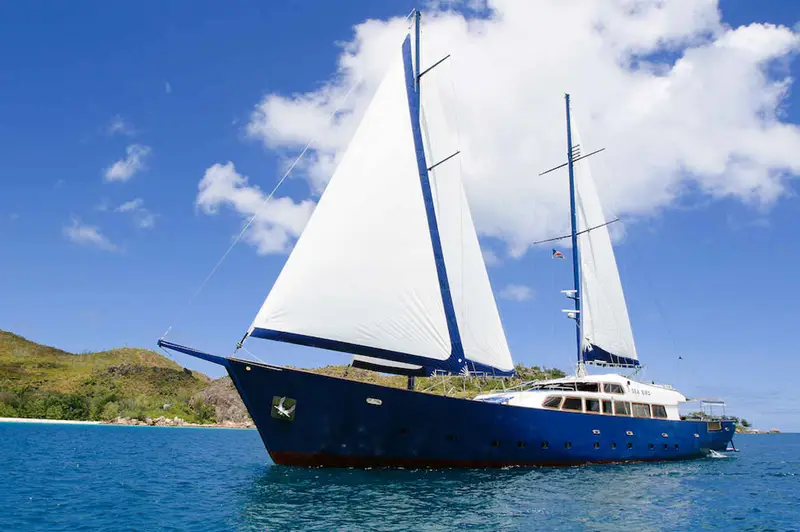
Sea Bird and Sea Star
Seychelles
18 guests42 m
Dive sites similar to Aride Island Reef
Same character, same waters, six more sites divers love for the exact same reasons.Compare seasons, access and liveaboard routes, then pick the site that fits your trip best.
© EsriMaxar, Earthstar, GIS
7th Heaven
Maldives
7th Heaven is a vibrant channel reef located in the South Ari Atoll of the Maldives.
- Suitable for
- Intermediate
- Current
- Strong
- Access
- Liveaboard only
- Depth
- 10–30 m
- Theme
- Reef / Drift
The dive site known as "Abyss" is not specifically mentioned or described in the provided sources.
- Suitable for
- Intermediate
- Current
- Moderate
- Access
- Liveaboard or dayboat
- Depth
- 18–50 m
- Theme
- Reef
© EsriMaxar, Earthstar, GIS
Addu Kandu
Maldives
Addu Kandu, also known as Addu Channel, is a significant natural waterway situated within the Addu Atoll, which is the southernmost atoll in the Maldives.
- Suitable for
- Advanced
- Current
- Strong
- Access
- Liveaboard only
- Depth
- 10–35 m
- Theme
- Drift
© EsriMaxar, Earthstar, GIS
Aldabra Atoll
Seychelles
Aldabra Atoll, a remote UNESCO World Heritage Site in the Seychelles, offers an unparalleled diving experience that transports you back to a pristine, pre-industrial marine ecosystem.
- Suitable for
- Advanced
- Current
- Strong
- Access
- Liveaboard or dayboat
- Depth
- 5–40 m
- Theme
- Cave & cavern / Drift
© EsriMaxar, Earthstar, GIS
Aldebaran Wreck
Seychelles
The Aldebaran Wreck, a 28-meter (92-foot) fishing vessel, was intentionally sunk on July 11, 2008, by the Seychelles Tourism Board to create an artificial reef.
- Suitable for
- Advanced
- Current
- Moderate
- Access
- Liveaboard or dayboat
- Depth
- 28–40 m
- Theme
- Wreck
© EsriMaxar, Earthstar, GIS
Alimatha Jetty
Maldives
Alimatha Jetty, situated in the Vaavu Atoll beside the Alimatha Aquatic Resort's working pier, is celebrated as a premier night dive destination in the Maldives.
- Suitable for
- Beginner
- Current
- Moderate
- Access
- Liveaboard or dayboat
- Depth
- 2–12 m
- Theme
- Reef