About Brissare Rocks (Mahé)
Brissare Rocks, located just north of Mahé, is a renowned dive site in Seychelles, widely considered one of Mahé's top five. These two rocky inlets are easily accessible; it's only a 15-minute boat ride from Beau Vallon, a popular beach on Mahé. The site is frequently paired with Dragon's Teeth for a two-tank dive due to their close proximity. Underwater, Brissare Rocks features the distinctive granite rock formations found throughout the Inner Islands, creating caves, overhangs, and swim-throughs that provide diverse habitats. This unique topography contributes to the site's rich biodiversity. Visibility at Brissare Rocks typically ranges from 15 to 30 meters, and depths can reach around 20 meters. Divers at Brissare Rocks encounter an abundance of marine life. Massive schools of Bengal snapper often surround divers, while moray eels peek from granite crevices and batfish glide by. Trumpetfish, wrasses, jacks, banded butterflyfish, and various tangs are common sights. The site is particularly known for attracting larger pelagic species, including sharks, rays (such as whitetip reef sharks and eagle rays), and barracudas, thanks to the currents that sweep through the area. Other frequently spotted creatures include groupers, triggerfish, lobsters, angelfish, glassfish, and several species of starfish and corals. While Brissare Rocks is celebrated for its vibrant marine ecosystem, it can experience strong currents, especially attracting the pelagic species it's known for. Divers should be prepared for varying current conditions, which can make for an exciting drift dive, though good buoyancy control is advisable. Despite the potential for strong currents, the rich corals, sponges, and teeming sealife make it an incredibly rewarding dive experience suitable for certified divers comfortable with current.
Highlights
Granite bouldersSoft coralsTurtlesMoray eels
Season calendar
Best months to dive here
Jan
Feb
Mar
Apr
May
Jun
Jul
Aug
Sep
Oct
Nov
Dec
Excellent
Good
Dive site facts: Brissare Rocks (Mahé)
- Depth
- 8–40 m
- Typical dive
- 15–25 m, 50–60 min
- Current
- Strong and unpredictable
- Visibility
- 15–30 m
- Water temperature
- 25–29 °C
- Entry
- Live drop / tender
- Level
- Open Water Diver or up, current experience recommended
- Dive type
- Granite pinnacle, pelagic, drift
- Region / port
- Mahé, Inner Islands
- Coordinates
- -4.6, 55.3833
Conditions & Currents
Brissare Rocks is known for its potentially strong and unpredictable currents, which are a primary factor in attracting the large pelagic species that frequent the site. These currents can change direction rapidly, necessitating excellent buoyancy control and awareness from divers. Entry is typically a live drop to manage the conditions effectively, with the dive often evolving into a drift. Divers should be prepared for varying levels of surge, particularly around the rocky inlets. Visibility is generally good, ranging from 15 to 30 meters, though strong currents can occasionally stir up particulate matter. There are no notable thermoclines within typical recreational dive limits. This dynamic environment rewards experienced divers with thrilling encounters but requires careful dive planning and adherence to safety protocols.
Marine life & sighting chances
Grey reef shark
commonWhale shark
October–November · occasionalNurse shark
occasionalStingray
occasionalEagle ray
occasionalBarracuda
commonMoray eel
commonHawksbill turtle
occasionalParrotfish
commonAngelfish
commonButterflyfish
commonSnapper
commonDive profile & how the dive runs
Dives at Brissare Rocks typically begin with a live drop from the boat onto the main granite formations, often around 10-15 meters, especially if currents are strong. From here, divers can explore the intricate network of archways, swim-throughs, and crevices that characterize the site's unique granite topography. The dive usually progresses to depths around 20-25 meters, where schools of reef fish are abundant and larger pelagics patrol. Depending on current direction and strength, the dive may be a drift along one side of the rocks, or divers may circumnavigate a specific pinnacle. The deepest areas can reach 40 meters, but the richest biodiversity is typically found in shallower zones. Turn point is determined by air consumption and no-decompression limits. The safety stop is generally conducted in the blue at 5 meters, with careful attention to surface support for pickup due to potential currents.
Underwater photography
Brissare Rocks offers excellent wide-angle photography opportunities, especially to capture its unique granite formations and the potential for large pelagic encounters. A wide-angle or fisheye lens is ideal for showcasing the dramatic underwater landscape and schooling fish. For smaller subjects like moray eels tucked into crevices, a macro lens or a mid-range zoom can be effective, though the primary focus here is on the grander scale. Natural light is often sufficient in shallower areas given good visibility, but strobes are highly recommended to bring out the vibrant colors of corals and fish, especially in deeper sections or when shooting against the sun. Maintain impeccable buoyancy to avoid disturbing sediments and to navigate the currents smoothly. When approaching larger marine life, observe from a respectful distance to minimize disturbance.
Combine with nearby dive sites
- Shark Bank (Mahé)
Another granite pinnacle known for biodiversity and pelagics.
- L'Ilot
A small granite island with arches and swim-throughs, accessible from Beau Vallon.
- Conception Island
Majestic granite boulders extending from the surface, creating natural shelters.
- Ennerdale Wreck
A nearby tanker wreck site offering a different type of underwater exploration.
Getting there & logistics
Access to Brissare Rocks typically originates from Mahé, the largest island in Seychelles, which hosts the Seychelles International Airport (SEZ). Divers usually fly into SEZ, with direct connections available from major hubs like Dubai, Doha, and European cities. Day trips to Brissare Rocks are commonly arranged from dive centers on Mahé, particularly around Beau Vallon. For more extensive diving, Brissare Rocks is a frequent inclusion in Inner Islands liveaboard itineraries departing from Victoria Harbour on Mahé. These liveaboards often combine multiple Mahé-area sites over 7- to 10-day trips, sometimes extending to nearby islands like Praslin and La Digue. No special permits beyond standard dive tour arrangements are typically required, but confirming park fees with your operator is advisable.
Safety & environment
Diving at Brissare Rocks requires careful attention to safety due to its exposed location and potential for strong, unpredictable currents. All divers should have valid dive insurance that covers emergency evacuations and recompression treatments. The nearest recompression chamber is located on Mahé. In case of an emergency, evacuation would typically involve boat transfer to Mahé, followed by land transport to medical facilities, which can be time-consuming. Divers must maintain excellent buoyancy control and stay close to their buddy and group, especially during drift dives. Always follow your dive guide's instructions regarding entry points, exit procedures, and current management. Conduct rules include avoiding contact with marine life and refraining from feeding fish, to preserve the delicate ecosystem.
Who it suits — and who it doesn't
Suited for
- Experienced divers comfortable with currents
- Underwater photographers seeking pelagic action
- Divers interested in unique granite topography
- Those seeking diverse marine life encounters
- Liveaboard guests exploring the Inner Islands
Less suited for
- Beginner divers without current experience
- Divers with limited buoyancy control
- Those prone to seasickness in exposed conditions
- Divers seeking purely sheltered, calm reef dives
- Individuals uncomfortable with deep or drift diving
FAQ
Brissare Rocks (Mahé) FAQ
What kind of marine life can I expect at Brissare Rocks?
Brissare Rocks is known for its rich pelagic life, attracting a variety of sharks including grey reef and nurse sharks, as well as several ray species like stingrays and eagle rays. You can also expect to see large schools of barracuda, impressive moray eels, and numerous colorful reef fish such as parrotfish, angelfish, and snappers. Seasonal whale shark encounters are also possible during transitional months.
Are the currents strong at Brissare Rocks?
Yes, Brissare Rocks is characterized by potentially strong and unpredictable currents due to its exposed location. These currents are a key factor in attracting the large marine life found here but require divers to have excellent buoyancy control and experience in drift diving. Your dive guide will plan the dive carefully based on prevailing conditions.
What is the best time of year to dive Brissare Rocks?
The optimal times to dive Brissare Rocks are during the calmer transitional periods of April to May and October to November. During these months, the seas are typically calmer, water temperatures are at their warmest, and visibility is at its best, offering ideal conditions for marine life viewing and comfortable diving.
Is Brissare Rocks suitable for beginner divers?
Brissare Rocks is generally recommended for open water divers with some experience, particularly those comfortable with currents. While some areas are shallower, the potential for strong currents and deeper sections makes it more challenging than sheltered, beginner-friendly sites. Novice divers might find other Mahé sites more suitable to gain confidence.
What makes the underwater topography unique at Brissare Rocks?
The underwater topography of Brissare Rocks is unique due to its ancient granite formations, which are remnants of the supercontinent Gondwana. These colossal granite boulders create dramatic arches, swim-throughs, pinnacles, and crevices. This geological feature distinguishes it from typical coral atolls found elsewhere and provides a visually stunning and biologically rich environment.
Why dive Brissare Rocks (Mahé) from a liveaboard?
Brissare Rocks (Mahé) is one of Seychelles's signature dive sites. A liveaboard sleeps you on the water and puts you in the water for three to four guided dives per day, including dawn and night dives that day-boat operators rarely offer. You skip the daily commute back to port and reach quieter, less-crowded sites in the same region on a single trip.
Below are the liveaboards that include Brissare Rocks (Mahé) on their Seychelles itineraries.
Liveaboards diving Brissare Rocks (Mahé)
These liveaboards may visit Brissare Rocks (Mahé) on selected itineraries — the exact dive sites depend on departure, weather and conditions.
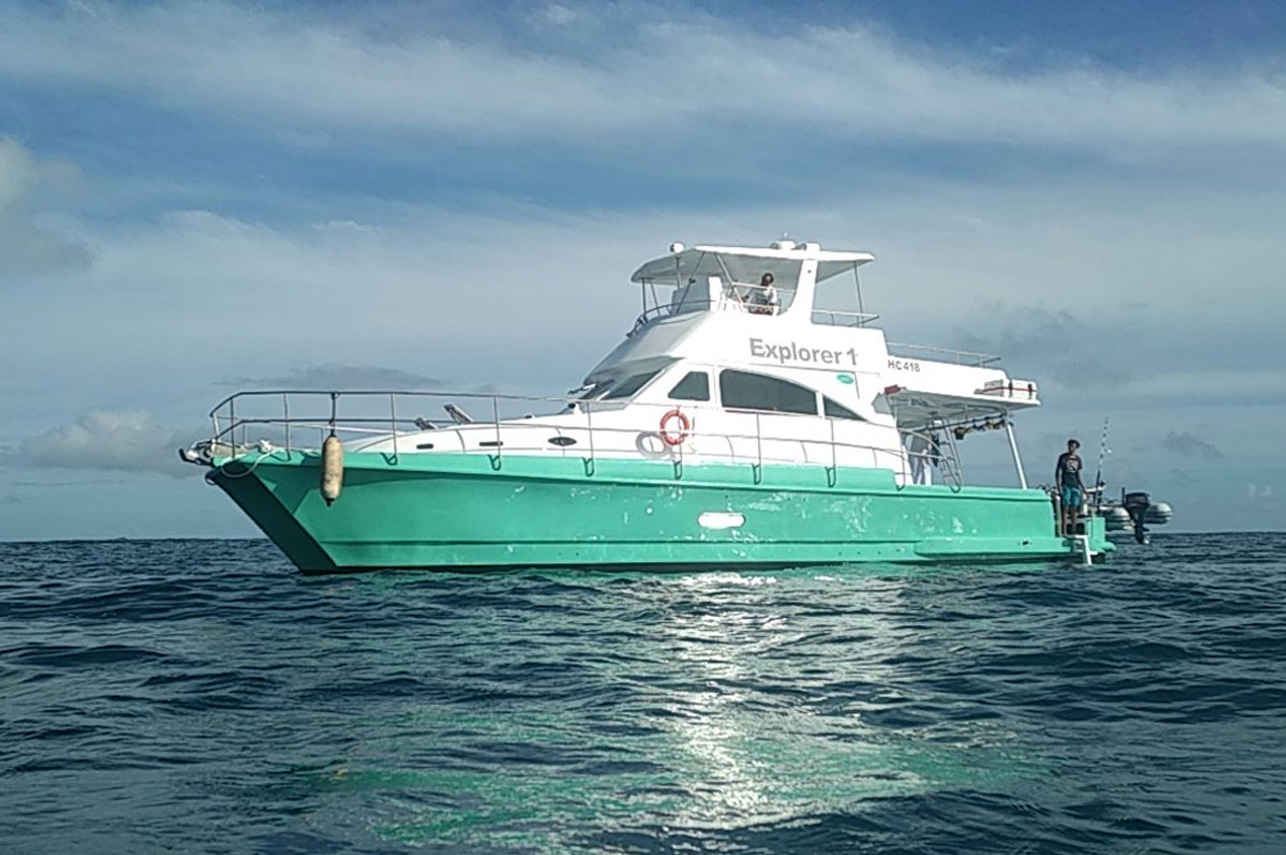
Explorer 1
Seychelles
6 guests17 m
$522/day
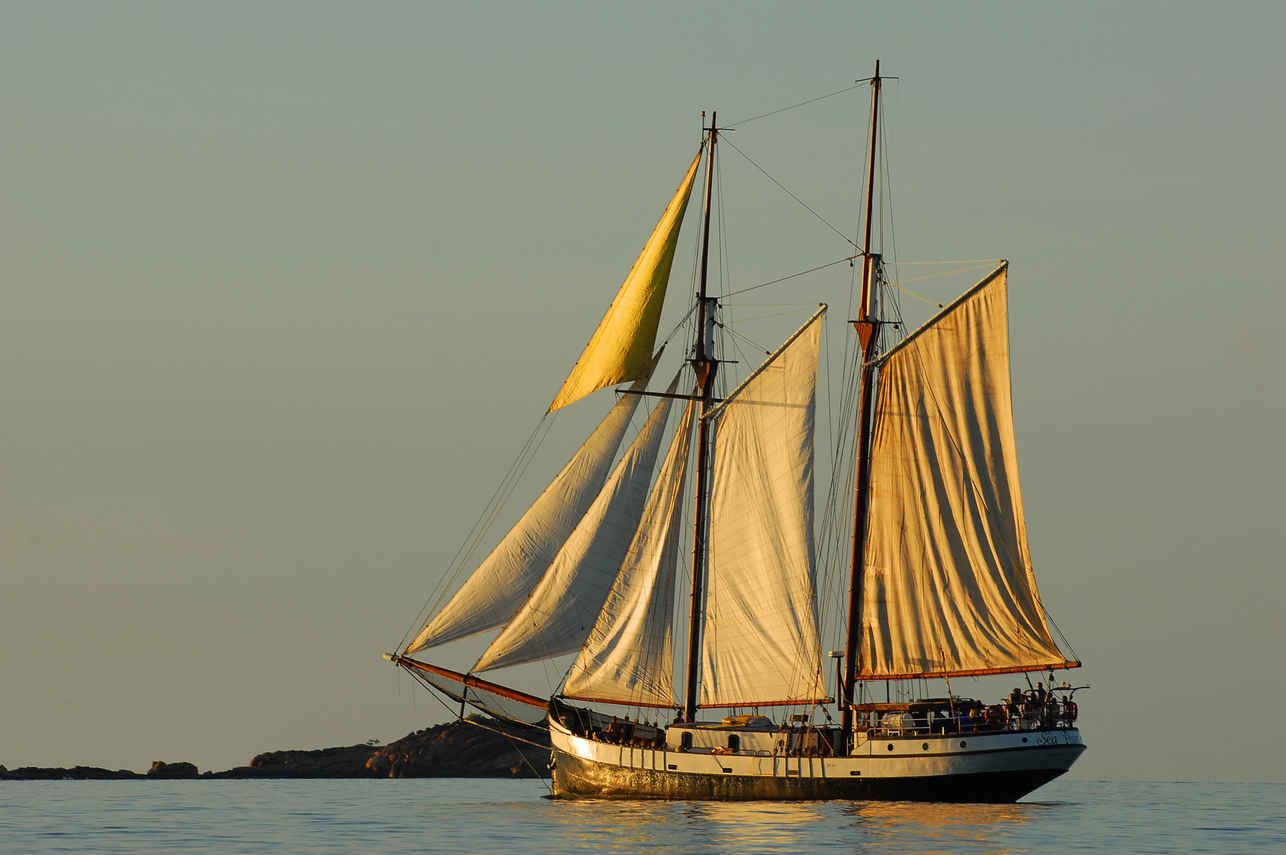
Sea Pearl
Seychelles
16 guests36 m
$212/day
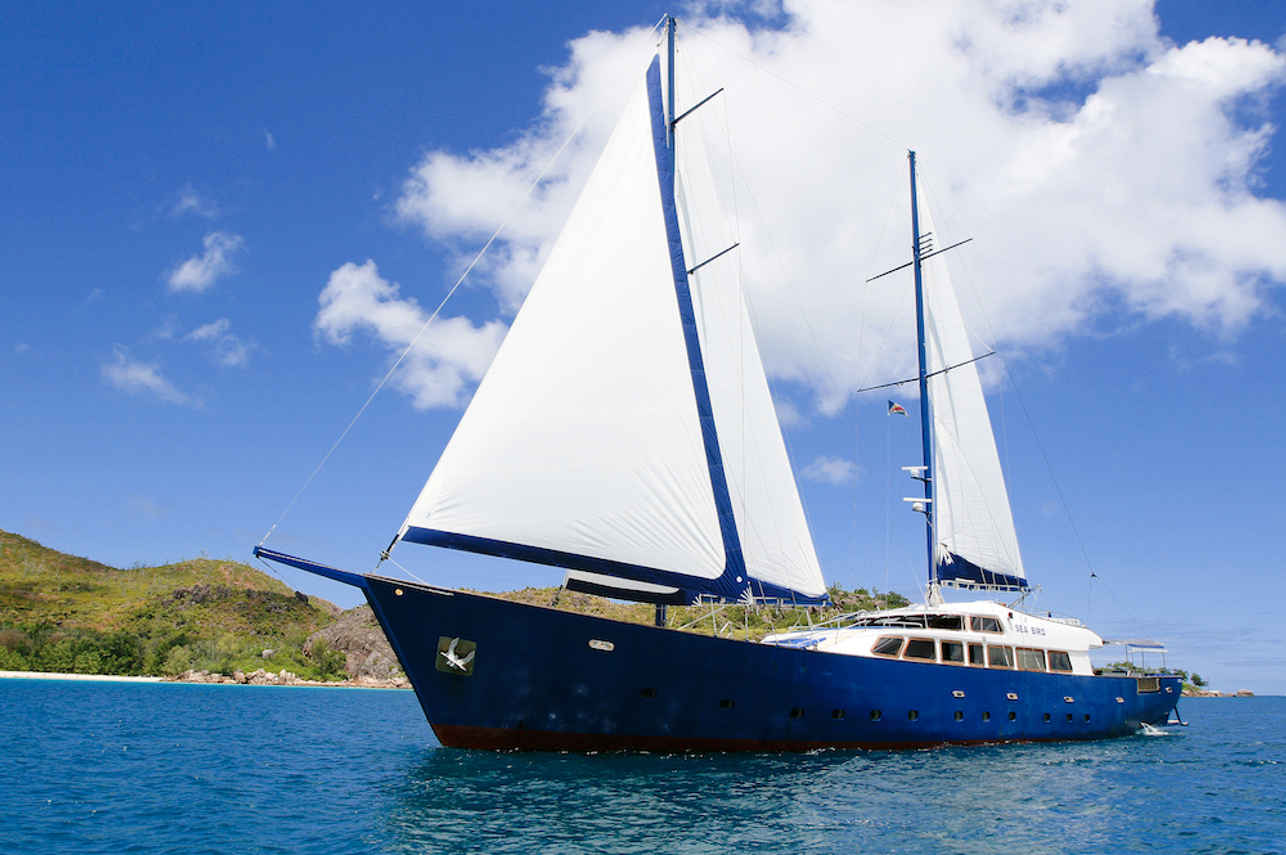
Sea Bird and Sea Star
Seychelles
18 guests42 m
$288/day
Dive sites similar to Brissare Rocks (Mahé)
Same character, same waters — six more sites divers love for the exact same reasons.Compare seasons, access and liveaboard routes — then pick the site that fits your trip best.
© Esri — Maxar, Earthstar, GIS
Aldabra Atoll
Seychelles
Aldabra Atoll, a remote UNESCO World Heritage Site in the Seychelles, offers an unparalleled diving experience that transports you back to a pristine, pre-industrial marine ecosystem.
- Suitable for
- Advanced
- Current
- Strong
- Access
- Liveaboard or dayboat
- Depth
- 5–40 m
- Theme
- Cave & cavern / Drift
© Esri — Maxar, Earthstar, GIS
Alphonse Atoll
Seychelles
Alphonse Atoll, part of the Alphonse island group, is located approximately 400 kilometers (250 miles) southwest of Mahé in the Seychelles Outer Islands.
- Suitable for
- Advanced
- Current
- Strong
- Access
- Liveaboard only
- Depth
- 8–35 m
- Theme
- Reef / Wall
© Esri — Maxar, Earthstar, GIS
Amirantes Atoll
Seychelles
The Amirantes Atoll, part of Seychelles' Outer Islands, stands as a remote diving frontier, renowned for its pristine marine environment and exclusive access.
- Suitable for
- Advanced
- Current
- Strong
- Access
- Liveaboard or dayboat
- Depth
- 10–40 m
- Theme
- Cave & cavern / Drift
© Esri — Maxar, Earthstar, GIS
Aride Island Reef
Seychelles
Aride Island Reef is a prominent dive site within the inner Seychelles islands, distinguished by its unique blend of granite boulder formations and flourishing coral ecosystems.
- Suitable for
- Intermediate
- Current
- Strong
- Access
- Liveaboard or dayboat
- Depth
- 6–24 m
- Theme
- Drift / Reef
© Esri — Maxar, Earthstar, GIS
Assumption Island
Seychelles
Assumption Island, situated in the Aldabra Group, is a secluded and infrequently visited island about 30 km south of Aldabra Atoll and 1300 km southwest of Mahé. Its allure for…
- Suitable for
- Intermediate
- Current
- Mild
- Access
- Liveaboard only
- Depth
- 5–40 m
- Theme
- Reef / Drift
© Esri — Maxar, Earthstar, GIS
Baie Ternay Marine Park
Seychelles
Baie Ternay Marine Park, nestled near Mahé Island in the Seychelles, stands as a premier dive site known for its extraordinary beauty and abundant marine life.
- Suitable for
- Beginner
- Current
- Moderate
- Access
- Liveaboard or dayboat
- Depth
- ≤ 23 m
- Theme
- Reef