About St. Pierre
St. Pierre Islet is a distinctive granite pinnacle rising from depths of around 25 meters, situated north of Praslin. This site is renowned for its iconic granite formations, which create a captivating underwater landscape of boulders, swim-throughs, and micro-habitats, offering a truly unique diving experience unlike the sand-and-coral atolls found elsewhere. The site works best at slack tide, providing access to its full range of features. Depths at St. Pierre range from 4 to 25 meters, accommodating both entry-level divers and those with more experience. Its eastern side features a notable cave that divers can explore, revealing various reef fish and occasional whitetip reef sharks. The surrounding boulders shelter a rich diversity of marine life, including nurse sharks, hawksbill turtles, and dense schools of snapper. While generally accessible for all experience levels, conditions can vary significantly with tidal phases, making current management an important aspect for intermediate to advanced divers. Visibility typically ranges between 15 to 25 meters during the inter-monsoon windows, offering clear views of the vibrant marine ecosystem. This site provides an ideal opportunity for divers to immerse themselves in the Seychelles' unique granitic underwater environment and observe its resilient marine inhabitants.
Highlights
Granite pinnacle formationsEastern cave explorationWhitetip reef sharksNurse sharksHawksbill turtlesDense snapper schoolsBeginner-friendly sectionsVariable currents
Season calendar
Best months to dive here
Jan
Feb
Mar
Apr
May
Jun
Jul
Aug
Sep
Oct
Nov
Dec
Excellent
Good
Dive site facts: St. Pierre
- Depth
- 4–25 m
- Typical dive
- 4–12 m, ~48 min (for easy dive)
- Current
- Mild to strong, tide-dependent
- Visibility
- 15–25 m
- Water temperature
- 27–30°C
- Entry
- Boat
- Level
- All levels (intermediate to advanced in currents)
- Dive type
- Reef, cave, granite formations
- Region / port
- Praslin
- Coordinates
- 4.3167° S, 55.6833° E
Conditions & Currents
Currents at St. Pierre are highly dependent on the tidal phase, making it crucial to time dives for slack tide. When strong currents are running, particularly around the northern face, the site can become challenging, moving divers faster than desired and making it unsuitable for beginners. In such conditions, intermediate to advanced diving skills are required, necessitating careful current management and potentially a surface swim back to the boat. Visibility at St. Pierre typically ranges from 15 to 25 meters, with occasional stronger currents potentially impacting clarity. Water temperatures average between 27-30°C, ensuring comfortable diving conditions despite any current challenges. Due to the variable conditions, divers should always consult with their dive guide for the day's specific current forecast and plan their dive entry and exit accordingly.
Marine life & sighting chances

Whitetip reef shark
occasional
Nurse shark
occasional
Hawksbill turtle
common
Green turtle
common
Snapper
common
Reef fish
common
Moray eel
common
Stingray
occasional
Schools of fusiliers
common
Lobster
occasional
Octopus
occasional
Crab
occasional
Shrimp
occasionalDive profile & how the dive runs
Dives at St. Pierre are typically conducted from a boat, often timed to coincide with slack tide to mitigate strong currents. The dive begins by descending onto the granite pinnacle and its surrounding boulder formations. The initial depth for easy dives can be as shallow as 4 to 12 meters, allowing beginners to comfortably explore the upper reef. More experienced divers can venture deeper, following the granite slope to around 25 meters. A highlight is exploring the cave situated on the eastern side, which offers shelter for various reef fish and potential sightings of whitetip reef sharks. The route typically involves navigating through the unique geological formations, including swim-throughs and overhangs, while observing nurse sharks, hawksbill turtles, and large schools of snapper. The dive progresses around the islet, with the turn point determined by air consumption and current conditions. The safety stop is usually performed in the shallower, calmer sections of the reef, often among the upper boulder fields before ascending to the boat.
Underwater photography
St. Pierre offers excellent opportunities for wide-angle photography, capturing its dramatic granite topography and dense schools of fish. A wide-angle lens is recommended to frame the large boulder formations, arches, and the cave entrance effectively. For macro subjects found within crevices, such as lobsters, crabs, and cryptic species, a macro lens can be rewarding. Given the typical visibility of 15-25 meters, natural light is often sufficient in shallower areas, but strobes are beneficial for color rendition and illuminating subjects in the cave or deeper sections. Pay close attention to buoyancy, especially when navigating close to the granite formations, to avoid stirring up sediment or disturbing marine life. Patience is key for capturing shy cave dwellers or specific reef inhabitants like turtles and sharks.
Combine with nearby dive sites
- Ave Maria
Often combined for day trips, known for granite arch systems and soft corals.
- White Bank
A submerged granite site, occasionally combined with Ave Maria.
- Channel Rock
Strong currents, attracts large pelagics and whale sharks seasonally.
- Marianne Island
Known for its marine life, south of St. Pierre.
- Curieuse Marine Park
Includes sites like Red Point, known for its biodiversity.
Getting there & logistics
Access to St. Pierre typically involves flying into Seychelles International Airport (SEZ) on Mahé, then taking an inter-island flight or ferry to Praslin. St. Pierre Islet is located north of Praslin and is easily reached by boat from dive centers on Praslin, with typical boat rides being relatively short. Day trips to St. Pierre are commonly offered by local dive operators. Many dive centers on Praslin also offer PADI courses, and equipment rental is widely available. The site is often included in half-day or full-day diving excursions that might combine it with other nearby sites, depending on conditions and diver preferences. Marine park fees are typically around $15 per dive.
Safety & environment
The nearest recompression chamber is located on Mahé, about 44 km away, necessitating prompt evacuation by boat and then potentially by air or road in case of a serious dive emergency. Divers should ensure they have comprehensive dive insurance that covers emergency medical treatment and evacuation. Site-specific hazards at St. Pierre primarily include strong, unpredictable currents, especially outside of slack tide. Divers must be proficient in current management and maintain excellent buoyancy control to avoid being swept away or colliding with the granite formations. It is crucial to always dive with a local guide who is familiar with the daily tidal patterns and current predictions. Pay attention to briefings and follow the dive plan. Given the presence of a cave, appropriate training and experience for overhead environments are advised if planning extensive penetration.
Who it suits — and who it doesn't
Suited for
- New divers (in calm conditions)
- Experienced divers seeking unique topography
- Photographers interested in wide-angle and macro
- Divers looking for shark and turtle encounters
- Those wanting a shorter boat ride
Less suited for
- Beginners in strong currents
- Divers uncomfortable with overhead environments (for cave penetration)
- Divers seeking only pristine coral gardens
- Those unprepared for variable conditions
- Divers who prefer shore entry
FAQ
St. Pierre FAQ
What kind of marine life can I expect to see at St. Pierre?
At St. Pierre, you can commonly encounter hawksbill and green turtles, along with dense schools of snapper and various reef fish. The site also frequently hosts whitetip reef sharks and nurse sharks, especially around the boulder formations and within the cave. Keep an eye out for moray eels and cryptic species like lobsters, crabs, and shrimp in the crevices.
Is St. Pierre suitable for beginner divers?
St. Pierre offers sections that are suitable for beginner divers, particularly the shallower areas with depths of 4 to 12 meters, provided the currents are mild. However, conditions can vary significantly with tidal phases, and strong currents can make it challenging. It's best for beginners to consult with their dive center and only dive during slack tide or when conditions are calm.
Are there any caves to explore at St. Pierre?
Yes, there is a notable cave located on the eastern side of St. Pierre Islet. This cave provides an interesting area for divers to explore, often sheltering various reef fish and occasionally whitetip reef sharks. Divers should be appropriately trained and follow their guide's instructions if planning to enter the overhead environment.
What are the typical dive depths at St. Pierre?
Dive depths at St. Pierre range from a shallow 4 meters, perfect for beginners and safety stops, down to approximately 25 meters. An easy dive typically stays within the 4 to 12-meter range, allowing divers to explore the upper reef and its features. More advanced divers can descend to the deeper sections of the granite pinnacle.
How is the visibility at St. Pierre?
Visibility at St. Pierre is generally good, typically ranging from 15 to 25 meters during the best diving seasons, which are the inter-monsoon periods. However, visibility can be affected by stronger currents or plankton blooms, so it's always best to check the daily conditions with your dive operator.
Why dive St. Pierre from a liveaboard?
St. Pierre is one of Seychelles's signature dive sites. A liveaboard sleeps you on the water and puts you in the water for three to four guided dives per day, including dawn and night dives that day-boat operators rarely offer. You skip the daily commute back to port and reach quieter, less-crowded sites in the same region on a single trip.
Below are the liveaboards that include St. Pierre on their Seychelles itineraries.
Liveaboards diving St. Pierre
These liveaboards may visit St. Pierre on selected itineraries — the exact dive sites depend on departure, weather and conditions.
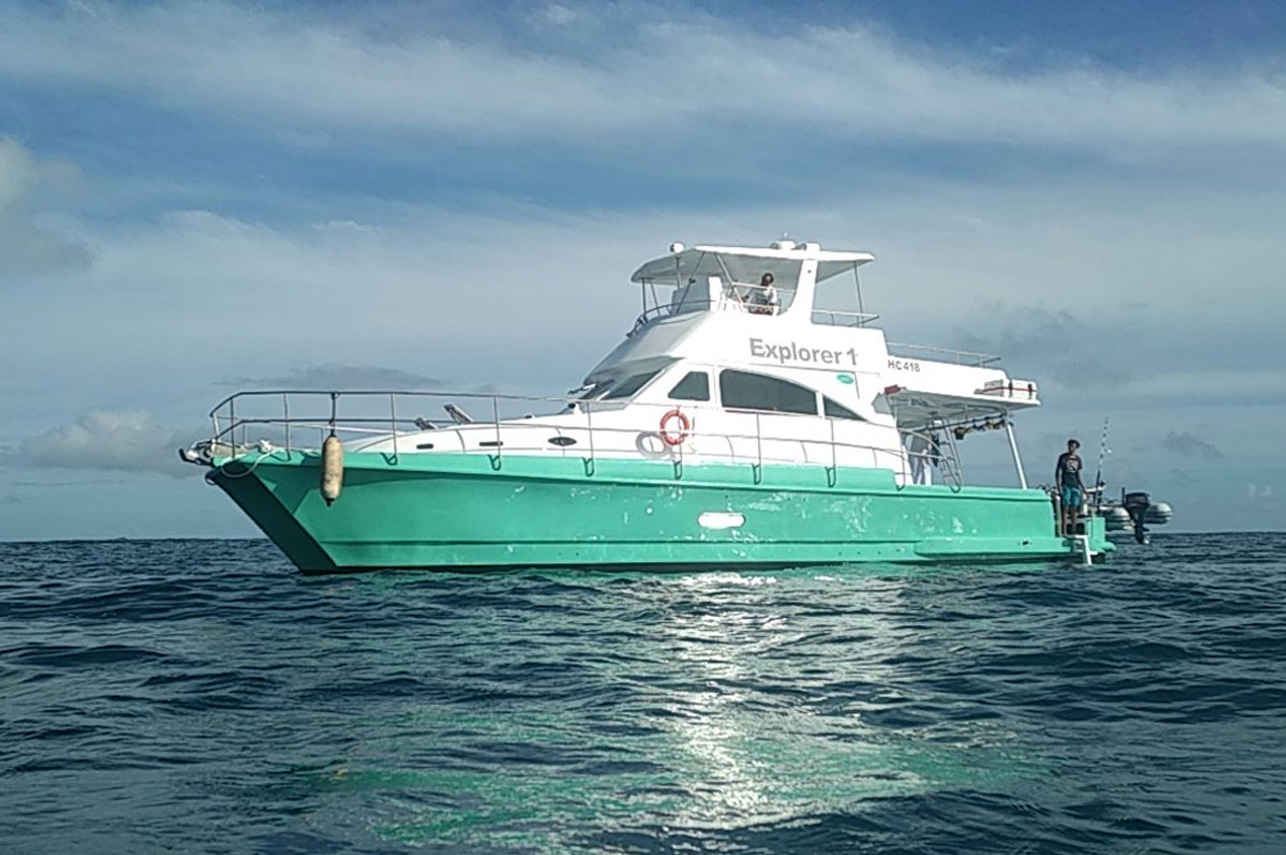
Explorer 1
Seychelles
6 guests17 m
$522/day
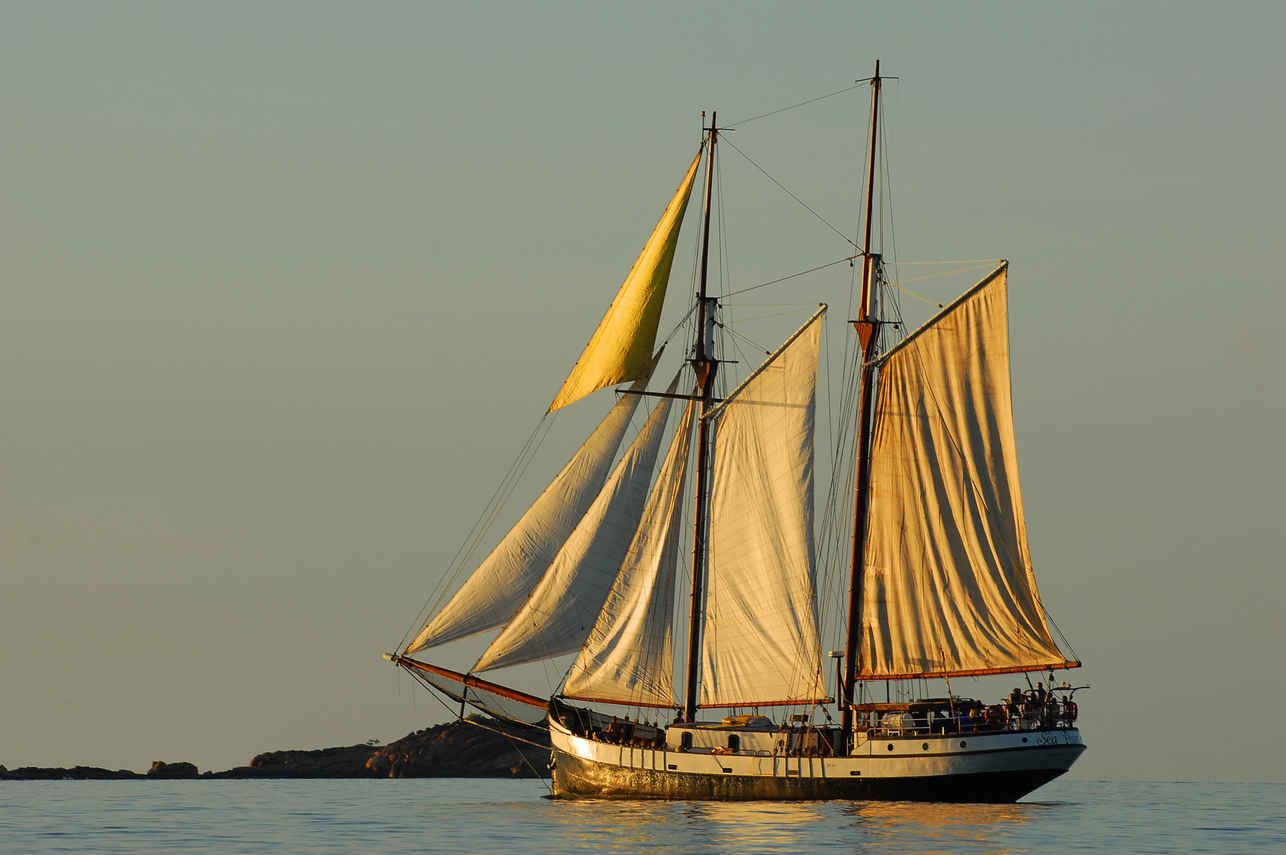
Sea Pearl
Seychelles
16 guests36 m
$212/day
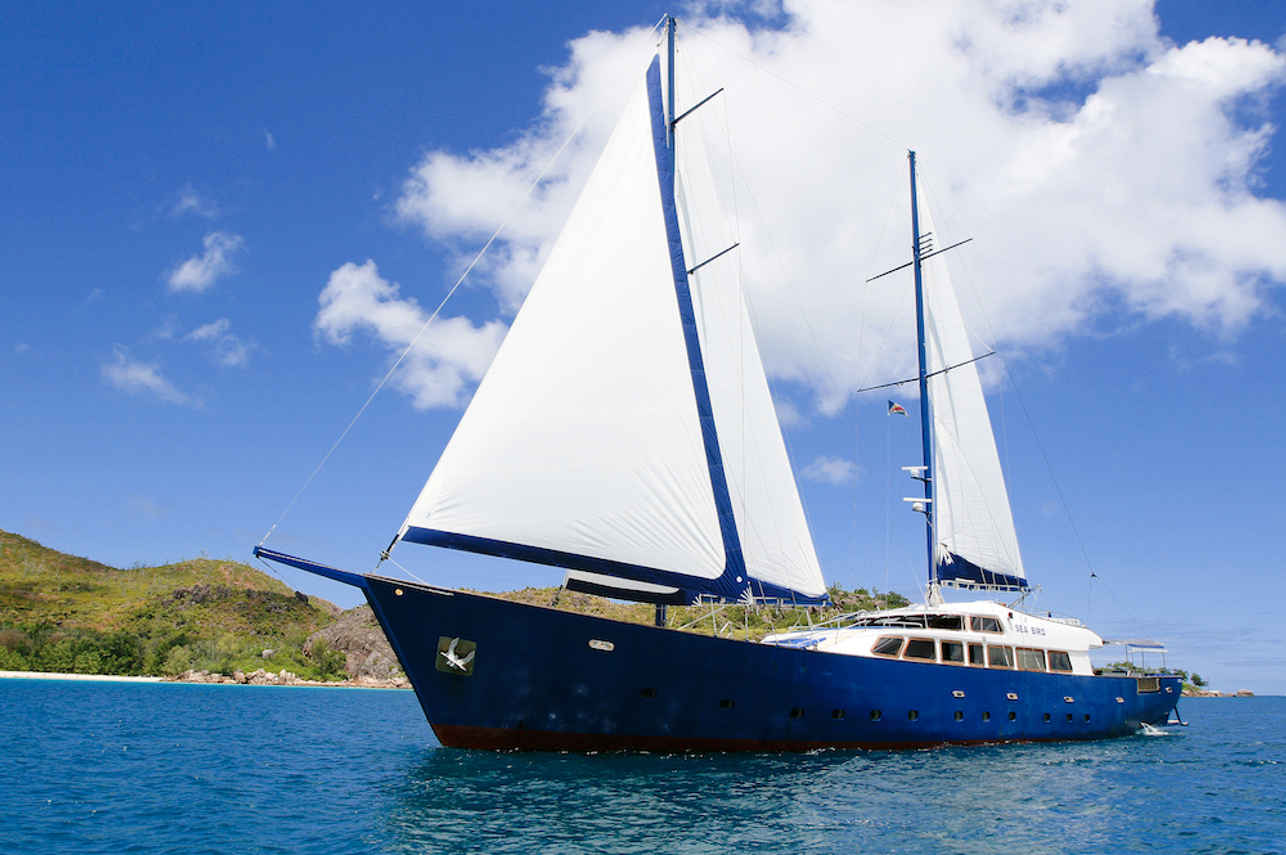
Sea Bird and Sea Star
Seychelles
18 guests42 m
$288/day
Dive sites similar to St. Pierre
Same character, same waters — six more sites divers love for the exact same reasons.Compare seasons, access and liveaboard routes — then pick the site that fits your trip best.
© Esri — Maxar, Earthstar, GIS
Aldabra Atoll
Seychelles
Aldabra Atoll, a remote UNESCO World Heritage Site in the Seychelles, offers an unparalleled diving experience that transports you back to a pristine, pre-industrial marine ecosystem.
- Suitable for
- Advanced
- Current
- Strong
- Access
- Liveaboard or dayboat
- Depth
- 5–40 m
- Theme
- Cave & cavern / Drift
© Esri — Maxar, Earthstar, GIS
Alphonse Atoll
Seychelles
Alphonse Atoll, part of the Alphonse island group, is located approximately 400 kilometers (250 miles) southwest of Mahé in the Seychelles Outer Islands.
- Suitable for
- Advanced
- Current
- Strong
- Access
- Liveaboard only
- Depth
- 8–35 m
- Theme
- Reef / Wall
© Esri — Maxar, Earthstar, GIS
Amirantes Atoll
Seychelles
The Amirantes Atoll, part of Seychelles' Outer Islands, stands as a remote diving frontier, renowned for its pristine marine environment and exclusive access.
- Suitable for
- Advanced
- Current
- Strong
- Access
- Liveaboard or dayboat
- Depth
- 10–40 m
- Theme
- Cave & cavern / Drift
© Esri — Maxar, Earthstar, GIS
Aride Island Reef
Seychelles
Aride Island Reef is a prominent dive site within the inner Seychelles islands, distinguished by its unique blend of granite boulder formations and flourishing coral ecosystems.
- Suitable for
- Intermediate
- Current
- Strong
- Access
- Liveaboard or dayboat
- Depth
- 6–24 m
- Theme
- Drift / Reef
© Esri — Maxar, Earthstar, GIS
Assumption Island
Seychelles
Assumption Island, situated in the Aldabra Group, is a secluded and infrequently visited island about 30 km south of Aldabra Atoll and 1300 km southwest of Mahé. Its allure for…
- Suitable for
- Intermediate
- Current
- Mild
- Access
- Liveaboard only
- Depth
- 5–40 m
- Theme
- Reef / Drift
© Esri — Maxar, Earthstar, GIS
Baie Ternay Marine Park
Seychelles
Baie Ternay Marine Park, nestled near Mahé Island in the Seychelles, stands as a premier dive site known for its extraordinary beauty and abundant marine life.
- Suitable for
- Beginner
- Current
- Moderate
- Access
- Liveaboard or dayboat
- Depth
- ≤ 23 m
- Theme
- Reef