About One Tree Island
One Tree Island is a well-known, shallow dive site located off the coast of Mahé, the largest of the Seychelles' Inner Islands. This site is particularly valued by divers keen on observing a wide array of fish species, thriving on a unique granite substrate. Its accessibility makes it a popular choice for divers of varying experience levels looking for classic reef fish encounters in the region. Underwater, the site features a granite foundation, which serves as a habitat for various marine organisms. The topography contributes to a vibrant ecosystem, with depths that allow for comfortable exploration. While specific structural details like swim-throughs or walls are not prominent, the site's layout focuses on open reef observation. Marine life at One Tree Island is abundant and diverse. You can expect to encounter numerous reef fish, including large humphead parrotfish, moray eels, and stingrays. For those with a keen eye, the elusive ghost pipefish can sometimes be spotted. This site is known for its consistent fish presence rather than seasonal aggregations of large pelagics. This location is generally considered suitable for beginner and intermediate divers due to its shallow nature and typically good visibility. Diving here often involves exploring the reef at a relaxed pace, focusing on marine observation. Conditions are usually calm, making it a comfortable experience for less experienced individuals.
Highlights
Humphead parrotfish schoolsMoray eel sightingsStingrays on granite substrateElusive ghost pipefishDiverse reef fish populations
Season calendar
Best months to dive here
Jan
Feb
Mar
Apr
May
Jun
Jul
Aug
Sep
Oct
Nov
Dec
Excellent
Good
Dive site facts: One Tree Island
- Depth
- 8–30 m
- Current
- Variable
- Visibility
- 15–30 m
- Water temperature
- 28–30 C
- Entry
- Liveaboard only
- Level
- All levels
- Dive type
- Reef, fish focus
- Region / port
- Seychelles Inner Islands
- Coordinates
- 4.8988° S, 55.2158° E
Conditions & Currents
One Tree Island is generally characterized by calm conditions and good visibility, making it an accessible dive for many. The site is shallow, which contributes to its generally stable environment, though localized gentle movements can occur. Divers can anticipate a relaxed experience, without strong currents necessitating advanced techniques or significant gas planning beyond standard recreational limits. Entry and exit are typically straightforward, suitable for all skill levels. Visibility commonly extends beyond 15 meters, sometimes reaching 30 meters or more, providing clear views of the marine life and granite formations. There are no reported issues with thermoclines or significant boat traffic at the site itself, allowing for a focused and enjoyable dive.
Marine life & sighting chances

Moray eels
common
Stingrays
common
Reef fish
common
Humphead parrotfish
common
Ghost pipefish
occasional
Angelfish
common
Butterflyfish
common
Octopus
common
Lionfish
common
Nudibranchs
common
Mantis shrimp
common
Reef sharks
occasional
Green turtles
common
Hawksbill turtles
commonDive profile & how the dive runs
Starting your dive at One Tree Island involves descending onto its shallow granite substrate. The dive typically progresses by exploring the various crevices and formations created by the granite, which serve as excellent hiding spots for moray eels and stingrays. Maintain a comfortable depth while observing the myriad reef fish and looking out for large humphead parrotfish in the open water. For macro enthusiasts, a slow and observant pace is key to spotting camouflaged creatures like the ghost pipefish. The site's generally good visibility allows for a relaxed pace throughout the dive, culminating in a gradual ascent. Your safety stop will be conducted in the shallowest part of the site, offering continued opportunities for observation before surfacing.
Underwater photography
One Tree Island's focus on reef fish and smaller elusive creatures like ghost pipefish makes it an excellent site for both wide-angle and macro photography. For capturing the schools of humphead parrotfish and the overall reefscape, a wide-angle lens with external strobes is recommended to bring out the vibrant colors of the coral and fish. When seeking out moray eels, stingrays, or the more hidden ghost pipefish, a macro lens will be essential. Practice excellent buoyancy control to avoid disturbing the shallow substrate and to get clear shots of your subjects. Given the good visibility, natural light can be effective for ambient shots, but strobes will enhance color and contrast, especially in shaded areas of the granite formations.
Combine with nearby dive sites
- Trois Bancs
Known for strong currents, steep drop-offs, walls, and pelagics.
- North Island
Features fantastic coral reefs, pinnacles, and diverse reef fish including sharks and rays.
- Napoleon
Offers beautiful soft corals, abundant fish life, and macro subjects.
- L'Ilot
Granite island with underwater arches and swim-throughs, known for turtles and dolphins.
Getting there & logistics
Access to Seychelles is primarily through Seychelles International Airport (SEZ) on Mahé. From Mahé, inter-island flights are available to Praslin, which is a common base for exploring inner island dive sites. Diving in Seychelles can be arranged through both liveaboards and land-based operations, catering to all skill levels. Most dive centers offer modern equipment rental, though repair facilities for personal gear may be limited. While specific permit or fee information for One Tree Island is not provided, many dive sites in Seychelles fall within marine protected areas that may incur fees. Trips often combine diving with land-based activities due to the proximity of beaches and other attractions.
Safety & environment
While diving in Seychelles, it's crucial to ensure comprehensive dive insurance is in place, covering medical emergencies and evacuation. The nearest recompression chamber is typically located on Mahé, requiring logistical planning for evacuation from more remote sites. For One Tree Island, a relatively shallow site, general dive safety protocols apply: always dive within your training limits, monitor air consumption, and maintain neutral buoyancy to protect the marine environment. Although currents at this specific site are not detailed, divers should be prepared for varying conditions common in the region. Always follow your dive guide's instructions and conduct regular buddy checks.
Who it suits — and who it doesn't
Suited for
- Divers focused on finding fish
- Macro photographers
- Beginner divers
- Divers seeking shallow, clear dives
- Divers interested in reef ecology
Less suited for
- Divers seeking deep wall dives
- Divers preferring strong current drifts
- Wreck diving enthusiasts
- Divers looking for large pelagic encounters only
- Divers expecting extreme topography
FAQ
One Tree Island FAQ
What kind of marine life can I expect to see at One Tree Island?
One Tree Island is renowned for its diverse fish population. You can commonly spot moray eels, various stingray species, and a multitude of reef fish. Large schools of humphead parrotfish are a frequent sight, and observant divers might even discover the elusive ghost pipefish.
Is One Tree Island suitable for beginner divers?
Yes, One Tree Island is generally suitable for all levels of divers, including beginners. It is a shallow site with typically good visibility, offering a comfortable and enjoyable experience for those still building their confidence or newer to diving.
What is the typical depth at One Tree Island?
One Tree Island is considered a shallow dive site. While the general depth range for Inner Islands sites is between 8 and 30 meters, One Tree Island itself is highlighted as a shallow location, making it accessible for extended bottom times and easier exploration.
Are there strong currents at One Tree Island?
Specific information about currents at One Tree Island is not detailed in sources. However, the Inner Islands generally experience variable currents, with stronger currents more common in the southern areas. Divers should always consult their local dive guide for real-time conditions at the site.
When is the best time of year to dive One Tree Island?
The prime diving seasons for One Tree Island, and the Seychelles in general, are April-May and October-November. During these months, the seas are very calm, providing excellent visibility often exceeding 30 meters and pleasant water temperatures around 29°C.
Why dive One Tree Island from a liveaboard?
One Tree Island is one of Seychelles's signature dive sites. A liveaboard sleeps you on the water and puts you in the water for three to four guided dives per day, including dawn and night dives that day-boat operators rarely offer. You skip the daily commute back to port and reach quieter, less-crowded sites in the same region on a single trip.
Below are the liveaboards that include One Tree Island on their Seychelles itineraries.
Liveaboards diving One Tree Island
These liveaboards may visit One Tree Island on selected itineraries — the exact dive sites depend on departure, weather and conditions.
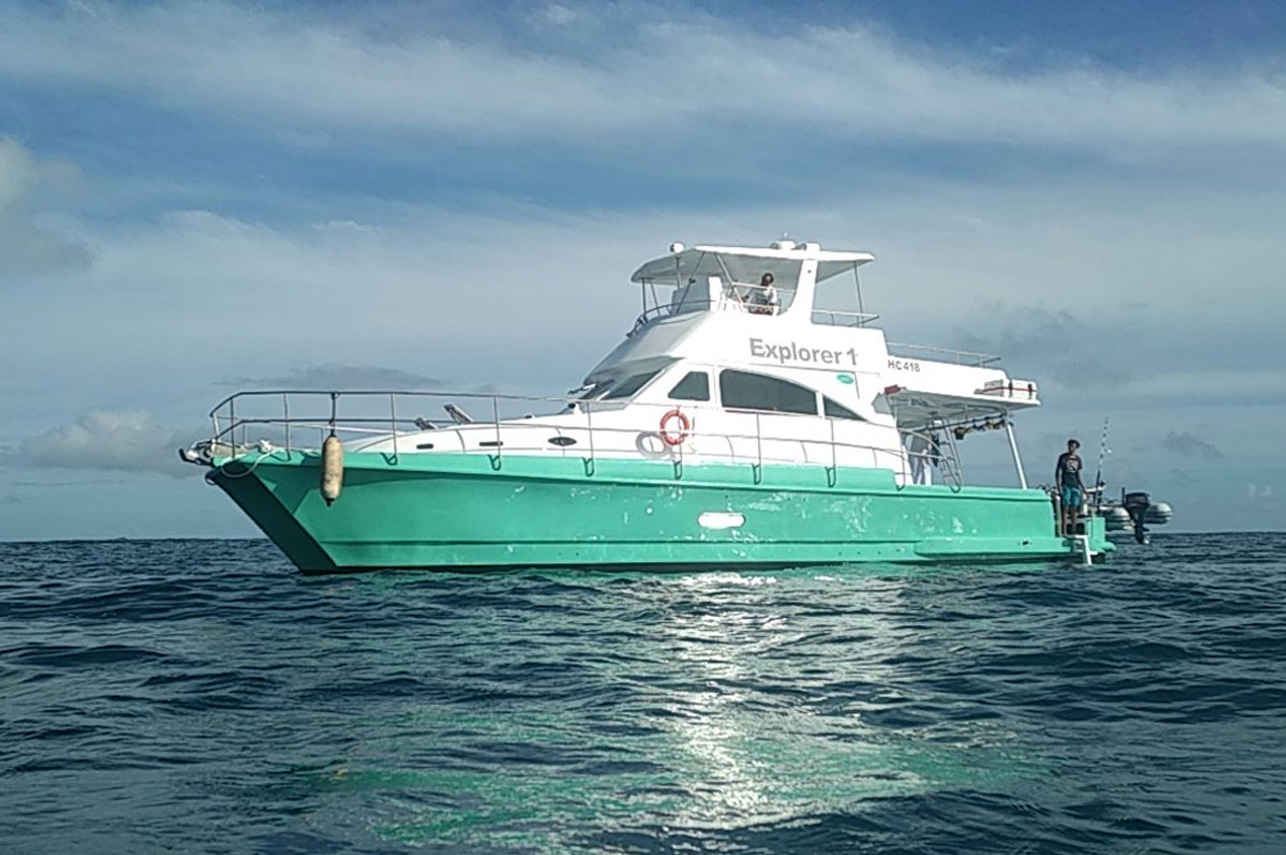
Explorer 1
Seychelles
6 guests17 m
$522/day
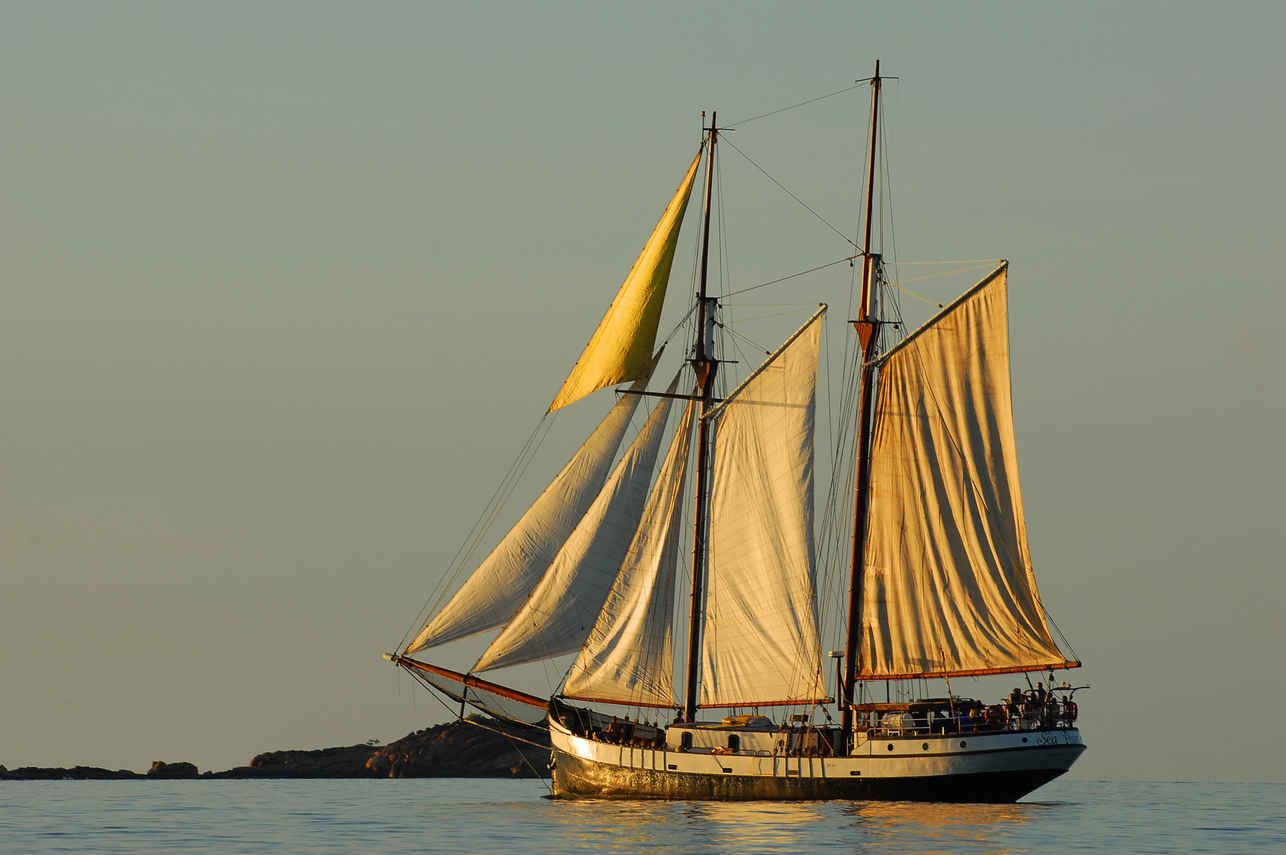
Sea Pearl
Seychelles
16 guests36 m
$212/day
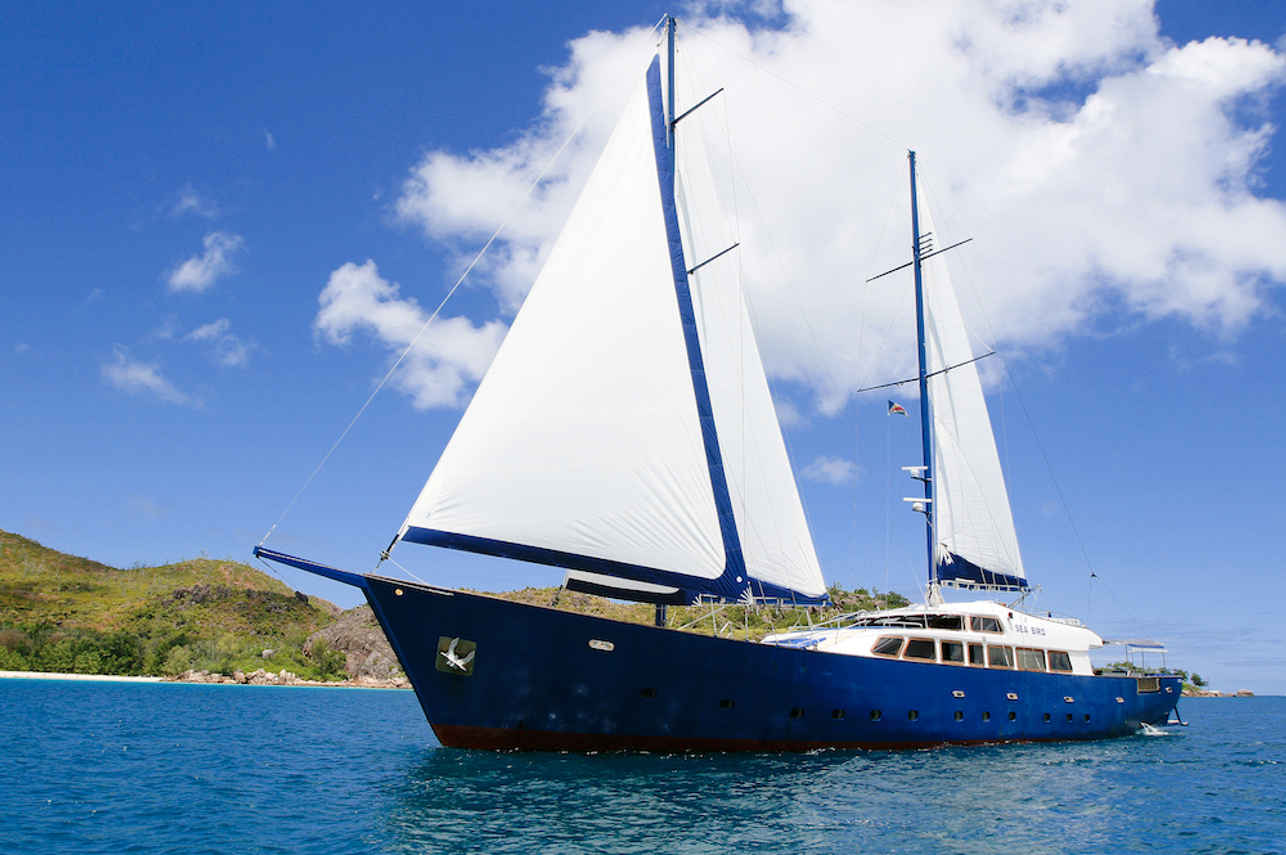
Sea Bird and Sea Star
Seychelles
18 guests42 m
$288/day
Dive sites similar to One Tree Island
Same character, same waters — six more sites divers love for the exact same reasons.Compare seasons, access and liveaboard routes — then pick the site that fits your trip best.
© Esri — Maxar, Earthstar, GIS
Sister Bank
Seychelles
Sister Bank is a notable dive site situated in the Inner Islands of Seychelles, specifically near Praslin Island.
- Suitable for
- Intermediate
- Current
- Mild
- Access
- Liveaboard only
- Depth
- 15–30 m
- Theme
- Reef / Drift
© Esri — Maxar, Earthstar, GIS
Brissare Rocks (Mahé)
Seychelles
Brissare Rocks, located just north of Mahé, is a renowned dive site in Seychelles, widely considered one of Mahé's top five.
- Suitable for
- Intermediate
- Current
- Strong
- Access
- Liveaboard or dayboat
- Depth
- 8–20 m
- Theme
- Cave & cavern / Drift
© Esri — Maxar, Earthstar, GIS
Lighthouse Reef (Mahé)
Seychelles
Lighthouse Reef, situated near Mahé in the Seychelles, presents a captivating underwater experience characterized by thriving reef ecosystems.
- Suitable for
- Beginner
- Current
- Strong
- Access
- Liveaboard or dayboat
- Depth
- 5–18 m
- Theme
- Reef
Napoleon is a renowned dive site located off Alphonse Island in the Seychelles, celebrated for its rich biodiversity and stunning underwater topography.
- Suitable for
- Intermediate
- Current
- Moderate
- Access
- Liveaboard only
- Depth
- 8–30 m
- Theme
- Reef
© Esri — Maxar, Earthstar, GIS
St. Pierre
Seychelles
St. Pierre Islet is a distinctive granite pinnacle rising from depths of around 25 meters, situated north of Praslin.
- Suitable for
- Beginner
- Current
- Moderate
- Access
- Liveaboard only
- Depth
- 4–25 m
- Theme
- Reef
© Esri — Maxar, Earthstar, GIS
North Island
Seychelles
North Island is an exclusive dive location within the Seychelles, known for its pristine underwater environment and the opportunity to explore newly discovered sites.
- Suitable for
- Intermediate
- Current
- Moderate
- Access
- Liveaboard only
- Depth
- 18–35 m
- Theme
- Reef