About Trois Bancs
Trois Bancs is a remarkable dive site in the Seychelles' Inner Islands, distinguished by its unique topography of three granite-based reefs. This site features steep drop-offs, vertical walls, massive ledges, and small caves, creating a dramatic underwater landscape. Depths typically range from 8 to 30 meters, with divers often drifting along the walls and over the drop-offs. The granite formations are home to abundant reef fish, moray eels, and stingrays. Observant divers may even spot ghost pipefish. The currents at Trois Bancs can be notably strong, which makes it an advanced site. These currents are also the reason for the rich pelagic life, attracting reef sharks, turtles, and in season, whale sharks. The site's dynamic environment ensures exciting encounters. Diving here involves navigating these currents, often as a drift dive, making it unsuitable for beginners. The rewarding marine encounters and unique geological features make Trois Bancs a highlight for experienced divers in the region.
Highlights
Steep drop-offsVertical wallsStrong currentsLarge pelagic encountersGranite formationsReef sharks and turtlesWhale shark sightings (seasonal)
Season calendar
Best months to dive here
Jan
Feb
Mar
Apr
May
Jun
Jul
Aug
Sep
Oct
Nov
Dec
Excellent
Good
Dive site facts: Trois Bancs
- Depth
- 8–30 m
- Current
- Strong
- Visibility
- Often over 30 m
- Water temperature
- 28–30°C
- Entry
- Boat
- Level
- Advanced, current experience essential
- Dive type
- Wall, drift, pelagic
- Region / port
- Inner Islands, Seychelles
- Coordinates
- 4.2694° S, 55.6792° E
Conditions & Currents
Trois Bancs is characterized by potentially strong currents, making it an advanced dive site. Divers can expect to perform drift dives along the walls and over the drop-offs, utilizing the current to experience the site. These currents are a key factor in attracting the large pelagic species observed here. Experienced divers with excellent buoyancy control and comfort with drift diving are best suited for this site. Visibility is generally excellent, often exceeding 30 meters, particularly during the calmer months, but strong currents can sometimes affect clarity near the walls. Entry is typically from a boat, and careful planning for entry and exit points is crucial due to the prevailing currents. There are no reported thermoclines or significant boat traffic concerns at this specific site.
Marine life & sighting chances

Reef sharks
commonSea turtles
common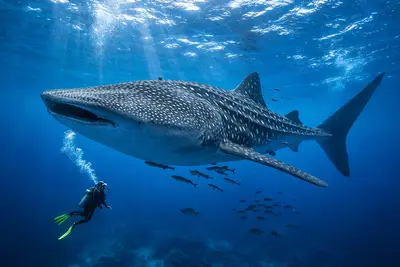
Whale sharks
August-November (peaking October) · occasional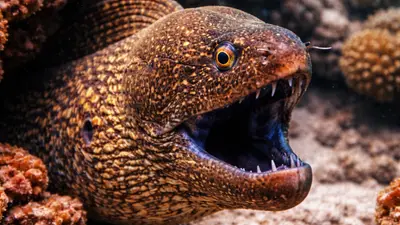
Moray eels
common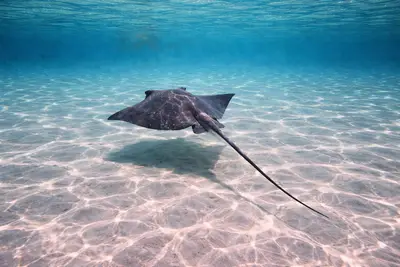
Stingrays
common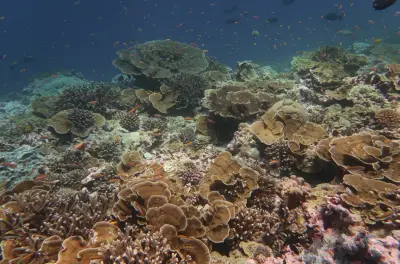
Reef fish (myriad)
common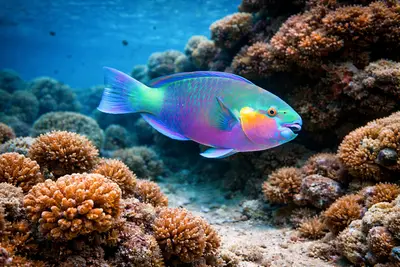
Humphead parrotfish
common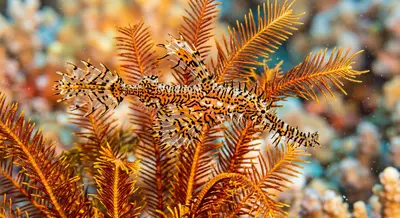
Ghost pipefish
occasionalBig pelagics
commonDive profile & how the dive runs
Dives at Trois Bancs typically begin with a boat entry, allowing divers to drop directly onto or near the granite reefs. Due to strong currents, divers usually engage in a drift dive, moving along the site's vertical walls and over its steep drop-offs. The route explores the unique formations of massive ledges and small caves, maintaining depths between 8 and 30 meters. The dive often follows the prevailing current, showcasing the abundant reef fish and larger pelagic species attracted to the stronger water flow. The turn point is often dictated by air consumption or the extent of the drift. Safety stops are performed in the open water at the end of the drift, with the boat following the divers for a comfortable pick-up.
Underwater photography
For capturing the dramatic topography and pelagic action at Trois Bancs, a wide-angle lens is ideal. This allows photographers to encompass the sweeping walls, deep drop-offs, and larger marine life such as reef sharks and turtles. External strobes are highly recommended to bring out the vibrant colors of the coral formations and fish against the blue water, especially when dealing with the potential for deeper shots. Due to strong currents, excellent buoyancy control is paramount for stable shots. When whale sharks are present, ethical photography practices dictate maintaining a respectful distance and avoiding flash photography that could disturb them. Consider a fast shutter speed to freeze action in the current.
Combine with nearby dive sites
- One Tree Island
A shallow granite site known for reef fish, suitable for less experienced divers.
- Brissare Rocks (Mahé)
Granite pinnacle site with dense fish life and potential for larger marine animals; strong currents can occur.
- Shark Bank (Mahé)
Another granite pinnacle site off Mahé, similar to Brissare Rocks with abundant schooling fish.
- Île Cocos Marine Park
A reef site popular for snorkeling and diving, featuring granite and reef formations with abundant marine life.
- Ave Maria (Praslin)
Reef site with granite-and-reef formations, popular for turtles and reef fish, often combined with Île Cocos.
Getting there & logistics
Access to Trois Bancs is typically arranged via day boat operations from the Inner Islands, predominantly Mahé or Praslin, where most dive centers are located. The main international gateway to Seychelles is Seychelles International Airport (SEZ) on Mahé, with flights from various international carriers. Liveaboards primarily focus on the Outer Islands, so for Trois Bancs, land-based diving is the more common approach. Typical dive trips to sites like Trois Bancs are often part of multi-day dive packages offered by local centers. While there are no specific park fees mentioned for Trois Bancs itself, general marine park fees may apply depending on the operator and itinerary. Divers should ensure their equipment is in good working order as repair facilities for personal gear may be limited, though rental gear is modern and available.
Safety & environment
Diving at Trois Bancs, especially with its strong currents, requires divers to be advanced and proficient in buoyancy and drift diving techniques. Divers must ensure they are adequately insured for scuba diving, including emergency evacuation and recompression chamber access, as this site can present advanced challenges. The nearest recompression chamber is located in Mahé, and emergency evacuation from dive sites in the Inner Islands can be facilitated by local services. Site-specific hazards primarily include the strong, unpredictable currents, which necessitate careful dive planning, buddy checks, and communication with the dive guide. Always carry a surface marker buoy (SMB) for safe ascent and surface visibility. Adherence to dive guide instructions is crucial for a safe experience.
Who it suits — and who it doesn't
Suited for
- Advanced divers comfortable with strong currents
- Experienced drift divers
- Divers seeking pelagic encounters
- Underwater photographers with wide-angle setups
- Divers interested in dramatic granite topography
Less suited for
- Beginner divers or those without drift experience
- Divers uncomfortable with strong currents
- Divers with limited buoyancy control
- Individuals prone to seasickness in choppier conditions
FAQ
Trois Bancs FAQ
What kind of marine life can I expect at Trois Bancs?
Trois Bancs is renowned for attracting large pelagic species due to its strong currents. You can frequently encounter reef sharks, various sea turtles, and schooling reef fish. Observant divers might also spot moray eels, stingrays, and occasionally even ghost pipefish in quieter sections. During the whale shark season, typically from August to November, sightings of these magnificent creatures are possible.
Is Trois Bancs suitable for beginner divers?
No, Trois Bancs is considered an advanced dive site and is not suitable for beginner divers. The site is characterized by potentially strong currents and is often dived as a drift dive. Divers need to have excellent buoyancy control, prior experience with drift diving, and comfort in challenging current conditions to safely enjoy this site.
When is the best time of year to dive Trois Bancs?
The optimal time to dive Trois Bancs, and indeed the Seychelles Inner Islands in general, is during the transitional periods from March to May and again from October to November. During these months, the seas are typically calmer, and water visibility is at its best, often exceeding 30 meters. This provides the most comfortable and rewarding diving conditions for experiencing the site's unique features and marine life.
What kind of underwater features does Trois Bancs have?
Trois Bancs is distinguished by its dramatic granite-based reef system, featuring steep drop-offs and impressive vertical walls. Divers will also explore massive ledges and small caves carved into the granite formations. This unique topography, combined with strong currents, creates a vibrant environment that attracts a diverse array of marine life, particularly large pelagics.
How is the dive typically conducted at Trois Bancs?
Dives at Trois Bancs are generally conducted as drift dives, utilizing the site's strong currents to move along its impressive walls and drop-offs. Divers enter from a boat and allow the current to guide them, experiencing the dynamic marine environment. Safety stops are performed in open water at the end of the drift, with the dive boat following to pick up divers once they surface.
Why dive Trois Bancs from a liveaboard?
Trois Bancs is one of Seychelles's signature dive sites. A liveaboard sleeps you on the water and puts you in the water for three to four guided dives per day, including dawn and night dives that day-boat operators rarely offer. You skip the daily commute back to port and reach quieter, less-crowded sites in the same region on a single trip.
Below are the liveaboards that include Trois Bancs on their Seychelles itineraries.
Liveaboards diving Trois Bancs
These liveaboards may visit Trois Bancs on selected itineraries — the exact dive sites depend on departure, weather and conditions.
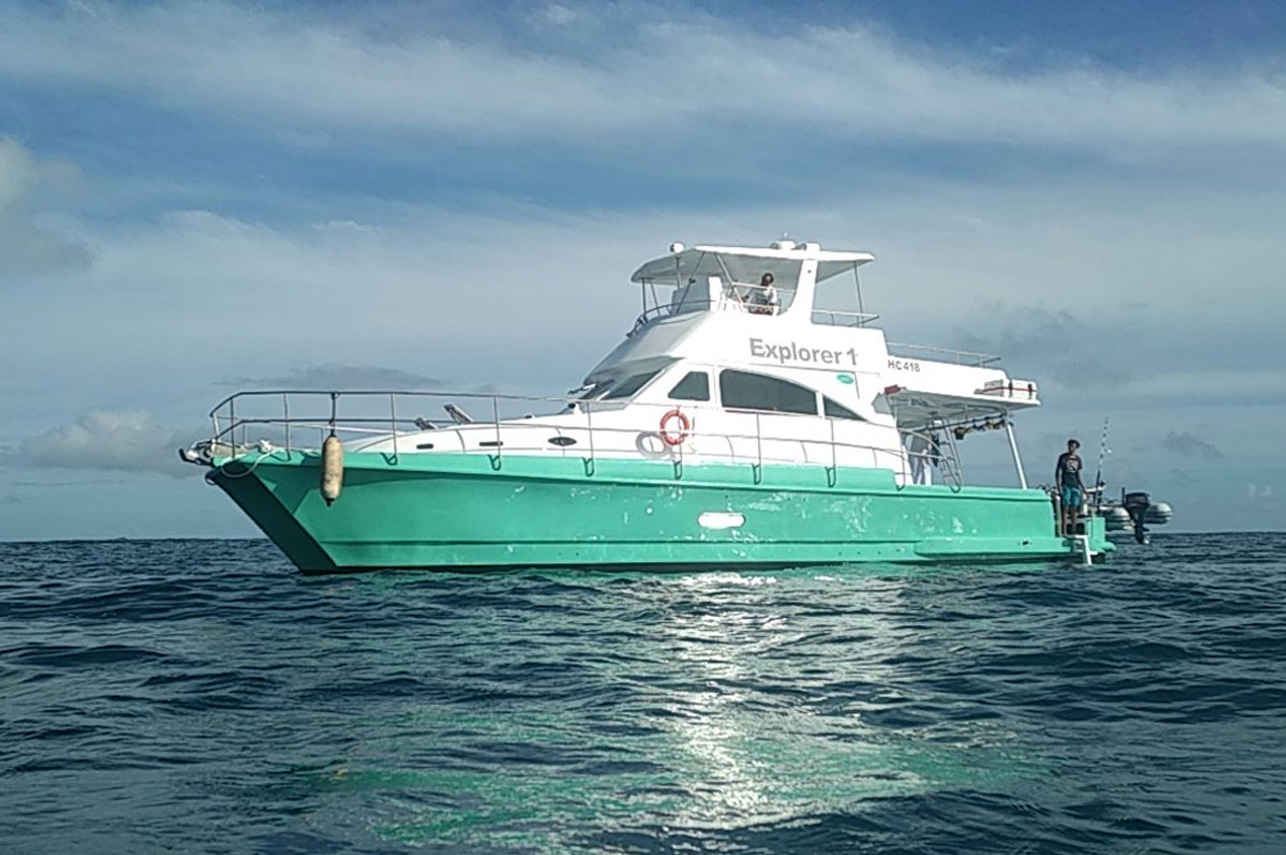
Explorer 1
Seychelles
6 guests17 m
$522/day
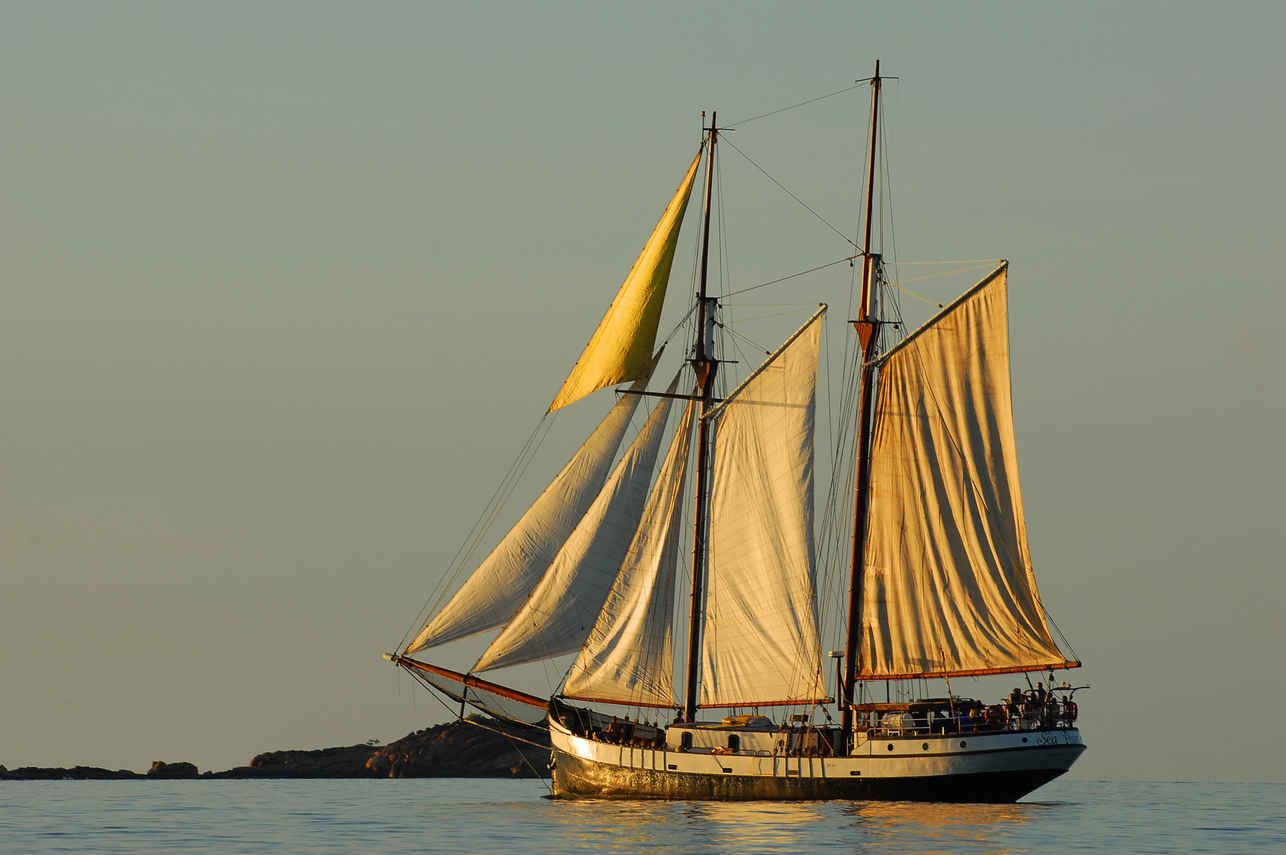
Sea Pearl
Seychelles
16 guests36 m
$211/day
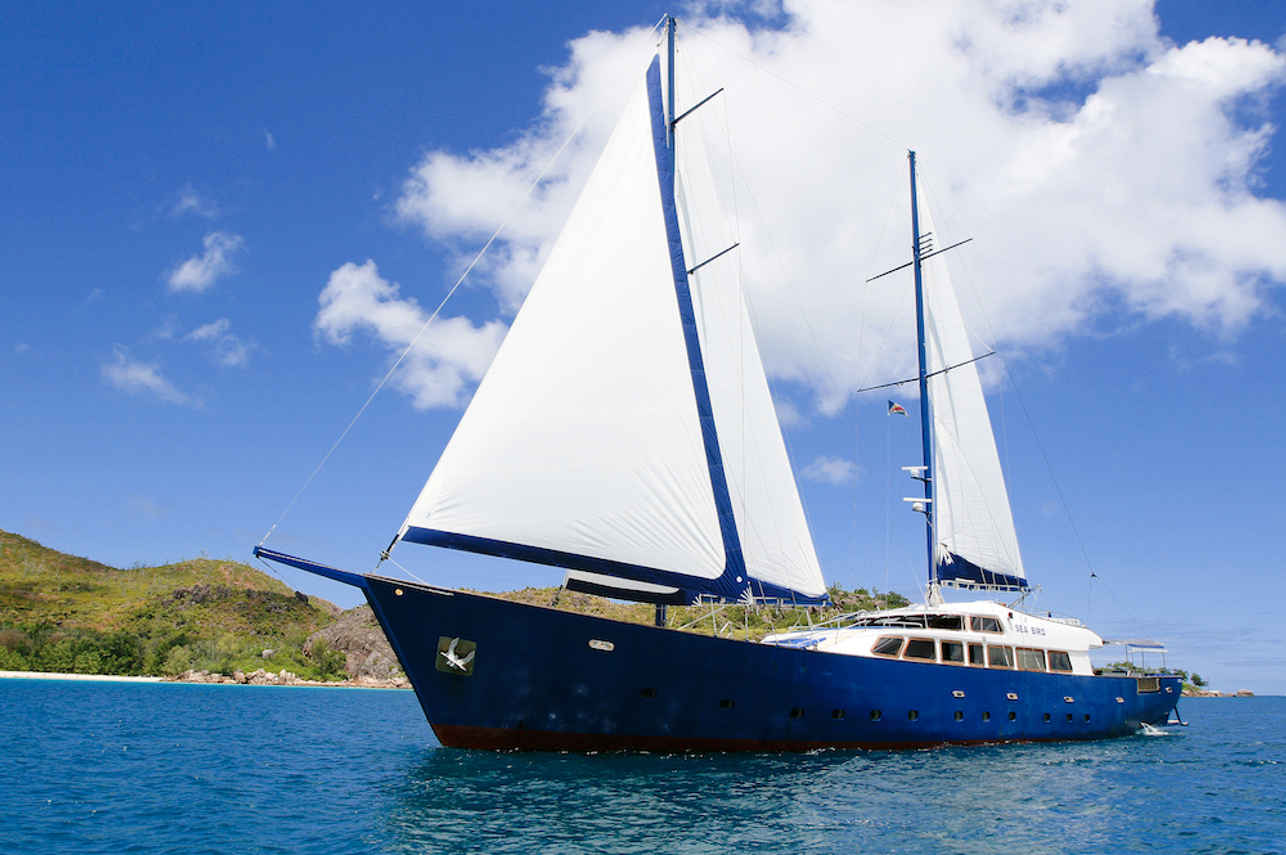
Sea Bird and Sea Star
Seychelles
18 guests42 m
$288/day
Dive sites similar to Trois Bancs
Same character, same waters — six more sites divers love for the exact same reasons.Compare seasons, access and liveaboard routes — then pick the site that fits your trip best.
Sister Bank
Seychelles
Sister Bank is a notable dive site situated in the Inner Islands of Seychelles, specifically near Praslin Island.
- Suitable for
- Intermediate
- Current
- Mild
- Access
- Liveaboard only
- Depth
- 15–30 m
- Theme
- Reef / Drift
Brissare Rocks (Mahé)
Seychelles
Brissare Rocks, located just north of Mahé, is a renowned dive site in Seychelles, widely considered one of Mahé's top five.
- Suitable for
- Intermediate
- Current
- Strong
- Access
- Liveaboard or dayboat
- Depth
- 8–20 m
- Theme
- Cave & cavern / Drift
Whale Rock
Seychelles
Whale Rock, located in La Rivière Anglaise, Seychelles, is renowned for its unique underwater geology, featuring large granite formations that extend from the surface to depths of…
- Suitable for
- Intermediate
- Current
- Moderate
- Access
- Liveaboard only
- Depth
- 15–25 m
- Theme
- Drift
Assumption Island
Seychelles
Assumption Island, situated in the Aldabra Group, is a secluded and infrequently visited island about 30 km south of Aldabra Atoll and 1300 km southwest of Mahé. Its allure for…
- Suitable for
- Intermediate
- Current
- Mild
- Access
- Liveaboard only
- Depth
- 5–40 m
- Theme
- Reef / Drift
South Marianne Island
Seychelles
South Marianne Island, also known simply as Marianne Island, stands out as a premier dive site near Praslin and La Digue, captivating divers with its distinctive geological formations.
- Suitable for
- Advanced
- Current
- Strong
- Access
- Liveaboard only
- Depth
- 15–40 m
- Theme
- Drift
Aride Island Reef
Seychelles
Aride Island Reef is a prominent dive site within the inner Seychelles islands, distinguished by its unique blend of granite boulder formations and flourishing coral ecosystems.
- Suitable for
- Intermediate
- Current
- Strong
- Access
- Liveaboard or dayboat
- Depth
- 6–24 m
- Theme
- Drift / Reef