About North Island
North Island is an exclusive dive location within the Seychelles, known for its pristine underwater environment and the opportunity to explore newly discovered sites. Located on the Mahé Plateau, the area boasts a dynamic topography that includes slopes descending to greater depths. The average dive depth ranges from 18 to 35 meters, supporting extensive hard coral formations, particularly fast-growing staghorn coral. The site's unique characteristics, combined with the efforts of resident diving instructors, mean that exploration often extends to previously uncharted areas, offering a truly distinctive diving adventure for guests. Marine life is abundant, with large schools of fish like blue-banded snappers and kingfish, various shark species, and round ribbontail rays commonly observed. While diving is possible year-round, conditions are optimal during transition months when visibility can reach up to 30 meters. However, specific seasons bring different marine megafauna sightings, such as whale sharks from August to November. Diving at North Island is primarily for those seeking an extraordinary experience, often involving strong currents that necessitate advanced diving skills. The focus is on discovery and encountering a rich, unspoiled ecosystem, making every dive a potentially unforgettable event.
Highlights
Exclusive, undiscovered dive spotsDynamic topography with slopesAbundant hard coral gardensDiverse shark speciesLarge shoals of fishRound ribbontail raysChallenging currentsUnforgettable dive experiences
Season calendar
Best months to dive here
Jan
Feb
Mar
Apr
May
Jun
Jul
Aug
Sep
Oct
Nov
Dec
Excellent
Good
Dive site facts: North Island
- Depth
- 18–35 m
- Current
- Strong
- Visibility
- Often over 30 m
- Water temperature
- 28–30°C
- Entry
- Liveaboard only
- Level
- Experienced recommended
- Dive type
- Reef, exploratory, pelagic encounters
- Region / port
- Seychelles
- Coordinates
- 4.8988° S, 55.2158° E
Conditions & Currents
North Island frequently experiences strong currents, which can make diving here challenging and primarily suited for experienced divers. These currents necessitate careful planning and execution, potentially involving negative entries depending on the site and conditions. Visibility at North Island is generally excellent, often surpassing 30 meters during optimal periods, though heavy rainfall can cause runoff and reduce clarity in the inner islands, less so in the outer regions. Water temperatures are typically warm, ranging from 28°C to 30°C, but can drop slightly during the southeast trade winds season (May-September), where a 4mm wetsuit might be beneficial. Divers should be prepared for varying conditions, especially regarding currents, and ensure their gas planning accounts for potential increased exertion.
Marine life & sighting chances

Staghorn Coral
common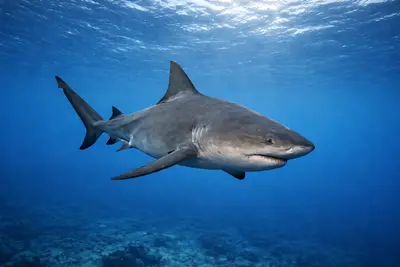
Sharks
common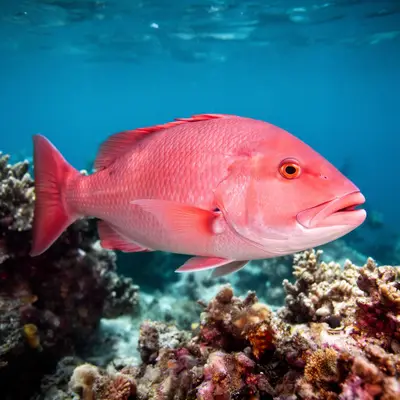
Blue-banded Snappers
common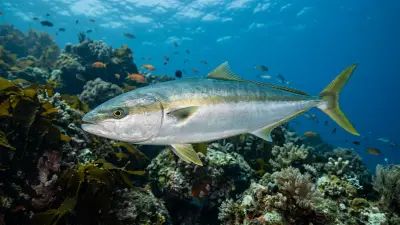
Kingfish
common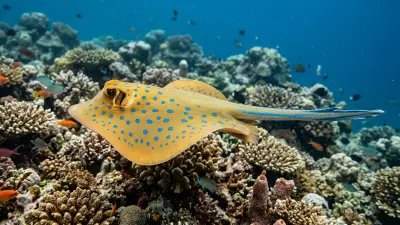
Round Ribbontail Rays
common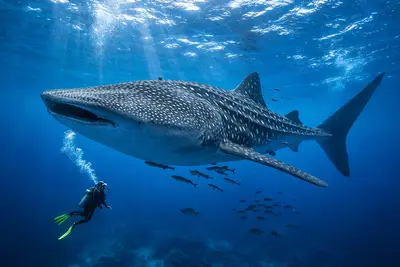
Whale Sharks
August-November · occasionalHard Corals
common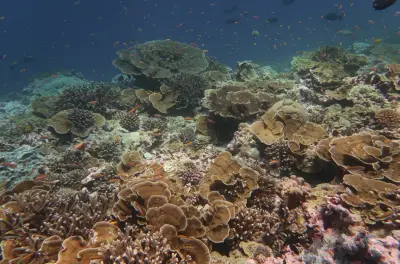
Reef Fish
common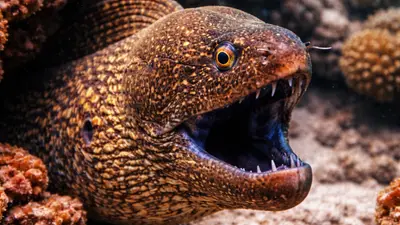
Moray Eels
occasional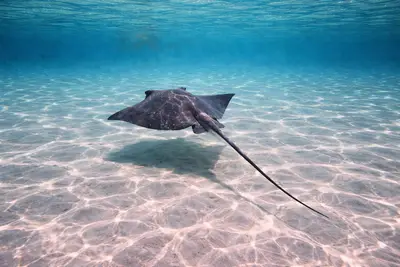
Stingrays
occasionalDive profile & how the dive runs
A typical dive at North Island begins with an assessment of the often strong currents, which dictates the entry method, potentially a negative entry. Divers descend to depths ranging from 18 to 35 meters, exploring the sloping topography and numerous coral pinnacles. The route will often involve drifting along the reefs, observing large schools of blue-banded snappers and kingfish, as well as various shark species and round ribbontail rays that frequent the area. The turn point is determined by air consumption and current strength, ensuring a conservative return or ascent profile. Safety stops are conducted in the mid-water column, carefully managing buoyancy and accounting for potential drift in the strong currents, allowing for a thorough outgassing while observing the active reef life.
Underwater photography
Capturing the dynamic underwater scenes at North Island, with its strong currents and pelagic encounters, benefits from a versatile setup. A wide-angle lens is ideal for showcasing the extensive hard coral gardens, vast schools of fish, and larger species like sharks and rays. Given the depth range of 18-35 meters, external strobes are essential to bring out the true colors of the corals and marine life, especially in deeper sections. Due to the prevalent strong currents, maintaining excellent buoyancy control is paramount, allowing photographers to stabilize themselves for sharp shots without disturbing the environment. Be prepared for fast-moving subjects; a quick shutter speed and responsive focus system are advantageous for capturing kingfish and snappers in motion.
Combine with nearby dive sites
- One Tree Island
A shallow site focused on fish, with good visibility and granite substrate.
- Trois Bancs
Features three granite-based reefs with steep drop-offs, vertical walls, and strong currents attracting large pelagics.
- Shark Bank (Mahé)
Known for schools of fish, reef sharks, eagle rays, and occasional whale sharks.
- Baie Ternay Marine Park
Shallow waters with spectacular coral reefs and abundant marine life, suitable for all levels.
Getting there & logistics
Access to North Island typically involves flying into Seychelles International Airport (SEZ) on Mahé, followed by a private transfer. The island is often visited as part of an exclusive resort stay, which includes dedicated dive operations. Trips are usually arranged directly through the resort, offering a highly personalized experience, including opportunities to visit newly discovered dive sites. Due to its private and exclusive nature, specific permits or fees beyond the resort's package may not be individually itemized for divers, but rather incorporated into the overall luxury experience. The dive operations are tailored to guests, focusing on bespoke itineraries rather than standard liveaboard routes, often employing smaller boats for intimate dive groups.
Safety & environment
Diving at North Island, especially with its often strong currents and potential for exploratory dives, requires adherence to strict safety protocols. Divers must carry valid dive insurance that covers recompression chamber treatment and emergency evacuation. The nearest recompression chamber is located on Mahé, which entails a transfer time that could impact critical care. Due to the remote and exclusive nature of the island, evacuation procedures would likely involve private air or sea transport. Site-specific hazards include variable and strong currents, necessitating advanced dive skills, excellent buoyancy control, and diligent gas management. Divers should always follow the guidance of local dive professionals, avoid touching marine life or corals, and stay within their training and experience limits, particularly when exploring new or challenging sites.
Who it suits — and who it doesn't
Suited for
- Experienced divers comfortable with strong currents
- Exploratory divers seeking unique, undiscovered sites
- Divers interested in diverse pelagic and reef encounters
- Guests seeking a luxury, personalized dive experience
- Underwater photographers focusing on wide-angle reefscapes and pelagics
Less suited for
- Novice or inexperienced divers
- Divers uncomfortable with strong currents
- Budget-conscious travelers
- Divers expecting easily accessible, calm conditions
- Those who prefer large group dive operations
FAQ
North Island FAQ
What level of diving experience is required for North Island?
North Island is best suited for experienced divers, as the sites often feature strong currents. While specific certifications are not always stated, advanced open water training and experience in current-rich environments are highly recommended to fully enjoy and safely navigate the dives.
When is the best time of year to dive at North Island?
The prime diving seasons for North Island are the transition months: March to May and September to November. During these periods, the ocean is typically calm, visibility is at its peak, often exceeding 30 meters, and water temperatures are very comfortable, enhancing the overall dive experience.
What kind of marine life can I expect to see at North Island?
North Island boasts a rich marine ecosystem, with common sightings including various shark species, large schools of blue-banded snappers and kingfish, and round ribbontail rays. The vibrant hard coral reefs are also home to a plethora of reef fish, while occasional whale shark sightings occur from August to November.
Are there opportunities for exploratory dives or visiting undiscovered sites?
Yes, North Island is renowned for its potential to offer dives at newly discovered and previously unexplored sites. The resident diving instructors actively scout new areas on the Mahé Plateau, providing guests with unique opportunities to be among the first to dive these pristine locations, enhancing the sense of adventure.
How are dive trips organized from North Island?
Dive trips from North Island are typically part of an exclusive, personalized resort experience. They are arranged directly through the island's dedicated dive center, often involving small groups and bespoke itineraries tailored to individual preferences and current conditions, ensuring a highly attentive and flexible diving schedule.
Why dive North Island from a liveaboard?
North Island is one of Seychelles's signature dive sites. A liveaboard sleeps you on the water and puts you in the water for three to four guided dives per day, including dawn and night dives that day-boat operators rarely offer. You skip the daily commute back to port and reach quieter, less-crowded sites in the same region on a single trip.
Below are the liveaboards that include North Island on their Seychelles itineraries.
Liveaboards diving North Island
These liveaboards may visit North Island on selected itineraries — the exact dive sites depend on departure, weather and conditions.
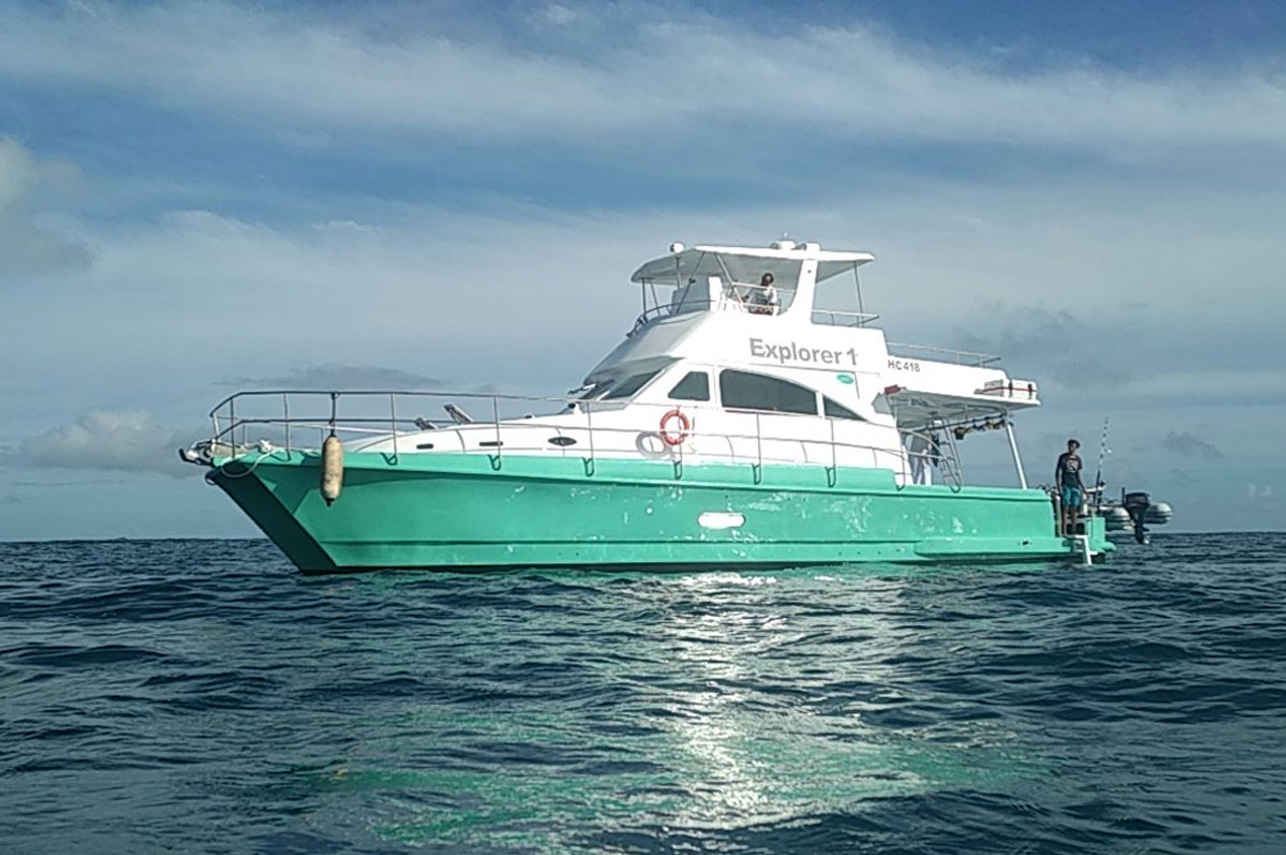
Explorer 1
Seychelles
6 guests17 m
$522/day
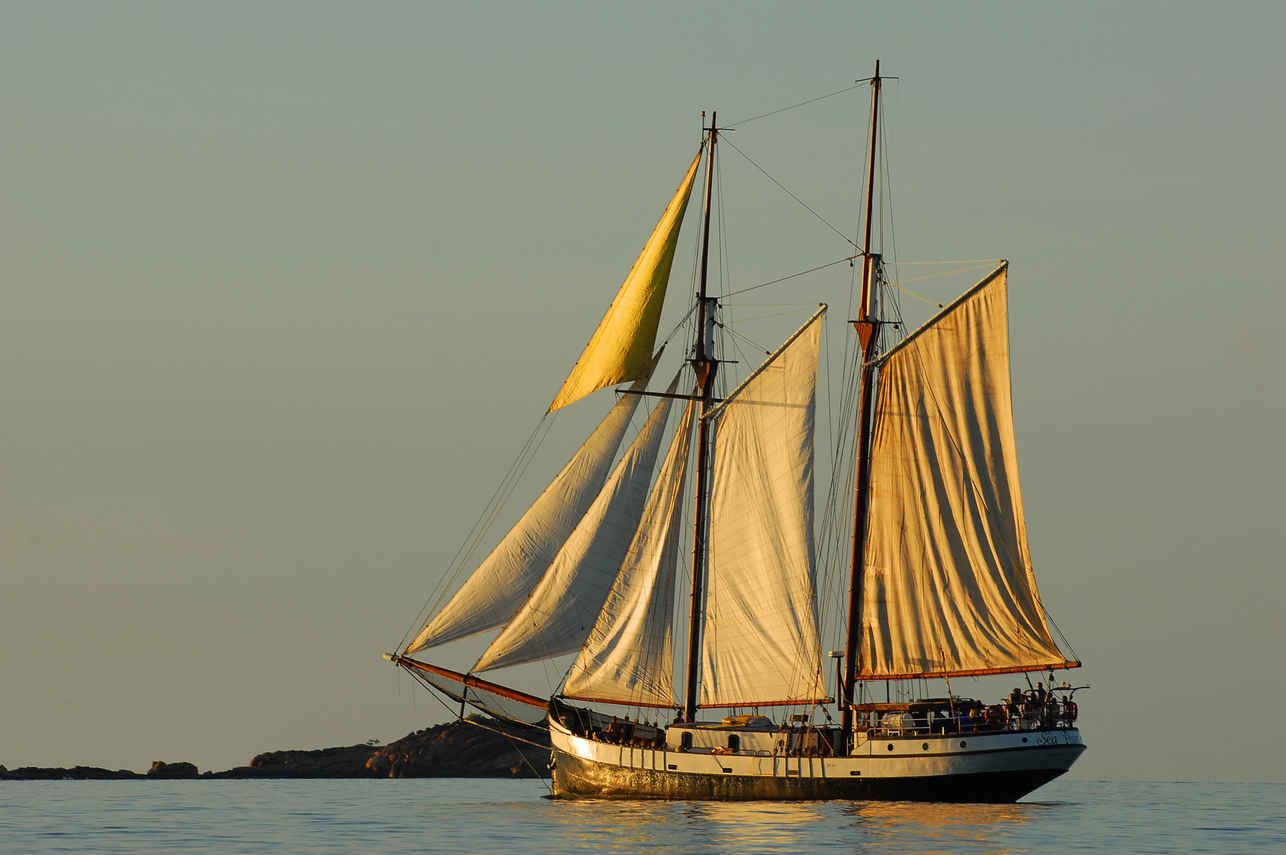
Sea Pearl
Seychelles
16 guests36 m
$212/day
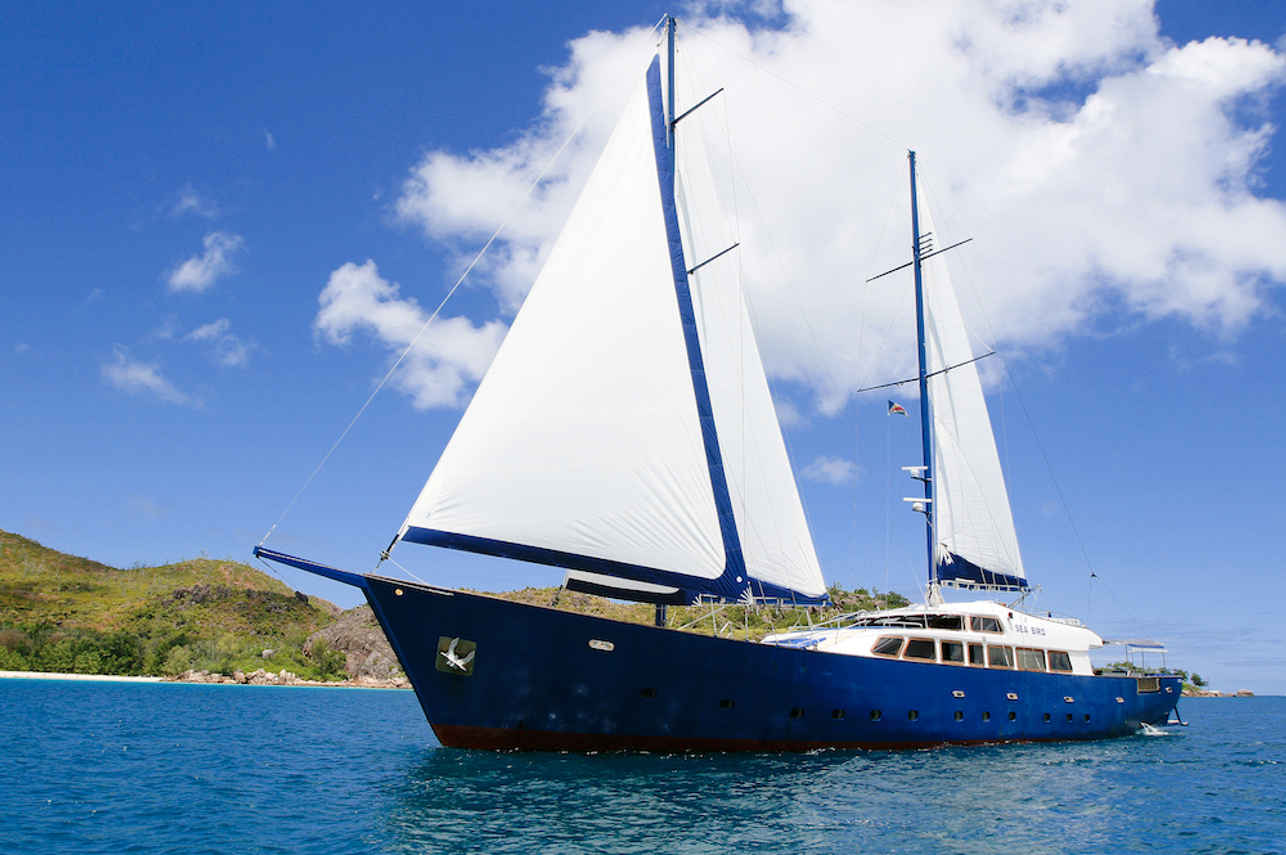
Sea Bird and Sea Star
Seychelles
18 guests42 m
$288/day
Dive sites similar to North Island
Same character, same waters — six more sites divers love for the exact same reasons.Compare seasons, access and liveaboard routes — then pick the site that fits your trip best.
Sister Bank
Seychelles
Sister Bank is a notable dive site situated in the Inner Islands of Seychelles, specifically near Praslin Island.
- Suitable for
- Intermediate
- Current
- Mild
- Access
- Liveaboard only
- Depth
- 15–30 m
- Theme
- Reef / Drift
Brissare Rocks (Mahé)
Seychelles
Brissare Rocks, located just north of Mahé, is a renowned dive site in Seychelles, widely considered one of Mahé's top five.
- Suitable for
- Intermediate
- Current
- Strong
- Access
- Liveaboard or dayboat
- Depth
- 8–20 m
- Theme
- Cave & cavern / Drift
Lighthouse Reef (Mahé)
Seychelles
Lighthouse Reef, situated near Mahé in the Seychelles, presents a captivating underwater experience characterized by thriving reef ecosystems.
- Suitable for
- Beginner
- Current
- Strong
- Access
- Liveaboard or dayboat
- Depth
- 5–18 m
- Theme
- Reef
Napoleon
Seychelles
Napoleon is a renowned dive site located off Alphonse Island in the Seychelles, celebrated for its rich biodiversity and stunning underwater topography.
- Suitable for
- Intermediate
- Current
- Moderate
- Access
- Liveaboard only
- Depth
- 8–30 m
- Theme
- Reef
One Tree Island
Seychelles
One Tree Island is a well-known, shallow dive site located off the coast of Mahé, the largest of the Seychelles' Inner Islands.
- Suitable for
- Beginner
- Current
- Moderate
- Access
- Liveaboard only
- Depth
- ≤ 12 m
- Theme
- Reef
St. Pierre
Seychelles
St. Pierre Islet is a distinctive granite pinnacle rising from depths of around 25 meters, situated north of Praslin.
- Suitable for
- Beginner
- Current
- Moderate
- Access
- Liveaboard only
- Depth
- 4–25 m
- Theme
- Reef