About Dhiggiri Kandu
Dhiggiri Kandu is a renowned channel dive in the Maldives, characterized by its current-sculpted reef edges and abundant pelagic activity in the blue water. This site embodies the classic Maldivian 'kandu' experience, offering exhilarating drift dives with significant depth and the chance to encounter schooling fish and shark action. Divers navigate along the channel, observing the diverse marine life that thrives in the strong currents. The coral health across the Maldives, including some shallow reef areas, has been affected by past bleaching events, particularly in 1998 and 2016-2017, although efforts are underway for restoration with heat-resistant corals. Despite this, many areas, especially deeper sections and channels, still host vibrant ecosystems supporting large pelagic species. The topography features reef edges shaped by powerful currents, which dictate the dive profile. Divers can expect to drift along these formations, keeping an eye on the blue for larger marine animals. The site is a hotspot for predators drawn to the nutrient-rich currents, making every dive a potential encounter with apex species. The dive experience requires comfort with drift diving and managing varying current speeds. Due to the dynamic conditions and depth, it's generally suited for more experienced divers. Key marine life sightings at Dhiggiri Kandu include grey reef sharks, whitetip reef sharks, and impressive eagle rays. Schools of jacks, tuna, and barracuda are frequently seen, along with dense aggregations of fusiliers. While widespread coral bleaching has impacted some shallow, sensitive corals across the Maldives, the deeper sections of channels like Dhiggiri Kandu often retain healthier soft corals and continue to attract a healthy population of large marine animals due to the currents.
Highlights
Tiger SharksGrey Reef SharksBull Sharks
Season calendar
Best months to dive here
Jan
Feb
Mar
Apr
May
Jun
Jul
Aug
Sep
Oct
Nov
Dec
Excellent
Good
Dive site facts: Dhiggiri Kandu
- Depth
- 30 m
- Current
- Moderate to strong
- Visibility
- 15–30 m
- Water temperature
- 27–30 °C
- Entry
- Boat
- Level
- Advanced
- Dive type
- Drift, Channel
- Region / port
- Vaavu Atoll
- Coordinates
- 3.412, 73.545
Conditions & Currents
Dhiggiri Kandu, as a channel dive in the Maldives, is characterized by moderate to strong currents. These currents are a defining feature, influencing both the dive profile and the marine life observed, as they bring in nutrient-rich waters that attract pelagic species. Entry is typically a negative entry from a liveaboard, allowing divers to quickly descend and get below the strongest surface currents before drifting along the channel. Divers should be proficient in drift diving techniques and comfortable with varying current strengths, as these can shift quickly. Visibility can fluctuate from 15 to 30 meters, sometimes decreasing with strong currents due to increased plankton presence, which ironically attracts more marine life. Advanced planning for entry and exit points is essential, with the dive boat often following the divers' drift.
Marine life & sighting chances


Dive profile & how the dive runs
A typical dive at Dhiggiri Kandu begins with a negative entry from a liveaboard, allowing divers to quickly descend and avoid the strongest surface currents. Divers then drift along the channel, carried by the prevailing current, which provides a dynamic experience with continuous views of the channel walls and the sandy bottom. The depth typically ranges around 30 meters, with some deeper sections and caves noted at 35 meters in nearby areas. The drift continues, allowing for observation of marine life such as white tip sharks and stingrays on the sand patches, and eagle rays crossing the channel. The interior walls and cavities are explored for lobsters and shrimps. Divers turn at a pre-determined point or when air consumption dictates, then ascend slowly for a safety stop in calmer waters, often assisted by the boat that follows the divers' progress.
Underwater photography
Dhiggiri Kandu offers excellent opportunities for wide-angle photography, especially when pelagic species like eagle rays and sharks are present in the channel. Consider using a wide-angle lens to capture the vastness of the channel and schools of fish. For macro subjects, a macro lens would be suitable for exploring the smaller inhabitants within the numerous cavities along the channel walls, such as lobsters and shrimps. External strobes are highly recommended to bring out the vibrant colors of the marine life and to counteract the blue cast at depth. Due to potentially strong currents, maintaining stable buoyancy and position can be challenging, so practice drift diving photography techniques. Always respect marine life by keeping a safe distance and avoiding disturbance, particularly in tighter spaces with smaller creatures.
Combine with nearby dive sites
- Miyaru Kandu
Miyaru Kandu, aptly named "Shark Channel," stands out as a premier drift dive destination in the Maldives, particularly within the Vaavu…
- Alimatha Jetty
Alimatha Jetty, situated in the Vaavu Atoll beside the Alimatha Aquatic Resort's working pier, is celebrated as a premier night dive…
- Kandooma Thila (Cocoa Thila)
Kandooma Thila, also known as Cocoa Thila, is a world-class dive site nestled in the South Kaafu Atoll of the Maldives, just a short boat…
- Filitheyo Reef (Faafu)
Filitheyo Reef, situated in the Faafu Atoll, offers an unspoiled underwater paradise, unique as the only tourist island in the atoll.
Getting there & logistics
Access to Dhiggiri Kandu is predominantly via liveaboard cruises departing from Malé, the capital of the Maldives. International flights arrive at Velana International Airport (MLE) near Malé. Liveaboard trips typically range from 7 to 10 days, covering various dive sites across different atolls, often including Vaavu Atoll where Dhiggiri Kandu is located. No specific permits beyond standard Maldivian tourist visas are generally required for diving, but dive operators will handle any necessary local permissions. These trips offer the convenience of reaching remote dive sites, with all meals and diving activities organized, maximizing dive time in this stunning region.
Safety & environment
Diving at Dhiggiri Kandu requires adherence to standard safety protocols due to the strong currents typical of channel dives. Divers should always carry an SMB (Surface Marker Buoy) for signaling the boat, and a dive computer is essential for monitoring depth and bottom time. Recompression chambers in the Maldives are primarily located in Malé and Bandos Island. Evacuation from remote atolls to these facilities can be lengthy and expensive, emphasizing the critical importance of dive insurance that covers dive accidents and medical evacuation. Divers should be experienced in drift diving and capable of maintaining buoyancy in strong currents. Always follow your dive guide's instructions and stay with your group.
Who it suits — and who it doesn't
Suited for
- Experienced drift divers
- Advanced Open Water Divers
- Underwater photographers
- Divers seeking pelagic encounters
- Liveaboard enthusiasts
Less suited for
- Beginner divers
- Divers uncomfortable with strong currents
- Divers prone to seasickness
- Divers with limited buoyancy control
FAQ
Dhiggiri Kandu FAQ
What kind of marine life can I expect at Dhiggiri Kandu?
At Dhiggiri Kandu, you can anticipate seeing a variety of marine life, particularly those attracted to strong currents. Common sightings include white tip sharks and stingrays patrolling the sandy bottom. Eagle rays are also occasionally spotted crossing the channel. The channel walls are home to smaller creatures such as lobsters and shrimps in their many cavities.
Is Dhiggiri Kandu suitable for beginner divers?
Dhiggiri Kandu is not recommended for beginner divers. Its defining characteristic is the presence of moderate to strong currents, which requires excellent buoyancy control and experience with drift diving. Advanced Open Water certification and prior experience in current-rich environments are generally advised for a safe and enjoyable dive at this site.
What are the typical diving conditions at Dhiggiri Kandu?
Diving conditions at Dhiggiri Kandu typically involve strong currents, which are part of the thrill of this channel dive. Water temperature is consistently warm, ranging from 27 to 30°C. Visibility can vary between 15 and 30 meters, depending on current strength and plankton levels. Dives are exclusively done from a boat, usually involving a negative entry to get below the strongest currents efficiently.
What is the maximum depth at Dhiggiri Kandu?
The maximum depth at Dhiggiri Kandu is around 30 meters on the channel bottom. In some specific areas, such as the entrance to the channel or nearby caves, depths can extend slightly deeper to about 35 meters. Divers should be mindful of their depth limits, especially when drifting in currents.
How do you access Dhiggiri Kandu?
Dhiggiri Kandu is primarily accessed via liveaboard tours operating in the Maldives. Divers typically embark on liveaboard cruises from Malé, which then travel to various atolls, including Vaavu Atoll where this dive site is located. This method allows for multiple dives at different sites and minimizes travel time between dive locations.
Why dive Dhiggiri Kandu from a liveaboard?
Dhiggiri Kandu is one of Maldives's signature dive sites. A liveaboard sleeps you on the water and puts you in the water for three to four guided dives per day, including dawn and night dives that day-boat operators rarely offer. You skip the daily commute back to port and reach quieter, less-crowded sites in the same region on a single trip.
Below are the liveaboards that include Dhiggiri Kandu on their Maldives itineraries.
Liveaboards diving Dhiggiri Kandu
These liveaboards may visit Dhiggiri Kandu on selected itineraries — the exact dive sites depend on departure, weather and conditions.
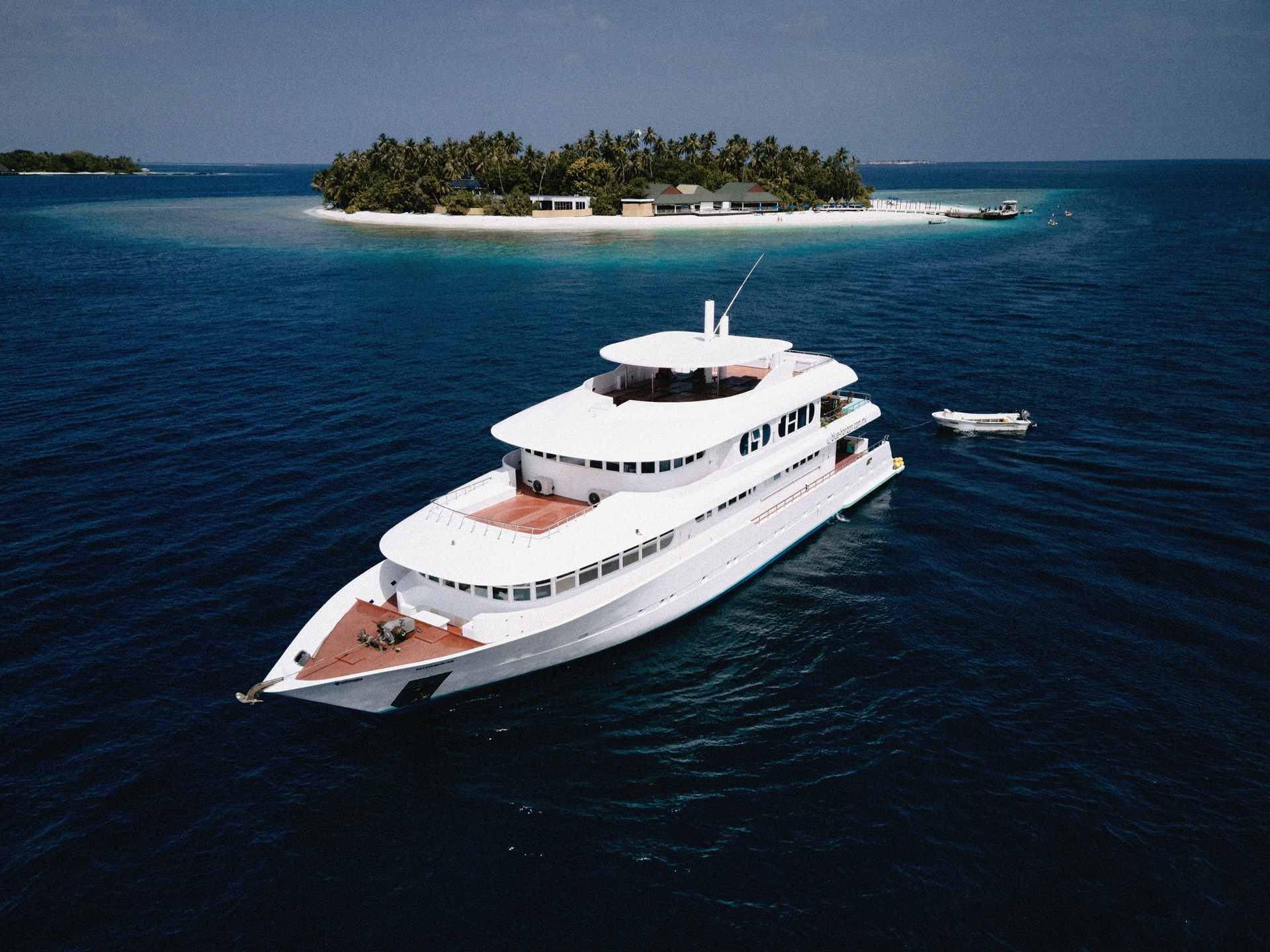
Horizon III
Maldives
25 guests
$204/day
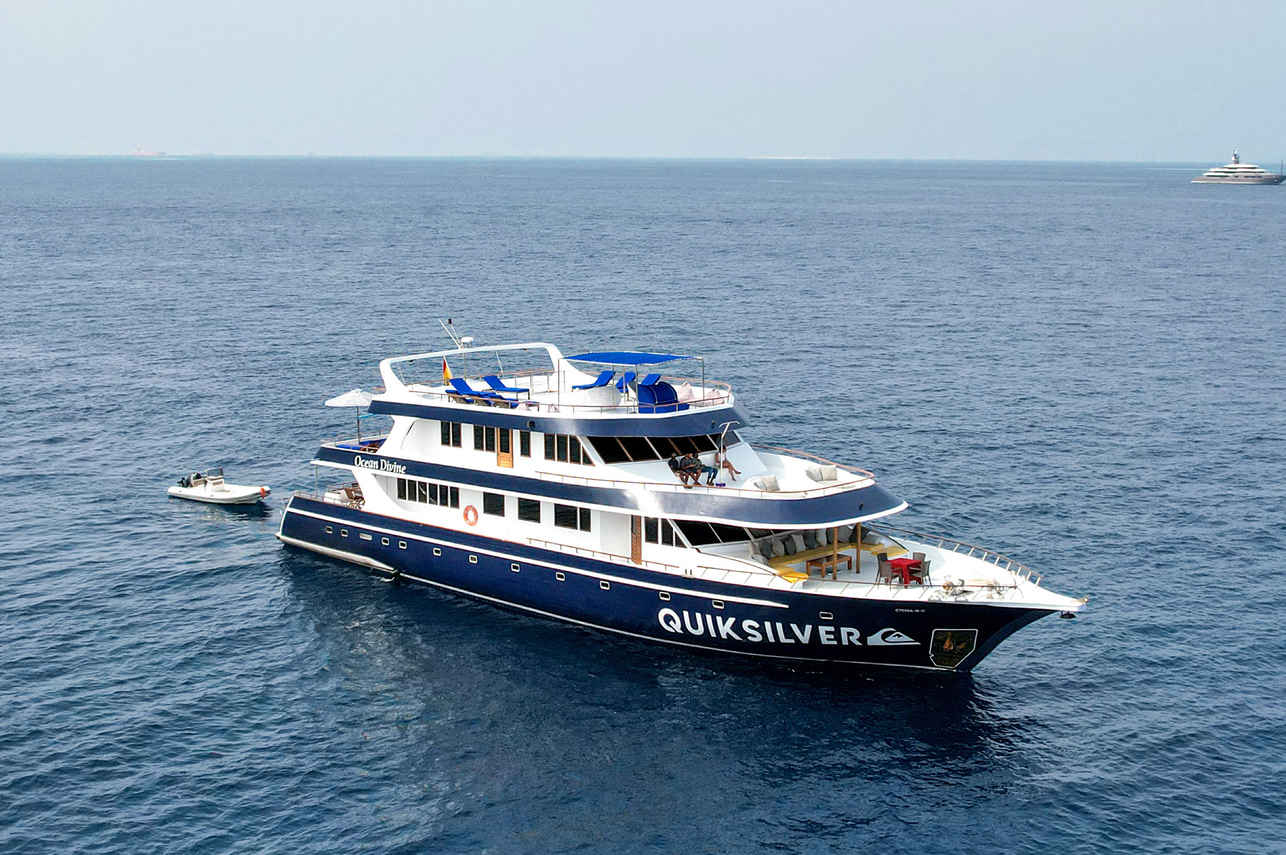
Ocean Divine
Maldives
16 guests33.528 m
$287/day
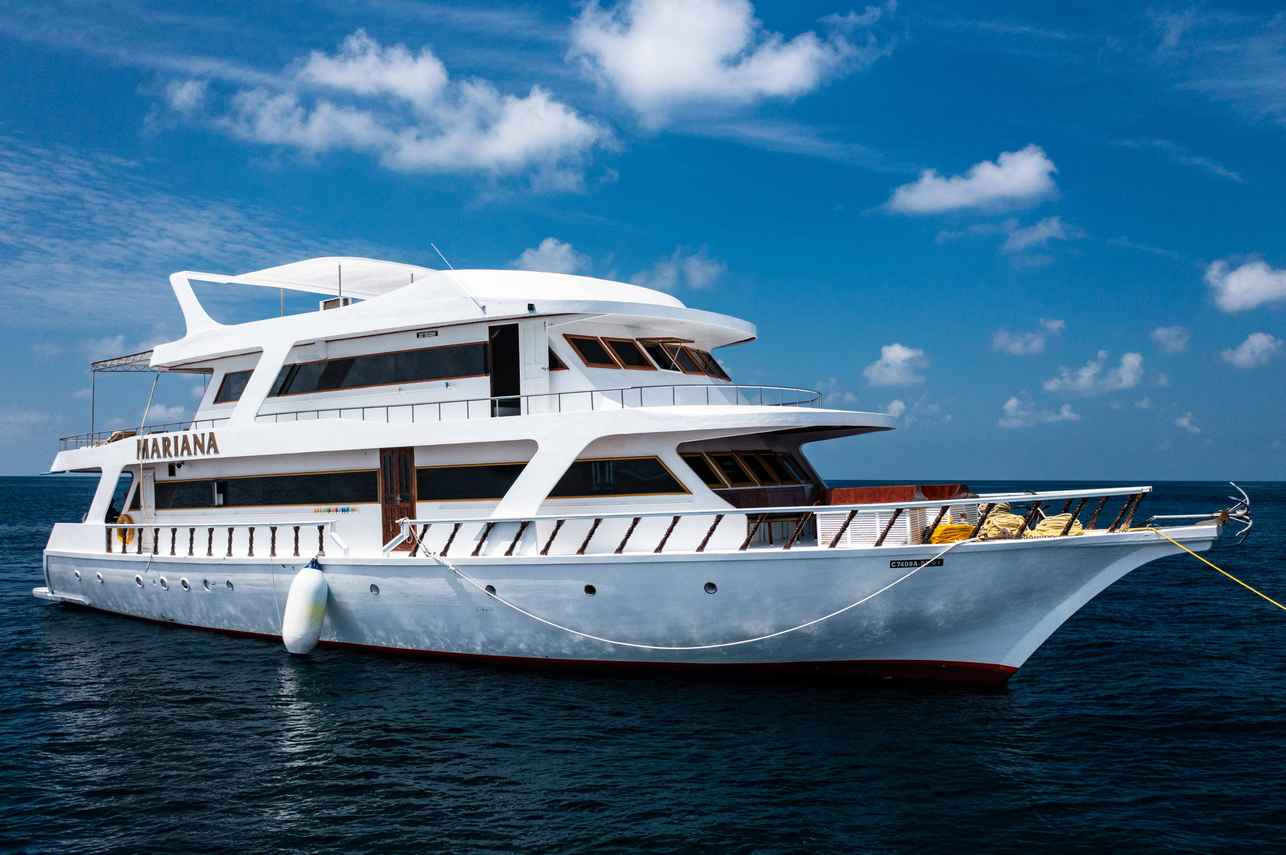
EcoPro Mariana
Maldives
16 guests30 m
$236/day
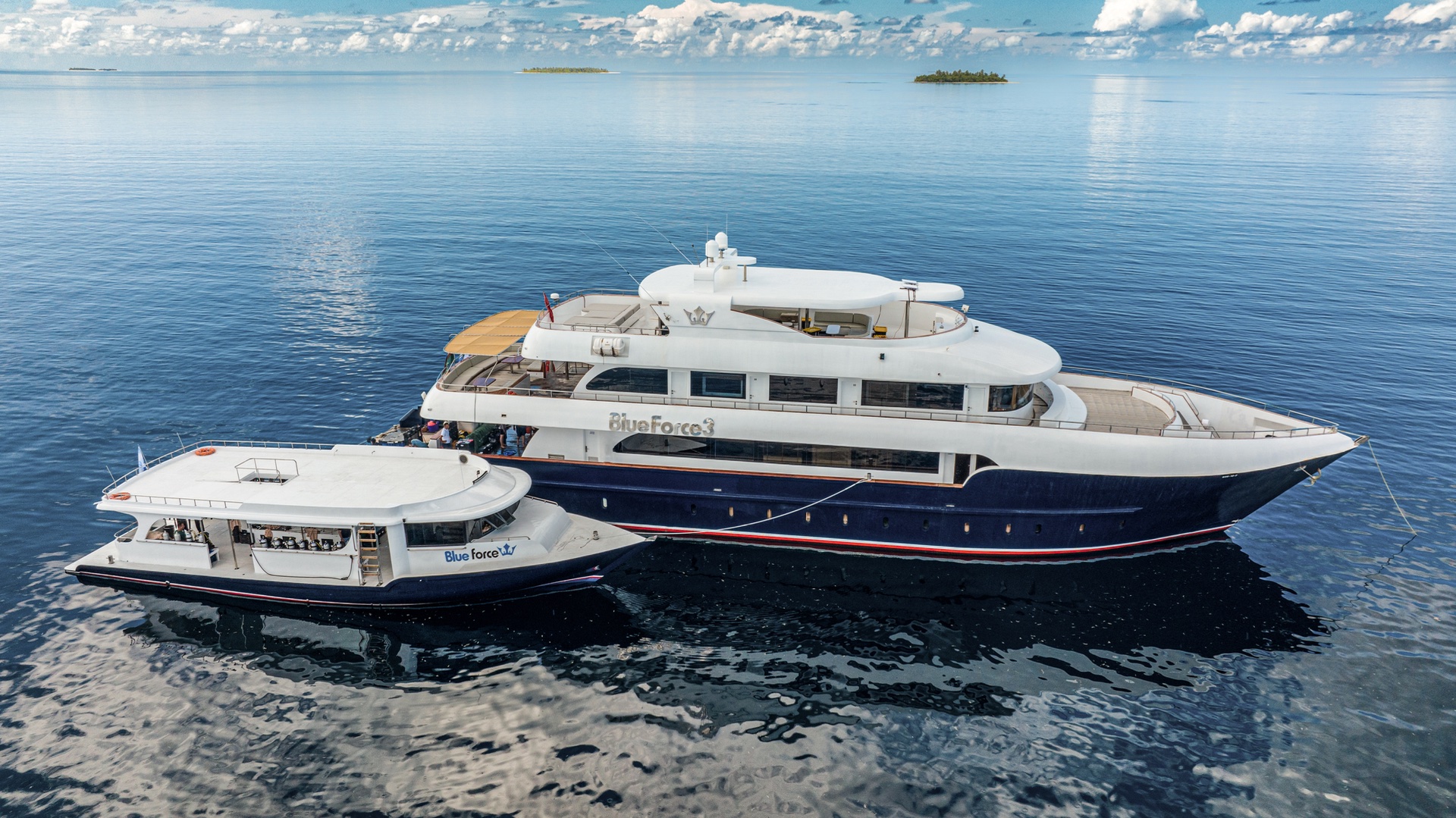
Maldives Blue Force 3
Maldives
26 guests42 m
$236/day
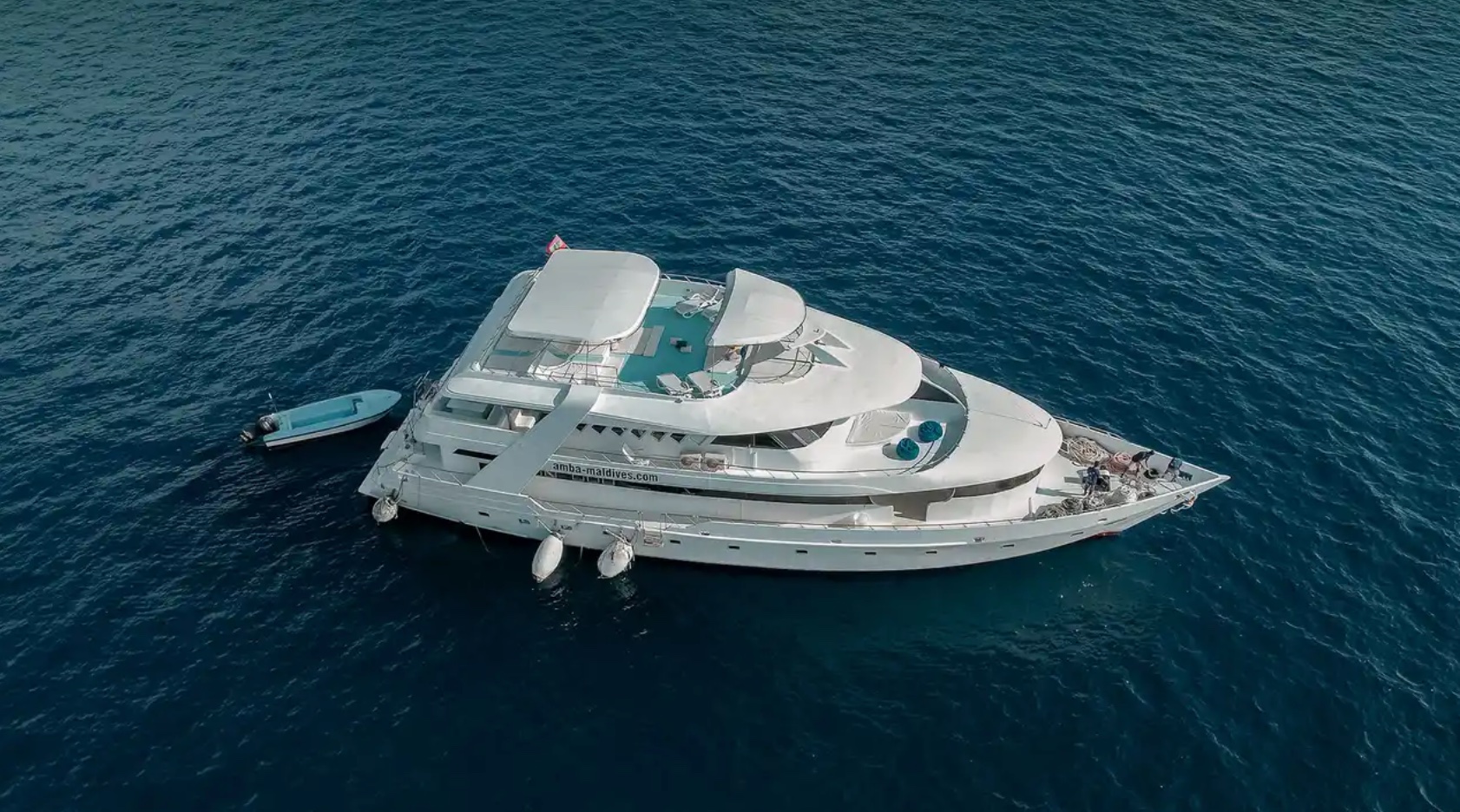
Amba
Maldives
20 guests
$177/day
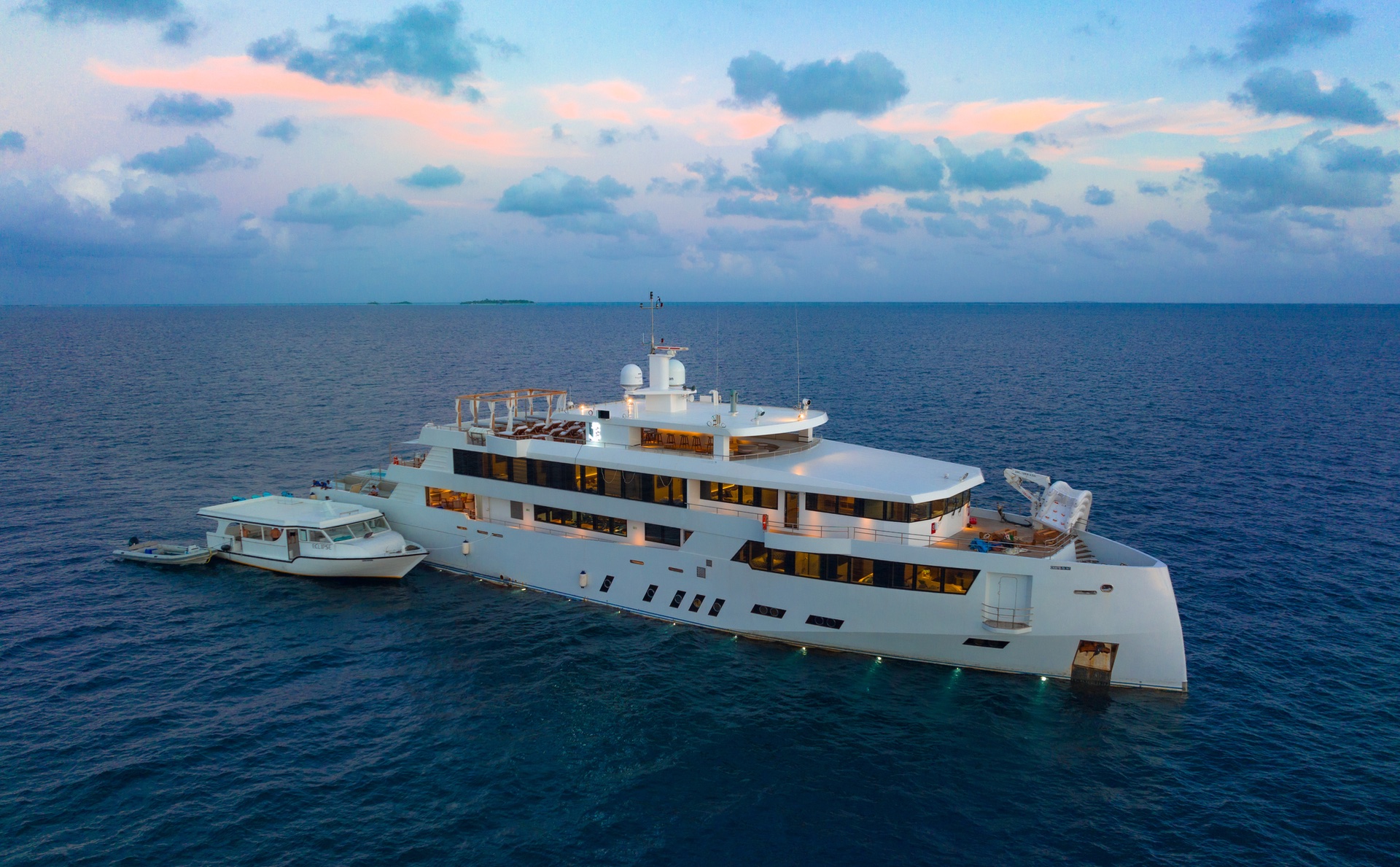
White Pearl
Maldives
26 guests
$375/day
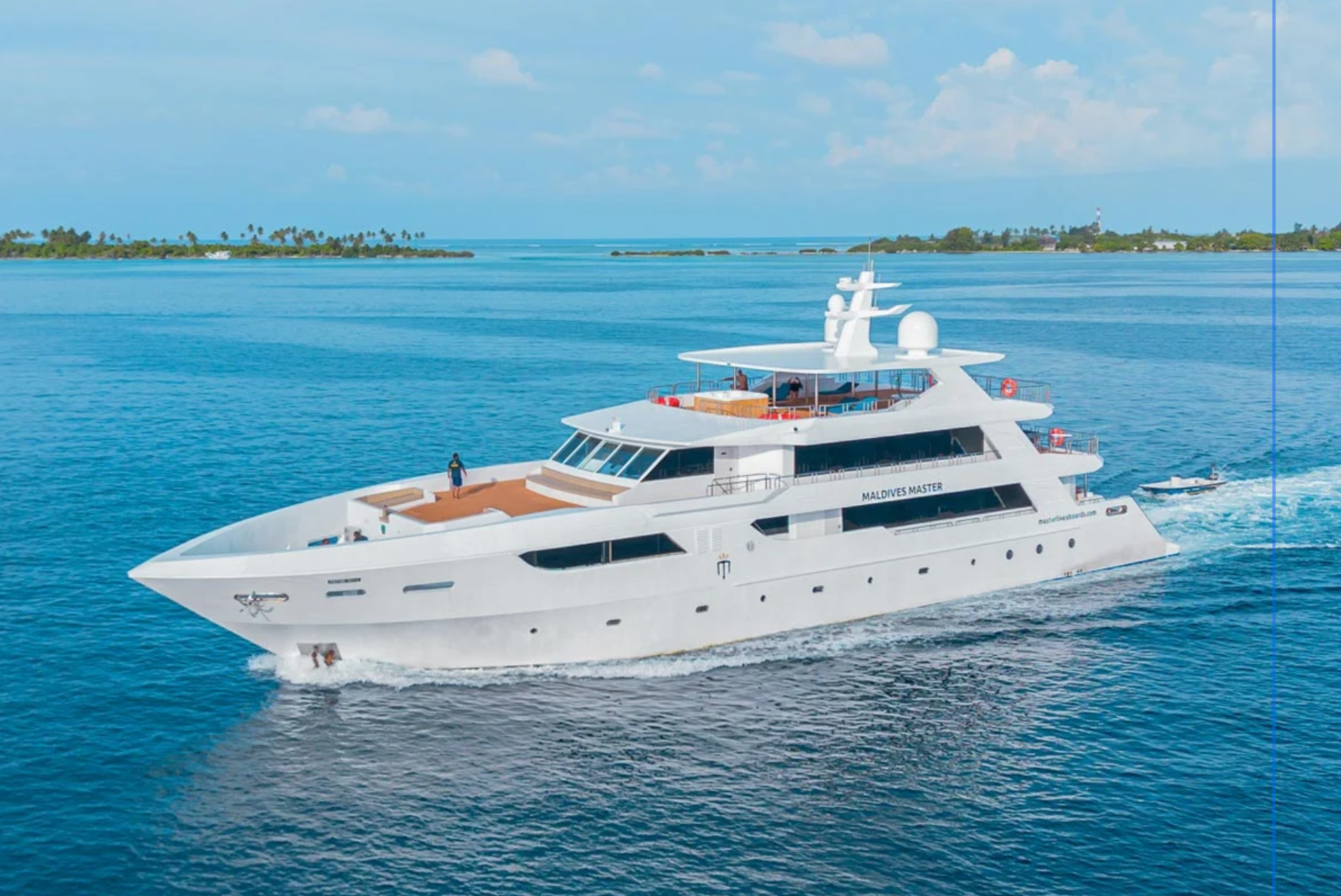
Maldives Master
Maldives
26 guests
$207/day
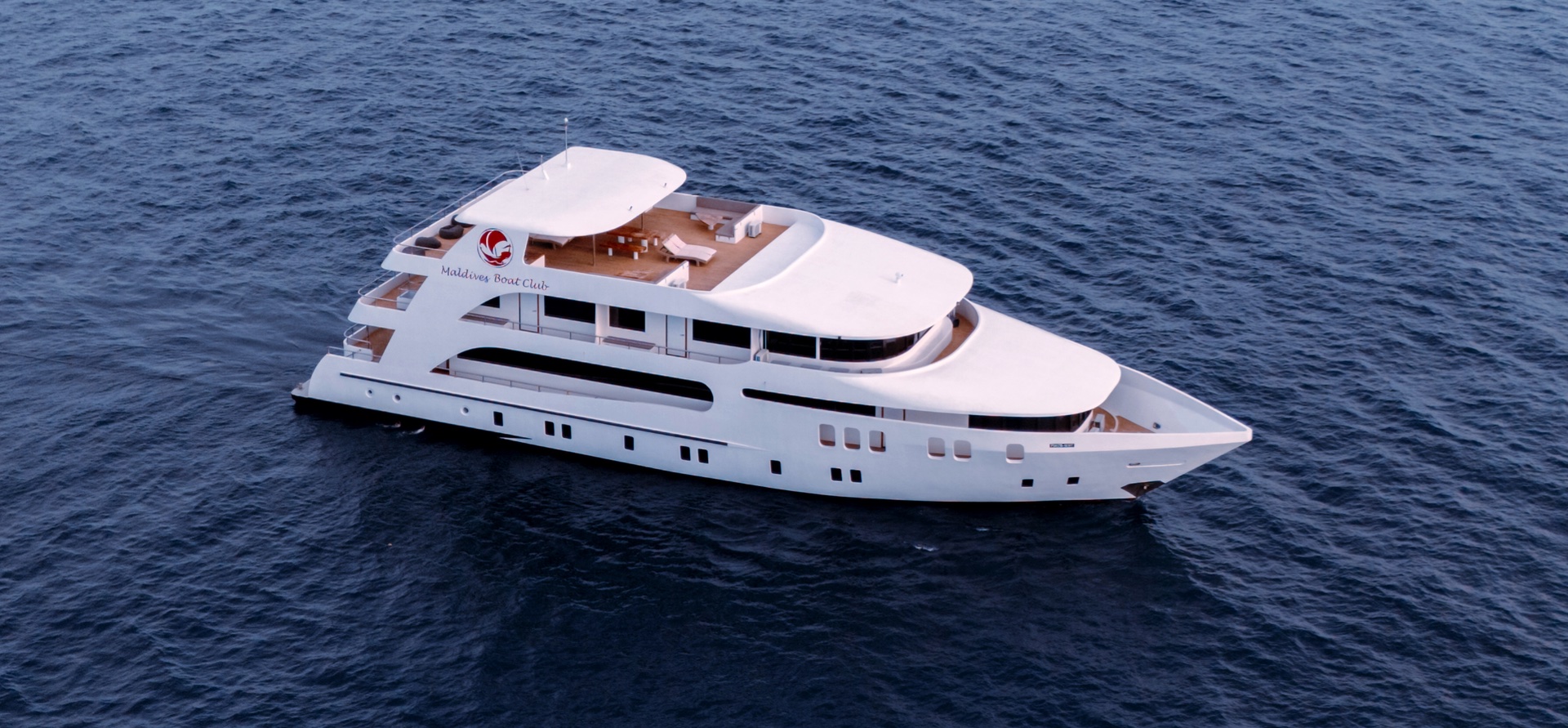
Adora
Maldives
22 guests
$297/day
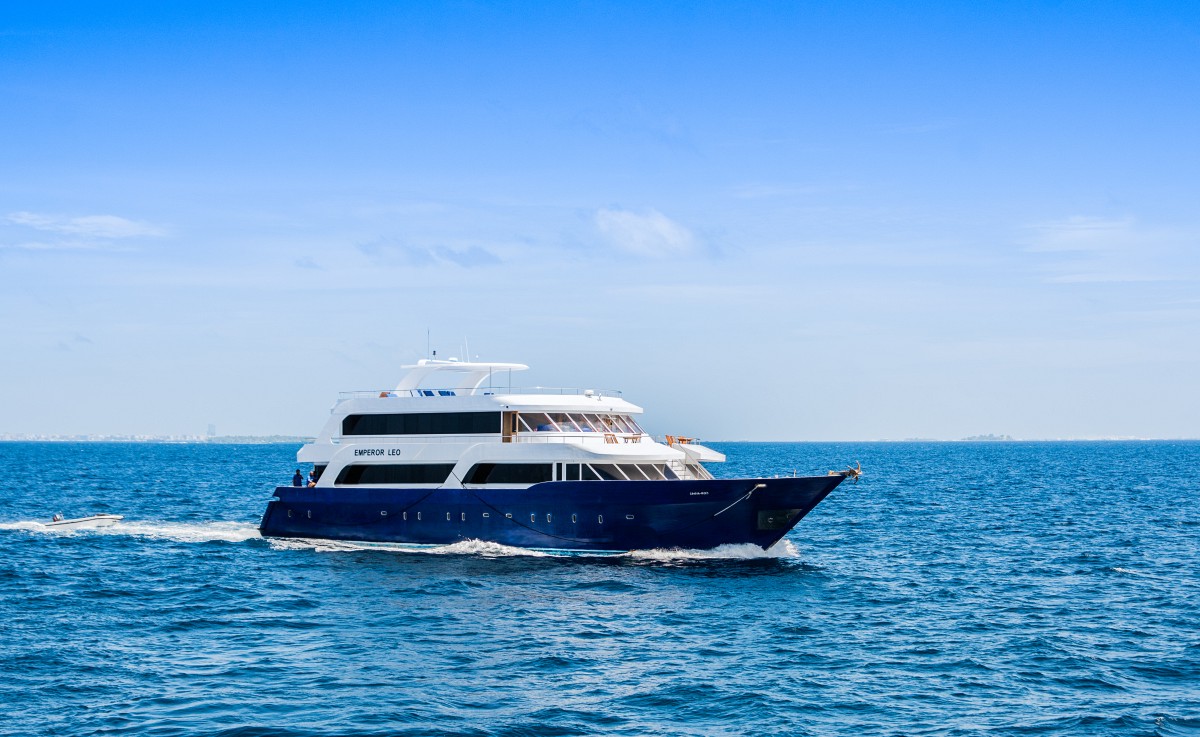
Emperor Leo
Maldives
24 guests35.1 m
$339/day
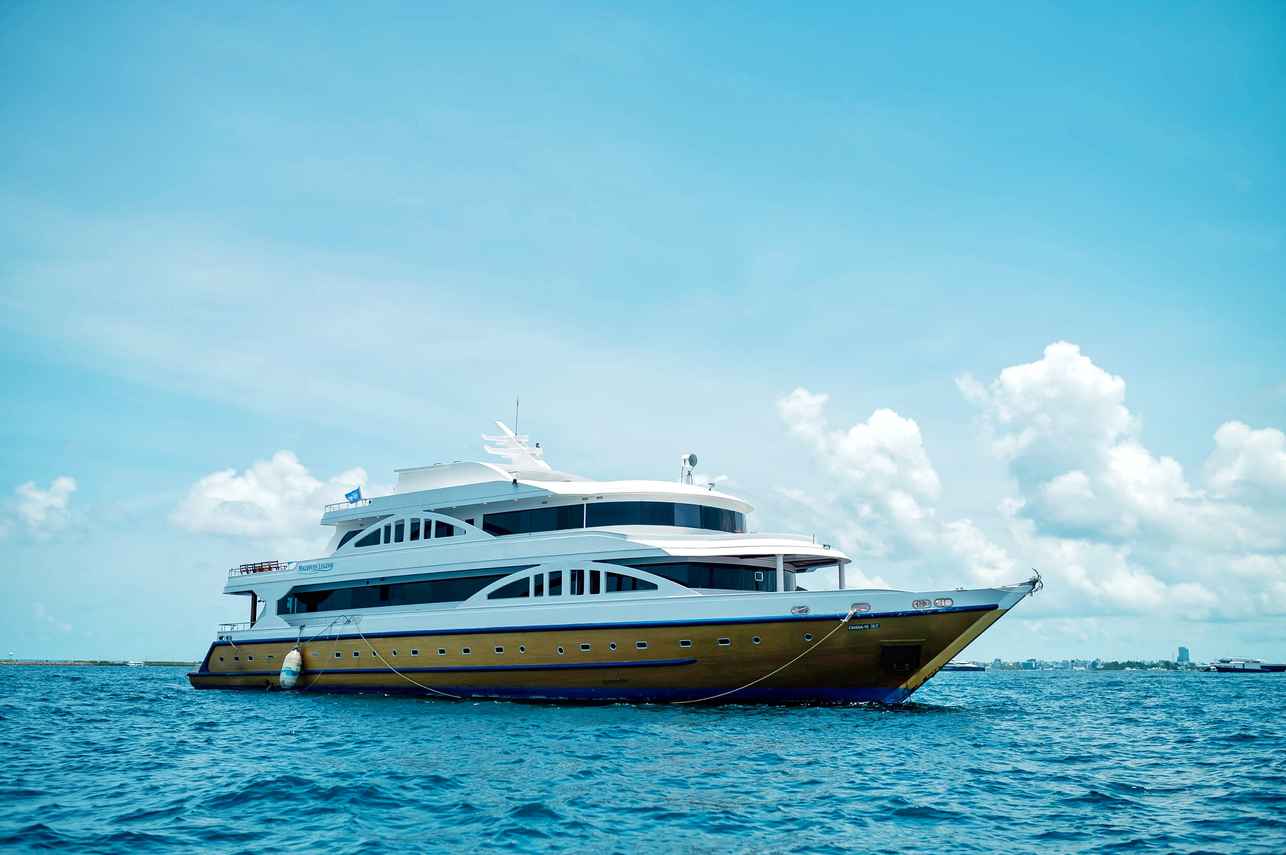
Maldives Legend Zen
Maldives
24 guests41 m
$316/day
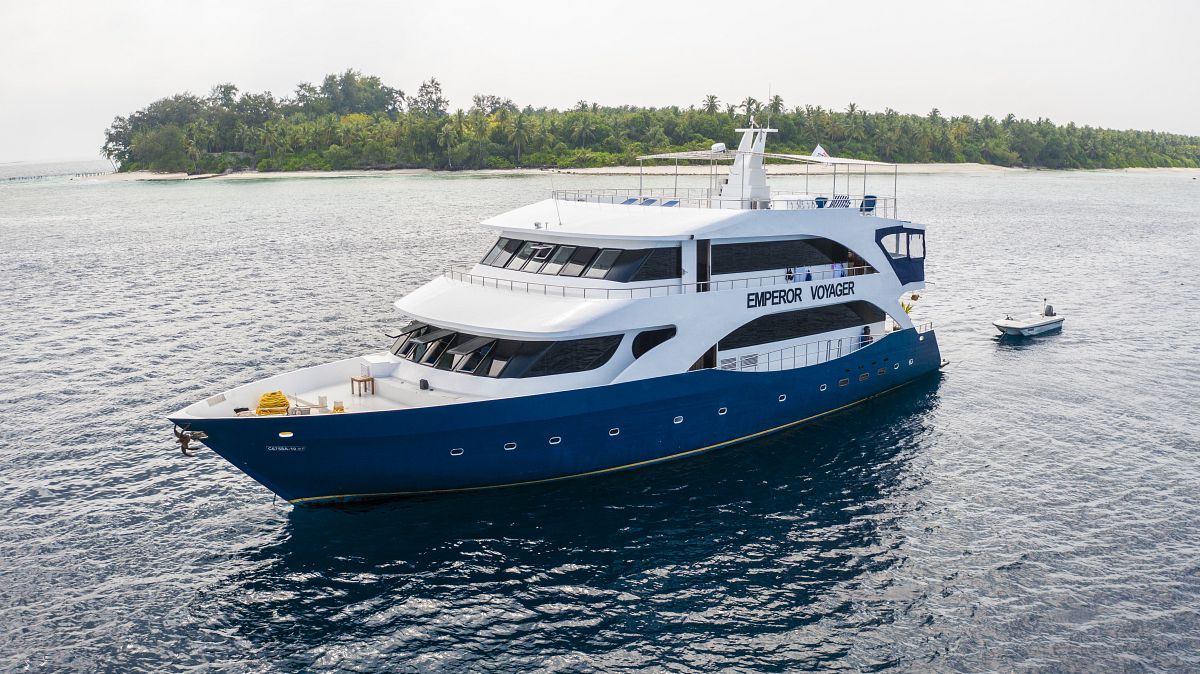
Emperor Voyager
Maldives
20 guests29.9 m
$332/day
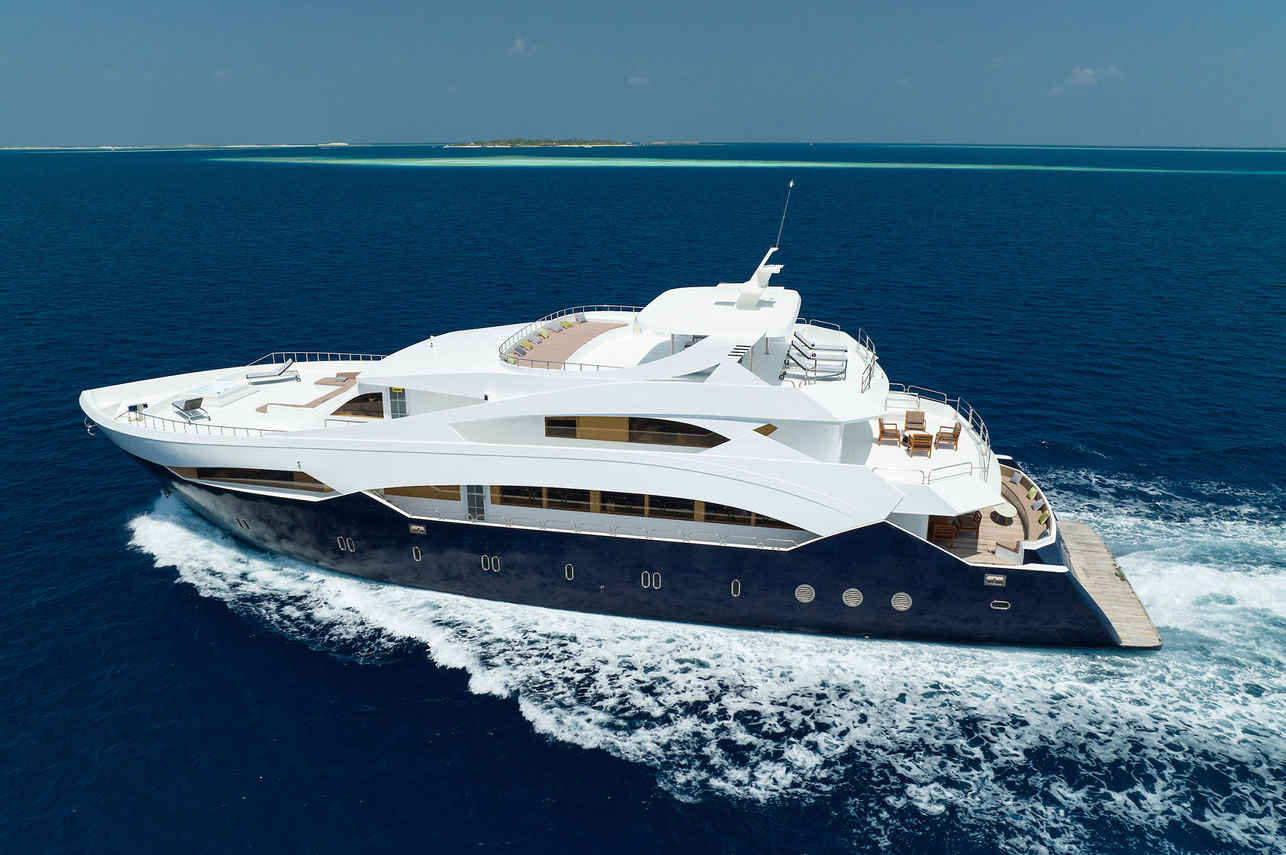
Felicity
Maldives
26 guests41 m
$229/day
Dive sites similar to Dhiggiri Kandu
Same character, same waters — six more sites divers love for the exact same reasons.Compare seasons, access and liveaboard routes — then pick the site that fits your trip best.
© Esri — Maxar, Earthstar, GIS
Fushi Kandu (Lhaviyani)
Maldives
Fushi Kandu, located in the Lhaviyani Atoll, is an exciting channel dive site in the Maldives, offering some of the most dynamic drift diving experiences in the Indian Ocean.
- Suitable for
- Advanced
- Current
- Strong
- Access
- Liveaboard or dayboat
- Depth
- 15–35 m
- Theme
- Channel / Drift
© Esri — Maxar, Earthstar, GIS
Gan Corner (Addu Atoll)
Maldives
Gan Corner, locally known as Gan Kandu, is a prominent channel dive site nestled in the southwestern part of Addu (Seenu) Atoll, situated conveniently near the islands of Gan and Feydhoo.
- Suitable for
- Advanced
- Current
- Strong
- Access
- Liveaboard or dayboat
- Depth
- 5–40 m
- Theme
- Channel / Drift
© Esri — Maxar, Earthstar, GIS
Hithadhoo Corner (Addu)
Maldives
Hithadhoo Corner, situated in Addu Atoll, offers a unique opportunity for exceptional diving and snorkeling.
- Suitable for
- Advanced
- Current
- Moderate
- Access
- Liveaboard or dayboat
- Depth
- 3–30 m
- Theme
- Channel / Drift
© Esri — Maxar, Earthstar, GIS
Guraidhoo Corner
Maldives
Guraidhoo Corner, situated at the southern tip of Guraidhoo Island, stands as a marine protected area often celebrated for its exceptional fish diversity and photographic opportunities within the Maldives.
- Suitable for
- Advanced
- Current
- Ripping
- Access
- Liveaboard or dayboat
- Depth
- 5–35 m
- Theme
- Channel / Drift
© Esri — Maxar, Earthstar, GIS
Kooddoo Corner (Gaafu Alifu)
Maldives
Kooddoo Corner is a significant reef formation situated at the southern tip of the Gaafu Alifu atoll, close to Kooddoo airport island.
- Suitable for
- Advanced
- Current
- Strong
- Access
- Liveaboard or dayboat
- Depth
- 15–40 m
- Theme
- Channel / Drift
© Esri — Maxar, Earthstar, GIS
Maaya Thila
Maldives
Maaya Thila, a protected Marine Reserve located in the North Ari Atoll of the Maldives, is a prominent pinnacle dive site.
- Suitable for
- Advanced
- Current
- Strong
- Access
- Liveaboard or dayboat
- Depth
- 6–30 m
- Theme
- Drift / Cave & cavern