About Filitheyo Reef (Faafu)
Filitheyo Reef, situated in the Faafu Atoll, offers an unspoiled underwater paradise, unique as the only tourist island in the atoll. This 900-meter long and 500-meter wide island is fringed by a stunning, flour-white beach and boasts an exceptional house reef accessible directly from the shore. The resort on Filitheyo Island ensures a secluded diving experience, making its numerous reefs almost exclusively available to its guests. The house reef itself features a colorful wall on the northern side, dropping to depths exceeding 50 meters, and is home to two purposely sunk wrecks that provide interesting exploration for divers of all levels. Beyond the house reef, more than 20 dive sites are reachable within a 50-minute boat ride, ranging from shallow coral gardens suitable for snorkelers to exhilarating channel dives in the outer reefs, where strong currents bring in larger marine species. The marine environment here is notably healthy, with some reefs showing remarkable recovery from past coral bleaching events, particularly at deeper sections and in current-exposed channels. Divers can anticipate frequent sightings of diverse reef fish, rays, turtles, and sharks, with occasional encounters with mantas and whale sharks on the deeper northern house reef drop-off or at dedicated cleaning stations. The variety of dive profiles, from calm Giri dives to adrenaline-pumping channel dives, caters to all preferences.
Highlights
Pristine house reef accessChannel dives with pelagicsTwo accessible shipwrecksManta ray cleaning stationHealthy coral ecosystemsUnique secluded diving
Season calendar
Best months to dive here
Jan
Feb
Mar
Apr
May
Jun
Jul
Aug
Sep
Oct
Nov
Dec
Excellent
Good
Dive site facts: Filitheyo Reef (Faafu)
- Depth
- 5–50+ m
- Current
- Mild to strong
- Visibility
- 10–30 m
- Water temperature
- 27–30°C
- Entry
- Boat / Shore (house reef)
- Level
- All levels, AOWD for channels
- Dive type
- Reef, channel, wreck, drift
- Night dive
- Possible
- Region / port
- Faafu Atoll
- Coordinates
- 3.1228, 72.9931
Conditions & Currents
Diving at Filitheyo Reef involves a range of current conditions, from calm drift dives along Giri formations to strong currents in the channels and passes. The southwest monsoon season, from June to November, typically brings stronger currents and increased plankton, which can slightly reduce visibility but also attracts large pelagic species. During channel dives, especially at Filitheyo Kandu, currents can be significant, necessitating specific entry techniques where divers immediately descend to around 6 meters upon entering the water. Divers must be prepared for drift diving, allowing the current to carry them along the reef walls. Experience with currents is beneficial, especially for exploring the more technical sites and channel dives, which are protected as marine reserves.
Marine life & sighting chances

Manta ray
December - April · common
Whale shark
occasional
White-tip reef shark
common
Nurse shark
common
Eagle ray
occasional
Turtle
common
Napoleon wrasse
common
Barracuda
common
Tuna
occasional
Ghost pipefish
occasional
Frogfish
occasional
Lobster
commonDive profile & how the dive runs
Dives often begin from one of the eight entry points on the extensive house reef, allowing direct access to vibrant shallow sections or a drop-off descending past 50 meters. For boat dives, launches are typically made from a Dhoni above thilas. In current-prone areas like Filitheyo Kandu, divers perform a negative entry, descending quickly to around 6 meters without waiting at the surface, then regrouping to drift with the current. This method enables effortless progression along walls and channels, allowing you to observe pelagics. Wreck dives, such as the KM Agro Mina II and Koimas I, are accessible from specific house reef entries, leading to depths between 21 and 34 meters. Safety stops are conducted as the current allows, typically at shallower depths along the reef or with the aid of a safety buoy.
Underwater photography
Filitheyo Reef provides excellent opportunities for both wide-angle and macro photography. For the vibrant coral gardens and schooling fish found on the house reef and Giri dives, a wide-angle lens captures the expansive scenes and diverse reef life. During channel dives, where pelagic encounters are frequent, a wide-angle setup is ideal for capturing sharks, rays, and tuna. In the drier season (December to May) with its exceptional visibility, natural light can be effectively used, complemented by strobes for balanced lighting and color. For macro subjects like ghost pipefish and frogfish found in calmer areas or crevices, a macro lens is essential. Buoyancy control is paramount, especially in currents, to avoid disturbing the delicate coral ecosystems and to maintain stable shots.
Combine with nearby dive sites
- Nilandhoo Kandu (Faafu)
A channel dive within the same atoll, known for its dynamic currents and pelagic encounters.
- Manta Point (Dhangethi)
Located in South Ari Atoll, this site is renowned for consistent manta ray sightings, especially during specific seasons.
- Maaya Thila
A famous pinnacle in North Ari Atoll, known for its abundant shark population and diverse marine life.
- Alimatha Jetty
A popular night dive site in Vaavu Atoll where nurse sharks and other nocturnal creatures gather.
Getting there & logistics
Access to Filitheyo Island, situated 120 km from Malé, typically involves a 40-minute seaplane transfer from Malé International Airport (MLE). The island operates as a single-resort destination, with Filitheyo Island Resort providing accommodation and a dedicated dive center, Werner Lau. Dive packages often combine daily excursions to over 20 sites within a 50-minute radius by boat, along with unlimited house reef diving. The dive center also offers options for exploring Giri sites and adrenaline-fueled channel dives. No specific diving permits are required for the general dive sites in Faafu Atoll, making the logistics relatively straightforward once at the resort.
Safety & environment
Diving at Filitheyo Reef, especially in channels, requires awareness of potentially strong currents. Divers should always follow their guide's instructions, particularly regarding entry and descent procedures for drift dives. The nearest recompression chamber is located in Malé, necessitating immediate evacuation by seaplane in the event of a diving emergency, emphasizing the critical importance of comprehensive dive insurance that covers medical emergencies and air evacuation. Divers exploring the house reef without a guide, after an orientation dive and meeting the 30-dive experience requirement, must prioritize buddy protocols. General rules of conduct include maintaining excellent buoyancy control to protect the fragile coral, avoiding contact with marine life, and refraining from feeding fish.
Who it suits — and who it doesn't
Suited for
- Experienced divers comfortable with currents
- Photographers seeking diverse marine subjects
- Divers preferring secluded and uncrowded sites
- Those interested in both macro and pelagic encounters
- Divers who appreciate extensive house reef access
Less suited for
- Brand new divers without prior current experience
- Individuals uncomfortable with deep drop-offs
- Divers expecting only very calm, current-free environments
- Those who prefer large groups or party atmospheres
- Divers seeking quick access to multiple atolls without a liveaboard
FAQ
Filitheyo Reef (Faafu) FAQ
What kind of currents can I expect at Filitheyo Reef?
Filitheyo Reef offers a range of current conditions. While some sites, like the Giri formations, are quieter, channel dives in areas such as Filitheyo Kandu can experience strong currents. Divers will often perform drift dives, allowing the current to carry them along the reef, which is a thrilling experience but requires comfort with such conditions.
Is Filitheyo Reef suitable for beginner divers?
The house reef at Filitheyo is generally accessible for all levels, and beginners can enjoy guided dives in calmer areas. However, some of the more technical channel dives with strong currents and deeper sections are better suited for advanced divers with experience in drift diving. An orientation dive is required for independent house reef diving, typically for those with at least 30 logged dives.
When is the best time to see manta rays at Filitheyo Reef?
Manta rays can be spotted year-round, but your chances significantly increase between December and April, particularly at a designated cleaning station known as Manta Point. During these months, boat dives are regularly scheduled to this site, which is located between 15 and 30 meters deep, offering prime opportunities for encounters.
Are there any wrecks to explore at Filitheyo Reef?
Yes, Filitheyo Reef features two purposely sunk wrecks: the KM Agro Mina II and the Koimas I. These wrecks provide interesting dive sites for various skill levels, resting at depths between 21 and 34 meters. They are accessible from specific entry points on the house reef and offer unique habitats for marine life.
How do I get to Filitheyo Island?
Filitheyo Island is located in the Faafu Atoll, approximately 120 km from Malé. The most common way to reach the island is by a 40-minute seaplane transfer from Malé International Airport (MLE). This scenic flight offers breathtaking views of the Maldivian atolls before your arrival at the resort.
Why dive Filitheyo Reef (Faafu) from a liveaboard?
Filitheyo Reef (Faafu) is one of Maldives's signature dive sites. A liveaboard sleeps you on the water and puts you in the water for three to four guided dives per day, including dawn and night dives that day-boat operators rarely offer. You skip the daily commute back to port and reach quieter, less-crowded sites in the same region on a single trip.
Below are the liveaboards that include Filitheyo Reef (Faafu) on their Maldives itineraries.
Liveaboards diving Filitheyo Reef (Faafu)
These liveaboards may visit Filitheyo Reef (Faafu) on selected itineraries — the exact dive sites depend on departure, weather and conditions.
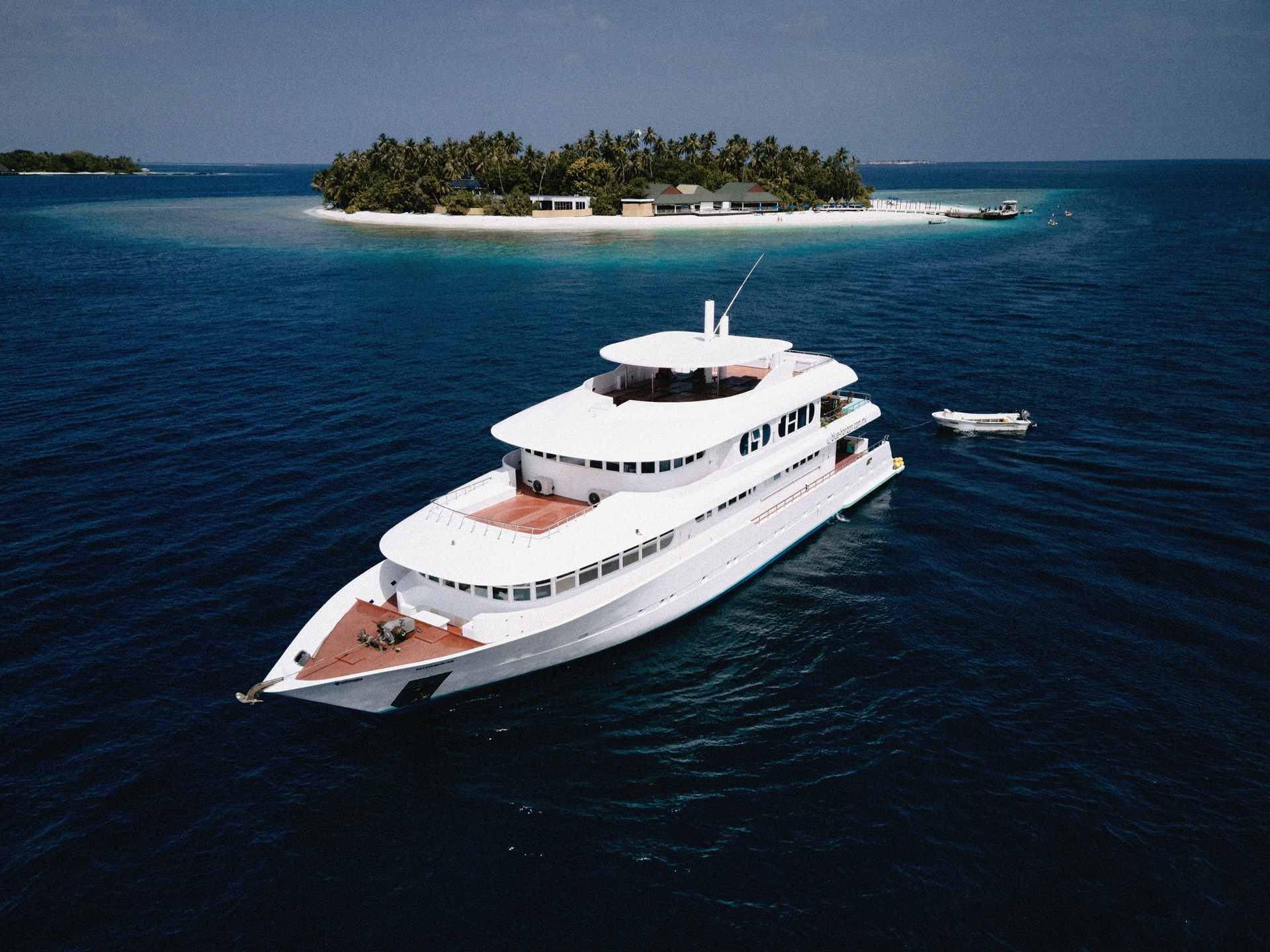
Horizon III
Maldives
25 guests
$204/day
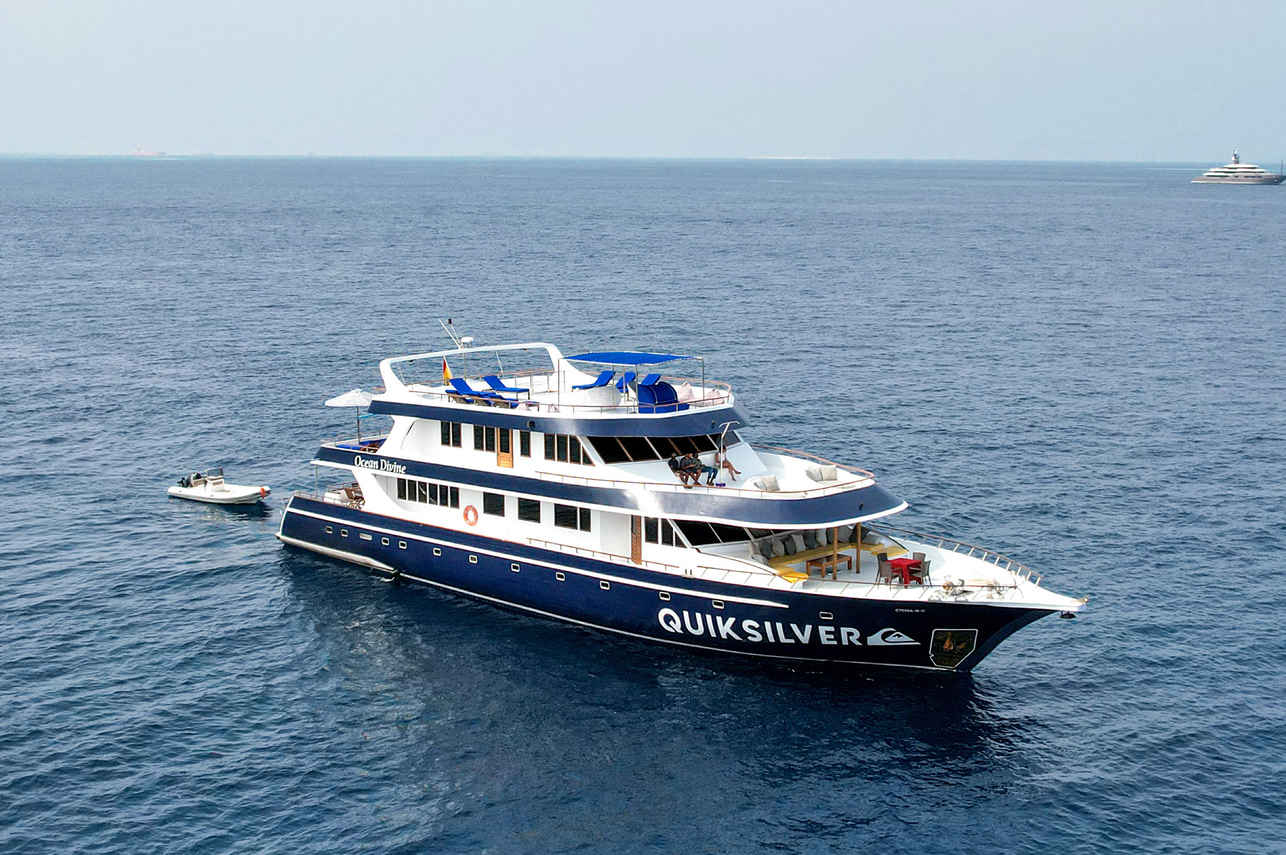
Ocean Divine
Maldives
16 guests33.528 m
$287/day
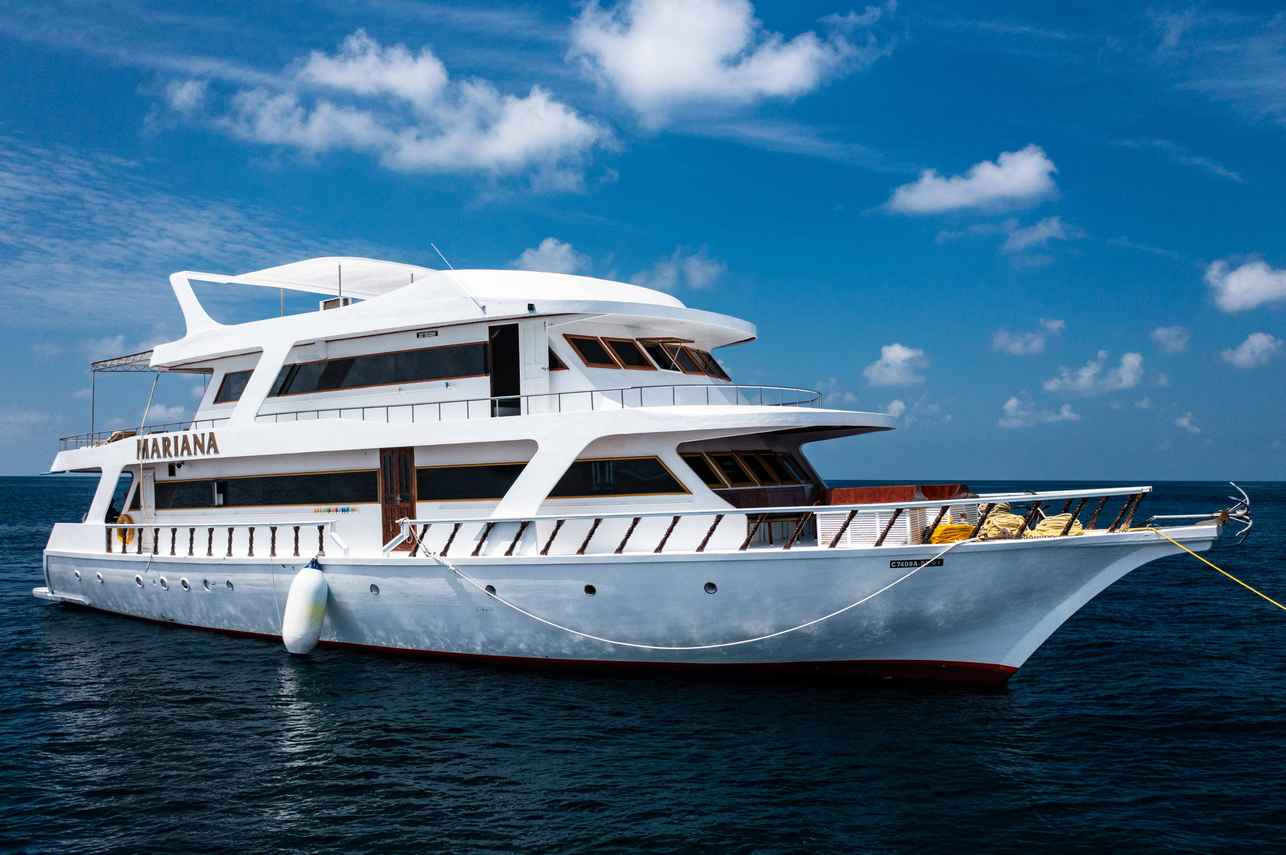
EcoPro Mariana
Maldives
16 guests30 m
$236/day
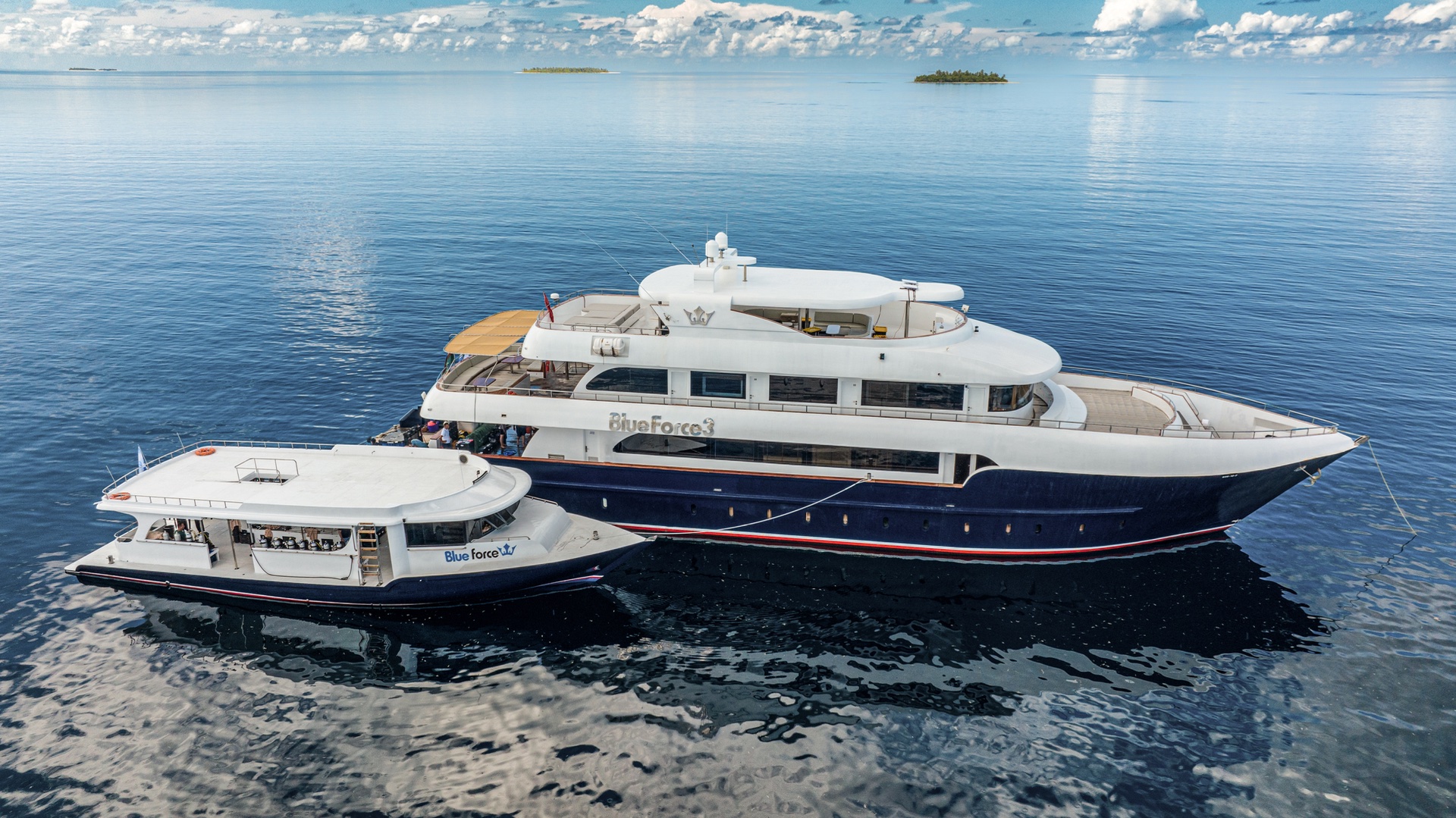
Maldives Blue Force 3
Maldives
26 guests42 m
$211/day
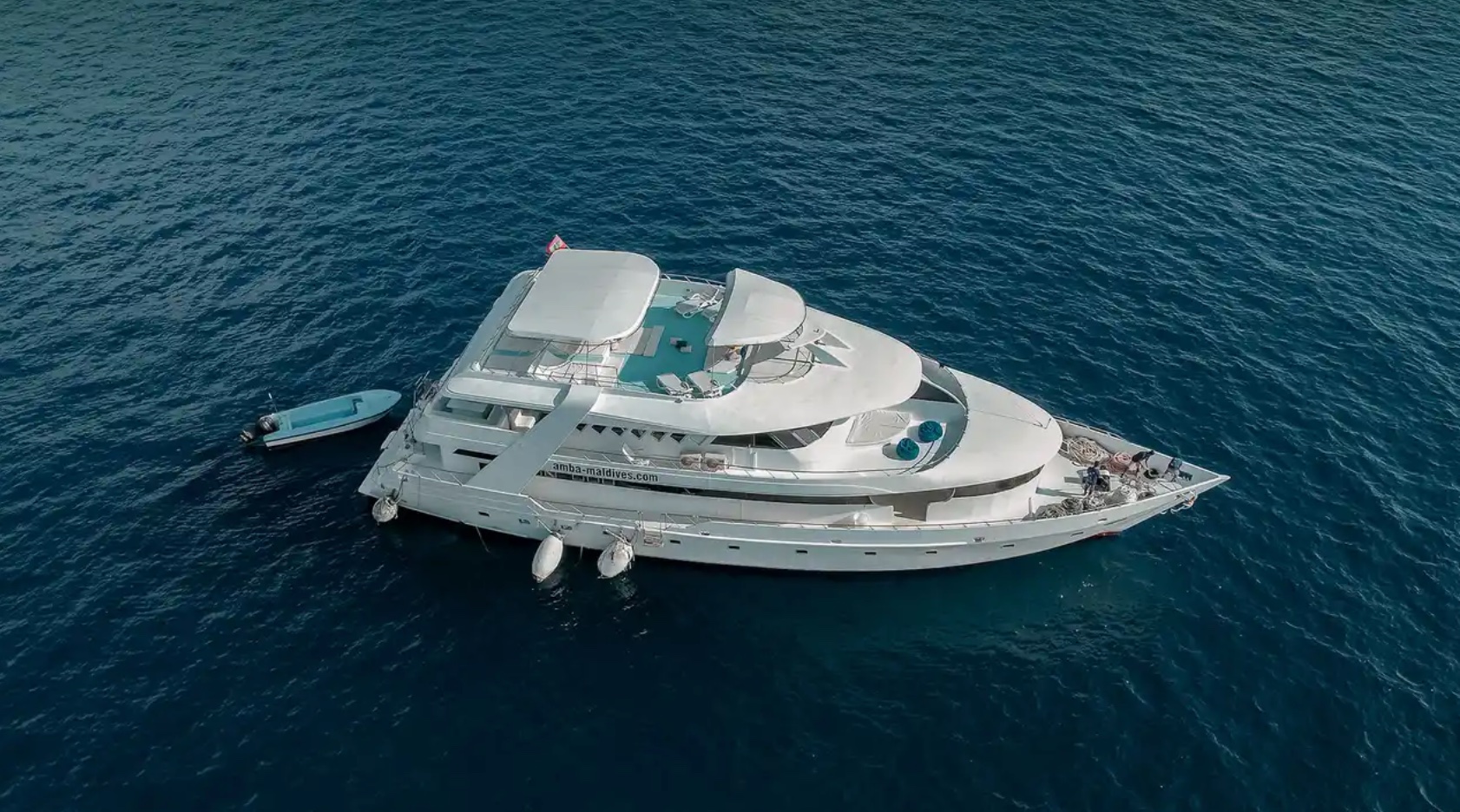
Amba
Maldives
20 guests
$178/day
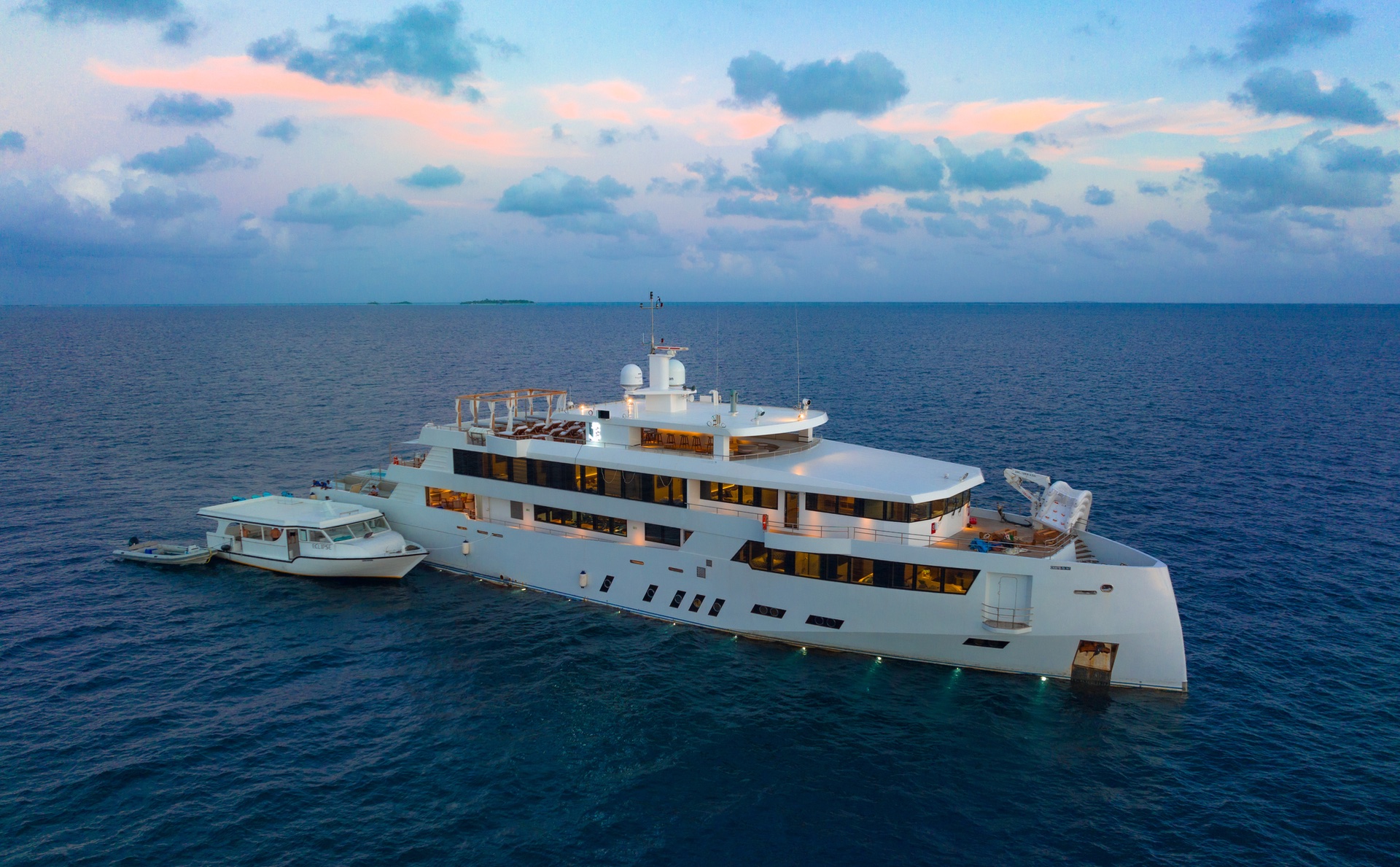
White Pearl
Maldives
26 guests
$375/day
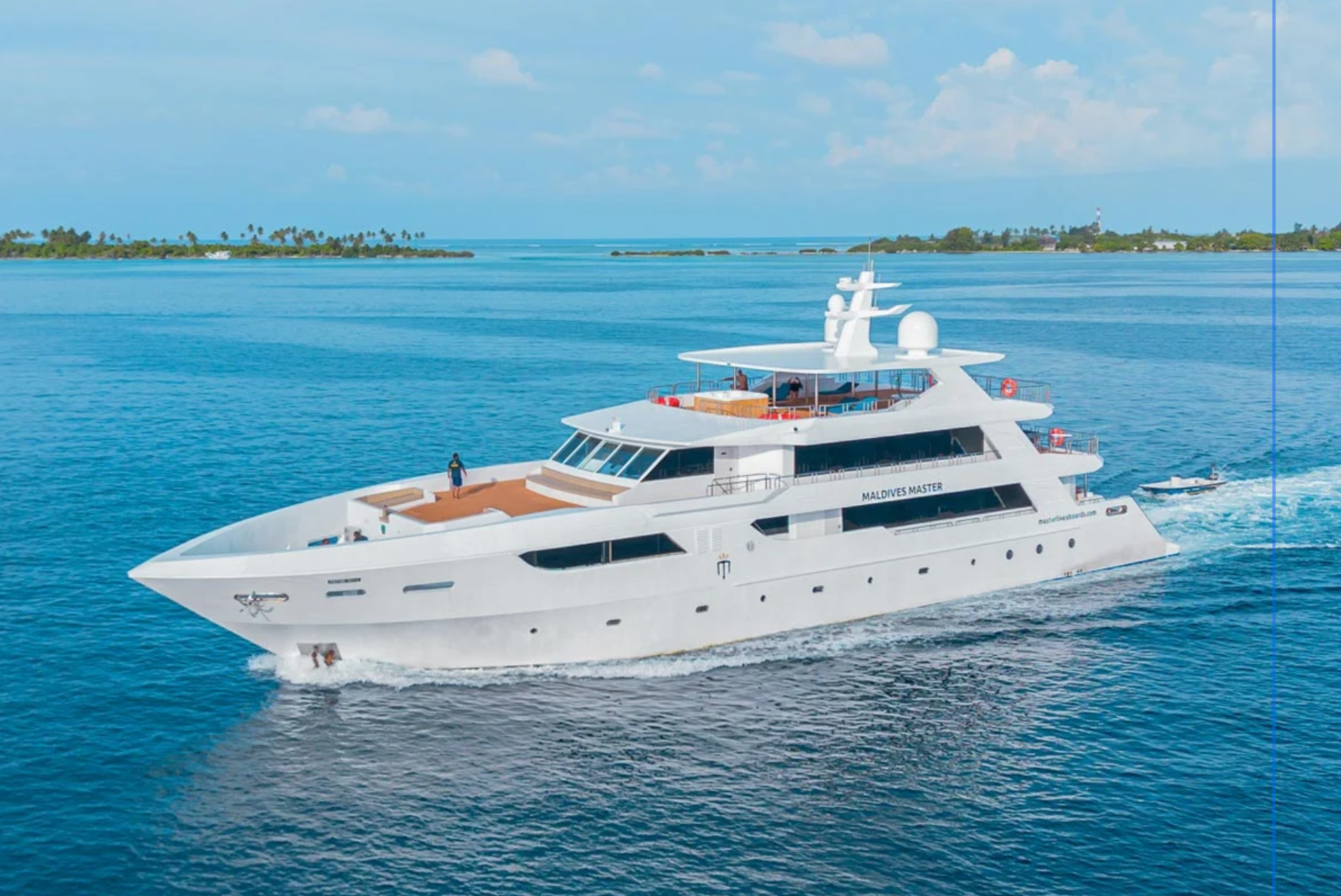
Maldives Master
Maldives
26 guests
$207/day
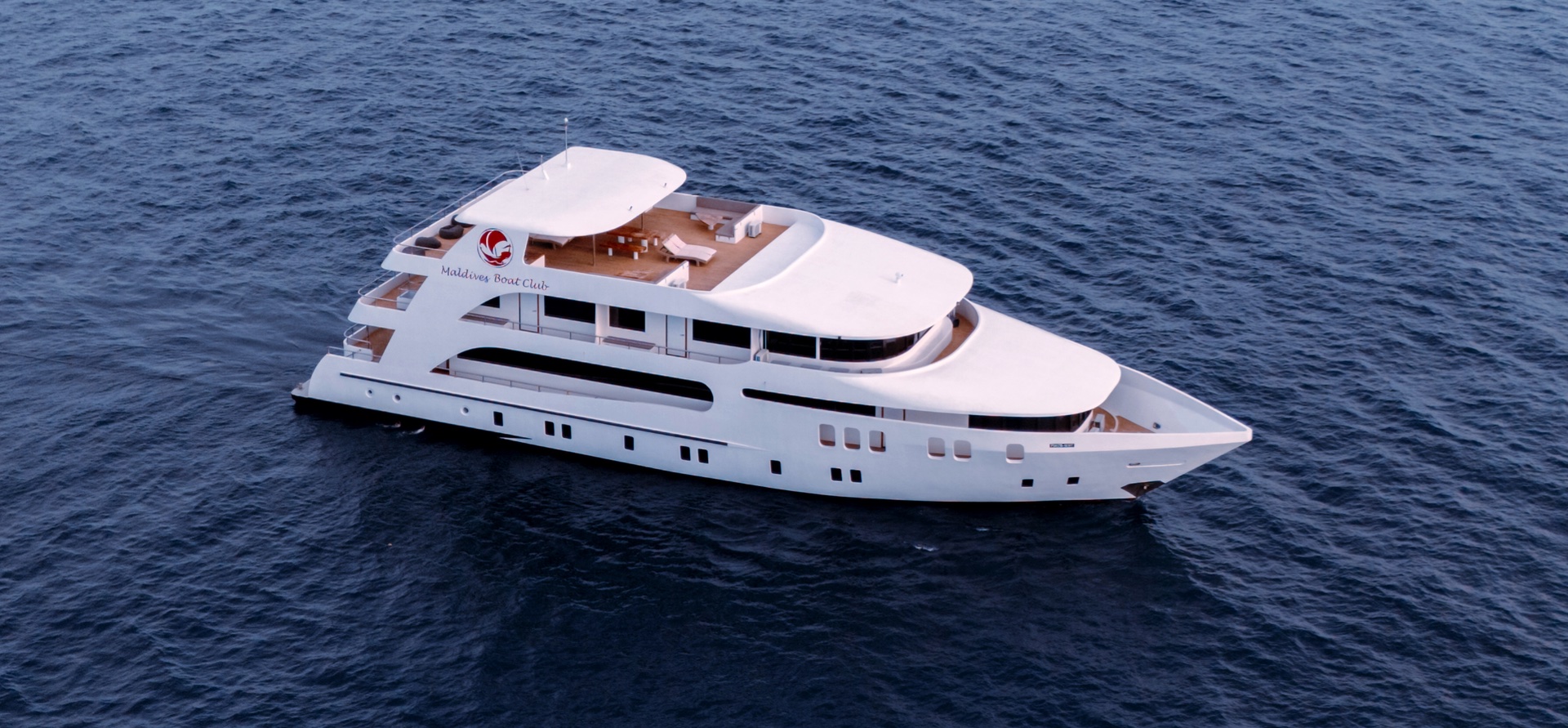
Adora
Maldives
22 guests
$297/day
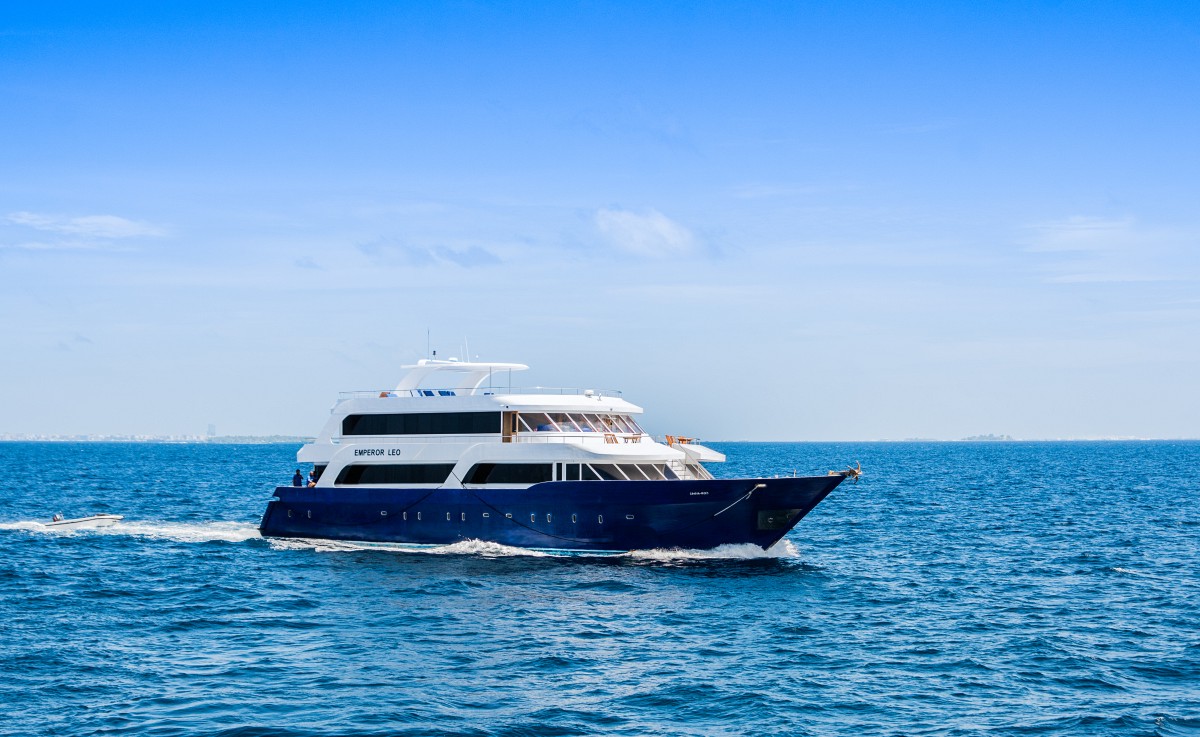
Emperor Leo
Maldives
24 guests35.1 m
$339/day
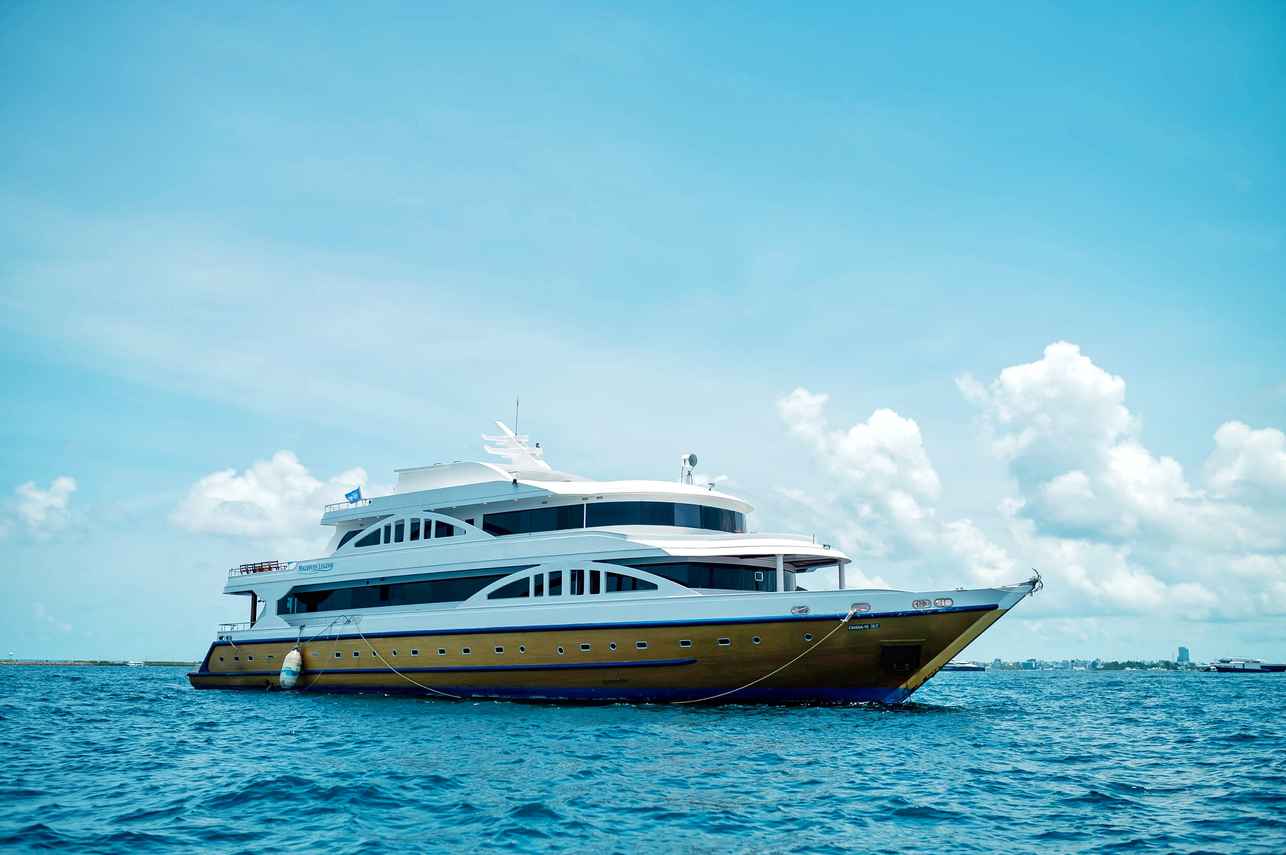
Maldives Legend Zen
Maldives
24 guests41 m
$316/day
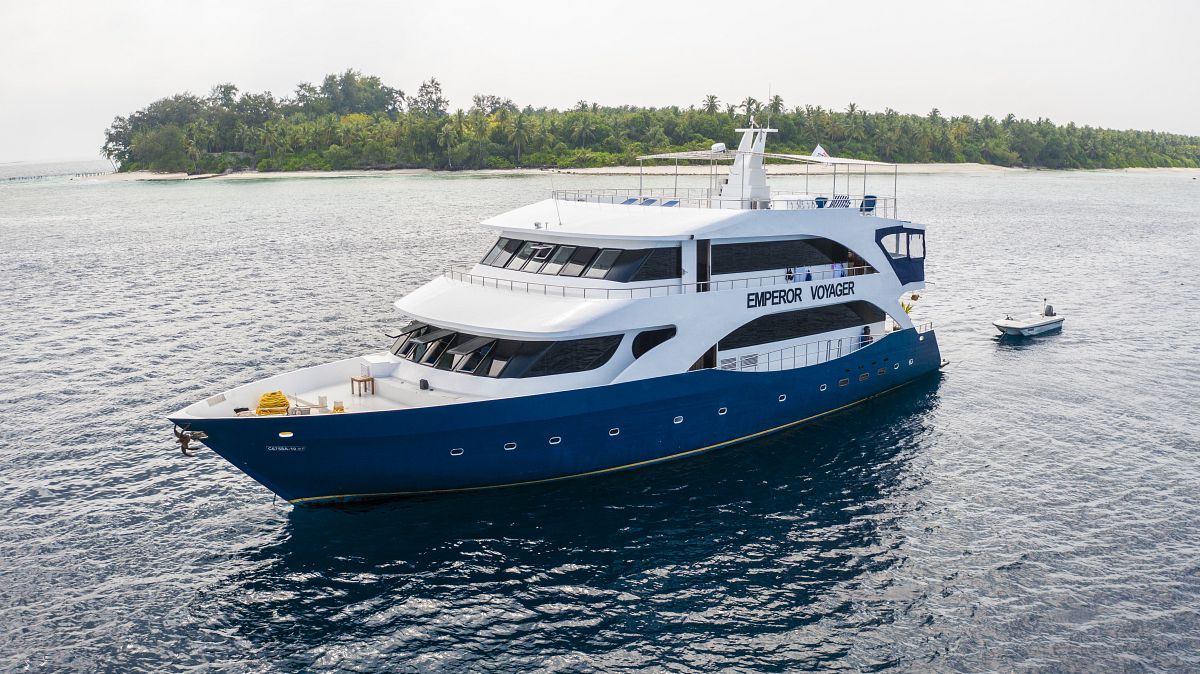
Emperor Voyager
Maldives
20 guests29.9 m
$332/day
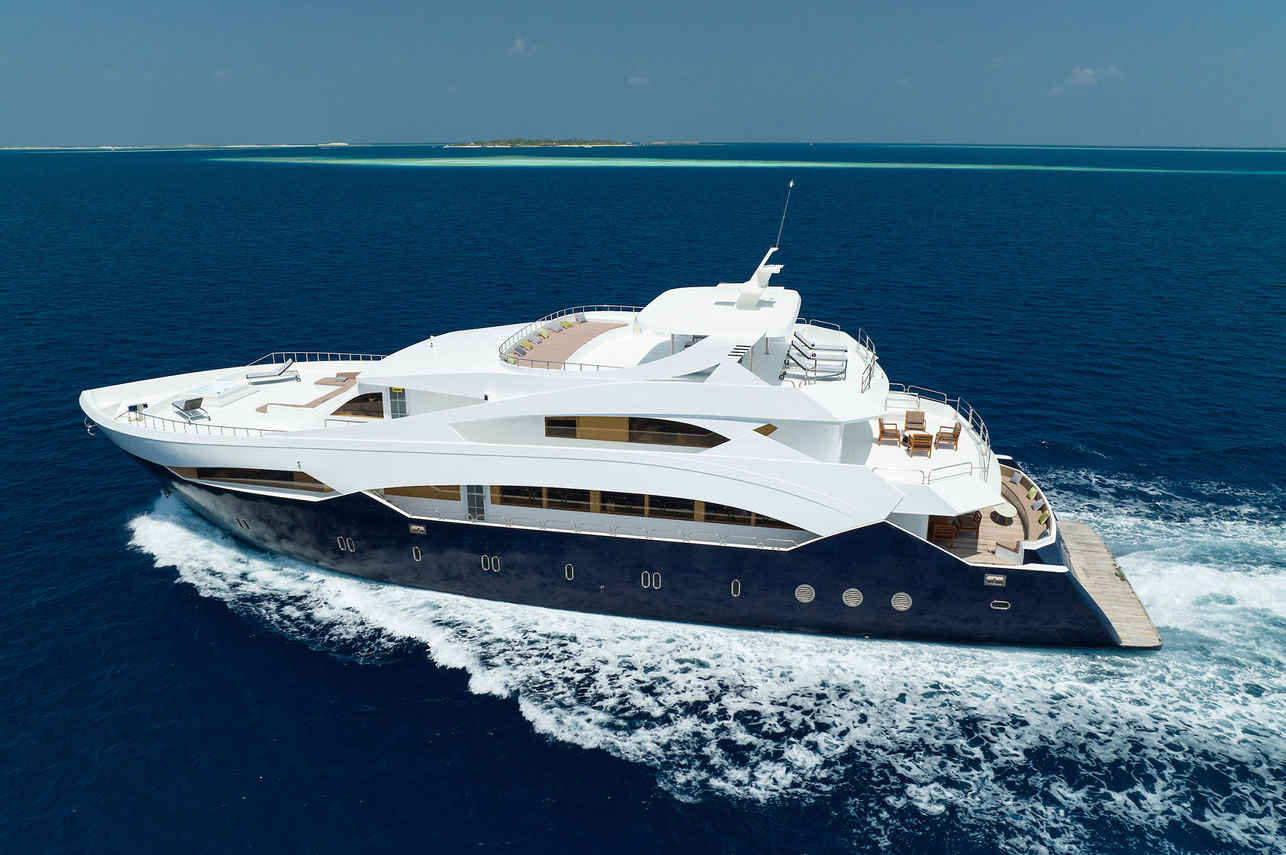
Felicity
Maldives
26 guests41 m
$229/day
Dive sites similar to Filitheyo Reef (Faafu)
Same character, same waters — six more sites divers love for the exact same reasons.Compare seasons, access and liveaboard routes — then pick the site that fits your trip best.
© Esri — Maxar, Earthstar, GIS
Emas Thila (North Malé)
Maldives
Emas Thila is a renowned submerged reef pinnacle located in the South Ari Atoll, a protected Marine Protected Area in the Maldives.
- Suitable for
- Intermediate
- Current
- Strong
- Access
- Liveaboard or dayboat
- Depth
- 8–30 m
- Theme
- Cave & cavern / Pinnacle
© Esri — Maxar, Earthstar, GIS
Kudimaa Wreck
Maldives
The Kudimaa Wreck is a compelling dive site in the Maldives, offering a fascinating artificial reef environment.
- Suitable for
- Advanced
- Current
- Moderate
- Access
- Liveaboard only
- Depth
- ≤ 30 m
- Theme
- Wreck / Reef
© Esri — Maxar, Earthstar, GIS
Fushi Kandu (Lhaviyani)
Maldives
Fushi Kandu, located in the Lhaviyani Atoll, is an exciting channel dive site in the Maldives, offering some of the most dynamic drift diving experiences in the Indian Ocean.
- Suitable for
- Advanced
- Current
- Strong
- Access
- Liveaboard or dayboat
- Depth
- 15–35 m
- Theme
- Channel / Drift
© Esri — Maxar, Earthstar, GIS
Guraidhoo Corner
Maldives
Guraidhoo Corner, situated at the southern tip of Guraidhoo Island, stands as a marine protected area often celebrated for its exceptional fish diversity and photographic opportunities within the Maldives.
- Suitable for
- Advanced
- Current
- Ripping
- Access
- Liveaboard or dayboat
- Depth
- 5–35 m
- Theme
- Channel / Drift
© Esri — Maxar, Earthstar, GIS
Fesdu Wreck
Maldives
The Fesdu Wreck is a popular dive site located in the Ari Atoll, part of the Central Maldives.
- Suitable for
- Intermediate
- Current
- Strong
- Access
- Liveaboard or dayboat
- Depth
- 10–25 m
- Theme
- Wreck
© Esri — Maxar, Earthstar, GIS
Kudadhoo Beyru (Noonu)
Maldives
Kudadhoo Beyru, situated in the Noonu Atoll of the Maldives, is a captivating dive site characterized by its diverse topography and abundant marine life.
- Suitable for
- Intermediate
- Current
- Strong
- Access
- Liveaboard or dayboat
- Depth
- 5–40 m
- Theme
- Wall