About Kudadhoo Beyru (Noonu)
Kudadhoo Beyru, situated in the Noonu Atoll of the Maldives, is a captivating dive site characterized by its diverse topography and abundant marine life. This area is renowned for its vibrant reef ecosystems and as a magnet for larger pelagic species. The dive site features a gently sloping reef adorned with a variety of hard and soft corals, creating intricate habitats for countless reef fish and invertebrates. The unique currents in the Noonu Atoll often draw in a spectacular array of pelagic life, making Kudadhoo Beyru a prime location for encountering sharks, rays, and schooling fish. Divers can explore different sections of the reef, from shallower coral gardens teeming with colorful inhabitants to deeper sections where larger predators patrol. The site offers a dynamic underwater experience, with conditions that can range from mild to moderate currents, contributing to its rich biodiversity. While diving is generally good year-round in the Maldives, the best conditions for Kudadhoo Beyru, particularly for optimal visibility and pelagic sightings, typically occur during the dry season. However, even during the wet season, the site remains productive, with plankton blooms often attracting filter feeders, adding another layer to the marine spectacle. Kudadhoo Beyru provides an immersive dive experience, blending stunning reef visuals with thrilling encounters with the ocean's larger inhabitants.
Highlights
Vibrant coral reef ecosystemsDiverse pelagic encountersGently sloping reef topographySchooling reef fishConsistent shark sightingsRich invertebrate life
Season calendar
Best months to dive here
Jan
Feb
Mar
Apr
May
Jun
Jul
Aug
Sep
Oct
Nov
Dec
Excellent
Good
Dive site facts: Kudadhoo Beyru (Noonu)
- Depth
- 5–30 m
- Typical dive
- 15–25 m, 50–60 min
- Current
- Mild to moderate
- Visibility
- 15–30 m
- Water temperature
- 27–30°C
- Entry
- Boat / negative entry
- Level
- Intermediate
- Dive type
- Reef, drift, pelagic
- Night dive
- Possible
- Region / port
- Noonu Atoll
- Coordinates
- 5.768, 73.125
Conditions & Currents
Currents at Kudadhoo Beyru can vary from mild to moderate, directly influencing the type and abundance of marine life encountered. During periods of stronger currents, especially from February to mid-April, the site becomes particularly active with pelagic species, though this requires more experience from divers. Entry is typically via liveaboard or resort tender, often involving a negative entry to quickly descend to the reef and avoid surface drift. Divers should be proficient in drift diving techniques and be comfortable managing varying current strengths. Visibility is generally very good, often exceeding 20 meters, but can be influenced by plankton blooms that, while potentially reducing clarity, attract large filter feeders. Always be prepared for dynamic conditions and follow your guide's instructions for the safest and most rewarding dive.
Marine life & sighting chances
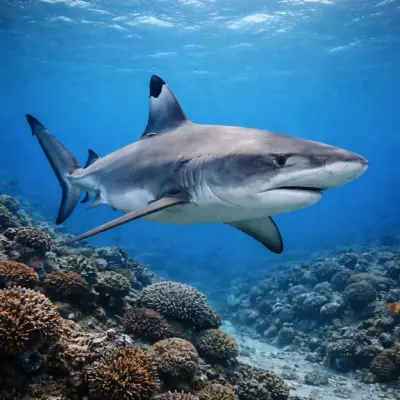
Grey reef shark
common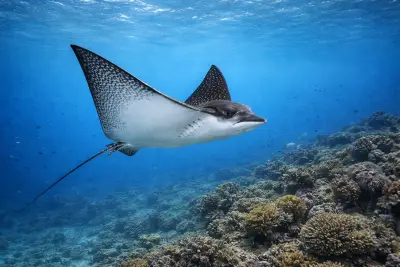
Eagle ray
occasional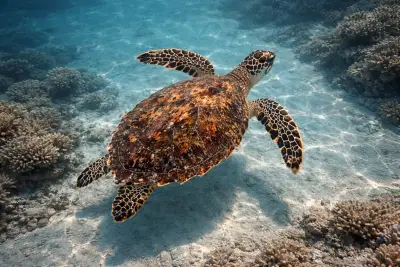
Hawksbill turtle
common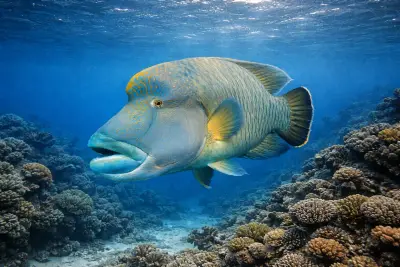
Napoleon wrasse
occasional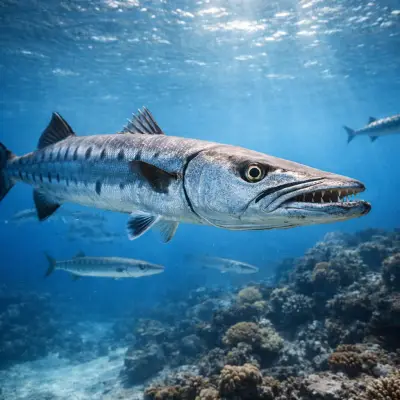
Barracuda
common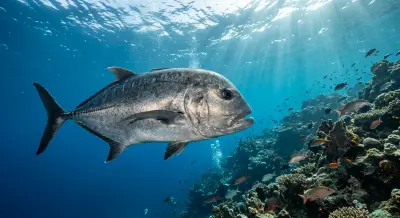
Giant trevally
occasional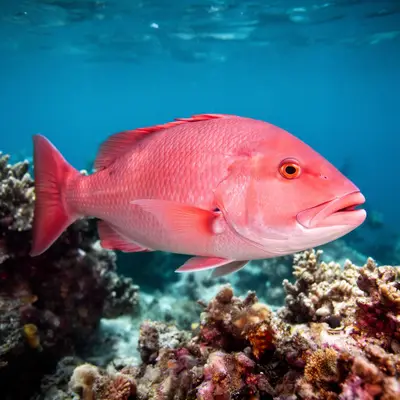
Snapper
common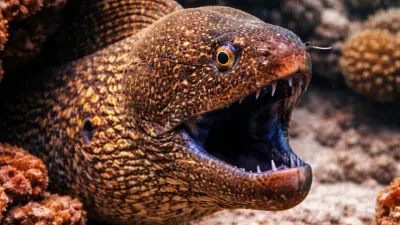
Moray eel
common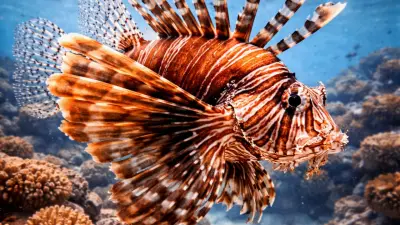
Lionfish
occasional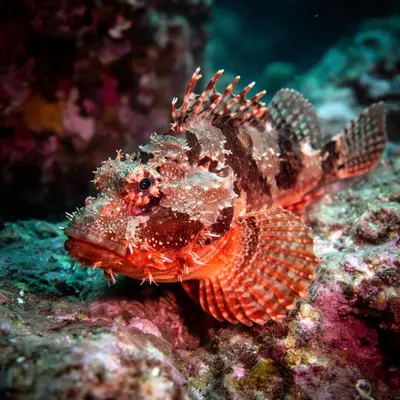
Scorpionfish
rareDive profile & how the dive runs
Your dive at Kudadhoo Beyru typically begins with a boat entry, often a negative entry, as you descend directly onto the top of the reef at around 5-10 meters. From there, you'll embark on a drift dive, letting the current carry you along the gently sloping reef. The dive typically progresses deeper, following the contours of the reef down to about 25-30 meters, where you can observe larger pelagic fish and sharks. As you drift, keep an eye on the vibrant hard and soft coral gardens, which are home to numerous reef fish. The dive typically turns as your air supply or bottom time dictates, ascending gradually along the reef slope. Your safety stop will be conducted in the shallower sections, often around 5-7 meters, before signaling for boat pickup.
Underwater photography
Kudadhoo Beyru offers fantastic opportunities for both wide-angle and macro photography. For capturing the expansive reef scenes, schooling fish, and pelagic encounters, a wide-angle lens is essential. During the dry season, the exceptional visibility and strong natural light make this an ideal time for vibrant reef shots. Consider using strobes to bring out the true colors of the corals and fish. For macro subjects, explore the coral crevices and overhangs for moray eels, lionfish, and various invertebrates. Be mindful of the currents, as they can challenge stability for detailed shots. Practice good buoyancy control to avoid damaging the delicate coral and ensure sharp images. Patience is key, especially when waiting for shy subjects or perfect pelagic passes.
Combine with nearby dive sites
- Maaya Thila
Maaya Thila, a protected Marine Reserve located in the North Ari Atoll of the Maldives, is a prominent pinnacle dive site.
- Miyaru Kandu
Miyaru Kandu, aptly named "Shark Channel," stands out as a premier drift dive destination in the Maldives, particularly within the Vaavu…
- Hanifaru Bay
Hanifaru Bay, located in the Baa Atoll UNESCO Biosphere Reserve, northwest of Malé, Maldives, is a shallow, keyhole-shaped lagoon known…
Getting there & logistics
Access to Kudadhoo Beyru in Noonu Atoll is primarily via liveaboard trips that explore the central and northern atolls of the Maldives. Most liveaboard itineraries depart from Malé (Velana International Airport - MLE), which is the main international gateway to the Maldives. Trip durations typically range from 7 to 14 nights, allowing sufficient time to visit Kudadhoo Beyru along with other prominent dive sites in the region. There are no specific entry fees for Kudadhoo Beyru itself, but all divers should be aware that marine park fees may apply to certain protected areas within broader itineraries. Resorts in the Noonu Atoll may also offer day trips, but liveaboards provide the most comprehensive way to experience this and other remote sites.
Safety & environment
Diving at Kudadhoo Beyru, like many Maldivian sites, often involves currents, necessitating good buoyancy control and drift diving experience. Always dive with a reputable operator and ensure your gear is well-maintained. The nearest recompression chamber is located in Malé, which can be several hours away by boat depending on your exact location in Noonu Atoll, highlighting the importance of preventative measures. Divers should carry valid dive insurance that covers emergency evacuation and recompression treatments. Always follow your dive guide's briefings, stay within your certification limits, and maintain situational awareness, especially concerning current strength and direction. Use a surface marker buoy (SMB) for safety during ascents and for easier pickup by the dive boat.
Who it suits — and who it doesn't
Suited for
- Experienced drift divers
- Underwater photographers
- Divers seeking pelagic encounters
- Liveaboard enthusiasts
- Divers comfortable with varying currents
Less suited for
- Absolute beginner divers
- Divers uncomfortable with currents
- Divers seeking exclusively macro photography
- Those prone to seasickness in choppier conditions
- Divers preferring static, non-current dives
FAQ
Kudadhoo Beyru (Noonu) FAQ
What kind of marine life can I expect at Kudadhoo Beyru?
Kudadhoo Beyru is known for its diverse marine ecosystem, featuring both vibrant reef life and larger pelagic species. You can commonly encounter grey reef sharks, various schooling fish, and hawksbill turtles. Occasional sightings of eagle rays, Napoleon wrasse, and barracuda also make the dive exciting.
Are there strong currents at Kudadhoo Beyru?
Currents at Kudadhoo Beyru can range from mild to moderate, and at times can be strong. These currents are a key factor in attracting the rich pelagic life to the site. Divers should be comfortable with drift diving techniques and managing dynamic underwater conditions.
When is the best time of year to dive Kudadhoo Beyru?
The prime diving season for Kudadhoo Beyru is from December to May, during the Maldives' dry season. This period offers the best visibility and generally calmer seas. However, the site remains productive year-round, with the wet season sometimes bringing plankton blooms that attract filter feeders.
Is Kudadhoo Beyru suitable for beginner divers?
Kudadhoo Beyru is generally recommended for intermediate to experienced divers due to the potential for varying currents. Divers should be comfortable with drift diving and have good buoyancy control. Beginners might find the conditions challenging, so it's advisable to have some experience before attempting this site.
How do I get to Kudadhoo Beyru?
Kudadhoo Beyru is primarily accessed via liveaboard trips operating in the central and northern atolls of the Maldives. Most liveaboards depart from Malé, the capital. Some resorts in the Noonu Atoll may also offer day trips to this site, providing another option for access.
Why dive Kudadhoo Beyru (Noonu) from a liveaboard?
Kudadhoo Beyru (Noonu) is one of Maldives's signature dive sites. A liveaboard sleeps you on the water and puts you in the water for three to four guided dives per day, including dawn and night dives that day-boat operators rarely offer. You skip the daily commute back to port and reach quieter, less-crowded sites in the same region on a single trip.
Below are the liveaboards that include Kudadhoo Beyru (Noonu) on their Maldives itineraries.
Liveaboards diving Kudadhoo Beyru (Noonu)
These liveaboards may visit Kudadhoo Beyru (Noonu) on selected itineraries — the exact dive sites depend on departure, weather and conditions.
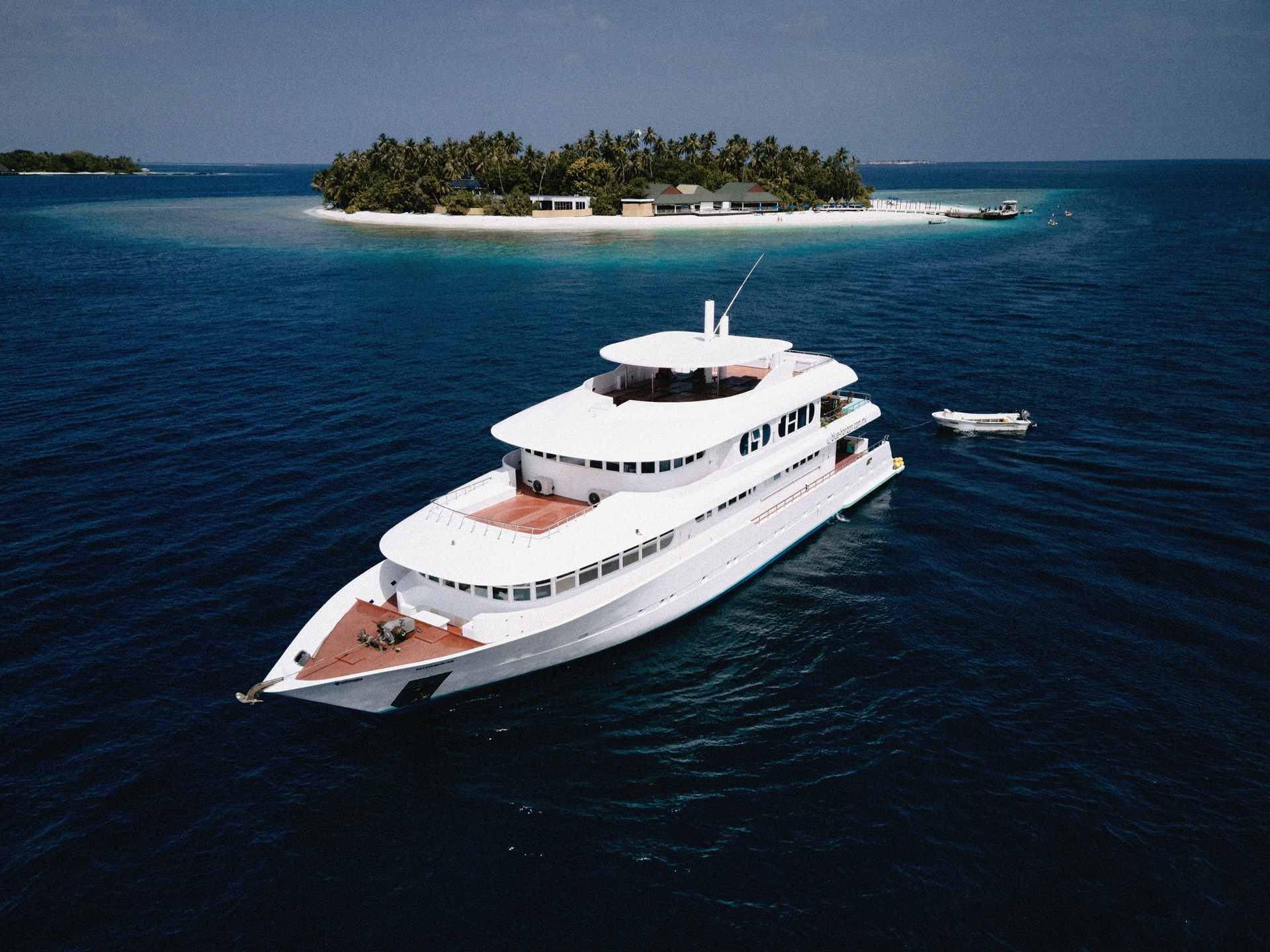
Horizon III
Maldives
25 guests
$204/day
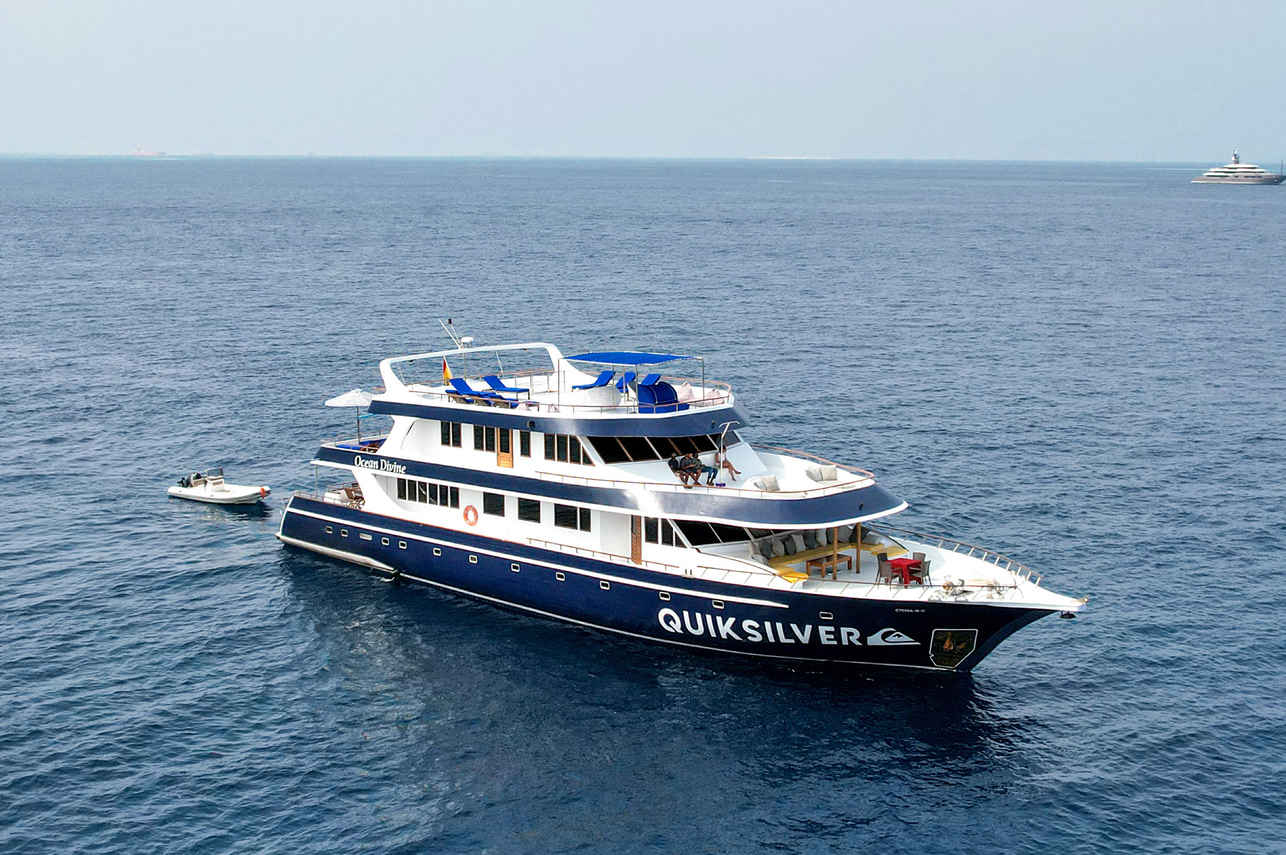
Ocean Divine
Maldives
16 guests33.528 m
$287/day
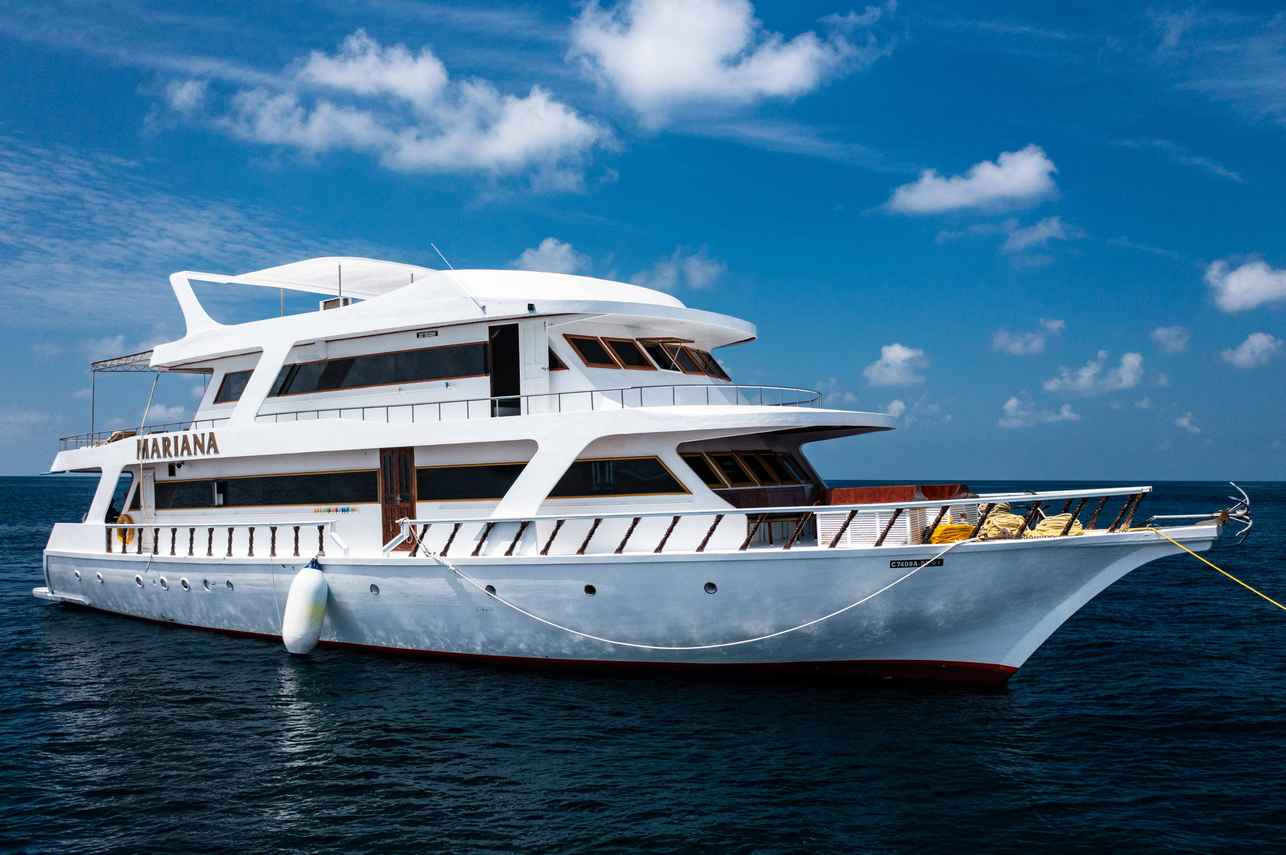
EcoPro Mariana
Maldives
16 guests30 m
$236/day
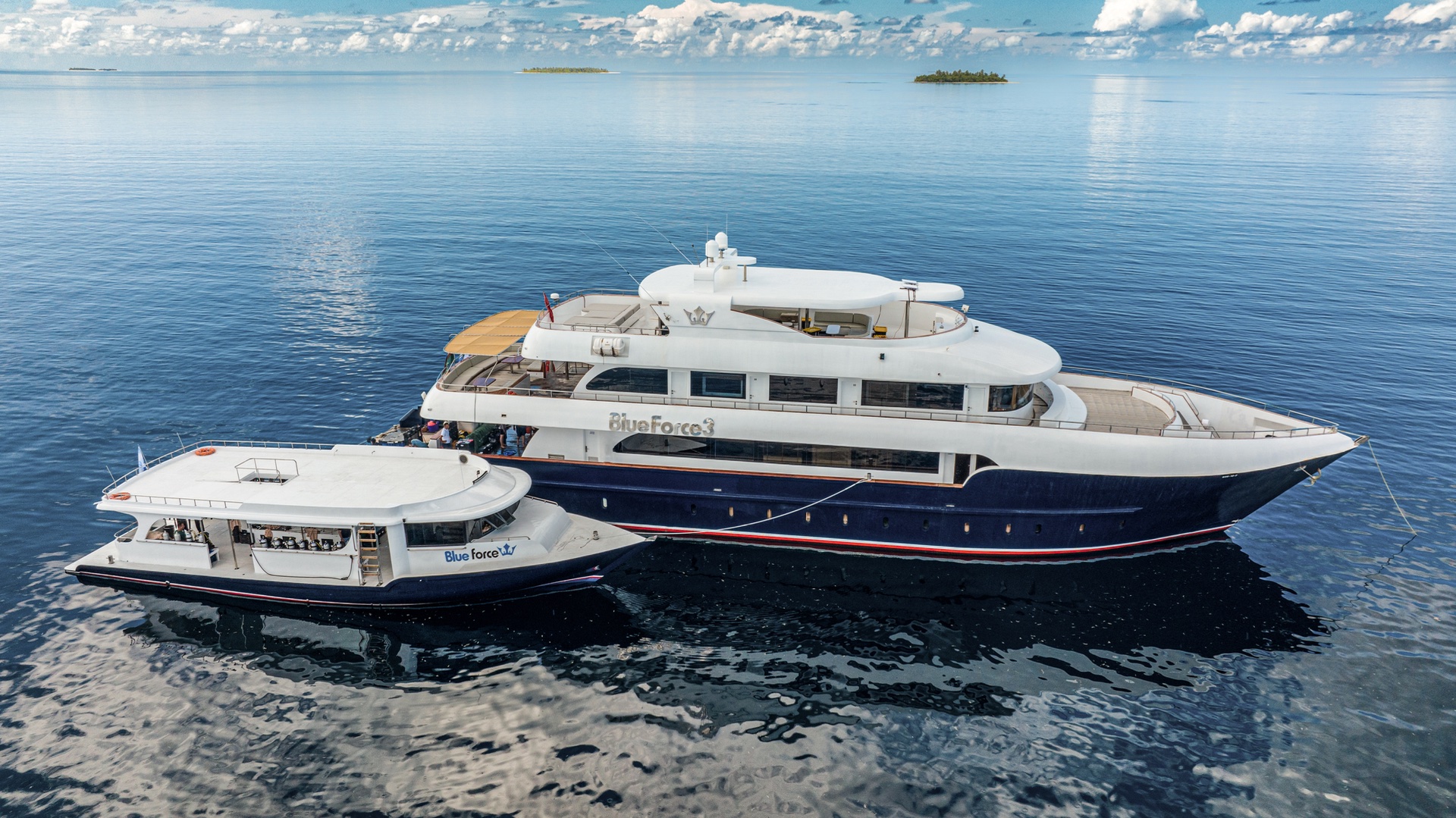
Maldives Blue Force 3
Maldives
26 guests42 m
$261/day
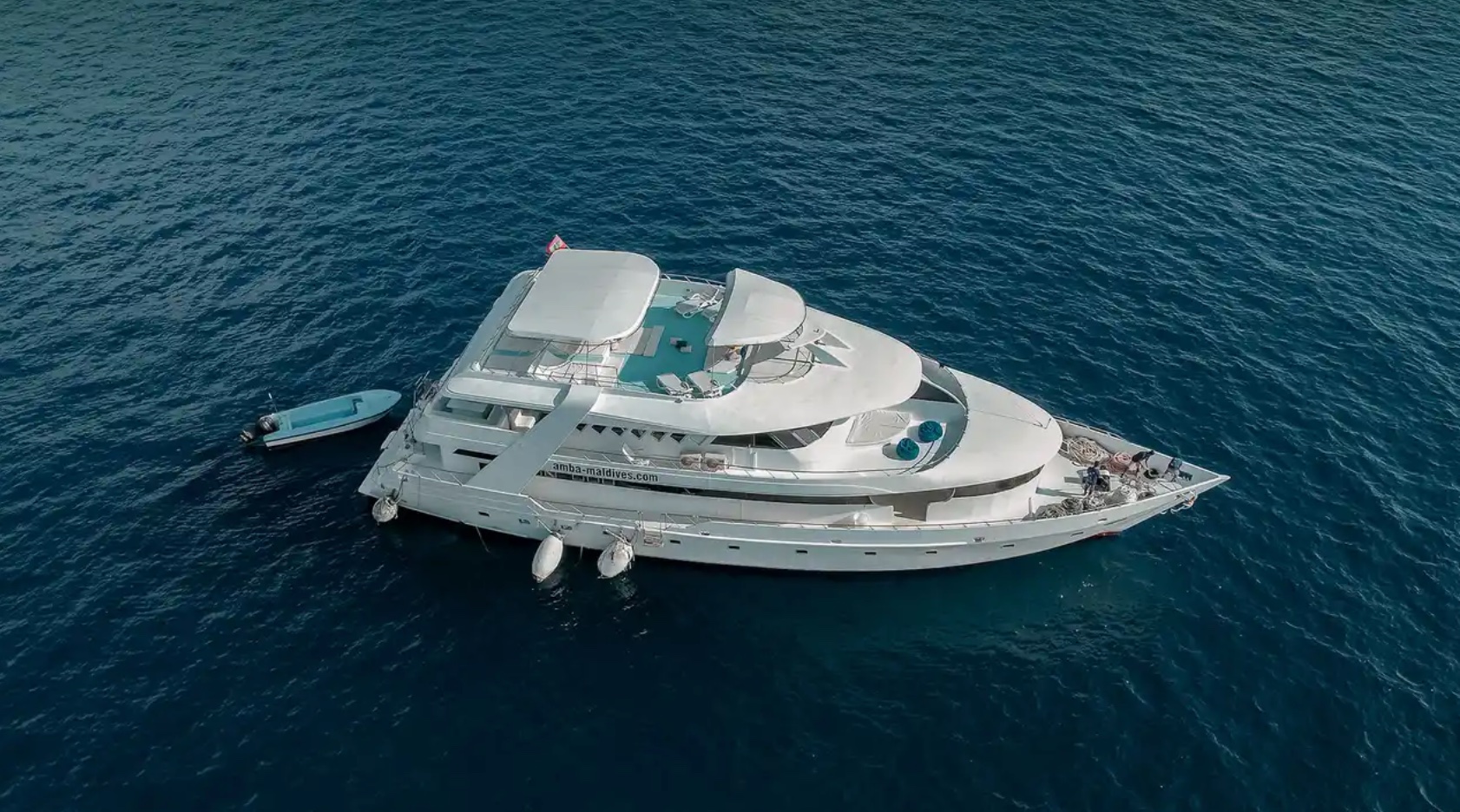
Amba
Maldives
20 guests
$178/day
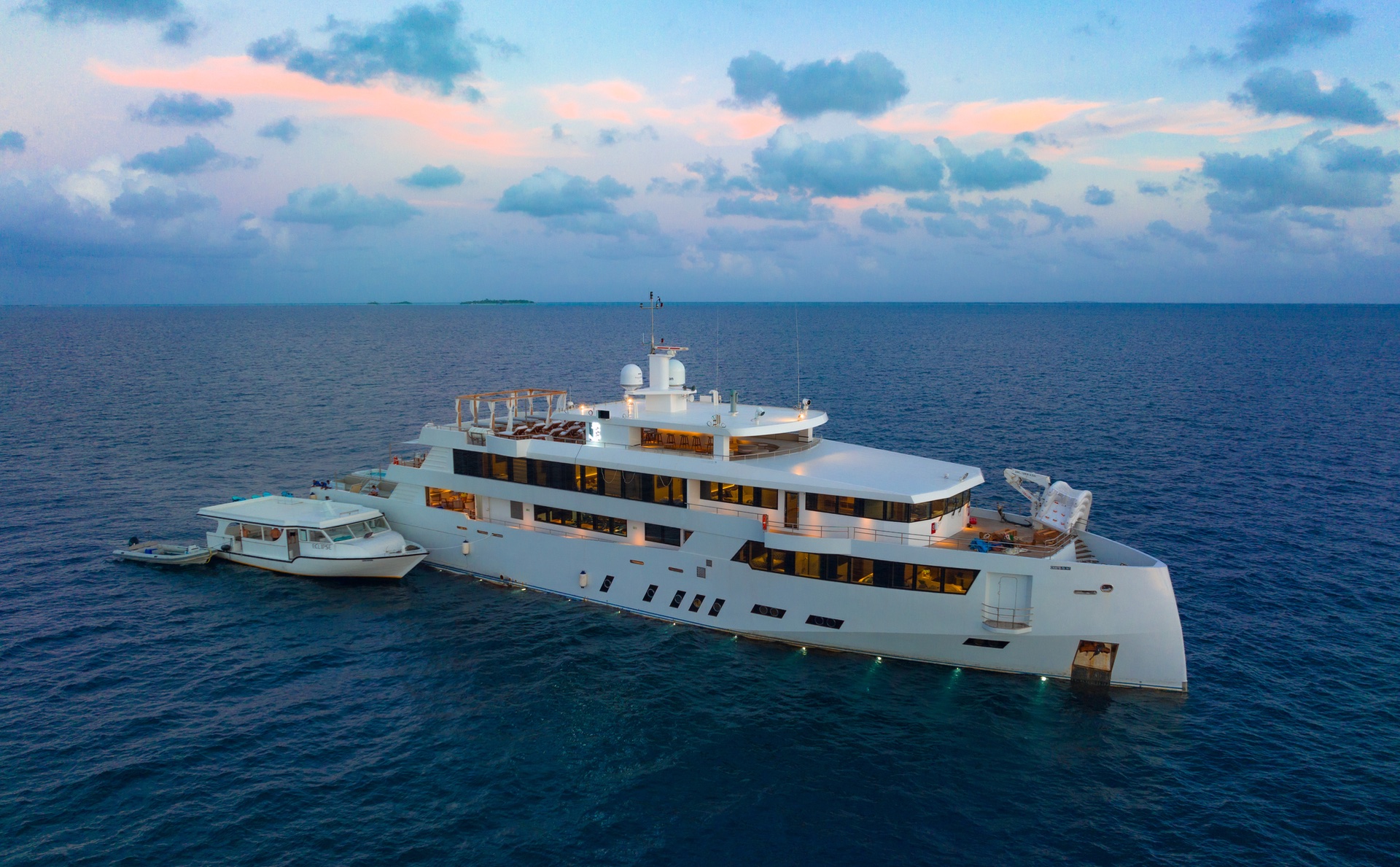
White Pearl
Maldives
26 guests
$375/day
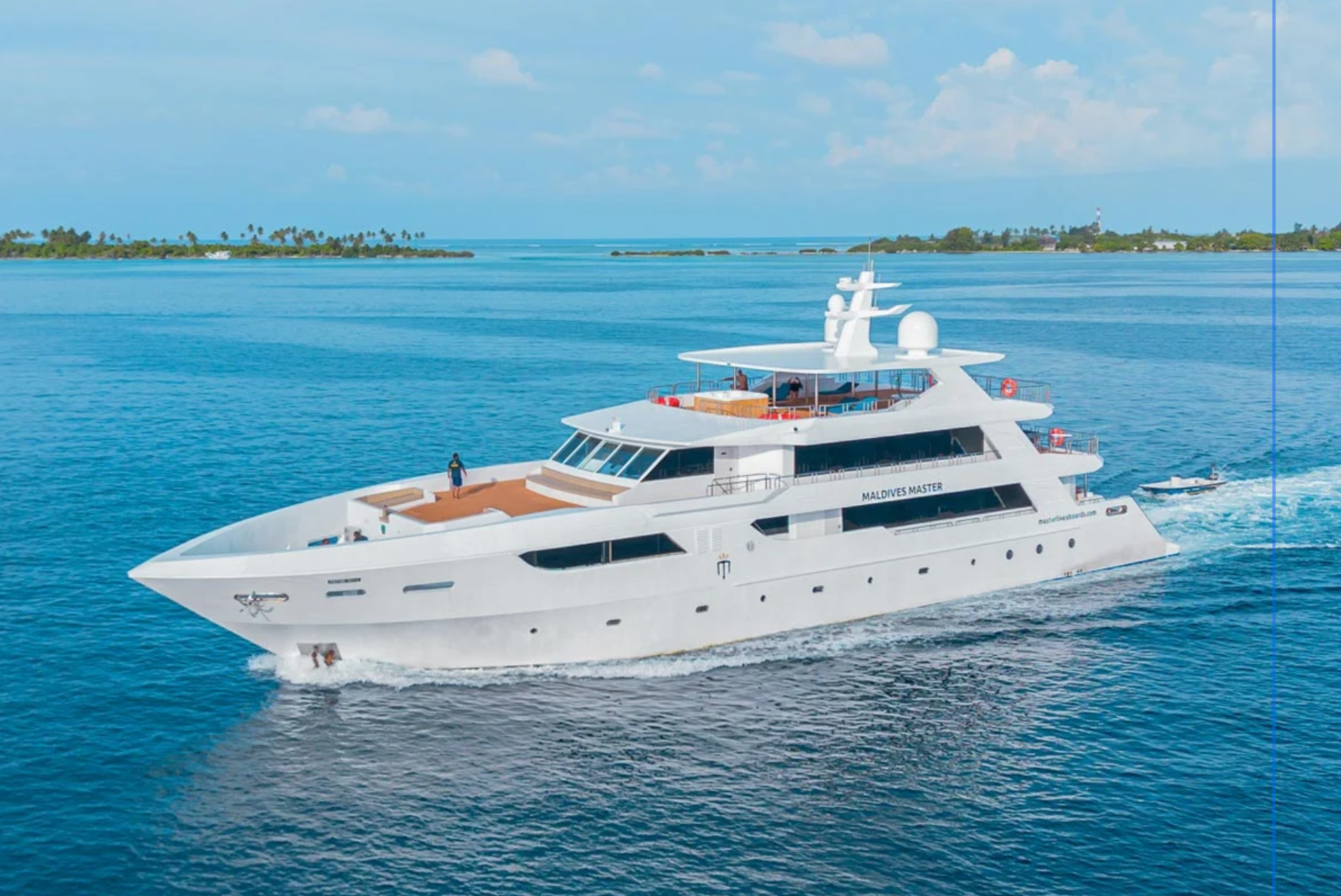
Maldives Master
Maldives
26 guests
$207/day
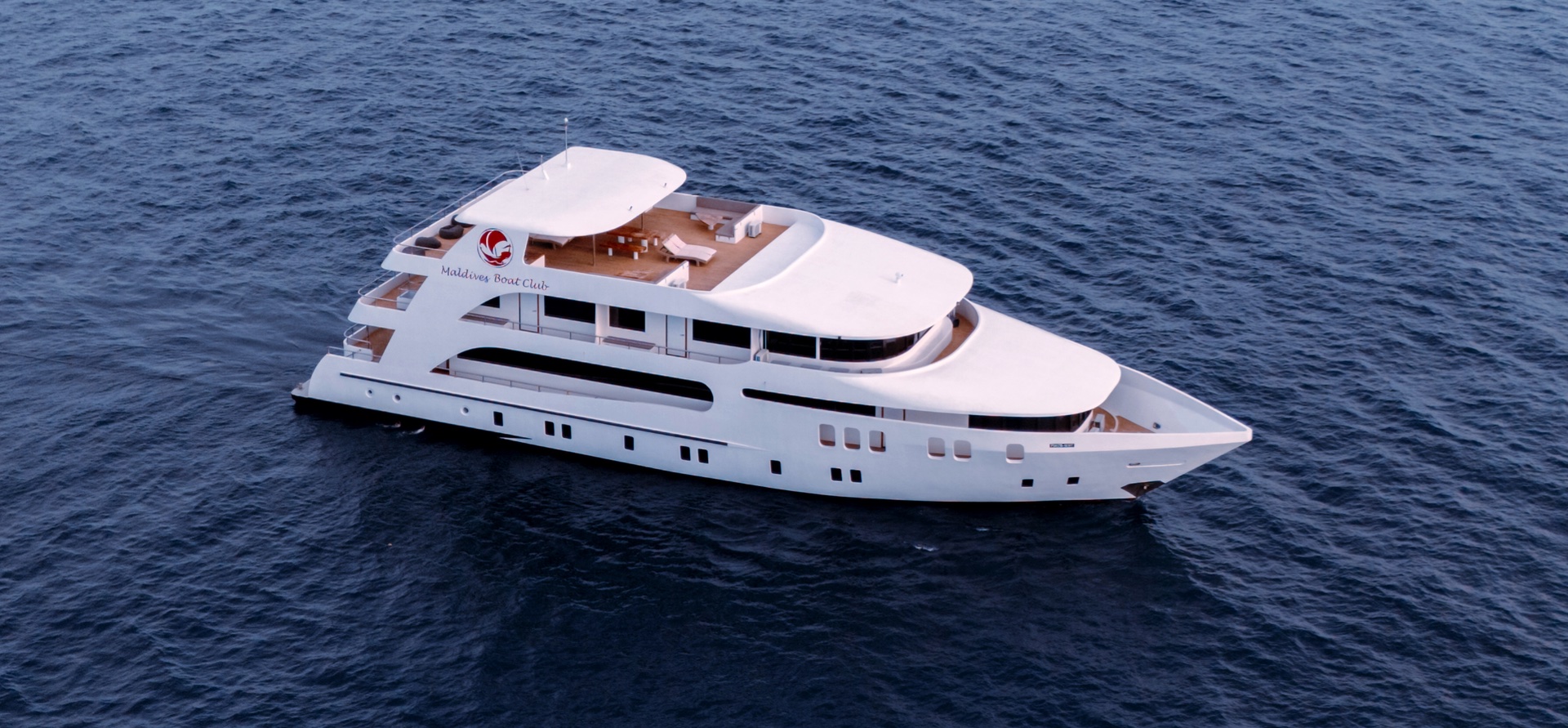
Adora
Maldives
22 guests
$297/day
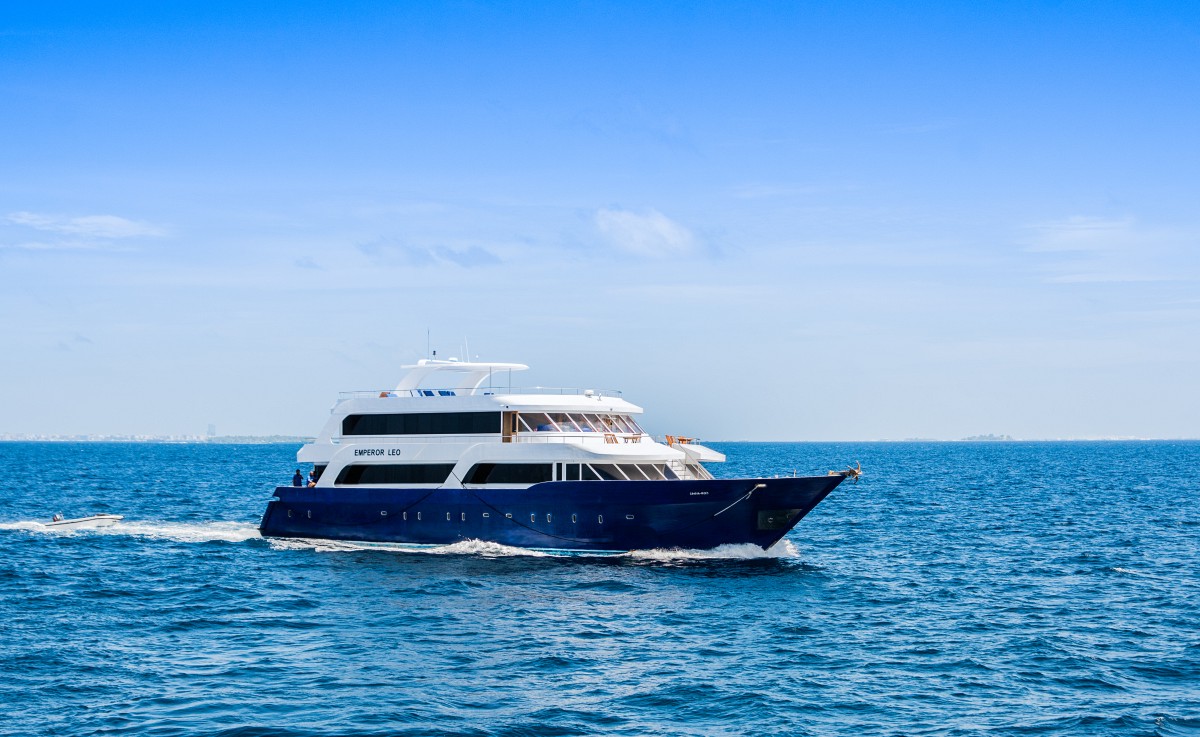
Emperor Leo
Maldives
24 guests35.1 m
$339/day
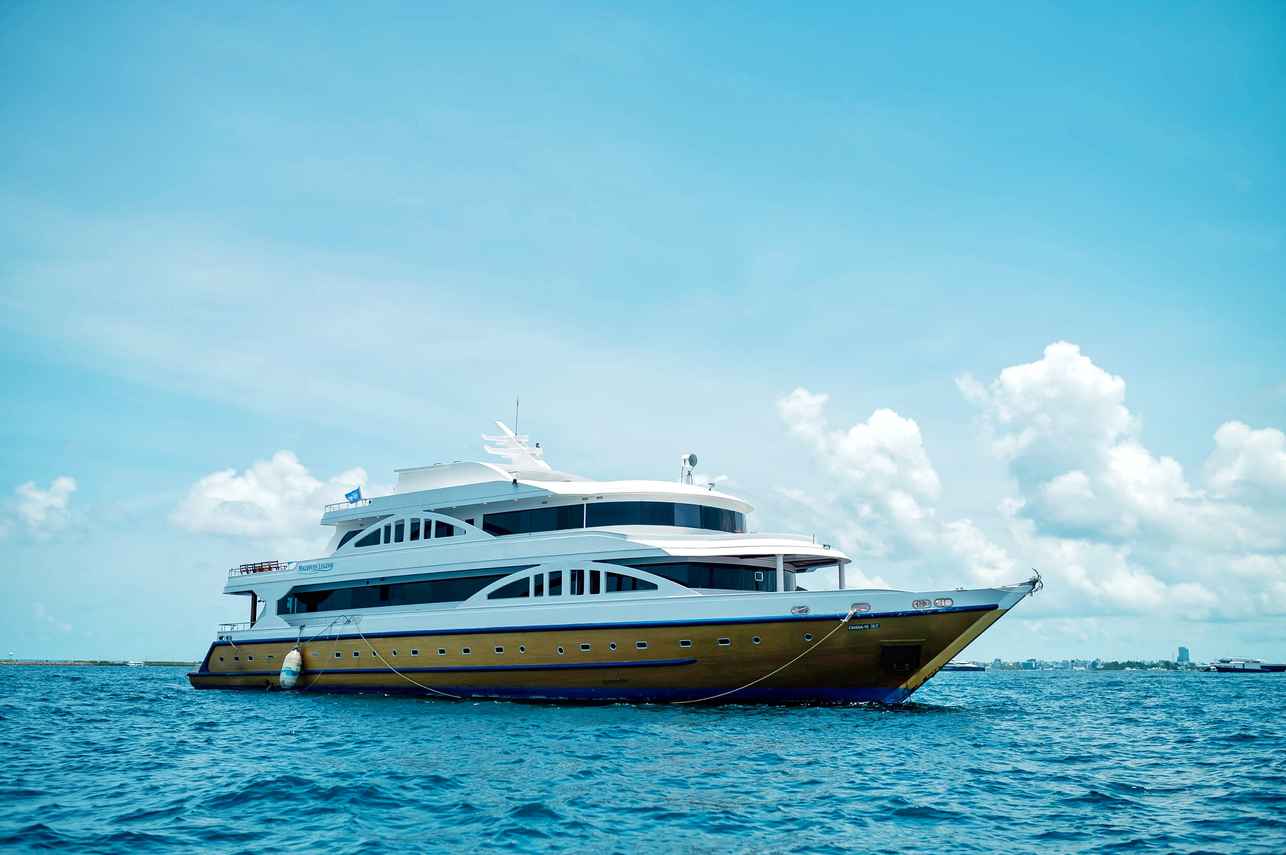
Maldives Legend Zen
Maldives
24 guests41 m
$316/day
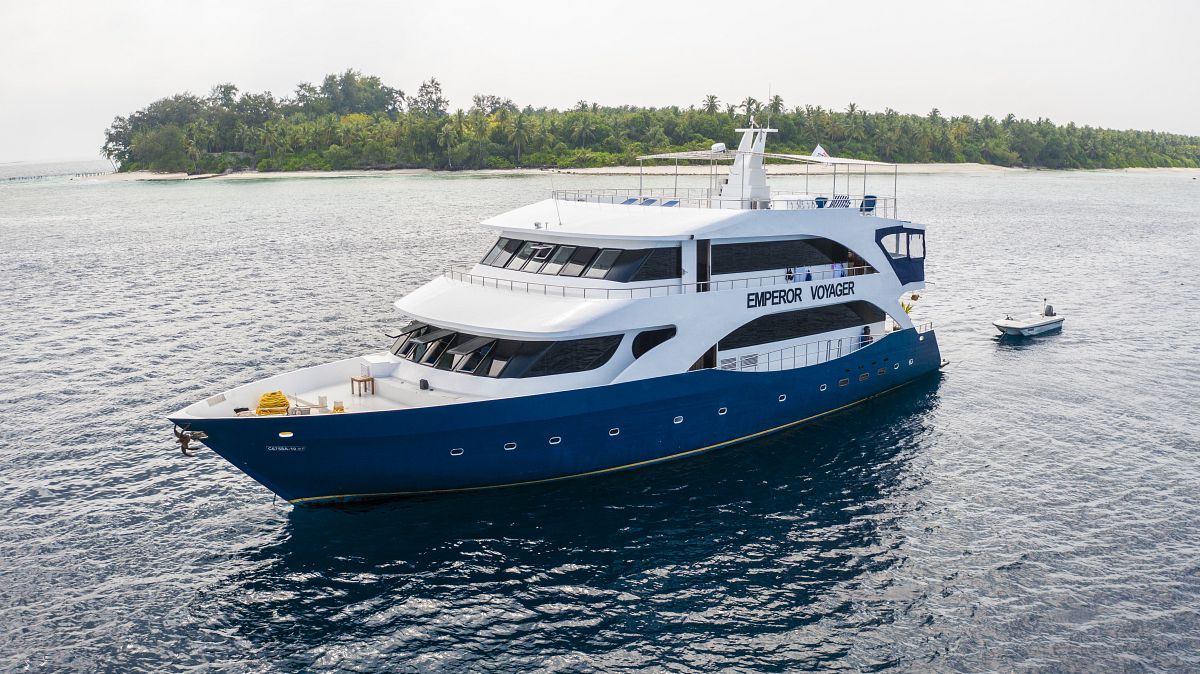
Emperor Voyager
Maldives
20 guests29.9 m
$332/day
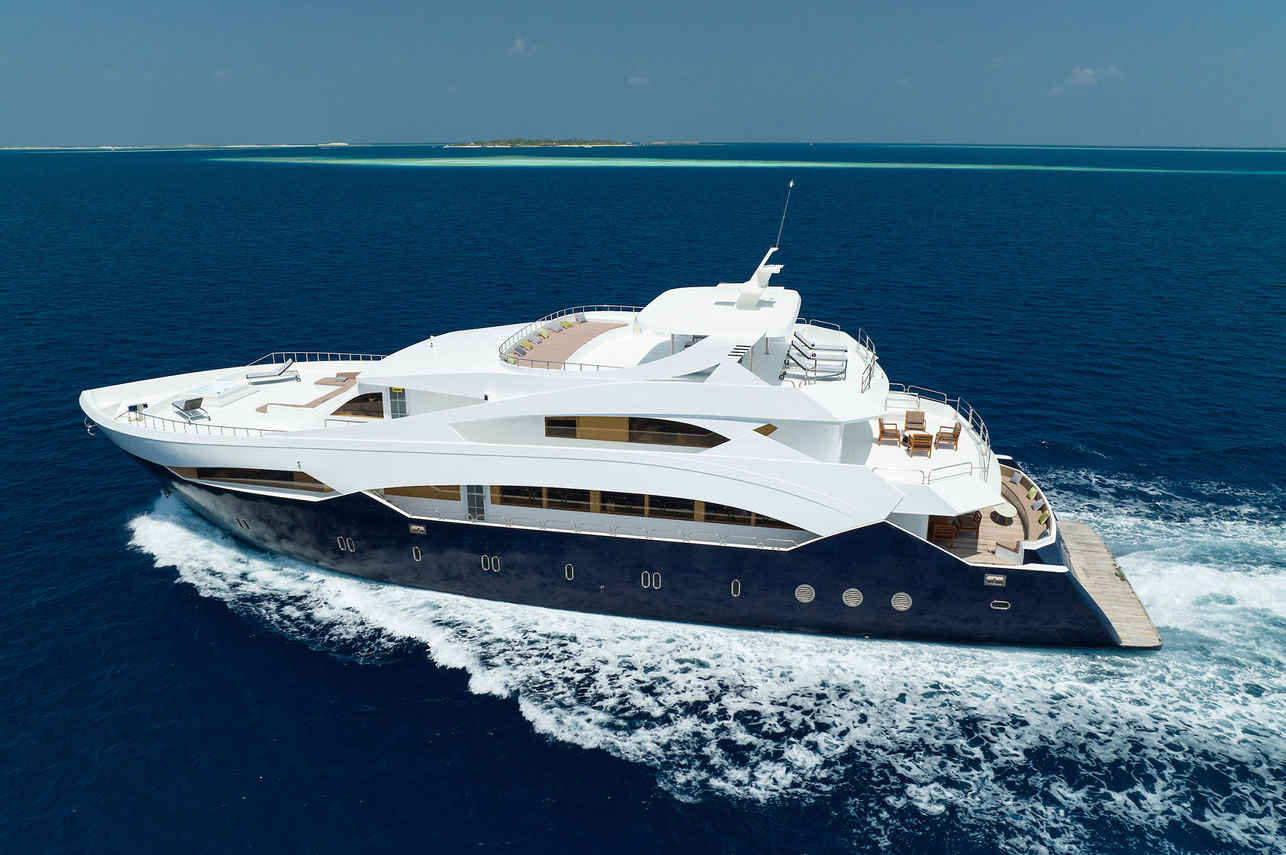
Felicity
Maldives
26 guests41 m
$229/day
Dive sites similar to Kudadhoo Beyru (Noonu)
Same character, same waters — six more sites divers love for the exact same reasons.Compare seasons, access and liveaboard routes — then pick the site that fits your trip best.
© Esri — Maxar, Earthstar, GIS
Emas Thila (North Malé)
Maldives
Emas Thila is a renowned submerged reef pinnacle located in the South Ari Atoll, a protected Marine Protected Area in the Maldives.
- Suitable for
- Intermediate
- Current
- Strong
- Access
- Liveaboard or dayboat
- Depth
- 8–30 m
- Theme
- Cave & cavern / Pinnacle
© Esri — Maxar, Earthstar, GIS
Fushi Kandu (Lhaviyani)
Maldives
Fushi Kandu, located in the Lhaviyani Atoll, is an exciting channel dive site in the Maldives, offering some of the most dynamic drift diving experiences in the Indian Ocean.
- Suitable for
- Advanced
- Current
- Strong
- Access
- Liveaboard or dayboat
- Depth
- 15–35 m
- Theme
- Channel / Drift
© Esri — Maxar, Earthstar, GIS
Guraidhoo Corner
Maldives
Guraidhoo Corner, situated at the southern tip of Guraidhoo Island, stands as a marine protected area often celebrated for its exceptional fish diversity and photographic opportunities within the Maldives.
- Suitable for
- Advanced
- Current
- Ripping
- Access
- Liveaboard or dayboat
- Depth
- 5–35 m
- Theme
- Channel / Drift
© Esri — Maxar, Earthstar, GIS
Filitheyo Reef (Faafu)
Maldives
Filitheyo Reef, situated in the Faafu Atoll, offers an unspoiled underwater paradise, unique as the only tourist island in the atoll.
- Suitable for
- Beginner
- Current
- Strong
- Access
- Liveaboard or dayboat
- Depth
- 1–30 m
- Theme
- Reef / Wall
© Esri — Maxar, Earthstar, GIS
Ellaidhoo House Reef
Maldives
The Ellaidhoo House Reef is located just offshore from Ellaidhoo Island in the Maldives, offering easy access for divers and snorkelers staying on the island.
- Suitable for
- Beginner
- Current
- Mild
- Access
- Liveaboard or dayboat
- Depth
- ≤ 25 m
- Theme
- Wall / Drift
© Esri — Maxar, Earthstar, GIS
Huvadhoo Corner (Gaafu Dhaalu)
Maldives
Huvadhoo Corner, situated in the vast and relatively unexplored Gaafu Dhaalu Atoll, offers some of the Maldives' most thrilling channel diving experiences.
- Suitable for
- Advanced
- Current
- Strong
- Access
- Liveaboard or dayboat
- Depth
- 12–40 m
- Theme
- Drift / Wall