About Fesdu Wreck
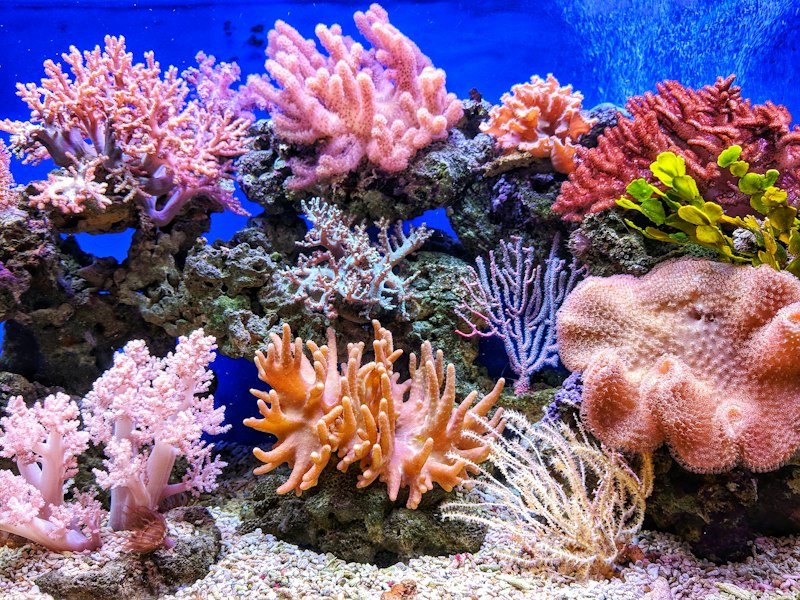
The Fesdu Wreck is a popular dive site located in the Ari Atoll, part of the Central Maldives. This 30-meter-long fishing boat, which sank in the 1980s, rests upright on the sandy bottom, providing an excellent opportunity for wreck exploration. Over the decades, the wreck has become completely covered in a thriving ecosystem of both hard and soft corals, transforming it into an artificial reef. Diving the Fesdu Wreck typically involves descending to its top at 24 meters, while the propeller can be found deeper at 27 meters. The site is renowned for attracting a diverse array of marine life, including various fish species, groupers, and moray eels, which have made the wreck their home. Close to the wreck, divers will discover nearby rock formations that are also heavily encrusted with corals, offering additional areas for exploration and extending the dive experience. This site caters to experienced divers due to the potential for strong currents, which can fluctuate in intensity. It is commonly accessed via boat dives from nearby resorts or liveaboards operating in the Ari Atoll. The combination of an accessible wreck, prolific coral growth, and abundant marine inhabitants makes Fesdu Wreck a highlight for many divers visiting the Maldives.
Highlights
30-meter fishing boat wreckRich coral encrustationUpright positionGroupers and moray eelsNearby coral formationsAri Atoll locationSuitable for experienced divers
Season calendar
Best months to dive here
Jan
Feb
Mar
Apr
May
Jun
Jul
Aug
Sep
Oct
Nov
Dec
Excellent
Good
Aug – Sep & Nov – Apr (NE Monsoon)
Best visibility up to 40m, calm seas, manta rays on the eastern atolls, whale sharks in South Ari Atoll.
May – Jul & Oct (Transition)
Changing conditions, good value, mantas moving between atolls, occasional rain showers.
Dive site facts: Fesdu Wreck
- Depth
- 24–30 m
- Typical dive
- 22–32 m, 40–57 min
- Current
- 1–3 knots (medium to strong)
- Visibility
- 5–25 m
- Water temperature
- 22–30 ℃
- Entry
- Boat / negative entry often required
- Level
- Experienced divers (strong current experience helpful)
- Dive type
- Wreck, reef, drift
- Night dive
- Possible
- Region / port
- Ari Atoll (Alifu Dhaalu Atoll)
- Coordinates
- 3.82, 72.93
Conditions & Currents
Currents at Fesdu Wreck can range from medium to strong, often flowing between 1 and 3 knots. Divers should be prepared for potential drift diving conditions and make a quick descent upon entry. The intensity of the current can vary throughout the day, depending on moon phases and tides, so careful monitoring of conditions is essential. While strong currents can make the dive more challenging, they also bring in nutrient-rich water, attracting a greater diversity of marine life. Divers should maintain good buoyancy control and be mindful of their air consumption, as fighting strong currents can increase gas usage. Safety stops should be carefully managed, potentially requiring the use of a surface marker buoy (SMB) if surfacing away from the boat is a possibility.
Marine life & sighting chances


Dive profile & how the dive runs
Your dive at Fesdu Wreck typically begins with a boat entry, often requiring a negative descent due to potential currents. You will descend directly to the wreck, which rests upright on the sandy bottom, with its highest point, the wheelhouse, at approximately 24 meters and the propeller at 27 meters. You'll spend time exploring the exterior of the 30-meter-long vessel, observing the rich coral growth and resident marine life like moray eels and groupers. After investigating the wreck, the dive often continues to nearby coral-encrusted rock formations, providing additional exploration opportunities. The dive usually progresses shallower along these formations, with the safety stop conducted in the upper reef area or by deploying an SMB if drifting. The exit is typically a boat pickup, following the dive group as the current dictates.
Underwater photography
Fesdu Wreck offers excellent opportunities for wide-angle photography, capturing the entire 30-meter vessel adorned with vibrant hard and soft corals. A wide-angle lens is ideal for showcasing the scale of the wreck and its prolific marine growth. For capturing the numerous moray eels, groupers, and snappers that inhabit the wreck, a macro lens might also be beneficial, especially for focusing on the intricate details of the coral. Due to variable visibility and potential currents, external strobes are recommended to bring out true colors and add definition. Maintain excellent buoyancy to avoid disturbing the delicate coral ecosystems and respect the wreck's structure.
Combine with nearby dive sites
- Maaya Thila
Maaya Thila, a protected Marine Reserve located in the North Ari Atoll of the Maldives, is a prominent pinnacle dive site.
- Manta Point (Dhangethi)
Manta Point (Dhangethi) is a celebrated dive site located in the South Ari Atoll of the Maldives, globally recognized for its exceptional…
- South Ari Marine Protected Area
The South Ari Marine Protected Area (SAMPA), often simply called Maamigili, lies within the breathtaking South Ari Atoll of the Maldives.
- Orimas Thila
Orimas Thila stands out as a premier dive site within the Maldives, celebrated for its vibrant soft corals and reliable sightings of grey…
Getting there & logistics
Access to Fesdu Wreck is primarily via liveaboards operating in the Ari Atoll or day trips from resorts in the central Maldives. Velana International Airport (MLE) serves as the main entry point to the Maldives, from where transfers to liveaboards or domestic flights/seaplanes to atoll-specific resorts are arranged. Dive trips often combine Fesdu Wreck with other sites in the Ari Atoll, known for its diverse marine life and thilas. While no specific permits are required for diving Fesdu Wreck, marine park regulations apply in certain areas of the Maldives. Trip durations on liveaboards typically range from 7 to 10 days, allowing for comprehensive exploration of the region.
Safety & environment
Diving at Fesdu Wreck requires adherence to standard dive safety procedures, especially given the potential for strong currents. Divers must maintain good buoyancy control and be proficient in drift diving techniques. Always carry a surface marker buoy (SMB) and know how to deploy it, as well as an audible signaling device, in case of unexpected surface currents or separation from the group. The nearest recompression chamber is located in Malé, necessitating immediate evacuation in case of decompression sickness, which can be time-consuming. Comprehensive dive insurance, covering medical emergencies and evacuation, is highly recommended for all divers visiting the Maldives. Always follow your dive guide's instructions, particularly regarding entry, descent, and exit procedures.
Who it suits, and who it doesn't
Suited for
- Experienced divers comfortable with currents
- Wreck diving enthusiasts
- Photographers seeking diverse marine subjects
- Divers interested in coral ecosystems
- Those on liveaboard itineraries in Ari Atoll
Less suited for
- Beginner divers without current experience
- Divers with poor buoyancy control
- Those prone to seasickness in choppy conditions
- Individuals seeking purely shallow, calm reef dives
FAQ
Fesdu Wreck FAQ
What kind of wreck is Fesdu Wreck?
Fesdu Wreck is a 30-meter-long fishing boat that sank in the 1980s. It lies upright on the seabed at a maximum depth of 30 meters, making it an excellent site for wreck exploration. The vessel is now heavily encrusted with hard and soft corals.
What marine life can I expect to see at Fesdu Wreck?
The wreck and surrounding reef are home to a variety of marine species. You can commonly spot moray eels, groupers, and snapper sheltering within the wreck's structure. Clownfish are also occasionally sighted, and the corals themselves host numerous smaller reef inhabitants.
Are there strong currents at Fesdu Wreck?
Yes, Fesdu Wreck can experience medium to strong currents, sometimes reaching 1 to 3 knots. Divers should be prepared for potential drift diving conditions and a negative entry may be necessary. These currents often bring in plankton, attracting diverse marine life.
What is the typical depth for diving Fesdu Wreck?
The Fesdu Wreck sits with its deepest point, such as the propeller, at around 27-30 meters. The top of the wheelhouse is accessible at approximately 24 meters. Typical dive profiles range from 22 to 32 meters depending on the exploration focus.
Is Fesdu Wreck suitable for night diving?
Yes, night diving is possible at Fesdu Wreck. The site's diverse marine life and intricate coral formations take on a different character under the cover of darkness. It offers a unique opportunity to observe nocturnal creatures active around the wreck.
What is the visibility like at Fesdu Wreck?
Visibility at Fesdu Wreck can vary significantly throughout the year, typically ranging from 5 to 25 meters. Factors such as plankton blooms, tidal conditions, and seasonal monsoons influence the water clarity. The best visibility is often experienced during the dry season from December to May.
Why dive Fesdu Wreck from a liveaboard?
Fesdu Wreck is one of Maldives's signature dive sites. A liveaboard sleeps you on the water and puts you in the water for three to four guided dives per day, including dawn and night dives that day-boat operators rarely offer. You skip the daily commute back to port and reach quieter, less-crowded sites in the same region on a single trip.
Below are the liveaboards that include Fesdu Wreck on their Maldives itineraries.
Liveaboards diving Fesdu Wreck
These liveaboards may visit Fesdu Wreck on selected itineraries, the exact dive sites depend on departure, weather and conditions.

Horizon III
Maldives
25 guests

Ocean Divine
Maldives
16 guests34 m

EcoPro Mariana
Maldives
16 guests30 m

Maldives Blue Force 3
Maldives
26 guests42 m

Amba
Maldives
20 guests

White Pearl
Maldives
26 guests

Maldives Master
Maldives
26 guests

Adora
Maldives
22 guests

Emperor Leo
Maldives
24 guests35 m

Maldives Legend Zen
Maldives
24 guests41 m

Emperor Voyager
Maldives
20 guests30 m

Felicity
Maldives
26 guests41 m
Dive sites similar to Fesdu Wreck
Same character, same waters, six more sites divers love for the exact same reasons.Compare seasons, access and liveaboard routes, then pick the site that fits your trip best.
© EsriMaxar, Earthstar, GIS
7th Heaven
Maldives
7th Heaven is a vibrant channel reef located in the South Ari Atoll of the Maldives.
- Suitable for
- Intermediate
- Current
- Strong
- Access
- Liveaboard only
- Depth
- 10–30 m
- Theme
- Reef / Drift
The dive site known as "Abyss" is not specifically mentioned or described in the provided sources.
- Suitable for
- Intermediate
- Current
- Moderate
- Access
- Liveaboard or dayboat
- Depth
- 18–50 m
- Theme
- Reef
© EsriMaxar, Earthstar, GIS
Addu Kandu
Maldives
Addu Kandu, also known as Addu Channel, is a significant natural waterway situated within the Addu Atoll, which is the southernmost atoll in the Maldives.
- Suitable for
- Advanced
- Current
- Strong
- Access
- Liveaboard only
- Depth
- 10–35 m
- Theme
- Drift
© EsriMaxar, Earthstar, GIS
Aldabra Atoll
Seychelles
Aldabra Atoll, a remote UNESCO World Heritage Site in the Seychelles, offers an unparalleled diving experience that transports you back to a pristine, pre-industrial marine ecosystem.
- Suitable for
- Advanced
- Current
- Strong
- Access
- Liveaboard or dayboat
- Depth
- 5–40 m
- Theme
- Cave & cavern / Drift
© EsriMaxar, Earthstar, GIS
Aldebaran Wreck
Seychelles
The Aldebaran Wreck, a 28-meter (92-foot) fishing vessel, was intentionally sunk on July 11, 2008, by the Seychelles Tourism Board to create an artificial reef.
- Suitable for
- Advanced
- Current
- Moderate
- Access
- Liveaboard or dayboat
- Depth
- 28–40 m
- Theme
- Wreck
© EsriMaxar, Earthstar, GIS
Alimatha Jetty
Maldives
Alimatha Jetty, situated in the Vaavu Atoll beside the Alimatha Aquatic Resort's working pier, is celebrated as a premier night dive destination in the Maldives.
- Suitable for
- Beginner
- Current
- Moderate
- Access
- Liveaboard or dayboat
- Depth
- 2–12 m
- Theme
- Reef