About Denis Island Reef
Denis Island Reef is located around Denis Private Island, a small landmass celebrated for its commitment to nature restoration and marine protection within the Seychelles archipelago. This dive site offers exceptional year-round diving opportunities, distinguished by its pristine waters and diverse marine ecosystems. The island's waters have been declared a marine protected area, supporting a rich biodiversity. The dive sites around Denis Island typically feature a gradual drop-off, ranging from 5 to 35 meters in depth. These coral reef locations provide a variety of underwater landscapes for exploration. Divers can expect to navigate healthy coral formations, which serve as vibrant habitats for numerous species, alongside the potential for encounters with larger pelagic life in deeper sections. Marine life sightings are frequent and varied, including marlin, sailfish, barracuda, wahoo, dorado, and tuna. Encounters with white tip and other reef sharks, whales, and dolphins are also common. During the transitional months, specifically between September and November, there is a chance to spot whale sharks and manta rays. The rich pelagic activity makes each dive dynamic and unpredictable. Entry is typically boat-based, suitable for a range of certification levels, including those undertaking dive courses. The island's PADI Dive Centre caters to both experienced divers and beginners, with organized group dives usually consisting of up to nine divers for morning and afternoon excursions. The dive site's protected location generally offers calmer conditions, contributing to a more relaxed diving experience.
Highlights
Marine protected areaWhale shark encountersManta ray sightingsAbundant pelagic speciesHealthy coral drop-offsReef sharks and dolphinsAccessible dive courses
Season calendar
Best months to dive here
Jan
Feb
Mar
Apr
May
Jun
Jul
Aug
Sep
Oct
Nov
Dec
Excellent
Good
Dive site facts: Denis Island Reef
- Depth
- 8–30 m
- Current
- Mild to moderate
- Visibility
- 15–30 m
- Water temperature
- 28–30°C
- Entry
- Boat / Tender
- Level
- All levels
- Dive type
- Reef, drift, marine sanctuary
- Night dive
- Possible
- Region / port
- Seychelles Inner Islands
- Coordinates
- -3.81, 55.67
Conditions & Currents
While the inner islands generally experience calmer conditions compared to the outer atolls, currents around Denis Island Reef can vary, particularly with tidal shifts. Divers should be prepared for mild to moderate drift, especially during certain moon phases, which can enhance pelagic encounters. Entry is typically by tender, with divers descending quickly to avoid surface chop and to begin their drift. Dive briefings emphasize streamlined profiles and buddy communication to maintain group cohesion. Visibility is usually excellent, often exceeding 30 meters, though heavy rainfall can temporarily reduce it due to runoff from granite hillsides. Thermal protection of a 3mm wetsuit is advisable to counter any potential thermoclines or cooler periods, especially during the May-September season.
Marine life & sighting chances
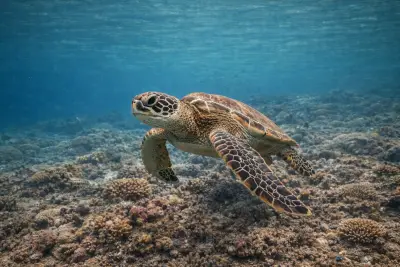
Green sea turtle
common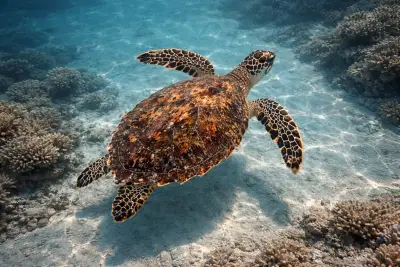
Hawksbill sea turtle
common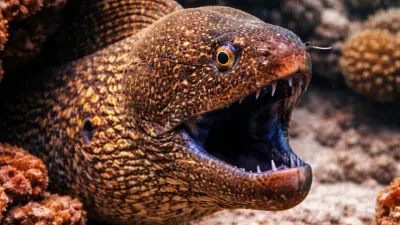
Moray eel
common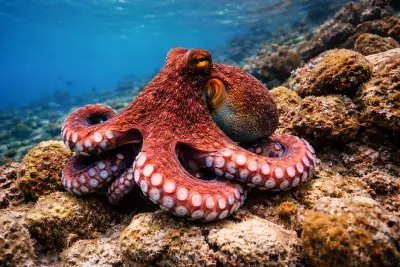
Octopus
common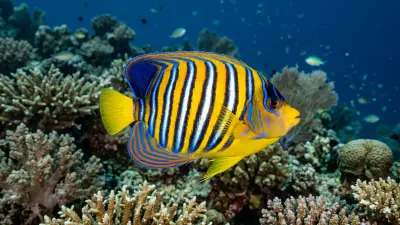
Angelfish
common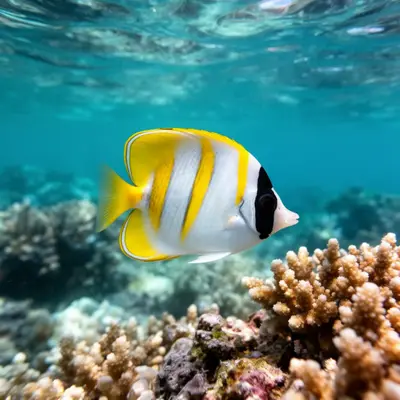
Butterflyfish
common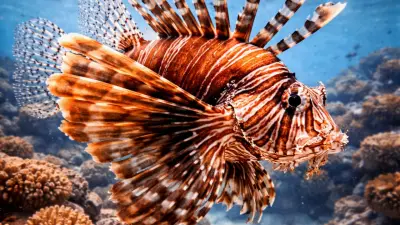
Lionfish
common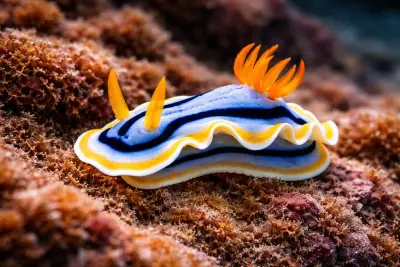
Nudibranch
occasional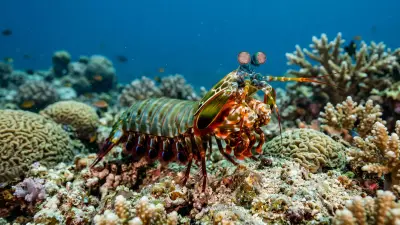
Mantis shrimp
occasional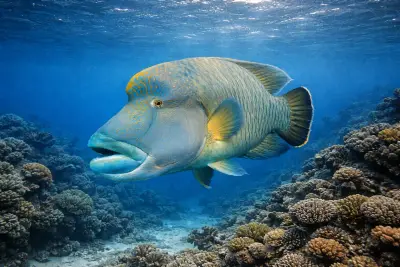
Napoleon wrasse
occasional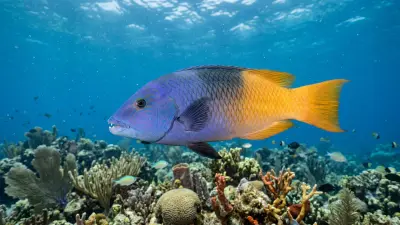
Humphead wrasse
occasional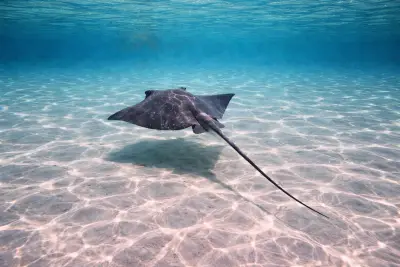
Stingray
occasional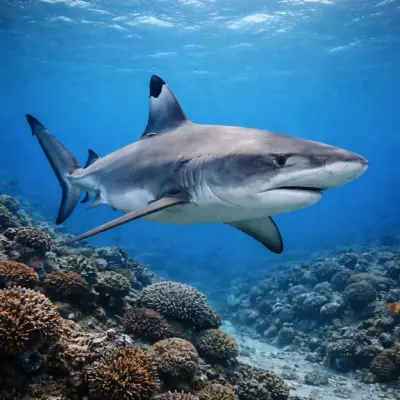
Reef shark
occasional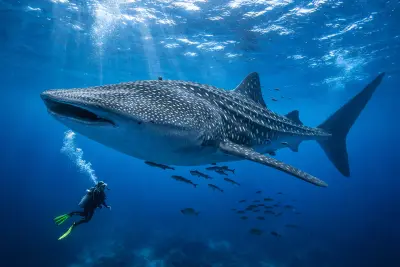
Whale shark
September-November · rareDive profile & how the dive runs
Dives at Denis Island Reef typically begin with a boat entry, often from a tender, directly onto the reef where currents are mild. Divers descend along coral slopes, maintaining a maximum depth of 30 meters, though many vibrant sections are shallower around 12-20 meters. The route generally follows the natural contours of the reef, allowing the current to gently guide you along. Points of interest include sandy patches where stingrays may be found and rocky outcroppings sheltering moray eels and octopuses. The dive usually progresses for 45-60 minutes, turning back on air or when approaching the no-decompression limit. The safety stop is conducted in the shallowest part of the reef, typically 5 meters, before surfacing for boat pick-up.
Underwater photography
Denis Island Reef provides excellent opportunities for both wide-angle and macro photography due to its pristine conditions and diverse marine life. For wide-angle, a rectilinear lens is ideal to capture the expansive coral formations and schools of fish. Consider natural light for shallower sections, and strobes for bringing out the vibrant colors in deeper areas. For macro subjects like nudibranchs, mantis shrimp, and juvenile fish hiding in seagrass, a dedicated macro lens will be beneficial. Maintaining excellent buoyancy control is crucial here, as the reefs are untouched and delicate. Practice patience and observe marine life from a respectful distance to capture authentic behaviors without causing disturbance.
Combine with nearby dive sites
- Aldabra Atoll
A UNESCO World Heritage Site with unparalleled marine biodiversity, offering advanced diving opportunities further afield.
- Amirantes Atoll
A group of coral atolls and islands known for their pristine reefs and excellent pelagic encounters, often part of extended liveaboard itineraries.
- Lighthouse Reef (Mahé)
A popular site near Mahé, offering granite formations and diverse reef fish, suitable for combining with land-based stays.
- Shark Bank (Mahé)
Known for encounters with reef sharks and other pelagics, providing a contrasting experience to Denis Island's calm reefs.
Getting there & logistics
Access to Denis Island is typically via a domestic flight from Seychelles International Airport (SEZ) on Mahé, which is the main international gateway. Major airlines like Emirates, Qatar Airways, and Ethiopian Airlines serve SEZ. Liveaboard options are limited, with most divers staying at the island's private resort. Trips usually range from 5 to 7 days, focusing on the immediate reefs and surrounding waters of Denis Island. There are no additional marine park fees beyond what is typically included in the resort package, as the waters around the island are managed as a private marine protected area. Itineraries are self-contained on the island, emphasizing relaxation and immersive diving.
Safety & environment
The nearest recompression chamber is located on Mahé, making evacuation a significant consideration in case of a serious diving emergency. Divers must ensure they have comprehensive dive insurance that covers emergency medical treatment and evacuation, including air transport. Denis Island maintains high safety standards with trained dive staff and well-maintained equipment. Site-specific hazards are minimal, but divers should always be aware of mild currents and practice good buoyancy control to protect the delicate corals. Adherence to dive guide instructions, staying within certified limits, and proper hydration are crucial for a safe and enjoyable experience in this remote location.
Who it suits — and who it doesn't
Suited for
- Divers seeking pristine, uncrowded reefs
- Macro photographers and natural light enthusiasts
- Divers interested in marine conservation
- Advanced Open Water divers comfortable with drift
- Couples and individuals looking for a serene dive holiday
Less suited for
- Divers expecting strong currents and large pelagic action on every dive
- Budget-conscious travelers
- Divers seeking extensive wreck diving
- Those who prefer large dive groups and bustling dive centers
- Individuals with limited buoyancy control
FAQ
Denis Island Reef FAQ
What makes diving at Denis Island Reef unique?
Diving at Denis Island Reef is unique due to its status as a private marine protected area, ensuring pristine and untouched coral reefs. Unlike other popular Seychelles sites, you'll find no crowds, offering a serene and intimate underwater experience. The island's rewilding efforts also contribute to a thriving ecosystem both above and below the surface.
What marine life can I expect to see at Denis Island Reef?
Divers can expect to encounter an abundance of reef fish, including angelfish and butterflyfish, along with frequent sightings of green and hawksbill sea turtles. The reefs and rocky crevices shelter moray eels and octopuses. During specific seasons, especially between September and November, there's a rare chance to spot whale sharks.
What are the typical diving conditions like around Denis Island?
Diving conditions around Denis Island are generally excellent, with water temperatures ranging from 28-30°C and visibility often exceeding 30 meters during peak seasons. While currents are usually mild, occasional moderate drift can occur. The best conditions, with calm seas and optimal visibility, are experienced during the transition months of April-May and October-November.
Is Denis Island Reef suitable for beginner divers?
Yes, Denis Island Reef is suitable for divers of all levels, including beginners. The average depths range from 8 to 30 meters, with many vibrant reef sections accessible at shallower depths. Dive centers on the island provide training and guided dives, ensuring a safe and enjoyable experience for those new to diving.
How do I get to Denis Island, and what kind of accommodation is available?
Denis Island is typically reached by a short domestic flight from Mahé International Airport. The island hosts a single private resort that emphasizes luxury and sustainability. Accommodation consists of elegant cottages and a beach villa, designed to blend seamlessly with the natural environment, offering an exclusive and immersive stay.
Why dive Denis Island Reef from a liveaboard?
Denis Island Reef is one of Seychelles's signature dive sites. A liveaboard sleeps you on the water and puts you in the water for three to four guided dives per day, including dawn and night dives that day-boat operators rarely offer. You skip the daily commute back to port and reach quieter, less-crowded sites in the same region on a single trip.
Below are the liveaboards that include Denis Island Reef on their Seychelles itineraries.
Liveaboards diving Denis Island Reef
These liveaboards may visit Denis Island Reef on selected itineraries — the exact dive sites depend on departure, weather and conditions.
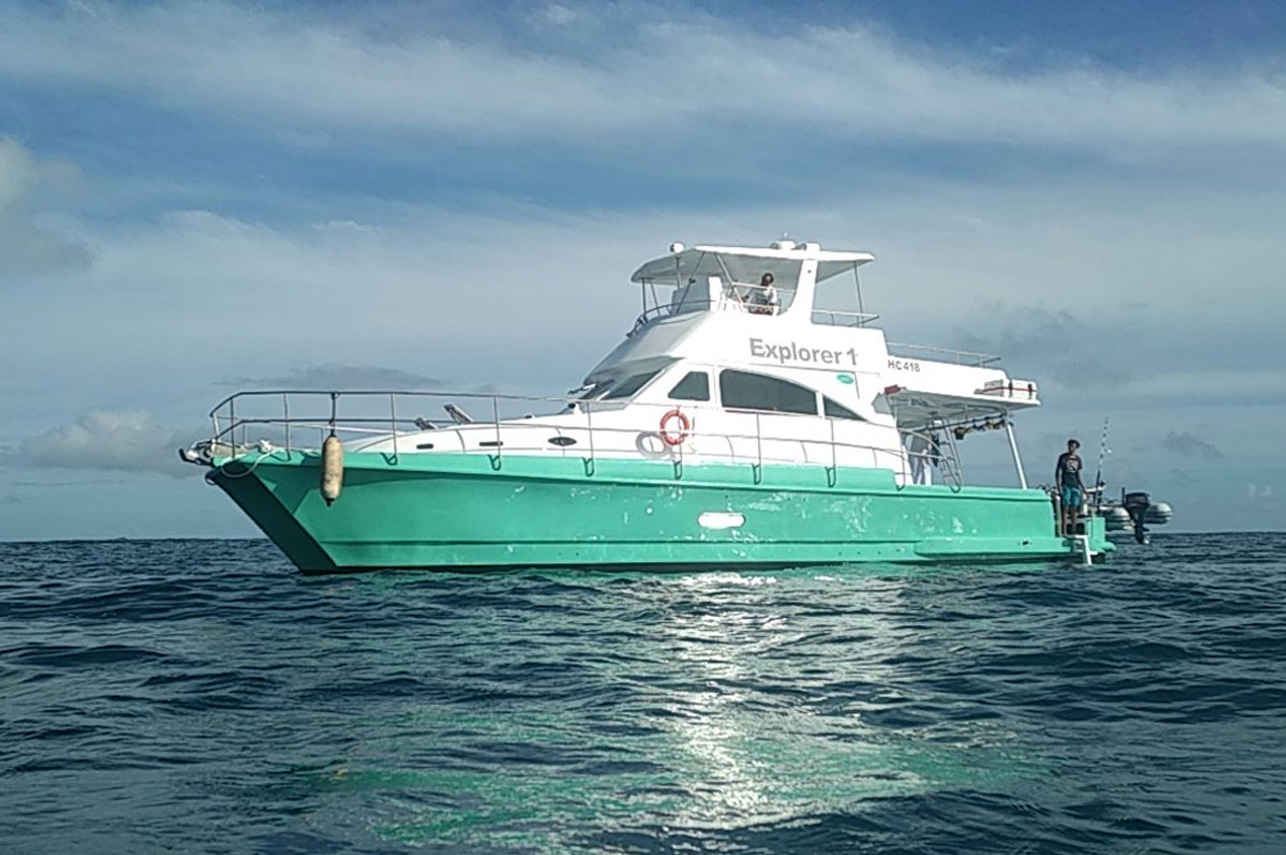
Explorer 1
Seychelles
6 guests17 m
$522/day
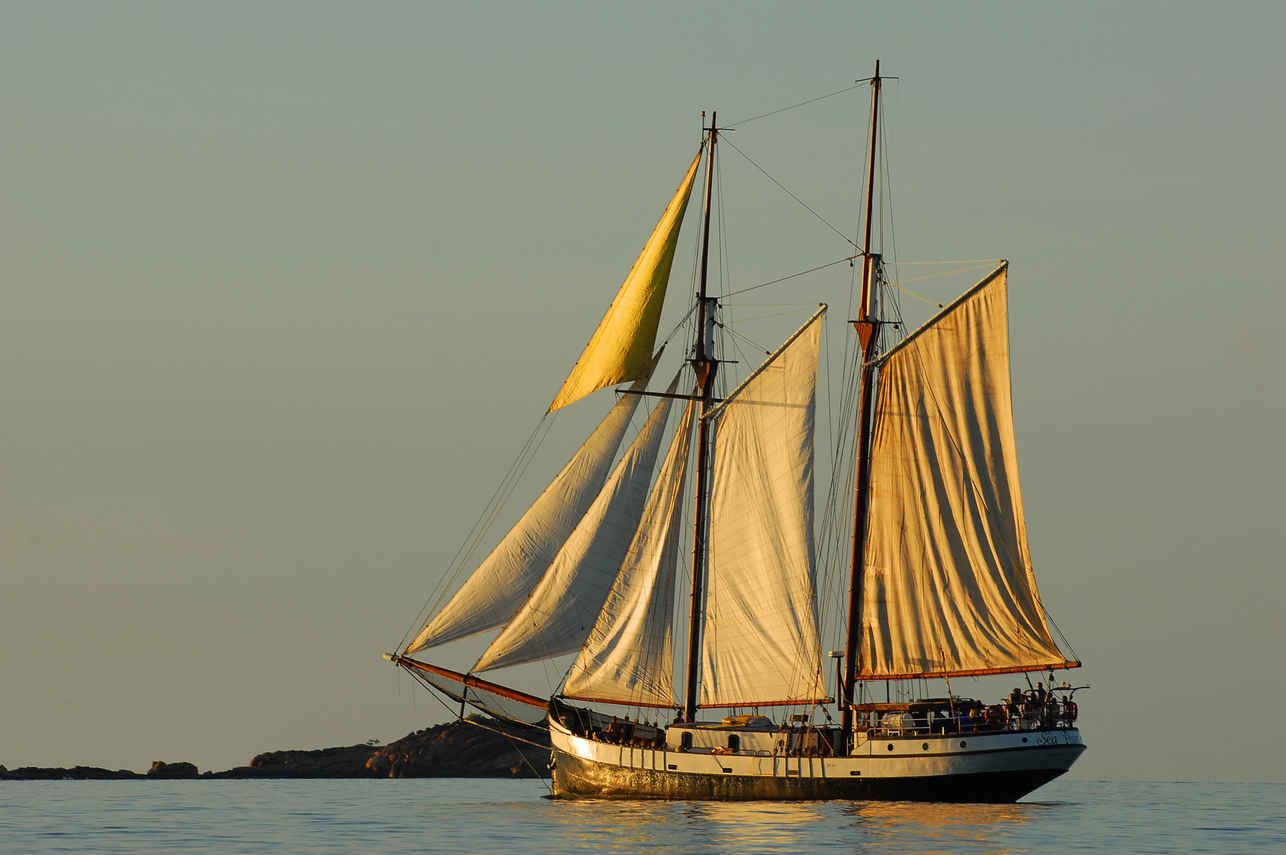
Sea Pearl
Seychelles
16 guests36 m
$212/day
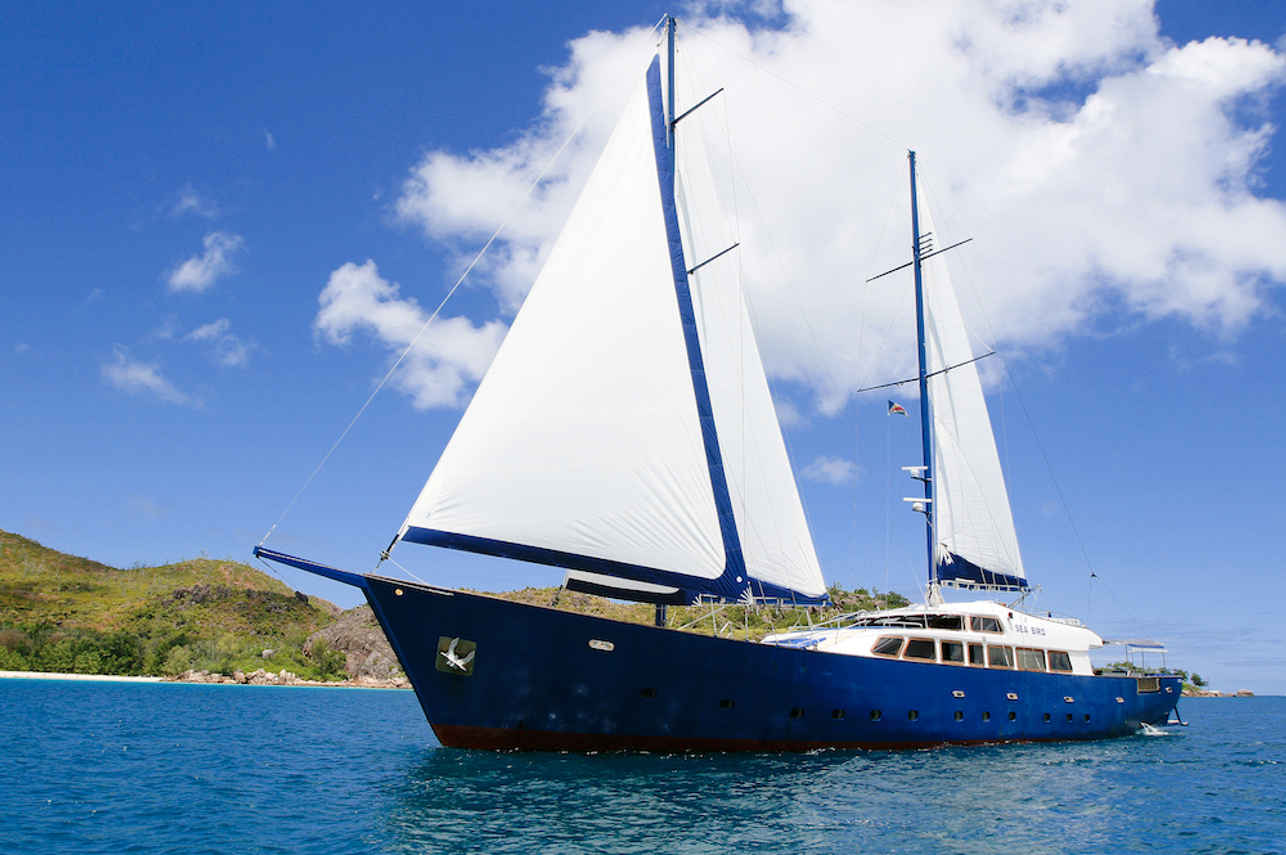
Sea Bird and Sea Star
Seychelles
18 guests42 m
$288/day
Dive sites similar to Denis Island Reef
Same character, same waters — six more sites divers love for the exact same reasons.Compare seasons, access and liveaboard routes — then pick the site that fits your trip best.
© Esri — Maxar, Earthstar, GIS
Sister Bank
Seychelles
Sister Bank is a notable dive site situated in the Inner Islands of Seychelles, specifically near Praslin Island.
- Suitable for
- Intermediate
- Current
- Mild
- Access
- Liveaboard only
- Depth
- 15–30 m
- Theme
- Reef / Drift
© Esri — Maxar, Earthstar, GIS
Brissare Rocks (Mahé)
Seychelles
Brissare Rocks, located just north of Mahé, is a renowned dive site in Seychelles, widely considered one of Mahé's top five.
- Suitable for
- Intermediate
- Current
- Strong
- Access
- Liveaboard or dayboat
- Depth
- 8–20 m
- Theme
- Cave & cavern / Drift
© Esri — Maxar, Earthstar, GIS
Lighthouse Reef (Mahé)
Seychelles
Lighthouse Reef, situated near Mahé in the Seychelles, presents a captivating underwater experience characterized by thriving reef ecosystems.
- Suitable for
- Beginner
- Current
- Strong
- Access
- Liveaboard or dayboat
- Depth
- 5–18 m
- Theme
- Reef
Napoleon is a renowned dive site located off Alphonse Island in the Seychelles, celebrated for its rich biodiversity and stunning underwater topography.
- Suitable for
- Intermediate
- Current
- Moderate
- Access
- Liveaboard only
- Depth
- 8–30 m
- Theme
- Reef
© Esri — Maxar, Earthstar, GIS
One Tree Island
Seychelles
One Tree Island is a well-known, shallow dive site located off the coast of Mahé, the largest of the Seychelles' Inner Islands.
- Suitable for
- Beginner
- Current
- Moderate
- Access
- Liveaboard only
- Depth
- ≤ 12 m
- Theme
- Reef
© Esri — Maxar, Earthstar, GIS
St. Pierre
Seychelles
St. Pierre Islet is a distinctive granite pinnacle rising from depths of around 25 meters, situated north of Praslin.
- Suitable for
- Beginner
- Current
- Moderate
- Access
- Liveaboard only
- Depth
- 4–25 m
- Theme
- Reef