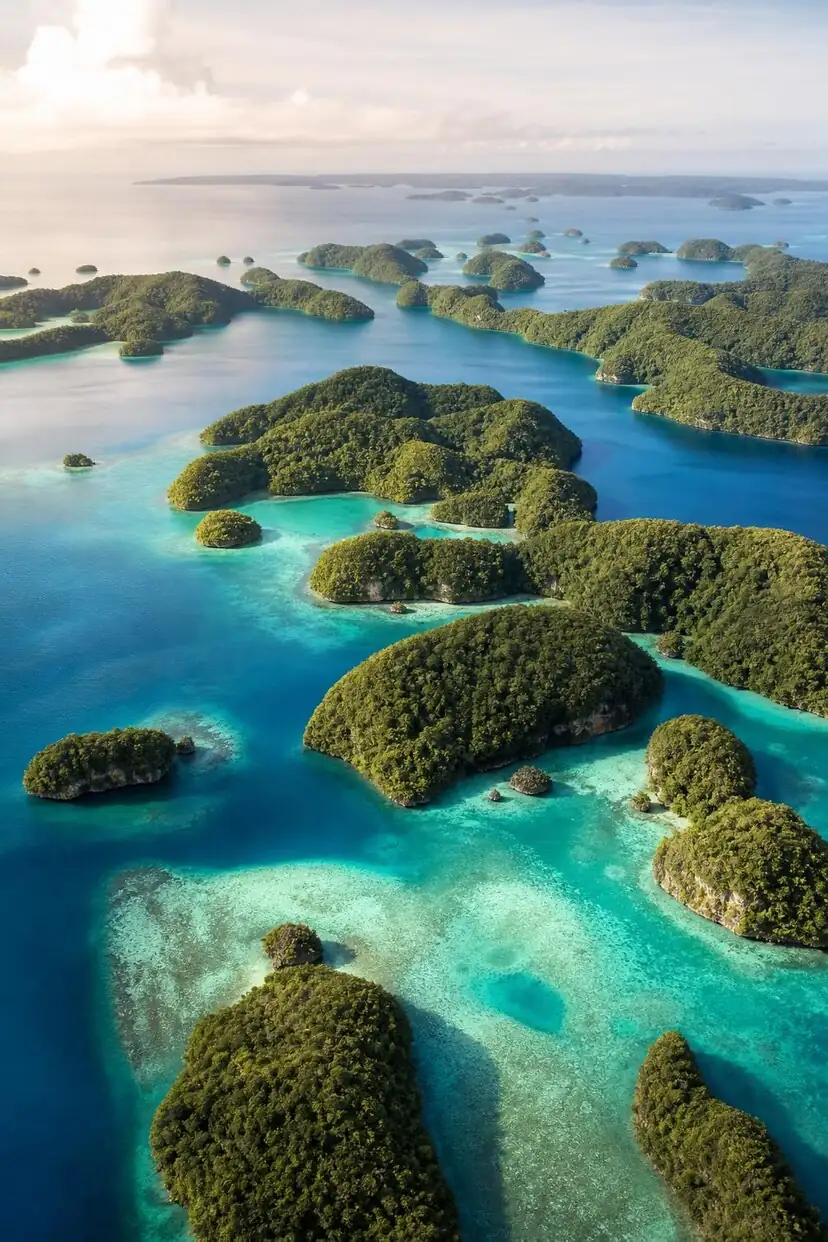
About Ankarea
Ankarea is a notable dive site situated within the Nosy Be archipelago in northwest Madagascar, an area celebrated for its exceptionally preserved and extensive coral reefs. This region is a crucial ecological hotspot, offering divers pristine underwater landscapes with a remarkable variety of marine biodiversity that includes both macro life and large pelagic species. The topography of the dive sites around Ankarea features a mix of shallow reefs, impressive walls, canyons, caverns, and swim-throughs, catering to a wide range of diving preferences and skill levels. Depths can vary significantly, from accessible shallow areas ideal for beginners to deeper sections reaching up to 80 meters for more advanced divers. The healthy coral formations, including large sea fans and plate corals, create a colorful and dynamic environment. The marine ecosystem here is rich and varied, with common sightings of colorful reef fish, various rays, and different shark species. Seasonally, the waters around Nosy Be, including Ankarea, host significant marine migrations, bringing opportunities to encounter humpback whales, whale sharks, and manta rays. The consistent warm water temperatures and generally good visibility enhance the diving experience. Diving around Ankarea is typically conducted via boat trips from Nosy Be or nearby islands, with dive sites ranging from short to longer boat rides. The region is well-supported by dive operators who emphasize exploring the rich underwater world while also offering opportunities to experience the local culture and natural beauty of the surrounding islands.
Highlights
Season calendar
Dive site facts: Ankarea
- Depth
- 5–80 m
- Typical dive
- 12–40 m, 50–60 min
- Current
- Mild to strong
- Visibility
- 10–50 m
- Water temperature
- 24–29°C
- Entry
- Boat
- Level
- All levels (some sites advanced)
- Dive type
- Reef, wall, pelagic, macro
- Night dive
- Possible
- Region / port
- Nosy Be Archipelago
- Coordinates
- -13.52, 48.25
Conditions & Currents
Currents around Ankarea and the Nosy Be archipelago can vary from mild to strong, with some sites specifically suited for more experienced divers due to challenging conditions. Dive operators typically plan entries and exits to account for prevailing current directions and strength, often opting for drift dives where appropriate. While some sites may experience stronger currents, overall visibility usually remains good, often exceeding 15 meters and sometimes reaching up to 50 meters, especially during the dry season. Water temperatures are consistently warm, ranging from 24-29°C, minimizing thermal discomfort even in areas with active water movement. Surge is generally not a major concern, but divers should always be prepared for dynamic conditions and follow their dive guide's instructions for a safe experience.
Marine life & sighting chances

Whale shark
October-December · occasional
Humpback whale
August-November · occasional
Manta ray
July-September · occasional
Dogtooth tuna
common
Napoleon wrasse
common
White-tip reef shark
common
Green sea turtle
common
Hawksbill sea turtle
common
Barracuda
common
Fusilier
common
Nudibranch
common
Frogfish
occasional
Leopard shark
occasionalDive profile & how the dive runs
Dives at Ankarea typically begin with a boat entry, leading you to an anchor line or directly into the water for a negative descent, depending on conditions and the specific site. A common profile involves exploring a coral reef slope or wall, gradually descending to depths between 12 to 25 meters, where schools of fusiliers and jacks are frequently encountered. The route often follows the reef contour, allowing divers to observe macro life nestled within the corals and keep an eye out for passing pelagics in the blue. Around the 30-minute mark, or once half your gas is consumed, the dive turns back towards shallower depths. The safety stop is usually conducted on a shallower section of the reef, often around 5 meters, where colorful reef fish and anemonefish provide an engaging end to the dive before ascending to the boat for pickup.
Underwater photography
Ankarea offers fantastic opportunities for both wide-angle and macro photography, so consider bringing interchangeable lenses or a system that supports both. For wide-angle shots, aim to capture the expansive coral formations, large sea fans, and schools of fish, particularly during the dry season when visibility is at its peak. When pelagics like whale sharks or manta rays are present, a wide-angle setup is essential. For macro enthusiasts, the reefs are teeming with nudibranchs, frogfish, and various crustaceans; a dedicated macro lens will reveal these hidden treasures. A powerful strobe or video light is highly recommended to bring out the true colors of the corals and marine life, especially in deeper sections or when shooting subjects under ledges. Practice good buoyancy control to avoid damaging the delicate corals and to get stable shots.
Combine with nearby dive sites
- Nosy Fanihy
Nosy Fanihy, a captivating island located near Nosy Be, Madagascar, is renowned for its exceptional underwater topography and abundant…
- Nosy Iranja Drop-off
Nosy Iranja, often called the 'Turtle Island,' lies southwest of Nosy Be, renowned for its pristine beaches and a vibrant underwater world.
- Nosy Mitsio Pinnacles
Nosy Mitsio Pinnacles, part of the Mitsio Archipelago in Madagascar, offers a pristine and authentic diving experience far removed from…
- The Wall (Nosy Be)
The Wall in Nosy Be is a renowned dive site characterized by its steep, colorful drop-offs, showcasing the rich biodiversity of…
- Nosy Tanikely Marine Reserve
Nosy Tanikely Marine Reserve is a protected marine area situated in the middle of Nosy Be Bay, off Madagascar's northwest coast.
Getting there & logistics
The primary gateway to diving Ankarea is Ivato International Airport (TNR) in Antananarivo, Madagascar's capital. From there, domestic flights connect to Nosy Be (Fascene Airport, NOS), the main hub for liveaboard and land-based diving operations in the northwest. Many dive trips originate from Nosy Be, offering day trips to sites like Ankarea or incorporating them into longer liveaboard itineraries, which typically range from 7 to 10 days. Liveaboards often explore various islands within the Nosy Be and Mitsio archipelagos. There are no specific marine park fees mentioned for Ankarea itself, but fees may apply for other protected areas like Nosy Tanikely Marine Reserve if visited. It's advisable to confirm all costs, including potential local taxes or park fees, with your chosen dive operator.
Safety & environment
Diving in the Nosy Be region, including Ankarea, benefits from the presence of a functional decompression chamber in Nosy Be, which is a significant advantage for diver safety. However, comprehensive dive insurance covering emergency medical evacuation and treatment is still highly recommended, as transport to the chamber or other medical facilities can take time. Divers should always adhere to standard safety protocols, including buddy system diving, adherence to dive plans, and conservative depth and bottom time limits. Be aware of varying current strengths at different sites and ensure you are comfortable with the conditions. Given Madagascar's remote nature, a robust travel insurance policy that includes medical and dive-specific coverage is essential for any unforeseen circumstances.
Who it suits — and who it doesn't
Suited for
- Experienced divers comfortable with currents
- Underwater photographers
- Marine life enthusiasts
- Divers seeking pelagic encounters
- Liveaboard guests exploring the Nosy Be region
Less suited for
- Absolute beginner divers (some sites)
- Divers uncomfortable with boat travel
- Those sensitive to variable current conditions
- Individuals without comprehensive dive insurance
FAQ
Ankarea FAQ
What kind of marine life can I expect to see at Ankarea?
Are there strong currents at Ankarea?
What are the typical water temperatures and visibility like?
Is Ankarea suitable for beginner divers?
Where is the nearest decompression chamber located?
Why dive Ankarea from a liveaboard?
Ankarea is one of Madagascar's signature dive sites. A liveaboard sleeps you on the water and puts you in the water for three to four guided dives per day, including dawn and night dives that day-boat operators rarely offer. You skip the daily commute back to port and reach quieter, less-crowded sites in the same region on a single trip.
Below are the liveaboards that include Ankarea on their Madagascar itineraries.
Dive sites similar to Ankarea
The dive site known as "Abyss" is not specifically mentioned or described in the provided sources.
- Suitable for
- Intermediate
- Current
- Moderate
- Access
- Liveaboard or dayboat
- Depth
- 18–50 m
- Theme
- Reef
Anakao Ocean
Madagascar
Anakao, located off the southwest coast of Madagascar, serves as a serene basecamp for exploring the rich underwater world of the Indian Ocean.
- Suitable for
- Advanced
- Current
- Moderate
- Access
- Liveaboard or dayboat
- Depth
- 20–25 m
- Theme
- Reef
Andilana Reef
Madagascar
Andilana Reef, situated near Nosy Be on Madagascar's northwestern coast, presents a captivating underwater landscape that appeals to divers of all experience levels.
- Suitable for
- Intermediate
- Current
- Mild
- Access
- Liveaboard or dayboat
- Depth
- 6–22 m
- Theme
- Cave & cavern / Reef
Arche's Plateau
Madagascar
Arche's Plateau is a renowned dive site located within Madagascar's Radama Archipelago, a region celebrated for its pristine underwater environment and vibrant marine ecosystems.
- Suitable for
- Intermediate
- Current
- Moderate
- Access
- Liveaboard or dayboat
- Depth
- ≤ 40 m
- Theme
- Reef
Ark of Sakatia
Madagascar
The Ark of Sakatia, also known as Nosy Sakatia Arch, offers a unique and rich diving experience off the coast of Nosy Be, Madagascar.
- Suitable for
- Intermediate
- Current
- Mild
- Access
- Liveaboard or dayboat
- Depth
- 5–20 m
- Theme
- Reef
Atlantis Point
Madagascar
Atlantis Point is a renowned dive site located within the Nosy Be archipelago in Madagascar, celebrated for its dynamic drift diving experience.
- Suitable for
- Intermediate
- Current
- Strong
- Access
- Liveaboard or dayboat
- Depth
- 10–30 m
- Theme
- Drift / Pinnacle