About Nosy Fanihy
Nosy Fanihy, a captivating island located near Nosy Be, Madagascar, is renowned for its exceptional underwater topography and abundant marine life. This site is particularly celebrated for its healthy coral ecosystems, featuring both soft and hard coral formations that house a myriad of species. The dive site typically explores depths ranging from 5 to 40 meters, making it accessible to a variety of skill levels while offering deeper sections for advanced divers. The surrounding waters provide excellent visibility for much of the year, although plankton blooms can occasionally reduce it, paradoxically attracting larger pelagic species. Marine enthusiasts can expect frequent sightings of sea turtles, diverse reef fish, and an array of colorful invertebrates. During specific seasons, the waters around Nosy Fanihy also become a prime location for spotting manta rays and the majestic whale sharks, enhancing its appeal as a top dive destination in the Indian Ocean. Diving here typically involves boat departures from Nosy Be, often as part of multi-day itineraries that explore the wider archipelago. The calm waters and rich biodiversity make it a rewarding experience for underwater photographers and those keen on immersive marine observations.
Highlights
Vibrant soft and hard coralsFrequent turtle sightingsManta ray encountersWhale shark opportunitiesRich reef fish diversityAccessible dive depths
Season calendar
Best months to dive here
Jan
Feb
Mar
Apr
May
Jun
Jul
Aug
Sep
Oct
Nov
Dec
Excellent
Good
Dive site facts: Nosy Fanihy
- Depth
- 5–40 m
- Typical dive
- 15–30 m, 50–60 min
- Current
- Variable, mild to strong
- Visibility
- 10–50 m
- Water temperature
- 25–28°C
- Entry
- Tender boat
- Level
- All levels, AOWD for deeper sections
- Dive type
- Reef, pelagic encounters, macro
- Night dive
- Possible
- Region / port
- Nosy Be, Madagascar
- Coordinates
- -13.21, 48.2
Conditions & Currents
Currents around Nosy Fanihy can be variable, ranging from weak to strong depending on the specific dive site and tidal conditions. Divers should be prepared for potential drift diving scenarios, particularly at deeper or more exposed sections. Visibility typically ranges from 10 to 50 meters, but can decrease significantly during plankton blooms; however, these blooms often attract large pelagic species, offering unique encounters. Water temperatures are consistently warm, averaging around 28°C throughout the year, ensuring comfortable diving. Entry and exit are typically from a tender boat, requiring divers to be comfortable with negative entries in some conditions, especially when currents are stronger.
Marine life & sighting chances

Sea turtle
common
Manta ray
April-July, September-November · occasional
Whale shark
September-November · occasional
Barracuda
common
Leopard shark
occasional
Frogfish
occasional
Angelfish
common
Scorpionfish
occasional
Moray eel
common
Nudibranch
common
Octopus
common

Hard corals
common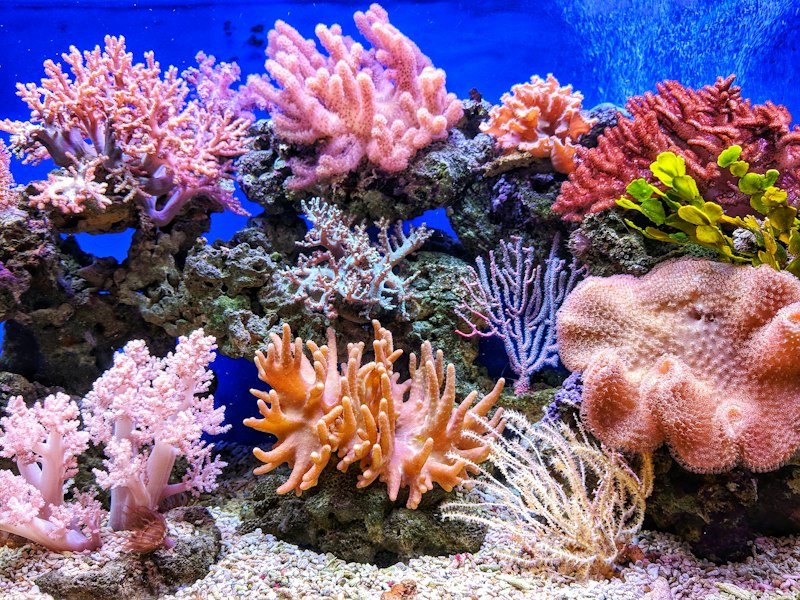
Soft corals
commonDive profile & how the dive runs
Dives at Nosy Fanihy typically begin with a tender drop close to the reef, allowing divers to descend onto the main coral formations. The route often follows a gentle slope or reef wall, exploring depths between 15 and 30 meters, with opportunities to reach 40 meters for experienced divers. You will generally navigate along the vibrant coral gardens, observing a multitude of reef fish and invertebrates. Mid-dive, the profile might involve exploring smaller caves or overhangs where larger species sometimes rest. The turn point is determined by air consumption or bottom time, with a gradual ascent along the reef. Safety stops are conducted at 5 meters, often utilizing the shallower, sunlit coral patches for decompression observation, before surfacing for tender pickup.
Underwater photography
Nosy Fanihy is a rewarding site for underwater photography, accommodating both wide-angle and macro setups. For wide-angle, focus on the expansive coral formations and the potential for pelagic encounters like whale sharks and manta rays; a dome port is highly recommended. Macro photographers will delight in the abundant nudibranchs, frogfish, and other small invertebrates hiding within the corals; a dedicated macro lens will capture these details effectively. Strong external strobes are essential to bring out the true colors of the corals and marine life, especially in deeper sections or during lower visibility periods. Practicing excellent buoyancy control is crucial here to avoid damaging the delicate reef structures and to position yourself for optimal shots in variable currents. Be mindful of marine life, maintaining a respectful distance and avoiding intrusive behavior for authentic and ethical photography.
Combine with nearby dive sites
- Nosy Tanikely Marine Reserve
A protected marine park known for vibrant corals and diverse marine life.
- Nosy Komba Reef
Offers rich marine biodiversity, often combined with lemur encounters topside.
- Nosy Iranja Drop-off
A beautiful site featuring dramatic drop-offs and potential for pelagic sightings.
- Nosy Sakatia Island Reef
Known for calm waters and abundant marine life, suitable for various dive levels.
- Mitsio Sharks Point
Part of the Mitsio Archipelago, offering opportunities to see sharks and larger pelagics.
Getting there & logistics
Access to Nosy Fanihy typically begins with international flights into Ivato International Airport (TNR) in Antananarivo, Madagascar, followed by a domestic flight to Nosy Be's Fascene Airport (NOS). From Nosy Be, dive operators offer day trips or incorporate Nosy Fanihy into multi-day liveaboard or land-based dive packages. Trips often range from 5 to 8 days, combining various dive sites around the Nosy Be archipelago. There are no specific park fees mentioned for Nosy Fanihy itself, but some tours may include costs for nearby protected areas like Nosy Tanikely. Dive packages frequently include transfers from hotels, boat trips, and dive gear, offering a convenient way to explore the region's underwater wonders.
Safety & environment
While Nosy Fanihy offers generally safe diving conditions, divers should always carry appropriate insurance covering emergency evacuations and diving accidents. The nearest recompression chamber is likely to be a significant distance away, so immediate medical response and evacuation can be challenging. Divers must adhere to their dive computer limits and maintain sufficient gas reserves, especially when exploring deeper sections or in variable currents. Always dive with a reputable operator and follow your dive guide's instructions. Surface marker buoys (SMBs) are highly recommended for all dives for surface visibility and diver safety, particularly in areas with boat traffic or currents. Emergency communication devices and first aid supplies are standard on professional dive boats.
Who it suits — and who it doesn't
Suited for
- Experienced underwater photographers seeking diverse subjects
- Divers interested in pelagic encounters (whale sharks, mantas)
- Reef enthusiasts eager to explore vibrant coral ecosystems
- Advanced Open Water divers comfortable with variable currents
- Travelers seeking off-the-beaten-path dive destinations
Less suited for
- Absolute beginner divers with no open water experience
- Divers unwilling to navigate variable currents
- Those prone to seasickness on longer boat transfers
- Individuals seeking shore-entry diving opportunities
- Divers uncomfortable with potential for reduced visibility during plankton blooms
FAQ
Nosy Fanihy FAQ
What kind of marine life can I expect to see at Nosy Fanihy?
Nosy Fanihy is rich in biodiversity, offering encounters with various marine species. You can frequently spot sea turtles, colorful reef fish, moray eels, and numerous nudibranchs. During specific seasons, there's a good chance to see larger pelagics like manta rays and whale sharks.
What are the typical dive depths at Nosy Fanihy?
The dive site at Nosy Fanihy typically features depths ranging from 5 to 40 meters. This allows for diverse dive profiles, accommodating both recreational divers exploring shallower coral gardens and advanced divers venturing into deeper sections or along reef walls.
Is Nosy Fanihy suitable for beginner divers?
While accessible to divers of all levels, some sections of Nosy Fanihy may have variable currents or deeper profiles. Beginner divers can enjoy shallower, sheltered areas, but those with Advanced Open Water certification and experience with currents will get the most out of the site.
When is the best time of year for diving at Nosy Fanihy?
Diving is generally excellent from April to January. The period between October and December is particularly recommended, as this is when whale shark sightings are most frequent. Water temperatures remain warm and comfortable year-round.
How do I get to Nosy Fanihy?
Nosy Fanihy is typically accessed via boat trips from Nosy Be, the main hub for diving in the region. You would usually fly into Nosy Be's Fascene Airport (NOS) after an international flight to Antananarivo (TNR), and then connect with a local dive operator for transfers to the site.
Why dive Nosy Fanihy from a liveaboard?
Nosy Fanihy is one of Madagascar's signature dive sites. A liveaboard sleeps you on the water and puts you in the water for three to four guided dives per day, including dawn and night dives that day-boat operators rarely offer. You skip the daily commute back to port and reach quieter, less-crowded sites in the same region on a single trip.
Below are the liveaboards that include Nosy Fanihy on their Madagascar itineraries.
Dive sites similar to Nosy Fanihy
Same character, same waters — six more sites divers love for the exact same reasons.Compare seasons, access and liveaboard routes — then pick the site that fits your trip best.
© Esri — Maxar, Earthstar, GIS
Kudimaa Wreck
Maldives
The Kudimaa Wreck is a compelling dive site in the Maldives, offering a fascinating artificial reef environment.
- Suitable for
- Advanced
- Current
- Moderate
- Access
- Liveaboard only
- Depth
- ≤ 30 m
- Theme
- Wreck / Reef
© Esri — Maxar, Earthstar, GIS
Blizzard Ridge
Australia
Blizzard Ridge is a renowned dive site situated within Lighthouse Bay on Ningaloo Reef, Western Australia, easily accessible from Exmouth.
- Suitable for
- Beginner
- Current
- Moderate
- Access
- Liveaboard or dayboat
- Depth
- ≤ 15 m
- Theme
- Reef
© Esri — Maxar, Earthstar, GIS
Andilana Reef
Madagascar
Andilana Reef, situated near Nosy Be on Madagascar's northwestern coast, presents a captivating underwater landscape that appeals to divers of all experience levels.
- Suitable for
- Intermediate
- Current
- Mild
- Access
- Liveaboard or dayboat
- Depth
- 6–22 m
- Theme
- Cave & cavern / Reef
© Esri — Maxar, Earthstar, GIS
Aldebaran Wreck
Seychelles
The Aldebaran Wreck, a 28-meter (92-foot) fishing vessel, was intentionally sunk on July 11, 2008, by the Seychelles Tourism Board to create an artificial reef.
- Suitable for
- Advanced
- Current
- Moderate
- Access
- Liveaboard or dayboat
- Depth
- 28–40 m
- Theme
- Wreck
© Esri — Maxar, Earthstar, GIS
Rottnest Island
Australia
Rottnest Island, located approximately 18 kilometers off Perth, Western Australia, offers exceptional diving characterized by its distinctive limestone formations.
- Suitable for
- Intermediate
- Current
- Mild
- Access
- Dayboat
- Depth
- 8–22 m
- Theme
- Reef / Cave & cavern
© Esri — Maxar, Earthstar, GIS
North Island
Seychelles
North Island is an exclusive dive location within the Seychelles, known for its pristine underwater environment and the opportunity to explore newly discovered sites.
- Suitable for
- Intermediate
- Current
- Moderate
- Access
- Liveaboard only
- Depth
- 18–35 m
- Theme
- Reef