About Giannis D
The Giannis D, a Greek cargo ship, sank in April 1983 after running aground on the northwestern corner of Sha'ab Abu Nuhas, a prominent reef known as the "ship graveyard" in the Strait of Gubal. Originally launched in Japan in 1969 as the Shoyo Maru, she was carrying a cargo of sawn softwood from Rijeka to Jeddah when the accident occurred, earning her the nickname "wood wreck." Today, the 99-meter vessel lies on its port side, tilted dramatically, broken into three main sections. The stern, with its bridge, funnel, masts, and engine room, remains remarkably intact and offers accessible penetration opportunities for qualified divers to observe machinery and instruments. The midships section is shattered, while the bow sits separately, at a depth of around 18 meters. The masts and A-frame derricks lean towards the surface, with the shallowest parts reaching approximately 6 meters. Positioned on the northern, exposed side of the Abu Nuhas reef, the Giannis D experiences typical Red Sea conditions. Divers can expect generally good visibility, ranging from 15 to 30 meters, but should be prepared for currents that can vary from mild to strong, depending on tidal movements and weather. The site is a popular destination for both day boats from Hurghada and liveaboards, often paired with other wrecks on the same reef. Underwater, the wreck is adorned with a carpet of silt inside and vibrant corals outside, attracting diverse marine life. Its unique tilted posture and well-preserved stern make it one of the most photographed and iconic wrecks in the Red Sea, rewarding divers comfortable with moving water and wreck exploration.
Highlights
Iconic Greek cargo wreckAbu Nuhas "ship graveyard"Intact stern and engine roomDramatic tilted angleAccessible penetration opportunitiesVibrant coral growthPhotogenic masts and derricksSunk with a timber cargo
Season calendar
Best months to dive here
Jan
Feb
Mar
Apr
May
Jun
Jul
Aug
Sep
Oct
Nov
Dec
Excellent
Good
Mar – May & Sep – Nov (Peak)
Best conditions with 30m+ visibility, comfortable water temps 24–28°C. Hammerhead sharks at Brothers, thresher sharks at Elphinstone.
Jun – Aug & Dec – Feb (Shoulder)
Jun–Aug: hot topside but warm water, good for southern routes. Dec–Feb: cooler water (21–23°C) attracts oceanic whitetips at Elphinstone. Still excellent visibility.
Dive site facts: Giannis D
- Depth
- 6–27 m
- Typical dive
- 18–27 m, 45–60 min
- Current
- Mild to strong
- Visibility
- 15–30 m
- Water temperature
- 21–30°C
- Entry
- Zodiac / Tender
- Level
- Advanced Open Water, wreck experience beneficial
- Dive type
- Wreck, coral reef
- Region / port
- Northern Red Sea (Abu Nuhas reef)
- Coordinates
- 26.8787° N, 34.4742° E
Conditions & Currents
The Giannis D lies on the northern, open-sea side of the Abu Nuhas reef, meaning conditions can range from mild to strong, influenced by tides and prevailing winds. Divers should anticipate surge and current, which may vary depending on the day's weather and the specific section of the wreck. Visibility is generally good, typically between 15 and 30 meters, unhindered by harbor silt due to its open-water location. Competent guides and appropriate certifications are essential for navigating the dynamic conditions, especially if strong currents are present. Surface conditions can be rough, and trips may be weather-dependent; divers must be comfortable in moving water and plan their gas consumption accordingly.
Marine life & sighting chances

Moray eels
common
Lionfish
common
Barracuda
occasional
Turtles
occasional
Batfish
occasional
Reef fish (various)
common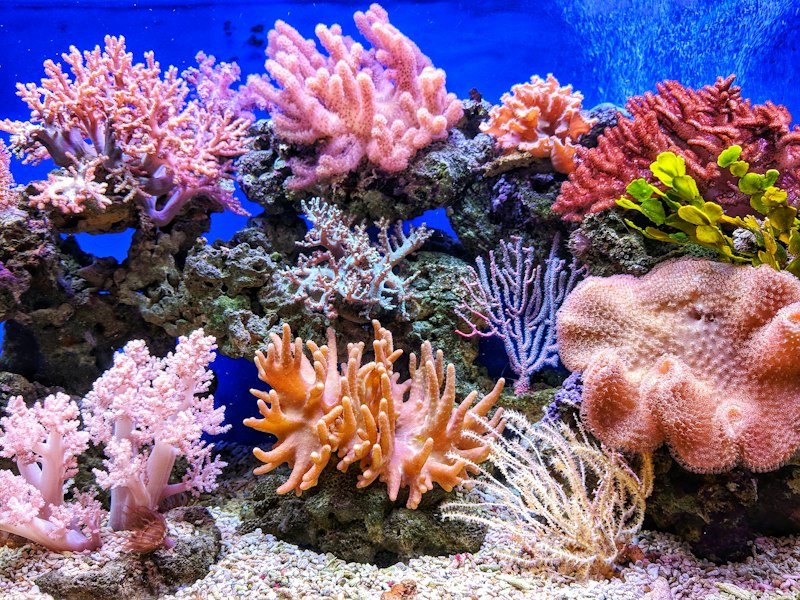
Soft corals
common
Hard corals
commonDive profile & how the dive runs
Divers typically access the Giannis D via Zodiac or tender, often starting the dive near the intact stern section. The wreck lies on its port side, with the stern being the most prominent and explorable part. The dive usually begins by descending along the superstructure, observing the dramatic tilt of the vessel. Qualified divers can penetrate the engine room and bridge area, exploring intact machinery and instruments while daylight often streams through various openings. The midships section is largely broken and scattered debris. The route then progresses towards the separate bow section, located at around 18 meters. The dive concludes by ascending towards the distinct A-frame derricks and masts, with the shallowest parts reaching about 6 meters, providing a natural and photogenic location for a safety stop before surfacing.
Underwater photography
The Giannis D is a highly photogenic wreck, especially the dramatically tilted stern and engine room. Wide-angle lenses are ideal for capturing the scale of the wreck's structure, the leaning masts, and the overall broken profile against the blue. During penetrations, be mindful of ambient light flooding through openings for dramatic effects, and use strobes to illuminate details and reduce backscatter from disturbed silt. For macro shots, focus on the abundant coral growth covering parts of the hull and the smaller marine life inhabiting the wreck. Good buoyancy control is critical, especially inside the wreck, to avoid stirring up the silt carpet and ensure clear shots.
Combine with nearby dive sites
- Carnatic
Another historical wreck on the Abu Nuhas reef, often dived in combination with Giannis D.
- Chrisoula K
A cargo wreck on Abu Nuhas, known for its cargo of tiles.
- Kimon M
The fourth main wreck on Abu Nuhas, also a cargo vessel.
- SS Thistlegorm
Famous WWII wreck, also in the northern Red Sea, frequently part of wreck itineraries.
Getting there & logistics
The Giannis D is situated on the Abu Nuhas reef in the northern Red Sea, accessible from major departure ports like Hurghada. Divers typically fly into Hurghada International Airport (HRG) or Cairo International Airport (CAI) with a connecting flight to Hurghada. The wreck is commonly visited as part of a day trip from Hurghada or, more frequently, as a key site on multi-day liveaboard itineraries that focus on the 'Wrecks of the North.' These liveaboards often embark from Hurghada and may combine Giannis D with other wrecks on Abu Nuhas (Carnatic, Chrisoula K, Kimon M) and other iconic sites like the SS Thistlegorm. Trips usually range from 7 to 8 days, and specific dive permits are typically managed by the tour operator or liveaboard.
Safety & environment
Diving the Giannis D requires careful adherence to safety protocols due to potential currents and wreck penetration. Divers should carry appropriate certifications for wreck diving and be comfortable in moving water. Emergency evacuation routes typically involve transfer by boat to Hurghada, where the nearest recompression chamber is located. Divers should always have comprehensive dive insurance covering hyperbaric treatment and evacuation. Site-specific hazards include sharp metal edges within the wreck, potential for silt-outs during penetration, and variable currents outside the wreck. Always dive with a competent guide, maintain good buoyancy, and respect the integrity of the wreck. Following established dive plans and buddy procedures is paramount.
Who it suits, and who it doesn't
Suited for
- Advanced Open Water certified divers
- Wreck diving enthusiasts
- Photographers seeking unique wreck shots
- Divers comfortable with currents and exposed sites
- Those interested in maritime history
Less suited for
- Beginner Open Water divers
- Divers uncomfortable with overhead environments
- Individuals prone to motion sickness in choppy conditions
- Those who prefer calm, current-free sites
- Divers without proper wreck penetration training for internal exploration
FAQ
Giannis D FAQ
What is the history behind the Giannis D wreck?
The Giannis D was a Greek cargo ship, originally named Shoyo Maru, that sank on April 19, 1983. It ran aground on the Sha'ab Abu Nuhas reef while carrying a cargo of sawn softwood, after its helm was reportedly left unattended. The crew was rescued without loss of life, but the vessel broke apart and settled on its side.
What marine life can I expect to see on the Giannis D?
The Giannis D wreck, like other sites on Abu Nuhas, is a habitat for various Red Sea reef fish. Divers commonly encounter moray eels, lionfish, and schools of barracuda and batfish around the wreck's structure. The hull and surrounding debris are also covered in diverse soft and hard corals.
Is the Giannis D suitable for all dive levels?
The Giannis D is generally recommended for Advanced Open Water divers due to its depth, potential currents, and the option for wreck penetration. While the shallower parts can be seen by Open Water divers, exploring the interior and deeper sections requires more experience and specific training in wreck diving.
Can I penetrate the Giannis D wreck?
Yes, penetration of the Giannis D is possible, particularly in the stern section which remains largely intact. Divers can explore the engine room and bridge, observing machinery and instruments. However, wreck penetration should only be attempted by appropriately certified and experienced divers, ideally with a guide, to ensure safety and avoid disturbing silt.
What are the typical conditions at the Giannis D dive site?
Conditions at the Giannis D can be variable, ranging from mild to strong currents, as it's on the exposed northern side of the Abu Nuhas reef. Visibility is typically good, between 15 and 30 meters. Surface conditions can sometimes be rough, and dives may be weather-dependent, so divers should be prepared for moving water.
What other wrecks are near Giannis D?
The Giannis D is one of four major diveable wrecks located on the Sha'ab Abu Nuhas reef, often referred to as the "ship graveyard." The other prominent wrecks nearby include the Carnatic, the Chrisoula K, and the Kimon M. It is common to dive two of these wrecks in a single day trip or liveaboard itinerary.
Why dive Giannis D from a liveaboard?
Giannis D is one of Egypt's signature dive sites. A liveaboard sleeps you on the water and puts you in the water for three to four guided dives per day, including dawn and night dives that day-boat operators rarely offer. You skip the daily commute back to port and reach quieter, less-crowded sites in the same region on a single trip.
Below are the liveaboards that include Giannis D on their Egypt itineraries.
Liveaboards diving Giannis D
These liveaboards may visit Giannis D on selected itineraries, the exact dive sites depend on departure, weather and conditions.

DUNE Longara
Egypt
30 guests

JP Marine
Egypt
28 guests

Snefro Pearl
Egypt
12 guests

Snefro Love
Egypt
20 guests

Sindalahs
Egypt
26 guests38 m

Hammerhead II
Egypt
20 guests

Blue Liveaboard
Egypt
24 guests43 m

Odyssey
Egypt
26 guests40 m

Discovery I
Egypt
20 guests

SS Serena Dreams
Egypt
18 guests33 m

Blue Pearl
Egypt
20 guests36 m

Alsuraya
Egypt
24 guests37 m
Dive sites similar to Giannis D
Same character, same waters, six more sites divers love for the exact same reasons.Compare seasons, access and liveaboard routes, then pick the site that fits your trip best.
© EsriMaxar, Earthstar, GIS
Abu Dabbab
Egypt
Abu Dabbab stands out as one of the Red Sea's most celebrated dive destinations, particularly notable for being a rare location where divers can encounter the endangered dugong.
- Suitable for
- Beginner
- Current
- Strong
- Access
- Shore / dayboat
- Depth
- 3–20 m
- Theme
- Reef
© EsriMaxar, Earthstar, GIS
Abu Galawa
Saudi Arabia
Abu Galawa is a prominent dive site within Saudi Arabia's Red Sea, specifically located among the Seven Sisters reefs near Yanbu.
- Suitable for
- Intermediate
- Current
- Strong
- Access
- Liveaboard or dayboat
- Depth
- 5–40 m
- Theme
- Reef / Wall
© EsriMaxar, Earthstar, GIS
Abu Galawa Kebir
Egypt
Abu Galawa Kebir is a premier dive site located in the southern Red Sea, situated on the northwestern edge of the extensive Fury Shoal reef system.
- Suitable for
- Beginner
- Current
- Strong
- Access
- Liveaboard or dayboat
- Depth
- 3–18 m
- Theme
- Wreck
Abu Nuhas, often called the "ship's graveyard" of the Red Sea, is a triangular coral reef situated at the northern edge of the Strait of Gubal.
- Suitable for
- Beginner
- Current
- Strong
- Access
- Liveaboard or dayboat
- Depth
- 4–24 m
- Theme
- Wreck
The Aida is a prominent wreck dive site located in the Egyptian Red Sea, frequently visited on liveaboard itineraries that traverse the central region between the northern and southern dive sites.
- Suitable for
- Advanced
- Current
- Strong
- Access
- Liveaboard only
- Depth
- 25–65 m
- Theme
- Wreck / Drift
© EsriMaxar, Earthstar, GIS
Al Lith Mangrove Reef
Saudi Arabia
Al Lith Mangrove Reef, located approximately 210 km south of Jeddah, serves as the primary launch point for exploring the renowned Farasan Banks.
- Suitable for
- Beginner
- Current
- Strong
- Access
- Shore / dayboat
- Depth
- 3–15 m
- Theme
- Reef / Wall