About Habili Ali
Habili Ali is a remote, current-swept pinnacle at the eastern edge of Egypt's St. John's reef system, marking the boundary between the reef complex and the open sea. It rises from a seabed approximately 200 meters deep, its submerged nature, never breaking the surface, is key to its dynamic environment. This reef, roughly 270 meters long and 80 meters wide, is essentially an underwater mountain of coral, consistently bathed in nutrient-rich currents that fuel its vibrant ecosystem. The topography features magnificent reef walls adorned with giant gorgonian sea fans. Overhangs are prevalent, especially on the eastern side, and deeper sections host massive gorgonians and sea whips. Divers typically explore sections of the oval-shaped reef wall, with the exact route determined by current direction and sun position. The site also includes a shallow reef flat. Strong currents attract a wide array of pelagic marine life, including hammerhead sharks, grey reef sharks, and occasional manta rays. Black snapper, triggerfish, and surgeonfish are abundant among the coral formations. Bottlenose dolphins are sometimes seen hunting. Oceanic whitetip sharks are a seasonal highlight, especially in May and June. This is an advanced dive site, renowned for its strong, often unpredictable currents and exposed conditions. It is exclusively accessed via liveaboard, catering to experienced divers seeking thrilling pelagic encounters and pristine reef systems. Divers should be prepared for drift dives and often require specific entry techniques due to the current.
Highlights
Pelagic shark encountersGiant gorgonian sea fansVibrant reef wallsDeep-water pinnacleSeasonal hammerheadsOceanic whitetip sharksBottlenose dolphin sightings
Season calendar
Best months to dive here
Jan
Feb
Mar
Apr
May
Jun
Jul
Aug
Sep
Oct
Nov
Dec
Excellent
Good
Dive site facts: Habili Ali
- Depth
- 5–40 m+
- Typical dive
- 20–30 m, 50–60 min
- Current
- Moderate to strong, often drift
- Visibility
- 25–40 m
- Water temperature
- 24–30 °C
- Entry
- Tender / negative entry
- Level
- Advanced
- Dive type
- Wall, pelagic, reef
- Night dive
- Not permitted
- Region / port
- St. John's Reefs / Southern Red Sea
- Coordinates
- 23.6167, 35.8333
Conditions & Currents
Currents at Habili Ali can range from moderate to strong, especially along the outer corners of the reef where pelagic activity is concentrated, demanding an advanced skill level from divers. While drift diving is common, conditions can shift, requiring vigilance and good buoyancy control. Visibility is consistently excellent, often ranging between 25 to 40 meters, with minimal impact from thermoclines or surge due to its offshore nature. Divers should be prepared for negative entries from tenders and plan their gas consumption carefully, considering the deeper sections and potential current resistance. The remoteness of the site also means that boat traffic is minimal, contributing to a pristine dive experience.
Marine life & sighting chances
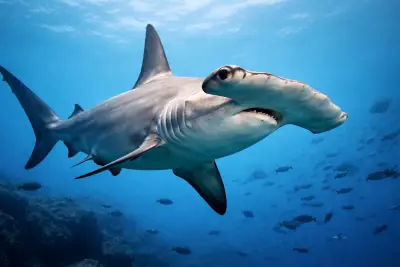
Scalloped hammerhead shark
June–November · common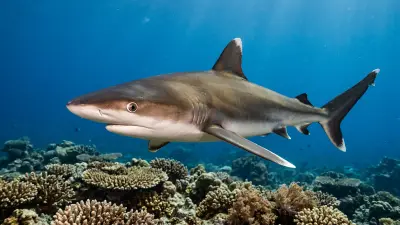
Silvertip shark
common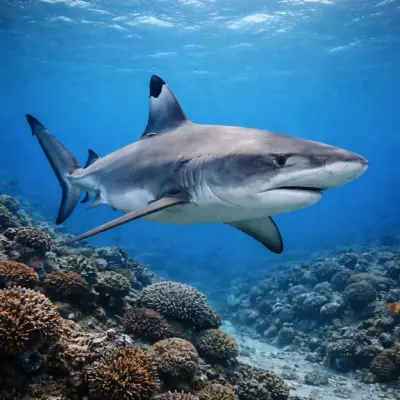
Grey reef shark
common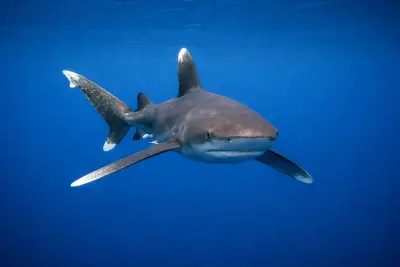
Oceanic whitetip shark
June–November · occasional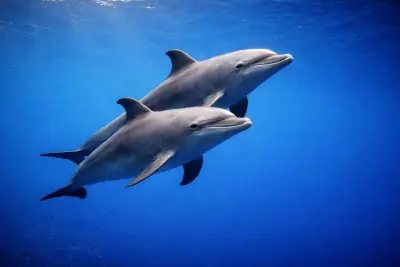
Bottlenose dolphin
occasional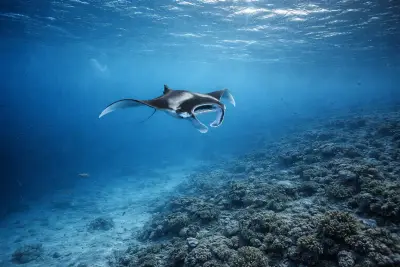
Manta ray
occasional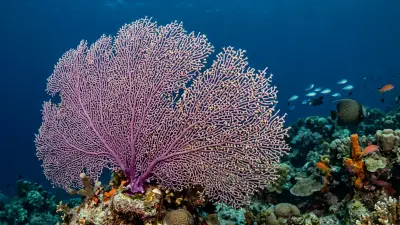
Gorgonian fan
common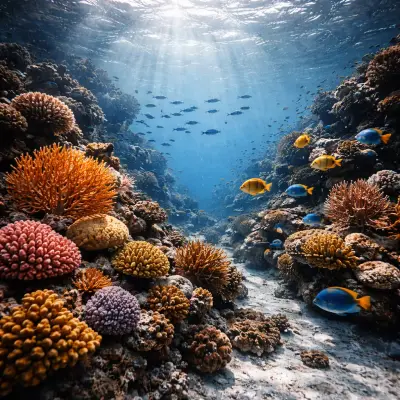
Black coral
common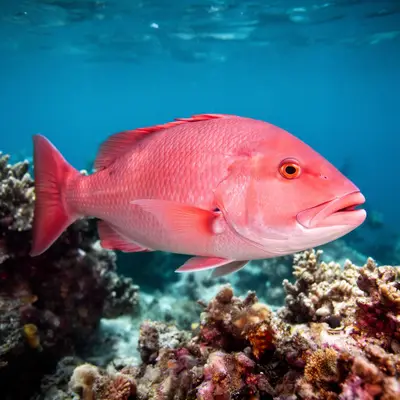
Snapper
common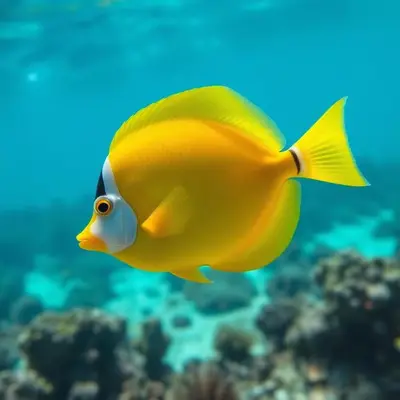
Surgeonfish
common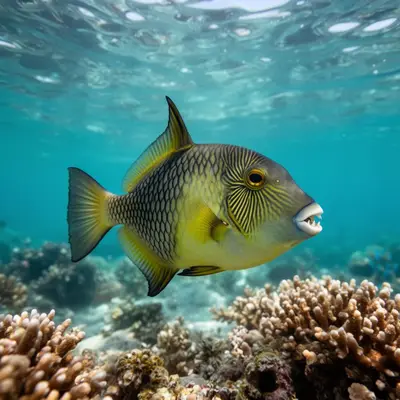
Triggerfish
common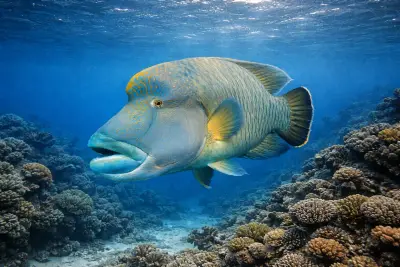
Napoleon wrasse
occasional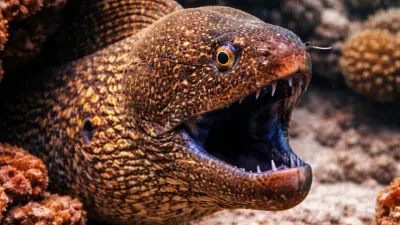
Moray eel
common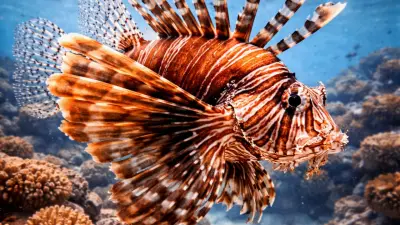
Lionfish
commonDive profile & how the dive runs
Dives at Habili Ali typically begin with a tender drop directly onto the reef top, which is relatively shallow at 5-10 meters. From there, divers descend along the west side of the reef, aiming for depths of 25-30 meters. This depth band is where the most significant pelagic action occurs, presenting opportunities to observe various shark species patrolling the blue. The dive proceeds along the wall, allowing exploration of the extensive gorgonian fans and black coral formations. The turn point is often dictated by current and individual air consumption, typically after 20-25 minutes of bottom time. The ascent involves working back towards the shallow reef flat, located at 5-8 meters. This area, rich with juvenile fish, serves as an ideal and picturesque location for the safety stop, providing a relaxed end to a deeper dive.
Underwater photography
Habili Ali presents exceptional opportunities for wide-angle photography, especially to capture the schooling hammerheads and other pelagic sharks in the blue water. A wide-angle lens is essential for documenting the impressive scale of the reef walls and the large schools of fish. Given the potential for deeper dives and moderate currents, good buoyancy control is paramount to avoid disturbing the delicate soft corals. For capturing the vibrant colors of the gorgonian fans and black corals, external strobes are highly recommended to bring out their true hues against the deep blue. Patience is key when waiting for shark encounters, particularly during early morning dives when they are most active. Always maintain a respectful distance from marine life, especially large pelagics, to ensure natural behavior and safety.
Combine with nearby dive sites
- Gota Soraya
Famous for its vibrant wall dives and diverse marine life.
- Gota Kebir
Largest reef in St. John's, known for tunnels and pelagic action.
- Umm Kharalim
A noted cave dive within the St. John's reef system.
- Rocky Island
Part of the Deep South itinerary, known for pelagics.
- Zabargad Island
Frequently combined with St. John's for extended liveaboard trips.
Getting there & logistics
Access to Habili Ali is exclusively via liveaboard, typically on 7- to 10-night itineraries focusing on the Deep South Red Sea. Most liveaboards depart from Port Ghalib, which is easily reachable via international flights into Hurghada Airport (HRG) or Marsa Alam International Airport (RMF). Transfers from these airports to Port Ghalib are usually arranged by the liveaboard operators. These trips often combine St. John's Reefs with other remote southern sites like Fury Shoals, Sataya, Zabargad Island, and Rocky Island, providing a comprehensive tour of the region's best diving. Due to its remote location within Elba National Park, specific marine park fees may apply, usually included in the liveaboard package. No day trips operate to this site, preserving its pristine condition.
Safety & environment
Diving at Habili Ali, given its remote location and potential for strong currents and deep sections, demands an advanced level of diving experience. Divers should ensure they have adequate insurance coverage, specifically including emergency evacuation and recompression chamber treatment, as the nearest recompression chamber is several hours away by boat and road, likely in Marsa Alam or Hurghada. Emergency evacuation from this far south can be complex and time-consuming. Adherence to liveaboard safety briefings and dive guide instructions is critical. Always dive within your training limits and be mindful of your no-decompression limits, especially during deeper pelagic observations. Good air consumption management and buddy procedures are essential for safe diving in these challenging but rewarding conditions.
Who it suits — and who it doesn't
Suited for
- Advanced certified divers
- Divers seeking pelagic encounters (sharks, mantas)
- Experienced drift divers
- Underwater photographers (wide-angle)
- Liveaboard enthusiasts
Less suited for
- Open Water Divers or beginners
- Divers uncomfortable with strong currents
- Those prone to seasickness on liveaboards
- Divers without advanced certification
- Macro-focused photographers
FAQ
Habili Ali FAQ
What kind of marine life can I expect at Habili Ali?
Habili Ali is renowned for its pelagic encounters, with frequent sightings of schooling scalloped hammerhead sharks, silvertip, and grey reef sharks. Divers also often spot oceanic whitetips and bottlenose dolphins, and occasionally manta rays. The vibrant walls are home to diverse reef fish, gorgonian fans, and black coral.
What is the typical dive depth and current at Habili Ali?
The reef top starts at 5-10 meters, but the main area of interest for pelagic action is between 25-30 meters, with walls dropping much deeper. Currents can range from moderate to strong, often resulting in drift dives. Divers need to be experienced with current diving.
Is Habili Ali suitable for beginner divers?
No, Habili Ali is considered an advanced dive site due to its depth, potential for strong currents, and remote location. It is best suited for experienced divers with advanced certifications who are comfortable with drift diving and pelagic encounters.
How do I get to Habili Ali?
Habili Ali is only accessible via liveaboard, typically on 7- to 10-night itineraries departing from Port Ghalib. These trips usually combine St. John's Reefs with other deep south dive sites, as it is too remote for day boat excursions.
When is the best time to dive Habili Ali for shark sightings?
The peak seasons for shark sightings and overall best diving conditions at Habili Ali are generally during spring (March-May) and autumn (September-November). During these periods, water temperatures are comfortable, and visibility is at its best, enhancing pelagic encounters.
What makes Habili Ali different from other Red Sea dive sites?
Habili Ali stands out for its pristine, untouched coral reefs and consistent big-pelagic action, particularly schooling sharks, due to its remote location and lower diver pressure. Its submerged topography and dramatic walls offer a unique experience compared to shallower, more frequently dived sites in the northern Red Sea.
Why dive Habili Ali from a liveaboard?
Habili Ali is one of Egypt's signature dive sites. A liveaboard sleeps you on the water and puts you in the water for three to four guided dives per day, including dawn and night dives that day-boat operators rarely offer. You skip the daily commute back to port and reach quieter, less-crowded sites in the same region on a single trip.
Below are the liveaboards that include Habili Ali on their Egypt itineraries.
Liveaboards diving Habili Ali
These liveaboards may visit Habili Ali on selected itineraries — the exact dive sites depend on departure, weather and conditions.
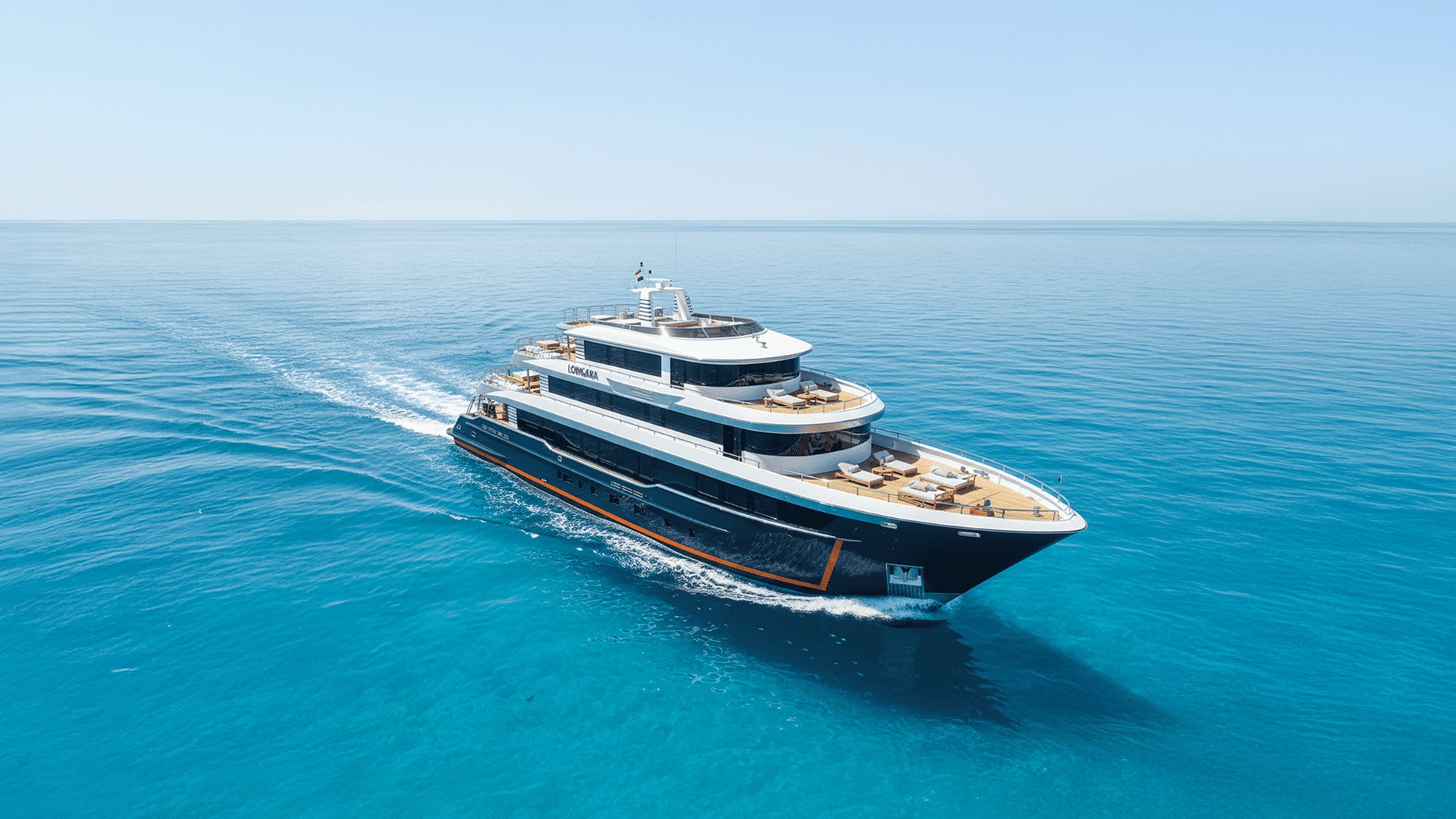
DUNE Longara
Egypt
30 guests
$150/day
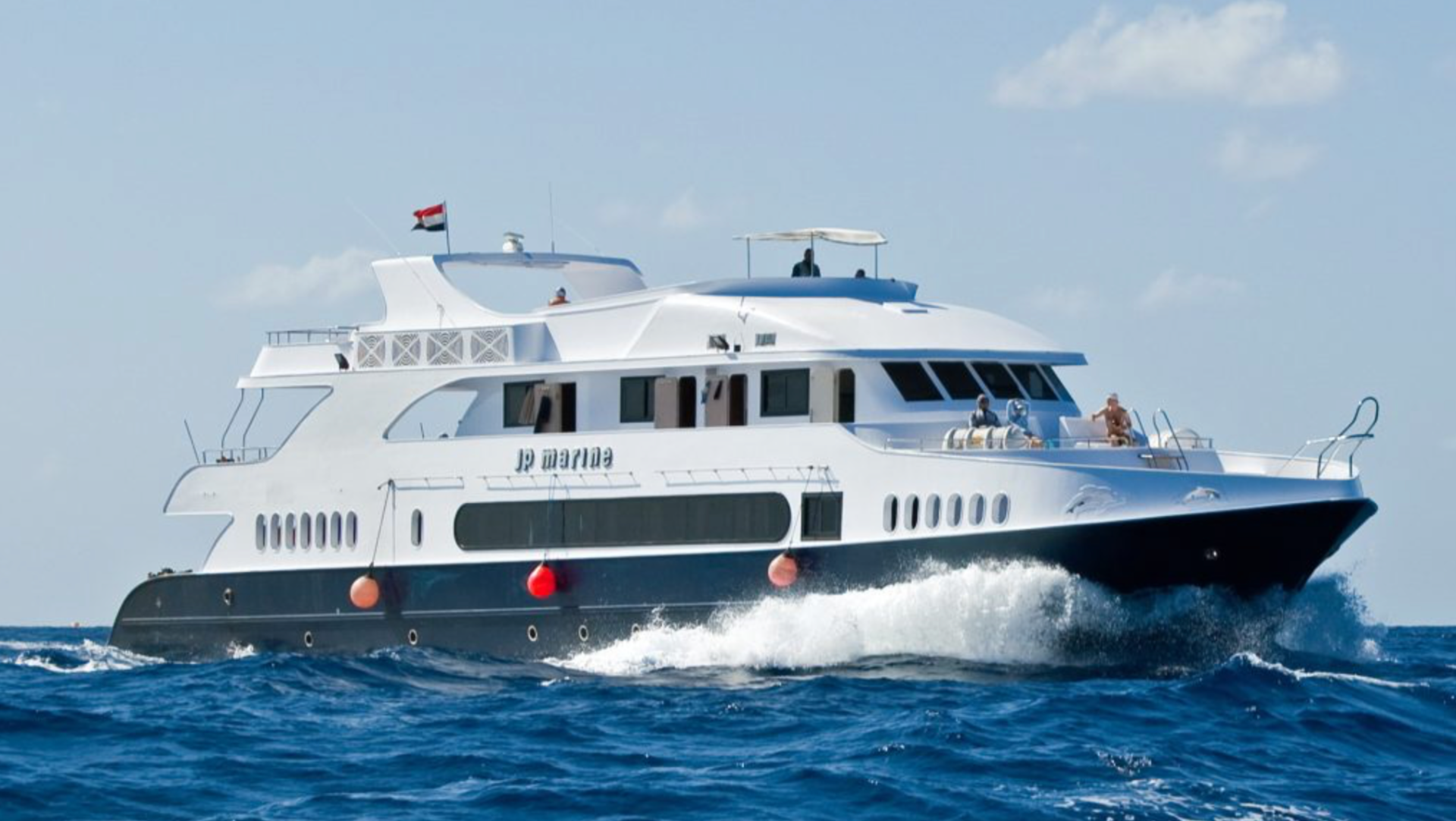
JP Marine
Egypt
28 guests
$109/day
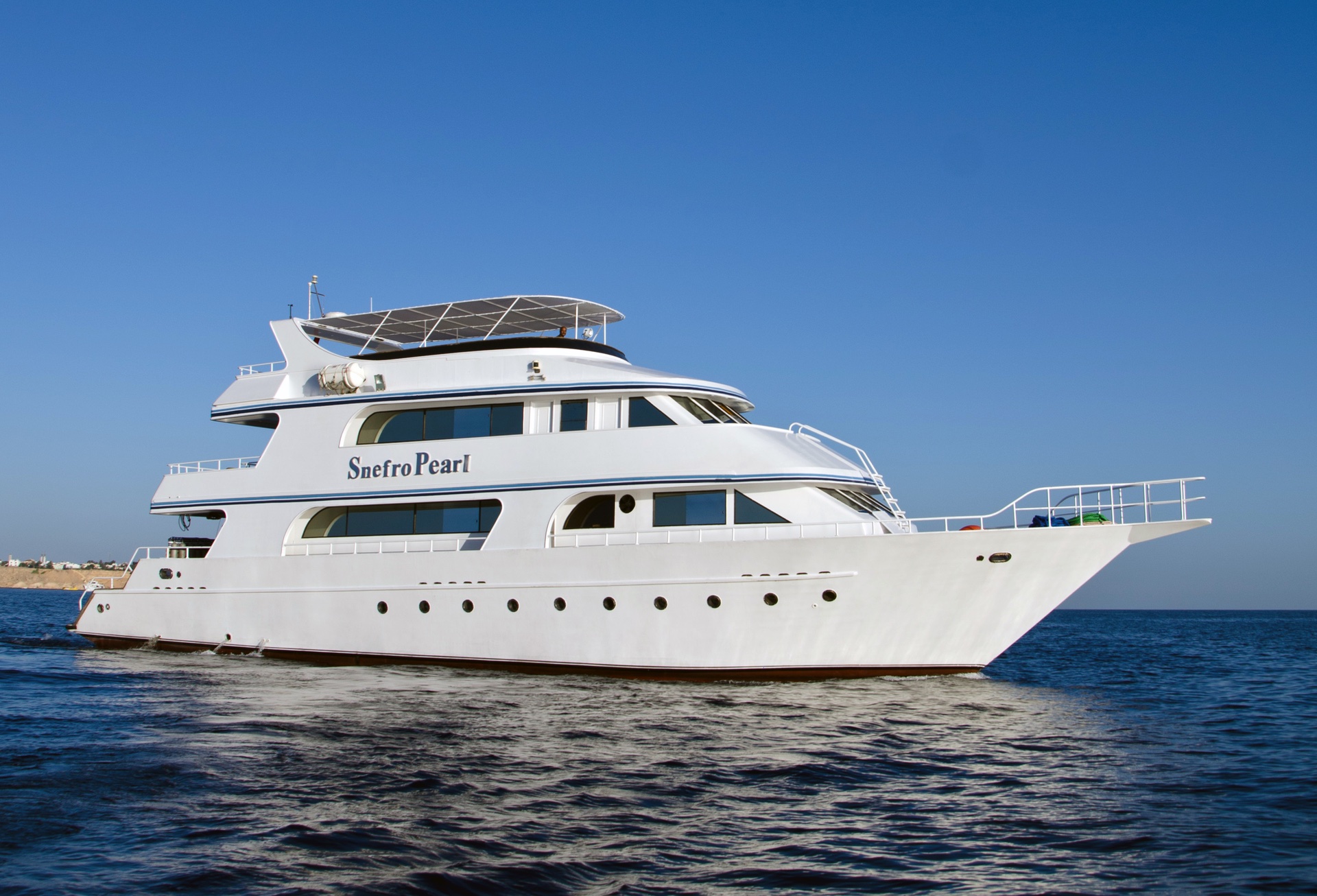
Snefro Pearl
Egypt
12 guests
$150/day
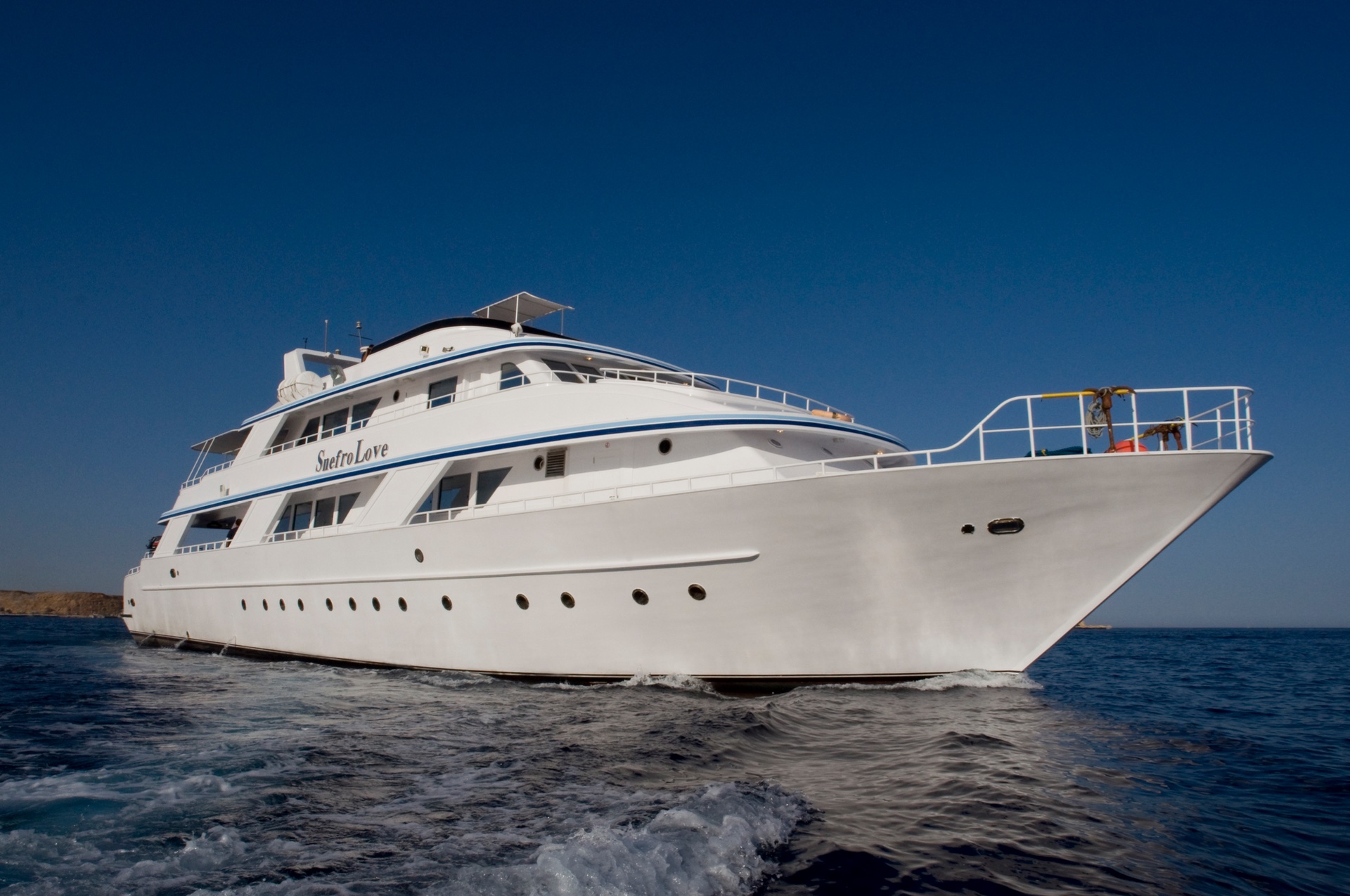
Snefro Love
Egypt
20 guests
$154/day
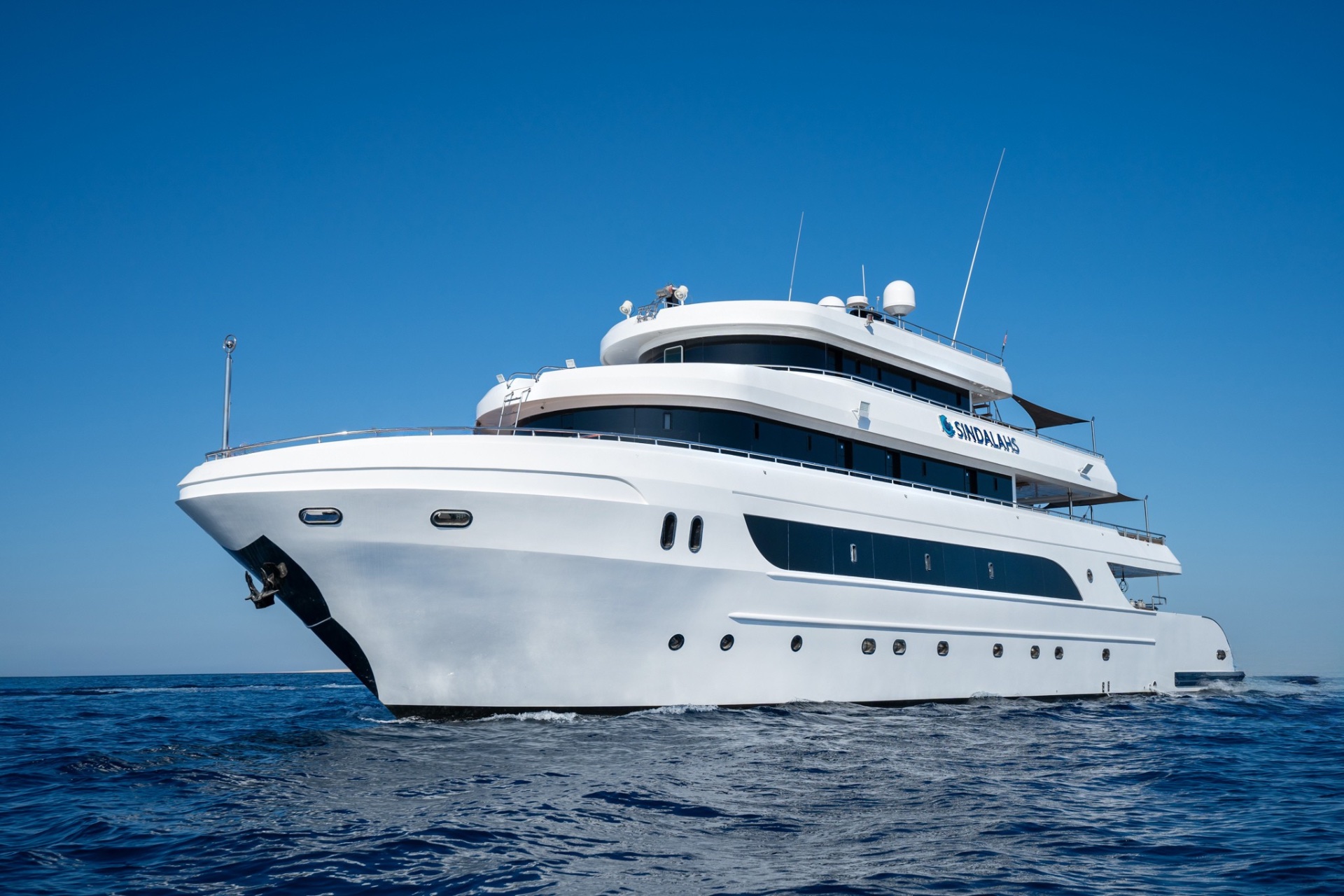
Sindalahs
Egypt
26 guests38 m
$155/day
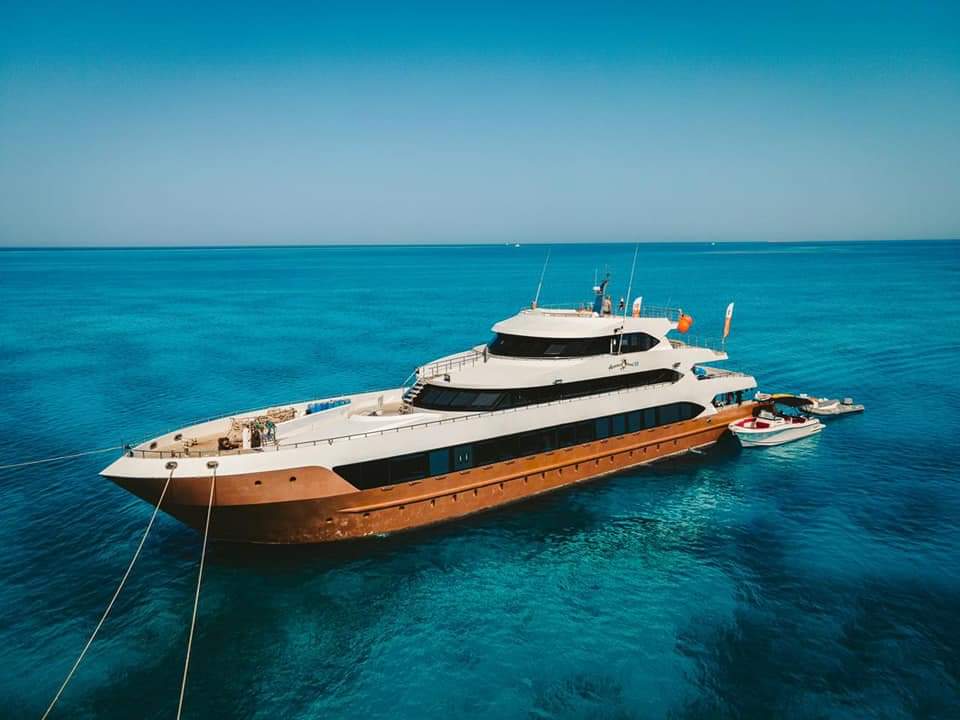
Hammerhead II
Egypt
20 guests
$173/day
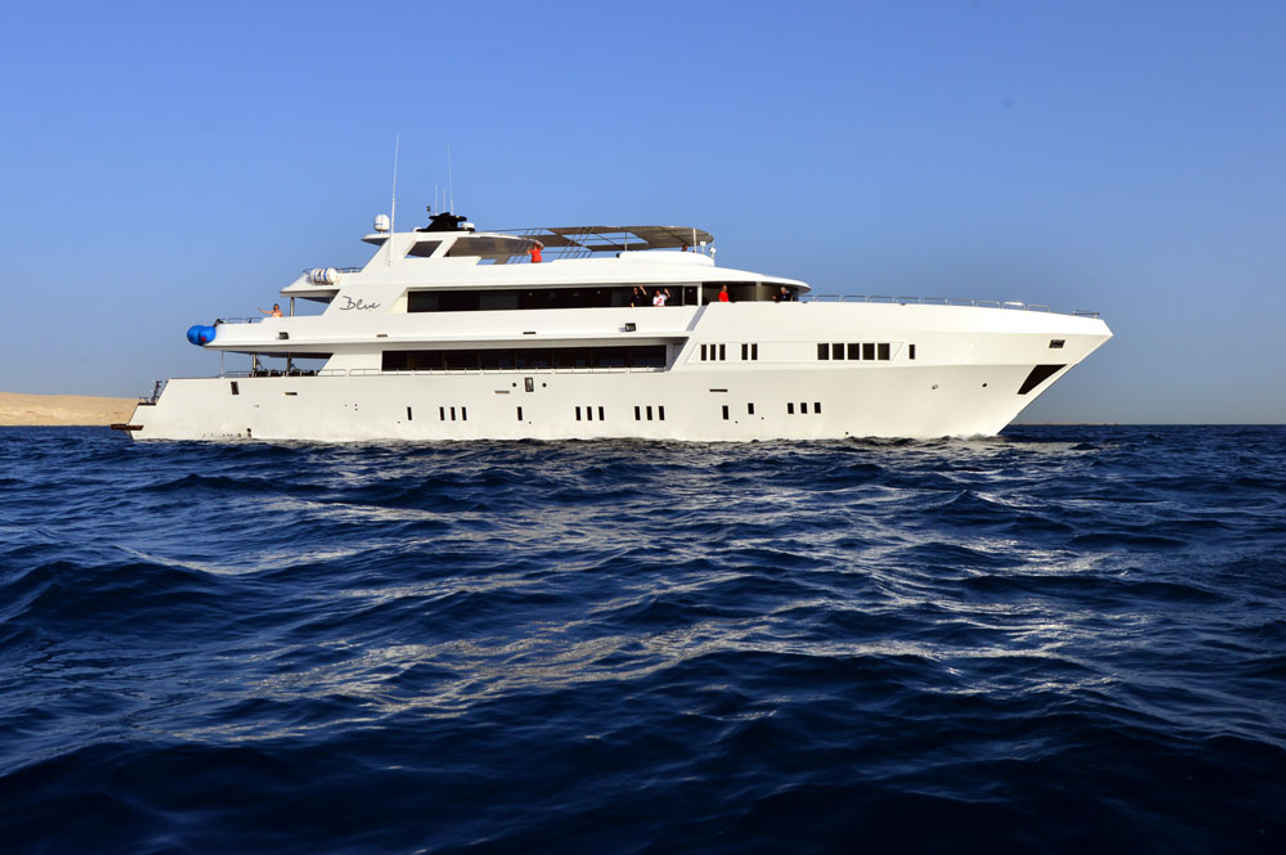
Blue Liveaboard
Egypt
24 guests43 m
$173/day
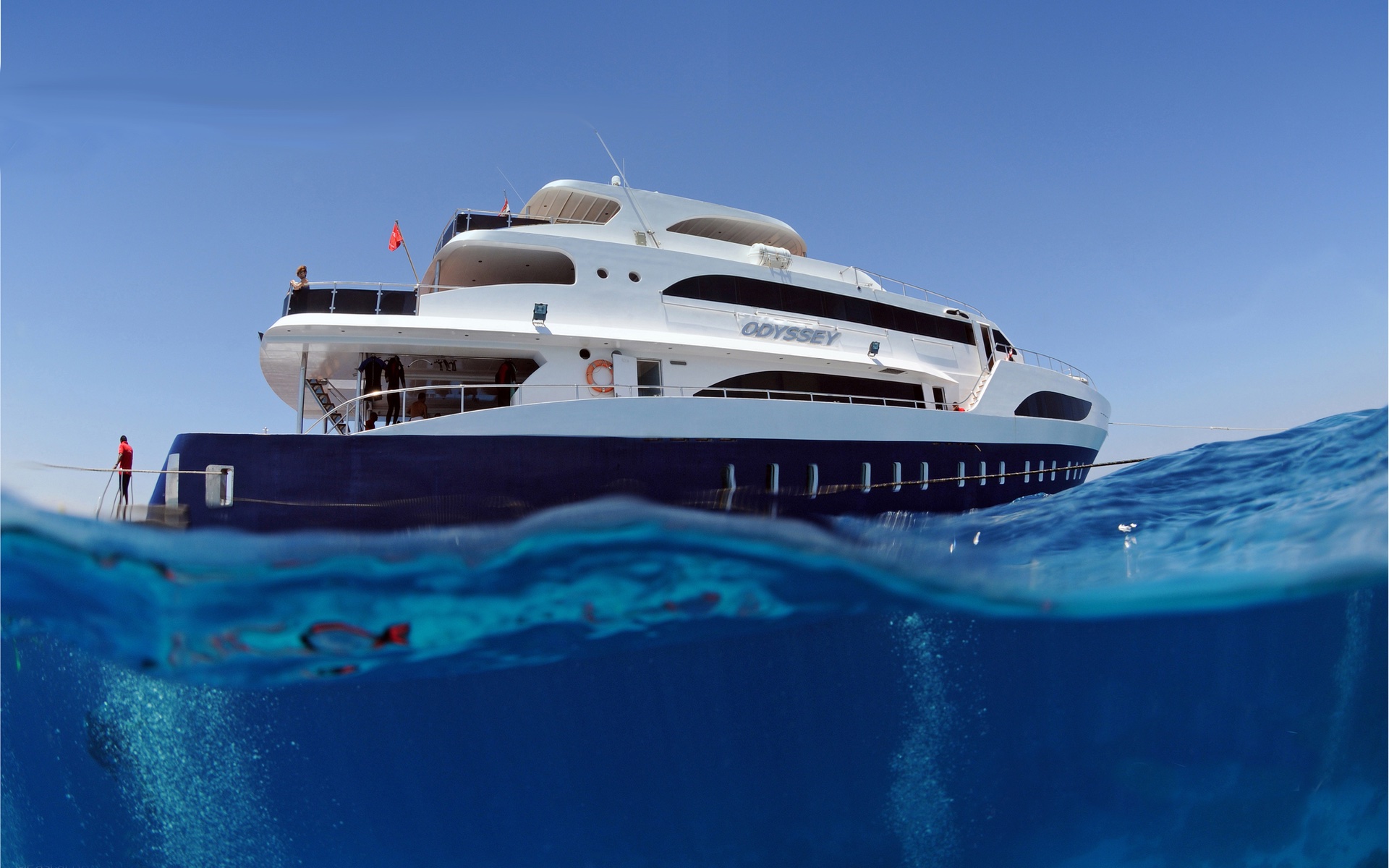
Odyssey
Egypt
26 guests40 m
$185/day
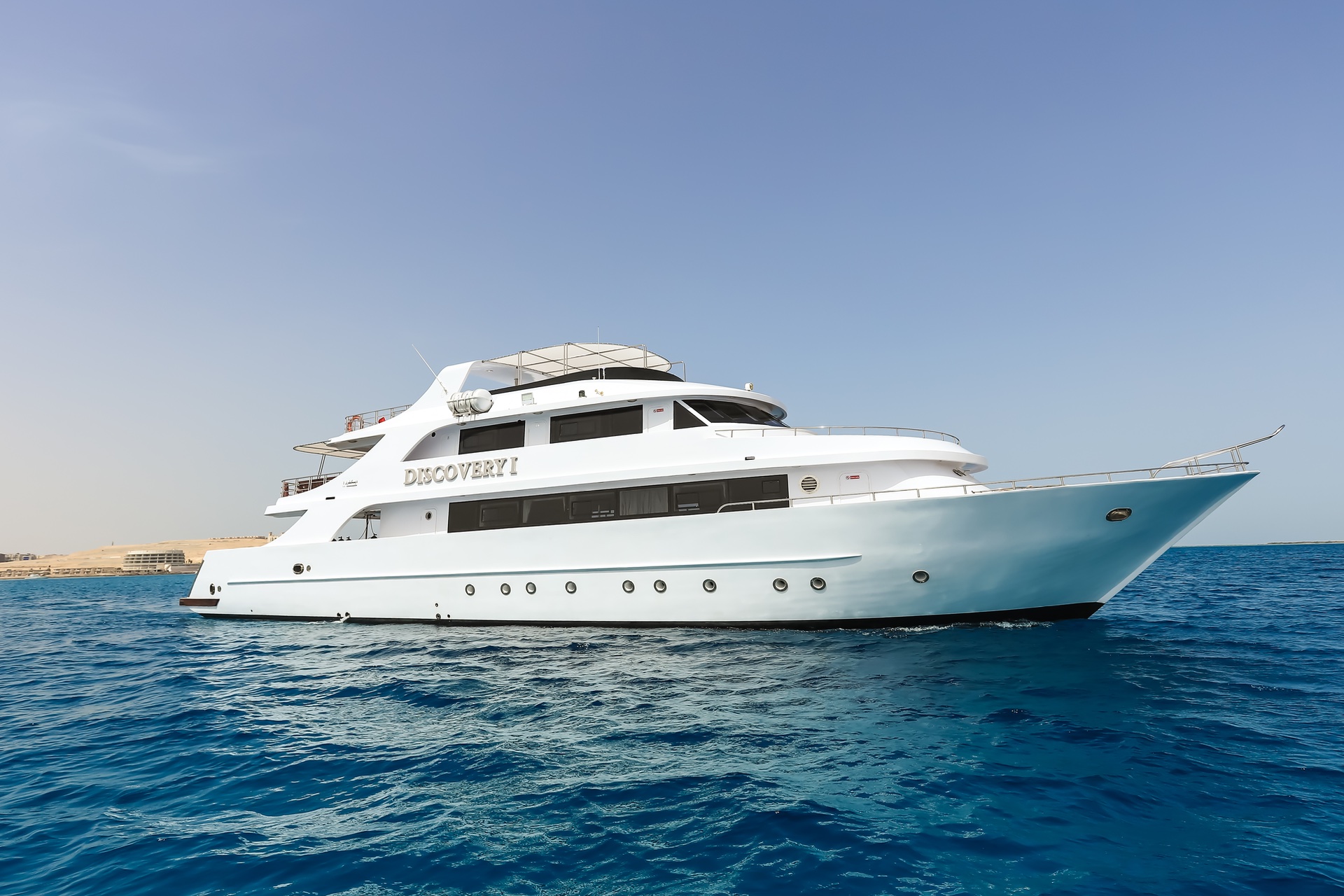
Discovery I
Egypt
20 guests
$104/day
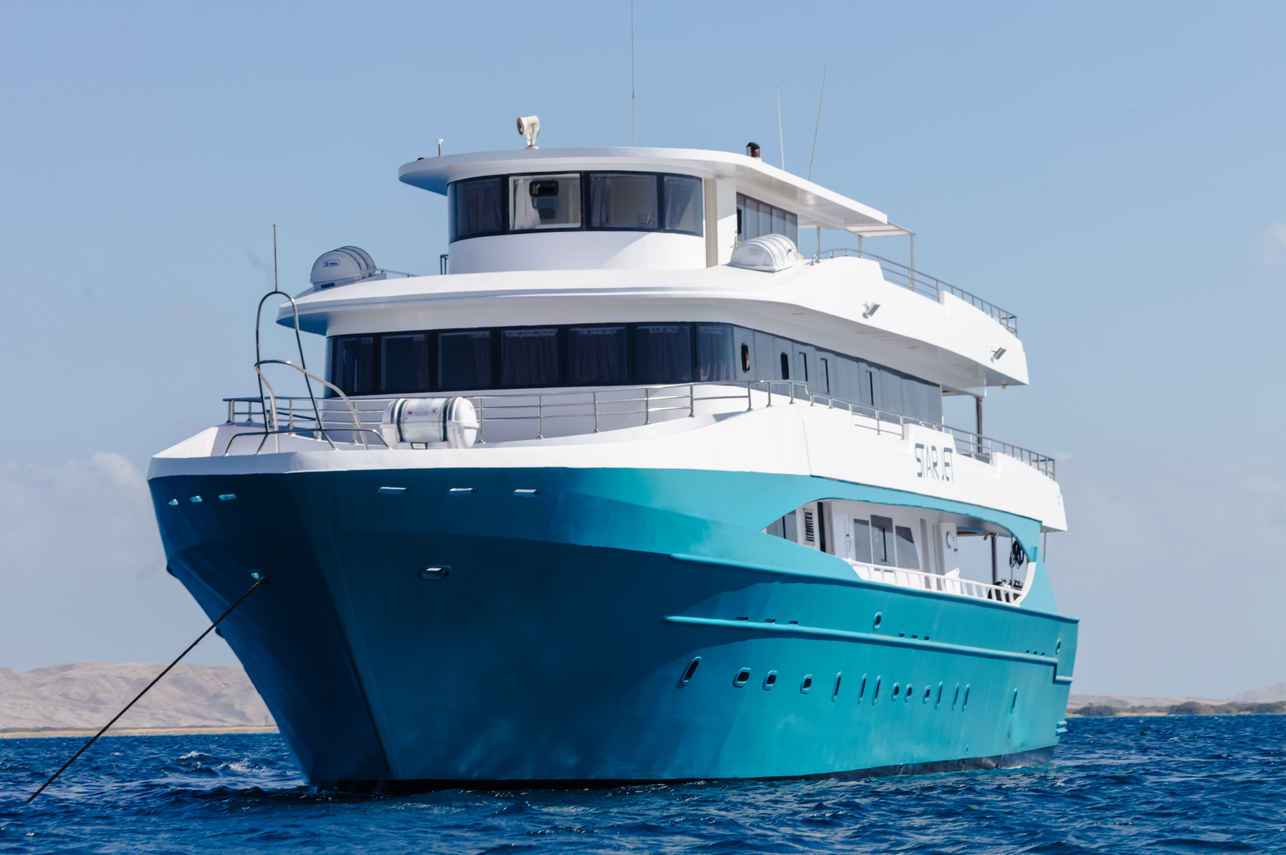
Star Jet
Egypt
28 guests35 m
$145/day
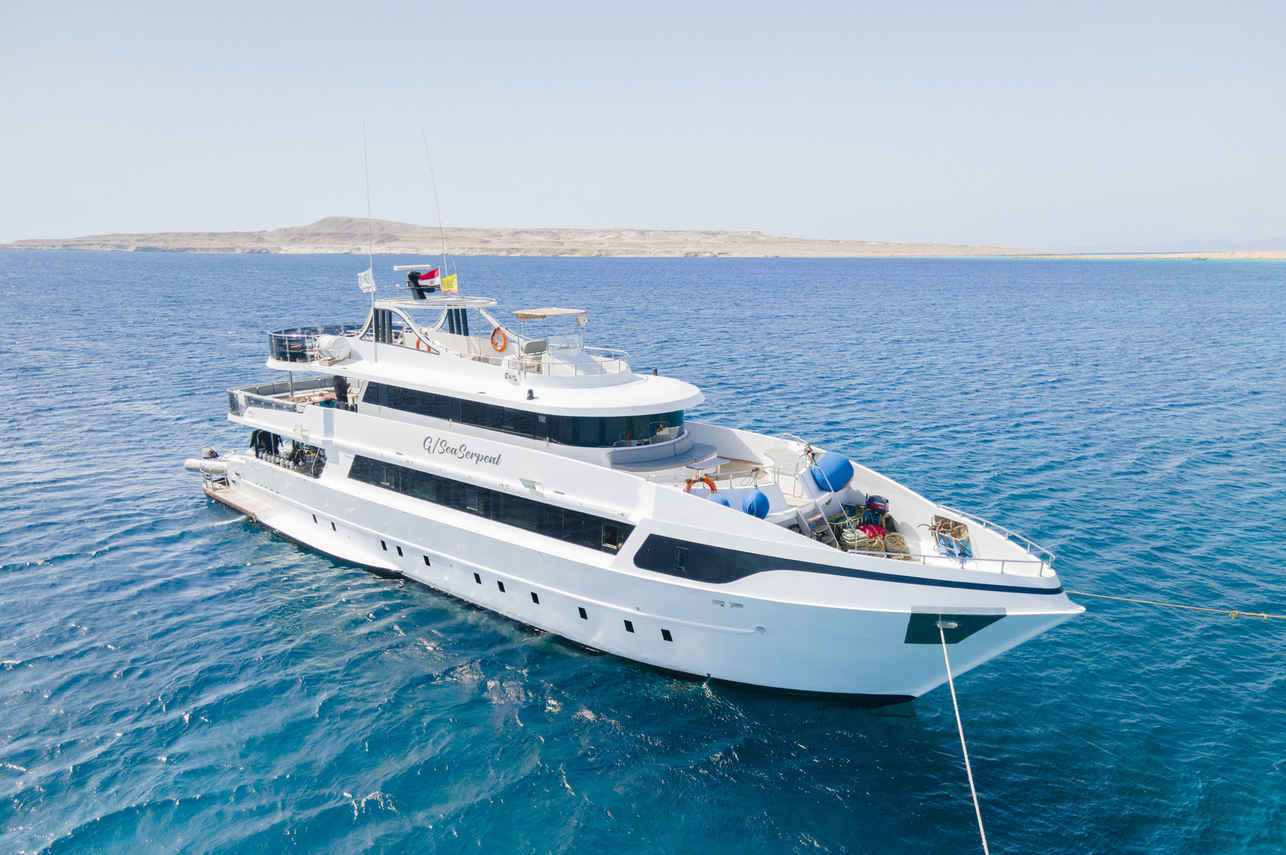
SS Serena Dreams
Egypt
18 guests33 m
$159/day
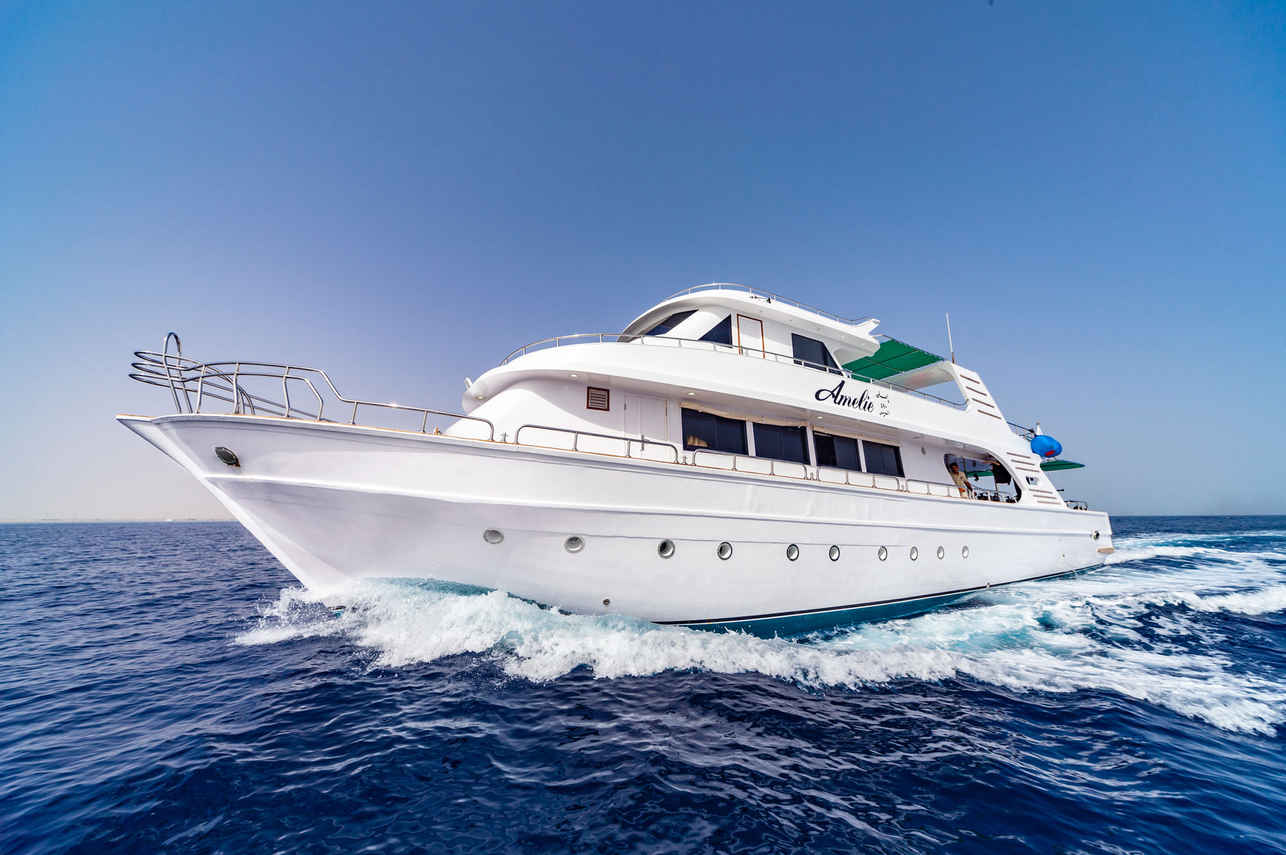
Amelie
Egypt
12 guests23 m
$115/day
Dive sites similar to Habili Ali
Same character, same waters — six more sites divers love for the exact same reasons.Compare seasons, access and liveaboard routes — then pick the site that fits your trip best.
© Esri — Maxar, Earthstar, GIS
Carless Reef
Egypt
Carless Reef is a renowned advanced dive site near Hurghada, notable for its two prominent coral pinnacles that rise from a sandy bottom at 30 meters.
- Suitable for
- Advanced
- Current
- Strong
- Access
- Dayboat
- Depth
- 15–40 m
- Theme
- Reef / Drift
© Esri — Maxar, Earthstar, GIS
Far Garden
Egypt
Far Garden is a prominent dive site located in Sharm El Sheikh, serving as the northern headland of the adjacent Middle Garden site.
- Suitable for
- Beginner
- Current
- Moderate
- Access
- Shore / dayboat
- Depth
- 1–45 m
- Theme
- Reef / Drift
© Esri — Maxar, Earthstar, GIS
Big Brother
Egypt
Big Brother Island, a prominent pinnacle in the southern Red Sea, rises from significant depths approximately 60 miles off the Egyptian coast near El-Quseir.
- Suitable for
- Advanced
- Current
- Strong
- Access
- Liveaboard only
- Depth
- 8–85 m
- Theme
- Drift / Wreck
© Esri — Maxar, Earthstar, GIS
El Fanadir North
Egypt
El Fanadir North is a prominent reef system in the Red Sea, situated roughly 4 kilometers offshore from Hurghada.
- Suitable for
- Advanced
- Current
- Moderate
- Access
- Liveaboard or dayboat
- Depth
- 12–70 m
- Theme
- Drift / Reef
© Esri — Maxar, Earthstar, GIS
Gota Soraya
Egypt
Gota Soraya stands out as one of the Red Sea's premier wall dives, located in the southern region near the Sudanese border.
- Suitable for
- Advanced
- Current
- Moderate
- Access
- Liveaboard only
- Depth
- ≤ 20 m
- Theme
- Wall
© Esri — Maxar, Earthstar, GIS
Moray Garden
Egypt
Moray Garden is a highly accessible shore dive located south of Dahab, distinguished by its unique blend of ease of access and diverse underwater topography.
- Suitable for
- Beginner
- Current
- Mild
- Access
- Shore / dayboat
- Depth
- 5–40 m
- Theme
- Reef / Drift