About Rocky Island
Rocky Island, a tiny, uninhabited outcrop barely 500 meters long, is located in the far south of Egypt's Red Sea, approximately 170 kilometers southeast of Marsa Alam and just 6 kilometers southeast of Zabargad Island. Its remote position near the Sudanese border exposes it to strong currents and swells, which cultivate an exceptionally rich marine ecosystem. This isolation makes it a challenging but rewarding destination, primarily accessed via liveaboards from Marsa Alam or Port Ghalib. The island features a shallow plateau extending about 35 meters from its shores before dropping steeply into deep waters, providing an ideal depth for safety stops. The diving topography varies around the island. The southern shore offers the calmest conditions, with depths around 18 meters, featuring delicate corals, overhanging structures, and swim-throughs. In contrast, the eastern shore is characterized by drift dives along sheer walls that plunge to 50 meters, attracting large pelagics. The northern shore experiences the full force of weather and currents, presenting a landscape of rocky outcrops and sheer walls, making it suitable for advanced divers. Marine life at Rocky Island is diverse and abundant, including a wide array of reef fish and schooling species. Pelagic sharks, such as scalloped hammerheads and oceanic whitetips, are a major draw, especially in the deeper, more turbulent waters. The reefs are vibrant with hard corals like acropora and brain corals, alongside soft corals such as nephtheidae in various colors, and deep-water black corals. Dolphins are also seen year-round. Given its exposed location and strong, often shifting currents, Rocky Island is best suited for advanced divers comfortable with drift dives and potentially rough surface conditions. Dives typically involve entry techniques adapted to current direction. While the southern side offers some shelter, the northern and eastern sections require experience. Liveaboards provide the only access to this remote site, often mooring overnight at the more protected Zabargad Island.
Highlights
Pelagic shark encountersVibrant soft coral wallsDrift dives on exposed reefsDeep water barracuda schoolsOverhanging coral structuresRemote, pristine environment
Season calendar
Best months to dive here
Jan
Feb
Mar
Apr
May
Jun
Jul
Aug
Sep
Oct
Nov
Dec
Excellent
Good
Mar – May & Sep – Nov (Peak)
Best conditions with 30m+ visibility, comfortable water temps 24–28°C. Hammerhead sharks at Brothers, thresher sharks at Elphinstone.
Jun – Aug & Dec – Feb (Shoulder)
Jun–Aug: hot topside but warm water, good for southern routes. Dec–Feb: cooler water (21–23°C) attracts oceanic whitetips at Elphinstone. Still excellent visibility.
Dive site facts: Rocky Island
- Depth
- 0–50 m
- Typical dive
- 18–25 m, 50–60 min
- Current
- Moderate to strong, variable
- Visibility
- 20–40 m
- Water temperature
- 21–30°C
- Entry
- Liveaboard tender / negative entry
- Level
- Advanced Open Water (AOWD), 50+ logged dives
- Dive type
- Wall, drift, pelagic encounters
- Night dive
- Possible, but limited due to currents and remoteness
- Region / port
- Southern Red Sea, Marsa Alam
- Coordinates
- 24.0667, 35.7167
Conditions & Currents
Currents at Rocky Island can be significant and unpredictable, often shifting from the prevailing northeast to the south, necessitating careful dive planning. The island's exposed location means it acts as a magnet in the current, attracting pelagic species but also dictating dive profiles. The northern and eastern shores typically experience the strongest currents and surface surges, requiring experienced divers to descend quickly to avoid turbulent upper layers. Drift diving is common, particularly on the eastern side, where deeper water and strong currents attract larger marine life. While the southern shore is more sheltered, currents can still be present. Divers must be proficient in negative entries and comfortable with variable current conditions, making it less suitable for novices.
Marine life & sighting chances

Oceanic Whitetip Shark
June-November · common
Scalloped Hammerhead Shark
occasional
Grey Reef Shark
common
Barracuda
common
Napoleon Wrasse
common
Surgeonfish
common
Snapper
common
Rabbitfish
common
Unicornfish
occasional
Moray Eel
common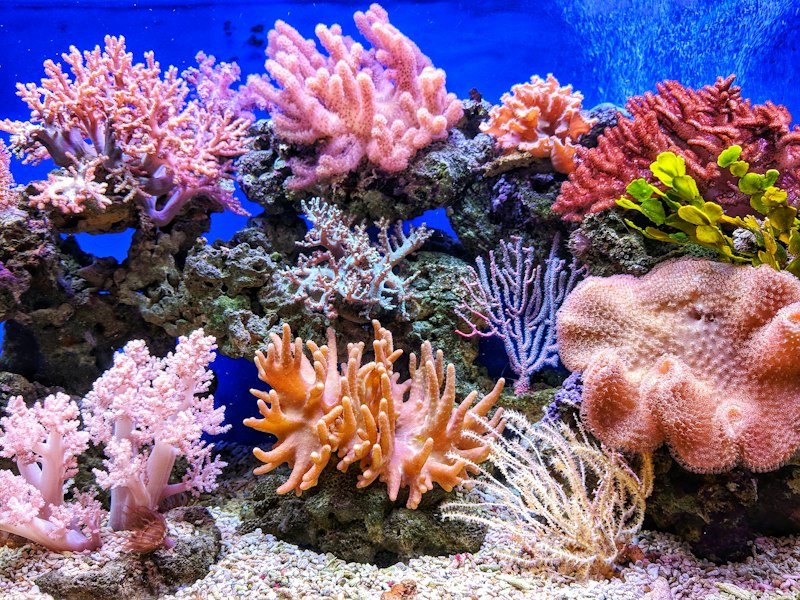
Soft Corals
common
Hard Corals
commonXenia Coral
commonNephtheidae Coral
commonDive profile & how the dive runs
Diving at Rocky Island typically involves a liveaboard and an initial negative entry from a tender due to potential strong currents and exposed conditions. The typical dive plan depends on the prevailing current, often focusing on a drift along one of the island's three main shores: south, east, or north. The eastern shore is frequently explored as a drift dive, starting shallower and descending to an average depth of 25 meters, with a maximum of 50 meters, along a sheer wall adorned with diverse corals and pelagic activity. The northern shore offers a similar drift profile, usually around 20 meters average depth, but can be more exposed to surge. The southern side, being more sheltered, allows for more exploration of its overhanging features and swim-throughs at an average depth of 18 meters. Safety stops are typically performed on the shallow plateau encircling the island, providing excellent views of reef fish and corals before surfacing.
Underwater photography
Rocky Island offers exceptional wide-angle photography opportunities, particularly along its vibrant coral walls and for capturing encounters with large pelagics. A wide-angle lens is essential for showcasing the extensive soft coral gardens, dramatic drop-offs, and schooling fish. For shark photography, patience and knowing where to position yourself in relation to the current are key. Given the potential for strong currents and deeper dives, maintaining excellent buoyancy control is crucial to avoid damaging delicate corals and to achieve sharp, well-composed shots. Using external strobes will enhance color and clarity, especially when shooting into the blue or at deeper depths. Be prepared for varied light conditions; intense surface light in summer can be great, but plankton blooms might require diffusers to minimize backscatter.
Combine with nearby dive sites
- Zabargad Island
Often combined in itineraries due to its close proximity and similar remote appeal.
- St. Johns Reef
A complex reef system frequently visited on Deep South liveaboard routes.
- Fury Shoals
A series of diverse reefs offering a range of dive experiences.
- Daedalus Reef
Another remote offshore reef known for pelagic encounters.
- Elphinstone Reef
Famous for its sharks and pristine corals, often part of southern Red Sea routes.
Getting there & logistics
Access to Rocky Island is exclusively via liveaboard, as its remote location precludes day trips. The primary departure ports are Marsa Galib or Marsa Alam, both served by Marsa Alam International Airport (RMF). Liveaboard itineraries typically last 7-8 nights and combine Rocky Island with other remote southern Red Sea sites like Zabargad Island and St. John's Reef. Guests should confirm whether marine park fees and permits for protected areas like Rocky Island are included in their liveaboard package, as these are mandatory. Due to its isolation, there are no shore facilities, meaning all logistics, including food, accommodation, and dive support, are managed aboard the vessel.
Safety & environment
Diving at Rocky Island demands a high level of experience due to its strong and unpredictable currents, exposed conditions, and extreme remoteness. The nearest recompression chamber is in Marsa Alam, approximately 170 kilometers away by sea, highlighting the necessity of robust emergency evacuation plans. Divers must carry personal dive insurance that covers emergency medical treatment and evacuation. Essential gear includes a dive computer, surface marker buoy (SMB), whistle, and a signaling mirror. Always dive with a qualified guide and adhere strictly to the liveaboard's safety briefings and protocols. Given the lack of immediate shore-based assistance, conservative dive planning, vigilant buddy checks, and excellent buoyancy control are paramount.
Who it suits, and who it doesn't
Suited for
- Experienced divers comfortable with strong currents
- Pelagic enthusiasts seeking shark encounters
- Photographers focused on wide-angle reef and pelagic shots
- Divers preferring remote, uncrowded sites
- Liveaboard guests looking for a challenging adventure
Less suited for
- Novice or inexperienced divers
- Divers uncomfortable with deep or drift dives
- Individuals prone to seasickness in open ocean conditions
- Those seeking easy, sheltered diving
- Divers without comprehensive dive insurance
FAQ
Rocky Island FAQ
Where is Rocky Island located in Egypt?
Rocky Island is situated in the far south of Egypt's Red Sea, approximately 170 kilometers southeast of Marsa Alam. It lies very close to the maritime border with Sudan and about 6 kilometers southeast of Zabargad Island, making it one of the southernmost offshore dive sites in the region.
What kind of marine life can I expect to see at Rocky Island?
Rocky Island is renowned for its abundant pelagic life, including frequent sightings of oceanic whitetip, scalloped hammerhead, and grey reef sharks. You can also encounter large schools of barracuda, snapper, and surgeonfish, alongside Napoleon wrasse and unicornfish. The vibrant soft and hard coral gardens are teeming with smaller reef fish and various moray eels.
Do I need to be an experienced diver to visit Rocky Island?
Yes, Rocky Island is recommended for experienced divers, ideally those with an Advanced Open Water certification and at least 50 logged dives. The site features strong and unpredictable currents, deep profiles, and exposed conditions that require excellent buoyancy control and comfort with drift diving.
What are the typical diving conditions at Rocky Island?
Diving conditions at Rocky Island are characterized by moderate to strong currents, which can shift direction. Visibility generally ranges from 20 to 40 meters. Water temperatures vary from 21°C in winter to 30°C in summer. The exposed nature of the island means surface conditions can also be rough at times.
How do I get to Rocky Island?
Rocky Island is only accessible via liveaboard, typically departing from Marsa Galib or Marsa Alam. Divers usually fly into Marsa Alam International Airport (RMF) to begin their journey. Liveaboard itineraries to this remote southern Red Sea site usually last between 7 and 8 nights, often combining it with other nearby islands and reefs.
Why dive Rocky Island from a liveaboard?
Rocky Island is one of Egypt's signature dive sites. A liveaboard sleeps you on the water and puts you in the water for three to four guided dives per day, including dawn and night dives that day-boat operators rarely offer. You skip the daily commute back to port and reach quieter, less-crowded sites in the same region on a single trip.
Below are the liveaboards that include Rocky Island on their Egypt itineraries.
Liveaboards diving Rocky Island
These liveaboards may visit Rocky Island on selected itineraries, the exact dive sites depend on departure, weather and conditions.

DUNE Longara
Egypt
30 guests

JP Marine
Egypt
28 guests

Snefro Pearl
Egypt
12 guests

Snefro Love
Egypt
20 guests

Sindalahs
Egypt
26 guests38 m

Hammerhead II
Egypt
20 guests

Blue Liveaboard
Egypt
24 guests43 m

Odyssey
Egypt
26 guests40 m

Discovery I
Egypt
20 guests

SS Serena Dreams
Egypt
18 guests33 m

Blue Pearl
Egypt
20 guests36 m

Alsuraya
Egypt
24 guests37 m
Dive sites similar to Rocky Island
Same character, same waters, six more sites divers love for the exact same reasons.Compare seasons, access and liveaboard routes, then pick the site that fits your trip best.
© EsriMaxar, Earthstar, GIS
Abu Dabbab
Egypt
Abu Dabbab stands out as one of the Red Sea's most celebrated dive destinations, particularly notable for being a rare location where divers can encounter the endangered dugong.
- Suitable for
- Beginner
- Current
- Strong
- Access
- Shore / dayboat
- Depth
- 3–20 m
- Theme
- Reef
© EsriMaxar, Earthstar, GIS
Abu Galawa
Saudi Arabia
Abu Galawa is a prominent dive site within Saudi Arabia's Red Sea, specifically located among the Seven Sisters reefs near Yanbu.
- Suitable for
- Intermediate
- Current
- Strong
- Access
- Liveaboard or dayboat
- Depth
- 5–40 m
- Theme
- Reef / Wall
© EsriMaxar, Earthstar, GIS
Abu Galawa Kebir
Egypt
Abu Galawa Kebir is a premier dive site located in the southern Red Sea, situated on the northwestern edge of the extensive Fury Shoal reef system.
- Suitable for
- Beginner
- Current
- Strong
- Access
- Liveaboard or dayboat
- Depth
- 3–18 m
- Theme
- Wreck
Abu Nuhas, often called the "ship's graveyard" of the Red Sea, is a triangular coral reef situated at the northern edge of the Strait of Gubal.
- Suitable for
- Beginner
- Current
- Strong
- Access
- Liveaboard or dayboat
- Depth
- 4–24 m
- Theme
- Wreck
The Aida is a prominent wreck dive site located in the Egyptian Red Sea, frequently visited on liveaboard itineraries that traverse the central region between the northern and southern dive sites.
- Suitable for
- Advanced
- Current
- Strong
- Access
- Liveaboard only
- Depth
- 25–65 m
- Theme
- Wreck / Drift
© EsriMaxar, Earthstar, GIS
Al Lith Mangrove Reef
Saudi Arabia
Al Lith Mangrove Reef, located approximately 210 km south of Jeddah, serves as the primary launch point for exploring the renowned Farasan Banks.
- Suitable for
- Beginner
- Current
- Strong
- Access
- Shore / dayboat
- Depth
- 3–15 m
- Theme
- Reef / Wall